

Buying a vehicle involves more than the price printed on the window. A dealer documentation fee, often called a doc fee, can add hundreds of dollars to the final bill for preparing contracts, title paperwork, registration documents, and related records. The rules are different from state to state, and some states place a legal ceiling on what dealers may charge. Others regulate disclosure without setting a fixed maximum.
That distinction matters. A fee described online as “capped” may actually be subject to a formula, an inflation adjustment, a percentage limit, or a different rule altogether. The information below focuses on 10 states commonly associated with limits on dealer documentation or processing charges, using current state sources where available.
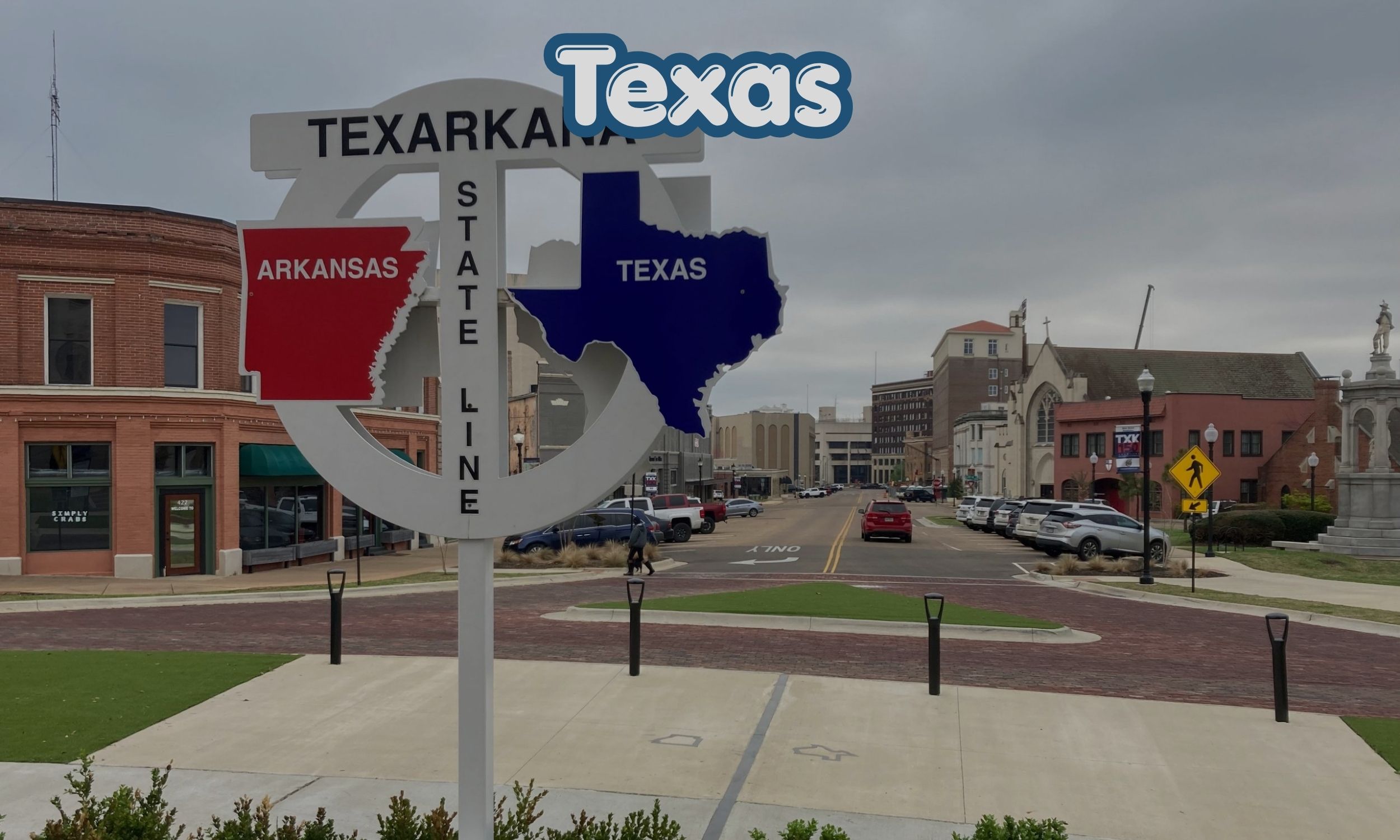
1. Texas
Texas uses a distinctive approach to dealer documentation fees. A dealer may charge up to $225 for a motor vehicle sale financed under Chapter 348 of the Texas Finance Code without filing a cost analysis.
This amount is commonly called the state’s documentary fee safe harbor. It is important to understand that $225 is not an absolute ceiling in every transaction.
A dealer seeking to charge more must meet additional requirements and file a cost analysis with the Office of Consumer Credit Commissioner showing that the higher charge is reasonable.
That makes Texas different from states with a simple hard maximum. The state’s dealer manual also requires the buyer’s order and retail installment contract to state that the documentary fee is not an official government fee and is not required by law.
For shoppers, the key takeaway is simple. A Texas documentation fee above $225 is not automatically illegal. Buyers should instead ask the dealer to explain how the fee was calculated and confirm whether the transaction qualifies for a higher amount.
The $225 figure is still useful as a reference point when reviewing a purchase worksheet.

2. Illinois
Illinois places a limit on the documentary fee that dealers may charge, and the amount is adjusted using an inflation-based formula. For 2026, consumer-facing references report a maximum of about $377.63, generally rounded to $378.
The annual adjustment means the figure is not permanently fixed at one dollar amount. This type of rule is worth watching because an older article may display an amount that no longer applies.
A buyer who searches for an Illinois doc fee cap and finds a figure from several years ago could easily compare a current purchase against an outdated number.
The Illinois rule also illustrates why a legal fee limit should not be confused with the amount every dealer charges. A dealer can charge less than the permitted maximum. The cap establishes the upper boundary under the applicable rule, not a required charge.
When reviewing an Illinois buyer’s order, look for the documentary or service fee as a separate line item and compare it with the current statutory or regulatory amount.
If the fee appears higher than the applicable limit, ask the dealership to explain the charge before signing. Because Illinois updates the amount, checking current state guidance before purchasing is a sensible step.

3. Ohio
Ohio has a statutory formula for documentary service charges. Under Ohio Revised Code Section 4517.261, a dealer’s documentary service charge cannot exceed the lesser of an annually adjusted amount and 10% of the amount the buyer or lessee must pay under the contract, excluding taxes, title and registration fees, and certain negative-equity adjustments.
The law also directs the registrar of motor vehicles to adjust the applicable dollar amount using the Consumer Price Index. The adjusted amount is published for the periods to which it applies.
That formula matters because describing Ohio’s rule as simply “a $387 cap” can become inaccurate when the published amount changes. Some current consumer sources list approximately $387 for 2026, but the statute itself is the better authority because it explains both the adjustment method and the 10% limitation.
For a buyer, the easiest approach is to check the documentary service charge on the contract, determine the applicable current dollar limit, and then consider the 10% calculation when relevant.
Ohio therefore offers a good example of why state fee rules should be checked at the time of purchase rather than copied from an old fee chart.

4. Michigan
Michigan structures its documentation fee cap around a formula rather than a single flat number, which creates an interesting dynamic depending on what kind of vehicle a buyer purchases.
Dealers can charge the lower of two amounts, either a flat $280 fee or 5% of the vehicle’s total price. For most typical vehicle purchases, this approach helps keep the fee reasonable whether the buyer is purchasing a lower-priced or more expensive vehicle.
Think through how this actually plays out. On a modestly priced used car worth $8,000, five percent comes out to $400, meaning the flat $280 cap kicks in instead and saves the buyer real money.
On a higher-priced new vehicle costing $40,000, five percent works out to $2,000, an amount far higher than the flat cap, so the $280 limit again applies and protects the buyer from anything close to that inflated percentage-based figure.
This dual-limit structure essentially guarantees the $280 flat cap functions as the effective ceiling in nearly every realistic buying scenario across the state.
Only in unusual circumstances involving extremely low-priced vehicles would the percentage calculation ever produce a lower number than the flat fee, making Michigan’s system function much like a straightforward $280 cap for the vast majority of car buyers.
Shoppers in Michigan should feel confident pushing back against any documentation fee quoted above $280, since state regulation makes clear that figure represents the maximum dealers can legally charge under nearly every circumstance a typical buyer is likely to encounter during a standard vehicle purchase.

5. Maryland
Maryland law sets a dealer processing charge limit of $800. The statute defines the charge broadly enough to cover administrative work such as preparing transaction documents, obtaining title and plates, filing title documents, retaining transaction records, and complying with privacy requirements.
The $800 maximum has applied since July 1, 2024. Maryland law also says that the charge must be reasonable and must reflect dealer expenses generally incurred for the listed services.
Disclosure is another important part of the Maryland rule. A vehicle contract must identify the dealer processing charge, and the statute specifies language stating that the charge is not required by law.
When a vehicle is advertised, the dealer processing charge generally must be included in the advertised price or disclosed clearly and conspicuously near that price under the statutory requirements.
For shoppers, the $800 figure should therefore be treated as a legal maximum, not as a standard amount that every dealer should charge. A dealer may charge less.
Comparing the processing fee with the advertised price and the final contract can also help reveal whether the quoted vehicle price already includes the charge.

6. Connecticut
Connecticut regulates dealer conveyance and processing fees through requirements governing how the charge is presented to buyers. The state describes the fee as a dealer charge for reasonable costs associated with processing documentation and services connected with closing a vehicle sale.
Many online lists need an important clarification when it comes to Connecticut. The state should not simply be described as having a fixed statewide dollar cap without providing the context behind the actual rule.
The state’s official conveyance-fee form says the amount is negotiable and requires the fee to be identified as a dealer charge rather than a payment to the state.
Connecticut also treats conveyance and document fees as taxable items for sales-tax purposes. The Connecticut Department of Motor Vehicles lists both conveyance/document fees and document service fees among taxable items.
For buyers, that means the fee deserves attention even when the dealer describes it as an administrative charge. Ask what services it covers, whether it is negotiable, and whether it has been included correctly in the taxable selling price.
The exact legal treatment can depend on the type of charge, so the state’s current rules are more reliable than a generic “cap” figure found on a vehicle-shopping website.

7. Massachusetts
Massachusetts protects car buyers through state law that limits how much dealerships can charge for documentation and processing fees. Instead of allowing dealers to set these charges without restrictions, lawmakers established a legal limit that licensed dealerships must follow when completing vehicle sales.
This approach reflects a broader consumer-protection trend across New England, where several states have introduced measures designed to prevent excessive fees and unexpected add-ons.
Documentation charges can be especially concerning because buyers may have limited bargaining power when a fee appears late in the purchasing process, after they have already invested time, money, and emotion in a particular vehicle.
Massachusetts enforces these requirements through its consumer protection laws, giving buyers a legal avenue to challenge documentation fees that exceed the permitted amount.
Dealerships that violate the applicable limits may face penalties, creating an incentive to comply with state requirements rather than adding unauthorized charges.
For Massachusetts car buyers, one practical step is to ask for the documentation fee in writing early in the negotiation process. Getting the amount confirmed before signing final paperwork makes it easier to spot unexpected changes later.
Buyers should also keep copies of written quotes, purchase agreements, and other records showing the fee they were originally given.
If a buyer believes a dealership has charged an unlawful documentation fee, the issue can be reported to the Massachusetts Attorney General’s consumer protection division for review and possible enforcement action.

8. New Jersey
New Jersey is another state that is frequently misclassified in online lists of capped dealer documentation fees. Current information indicates that New Jersey does not impose a statutory dollar ceiling on dealer documentation fees.
Instead, the full out-the-door price. That approach gives the buyer a clearer picture of what the vehicle actually costs and helps prevent a capped fee from being confused with unrelated charges.
A purchase agreement. Dealer documentation fees can be only one part of the transaction, and a low doc fee does not necessarily mean a lower final price. Ask for the state regulates documentary service fees through disclosure and consumer-protection requirements.
The New Jersey Division of Taxation explains that documentary service fees cover dealer work involving documents connected with a vehicle sale or lease. It also states that these charges are part of the taxable sales price rather than government fees imposed by the Motor Vehicle Commission.
That distinction has practical value. A buyer may see a documentation charge on a New Jersey purchase order and assume that the state has established the amount. It has not established a simple maximum dollar amount for this dealer charge.
Recent consumer data highlights why this distinction is important, as dealer documentation fees in New Jersey can differ significantly from one dealership to another. Buyers should focus on comparing the total out-the-door price instead of assuming there is a single statewide maximum fee.
If a dealer presents a large documentation charge, ask what it covers and whether the total vehicle price can be adjusted accordingly.

9. California
California does cap certain dealer document processing charges, but the rules depend on the dealer’s status within the state’s registration system.
The California DMV states that dealers participating as private industry partners may charge up to $85 for document preparation and processing. Dealers that do not have that contractual arrangement may charge up to $70.
The DMV describes this charge as covering preparation and processing connected with documents, disclosures, titling, registration, and information-security obligations. It also makes clear that the charge is not a government fee and must not be represented as one.
California also places restrictions on electronic filing charges. A dealer cannot simply add an electronic filing fee when the applicable rules prohibit it, and certain electronic filing charges are subject to their own limits.
For consumers, California is a good example of why the phrase “doc fee cap” needs a little detail. The applicable maximum depends on the dealer’s status, so a blanket figure can be misleading.
Before signing, check whether the documentation charge is $85 or $70 under the dealer’s applicable category and make sure government fees are separately identified.

10. New York
New York has one of the clearest dollar limits among the states listed here. State law caps the dealer documentation fee at $175 per transaction. Current references identify 15 NYCRR Section 78.19 as the relevant provision.
The $175 amount is a legal maximum, not a mandatory charge. A dealership can charge less, and buyers should not assume that every dealer will automatically use the full permitted amount.
If a buyer’s order lists a documentation fee above $175, the charge deserves immediate attention because the state limit applies to the documentation fee itself.
New York also demonstrates why shoppers should inspect the entire purchase worksheet. A dealer may have other legitimate charges for taxes, registration, title work, or optional products.
Those items should not simply be confused with the capped documentation fee. For someone comparing vehicles from different dealerships, the $175 ceiling provides a useful reference point.
Ask the salesperson to identify the documentation fee separately from government charges and optional products. Then compare the full out-the-door price.
That approach gives the buyer a clearer picture of what the vehicle actually costs and helps prevent a capped fee from being confused with unrelated charges.
