

Sticker price is the number everyone obsesses over. It is also the least useful number for understanding what a car actually costs. According to AAA’s 2026 Your Driving Costs study, the average new vehicle now costs $12,863 a year to own and operate. That works out to $1,071.92 a month. It is up from $11,577 in 2025.
Depreciation is the biggest single drag on your wallet. AAA puts it at $4,422 a year on average, ahead of fuel, insurance, and financing combined. Rising fuel prices and stubborn interest rates pushed this year’s number higher across nearly every category.
We pulled AAA’s 2026 category-level cost data and applied it to twelve specific, currently-sold models. The vehicles span AAA’s seven ownership categories, from small sedans to half-ton pickups.
All figures assume a five-year loan, 15,000 miles driven annually, and full-coverage insurance. The gap between the cheapest and priciest model here is more than $7,000 a year. That is the real cost of chasing size and horsepower.
1. Ford F-150 – Roughly $16,550 a Year
The F-150 sits at the top of AAA’s most expensive category. Half-ton pickups average $1.10 per mile to own, the highest of any segment tracked. Pricing starts at $40,085 for the XL trim. That climbs past $65,000 for King Ranch and Platinum grades.
Six engines are offered. The base 2.7-liter EcoBoost V6 sits at one end. The 5.2-liter supercharged V8 tops out at 720 horsepower. A 3.5-liter PowerBoost hybrid V6 makes 430 horsepower and 578 lb-ft of torque. Best-in-class towing reaches 13,500 pounds. Max payload is rated at 2,440 pounds.
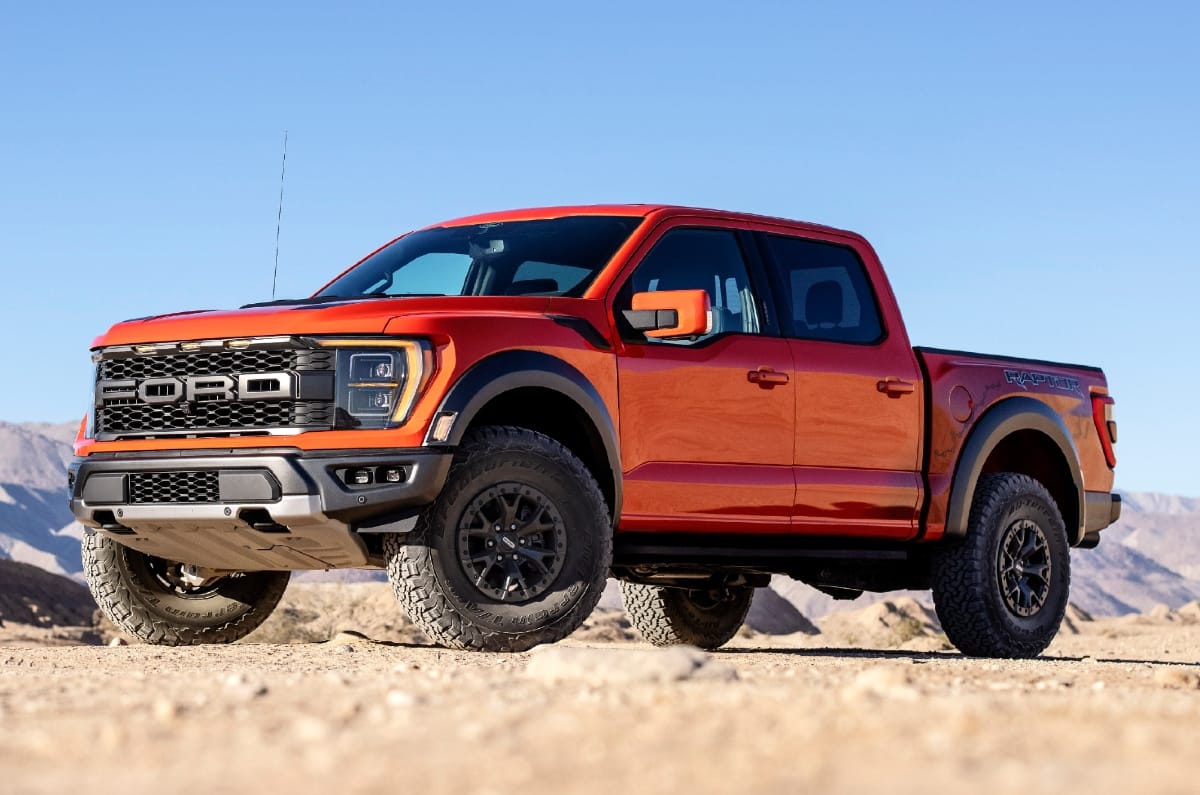
Depreciation drives most of the annual cost here. Full-size trucks hold value reasonably well, but their high transaction prices mean the dollar loss is still steep.
Insurance runs higher than average too. Repair parts and larger tires add to maintenance costs over five years. Fuel economy ranges from 12 to 23 mpg combined depending on engine choice. That spread alone can shift annual fuel spend by well over $1,000.
2. Ram 1500 – Roughly $16,050 a Year
Ram’s full-size truck sits just behind the F-150 in category cost, mostly due to a slightly lower average transaction price. It still lands solidly in AAA’s most expensive segment.
Starting MSRP is $42,025 for the Tradesman trim. The lineup tops out near $88,800 for the Tungsten. Four engines are available. The base 3.6-liter Pentastar V6 with eTorque makes 305 horsepower.
A twin-turbo 3.0-liter Hurricane inline-six comes in two states of tune, at 420 and 540 horsepower. A 5.7-liter Hemi V8 returns for 2026 with 395 horsepower. Max towing reaches 11,610 pounds on properly equipped models. Payload capacity tops out around 2,360 pounds.
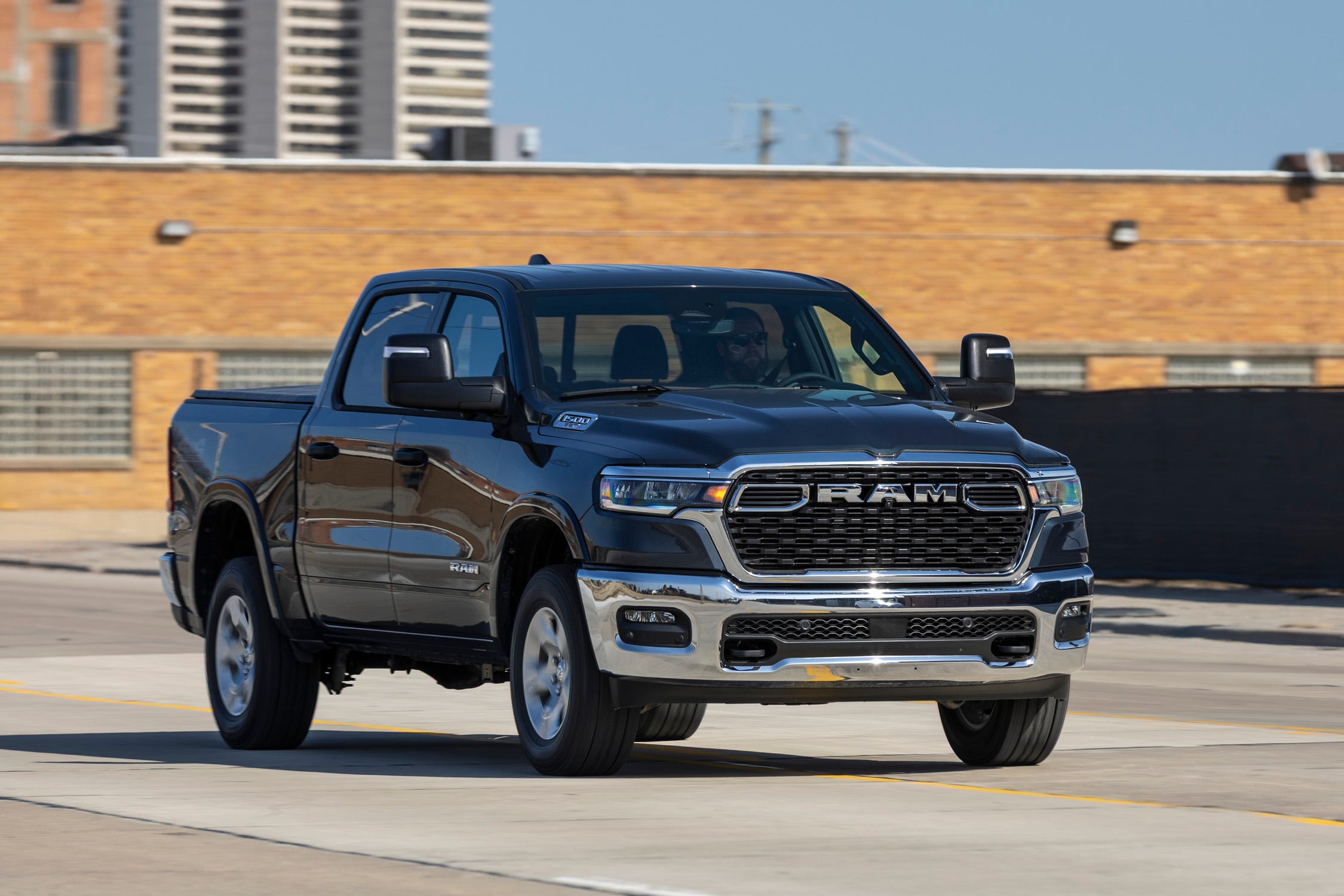
Fuel economy sits between 15 and 22 mpg combined. That is roughly in line with rival half-ton trucks. Depreciation and financing dominate the yearly cost here, just as with the F-150.
Trucks carry high MSRPs, so even modest percentage losses translate into large dollar figures. Insurance for full-size trucks also runs above the national average. Tire and brake wear add up faster given the added weight these trucks carry.
3. Toyota Highlander – Roughly $14,650 a Year
Medium SUVs are AAA’s second most expensive category this year. Depreciation and financing costs climb sharply once a vehicle crosses into three-row territory. The Highlander starts at $45,270 for the XLE trim. Fully loaded Platinum models reach roughly $54,000.
Power comes from a 2.4-liter turbocharged four-cylinder making 265 horsepower and 310 lb-ft of torque. A hybrid variant produces 243 combined horsepower and returns up to 35 mpg. All 2026 Highlanders come standard with all-wheel drive. Seating spans seven to eight passengers depending on configuration.
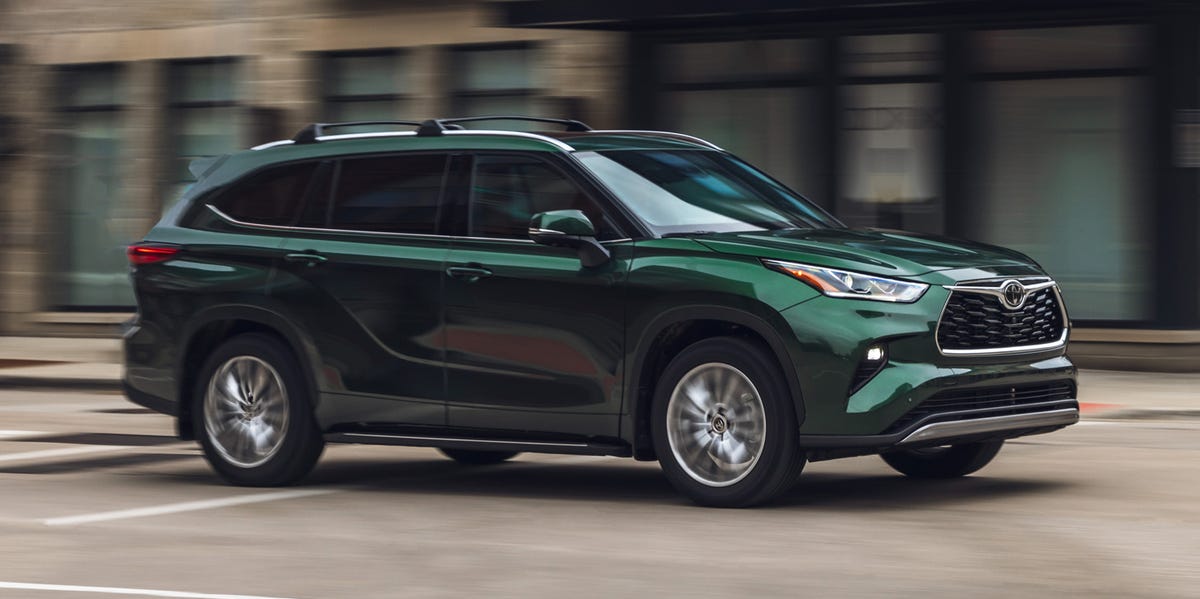
The gas engine returns 21 mpg city and 28 highway. That is respectable for a three-row SUV this size, though it trails smaller crossovers by a wide margin.
Insurance costs rise noticeably here compared to compact SUVs. Larger, heavier vehicles simply cost more to repair after a collision. Depreciation remains the biggest line item. A $45,000-plus MSRP means even average percentage losses over five years add up to thousands of dollars.
4. Chevrolet Traverse – Roughly $14,250 a Year
The Traverse trails the Highlander slightly, mostly because its starting price sits a bit lower. It still falls squarely into AAA’s priciest SUV bracket. Pricing starts at $44,695 for the LT trim. The RS and High Country trims push past $59,000.
Every 2026 Traverse uses a single 2.5-liter turbocharged four-cylinder. It produces 328 horsepower, notably more than the Highlander’s turbo-four.
Cargo volume is generous at 97.6 cubic feet with seats folded. Seating capacity ranges from seven to eight depending on trim. Towing capacity is rated at 5,000 pounds across the lineup. That is useful for buyers who need to haul a small trailer occasionally.
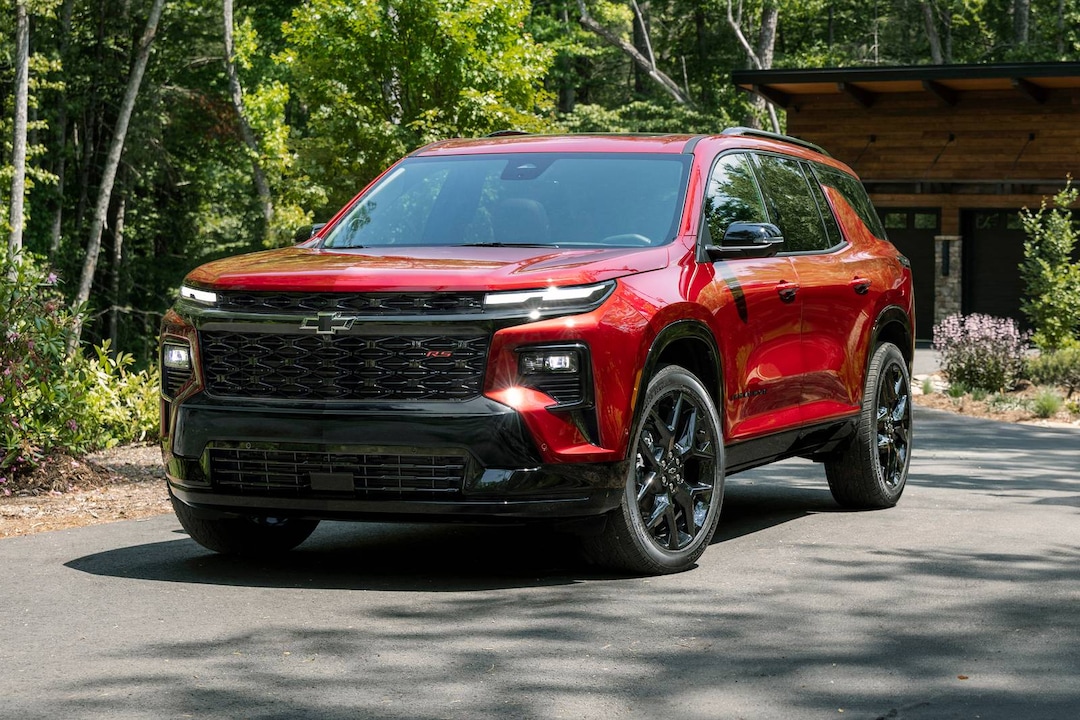
Fuel economy figures land in a similar range to other midsize SUVs. The turbocharged four-cylinder helps offset the vehicle’s size somewhat compared to older V6 competitors. Depreciation and insurance remain the two largest cost drivers. Both scale with the vehicle’s size and its relatively high average transaction price.
5. Toyota Tacoma – Roughly $13,089 a Year
Midsize pickups rank third among AAA’s most expensive categories. They combine truck-level depreciation with smaller-vehicle fuel economy, a mixed bag for owners.
The Tacoma starts around $32,145 for the base SR trim. Loaded Trailhunter and TRD Pro trims exceed $60,000. The standard engine is a turbocharged 2.4-liter four-cylinder. Output ranges from 228 horsepower in base trims to 278 in higher grades.
A hybrid i-Force Max system is available on upper trims. It combines the same turbo four with an electric motor for 326 horsepower and 465 lb-ft of torque.
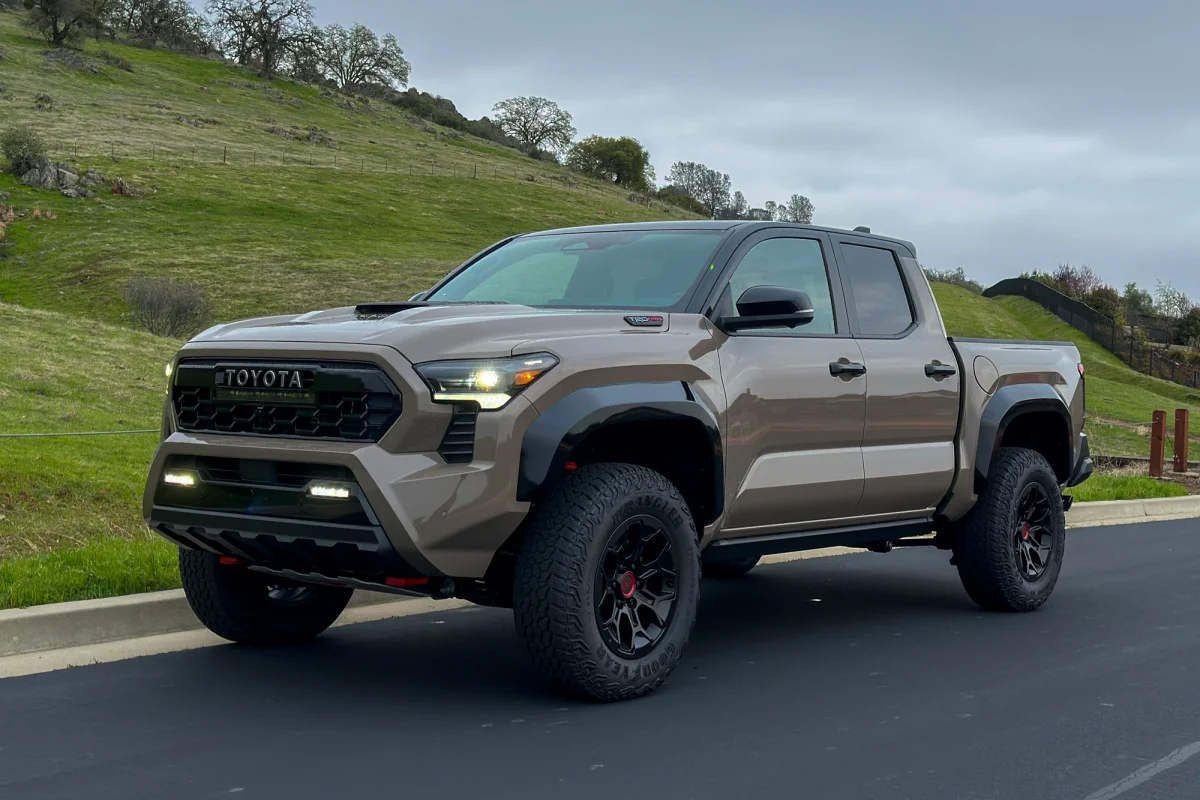
Fuel economy for the standard engine sits around 19 mpg city and 24 highway. The hybrid improves on that meaningfully while adding real towing punch.
Towing capacity reaches roughly 6,400 pounds depending on configuration. That is well short of full-size trucks but plenty for most trailers and toys.
Insurance and maintenance costs land between compact SUVs and full-size trucks. Toyota’s strong resale value helps offset some of the depreciation hit.
6. Toyota RAV4 – Roughly $11,670 a Year
Compact SUVs post the fourth-highest ownership costs, but the gap to midsize trucks is significant. This is where mainstream family buyers tend to land. The redesigned RAV4 starts at $31,900 for the LE trim. Every 2026 RAV4 is now a hybrid, with gas-only versions discontinued.
Front-wheel-drive hybrids produce 226 horsepower. All-wheel-drive versions add a rear electric motor and reach 236 horsepower. Fuel economy is a strong point here. Combined ratings land between 39 and 44 mpg depending on trim and drivetrain.
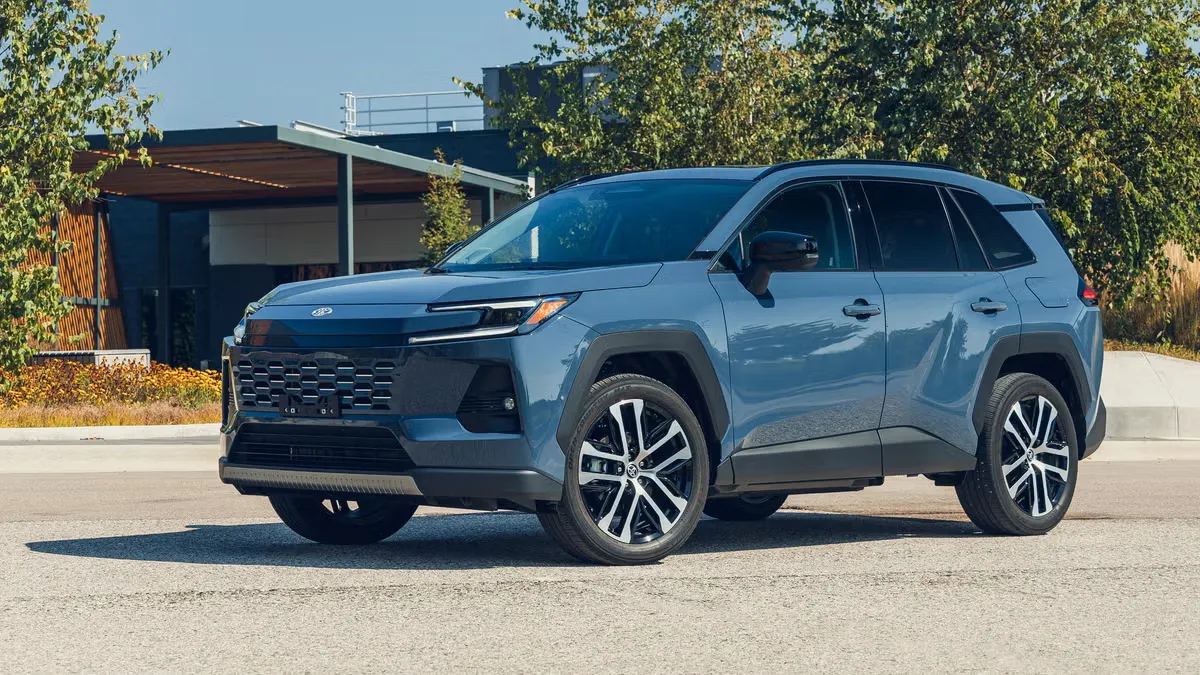
That efficiency helps offset the RAV4’s slightly higher MSRP relative to the CR-V. Lower fuel spending over five years narrows the total ownership gap between the two.
Depreciation remains moderate thanks to Toyota’s strong resale reputation. RAV4s have historically held value better than most compact SUV rivals. Insurance costs sit near the category average. Maintenance is inexpensive given the RAV4’s reputation for mechanical reliability.
7. Honda CR-V – Roughly $11,420 a Year
The CR-V edges out the RAV4 slightly on annual cost, largely due to its lower starting price. Both remain close within the compact SUV segment. Pricing starts at $30,920 for the LX trim with front-wheel drive. A hybrid version starts at $35,630 and adds meaningful efficiency.
The standard engine is a turbocharged 1.5-liter four-cylinder making 190 horsepower. The hybrid uses a 2.0-liter engine paired with electric motors for 204 horsepower. Combined fuel economy for the gas model lands around 28 mpg. The hybrid pushes that closer to 40 mpg depending on trim.
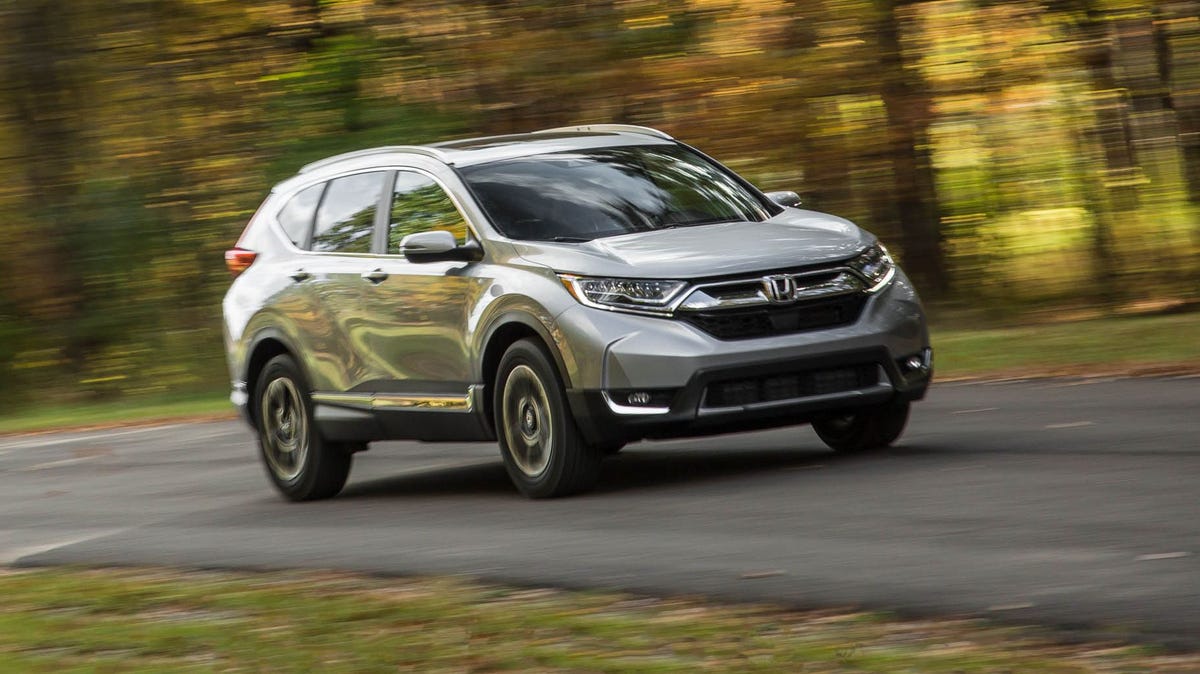
Cargo space is generous at 76.5 cubic feet with seats folded. That makes the CR-V a practical choice for families who need flexibility. Depreciation stays moderate here too, helped by Honda’s solid resale numbers.
Insurance premiums track close to the broader compact SUV average. Financing costs are lower simply because the CR-V’s MSRP starts below most rivals. That advantage compounds over a five-year loan term.
8. Honda HR-V – Roughly $10,752 a Year
Subcompact SUVs post the third-lowest ownership costs among AAA’s seven categories. They split the difference between small sedans and full compact SUVs. The HR-V starts at $29,450 for the LX trim. Top EX-L models reach roughly $33,300. Every HR-V uses a naturally aspirated 2.0-liter four-cylinder. It produces 158 horsepower and 138 lb-ft of torque.
Combined fuel economy lands between 27 and 28 mpg. That is respectable but trails several turbocharged and hybrid rivals in the segment. Cargo capacity reaches 55.1 cubic feet with rear seats folded. That is genuinely competitive for a vehicle this size.
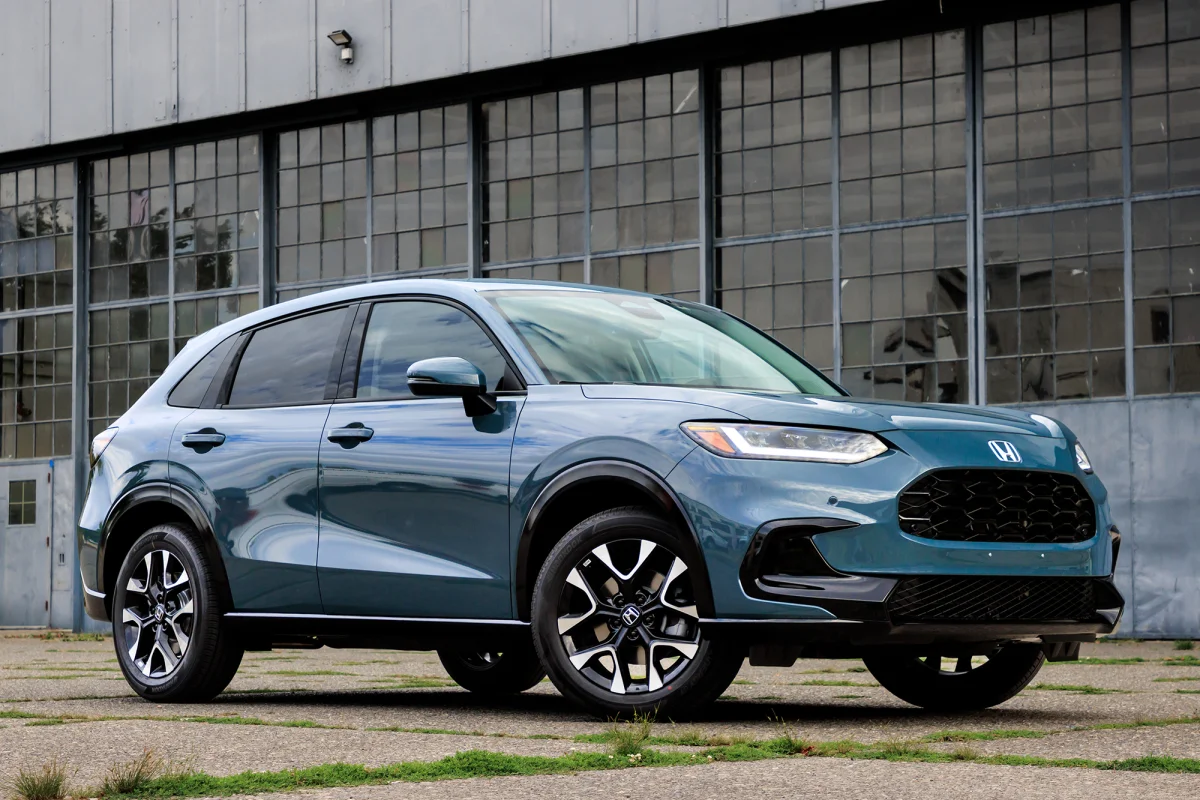
Depreciation is moderate, and insurance costs are lower than compact SUVs given the smaller footprint. Maintenance costs stay low thanks to Honda’s mechanical simplicity here.
The HR-V’s value proposition is strong for buyers who do not need three rows. It offers real SUV utility without stepping into compact SUV pricing.
9. Honda Accord – Roughly $10,630 a Year
Medium sedans rank as the second-cheapest category in AAA’s 2026 analysis. The Accord and Camry anchor this segment for most shoppers. The Accord starts at $29,590 for the LX trim. A hybrid version is available, though pricing climbs from there.
The standard engine is a turbocharged 1.5-liter four-cylinder making 192 horsepower. The hybrid setup uses a 2.0-liter engine for 204 horsepower.
Combined fuel economy for the gas model sits around 32 mpg. The hybrid variant reaches figures closer to 48 mpg combined. Curb weight starts at 3,239 pounds for the base LX. That relatively light build helps both fuel economy and tire wear over time.
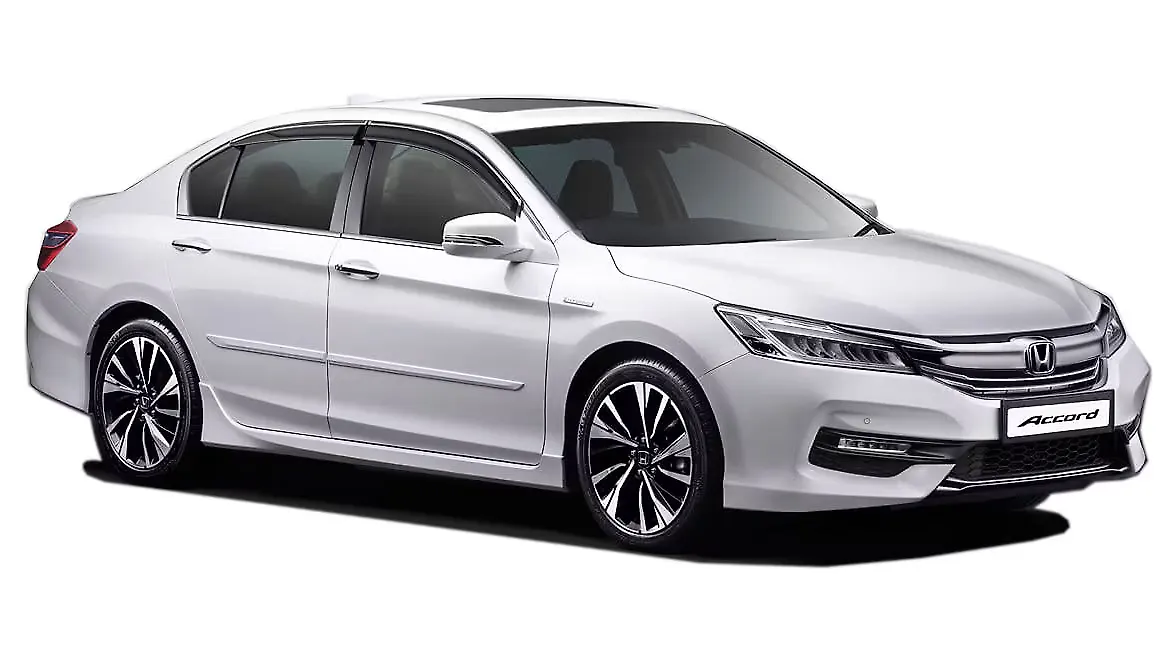
Depreciation and insurance costs track close to the Camry’s numbers. Honda’s resale values remain strong, keeping five-year losses in check.
Financing costs stay modest given the Accord’s sub-$30,000 starting price. That keeps total ownership costs well below SUVs of similar interior space.
10. Toyota Camry – Roughly $10,480 a Year
The Camry edges slightly below the Accord in annual cost. Every 2026 Camry is now a hybrid, which helps its fuel numbers considerably. Pricing starts under $29,000 for the base LE trim. The lineup uses a 2.5-liter Atkinson-cycle engine paired with electric motors throughout.
Front-wheel-drive models make 225 horsepower. All-wheel-drive versions bump output slightly to 232 horsepower. Combined fuel economy reaches up to 51 mpg on the base LE trim. Even sportier SE and XSE trims with larger wheels still manage 47 mpg combined.
That fuel efficiency is the Camry’s biggest cost advantage here. Lower gas spending over 75,000 miles adds up to real savings versus non-hybrid rivals.
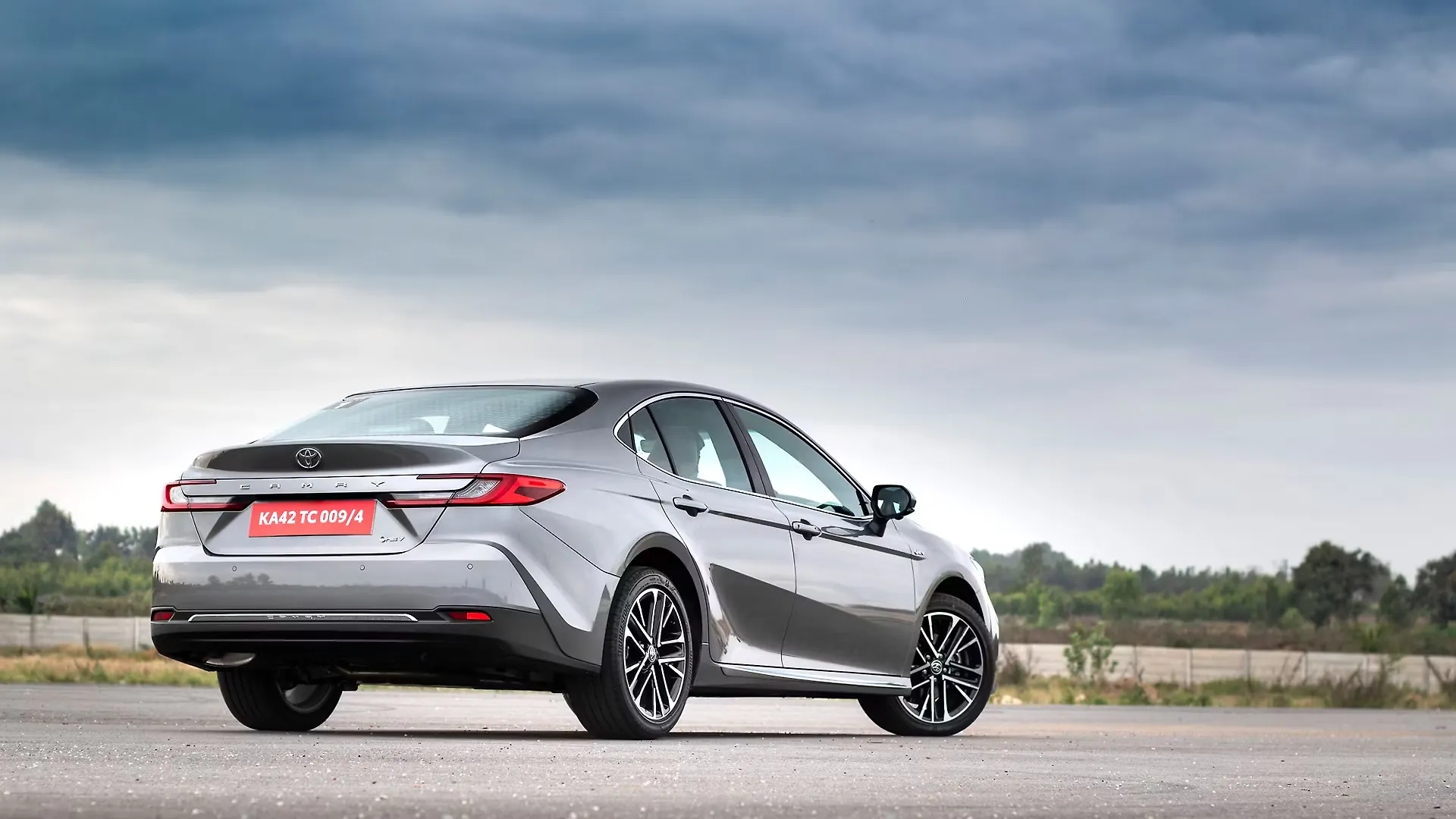
Depreciation stays low thanks to Toyota’s strong resale reputation. The Camry has historically topped cost-to-own rankings within the midsize sedan class.
Insurance and maintenance costs remain modest. Toyota Safety Sense 3.0 comes standard, which can also help lower insurance premiums in some cases.
11. Honda Civic – Roughly $9,440 a Year
Small sedans are the cheapest category to own in AAA’s entire 2026 study. The Civic and Corolla represent the segment’s two best-selling nameplates. The Civic starts at $25,890 for the LX trim. The performance-oriented Si tops the lineup at $32,690.
Base LX and Sport trims use a 2.0-liter four-cylinder making 150 horsepower. A hybrid variant produces 200 horsepower with noticeably stronger low-end torque.
The Si trim uses a 1.5-liter turbo paired with a six-speed manual. It is rated at 200 horsepower for buyers who want more driving engagement. Combined fuel economy spans a wide range, from 24 mpg in the Si to 49 mpg in the hybrid. That gap alone can shift annual fuel costs by several hundred dollars.
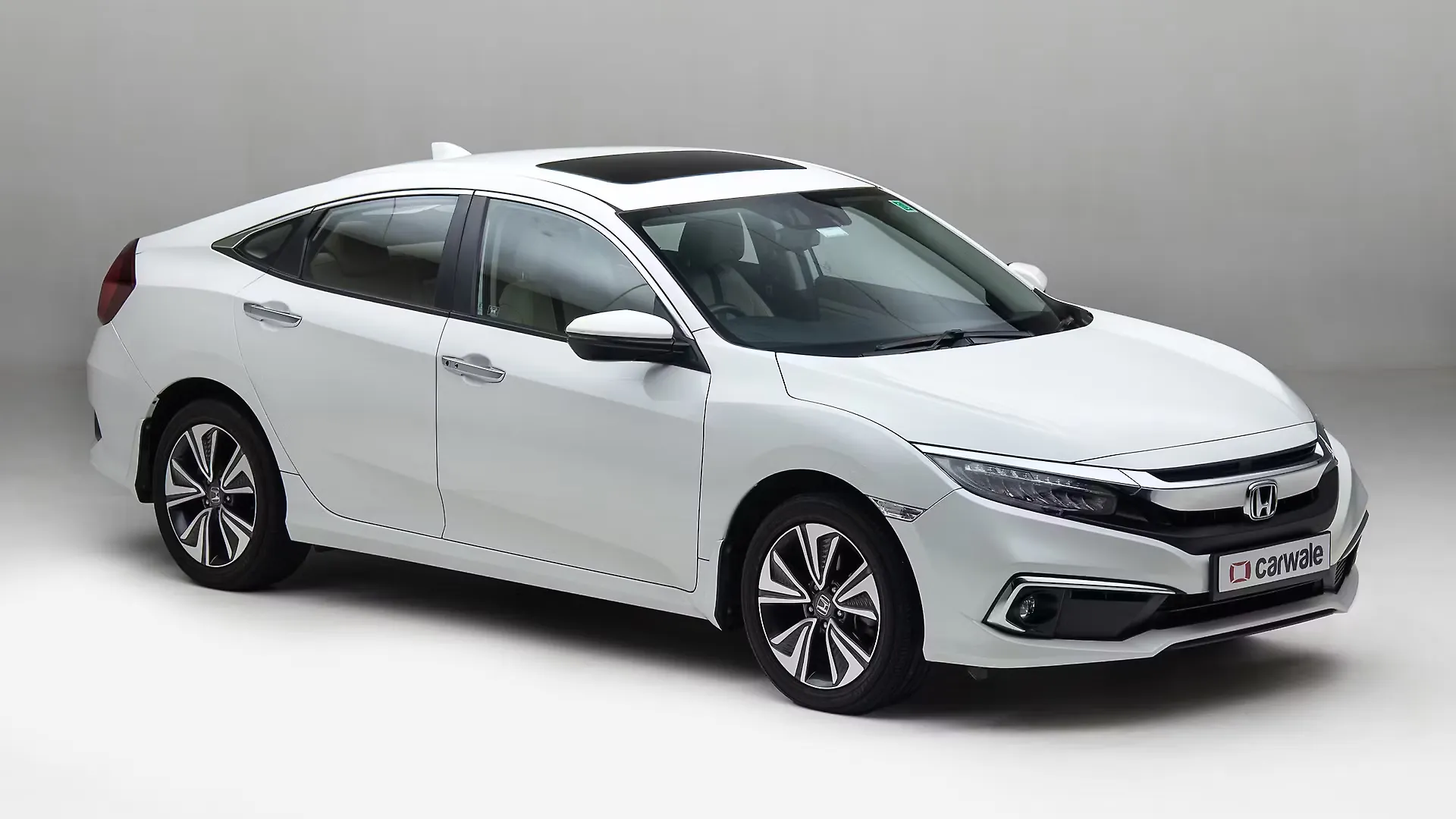
Depreciation and insurance costs stay low across the board here. Small sedans simply cost less to repair and replace than larger vehicles. Financing costs are minimal given the Civic’s sub-$26,000 starting price. That keeps total five-year ownership costs firmly below $50,000 for most buyers.
12. Toyota Corolla – Roughly $9,080 a Year
The Corolla finishes as the cheapest vehicle on this list to own. Its low starting price and strong resale value combine to minimize nearly every cost category.
Pricing starts at $24,120 for the LE trim. The sportier XSE trim tops out at $29,835. The standard engine is a 2.0-liter four-cylinder making 169 horsepower. A hybrid variant is also available, producing 138 horsepower with significantly better fuel economy.
Combined fuel economy ranges from 34 to 47 mpg depending on powertrain. That efficiency keeps annual fuel spending among the lowest of any vehicle in this ranking.
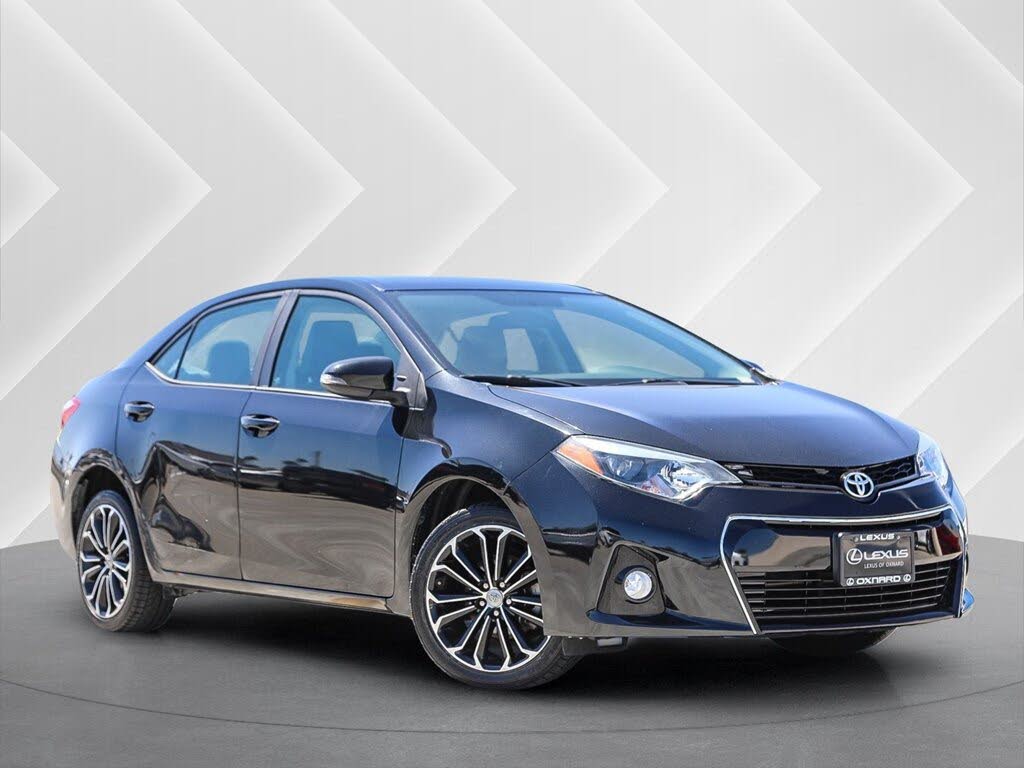
Curb weight starts at just 2,955 pounds. That light build helps fuel economy, tire wear, and insurance premiums all at once. Depreciation is minimal thanks to Toyota’s reputation for long-term reliability. Corollas routinely rank among the slowest-depreciating vehicles in their class.
Financing costs are the lowest of any model here, a direct result of the Corolla’s sub-$25,000 starting price. Five-year total ownership costs typically land well under $46,000.
