
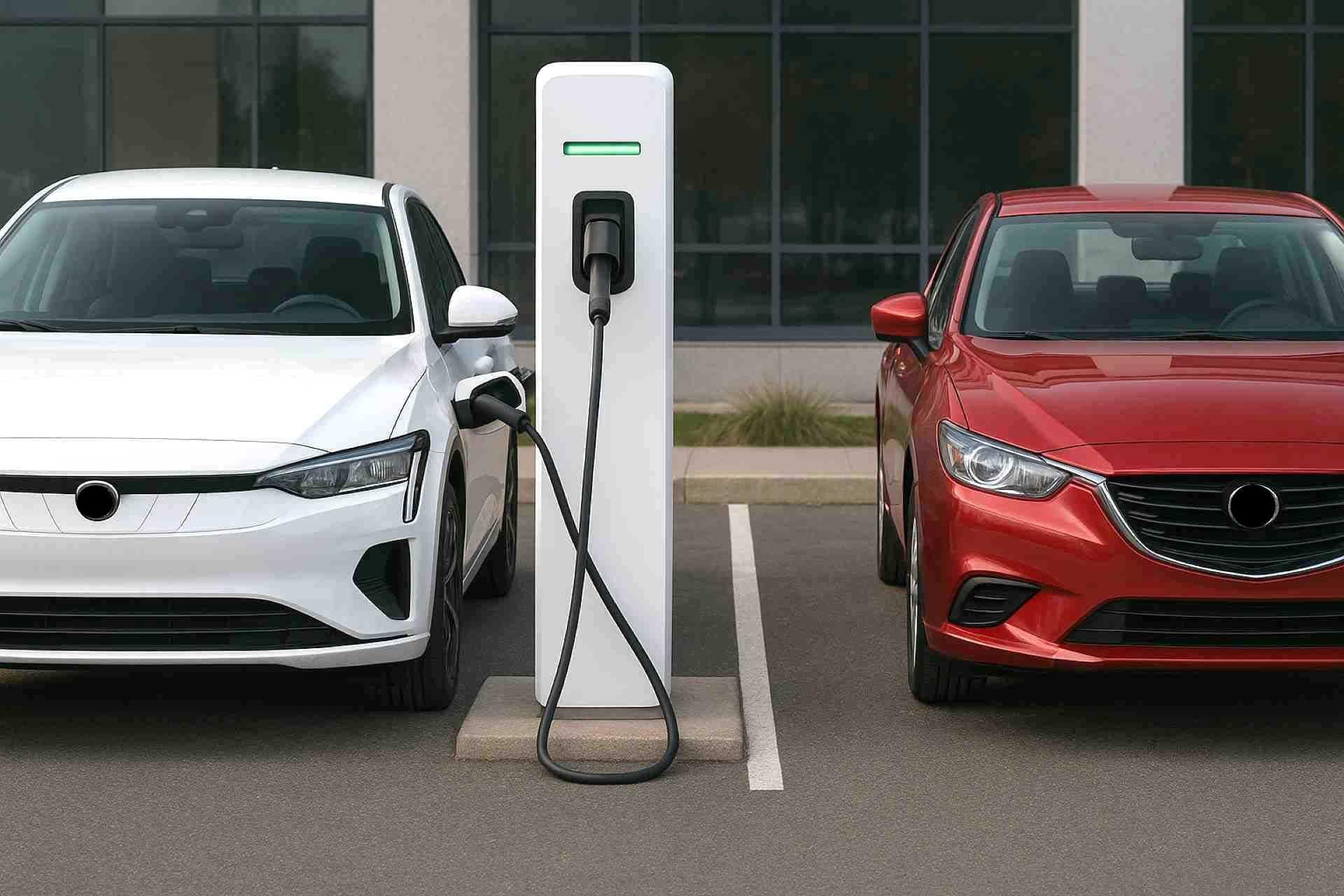
The cheapest car to run is not always the cheapest car to own. That gap is where most electric vehicle math quietly falls apart. AAA’s latest Your Driving Costs study makes the point in hard numbers.
Gas-powered medium sedans cost $10,582 per year to own $3,080 less than comparable EV medium sedans, which had significantly higher depreciation, fees and finance costs.
The energy savings are real and they are large. Charging costs for EVs run between 66% and 70% lower than fuel for traditional gas vehicles across the categories studied. The problem is what happens above the fuel line.
EV medium sedans had about twice the depreciation of gasoline-powered models, helping push total ownership costs 29% higher in that category. Higher sticker prices then inflate finance charges, sales tax and registration fees in lockstep.
The wider market data agrees. According to iSeeCars’ 2026 depreciation study, the average vehicle loses 41.8% of its value after five years, while electric vehicles lose 57.2%.
The nine pairings below are the clearest examples. In each case, the gas model and the electric model wear the same badge or sit in the same showroom slot.
They are compared on the things that actually drain a bank account. Purchase price, resale value, insurance, financing and fuel. None of this makes electric cars bad vehicles. It makes them expensive ones to buy new and sell early.
1. Hyundai Kona vs. Hyundai Kona Electric
The Kona is the tidiest test case in the business. Same body, same seats, same dashboard, two completely different ownership curves. The gas Kona starts in the mid-twenties. The Electric version has historically asked roughly ten to twelve thousand dollars more for the same footprint.
That premium never fully returns. iSeeCars ranked the electric Kona as the third best buy when it comes to EV depreciation, with an expected loss of 56.5% in the first five years. Read that carefully. Being one of the best EVs for resale still means shedding more than half the sticker in five years.
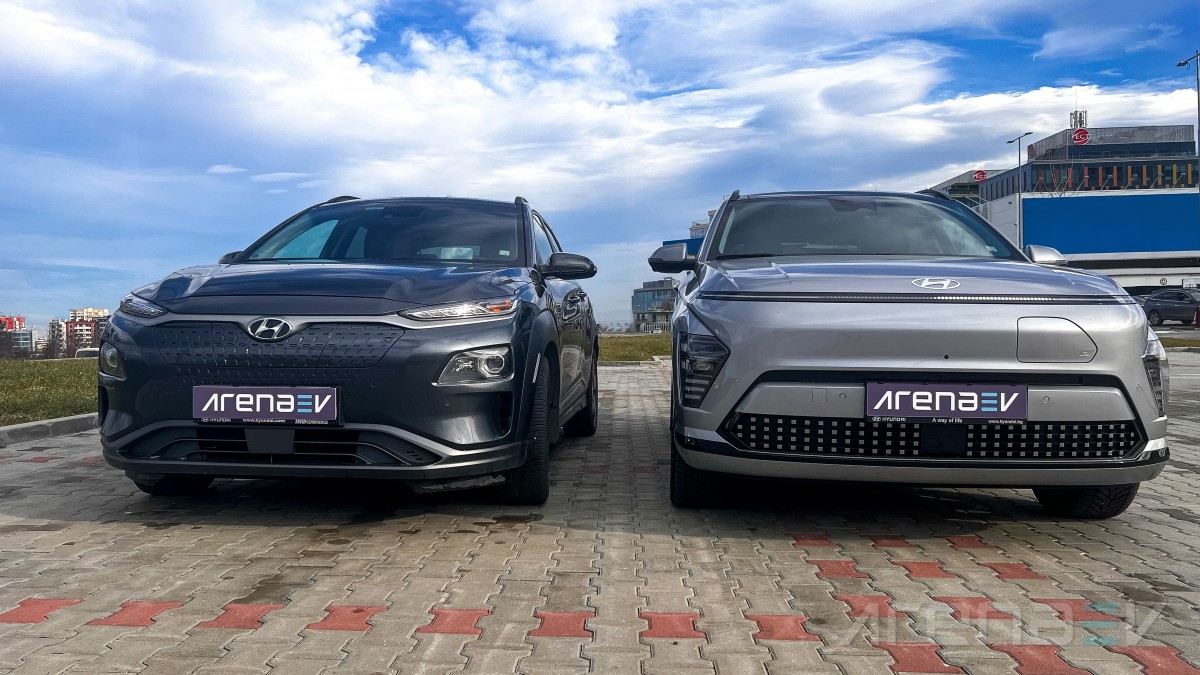
The gas Kona sits close to the segment average instead. Subcompact crossovers with small turbo engines are among the easiest used cars to move.
Hyundai’s own product planning tells the story too. Hyundai paused production on the electric Kona and skipped the 2026 model year, though the automaker says it will return in 2027.
A model-year gap is poison for residuals. Used buyers read discontinuation as risk, and they price it in immediately. Insurance widens the gap further. EV repair costs and battery-pack replacement exposure push premiums above the gas equivalent for an identically sized car.
Fuel is where the Electric claws back ground. Home charging at roughly eighteen cents per kilowatt-hour costs a fraction of filling a tank at current pump prices. But the annual saving is measured in hundreds. The depreciation difference is measured in thousands.
For a driver covering 12,000 miles a year, the electricity advantage never catches the purchase-price gap. It only closes it if you hold the car past year eight.
Very few Kona buyers do that. The subcompact crossover is a three-to-five-year vehicle for most households. Keep the gas Kona and the numbers stay boring in the best way. Cheap to buy, cheap to insure, predictable to sell. That is the entire argument in one small car.
2. Kia Niro vs. Kia Niro EV
Kia built the Niro to be a one-body, three-powertrain experiment. It accidentally became a perfect cost-of-ownership laboratory. The hybrid Niro is the value champion of the trio. The Niro EV is the one that costs the most to own outright.
Start with price. The EV commands a premium of roughly $10,000 over the hybrid for nearly identical interior space. That premium is financed at the same rate as everything else. On a five-year loan, it adds real interest on top of the principal.
Then taxes and registration scale with the purchase price. Gas models offered savings compared to EVs and hybrids in cost categories affected by purchase price, like finance charges, taxes and fees, and depreciation.
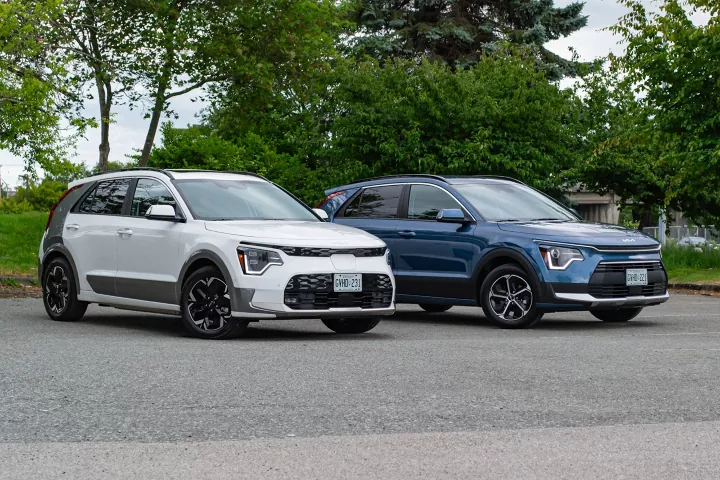
The resale picture is where it hurts. Hybrids have become the strongest value-retaining category on the market. In iSeeCars’ 2026 study, EVs lost 57.2% of their value after five years, while hybrids lost 35.4%. That is a twenty-point swing on the same body shell.
The reason is buyer pool size. A used hybrid Niro appeals to anyone with a driveway, a parking garage, or no home charging at all. A used Niro EV appeals only to the subset with a plug. That subset is smaller, and it shops harder on price.
Charging still wins on energy cost. The Niro EV is genuinely cheap to feed, especially on off-peak residential rates. But the gap is not enough. Roughly $900 a year in fuel savings does not offset several thousand a year in extra depreciation.
Insurance leans gas as well. Kia’s electric models carry higher collision repair costs due to battery-adjacent structural components. There is a timing factor too. The federal purchase incentive that used to soften the Niro EV’s price no longer exists.
Without it, the EV’s entire value proposition rests on fuel savings alone. That is a thin foundation for a $10,000 premium. Buy the hybrid. It is the cheapest Niro to own, and it is not close.
3. Chevrolet Equinox vs. Chevrolet Equinox EV
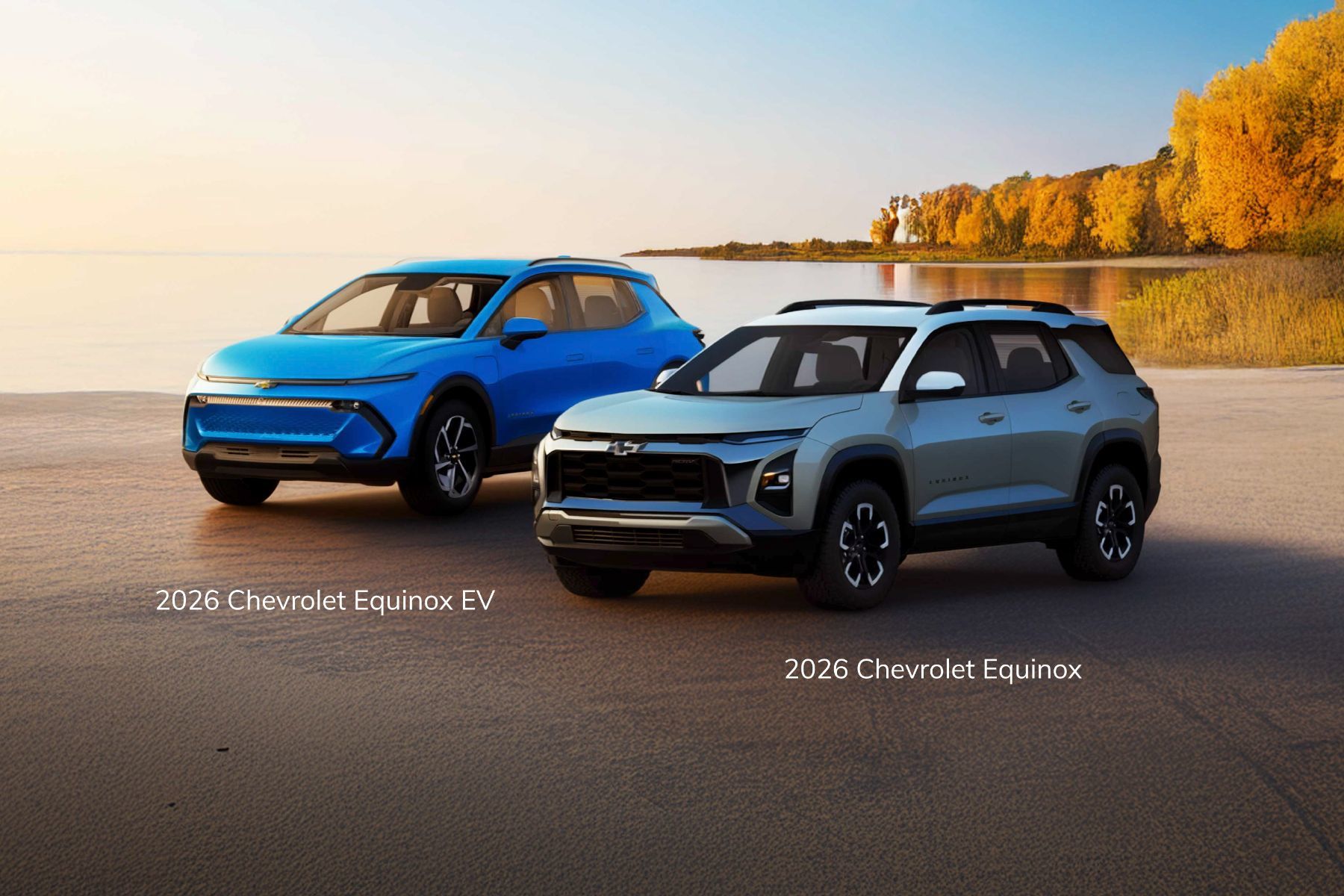
The Equinox pairing is the highest-volume version of this argument in America. Both are sold side by side in the same showroom. The gas Equinox is one of the cheapest mainstream crossovers on the market. A comparably equipped Chevrolet Equinox starts at $30,795.
The Equinox EV asks more. The Equinox EV starts at an MSRP of $36,795 and offers up to 319 miles of EPA-estimated range. GM priced it aggressively, and it is genuinely good value for an electric crossover.
That does not make it the cheaper vehicle to own. Depreciation is the reason. GM’s Ultium-based crossovers arrived into a used market that was already oversupplied with electric inventory.
The wider trend confirms the pressure. iSeeCars put five-year EV depreciation at 57.2%, against 41.8% for the market and 34.2% for trucks. Insurance is the quieter problem. AAA’s 2025 data showed EV compact SUVs averaging roughly $2,028 annually for full coverage against $1,726 for the gas equivalent.
That is around $300 a year before a single mile is driven. Over five years it erases a meaningful chunk of the charging savings. Registration and tax treatment adds more. Several states now levy annual EV road-use fees to recover lost fuel-tax revenue.
The fuel column still belongs to the EV. AAA’s figures showed compact SUV gas fuel costs near $1,714 a year against roughly $739 for electric. Call it a thousand dollars saved annually. Now weigh it against a $6,000 price gap, higher insurance, and steeper value loss.
The math only turns positive for very high-mileage drivers. If you cover 20,000 miles a year and keep the car a decade, the Equinox EV wins. For the average buyer, it does not.
The gas Equinox costs less to buy, less to insure and less to unwind. The EV is the better car in several ways. The gas car is the better financial decision.
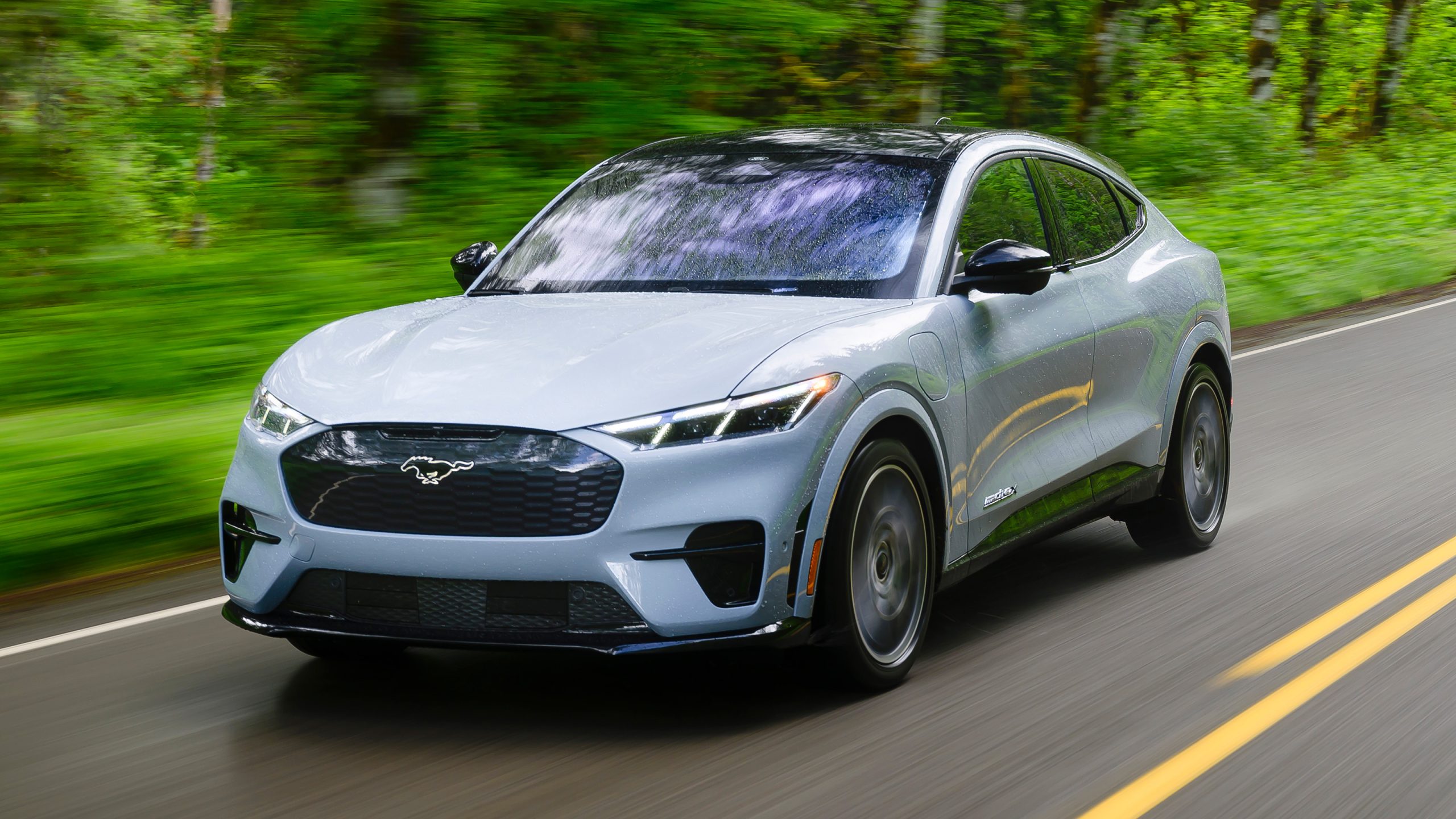
4. Ford Mustang vs. Ford Mustang Mach-E
This pairing is contentious for reasons beyond money. The financial verdict, though, is not close at all. A four-cylinder EcoBoost Mustang is one of the cheapest ways into a new sports car. It is also one of the more stable performers on the used market.
The Mach-E is a different story entirely. The Ford Mustang Mach-E lost 60.8% of its value after five years in iSeeCars’ 2026 study. That is worse than the EV segment average, which is already the worst segment average on the road. A $45,000 crossover becomes an $18,000 crossover.
The gas Mustang benefits from something no electric crossover has. Enthusiast demand, a manual-transmission option and decades of nameplate equity.
Collector interest props up the floor. Certain gas Mustang trims barely depreciate at all after the initial hit. Financing amplifies the difference. The Mach-E’s higher transaction price means a bigger loan and more interest across the same term.
Insurance follows the same direction. EV crossovers with performance-tuned outputs sit in higher rating tiers than a base four-cylinder coupe. Charging is a genuine Mach-E advantage. Home charging costs roughly a third of what gasoline costs per mile at current prices.
But the Mustang’s EcoBoost engine is not thirsty. It returns respectable highway economy, which shrinks the energy gap considerably. Maintenance leans electric. No oil changes, no spark plugs, no exhaust work over five years.
That saving is real but modest. AAA’s maintenance figures run close to eleven cents a mile across most categories, and the EV advantage within that is limited.
Tires cut the other way. Heavy electric crossovers chew through rubber faster than a lighter coupe. Add it up and the gas Mustang is thousands cheaper per year to own.
The Mach-E only makes sense if you plan to keep it well past the depreciation cliff. Very few people buy a Mustang-badged vehicle with that intention. That is precisely the problem.
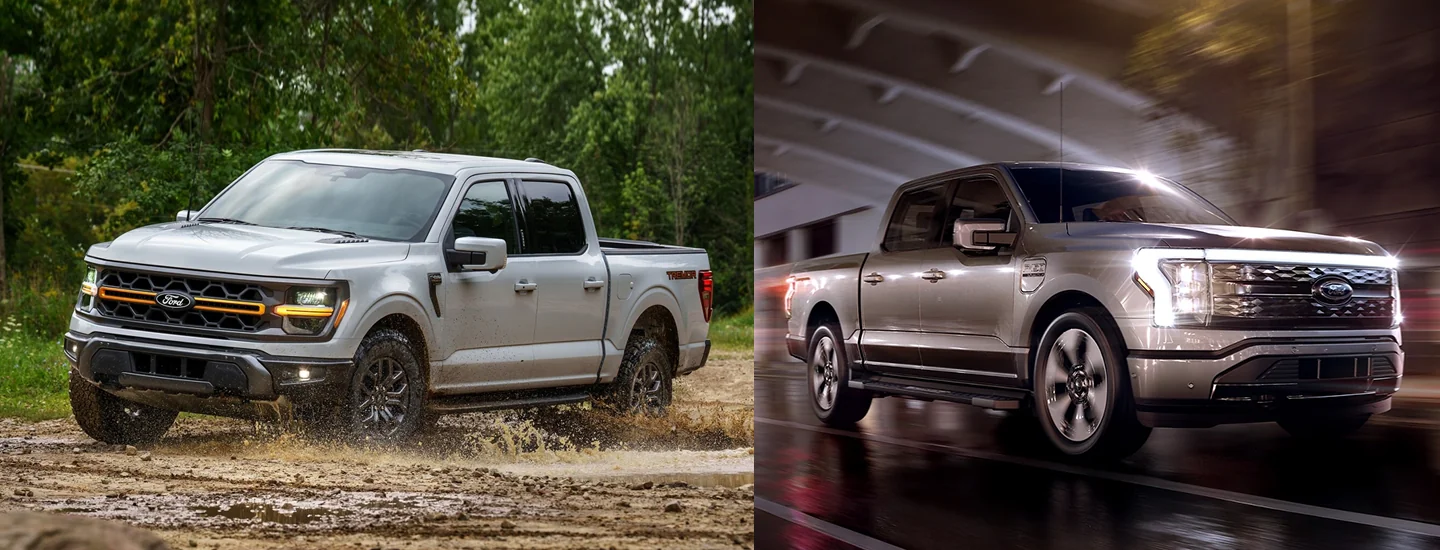
5. Ford F-150 vs. Ford F-150 Lightning
The Lightning was the most ambitious electric conversion any automaker attempted. It was also a financial trap for retail buyers. Ford has now closed the chapter.
Following a production halt at the Rogue Electric Vehicle Center in late 2025, Ford officially discontinued the electric truck, shifting focus toward more profitable gas-powered F-Series configurations.
Price was the first problem. The final starting MSRP was $54,780 for the commercial Pro trim and $63,345 for the retail-focused XLT trim. A well-equipped gas F-150 XLT undercuts that comfortably. The gap widens further against the volume XL and STX trims.
The price history was volatile in a way that destroys residuals. The 2026 Lightning Pro was nearly 40% more expensive than when the work truck first arrived.
Repeated cuts and hikes teach the used market to distrust the sticker. Discontinuation then confirms the distrust permanently. Gas F-Series trucks do the opposite. Trucks averaged just 34.2% five-year depreciation, the strongest of any major category.
That single statistic decides the contest. A truck that holds two-thirds of its value beats one that loses well over half. Operating costs favor the Lightning in isolation. Charging a pickup at home is dramatically cheaper than feeding a V6 or V8.
But pickups are the most expensive category to operate regardless. A half-ton pickup costs $1.10 per mile to operate 48 cents more than small sedans adding an average of $7,191 per year.
Towing changes the equation again. The Lightning’s range collapses under load, which forces longer trips and more charging stops. Ford is not abandoning electrification. The company plans to sell the F-150 as an extended-range electric vehicle instead.
For now, the gas F-150 is simply the cheaper truck to own. Lower entry price, stronger resale, no orphan-model discount. Used Lightnings are a different proposition entirely. They are bargains precisely because the first owners absorbed the loss.
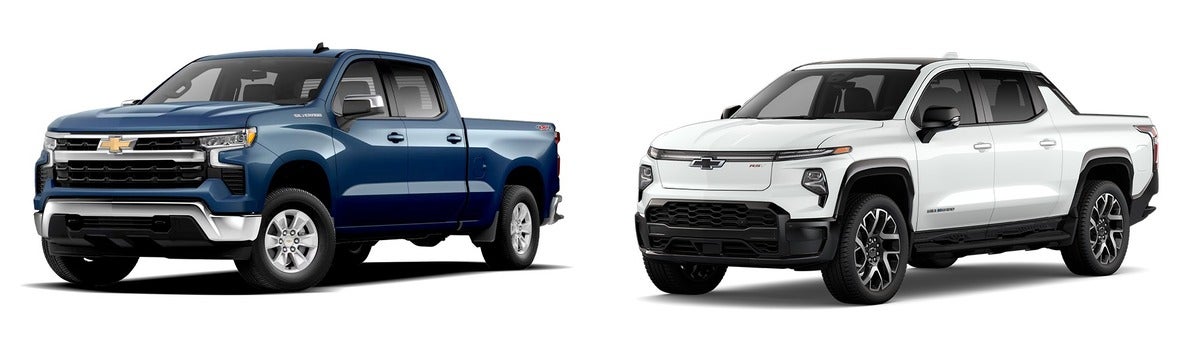
6. Chevrolet Silverado 1500 vs. Chevrolet Silverado EV
The Silverado EV is an engineering achievement. It is also one of the most expensive pickups in the mainstream market. Well-equipped versions climb deep into luxury territory. A comparably capable gas Silverado 1500 costs substantially less.
That price difference does the damage before anything else happens. It inflates the loan, the sales tax and the registration fee simultaneously. Depreciation then compounds it. Full-size electric pickups sit in the narrowest used-buyer segment in America.
Most truck buyers need towing capability without planning. The Silverado EV’s range drops sharply under heavy load, which limits its appeal secondhand.
Gas Silverados face no such constraint. They trade quickly at strong prices in every region of the country. The truck category’s value retention backs this up. Trucks lose the least value of any major segment, while EVs lose the most.
A Silverado EV sits at the intersection of those two facts. It gets the electric depreciation curve, not the truck one. Insurance is meaningfully higher. AAA’s 2025 data showed EV pickups averaging around $2,151 annually against $1,699 for gas.
That is over $450 a year in premium alone. Multiply across a five-year hold and it becomes serious money. Charging remains a genuine strength. AAA showed pickup fuel costs near $2,676 annually for gas against roughly $1,174 for electric.
So the EV saves around $1,500 a year in energy. That is the largest fuel saving in this entire article. It still loses. The purchase-price gap plus insurance plus depreciation overwhelms it several times over.
Commercial fleets are the exception. High annual mileage, depot charging and different tax treatment change the calculation completely. For a private buyer financing a truck over five years, the gas Silverado is the cheaper vehicle. That is not marginal. It holds across almost every trim comparison you can construct.
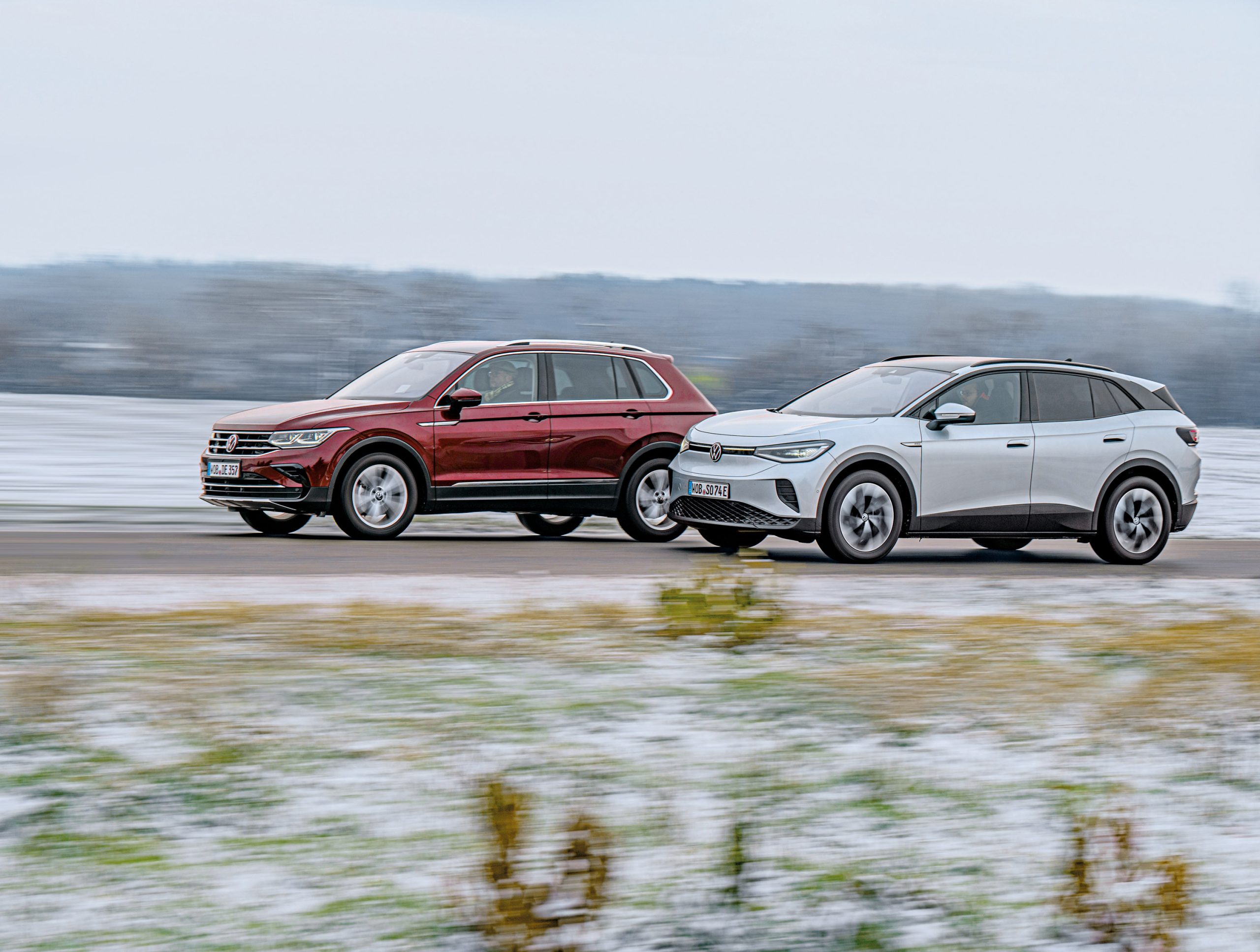
7. Volkswagen Tiguan vs. Volkswagen ID.4
The ID.4 was meant to be Volkswagen’s electric volume seller. Instead it became a case study in residual collapse. In the iSeeCars 2026 study, the Volkswagen ID.4 depreciates at 62.1% over five years, the third fastest of any vehicle.
That number places it below almost every luxury SUV on the market. It is an extraordinary loss for a mainstream crossover. The Tiguan behaves normally by comparison.
It tracks close to the market average and trades predictably. Price sets the stage. The ID.4 has historically asked several thousand dollars more than a comparably equipped Tiguan.
That premium was designed around a federal purchase incentive. The federal EV tax credit expired on September 30, 2025, and that shift reshaped the entire used-EV market.
Without the credit, the ID.4’s pricing logic falls apart. Buyers now compare the full sticker against a cheaper gas alternative. Reliability perception adds more pressure. The ID.4’s early software and door-handle issues became well known among used shoppers.
Used buyers price that reputation in ruthlessly. Every recall headline shaves value off the resale estimate. Insurance is higher on the electric model, as it is across the segment. Battery-pack proximity to crush zones drives repair estimates upward.
Charging economics remain the ID.4’s strength. It is cheap to run and quiet to live with. But the fuel saving is roughly a thousand dollars a year. The depreciation difference runs several thousand a year on a $45,000 vehicle.
Maintenance tilts electric, modestly. No oil services and reduced brake wear from regenerative braking. Those savings are real but small relative to the value loss. They do not move the total.
The Tiguan is the cheaper Volkswagen to own outright. The ID.4 is the better used purchase for someone else. That inversion defines the entire electric market right now.
8. Mini Cooper vs. Mini Cooper SE
The Mini pairing is the small-car version of the same trap. Low purchase prices do not protect against percentage-based losses. The gas Cooper is a cheap, characterful hatchback with a devoted following. That following supports used values effectively.
The Cooper SE is a harder sell secondhand. Limited range has always been its defining constraint. Early versions offered well under 150 miles of real-world range. That figure looks worse every year as rivals improve.
Rapid technology turnover is one of the main reasons EVs depreciate so fast newer models gain range and features quickly, making older ones feel obsolete.
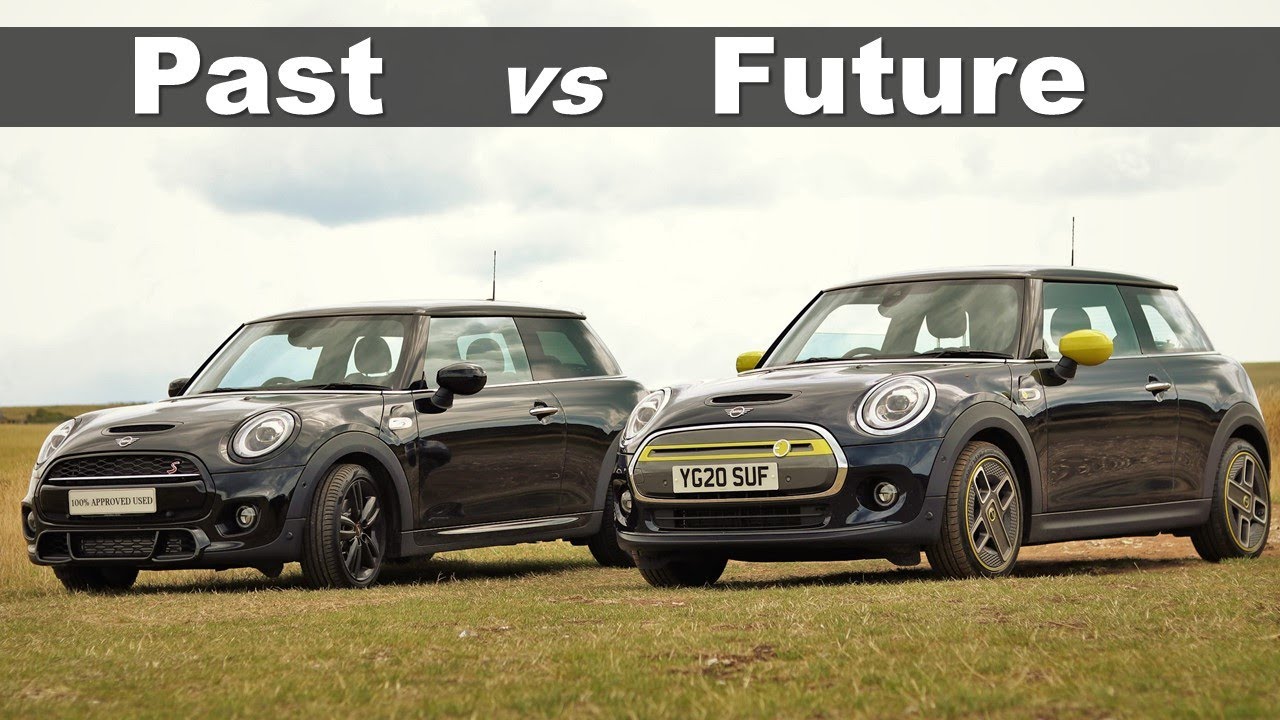
No car illustrates that better than a short-range electric hatchback. It ages against a moving target. Price is the second issue. The SE has consistently carried a premium of several thousand dollars over comparable gas Coopers.
On a small car, that premium is a large percentage of the total. It is harder to absorb than on a $60,000 truck. Insurance runs higher on the electric version as well. Specialist repair requirements on a low-volume EV drive up estimates.
Fuel savings are correspondingly small. A gas Cooper is already economical, so the energy gap is narrower than usual. Small sedans and hatchbacks also have the lowest operating cost per mile in AAA’s study. There is simply less fuel cost to save.
Maintenance favors the SE slightly. Fewer serviceable components and reduced brake wear over five years. That is not enough to close a gap built from price and depreciation. The gas Cooper wins on total cost comfortably.
There is a cultural factor too. Mini buyers frequently choose manual transmissions and specific trim combinations. Those cars hold value stubbornly.
The electric version has no equivalent enthusiast floor supporting its price. Buy the gas Cooper new. Buy the SE used, three years old, at a heavy discount.
9. Volvo XC40 vs. Volvo EX40
Volvo’s electric transition produced an unusually direct comparison. The EX40 is the renamed electric version of the XC40, sharing the same body. The price separation is significant. The electric variant has consistently asked a five-figure premium over the mild-hybrid gas XC40.
Luxury EVs then face the worst depreciation conditions in the market. Electric vehicles and luxury models lose value fastest, driven by rapid technology turnover, high original prices, and soft used-market demand.
The EX40 sits in both categories at once. That is the worst possible position for resale. The renaming itself created friction. Buyers searching for a used XC40 Recharge encounter inconsistent nomenclature across listings.
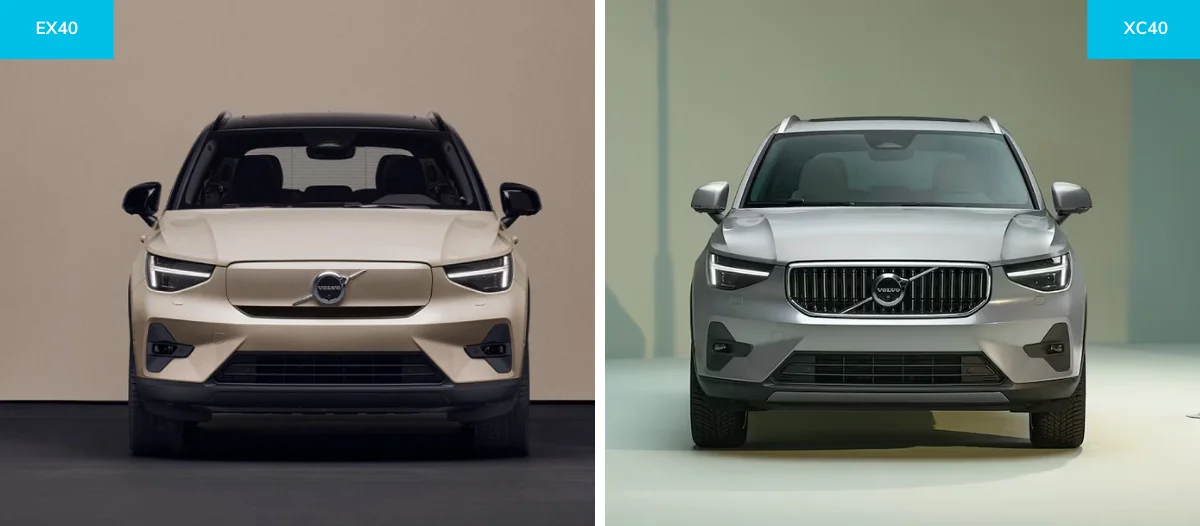
Confusion suppresses demand. Suppressed demand suppresses price. Insurance on Volvo’s electric models runs higher than the gas equivalents. Aluminium-intensive construction and battery protection structures raise repair costs.
Finance charges scale with price as they always do. A $10,000 premium financed over five years adds meaningful interest. Registration and annual fees follow the same pattern. Several jurisdictions apply higher fees to electric vehicles specifically.
The XC40’s gas powertrain is a modest mild-hybrid four-cylinder. It is not especially frugal, which narrows the EV’s advantage less than you might expect.
Even so, charging costs around a third of fueling. That is a genuine saving of roughly $900 to $1,000 per year. Against it sits a depreciation difference that can exceed $2,500 annually on a vehicle in this price bracket. The arithmetic is decisive.
Volvo’s broader strategy has also shifted. The company has softened its all-electric timeline, which unsettles used buyers further. Uncertainty about long-term parts and software support depresses values.
It is an intangible that shows up as hard cash at trade-in. The gas XC40 is the cheaper Volvo to own across a normal five-year cycle. The EX40 is superb to drive and expensive to exit.
