
Chinese automaker Guangzhou Automobile Group, better known as GAC, is preparing for a much larger presence in Europe, with the company examining additional local production options as it expands its electric and hybrid vehicle lineup.
The company plans to introduce 12 electric and hybrid models in France by 2030, while also expanding its sales network and considering manufacturing arrangements beyond its existing partnership with Magna.
According to Reuters, GAC France Deputy CEO Cedric Lacour said the company is studying ways to establish additional European production capacity and is considering working with Magna, its existing manufacturing partner, as well as other potential investors.
The announcement comes as GAC attempts to build a substantial European operation rather than relying primarily on vehicles imported from China.
The strategy reflects a broader shift among Chinese automakers. Several companies are now looking at European manufacturing as a way to establish closer ties with local markets, reduce exposure to trade restrictions, and comply with potential future European requirements for locally produced vehicles.
GAC Expands Its European Manufacturing Footprint
GAC already has a European manufacturing relationship with Magna, and the partnership has moved beyond an announcement stage. The companies began serial production of GAC’s AION V electric SUV at Magna’s facility in Graz, Austria, in late 2025.
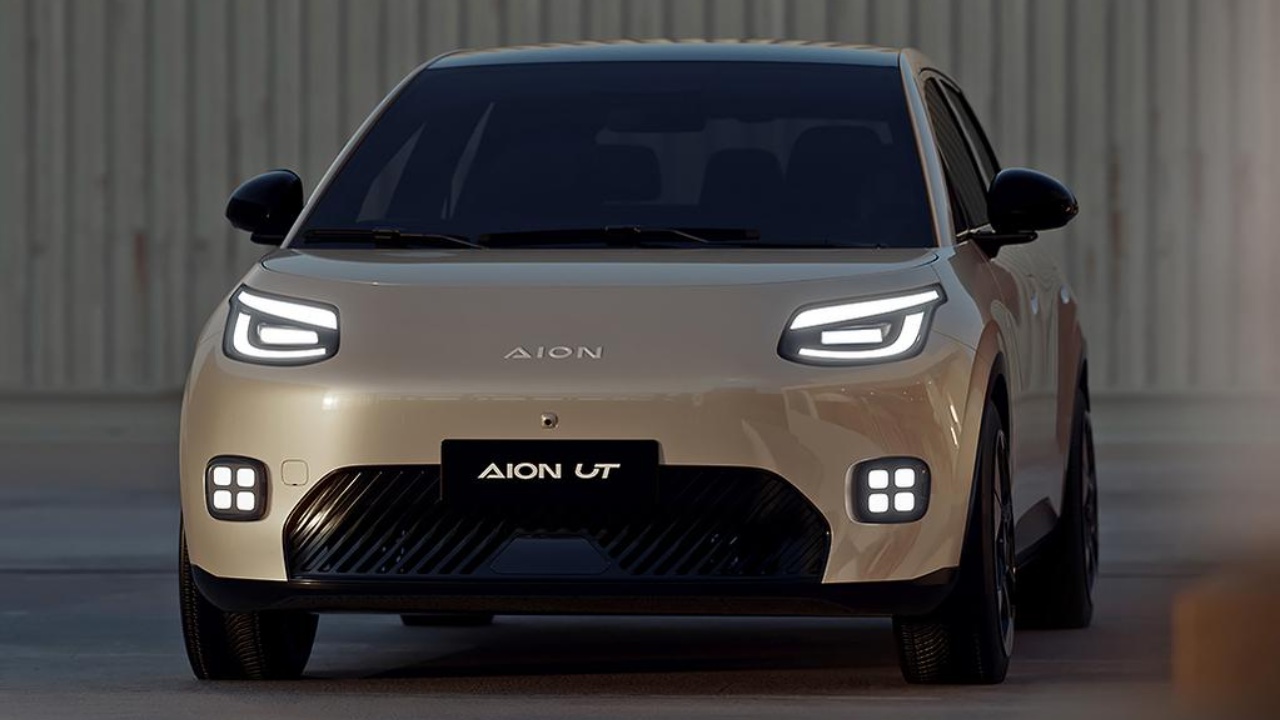
GAC subsequently added the AION UT electric hatchback to the Austrian production operation, with the first vehicles rolling off the line in March 2026.
That arrangement gives GAC an established route into European manufacturing without requiring the Chinese automaker to immediately build and operate its own factory from the ground up.
Magna’s Graz facility is particularly useful because it is designed to support multiple powertrain types. GAC says the plant can assemble combustion-engine, hybrid, and fully electric vehicles on flexible production lines. The facility therefore gives the automaker room to expand its European manufacturing strategy as its product range grows.
GAC is now considering whether that existing arrangement should be expanded or supplemented by additional production capacity. Reuters reported that the company is examining options involving Magna and other potential partners, although GAC has not announced a specific new factory location or confirmed a final investment amount.
The timing is important. Reuters reported last week that Chinese electric-vehicle manufacturers are actively searching for European factories, particularly existing facilities that can be acquired or repurposed more quickly than constructing completely new plants.
BYD, Leapmotor, Dongfeng, Geely, and Chery are among the companies pursuing different forms of European production or manufacturing partnerships.
For GAC, expanding local production could therefore become an important part of its long-term European business rather than simply a method of assembling a handful of imported models.
A 12-Model Push in France
France is emerging as a major target for GAC’s European expansion. The company has introduced the AION UT and AION V in the country and intends to expand its lineup substantially during the next four years.
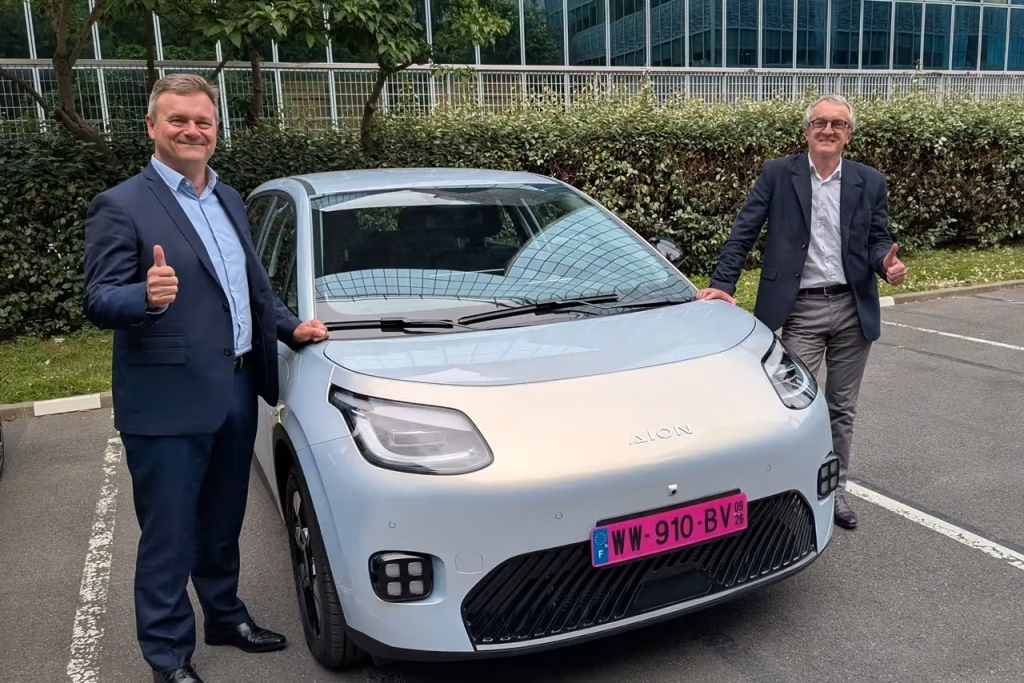
Reuters reported that GAC plans to launch 12 electric and hybrid models in France by 2030. The company also intends to expand its French dealership network from approximately 50 outlets in 2026 to 200 by 2030.
That planned expansion represents a substantial increase from GAC’s current European footprint.
The automaker has already entered several European countries, including Finland, Greece, Poland, Portugal, Spain, and the United Kingdom, as it attempts to establish the AION brand across the region. The first products provide an indication of how GAC is approaching the European market.
The AION V is an electric SUV that GAC has positioned as one of its main European products. It has received a five-star Euro NCAP safety rating, while its production at Magna’s Graz facility demonstrates GAC’s willingness to localize manufacturing rather than depend entirely on Chinese production.
The AION UT is a smaller electric hatchback designed for European urban use. GAC says the model offers a WLTP range of up to 430 kilometers and can charge from 30% to 80% in 24 minutes under suitable DC charging conditions. Its European production began at Magna’s Austrian facility in March.
The company’s future lineup will not be limited to battery-electric vehicles. Reuters specifically reported that GAC’s 12-model target for France will include both electric and hybrid vehicles, giving the company flexibility as consumer preferences differ across European markets.
That approach could become increasingly important because European electrification is advancing, but the pace differs significantly between countries and vehicle categories.
Reuters reported that battery-electric vehicles accounted for 30.5% of new-car registrations across 16 major European markets in August 2026, with BEV registrations rising 54.2% year over year. France recorded a 38.3% BEV share in the same month.
GAC’s decision to offer both EVs and hybrids therefore gives it access to a broader portion of the electrified market.
Why Local Production Matters for Chinese Automakers
GAC’s interest in European production also needs to be viewed against the changing trade environment.
Chinese automakers have gained market share in Europe by offering competitively priced vehicles with increasingly advanced electric technology. At the same time, European governments and automakers are discussing ways to strengthen local manufacturing and supply chains.
The European Union already applies additional tariffs to Chinese-built battery-electric vehicles, with rates varying by manufacturer. Reuters has reported that European policymakers are also examining whether trade measures should be expanded to other categories, including plug-in hybrids.
Producing vehicles within Europe can potentially reduce some of the disadvantages associated with importing finished vehicles from China. It can also help Chinese manufacturers become more integrated into European supply chains and respond more quickly to local demand.
The issue extends beyond tariffs. Reuters reported that the EU is considering local-content requirements under a proposed “Made in Europe” approach, while Chinese automakers are already looking for European manufacturing sites in anticipation of tighter rules.
For GAC, establishing additional European production could therefore provide greater flexibility as regulations develop.
There is also a competitive dimension. European automakers are facing increasing pressure from Chinese brands, which have expanded their presence with relatively affordable EVs and increasingly sophisticated technology.
Reuters reported that Chinese brands accounted for 9% of EU car sales during the first half of 2026, highlighting how quickly the competitive landscape is changing.
GAC’s plan indicates that it intends to compete within that changing market for the long term.
However, the company still has substantial work ahead. Building a 200-dealer network in France, supporting 12 models, and potentially expanding local production would require significant investment in sales, service, parts distribution, and manufacturing.
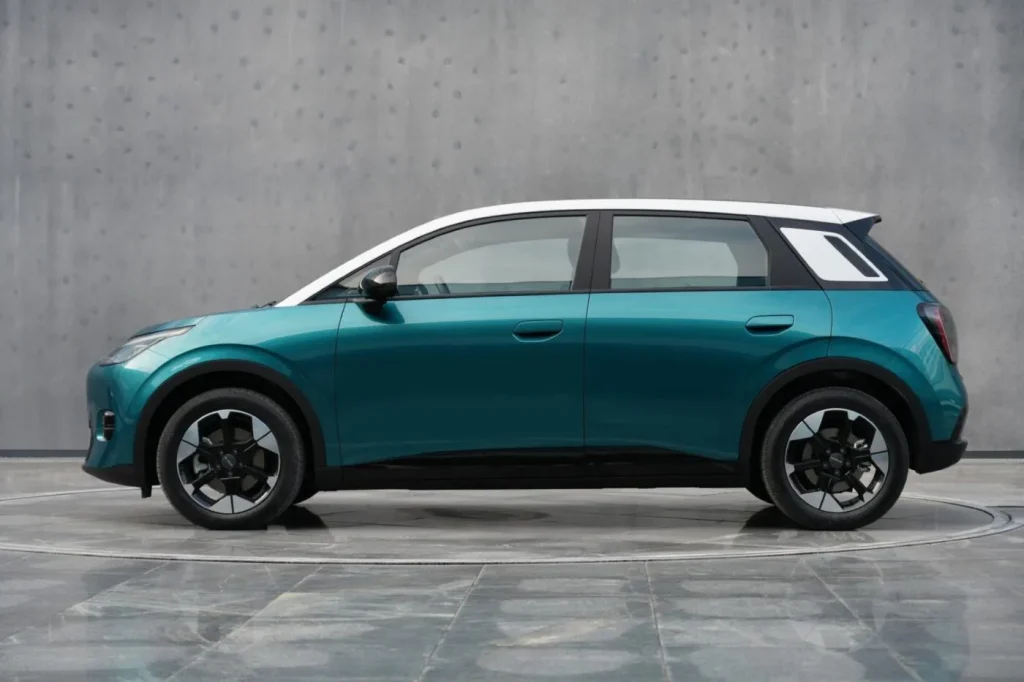
For now, GAC’s existing partnership with Magna provides a foundation. The AION V and AION UT are already being produced in Austria, giving the automaker practical experience with localized European manufacturing. The next stage will determine whether GAC expands that relationship or establishes additional production arrangements with other partners.
The planned 12-model rollout through 2030 shows that GAC is treating Europe as a long-term strategic market rather than a limited export destination.
With electric vehicles gaining ground and hybrids becoming increasingly important in several markets, the company is preparing a broader electrified lineup while simultaneously examining how much of that production can be localized.
If GAC proceeds with additional European manufacturing, it would add another Chinese automaker to the growing group establishing industrial operations on the continent.
For European consumers and manufacturers, the result will be a market with more Chinese-built or locally assembled EV and hybrid choices, alongside increasingly intense competition over price, technology, and production investment.
