
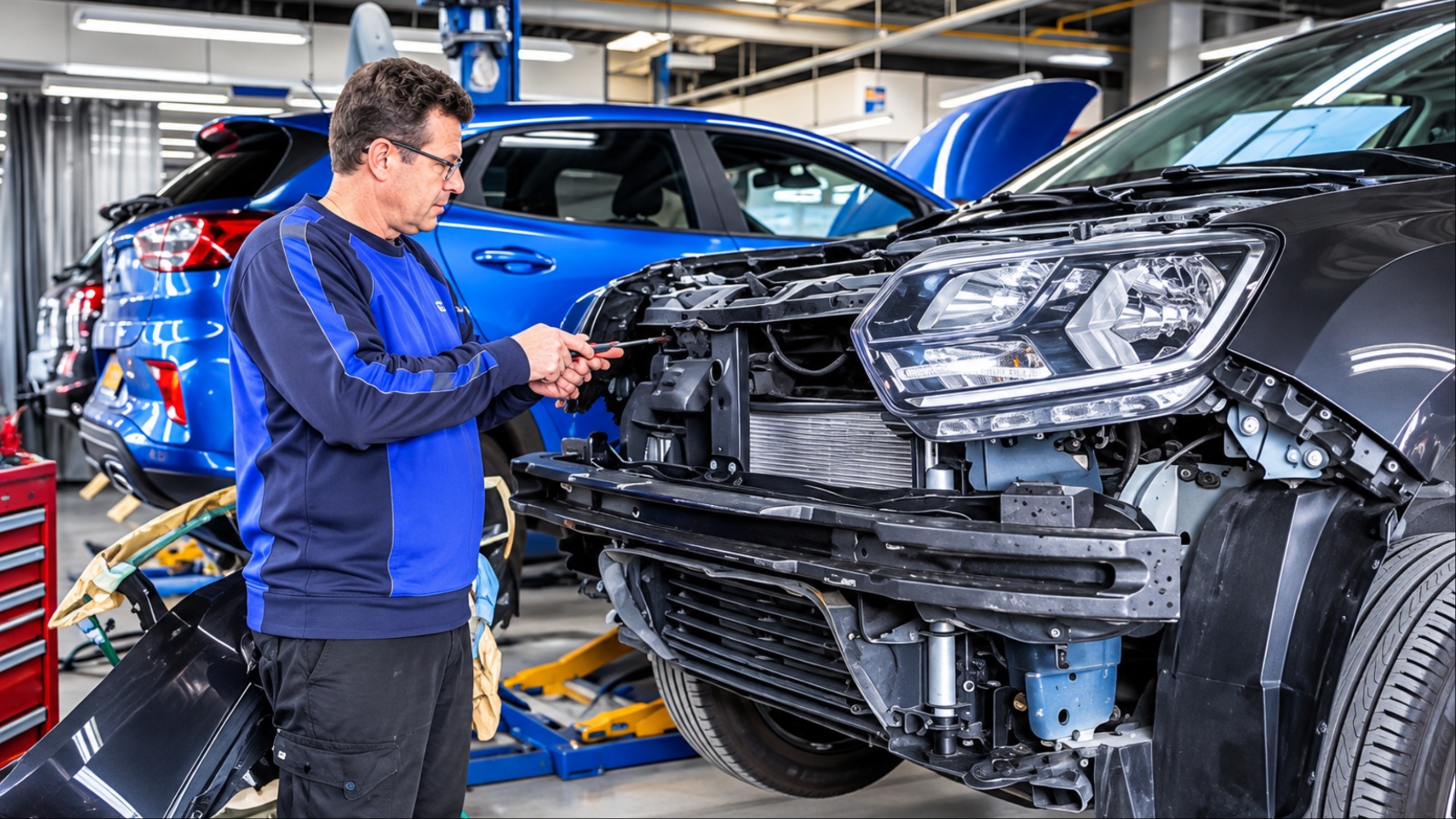
A small parking-lot bump used to be a minor annoyance. Today it can become a shocking invoice. Since 2024, collision costs have climbed faster than most household bills.
Industry data from 2026 shows the pattern clearly. A bumper that cost $850 in parts in 2024 now runs $1,000 to $1,100. Body labor is up about 9%. Total costs are up 14% to 16%.
Several forces sit behind these jumps. Cars carry more sensors, cameras, and radar units than ever. Lighter metals demand special tools and training. Paint materials cost more, and skilled technicians are hard to find. Tariffs and supply strains push part prices higher.
Not every job has moved by the same amount. Some barely changed, while others climbed sharply. This list covers ten of the biggest movers. Each one explains what changed, why it matters, and what you can do about it. Knowing these numbers helps you plan. It also helps you question estimates with confidence. Let’s start with the item that shows the trend best.
1. Bumper Covers
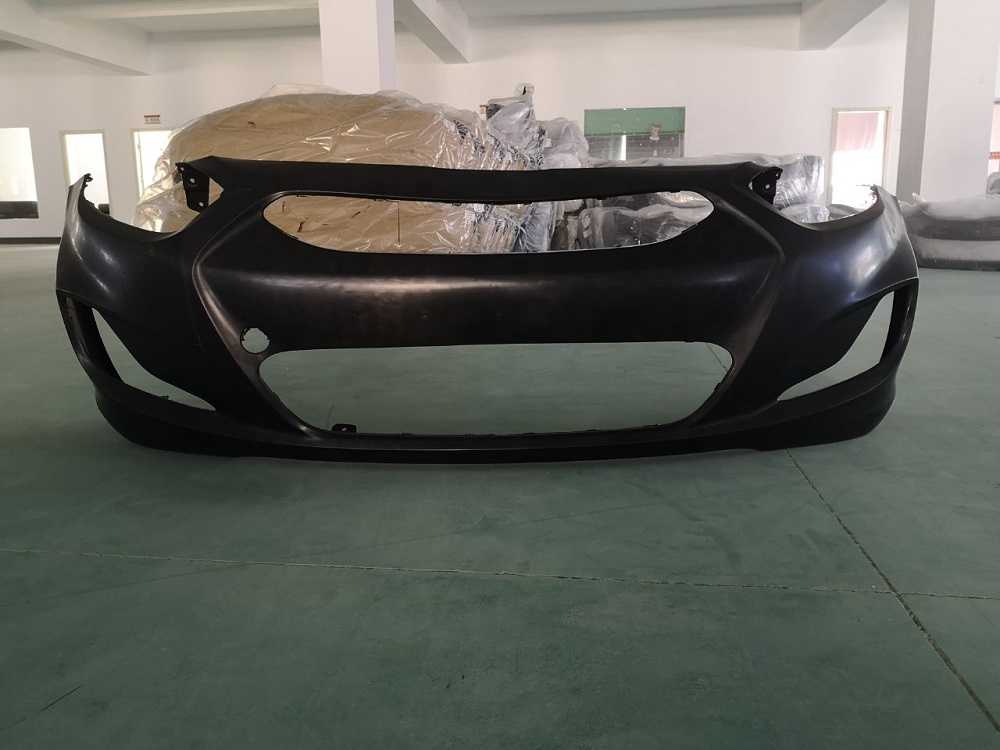
The bumper is the clearest example of rising costs. A cover that cost about $850 in 2024 now sits between $1,000 and $1,100. That is an increase of roughly 18% to 30%.
The cover itself is only part of the story. Modern bumpers hold parking sensors, radar brackets, and tow hooks. Each part must be moved, fitted, or replaced. That adds hours to the job.
Prices also depend on the badge. Luxury and electric models often carry the steepest tags. Some covers arrive unpainted, so the shop must add paint on top.
Many drivers assume a scuffed bumper is a cheap fix. That belief is outdated. A cracked cover with damaged sensors behind it can pass $2,000 quickly.
Labor plays a role too. Shops now spend more time on blending paint into nearby panels. They also test each sensor after reassembly. You have a few options to control the bill.
Ask whether a quality aftermarket or recycled cover is acceptable. Certified aftermarket parts can cost noticeably less than factory ones. Your insurer may also have rules on which parts it will pay for.
Check your policy before you choose. Some policies require original parts on newer cars. Others allow alternatives. A quick call saves an unpleasant surprise later. Small dents may not need a full replacement. A skilled technician can sometimes reshape and refinish a cover. Always ask for both quotes.
2. Headlight Assemblies
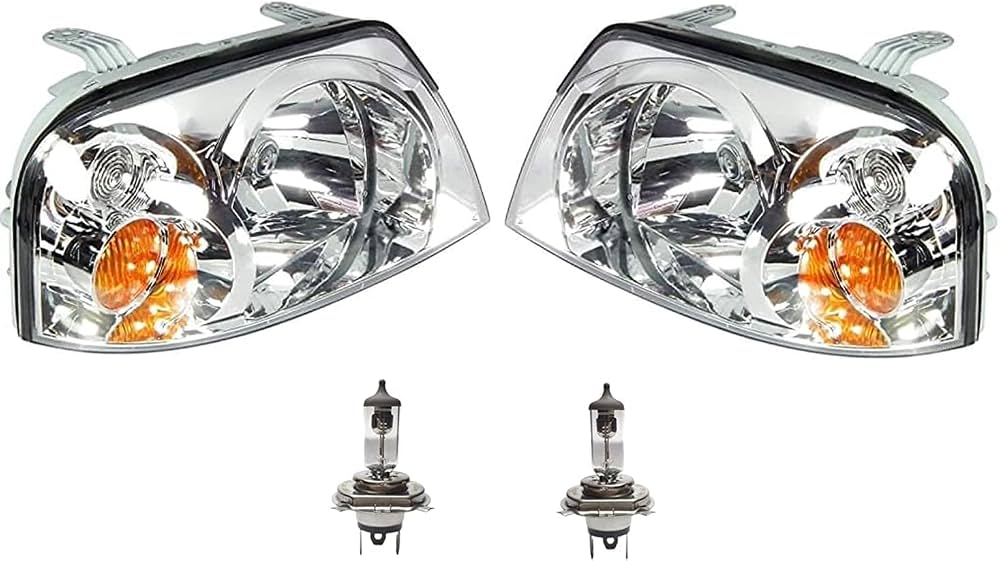
Headlights have changed from simple bulbs into complex electronic units. Many cars now use LED or matrix systems. These include motors, control modules, and sealed lenses.
That technology drives the price up. A single assembly can cost from several hundred dollars to well over $1,500. Premium models can go much higher.
Supply is another problem. Many headlights are made overseas and shipped in limited volumes. When demand rises, prices follow. Tariff changes add pressure on top.
Vendors also sell these units as complete sealed pieces. You cannot replace only the cracked lens on most new cars. The whole assembly must go.
After installation, the light needs aiming. Adaptive systems may also need software coding. Those extra steps add labor hours. Damage often hides behind the glass. A minor front hit can crack mounting tabs. Those tabs are cheap, but they are rarely sold on their own.
Some shops offer lens restoration for cloudy or scratched lights. This works only when the housing is intact. It costs a fraction of a new unit. Used headlights from salvage yards are another route. Make sure the part matches your exact trim level. Mismatched units can trigger dashboard warnings.
Ask your estimator for a line-by-line breakdown. Headlights often hide the largest part of a front-end quote. Understanding that line helps you plan.
3. Sensor Calibration After Collisions
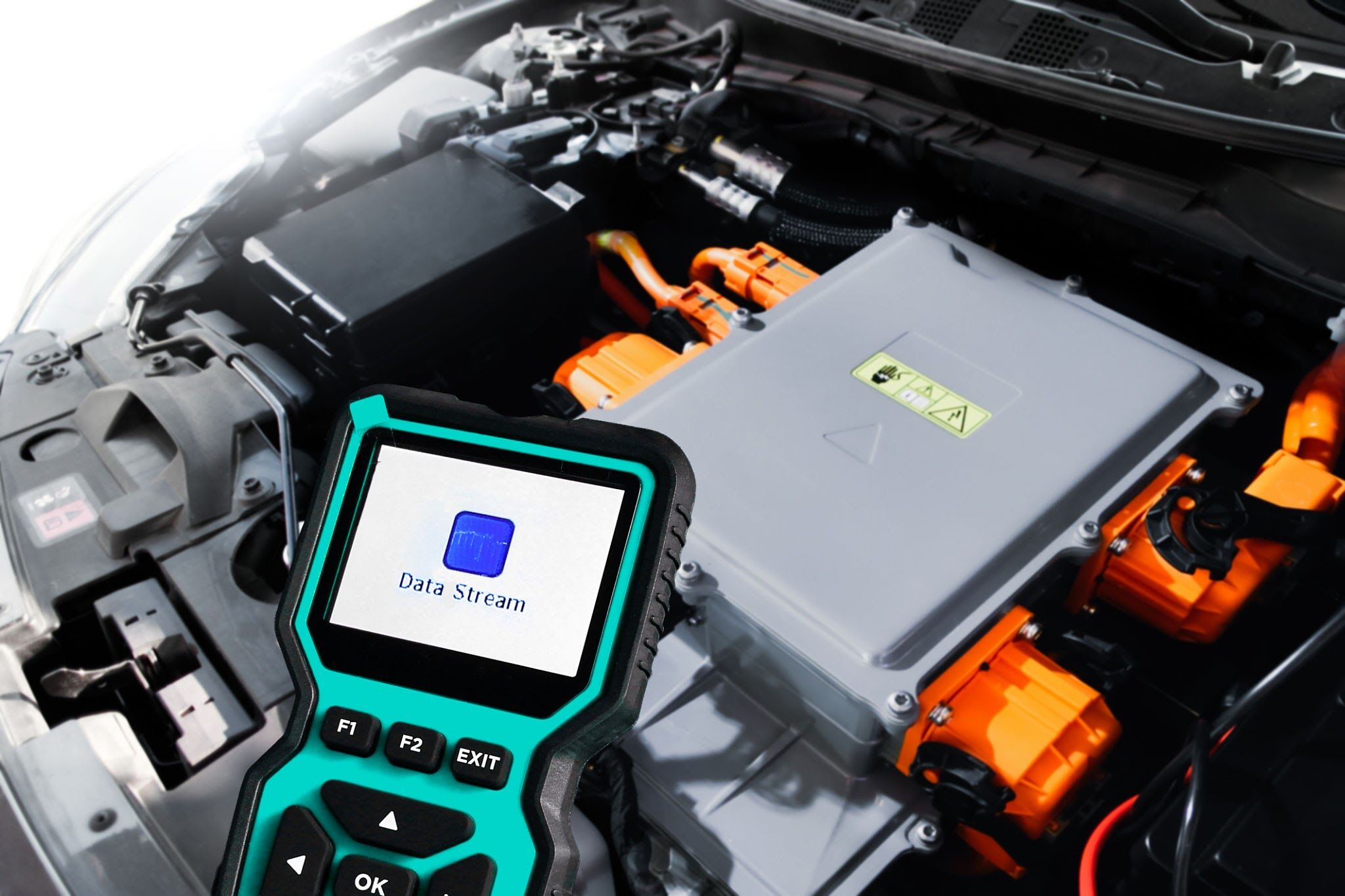
This item barely existed a decade ago. Now it appears on most modern estimates. Cameras and radar units must be recalibrated after many types of impact.
A calibration can cost from about $200 to more than $700 per system. Some jobs need several. A front-end hit might require radar, camera, and parking sensor checks.
The price climbs because the work is exacting. Technicians need a level floor, special targets, and measured distances. Even a slightly tilted bumper can throw off the readings.
Equipment costs are high too. Shops must buy target boards and scan tools for many brands. They also need regular training and software subscriptions. Those expenses flow into your bill.
Skipping calibration is a bad idea. A misaligned radar can brake late or brake for no reason. A camera that points a few degrees off can misread lane lines.
Some shops send this work to specialists. That means extra handling and transport fees. Others invest in their own systems and pass on the cost. Insurers now recognize these steps as necessary. Most will cover them when they are documented properly. Ask for the calibration report after the job.
A good tip is to check your manufacturer’s position statement. It lists which procedures are required after specific events. Share it with your shop and insurer. This line will likely keep growing. More features mean more sensors. More sensors mean more calibration.
4. Aluminum Panels
Automakers use aluminum to cut weight and improve mileage. Trucks and luxury cars lead the trend. The metal is strong and light, but it is harder to work with.
Aluminum does not bend back like steel. It cracks, work-hardens, and holds less memory. Many shops replace panels that steel would allow them to reshape.
Special tools are also necessary. Shops need separate dust control, dedicated hammers, and specific welding gear. Cross-contamination with steel dust can cause corrosion. Training matters as well. Few technicians are certified for aluminum work. That scarcity supports higher labor rates in many regions.
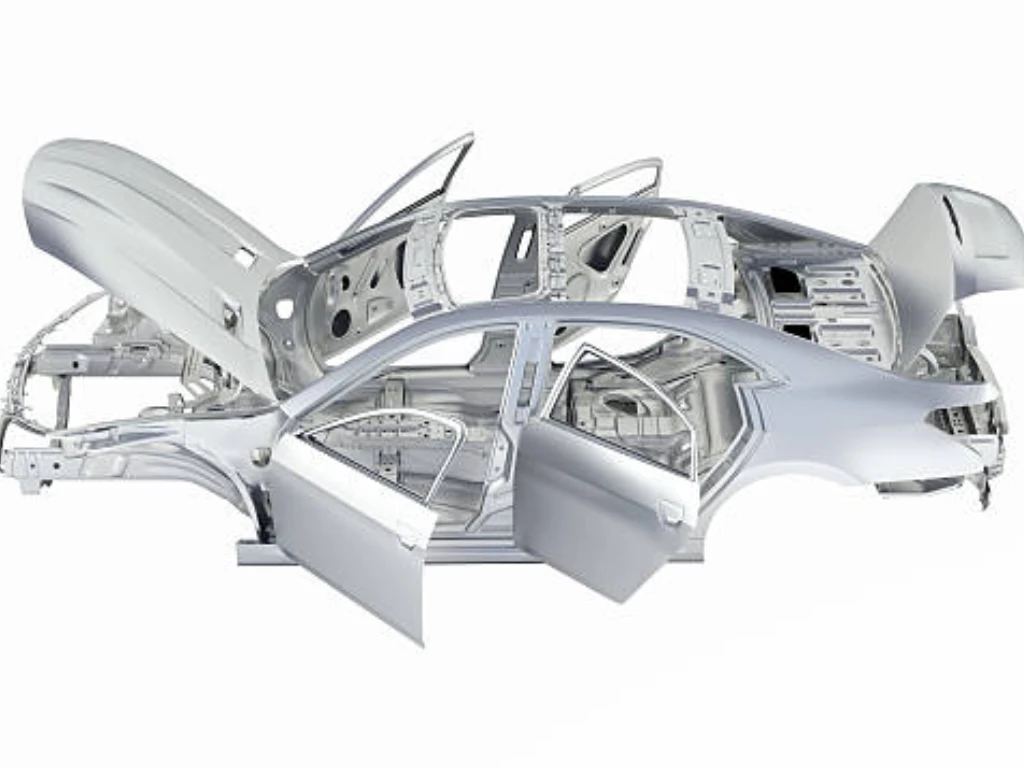
Parts cost more too. Aluminum hoods, doors, and tailgates often carry higher price tags than steel ones. Global metal costs and tariffs have pushed them higher again.
Adhesives and rivets add to the bill. Many aluminum panels are bonded and riveted rather than welded. Each fastener must be new, and cure times slow the job.
A dented aluminum door can therefore cost far more than you expect. A quote of $2,500 or more is not unusual on a late-model truck. Labor and materials both contribute.
Choose your shop carefully. Look for manufacturer certifications for your brand. A shop without the right tools can weaken the panel or cause rust later. Ask whether the panel can be reshaped rather than replaced. Sometimes it can, if the damage is small and the shop is qualified.
5. Paint and Refinishing
Paint is one of the quiet drivers behind higher bills. Materials cost more than they did in 2024. Labor to apply them has also gone up. Modern finishes are complex. Many cars use three-stage pearls, metallic flakes, or matte coatings. Matching them takes skill and time.
Shops must also blend colors into neighboring panels. This hides slight shade differences. It adds hours, even when only one panel was damaged.
Environmental rules push costs up too. Waterborne paint systems require special booths and drying equipment. They also demand cleaner spraying conditions.
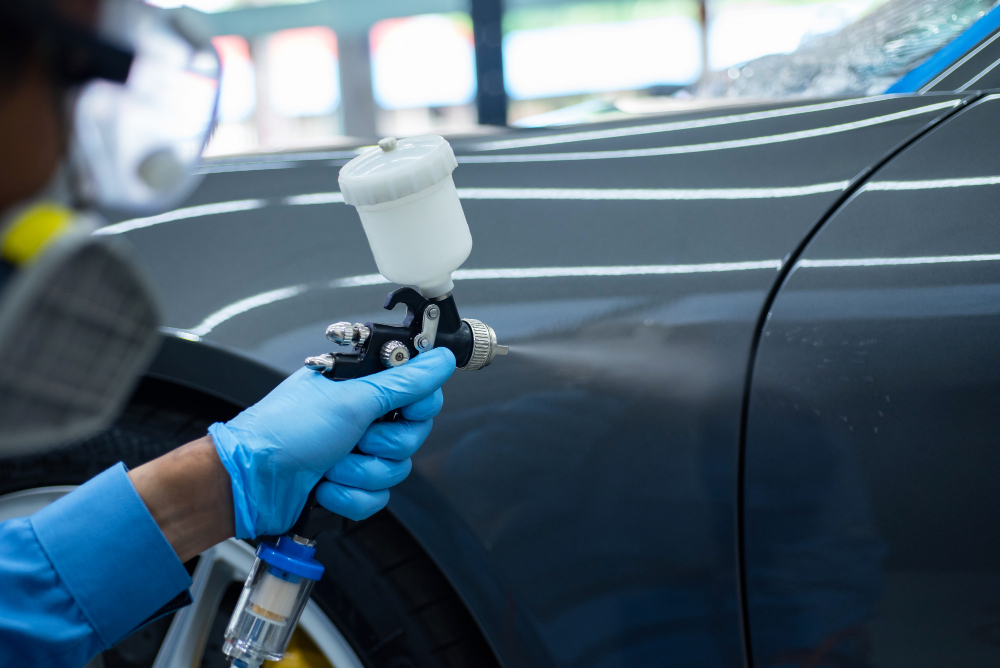
Raw materials matter as well. Pigments, resins, and solvents all faced supply pressure in recent years. Suppliers passed those costs downstream. Labor rates for paint work often exceed those for basic panel work. Painters need long training and steady hands. Good ones are hard to find.
A single repainted door can now cost well over $1,000 at many shops. A full-panel refinish plus blending can reach more than that. Luxury colors push it higher again.
You can lower the impact in a few ways. Ask if a spot refinish is possible for small chips. Ask whether blending is truly needed for your color. Always check the warranty. A quality shop should guarantee its finish against peeling and fading. That protection is worth paying for.
6. Windshield Replacement
Windshields are no longer simple sheets of glass. Most new cars mount cameras, rain sensors, and heating elements behind or inside them. That changes the price sharply.
A basic windshield might once have cost a few hundred dollars. A model with advanced features can now cost $800 to $1,500 or more. Some luxury vehicles exceed that.
The glass itself is specialized. It may include an acoustic layer, a heads-up display zone, or infrared coating. Each feature raises the cost. Calibration follows the installation. The forward camera must be realigned to the new glass. That adds a separate fee and extra time.
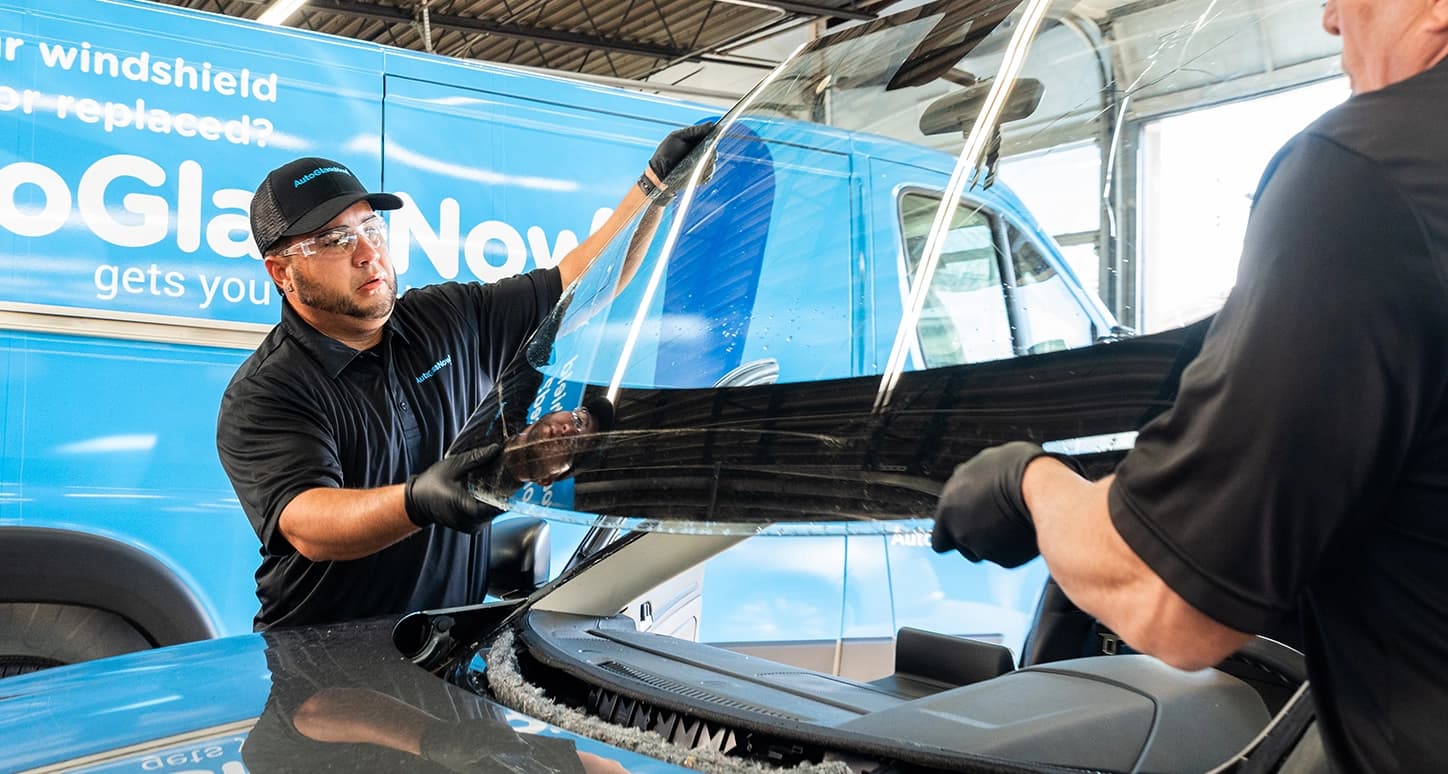
Sourcing is a further issue. Original-equipment glass costs much more than aftermarket glass. Some cars struggle with aftermarket versions because of small optical differences.
Insurance coverage varies a lot. Some policies include glass with no deductible. Others treat it like any other claim. Waiting can make things worse. A small chip can spread across the glass with temperature changes. A quick chip fill costs far less than a full replacement.
Ask your installer whether they use original or aftermarket glass. Ask also who performs the calibration. Poor work here can affect safety systems. Keep your paperwork after the job. It helps if the camera later shows warnings. It also helps with resale.
7. Side Mirror Assemblies
Side mirrors used to be inexpensive and easy to swap. Not anymore. Today they hold heaters, turn signals, cameras, blind-spot lights, and folding motors.
A mirror that cost under $100 in the past can now cost $400 to $900. High-end vehicles go far beyond that. Some camera-based mirrors sit well above $1,000.
Mirrors are also among the most commonly damaged parts. Narrow streets, parking lots, and passing traffic cause frequent hits. That makes the price rise more noticeable to drivers. The mirror glass alone may be sold separately on some models. On others, the whole housing must be replaced. Ask for that detail up front.
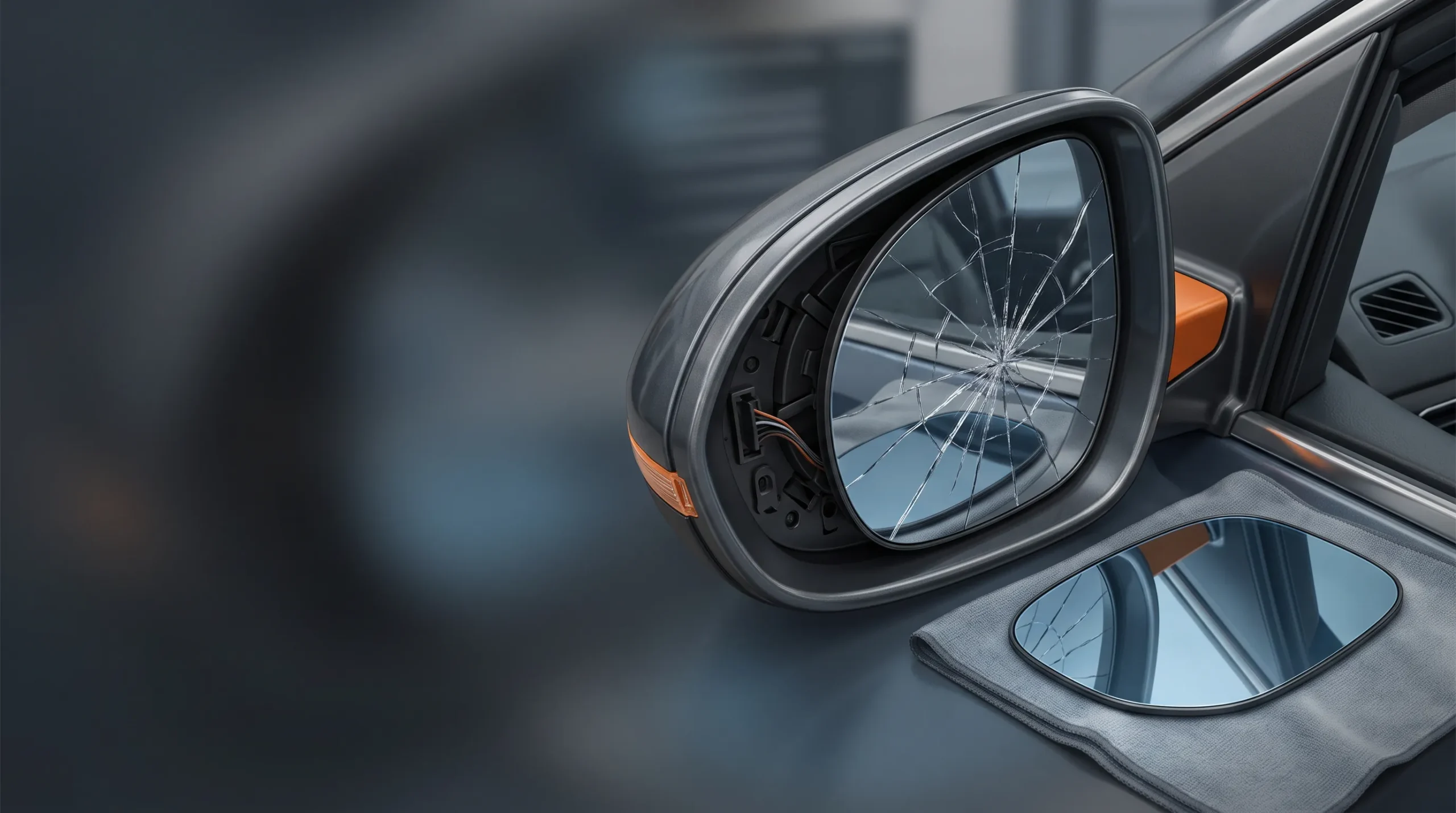
Paint adds cost. Many mirror caps match the body color. They must be painted and cured before fitting. Wiring can also be a hidden problem. A strong hit may damage connectors or door harnesses. Those parts need careful checking.
Some drivers choose used mirrors from salvage yards. Compatibility matters. The sensor and camera features must match the original. A basic sensor check after installation is smart.
A blind-spot warning that fails silently is dangerous. Test it in a safe place. Consider folding mirrors inward in tight spaces. It sounds simple, but it prevents many hits. A small habit can save hundreds of dollars.
8. Fenders and Door Skins
Fenders and doors are some of the most common panels replaced after side impacts. Their prices have moved up noticeably since 2024. Part costs, shipping, and labor all played a role.
A steel fender can cost a few hundred dollars. A pricier model or an aluminum version can cost far more. Doors climb higher because they often contain electronics.
A door is not just a panel. It holds a window motor, speakers, wiring, side airbags, and sometimes cameras. Every piece must be removed and reinstalled. That is why door work costs so much. A simple dent can lead to many hours of labor. Skilled techs must handle delicate parts without damage.
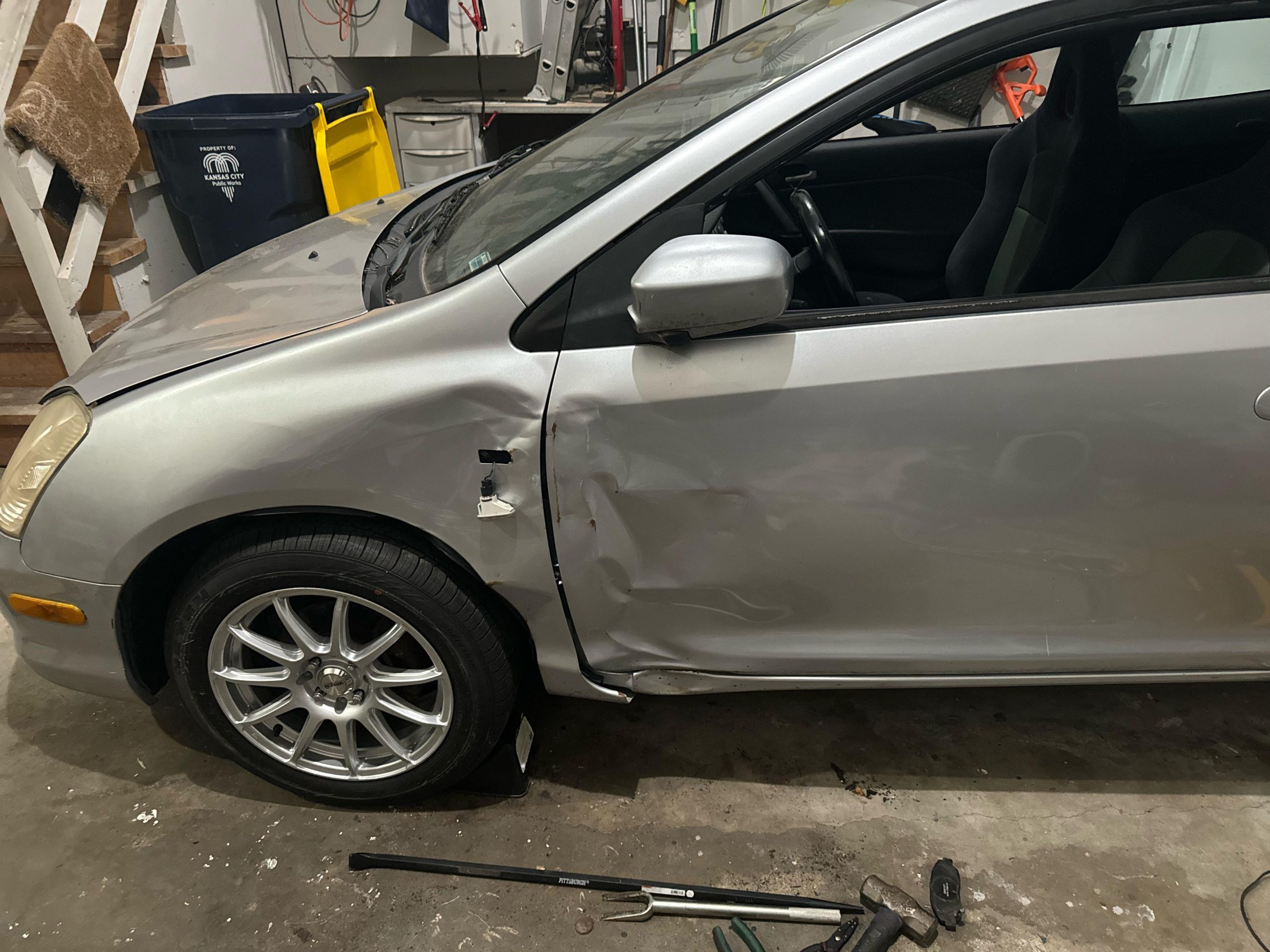
Fenders often hide sensors and wiring too. Some carry side-marker lights or radar brackets. Those extras add to the total. Fit and finish matter. Gaps between panels must be even and clean. Poor alignment shows up as wind noise or uneven lines.
Aftermarket panels can lower the part cost. Their quality varies. Some need extra prep work before painting, which can erase the savings. Ask whether paintless dent removal is an option.
It can fix small dents without replacing anything. It often costs much less than standard bodywork. Compare at least two estimates. Look at parts, labor hours, and paint separately. Differences between shops can be large.
9. Structural and Frame Straightening
Structural work is among the most expensive body jobs. It also saw big increases since 2024. Labor demand and equipment costs both contributed.
Modern cars use unibody designs with high-strength steels. These metals resist bending, but they do not forgive mistakes. Many sections cannot be heated or reshaped. Manufacturers publish exact procedures. Some parts must be replaced instead of straightened. Others may be cut only at approved points.
That level of precision needs specialized machines. Frame racks, laser measuring systems, and certified welders are expensive. Shops recover those costs through higher rates.
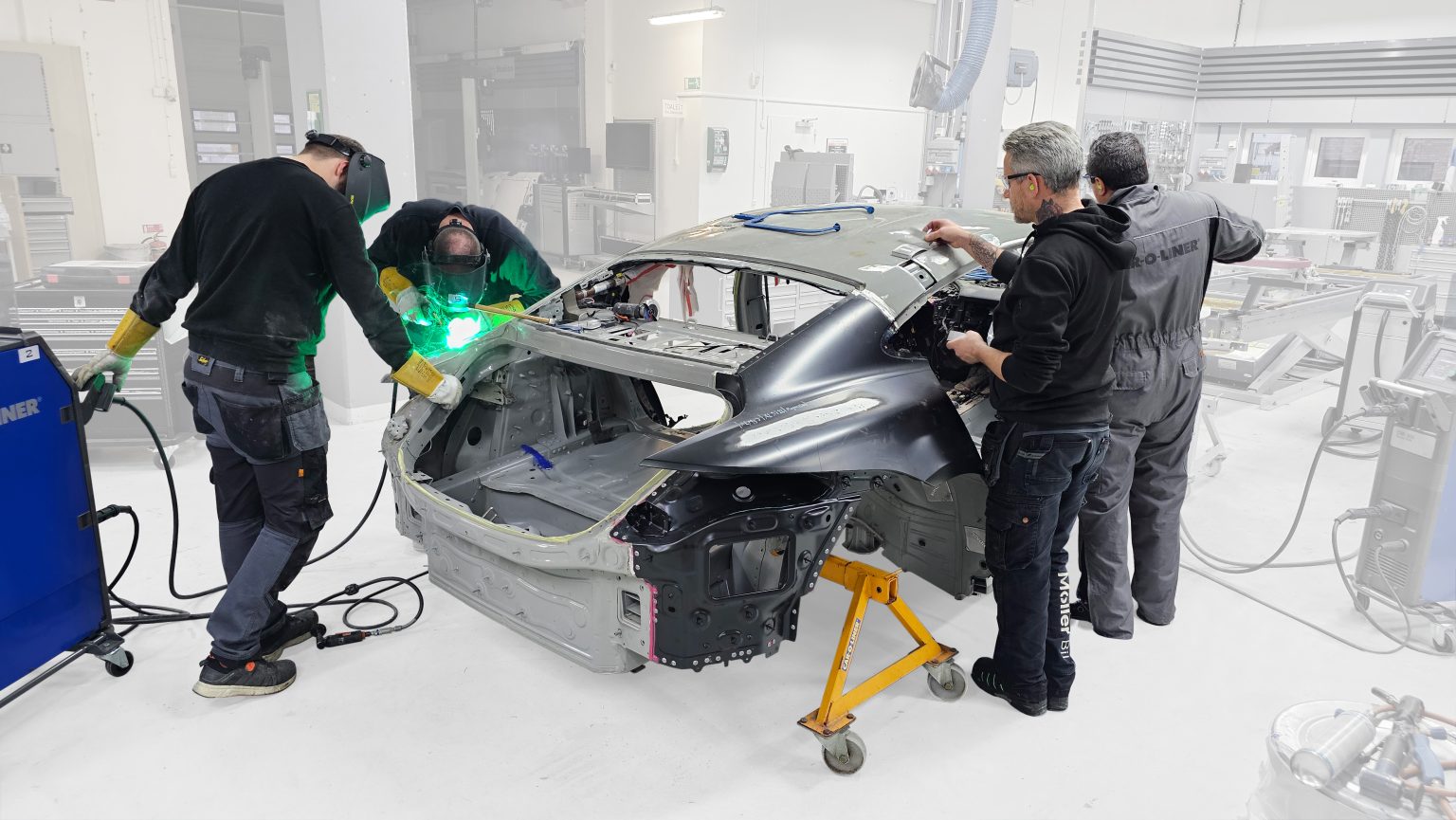
Training also costs money. Technicians earn certifications for specific brands. Those with strong skills command higher pay. Structural jobs take longer than surface work. Parts often arrive slowly, and every measurement must be verified. Days of shop time add up quickly.
A moderate frame job can run several thousand dollars. Severe damage can push a car toward a total loss. Rising costs mean more vehicles now cross that line.
That trend affects owners directly. A car that once seemed worth fixing may now be written off. Older vehicles are most at risk. Ask for a printed measurement report before and after the work. It proves the car was restored to factory specifications. This matters for safety and resale value.
10. Electric Vehicle Body and Battery-Area Work
Electric cars bring their own cost pressures. Body work near the battery requires extra care. Even small impacts can force a wider inspection. Shops must follow high-voltage safety rules. Technicians need training to handle these systems. Not every shop is qualified, so options are limited.
Parts can be costly. Some models use large single-piece castings or integrated panels. Replacing one piece may mean replacing a large section. Underbody protection is also delicate. A scrape on the battery shield can hide more serious damage. Inspection alone may take hours.
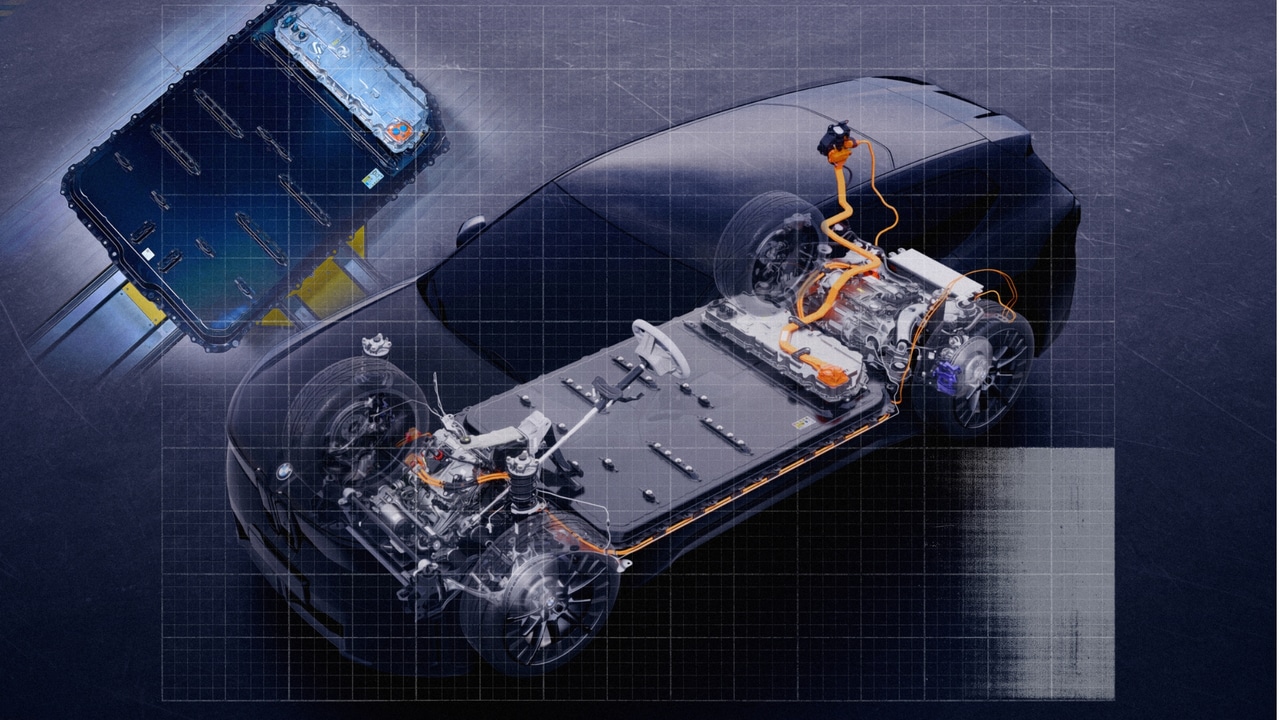
Sensors and cameras are dense on many EVs. That means more calibration work after a collision. The price adds up quickly. Wait times can be long. Specialized parts and certified shops are in short supply. Rental car costs can rise while you wait.
Insurance premiums reflect this too. Insurers know that a minor EV crash can turn into a large claim. That pushes rates upward. If you drive an electric car, choose a certified shop.
Ask about their training and equipment. It protects both safety and warranty. Consider a policy with strong rental coverage. Downtime can last weeks. Also review your deductible carefully before you need it.
