
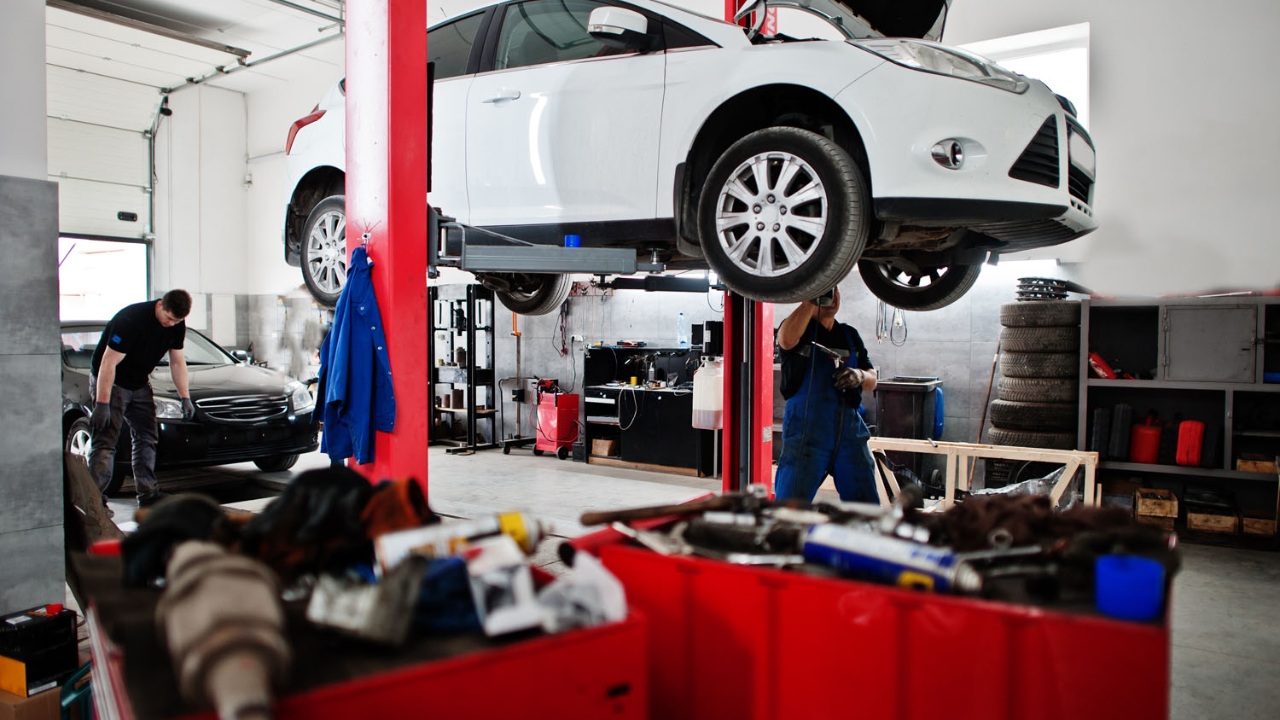
Getting a car repaired is no longer always a matter of dropping it off and picking it up a few days later. Modern vehicles increasingly combine mechanical components with cameras, radar, computers, and software, while collision repairs can require parts, diagnostics, and calibration in a specific sequence.
CCC’s 2026 industry data shows that U.S. collision-repair scheduling backlogs have improved substantially from their 5.8-week peak in early 2023, but the national backlog was still about 1.7 to 1.8 weeks in early 2026. Certain repairs can take longer when specialized equipment, parts, or calibration capacity is required.
1. ADAS Sensor Calibration
A repair that looks finished from the outside can still require another appointment before the vehicle is ready for normal driving. Advanced driver assistance system, or ADAS, calibration has become a major part of modern collision repair because cameras and sensors must be correctly aligned after certain repairs.
CCC reported that 32.2% of repairable direct-repair-program appraisals included a calibration in Q1 2025, up from 23.9% a year earlier. By Q3 2025, the share had reached 35.6%. That growth has added another specialized step to the repair process.
The scheduling problem becomes more obvious when a shop cannot perform every calibration itself. AAA notes that some calibration procedures require specialized equipment, manufacturer-specific service information, or a road test, and many repair facilities send vehicles to dealers or outside specialists for certain procedures.
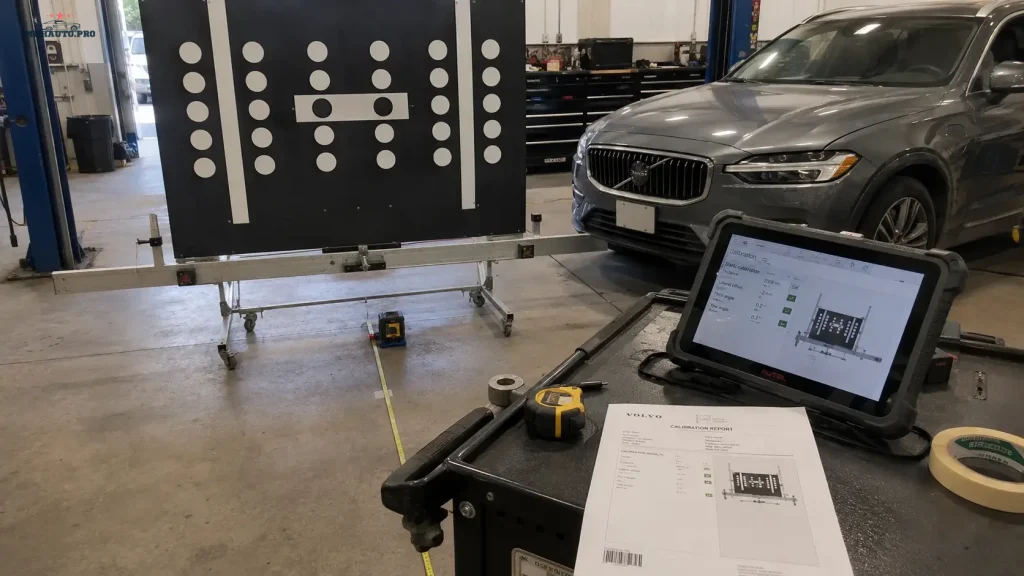
CCC found that collision repairs involving one calibration averaged 15.5 days from vehicle-in to vehicle-out in Q1 2025, while repairs requiring more than one calibration averaged more than 17 days. A repair requiring no calibration averaged 13 days.
The delay is not necessarily caused by the calibration itself. Waiting for a qualified facility, arranging transportation to another shop, obtaining additional authorization, or discovering the calibration requirement late in the repair can extend the process.
2. Windshield Replacement With Camera Recalibration
A cracked windshield used to be one of the simpler jobs in automotive repair. On many newer vehicles, however, replacing the glass can become a multi-step procedure because a forward-facing camera may be mounted behind the windshield.
That camera can support systems such as automatic emergency braking, lane-departure warning, and adaptive cruise control. If the camera is disturbed or the windshield is replaced, the vehicle may require a diagnostic check and calibration before those systems can operate correctly.
AAA notes that ADAS calibration requirements vary by vehicle and that some procedures require specialized equipment or driving procedures.
The issue is becoming more significant as ADAS-equipped vehicles make up a larger share of the U.S. fleet. CCC reported that more than 87% of repairable DRP appraisals included a diagnostic scan in Q3 2025, while calibrations appeared on 35.6%.
A windshield shop may be able to replace the glass quickly but still needs access to calibration equipment or an outside provider. In some cases, the vehicle may have to be transported to a dealership or specialist. AAA specifically notes that many shops and windshield installers send vehicles to dealerships when they cannot perform the required calibration themselves.
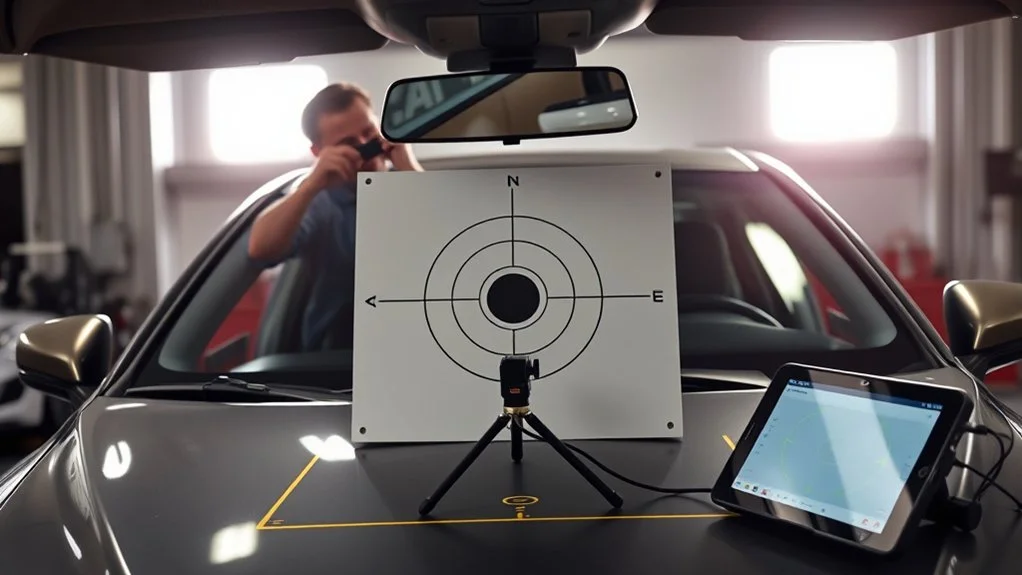
That means the physical glass replacement is not necessarily the bottleneck. The appointment for the correct calibration can be.
For drivers, asking the shop whether the vehicle requires camera calibration before scheduling the windshield job can prevent an unexpected second appointment and additional downtime.
3. Collision Repairs Involving Multiple ADAS Components
A relatively minor collision can turn into a much longer repair when the damaged area contains cameras, radar sensors, or other driver-assistance equipment.
A front-end impact, for example, may require bumper or grille replacement before technicians can determine whether sensors were damaged or moved out of position. The vehicle may then need diagnostic scans and calibration before it can be returned to the owner.
CCC Intelligent Solutions reported that 32.2% of repairable direct-repair-program appraisals required calibration in the first quarter of 2025, up sharply from 23.9% a year earlier. By the third quarter, calibration appeared on 35.6% of those appraisals.
CCC also found that vehicles requiring more than one calibration averaged more than 17 days from vehicle intake to completion, compared with about 13 days for repairs without calibration.
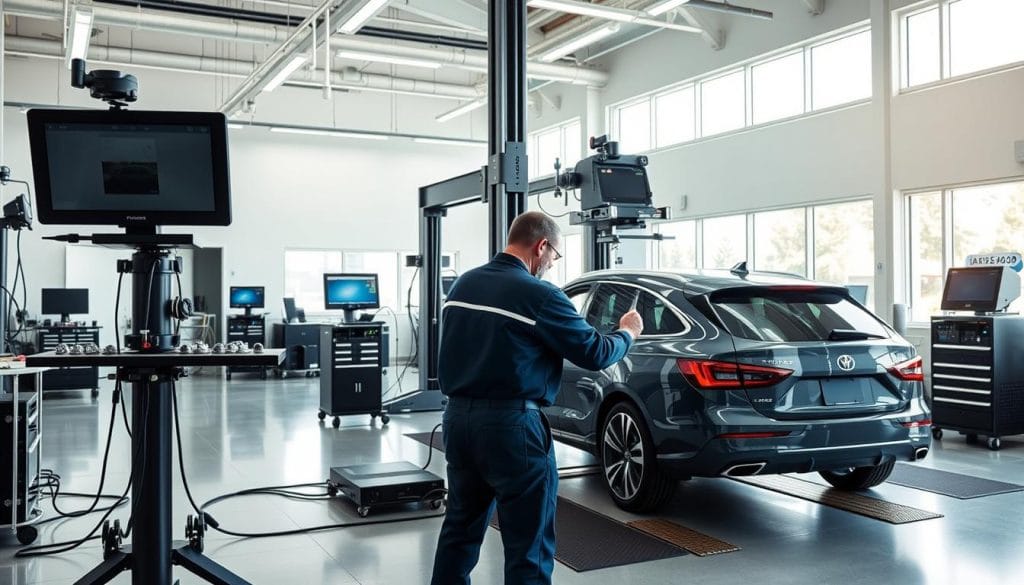
The problem is not simply the calibration itself. A shop may have to wait for replacement parts, complete structural or body repairs, perform scans, arrange calibration equipment, and then conduct the required verification. If a shop cannot perform a particular calibration in-house, the vehicle may have to be transported to another facility or dealership.
That combination makes collision work involving multiple ADAS components one of the repairs most capable of stretching into a multi-week process. CCC’s data also shows why these jobs can consume substantially more shop time than a conventional bumper or body repair.
4. Electric Vehicle High-Voltage System Repairs
Electric vehicle repairs can create another scheduling challenge because not every independent repair facility is equipped or trained to work on high-voltage systems.
Diagnosing an EV battery, inverter, onboard charger, or other high-voltage component requires procedures and equipment that differ considerably from conventional gasoline-powered vehicles.
The technician shortage adds another layer to the problem. TechForce Foundation’s 2026 workforce analysis found that the U.S. automotive sector had about 70,000 annual technician openings compared with roughly 42,000 graduates entering the field.
Across automotive, collision, and other technician sectors, the organization projects a need for 1.2 million new technicians through 2029.
For an EV owner, that does not mean every electrical problem will take weeks. Routine work can still be completed quickly at a properly equipped facility. The longer delays tend to occur when a repair requires specialized diagnosis, high-voltage isolation, battery work, manufacturer-specific procedures, or parts that are not readily available.
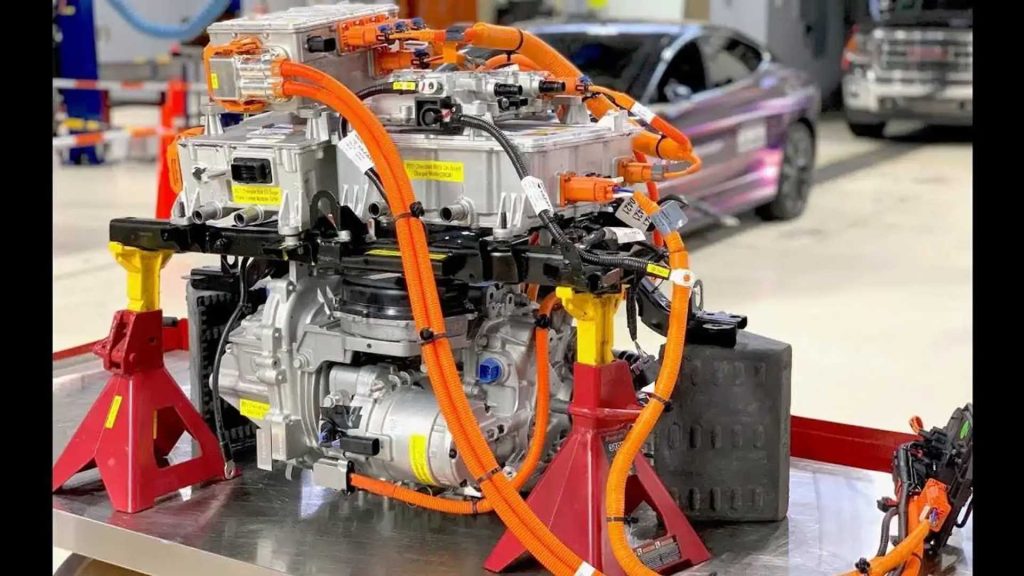
A shop may also decline the job if it does not have the appropriate high-voltage equipment or trained personnel. In that situation, the vehicle can be redirected to a dealer or EV-qualified repair facility, adding transportation and scheduling time before the actual repair even begins.
As EVs become more common in the U.S. fleet, these specialized repairs are becoming an increasingly important part of the repair industry’s capacity challenge.
5. OEM Software Programming and Module Replacement
Modern vehicles can require more than mechanical work after a component is replaced. A new control module, camera, radar unit, or other electronic component may need manufacturer-specific programming before the vehicle can be returned to the road.
In some cases, the repair facility also needs access to OEM repair procedures, diagnostic information, and specialized software.
CCC Intelligent Solutions noted in 2026 that increasingly complex vehicles require specialized equipment, repair processes, and technician training. Its repair platform now integrates OEM repair procedures, diagnostic information, and calibration recommendations because these steps have become increasingly important during modern vehicle repairs.
The scheduling problem becomes more noticeable when an independent shop cannot perform a particular programming procedure itself. The vehicle may have to be sent to a dealership or a specialized mobile diagnostic provider.
CCC has added multiple diagnostic and calibration providers to its network specifically to support collision facilities that cannot perform every operation in-house.
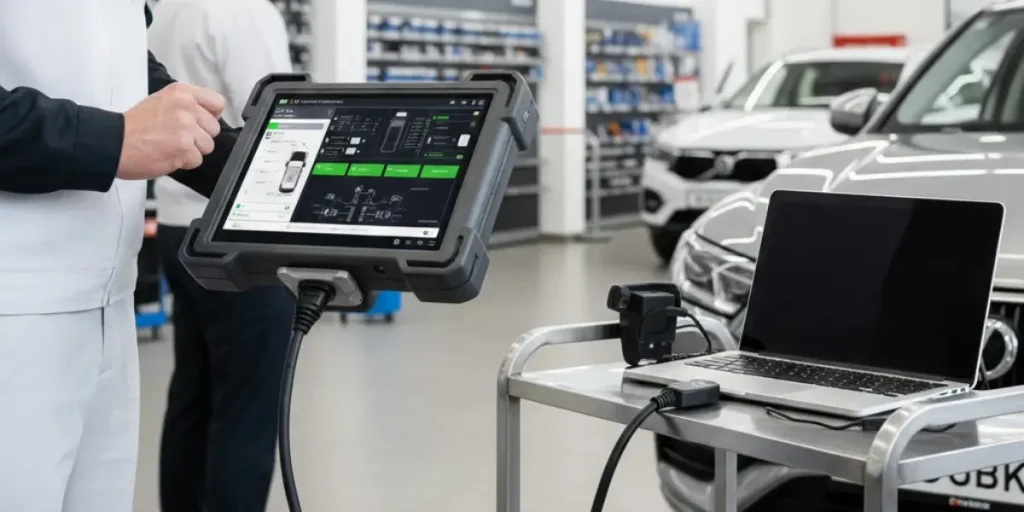
That means replacing a component does not necessarily mark the end of the repair. The technician may first install the part, establish communication with the vehicle, program the module, perform required scans, and then verify that the system operates correctly.
If the required software or procedure is unavailable at the shop, another appointment can be necessary.
For owners of newer vehicles packed with electronic systems, this can turn what appears to be a straightforward component replacement into a repair involving several separate scheduling steps.
6. Major Engine and Drivetrain Repairs
Major engine and drivetrain repairs can occupy a shop bay for considerably longer than routine maintenance because the work involves substantial disassembly, parts sourcing, and testing.
An engine replacement, internal engine repair, or major transmission job can also require additional diagnosis before technicians know exactly which components need to be replaced.
The technician shortage makes extended repairs harder for busy facilities to absorb. TechForce Foundation’s 2026 workforce report identified 241,842 annual technician job openings across the sectors it tracks, compared with 101,743 annual graduates, representing a 58% supply gap. The organization says the U.S. will need 1.2 million new technicians through 2029.
For a shop already operating near capacity, a major powertrain job can therefore compete for technician time with dozens of smaller repairs. The vehicle may need to wait for an experienced technician, a replacement engine or transmission, gaskets and seals, or additional components discovered after disassembly.
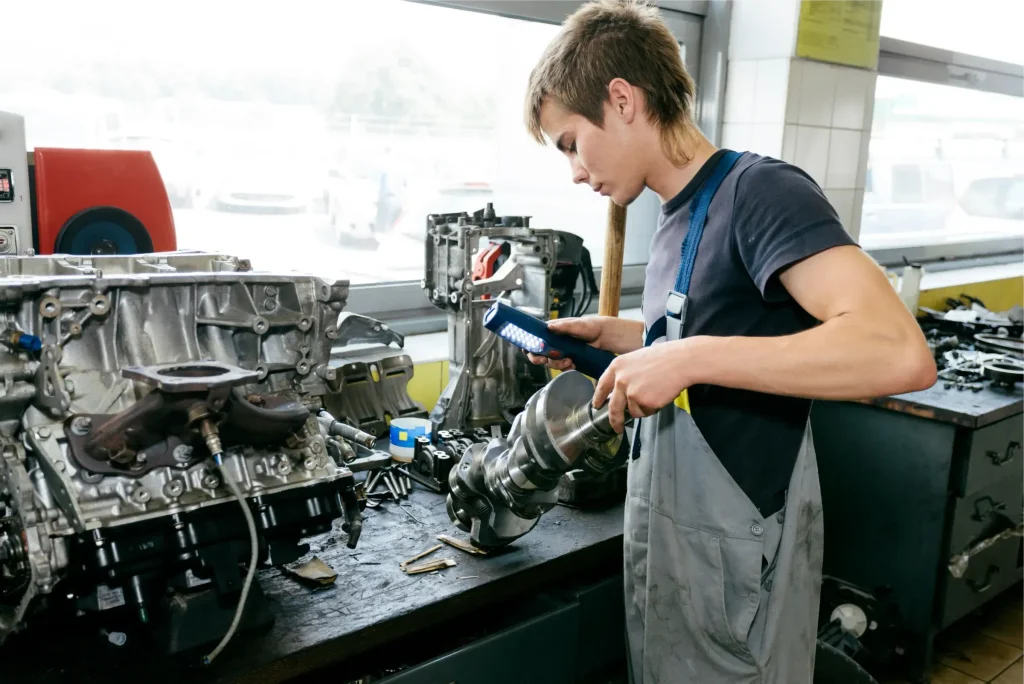
There is also a difference between repair time and booking time. A shop might be able to complete the mechanical work within several days once the vehicle reaches the bay, yet the initial appointment could be weeks away because the facility has limited capacity for large jobs.
That makes engine and drivetrain work particularly vulnerable to longer lead times when demand is high, parts availability is uncertain, or a shop has a shortage of technicians qualified to handle complex repairs.
7. Collision Repairs Waiting on Hard-to-Find OEM Parts
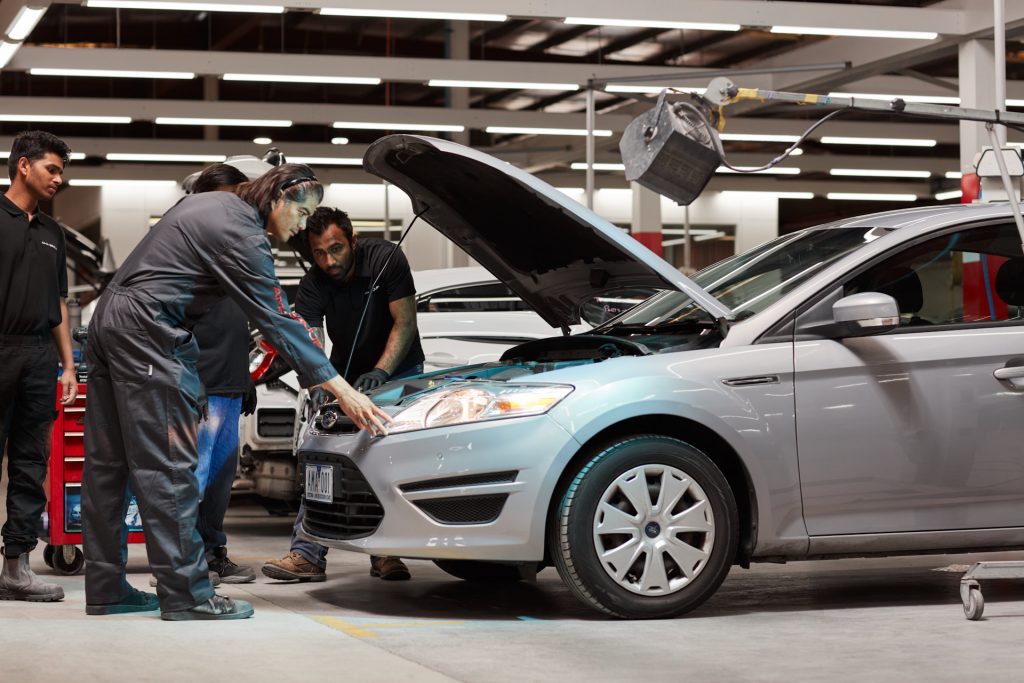
Parts availability has become one of the biggest reasons a vehicle can remain at a repair shop long after the initial estimate has been approved. The problem is especially noticeable with newer vehicles, imported models, and collision parts that are not stocked in large quantities.
A September 2026 report from Collision Repair Magazine documented U.S. collision shops experiencing extended delays for certain OEM parts manufactured in Canada. One Kentucky collision center reported that some Chrysler and Dodge repairs that previously took about two weeks were stretching to one or two months because of parts delays.
The issue can involve much more than a replacement bumper. Body panels, headlights, sensors, grilles, trim pieces, and electronic components can all hold up a repair if one required part is unavailable. A vehicle can be mechanically ready for reassembly while technicians wait for a single component needed to complete the job.
A 2026 survey of U.S. repair shops also found that parts availability remains a significant operational problem. IMR reported that 22.8% of shops said finding needed parts or dealing with shortages continued to affect operations, while another 4.8% said getting parts on time was affecting scheduling and workflow.
That makes parts-dependent collision work particularly unpredictable. The repair itself might require only several days of labor, but the calendar can stretch considerably when the shop cannot finish the vehicle until every required part arrives.
8. Repairs Requiring Specialized Diagnostic Technicians
Some repairs take longer to book because the limiting factor is not a missing part but finding a technician with the right diagnostic skills. Modern vehicles increasingly combine mechanical components with interconnected electronic control systems, making certain faults difficult to diagnose using conventional testing alone.
The U.S. Bureau of Labor Statistics says automotive service technicians now work with engines, transmissions, electronic systems, sensors, and advanced safety equipment, while some technicians specialize in electric vehicles and high-voltage systems.
The occupation had about 825,800 jobs in 2025, with employment projected to grow another 5% through 2035. BLS also projects about 66,200 openings per year during that period.
The broader technician pipeline remains a concern. TechForce Foundation’s 2026 report identified 241,842 annual technician job openings across the sectors it tracks compared with 101,743 annual graduates, producing a reported 58% supply gap.
This becomes particularly important when a repair requires advanced diagnostics rather than straightforward parts replacement. Hybrid systems, EV high-voltage components, network communication faults, transmission electronics, and intermittent electrical problems can require substantially more diagnostic time.
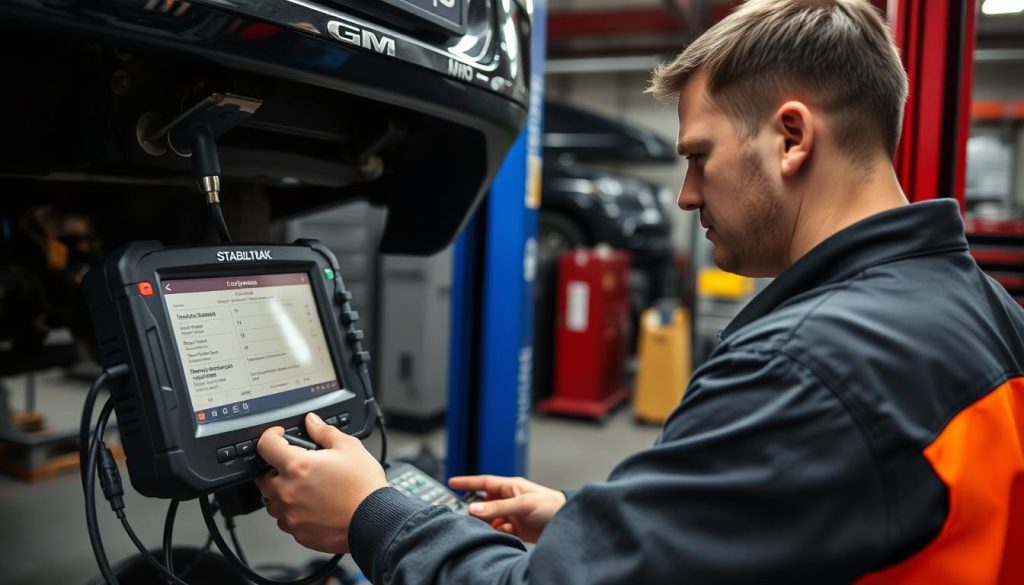
A busy shop may therefore have open bays but still lack immediate access to the technician capable of solving a complicated fault. That distinction helps explain why some difficult repairs can take weeks to get onto the schedule even when simpler maintenance appointments remain available within days.
The result is a growing divide between routine repairs that can be handled quickly and complex diagnostic jobs that depend heavily on specialist skills, equipment, and technician availability.
