
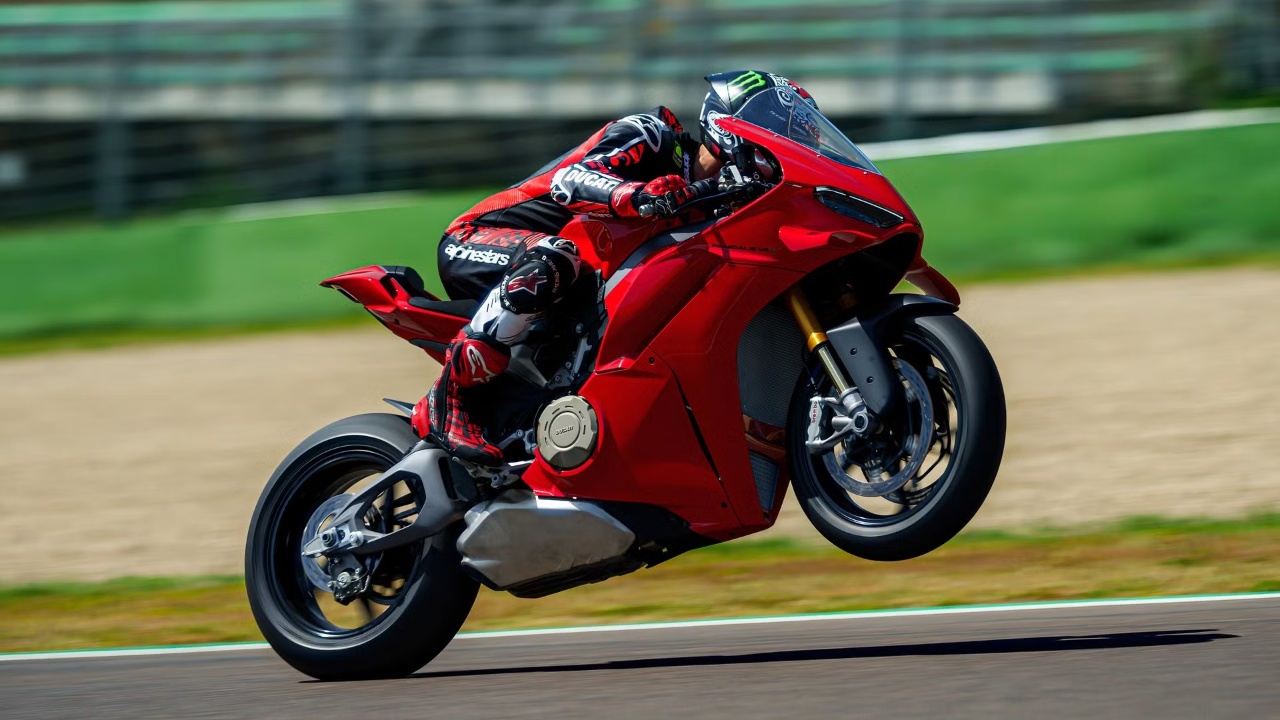
A motorcycle can be exciting on the showroom floor and frustrating six months later if small problems keep sending it back to the garage. Reliability data can provide a useful counterpoint to styling, performance, and brand reputation.
For this list, the most comparable U.S. owner data comes from Consumer Reports’ survey of more than 12,300 motorcycles from model years 2008 through 2014.
It estimated the percentage of four-year-old motorcycles requiring repairs, with Yamaha at 11%, Suzuki and Honda at 12%, and Kawasaki at 15%. The study is historical rather than a 2026 ranking, but it remains one of the clearest large-scale U.S. datasets on motorcycle reliability.
1. Yamaha
Yamaha has one of the strongest reliability figures in the U.S. owner data available for motorcycle brands. In Consumer Reports’ survey, Yamaha and Star motorcycles had an estimated 11% failure rate by the fourth year of ownership, the lowest figure recorded among the 10 brands included in the study.
The research covered more than 12,300 motorcycles and adjusted the analysis for mileage, giving the result more context than a simple count of repair complaints.
That does not mean every Yamaha motorcycle will be trouble-free. The survey measured predicted repair rates across a broad range of motorcycles, so an individual bike’s maintenance history, riding conditions, mileage, and previous repairs can produce a very different ownership experience.
Still, an 11% predicted failure rate provides meaningful evidence behind Yamaha’s reputation for durable machines.
One reason the result is useful is the variety within Yamaha’s lineup. The company has produced everything from small-displacement commuters to supersport motorcycles, cruisers, adventure bikes, and touring machines. A brand-level result therefore cannot be reduced to one particular engine or model.
The survey also separated reliability from owner satisfaction. Consumer Reports found that reliability and satisfaction did not necessarily move together, which is an important distinction when discussing “owner complaints.” A motorcycle can have relatively few mechanical problems while still receiving criticism for comfort, ergonomics, or other characteristics.
For American riders looking at Yamaha today, the historical data is best viewed as evidence of a strong reliability record rather than a promise about every current model.
A representative U.S. Yamaha, such as the MT-07, also shows how the company combines relatively straightforward mechanical engineering with modern electronics.
2. Suzuki
Suzuki’s position in the same Consumer Reports research is particularly notable because its predicted failure rate was only 12% after four years, just one percentage point higher than Yamaha. Honda also recorded 12%, placing these three Japanese manufacturers within a very narrow range in the study.
The number is based on motorcycles from the 2008 through 2014 model years and should not be mistaken for a current warranty-claim rate.
Consumer Reports specifically calculated predicted repair rates for four-year-old motorcycles without service contracts and adjusted its analysis for mileage. More than 12,300 motorcycles were included across the brands examined.
Suzuki’s broad product history makes the result particularly relevant to different kinds of riders. The brand has built sport bikes, standard motorcycles, cruisers, adventure machines, and smaller-displacement models.
Its famous GSX-R family, for example, represents a very different mechanical package from a V-Strom adventure motorcycle, yet the brand-level survey captured owner experiences across its range.
There is another reason Suzuki deserves attention in a discussion about complaints. Consumer Reports’ research found that reliability and satisfaction are separate measurements.
A rider may have few mechanical problems but still dislike a motorcycle’s seating position, wind protection, or handling characteristics. The survey, therefore, should not be interpreted as saying Suzuki was the most satisfying brand for every owner.
For someone researching a used Suzuki in the United States, the 12% figure provides useful historical context, but the individual motorcycle still deserves closer inspection. Service records, cold-start behavior, signs of crashes, fluid leaks, chain and sprocket wear, electrical operation, and previous modifications can tell a buyer much more about a particular machine.
Suzuki’s historical reliability result is valuable precisely because it comes from thousands of owners rather than a handful of anecdotes.
3. Honda
Honda’s 12% predicted failure rate in the Consumer Reports survey puts the brand alongside Suzuki and just behind Yamaha in the study’s reliability results.
The research covered more than 12,300 motorcycles from model years 2008 through 2014, with Consumer Reports adjusting the calculations for mileage and estimating the likelihood that a four-year-old motorcycle would require repairs.
Honda’s result becomes more interesting when reliability is considered alongside owner satisfaction. In the same research, 70% of Honda owners said they would definitely buy the brand again.
That was considerably higher than the figures recorded for Yamaha, Kawasaki, and Suzuki, showing why reliability and satisfaction should not be treated as identical measurements.
The company also has one of the broadest motorcycle portfolios in the U.S. market. Its lineup has included approachable beginner motorcycles, cruisers, sport bikes, touring machines, and adventure models. That makes a brand-level reliability statistic more useful than judging the manufacturer from one particular motorcycle.
Honda’s current U.S. lineup continues that broad approach. The 2026 Rebel 500, for example, uses a 471 cc liquid-cooled parallel-twin engine, a six-speed transmission, and a relatively low 27.2-inch seat height. Honda lists a 414-pound curb weight for the standard model and includes ABS as standard equipment.
That particular motorcycle should not be presented as proof that every Honda is equally reliable. The Consumer Reports research is historical, and individual models can have different mechanical characteristics. What the data does show is that Honda had a relatively low rate of reported repair needs across the large group of motorcycles studied.
For a used-bike shopper, that historical record can be paired with practical checks such as maintenance documentation, fluid condition, tire age, chain wear, brake condition, and evidence of crash damage. A reliable brand still cannot compensate for years of neglected maintenance.
4. Kawasaki
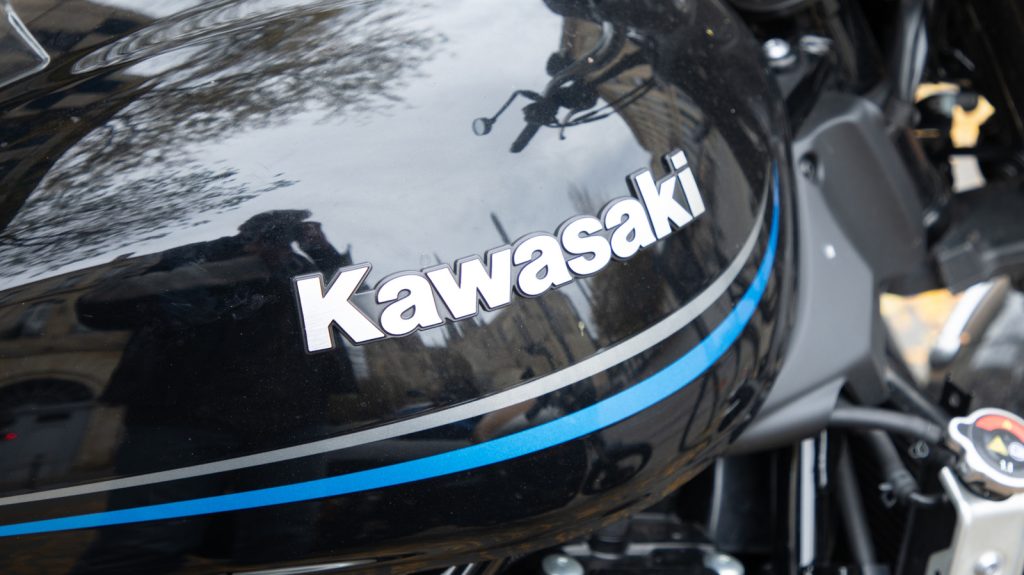
Kawasaki recorded a 15% predicted failure rate in Consumer Reports’ large U.S. motorcycle survey. That was higher than Yamaha, Suzuki, and Honda, but still placed Kawasaki among the four Japanese brands with the lowest estimated repair rates in the study.
Consumer Reports described Yamaha, Suzuki, Honda, and Kawasaki as the more reliable brands among the manufacturers it surveyed.
The distinction matters because the study did not simply ask riders whether they liked their motorcycles. It estimated repair rates for four-year-old machines and adjusted the analysis for mileage.
More than 12,300 motorcycles from model years 2008 through 2014 were represented. That gives the 15% figure considerably more context than isolated internet complaints about a particular model.
Kawasaki’s historical product range also covers very different kinds of motorcycles. The brand has produced high-performance sport bikes, standards, cruisers, touring machines, and off-road motorcycles.
Consequently, a brand-level statistic cannot tell a buyer whether one specific Kawasaki model will have fewer problems than another.
There is an interesting wrinkle in the same Consumer Reports research. Kawasaki owners were less likely than Honda owners to say they would definitely buy the same brand again, with Kawasaki recording 59% compared with Honda’s 70%. That illustrates why reliability and satisfaction need to remain separate when interpreting the survey.
Consumer Reports also found that the average out-of-pocket motorcycle repair bill among owners who incurred such costs was $342, while Kawasaki had a median repair cost of $269 among the brands with adequate data. These figures come from the 2015 study and should not be treated as today’s repair prices.
For Kawasaki buyers, the key takeaway is the brand’s historical reliability record. The survey found relatively few reported failures compared with most other brands included in the study, based on feedback from a substantial sample of U.S. owners.
5. Victory
Victory is an unusual name on this list because it no longer produces motorcycles. Polaris announced in January 2017 that it would wind down Victory Motorcycles operations, ending a brand that had produced nearly 60 models during its 18-year run.
Yet before the shutdown, Victory had a surprisingly strong reliability result in the Consumer Reports survey. Its estimated four-year failure rate was 17%, placing it fifth among the 10 brands measured.
That 17% figure is important because it puts Victory relatively close to the four Japanese brands at the top of the survey. Yamaha was estimated at 11%, Suzuki and Honda at 12%, and Kawasaki at 15%. Victory therefore had a lower predicted failure rate than Harley-Davidson, Triumph, Ducati, BMW, and Can-Am in the same research.
There is an interesting contrast in the owner data. Victory was not simply a reliable brand. 80% of surveyed Victory owners said they would definitely buy the same brand again, the highest figure recorded in Consumer Reports’ owner-satisfaction survey.
Reliability and satisfaction were measured separately, so that result should not be interpreted as proof that Victory had the fewest complaints in every category.
Today, the biggest consideration is support rather than new-bike availability. Polaris said when it announced the shutdown that it would continue supplying parts and supporting service and warranty needs for a period of 10 years.
A used Victory can therefore still be an interesting proposition, but prospective owners should investigate parts availability and specialist support before purchasing.
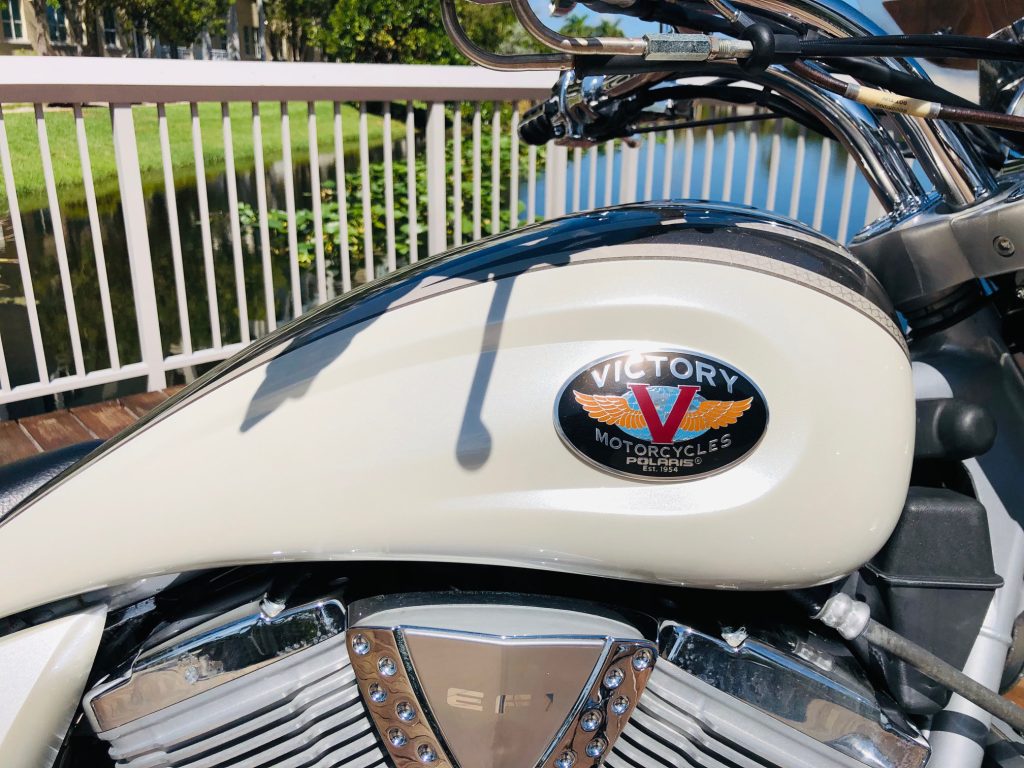
A representative example is the 2015 Cross Country Tour, a large touring motorcycle built around Victory’s 106-cubic-inch Freedom V-twin.
6. Harley-Davidson
Harley-Davidson occupies a fascinating position in the Consumer Reports data because its owner satisfaction was considerably stronger than its reliability result.
The 2015 survey estimated that 26% of Harley-Davidson motorcycles would experience a failure by four years, placing the company sixth among the 10 brands measured. That was substantially higher than the 11% to 15% range recorded for Yamaha, Suzuki, Honda, and Kawasaki.
Yet the same research found that 72% of Harley-Davidson owners said they would definitely buy the brand again. That contrast shows why a motorcycle should not be judged through reliability data alone.
A rider can have complaints about repairs and still value the motorcycle highly for its character, comfort, styling, or riding experience. Consumer Reports specifically found that satisfaction and reliability were not necessarily connected.
The study also identified maintenance and repair costs as an important part of owner satisfaction. Among the brands with sufficient data, Kawasaki had the lowest median repair cost at $269, while BMW was highest at $455.
The average repair bill across motorcycles that incurred out-of-pocket costs was $342 at the time of the survey. Those are historical figures, not today’s service prices.
Harley-Davidson’s current U.S. motorcycles are substantially different from many of the machines represented in that older survey. The 2026 Street Glide, for example, uses the Milwaukee-Eight 117 engine and produces a factory-listed 130 lb-ft of torque and 105 horsepower. It weighs 811 pounds in running order and measures 94.9 inches long.
Buyers should therefore avoid applying the 2015 survey percentage directly to a modern Harley-Davidson. The more useful takeaway is historical. In that large U.S. owner dataset, Harley-Davidson recorded a repair rate in the middle-to-higher range while also maintaining strong owner loyalty.
7. Triumph
Triumph recorded an estimated 29% four-year failure rate in Consumer Reports’ U.S. motorcycle reliability survey, placing it seventh among the 10 brands examined. That figure means the brand falls outside the lower-failure group formed by Yamaha, Suzuki, Honda, Kawasaki, and Victory in the same dataset.
The number needs careful interpretation. Consumer Reports was studying motorcycles purchased new from the 2008 through 2014 model years, and the analysis estimated the likelihood of a repair by the fourth year while adjusting for mileage. It does not establish the reliability of today’s Triumph motorcycles.
The motorcycle industry has changed substantially since that survey, including electronics, engine management, emissions equipment, and manufacturing processes.
Triumph’s historical result is also a good example of why a reliability table cannot tell the entire story. In the owner-satisfaction survey, 63% of Triumph owners said they would definitely buy the same brand again. Consumer Reports also noted that Triumph, along with Kawasaki and Suzuki, received its lowest comfort rating among the brands surveyed.
Today’s Triumph lineup includes modern versions of the company’s classic-looking motorcycles. The Bonneville T100, for example, uses a 900 cc liquid-cooled parallel twin producing 64.1 horsepower and 59 lb-ft of torque. Its manufacturer lists a 57.1-inch wheelbase, a 31.1-inch seat height, and a 780 mm handlebar width.
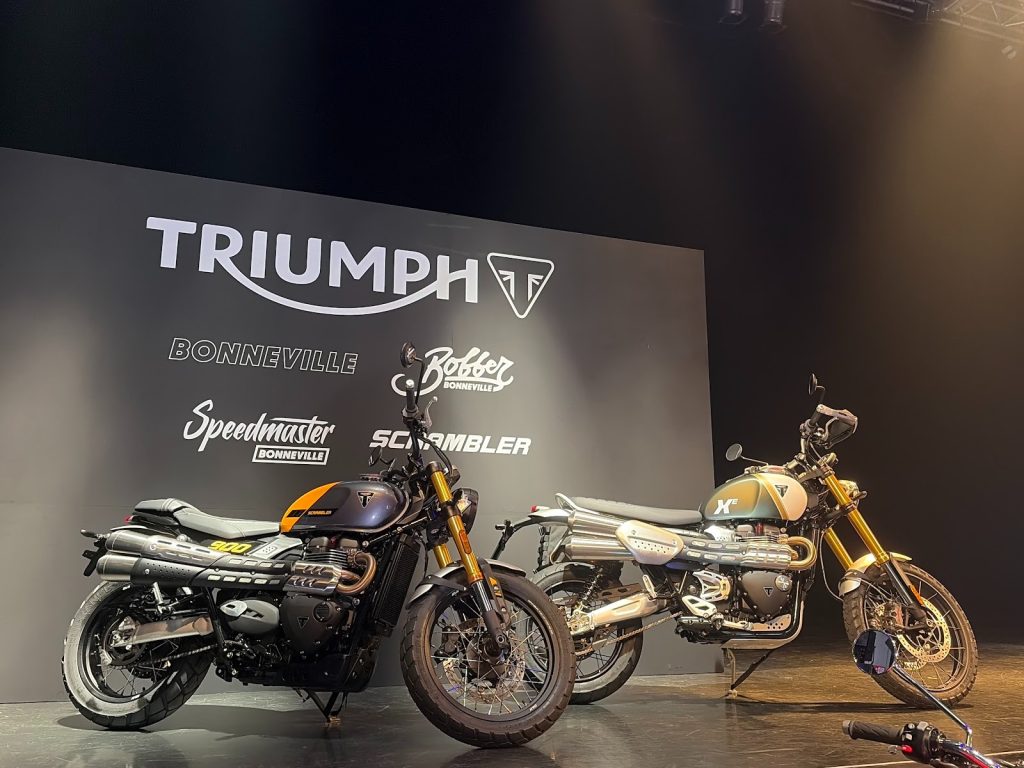
That modern specification highlights why old survey figures should be treated as historical evidence rather than a verdict on a current model. The T100’s electronic fuel injection, modern braking equipment, and contemporary emissions hardware are not identical to the motorcycles represented in the original survey.
For someone considering a Triumph today, service history remains more useful than simply attaching the 29% figure to every motorcycle wearing the badge. A properly maintained individual bike can have a very different ownership experience from the brand-level historical estimate.
8. Ducati
Ducati rounds out the eight brands in this historical U.S. reliability dataset, with Consumer Reports estimating a 33% four-year failure rate. That placed Ducati eighth of the 10 manufacturers surveyed, ahead of only BMW and Can-Am in the measured failure-rate table.
The figure can sound alarming without its context. The Consumer Reports research was based on more than 12,300 motorcycles from model years 2008 through 2014, with the predicted failure calculation adjusted for mileage. It was not a laboratory durability test and was not designed to measure current motorcycles.
Ducati’s owner-satisfaction figure also tells a more nuanced story. In the same Consumer Reports research, 66% of Ducati owners said they would definitely buy the brand again. The publication also identified maintenance and repair costs as factors affecting satisfaction among several brands, including Ducati.
Modern Ducati motorcycles have changed considerably since those surveyed model years. The 2026 Monster, for instance, uses an 890cc liquid-cooled 90-degree V2 with variable intake valve timing.
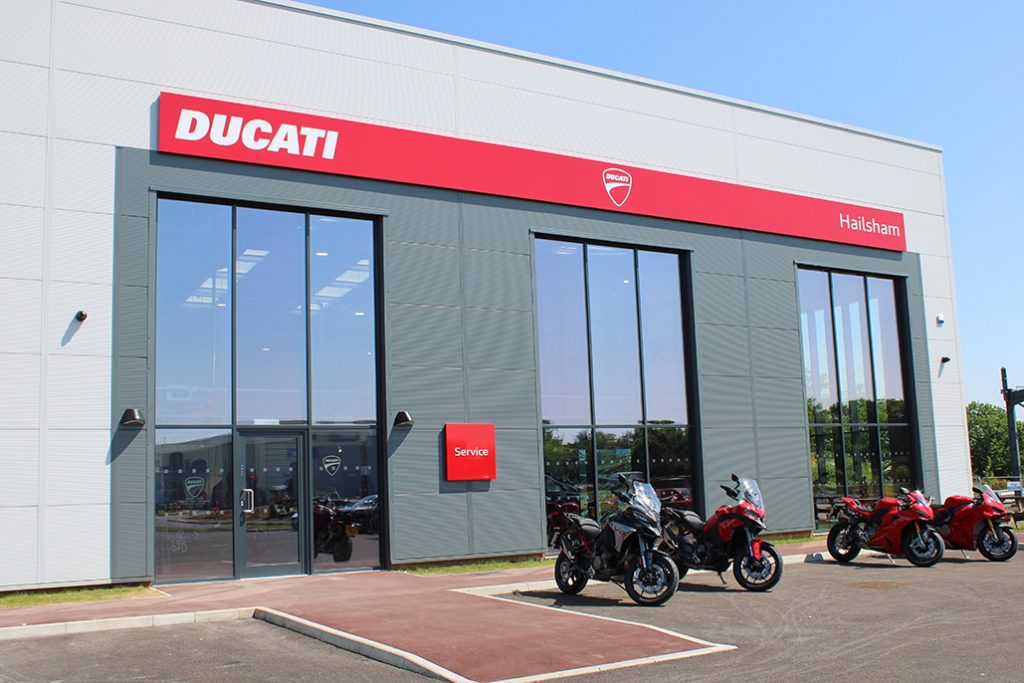
Ducati lists 110.7 horsepower and 67 lb-ft of torque, while the motorcycle weighs 386 pounds without fuel. The manufacturer also specifies a 58.7-inch wheelbase and a 32.1-inch standard seat height.
Ducati’s current maintenance schedule for the new Monster provides an interesting example. The manufacturer lists the valve-clearance inspection at 28,000 miles, highlighting why a 2015 survey percentage should not be used as a direct measure of today’s ownership experience. Motorcycle designs, maintenance intervals, and electronic systems have all evolved considerably since then.
For buyers looking at a used Ducati, service documentation deserves particular attention. A complete history can provide much more information about the individual motorcycle than an old brand-level failure estimate.
