

Modern cars do far more than transport people from one place to another. Behind the dashboard, electronic control units, safety systems, connected services, and infotainment computers can create records about how a vehicle is being driven.
Some information is stored only for a short period around a crash, while connected vehicles can transmit certain information to outside systems.
The important distinction is that not every car records the same information, and not every piece of data is permanently stored. Federal safety rules, manufacturer systems, and connected services all serve different purposes. Here are 10 types of driving information a modern U.S. vehicle may record, along with why that information exists.
1. Your Vehicle Speed
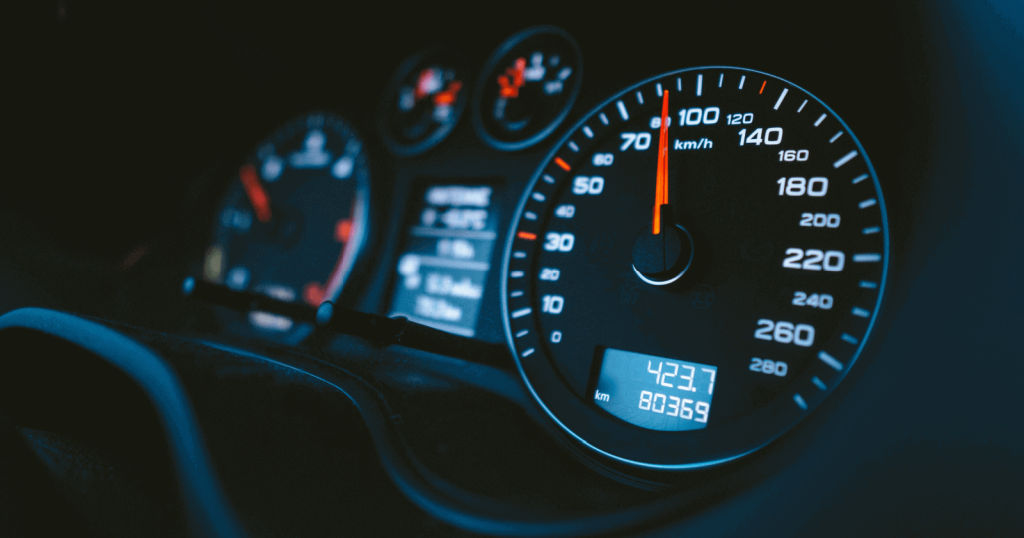
Speed is one of the most important pieces of information a vehicle’s electronic systems can capture, particularly around a serious crash. NHTSA explains that Event Data Recorders, commonly called EDRs, can record pre-crash vehicle dynamics and system status.
Federal EDR requirements include vehicle speed among the data elements that qualifying systems must record. The information covers a short period surrounding a crash rather than acting like a permanent trip diary.
Why record speed? The primary reason is safety investigation. If a crash occurs, knowing how fast the vehicle was traveling shortly before the event can help investigators understand what happened. Speed data can be considered alongside braking, steering, restraint use, airbag deployment, and changes in vehicle velocity.
This does not mean your car necessarily maintains a permanent history of every speed you have driven. An EDR is specifically designed to capture information around a defined event, and NHTSA describes the recording period as seconds rather than minutes.
Connected vehicles create a separate privacy question. Some manufacturers have offered services capable of collecting driving behavior and location information during ordinary trips.
The Federal Trade Commission’s investigation into General Motors and OnStar, for example, alleged that certain connected systems collected precise location and driving behavior data, including speeding events.
So when people say a car “records your speed,” the reality depends on the system. An EDR can preserve speed around a crash, while connected services may collect driving information for other purposes.
2. How Hard You Brake
A sudden stop can tell an electronic system much more than simply “the brakes were used.” EDR requirements include brake application as one of the pre-crash data elements recorded by qualifying systems. That information can help reconstruct what the driver was doing immediately before a collision.
The reason is straightforward. Investigators need to know whether braking occurred, when it occurred relative to the crash, and how the vehicle’s systems responded. Brake information can be considered alongside vehicle speed, acceleration, steering inputs, and restraint status.
Connected vehicles can take this concept much further. The FTC said GM’s Smart Driver system collected driving behavior information that could include instances of hard braking. The agency alleged that this information was shared with consumer reporting agencies and could be used in connection with insurance-related decisions.
That example demonstrates why drivers should distinguish between two very different kinds of vehicle data. A crash EDR has a safety-investigation purpose and captures information around an event. A connected driving service can potentially gather information during ordinary journeys.
Hard braking data can also have legitimate practical uses. Connected services may use driving behavior information to provide feedback about driving habits, while manufacturers can use vehicle data for diagnostics and system development. The FTC has previously noted that vehicle data can help determine whether subsystems are operating properly.
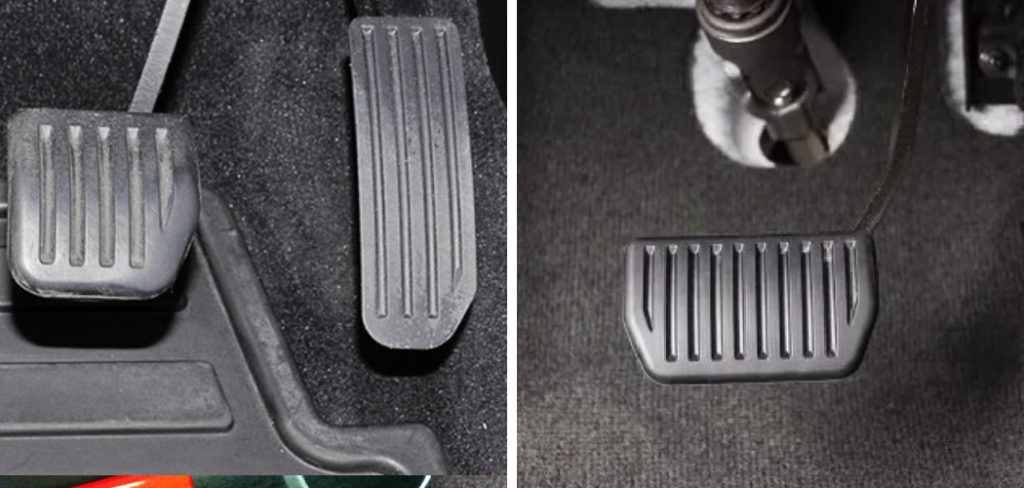
The surprising part is that a routine action such as stopping quickly can become a digital data point. What matters is not simply whether the vehicle can detect hard braking, but who stores the information, how long it remains available, and what the applicable privacy policy permits.
3. Whether Your Seat Belt Was Buckled
Your seat-belt status can also become part of a vehicle’s recorded safety information. NHTSA’s EDR requirements identify driver seat-belt status as one of the pre-crash data elements that qualifying EDR systems must record.
This information exists primarily for crash analysis. In a collision investigation, knowing whether the restraint system was being used provides important context for understanding injuries, airbag operation, and the behavior of occupants during the crash.
It is important to understand what this does not mean. The EDR does not necessarily function like a continuous personal log that stores a permanent record of every time a driver buckled or unbuckled the belt. NHTSA describes EDRs as devices that record technical vehicle and occupant information for a brief period before, during, and after a crash.
The data becomes particularly valuable when combined with other information. Investigators can compare belt status with airbag deployment, changes in vehicle velocity, and other crash-related measurements. That combination provides a much clearer picture than any single data point could provide.
Modern vehicles also use seat-belt information for everyday functions. Warning systems can detect whether occupants are restrained and can adjust certain safety system behavior accordingly.
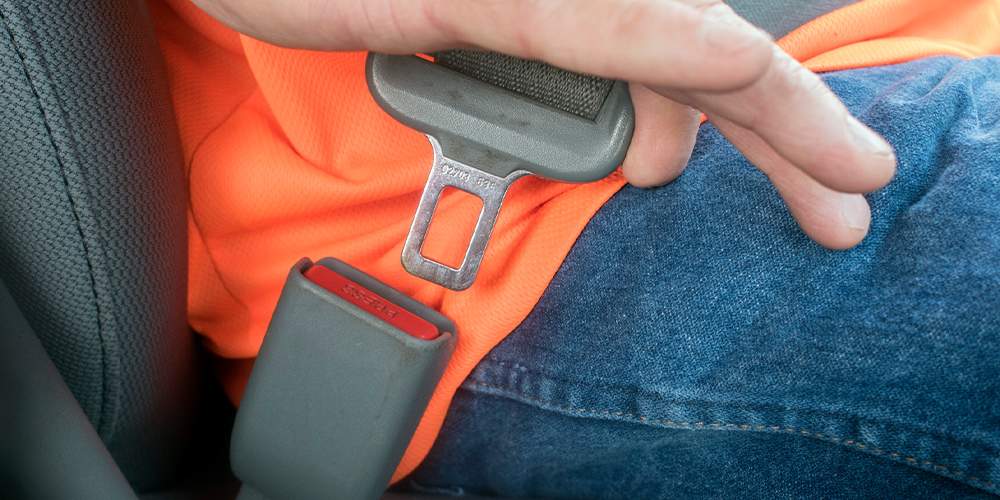
The broader lesson is that a seat belt is no longer merely a mechanical restraint. In electronically controlled vehicles, its status can also become part of the vehicle’s safety record.
For drivers concerned about privacy, the key distinction remains storage and purpose. Crash-related EDR information is regulated differently from connected-car information transmitted through telematics services. The presence of one does not automatically mean the other exists.
4. What the Accelerator Was Doing
The accelerator pedal can provide another important clue about what happened immediately before a crash. NHTSA identifies engine throttle position as one of the required pre-crash data elements for qualifying EDR-equipped vehicles.
This information can help investigators understand whether the driver was accelerating, maintaining power, or reducing throttle input before the collision. When combined with vehicle speed and braking information, it can provide a much more complete picture of the vehicle’s behavior.
Consider a crash in which the vehicle suddenly leaves the roadway. Speed alone cannot explain whether the driver was accelerating or reducing power. Throttle information adds another piece to the reconstruction.
Again, this does not mean every car continuously saves a detailed history of accelerator-pedal movements. EDRs are intended to capture information associated with crashes and operate over a short time window. NHTSA specifically distinguishes EDRs from devices that continuously log other forms of vehicle operation.
Connected vehicles can introduce another layer. Manufacturers may collect vehicle-performance or driving-behavior information through telematics services, depending on the vehicle and services activated. The FTC has described connected cars as capable of collecting extensive information for entertainment, safety, diagnostics, and other purposes.
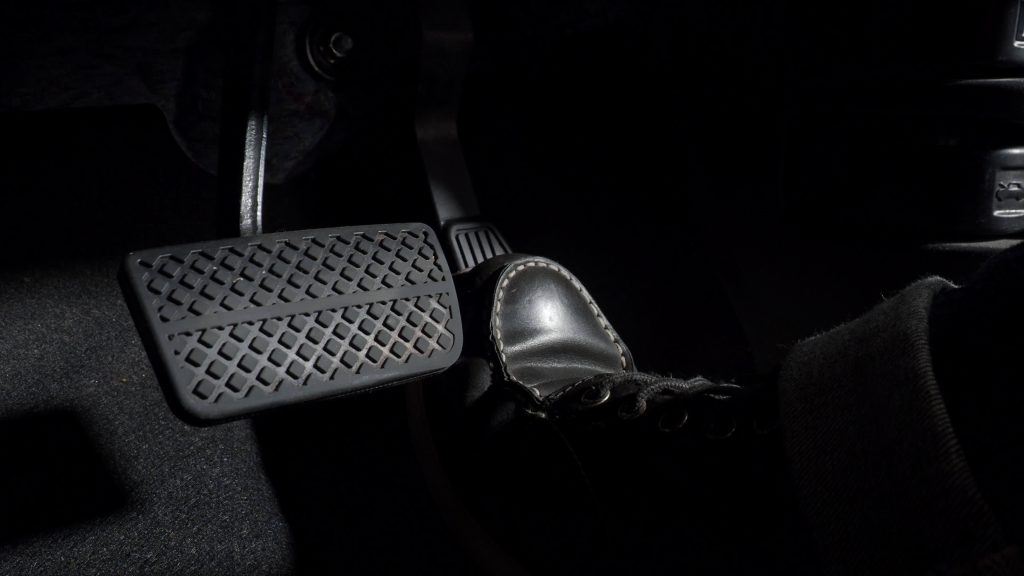
The reason manufacturers and regulators care about throttle information is therefore practical. It can help establish what the vehicle and driver were doing immediately before an event, rather than relying entirely on witness accounts or physical evidence.
For drivers, the key point is straightforward. The accelerator is an electronic input rather than simply a mechanical pedal. In a modern vehicle, that input can become part of the data used to reconstruct and understand a serious incident.
5. Where You Have Been
Location data is potentially much more revealing than a single measurement such as speed. A connected vehicle equipped with telematics can potentially determine and transmit its geographic position. The FTC has described precise geolocation as sensitive information and has specifically addressed connected vehicles’ ability to collect it.
Why collect it? There are legitimate reasons. Location information can support navigation, emergency response, roadside assistance, stolen-vehicle services, traffic information, and other connected features. The FTC has noted that manufacturers can use precise location information to help direct emergency personnel to a crash.
But location information can also reveal patterns about a person’s life. A vehicle traveling repeatedly to the same workplace, home, medical facility, or other destination can create a detailed picture of someone’s routine.
The issue became particularly significant in the FTC’s action involving General Motors and OnStar. The agency alleged that GM collected precise geolocation and driving-behavior data through connected services and shared information with consumer reporting agencies without adequately notifying consumers.
The FTC finalized an order in January 2026 requiring affirmative express consent for covered connected-vehicle data collection, use, or sharing, subject to specified exceptions.
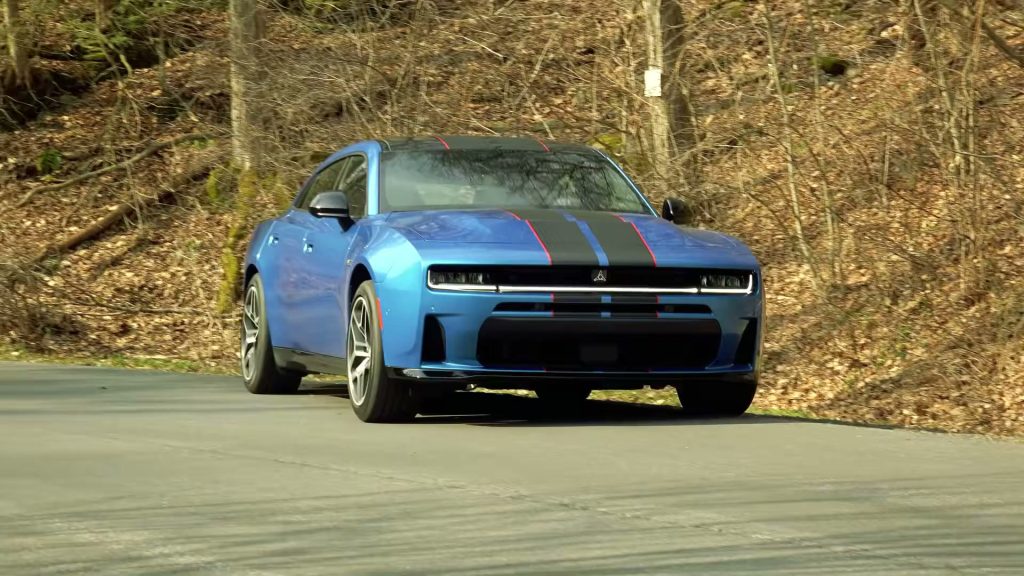
That case does not mean every connected vehicle is secretly transmitting its location in the same way. Different manufacturers, services, and vehicles have different systems and privacy practices.
It does demonstrate why location deserves special attention. A car can potentially reveal not just what happened on the road, but where the vehicle has been.
6. When You Drive and How You Drive
A connected vehicle may also generate information about driving patterns, such as when a vehicle is being driven, how frequently it is used, and certain driving behaviors. The FTC has specifically described connected-car data as including driving habits and behavior.
This information can be useful for legitimate purposes. A manufacturer might use it to provide driving feedback, improve a connected service, or understand vehicle performance. An insurer may use authorized driving information in a telematics program to assess driving behavior.
But the same information can become sensitive when it is collected without clear understanding or used for purposes the driver did not expect.
The GM and OnStar case provides a concrete example. The FTC alleged that certain connected services collected information such as hard braking, late-night driving, and speeding. The agency said the data was shared with consumer reporting agencies and could be used by insurers when determining rates.
The FTC’s final 2026 order requires GM to obtain affirmative express consent before collecting, using or sharing covered connected-vehicle data, with limited exceptions. It also requires mechanisms allowing U.S. consumers to request their data, seek deletion, and opt out of certain collection.
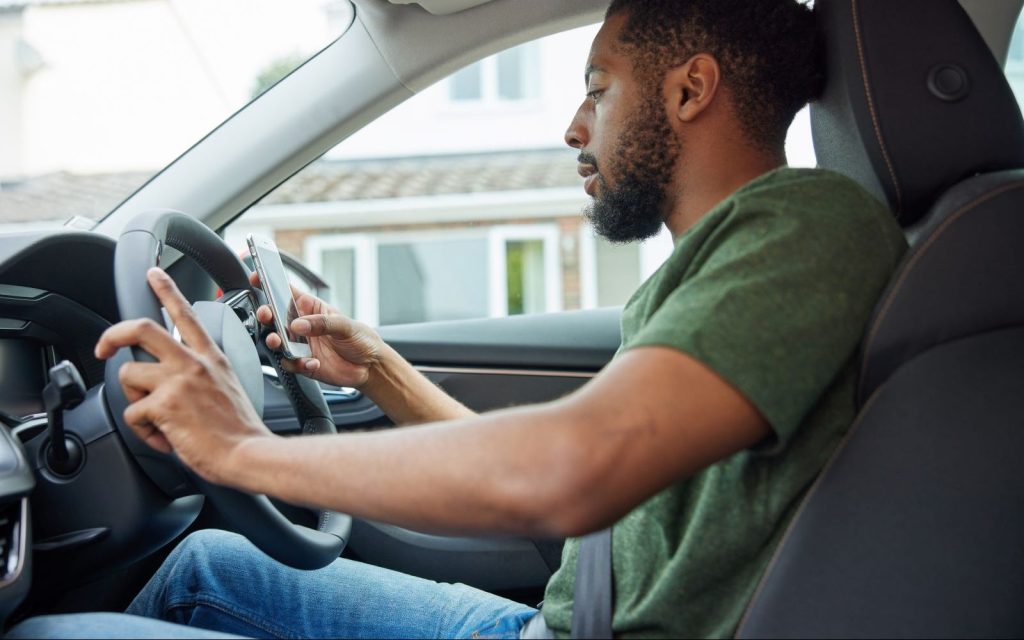
This is why the phrase “my car records my driving” needs context. An EDR and a connected telematics service are not the same thing. One is designed around crash events, while another can operate during ordinary driving.
For consumers, connected-service enrollment deserves as much attention as the vehicle’s mechanical specifications. A feature marketed as a driving assistant or convenience service can involve data collection that extends well beyond the dashboard.
7. Airbag Deployment and Crash Severity
A vehicle’s safety computers can record what happened during a crash, including information associated with airbags and changes in vehicle motion. NHTSA says EDRs can record vehicle crash signatures, restraint usage, and deployment status.
Federal requirements also cover changes in forward velocity and the timing of airbag deployment as part of the relevant crash data. These measurements serve a clear purpose, helping investigators understand what happened during a collision.
Airbags are not designed to deploy based on one simple measurement. Modern restraint systems use sensors and electronic control systems to determine whether deployment is appropriate and, in some vehicles, how the restraints should respond.
An EDR can preserve information about that process. Investigators can then examine crash data to understand the sequence of events.
The information can be especially valuable because physical evidence alone does not always reveal exactly what happened during the seconds surrounding a collision. EDR information can provide technical measurements that supplement police reports, photographs, vehicle inspections, and witness accounts.
NHTSA emphasizes that EDRs record information for a short period before, during, and after a crash. They are not intended to operate as general-purpose surveillance devices that record everything happening inside a vehicle.
That distinction matters when discussing privacy. Saying that “your car records everything” is inaccurate. Different systems record different information for different reasons.
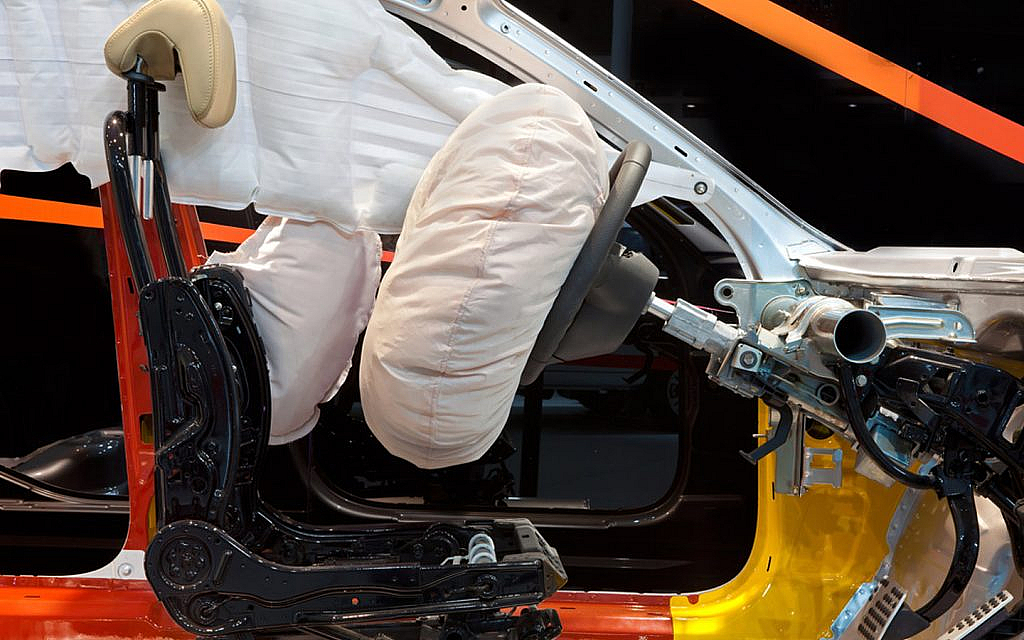
Crash data is generally designed to answer questions such as how severe the event was, whether restraints were used, and how the safety systems responded.
For vehicle owners, the important takeaway is that the electronic safety system can preserve a technical snapshot of a serious event. The purpose is primarily reconstruction and safety analysis, rather than maintaining a day-to-day diary of the driver’s life.
8. Steering and Other Driver Inputs
A modern vehicle can also detect steering-related driver inputs and other control-system information. NHTSA explains that EDRs may record driver inputs as part of the information surrounding a crash.
This information can help establish what the driver was attempting to do immediately before an impact. If a vehicle changes direction suddenly, investigators may need to determine whether steering input occurred and how the vehicle responded.
The value becomes greater when multiple data points are considered together. Speed can establish how quickly the vehicle was traveling. Brake status can indicate whether the driver attempted to slow down. Throttle information can provide another indication of driver input. Steering information can help establish whether the driver attempted to avoid an obstacle.
These measurements can contribute to a technical reconstruction rather than relying solely on recollection after a stressful event.
However, the exact information available varies by vehicle and system. NHTSA notes that EDRs can differ in their design and scope, although federal regulations establish minimum requirements for certain recorded data elements.
That is an important limitation. There is no universal rule saying that every modern vehicle stores every movement of the steering wheel.
Connected vehicles add another potential source of information, but again, the details depend on the manufacturer’s systems and services.
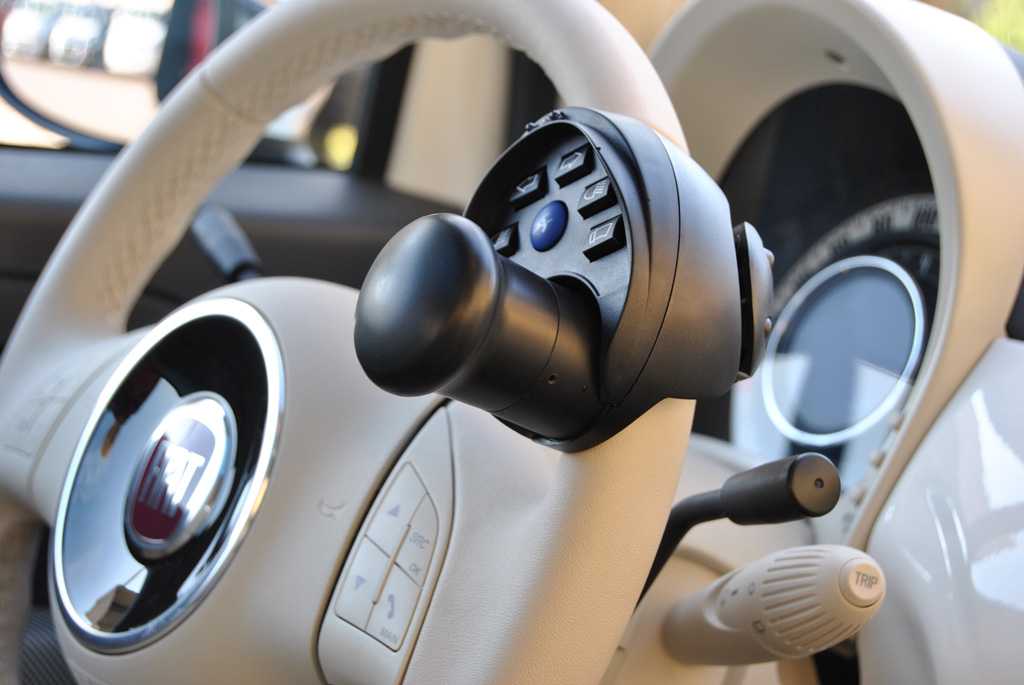
The technology is becoming increasingly sophisticated because cars depend on electronic controls for stability systems, driver assistance, collision avoidance, and other functions. Those systems need to know what the vehicle is doing, and some of that information can be stored.
For a driver, the surprising part is that ordinary steering corrections can become technically meaningful when they occur immediately before a major crash.
9. Diagnostic and Mechanical Information
Your car can also generate data about its own mechanical and electronic condition. This information is not necessarily a secret surveillance record. Much of it exists because modern vehicles need continuous monitoring to identify faults and keep systems operating correctly.
Electronic control units can monitor numerous vehicle functions and generate diagnostic information when something falls outside expected parameters. Connected-car systems can potentially transmit some of that information to manufacturers or service providers.
The FTC has noted that vehicle data can be used for diagnostic purposes, including determining the vehicle’s state of health and whether particular subsystems are behaving properly.
That can benefit drivers. A vehicle can identify a problem before a component fails, trigger a warning light, or help a technician diagnose an issue more efficiently.
The same information can also have value beyond immediate repairs. Manufacturers can use aggregated vehicle information to understand recurring problems and improve products or services.
However, the existence of diagnostic data does not mean that every manufacturer receives every piece of information from every vehicle. The extent of collection depends on the vehicle, connectivity hardware, software, and services involved.
This is another reason the term “secretly records” needs careful treatment. Some information is recorded locally because the vehicle’s computers need it to operate. Other information may be transmitted through connected services under specific terms.
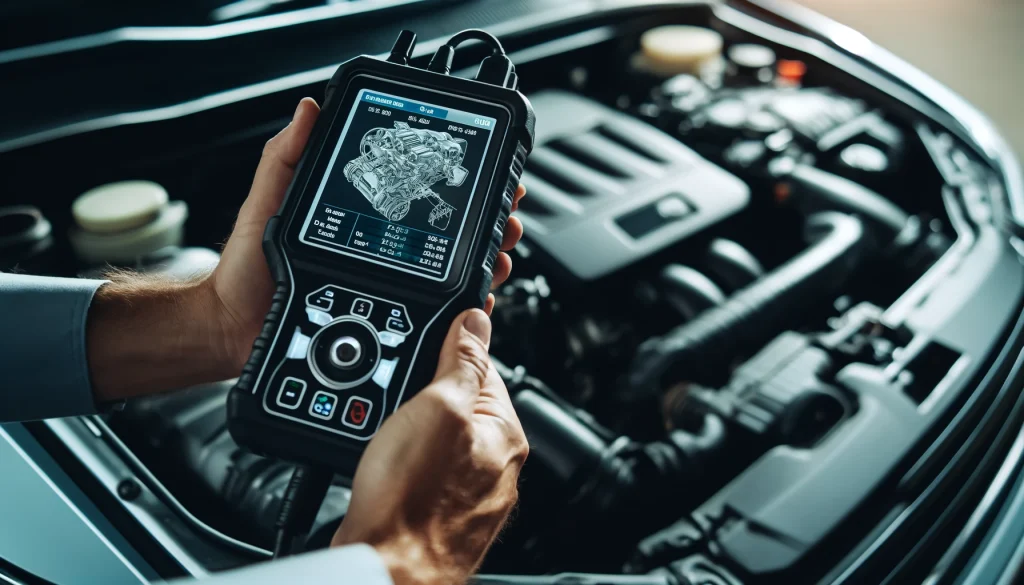
For owners, diagnostic information can actually be among the most useful forms of vehicle data because it can help identify problems before they become major failures.
The privacy question begins when information generated for vehicle operation or service is retained, combined with other information, or shared outside the immediate repair process.
10. Information From Your Connected Phone and Apps
The final category may not come entirely from the vehicle itself. When a driver connects a smartphone to a vehicle’s infotainment system, information can pass between the phone, vehicle, and connected applications.
The FTC has warned that connected vehicles can involve data such as location, communications, and information associated with apps used through vehicle systems. The agency has also highlighted the privacy implications of connected cars accessing personal information through connected devices.
Depending on the system and permissions involved, connected functionality can support navigation, music, contacts, voice commands, messaging, and other services. Those features make the car more useful, but they can also create a digital trail.
This is particularly important when a vehicle is sold or returned at the end of a lease. The FTC has advised consumers to remove personal information from vehicles before selling them, much as they would wipe personal information from a computer or smartphone.
A forgotten phone connection could therefore leave behind information that the next owner should not have access to.
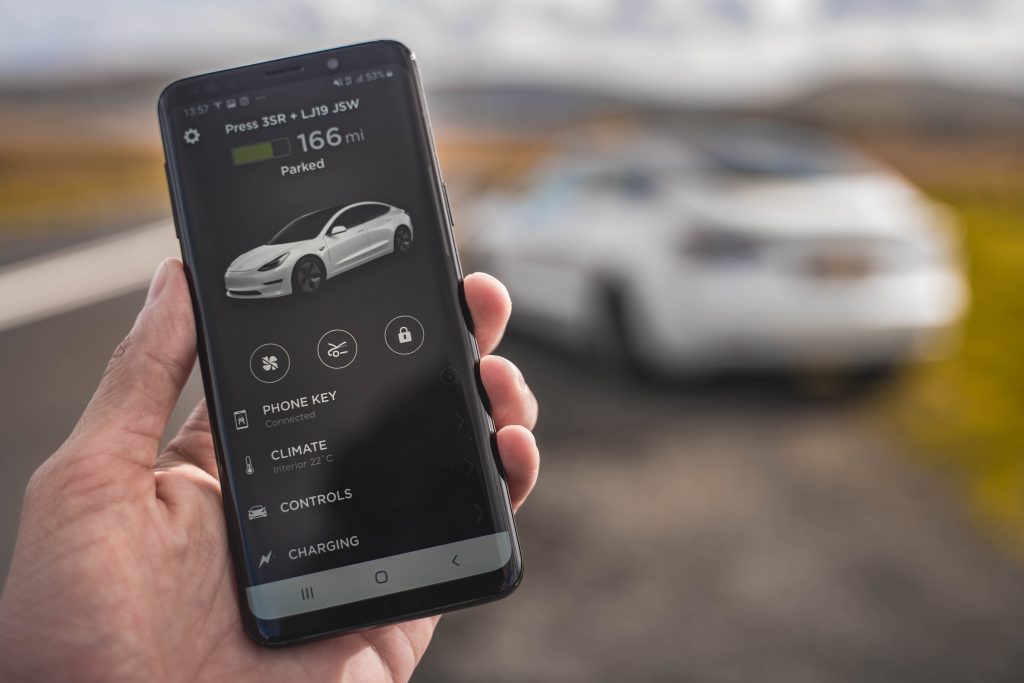
The safest assumption is not that every car permanently stores everything from a connected phone. Instead, drivers should check what information their particular infotainment system retains and use its factory reset or data-deletion options before transferring ownership.
Modern cars are increasingly connected computers on wheels, but the data picture is not identical across vehicles. Some information is recorded for crash safety, some for diagnostics, and some through optional connected services.
That distinction is the key to understanding what your car actually knows. The vehicle may be collecting more information than a traditional mechanical car ever could, but the purpose, storage period, and sharing rules depend heavily on the specific system involved.
