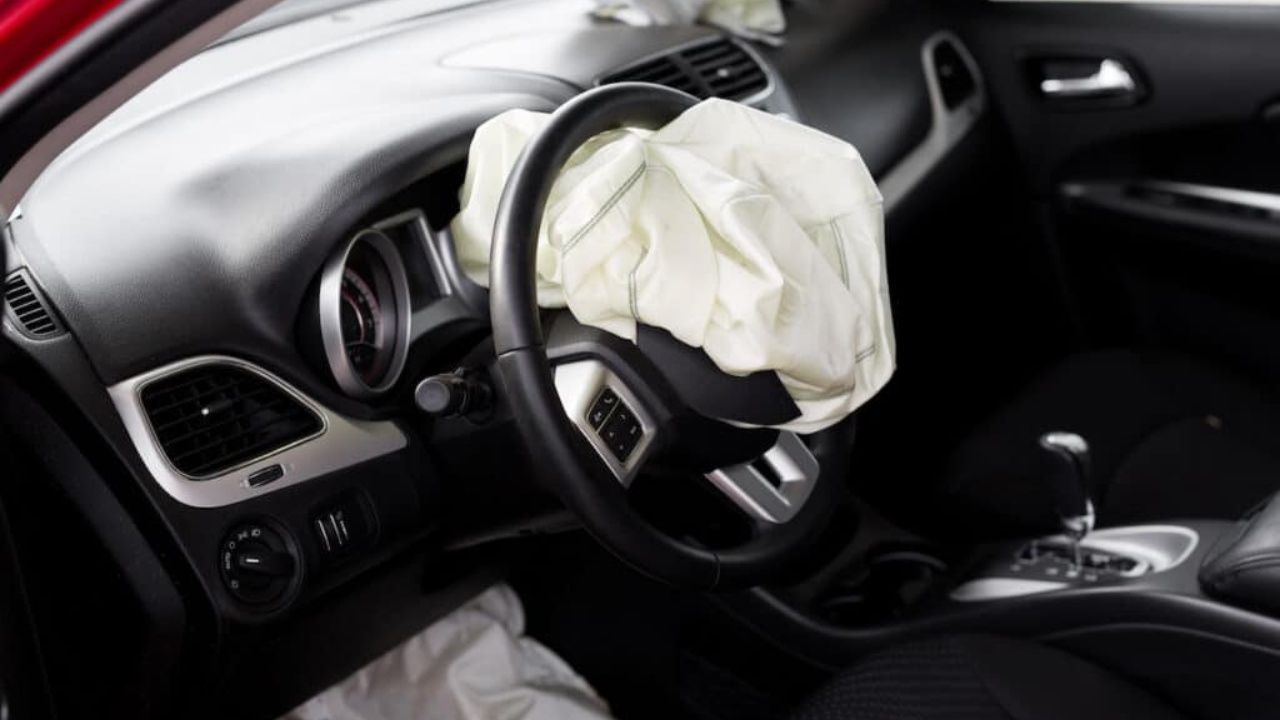
A defective replacement airbag inflator that federal regulators banned from being imported and sold in the United States has now been linked to an 11th death, raising fresh concerns about dangerous parts that can remain hidden inside repaired used vehicles long after a federal ban takes effect.
The latest fatality occurred on August 27, 2026, in Dallas, when the driver of a 2018 Chevrolet Equinox was killed in a crash involving a vehicle equipped with a DTN60DB airbag inflator.
According to the National Highway Traffic Safety Administration, this is the first known fatality involving the banned inflator in a Chevrolet Equinox and the first fatal case outside the Chevrolet Malibu and Hyundai Sonata.
NHTSA now says the DTN60DB inflators have been involved in 14 crashes resulting in 11 deaths and three severe injuries. The agency says the crashes involved vehicles in which the original driver-side airbag had previously been replaced with one of these defective aftermarket inflators.
The development is particularly concerning because NHTSA banned the import and sale of the inflators in April 2026. That action stopped future imports and sales, but it could not identify every vehicle that had already received one through the aftermarket repair system.
How the Banned Inflator Became a Safety Threat
The DTN60DB inflator is associated with Jilin Province Detiannuo Safety Technology Co., a Chinese airbag inflator manufacturer. NHTSA concluded that the parts were likely illegally imported into the United States and were subsequently installed as replacement equipment in used vehicles.
The problem is fundamentally different from a conventional automaker recall. A factory-installed air bag can normally be traced through a vehicle’s production records and VIN. If a manufacturer discovers a defective component, it can identify affected vehicles and notify their owners.
These DTN60DB inflators were generally installed later, after a vehicle had already been involved in a crash or had its air bag stolen. That means the automakers do not have a reliable factory record showing which vehicles received the dangerous replacement part.
The inflator is particularly dangerous because it can rupture when the air bag is deployed. Instead of generating gas in a controlled manner to inflate the air bag, NHTSA says the defective inflators can explode and send large metal fragments into the vehicle cabin.
The agency has linked those fragments to fatal and severe injuries involving drivers’ chests, faces, and eyes.
The agency’s latest case demonstrates why regulators are concerned that the problem extends beyond the models involved in the first reported crashes.
Before the Equinox case, all 10 fatalities and three severe injuries known to NHTSA had occurred in Chevrolet Malibu and Hyundai Sonata vehicles. The August 27 Dallas crash involving the 2018 Equinox is therefore an important change in the pattern.
NHTSA explicitly cautions that the presence of known cases in three models does not mean the risk is limited to those vehicles. The agency says it does not have information establishing that the problem is restricted to the Malibu, Sonata, or Equinox.
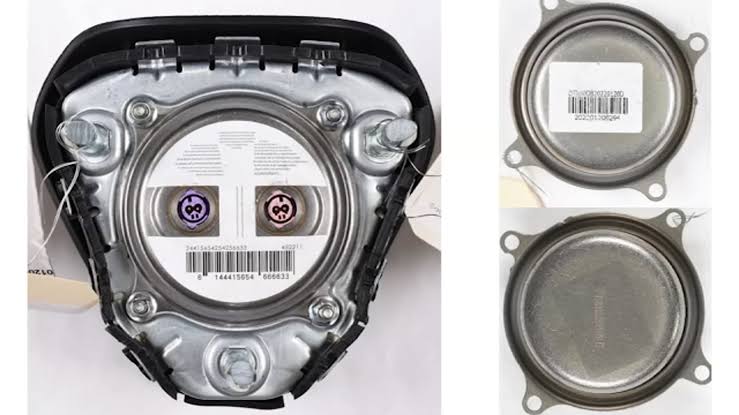
That uncertainty is one reason the regulator is focusing heavily on vehicle repair history rather than simply publishing a list of affected models.
Why the April Ban Could Not Prevent the 11th Death
NHTSA took the unusual step of banning the import and sale of DTN60DB inflators in April. The agency described it as its first vehicle-equipment ban in more than two decades.
At the time of the April action, NHTSA had linked the inflators to 10 deaths and two severe injuries in 12 crashes. Regulators concluded that the parts posed a direct risk of serious injury or death and said they were likely being illegally imported.
The subsequent Dallas death illustrates a limitation of such an order. A ban can prevent additional parts from legally entering the market, but it cannot automatically locate inflators that were already installed in vehicles.
NHTSA itself says a traditional VIN-based recall is unlikely to work in this case because there is no complete list of vehicles containing the parts. The agency’s final decision nevertheless requires the inflator manufacturer to initiate a recall, but the regulator acknowledges that identifying affected vehicles remains a major challenge.
This is also why a normal online recall search may not provide a definitive answer for a vehicle that contains one of these parts.
NHTSA is urging owners and prospective buyers to examine a vehicle’s history for previous crashes involving airbag deployment, total-loss records, theft history, and repairs performed by non-certified service centers.
If a vehicle has a history of an airbag deployment since 2020, particularly when repairs were performed outside a manufacturer’s dealership, the agency recommends having the vehicle inspected by a reputable mechanic or certified technician.
The agency’s warning is particularly relevant to rebuilt and salvage vehicles. Earlier NHTSA investigations found that many of the affected vehicles had previously been crashed and subsequently repaired before receiving the suspect replacement air bag.
The repair process created an opportunity for an aftermarket part to enter a vehicle that otherwise might have had no safety recall associated with its VIN.
NHTSA also makes an important distinction concerning the Takata airbag recalls. Owners who had their Takata inflators replaced through the official recall with genuine replacement parts are not being warned that those legitimate replacement parts are part of the DTN60DB problem.
What Used-Car Owners Should Do
The Equinox fatality changes the scope of the warning but does not mean owners of every Equinox, Malibu, or Sonata are facing the same danger. The issue concerns vehicles that have received a specific aftermarket replacement inflator.
For owners, the most important step is determining whether the vehicle has a history that could indicate an airbag replacement.
NHTSA recommends obtaining the vehicle’s history and having suspicious vehicles professionally inspected. The agency specifically warns owners not to remove the steering wheel, open the airbag module, or attempt to identify the inflator themselves.
Air bag systems contain explosive devices, and improper handling can itself cause serious injury or death.
If a technician finds a DTN60DB inflator, NHTSA says the vehicle should not be driven until the part is replaced with genuine original-equipment equipment. The agency also asks owners who find one of these inflators to report it to NHTSA and to law enforcement agencies, including Homeland Security Investigations or the FBI.
Used-car shoppers should also keep another detail in mind. A vehicle with no open recalls may still have an air bag that is not genuine. Since these replacement parts may have been installed through aftermarket repairs instead of at the factory, the vehicle’s repair history can provide more useful information than its standard recall record.
The latest case therefore represents more than an additional number in an already disturbing tally. The 11th death, involving a 2018 Chevrolet Equinox in Dallas, demonstrates that the danger is not confined to the two vehicle lines associated with the first fatalities.
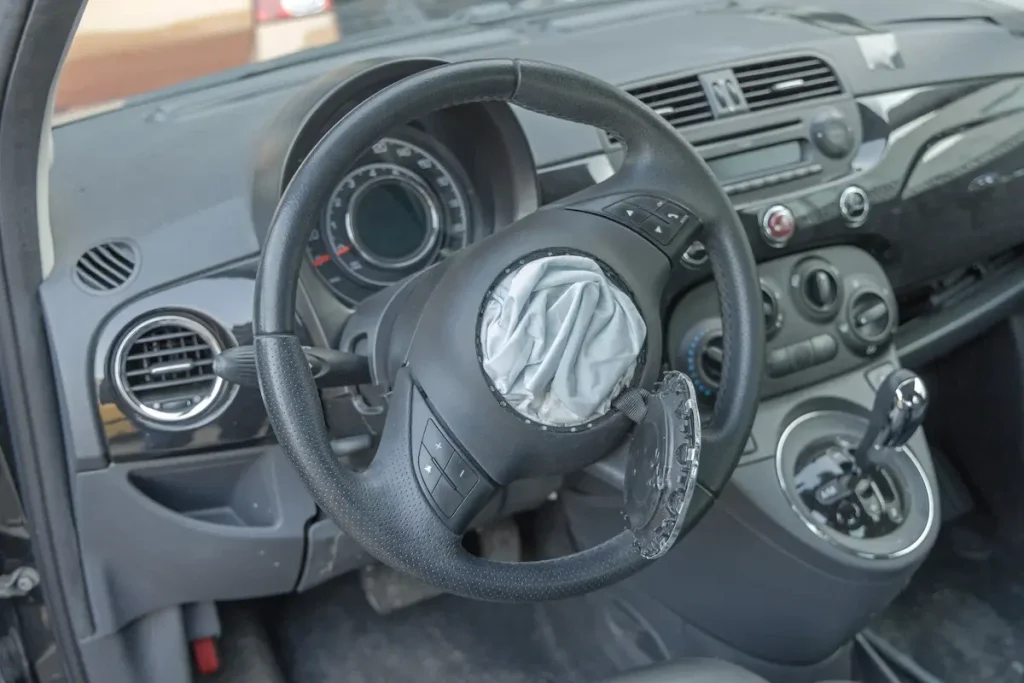
NHTSA now has evidence of 14 crashes, 11 deaths, and three severe injuries involving DTN60DB inflators. The agency’s April ban remains in effect, but the continuing discovery of these parts shows why stopping future imports does not eliminate the risk from inflators already installed in American vehicles.
For used-car owners, the most important issue is therefore not simply whether a vehicle has an open recall. It is whether its repair history includes an airbag deployment and replacement, particularly after a crash since 2020.
In those circumstances, NHTSA recommends professional inspection to determine whether the vehicle contains a genuine airbag inflator.
The Dallas Equinox case adds an important layer to the warning. The model name alone is not enough to determine whether a vehicle is affected. What matters most is the specific part installed behind the steering wheel.