Stellantis is facing an unusually busy recall year in the United States, with several large-scale safety campaigns affecting millions of vehicles across its Jeep, Ram, Chrysler, and Dodge brands.
The latest action involves nearly 202,000 Jeep vehicles over a tire-pressure monitoring software problem, adding another major campaign to a year that has already included recalls involving more than 1.5 million Ram 1500 pickups, nearly 1 million vehicles over rear-camera problems, and more than 1 million Jeep Wrangler and Gladiator models because of a fire risk.
The volume of recalls has put additional attention on Stellantis’ quality performance at a time when the automaker is trying to rebuild its North American business. At the same time, the recall activity has not translated into a comparable collapse in demand.
Stellantis reported that second-quarter North American shipments rose 38% year over year to 445,000 vehicles, showing that customers and dealers have continued taking vehicles from the company’s key brands.
The distinction is important. A recall identifies vehicles that require a safety-related correction, but it does not automatically mean every vehicle in the affected population has experienced a failure. NHTSA requires manufacturers to report safety defects and noncompliance issues, and its database records the potentially affected vehicle population for each campaign.
The Major Stellantis Recalls of 2026
One of the year’s largest Stellantis campaigns came in July, when the company announced a worldwide recall of just over 1.5 million Ram 1500 pickups.
According to Reuters, the campaign covers 2019-2026 model-year trucks that may have second-row center or driver-side seat-belt buckle anchors that were not properly attached to the vehicle’s body structure. The problem could affect the performance of the seat-belt system in a crash and increase the risk of injury.
The U.S. portion of that campaign covers approximately 1.27 million Ram 1500s, with another 156,000 in Canada, 15,000 in Mexico, and about 75,000 in other markets. Stellantis said it was aware of one potentially related injury but no fatalities.
Dealers are instructed to inspect the affected anchors and properly attach them to the vehicle structure where necessary.
The following month brought another very large campaign. In August, Stellantis recalled approximately 955,000 vehicles worldwide because a software problem could prevent the rearview camera image from appearing when the vehicle was placed in reverse. About 848,000 of those vehicles were in the United States.
The campaign covers vehicles across numerous Chrysler, Dodge, Jeep, and Ram nameplates, including the Pacifica, Voyager, Charger, Cherokee, Compass, Gladiator, Grand Cherokee, Grand Wagoneer, Wrangler, Ram 1500, Ram 2500, and ProMaster. Stellantis’ remedy is a radio software update that can be performed by a dealer or, where applicable, over the air.
The company said it was unaware of accidents or injuries related to that campaign. Then came the June recall involving the Jeep Wrangler and Gladiator, one of the year’s most consequential campaigns because of the potential fire risk.
NHTSA said FCA US recalled 1,076,999 2021-2025 Jeep Wrangler and Gladiator vehicles because an electrical connection involving the electric hydraulic power-steering pump wiring could overheat combustible material and potentially cause a fire, including when the vehicle was parked and turned off.
NHTSA said it was aware of 51 fires and one injury likely associated with the issue. The agency instructed affected owners to park their vehicles outside and away from buildings until the vehicles were repaired.
The latest major campaign came in September. Stellantis recalled 201,976 Jeep vehicles in the United States because a software error could prevent the tire-pressure monitoring system from detecting low tire pressure or illuminating the warning light.
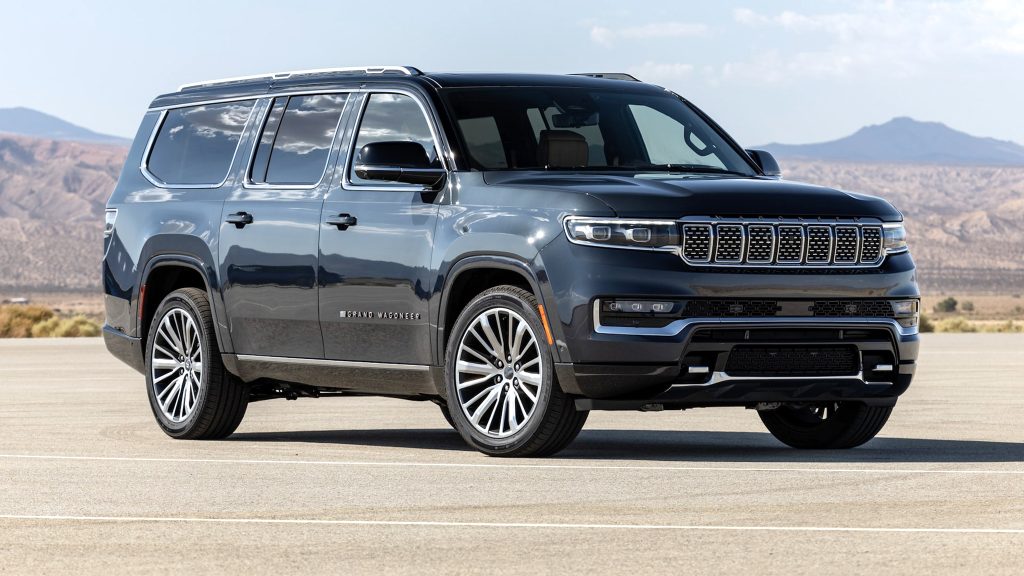
The affected vehicles include certain Wagoneer, Grand Cherokee, Grand Cherokee L, Grand Cherokee 4xe, and Grand Wagoneer models.
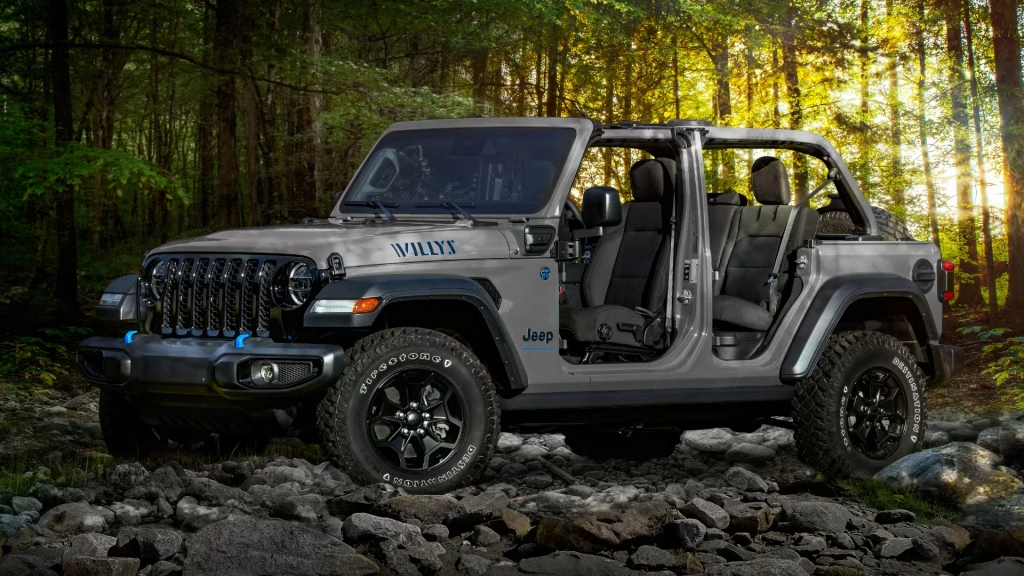
According to NHTSA, the failure can increase crash risk because drivers may not receive the required warning about low tire pressure. Stellantis’ remedy is a software update to the radio-frequency hub, performed free of charge by dealers.
Taken individually, these campaigns involve different technical problems. Some concern software; others involve assembly or electrical components. Their combined vehicle populations, however, demonstrate the scale of Stellantis’ recall activity during 2026.
Recalls Are Rising as Stellantis Tries to Rebuild
The recall tally comes at an important point for Stellantis. The company has been attempting to improve its North American performance after a difficult period marked by weaker sales, high inventories, and pressure on profitability.
Yet the latest sales figures provide a different picture from the recall headlines. Stellantis reported that its second-quarter North American shipments increased 38% to 445,000 vehicles. The improvement was supported by refreshed products across its Jeep and Ram portfolios, including the Grand Wagoneer, Grand Cherokee, and Ram 1500.
That means the company’s recall activity has not, at least so far, been accompanied by a comparable decline in customer demand for its core North American products.
There is also an important distinction between recall volume and the number of defective vehicles that actually experience a failure.
A recall population represents vehicles that potentially contain a particular defect or noncompliance condition. In several of Stellantis’ 2026 campaigns, the remedy is an inspection or software update rather than replacement of a failed major component.
The Wrangler and Gladiator fire recall is more serious from a safety perspective because NHTSA identified actual fire reports associated with the problem. The Ram seat-belt campaign also involves a fundamental occupant-protection component, although Stellantis reported only one potentially related injury.
The rear-camera and tire-pressure campaigns primarily involve electronic warning or visibility systems, but both can affect safety by depriving drivers of information required during driving.
NHTSA’s recall system also continues to show how large the broader U.S. recall environment has become. The agency reported 226 newly initiated recalls during fiscal 2026’s second quarter, involving a combined recall population of more than 12.6 million vehicles and pieces of equipment. That figure covers the entire industry, not Stellantis alone.
For Stellantis, the challenge is therefore not simply reducing the number of vehicles recalled. The company also needs to demonstrate that its manufacturing, software validation, and supplier-quality processes are identifying problems before vehicles reach customers.
The timing makes that particularly relevant because quality improvement is part of Stellantis’ broader turnaround effort. Repeated recalls can increase warranty and administrative costs, require dealer resources, and create additional scrutiny from regulators and customers.
Software campaigns can be less expensive to remedy than mechanical failures, but repeated software-related recalls can still raise questions about validation and quality-control processes.
At the same time, the company’s sales performance shows that recall headlines have not eliminated demand for Jeep and Ram products. North American shipments rising to 445,000 vehicles in the second quarter provides evidence that buyers and dealers continued to take Stellantis vehicles at a higher rate than a year earlier.
The rest of 2026 will determine whether the current recall wave represents a temporary concentration of unrelated problems or becomes a more persistent quality challenge for the automaker.
NHTSA’s database will continue to provide the most authoritative record because recall campaigns can be added, expanded, or revised as manufacturers and regulators obtain new information.
The numbers involved are substantial. More than 1.5 million Ram 1500s are included worldwide, along with 955,000 vehicles affected by the rear-camera campaign. The fire-risk recall covers about 1.077 million Wranglers and Gladiators, while the latest tire-pressure campaign adds another 201,976 Jeeps.
These campaigns do not all involve the same type or severity of defect, but together they make 2026 an exceptionally active recall year for Stellantis.
The company’s ability to maintain sales momentum while addressing these safety campaigns will be closely watched as it continues its North American turnaround.