
Theft concerns surrounding certain Hyundai and Kia vehicles have remained a major issue for U.S. owners, particularly models built without electronic engine immobilizers. While Hyundai and Kia introduced software updates for many affected vehicles, not every model or configuration could receive the same fix.
Some vehicles instead required a physical anti-theft device, while others may have depended on existing security equipment. That makes it important to distinguish between models that received the software upgrade and those addressed through alternative measures.
Here are eight Hyundai and Kia models that can still require different anti-theft solutions, along with the key details U.S. owners should know before buying or owning one.
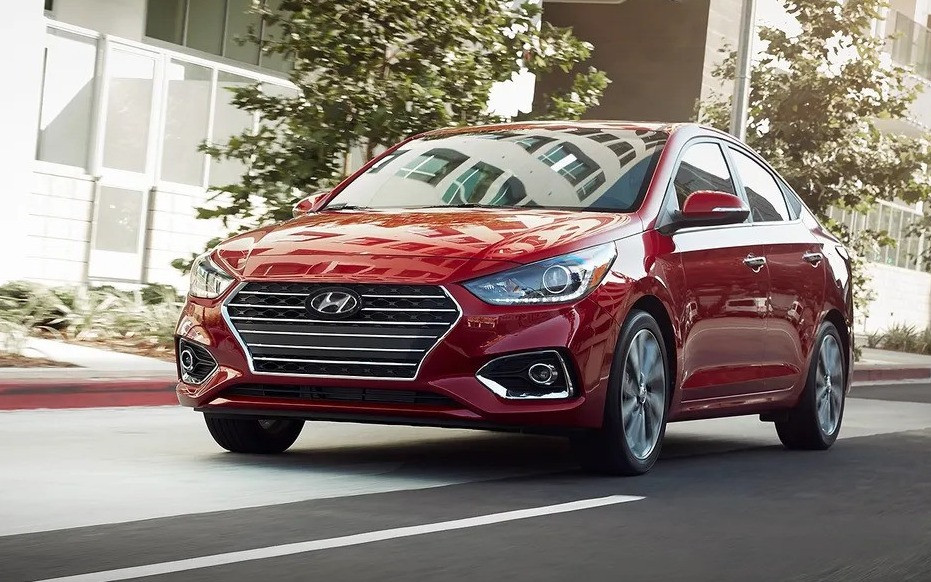
1. Hyundai Accent
The Hyundai Accent is one of the clearest examples of why the phrase “missing the anti-theft fix” needs some context. Hyundai’s original anti-theft software campaign covered millions of vehicles, but certain Accent models could not receive that software because of the way their ignition systems were configured.
Hyundai subsequently introduced Service Campaign 9A5, which covers certain 2011-2017 Accents that were not equipped with an engine immobilizer and did not have a push-button start system. Instead of changing the vehicle’s software, Hyundai offered a physical ignition-cylinder protector designed to make the theft method much harder to carry out.
That distinction matters for anyone shopping for an older Accent in the U.S. A model year alone does not establish whether a particular vehicle received the software upgrade, required the cylinder protector, or already had an immobilizer.
Hyundai repeatedly directs owners to verify eligibility using the vehicle identification number. In other words, a 2015 or 2017 Accent should not automatically be assumed to have the same security equipment as another vehicle of the same year.
The affected Accent configurations are particularly important because they use a conventional key-operated ignition rather than the push-button system that became a dividing line in Hyundai’s anti-theft campaign.
The cylinder protector reinforces the ignition area and was paired with anti-theft window decals. Hyundai says the hardware was independently tested to verify its effectiveness against the theft technique that prompted the campaign.
For buyers, the best approach is to verify the vehicle’s recall status rather than relying solely on a seller’s claim that the Accent has already received the necessary update. Ask a Hyundai dealer to check the VIN for any applicable anti-theft campaign and confirm what protection or software update was performed.
2. Hyundai Elantra Coupe
The Hyundai Elantra Coupe occupies a much narrower part of the affected-vehicle story, but its inclusion in Hyundai’s anti-theft hardware campaign makes it important for used-car buyers.
Certain 2013 and 2014 Elantra Coupes were not eligible for the original software upgrade because they lacked an engine immobilizer and used a conventional key ignition. Hyundai’s Service Campaign 9A5 instead provides an ignition-cylinder protector, along with anti-theft decals.
This is an easy vehicle to overlook because the Elantra Coupe was sold for only a short period in the United States. It was introduced for the 2013 model year and was mechanically distinct from the later Hyundai models that received broader anti-theft software coverage.
Hyundai’s own campaign documentation specifically identifies the 2013-2014 Elantra Coupe among the vehicles requiring the alternative hardware solution.
The security issue centers on the ignition system rather than the vehicle’s engine performance. Hyundai’s software upgrade works by modifying the vehicle’s control modules so that the alarm and ignition logic prevent the targeted theft technique.
The Elantra Coupe versions covered by Campaign 9A5 could not receive that particular software treatment. The replacement approach therefore physically reinforces the ignition-cylinder area, making removal through the targeted theft method more difficult.
That does not mean every 2013 or 2014 Elantra Coupe in America automatically needs the protector. Hyundai uses the word “certain” in its service documentation because equipment can vary between individual vehicles. The correct way to establish eligibility is through the VIN and the manufacturer’s campaign records.
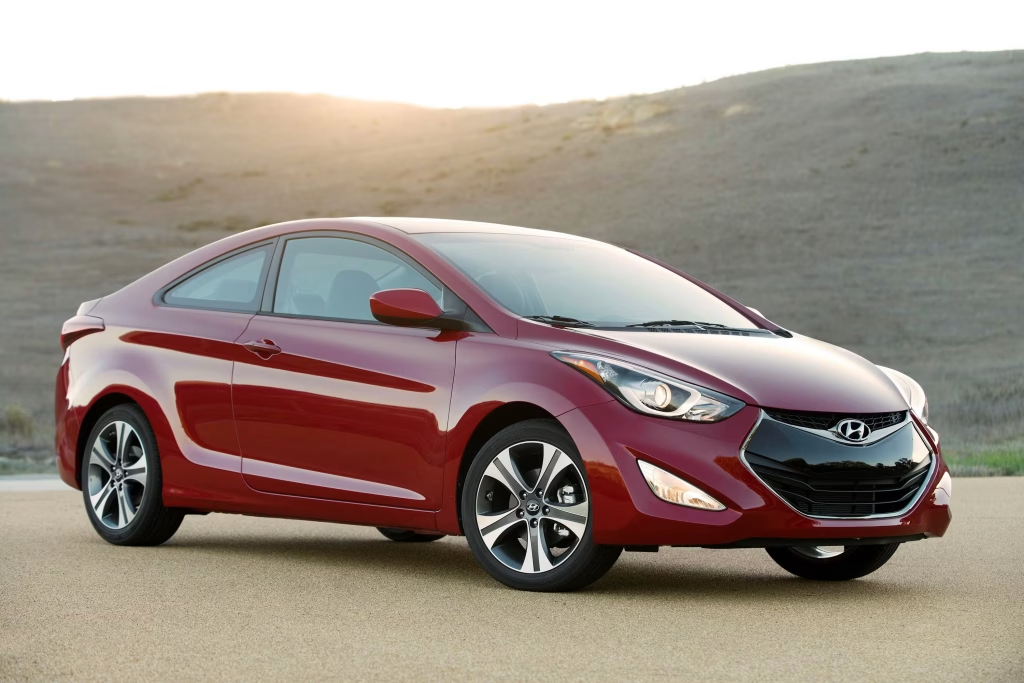
The Coupe itself remains an interesting used vehicle because it combined the Elantra’s compact dimensions with a two-door body and a 1.8-liter four-cylinder engine. For an owner today, however, confirming the anti-theft campaign status should be part of the buying process, right alongside checking maintenance records and title history.
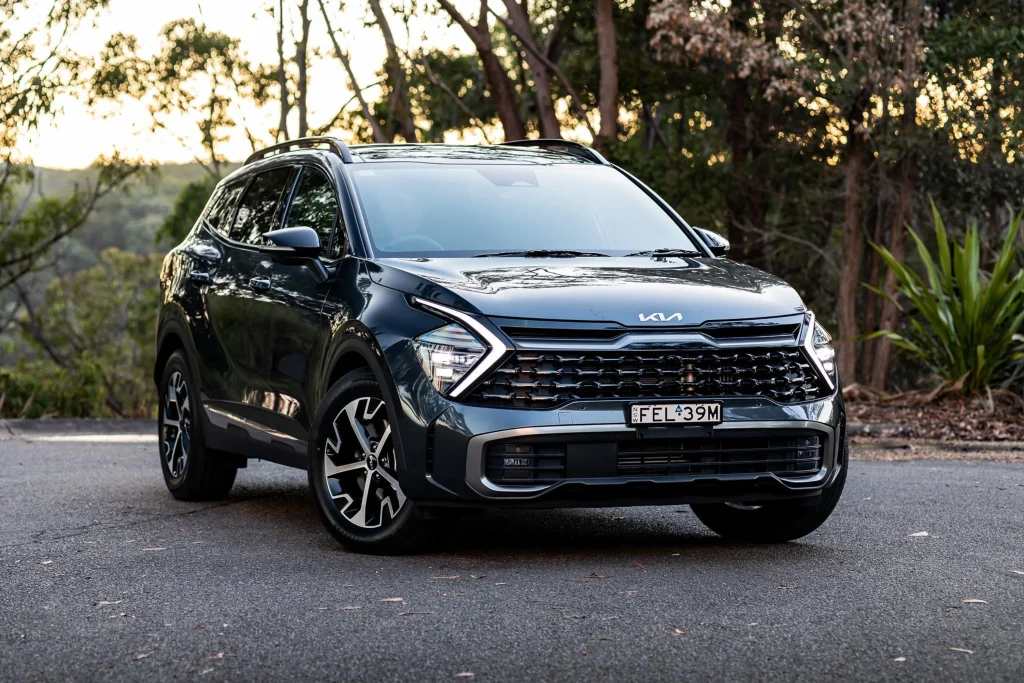
3. Kia Sportage
The Kia Sportage belongs to the group of vehicles that made the anti-theft issue particularly important for used-car shoppers because certain earlier versions used a conventional key-operated ignition and did not have an engine immobilizer.
Kia’s U.S. campaign specifically identifies certain 2011-2016 Sportage vehicles as eligible for the ignition-cylinder protector rather than the standard software upgrade.
The distinction is important because not every Sportage from those years has identical security equipment. Kia directs owners to verify eligibility by VIN rather than assuming every vehicle within a model year received the same configuration.
The hardware solution was introduced because some affected vehicles could not accommodate Kia’s anti-theft software modification. The protector reinforces the ignition-cylinder body and is intended to prevent its removal using the theft method that became widely publicized on social media.
Kia made the installation available at no charge through a Customer Satisfaction Initiative. Owners of vehicles that were not eligible for the software upgrade could also receive a free steering-wheel lock as another physical deterrent.
For someone looking at a used 2011, 2012, 2013, 2014, 2015, or 2016 Sportage today, the most useful step is to check the VIN with Kia before considering the security issue resolved. A vehicle can look completely normal and still have a different anti-theft configuration from another Sportage built during the same period.
This also means the phrase “anti-theft fix” should not be interpreted as one universal repair. Depending on the individual vehicle, the relevant protection could involve the software upgrade, ignition-cylinder protector, steering-wheel lock, or existing factory security equipment.
Kia’s campaign documentation is the appropriate source for determining which applies to a particular vehicle.
4. Kia Forte
The Kia Forte has one of the widest model-year ranges among the Kia vehicles associated with the company’s anti-theft response. Kia’s December 2023 announcement identifies certain 2011-2016 Forte vehicles as eligible for the ignition-cylinder protector because they were not eligible for the security software upgrade.
Kia’s broader settlement documentation also lists 2011-2021 Forte among the affected vehicle population, demonstrating why model year alone cannot tell an owner whether a specific car needs the hardware solution or another form of protection.
That difference is worth paying attention to when shopping for a used Forte. The hardware campaign was aimed at a subset of vehicles with key-operated ignition systems.
Kia’s protector reinforces the ignition-cylinder body, addressing the physical vulnerability involved in the theft technique. Kia stated that the device was offered free to eligible owners through its Customer Satisfaction Initiative.
Other affected Fortes could instead qualify for Kia’s security software upgrade. That upgrade modifies vehicle control modules so the ignition system is restricted when an attempt is made to start the locked vehicle without the owner’s key.
Kia said owners could use its VIN-based system to determine whether their vehicle qualified for the software upgrade or the ignition protector.
The Forte therefore illustrates why simply asking whether a used Kia has “the recall fixed” is not enough. The owner should establish exactly which security campaign applies to that VIN and whether the dealership has completed it.
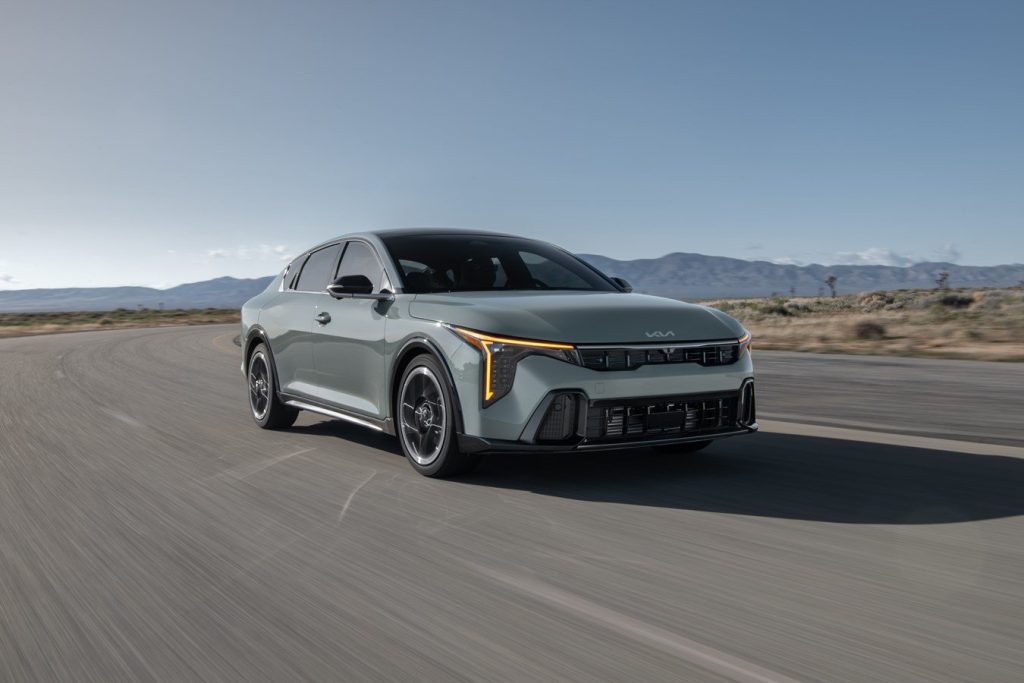
A steering-wheel lock may also have been supplied for vehicles that could not receive the software upgrade, providing an additional visible deterrent.
For buyers inspecting an older Forte, the anti-theft campaign should be treated as part of the vehicle’s documentation rather than as a generic model-year characteristic. The VIN check can establish the applicable remedy before money changes hands.
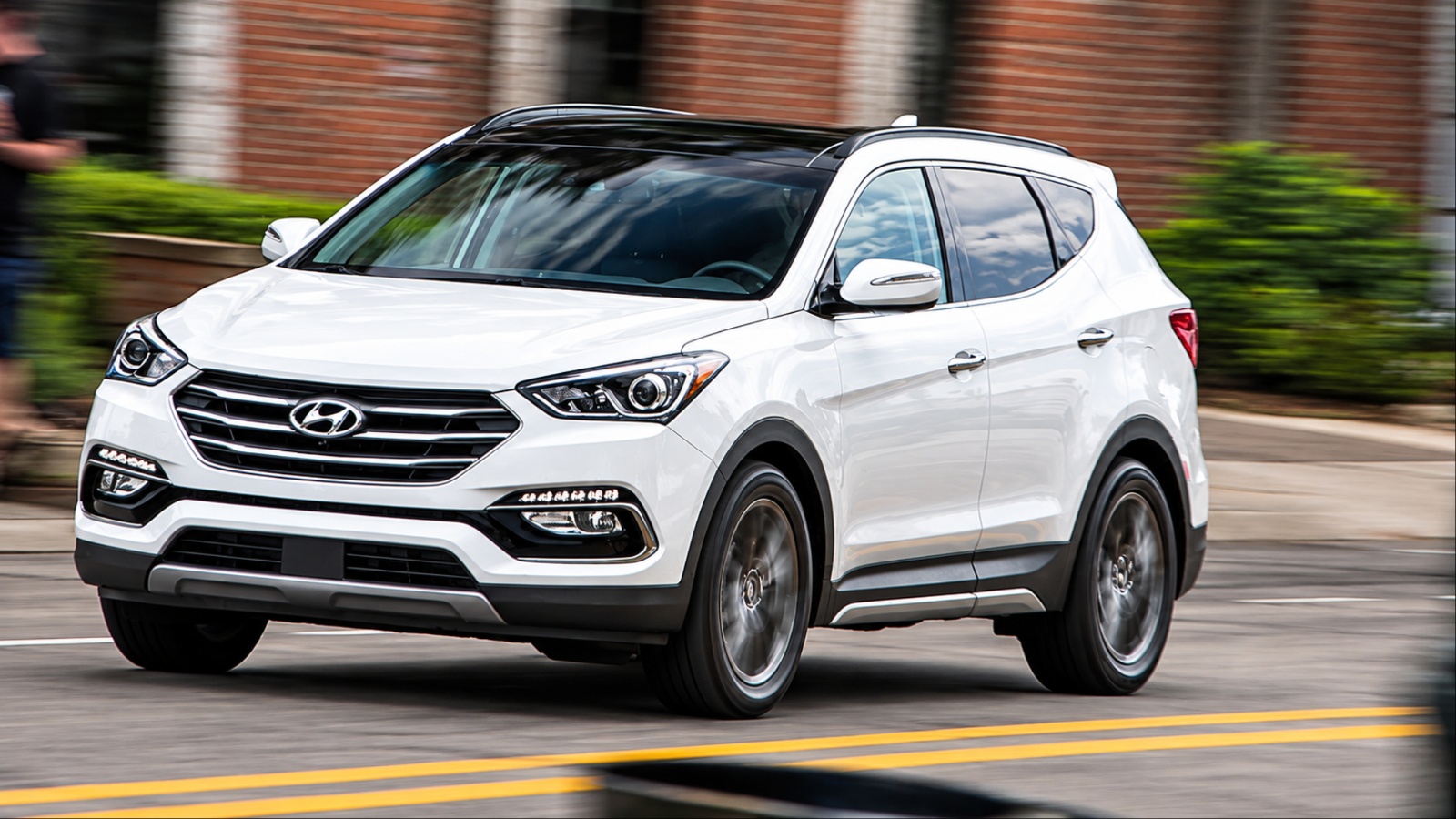
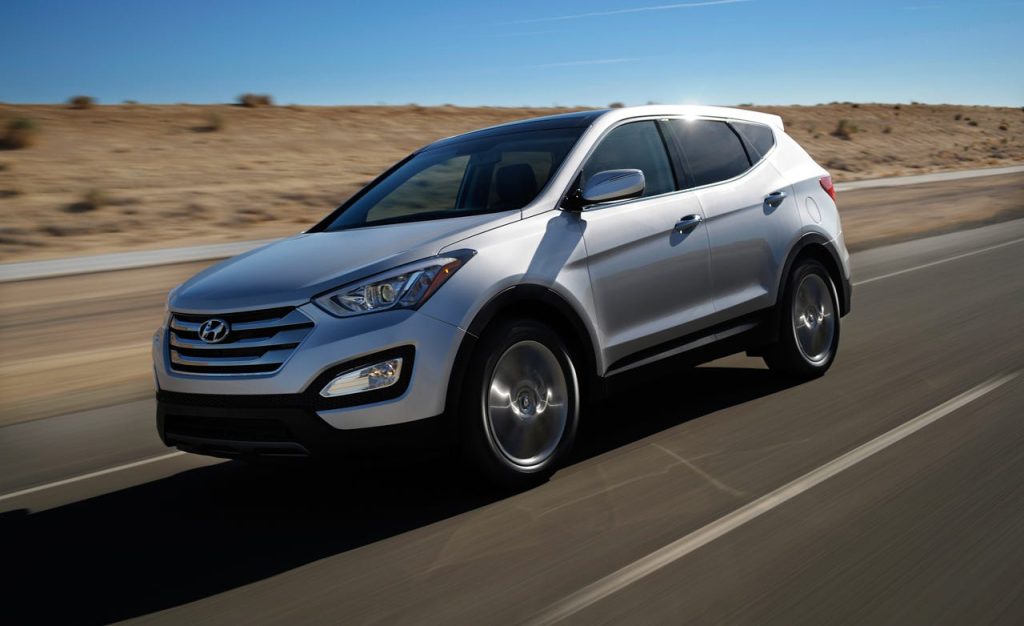
5. Hyundai Santa Fe Sport
The Hyundai Santa Fe Sport is another model where the anti-theft situation depends heavily on the vehicle’s exact equipment. Certain 2013-2018 Santa Fe Sport vehicles were included in Hyundai’s anti-theft campaign population, while Hyundai’s alternative hardware program addressed vehicles that could not receive the software upgrade.
The reason was relatively simple. Some vehicles were equipped with traditional key-operated ignition systems and lacked an engine immobilizer, making them incompatible with the software-based fix used for other affected Hyundai models.
Hyundai’s campaign documentation identifies the applicable vehicles by VIN and equipment rather than treating every Santa Fe Sport as identical.
For eligible vehicles that could not receive the software upgrade, Hyundai introduced an ignition-cylinder protector. The device was designed to reinforce the ignition area against the physical attack associated with the theft method.
Hyundai also supplied anti-theft window stickers to eligible owners, giving the vehicle a visible indication that additional protection had been installed. The company said the protector had been independently tested against the relevant theft technique.
The Santa Fe Sport deserves particular attention because it was sold in the United States for several model years and remains common in the used market. That means buyers can encounter vehicles with different security configurations even when two examples appear nearly identical from the outside.
A seller’s statement that the vehicle is “protected” should therefore be backed by a VIN lookup or service documentation.
Hyundai’s own guidance makes the VIN the key to determining eligibility. Owners can check whether their vehicle qualified for the software update, the alternative hardware protection, or another campaign remedy. That approach is much more reliable than judging the vehicle purely by its model year.
For used-car buyers, the security history should sit alongside maintenance records, accident history, and recall completion when evaluating an older Santa Fe Sport. 2017 Hyundai Santa Fe Sport, U.S. Specification
6. Kia Sorento
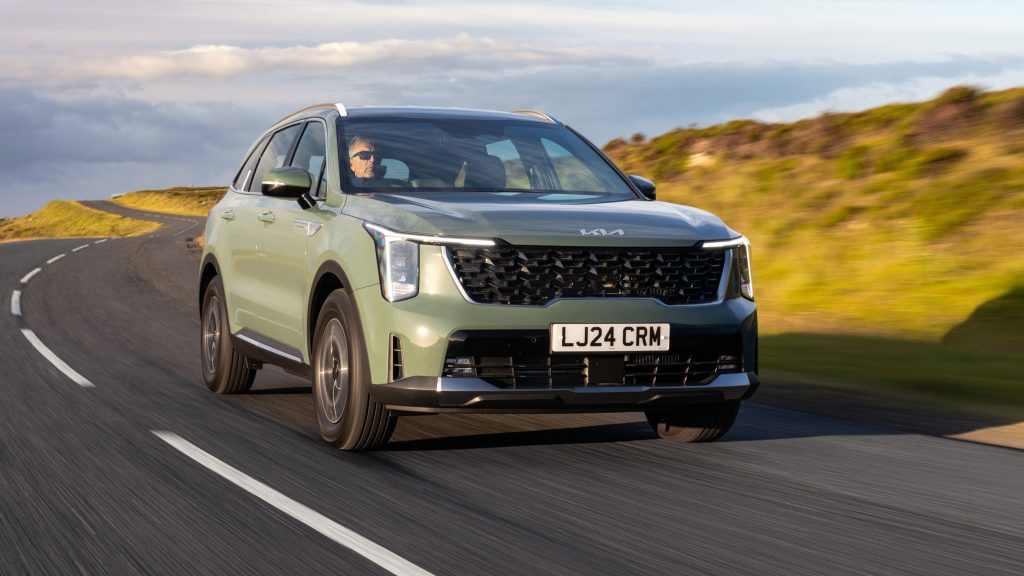
The Kia Sorento presents a slightly different situation because the model spans multiple generations and engine configurations during the years covered by Kia’s anti-theft programs.
Certain 2011-2022 Sorento vehicles appear in Kia’s affected vehicle population, while Kia’s alternative ignition-cylinder protector program specifically targeted certain earlier vehicles that were not eligible for the software upgrade.
This makes the Sorento another case where a model name and year are not sufficient to determine the security equipment installed on an individual vehicle.
Kia developed the protector for vehicles where the conventional software solution could not be installed. Instead of changing the vehicle’s electronic controls, the hardware reinforces the ignition cylinder itself.
Kia offered the device without charge to eligible owners and also provided steering-wheel locks to certain owners whose vehicles could not receive the software upgrade. These measures were part of Kia’s broader response to thefts involving vehicles without electronic immobilizers.
The Sorento is especially important to check carefully because not every example from the affected period has the same ignition arrangement.
Some vehicles received factory immobilizer equipment, while others became eligible for the software campaign. Kia’s VIN lookup is consequently more useful than relying on generalized lists circulating online.
There is another practical reason to verify the remedy before purchasing one. A completed anti-theft campaign can provide evidence that the owner responded to Kia’s security program, while an unresolved campaign leaves the buyer with an important item to address after purchase.
The dealership can establish which campaign applies and whether it has already been completed.
A used Sorento should be checked from both a mechanical and security perspective. Buyers should assess the SUV’s condition while also confirming the anti-theft protection associated with its specific VIN. Considering both factors provides a clearer picture than simply relying on the model year.
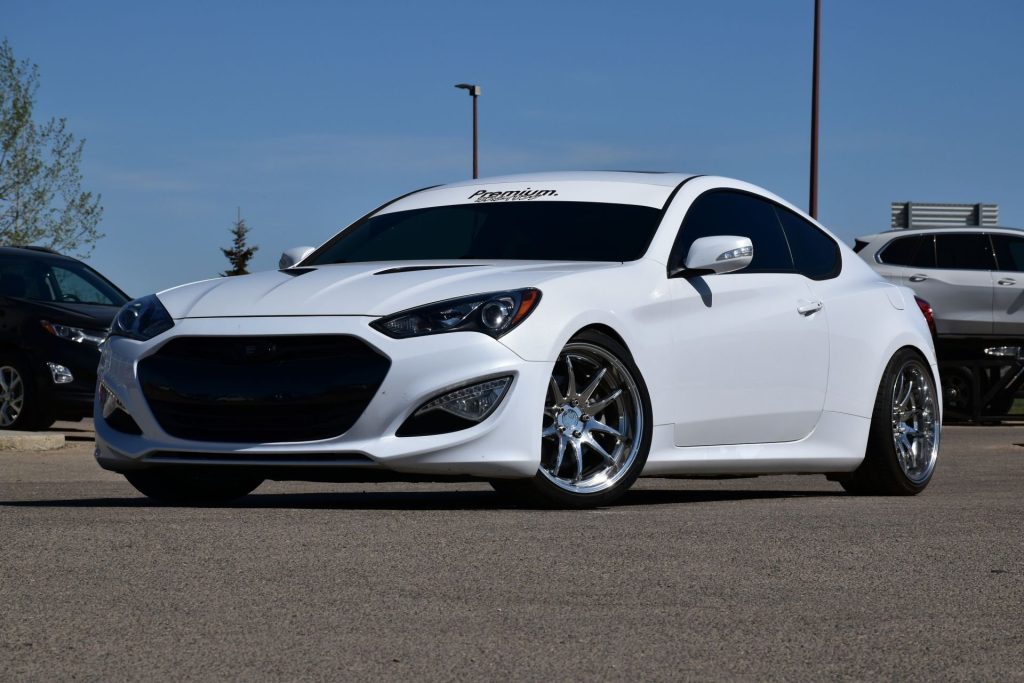
7. Hyundai Genesis Coupe
The Hyundai Genesis Coupe is one of the more unusual entries in the anti-theft story because it was a performance-oriented two-door model rather than one of Hyundai’s mainstream family vehicles.
Certain 2011-2014 Genesis Coupe vehicles were included in Hyundai’s anti-theft program, but the specific remedy depended on the vehicle’s equipment. Hyundai’s official anti-theft information identifies certain 2011-2012 Genesis Coupes as eligible for an ignition-cylinder protector because they could not receive the standard software upgrade.
That hardware distinction is important. Hyundai’s standard software campaign was designed for eligible vehicles without an engine immobilizer, adding anti-theft ignition logic when the vehicle was locked.
However, Hyundai acknowledged that some vehicles could not accommodate that software solution. For those vehicles, Campaign 9A5 provided a physical reinforcement around the ignition cylinder along with anti-theft window decals.
The Genesis Coupe’s presence in the affected population is especially relevant to today’s used-car market because many examples have changed owners several times.
A vehicle can therefore be advertised as having an “anti-theft update” without the seller necessarily knowing which campaign was applicable. Hyundai’s documentation makes VIN verification the reliable way to establish the correct remedy.
There is also an important model-year nuance. Hyundai’s broader theft-related vehicle population included 2011-2014 Genesis Coupe models, while the ignition-cylinder protector announcement specifically lists certain 2011-2012 examples. That difference demonstrates why a broad internet list should never replace a VIN-specific check.
For anyone considering one of these coupes, checking the security campaign before purchase takes little effort and can clarify whether the vehicle received software protection, requires the physical protector, or already has factory immobilizer equipment.
8. Kia Soul
The Kia Soul became one of the most recognizable vehicles associated with the Hyundai and Kia theft issue, but its security situation varies significantly by model year and equipment. Kia’s U.S. settlement identifies 2011-2022 Souls without an engine immobilizer as affected vehicles.
Importantly, Kia’s documentation does not mean every Soul from those years lacked an immobilizer or remained without a remedy. The applicable security measure depends on the individual vehicle.
Kia’s anti-theft response included a software upgrade for eligible vehicles. The update adds anti-theft ignition-start logic that operates when the vehicle is locked, addressing the vulnerability associated with certain key-operated ignition systems.
Kia’s technical documentation covers multiple Soul generations, including later vehicles produced without an immobilizer.
The Soul also demonstrates why the phrase “still missing the fix” should be handled carefully. Some vehicles could receive the software upgrade, while vehicles that could not accommodate it could qualify for other anti-theft measures.
Kia’s settlement information specifically provides for reimbursement related to steering-wheel locks, glass-breakage alarms, and similar anti-theft devices for qualifying vehicles that were not eligible for the software upgrade.
For a used Soul, the safest approach is therefore not to judge its security by the badge, body style, or model year. The VIN determines which campaign applies.
Kia also states that eligible vehicles can be checked through its settlement and campaign resources, allowing owners to establish whether the applicable software upgrade has been completed.
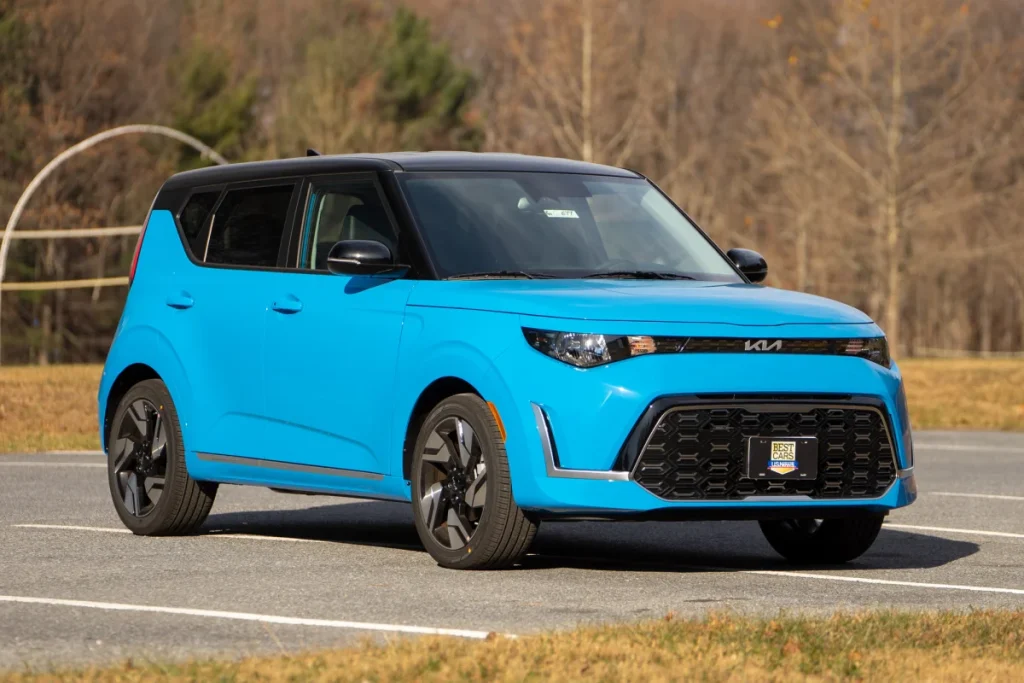
The Soul’s popularity makes this particularly useful information for buyers. A low purchase price does not necessarily tell the full story if an important security campaign remains unresolved.
Checking the VIN before completing a transaction can reveal whether the vehicle received the appropriate anti-theft remedy and provide a clearer picture of its current security equipment.
