
Modern vehicles have become remarkably good at protecting people in the front seat, but that progress has not always reached the second row.
IIHS introduced an updated moderate-overlap front crash test with a rear passenger dummy after research showed that belted rear occupants can face a higher fatal-injury risk than belted front occupants in newer vehicles.
The reason is not simply weaker rear structures. Front seats gained advanced airbags, pretensioners, and force limiters faster than rear seats.
The following vehicles illustrate that gap, with IIHS testing showing strong driver protection but significant rear-passenger concerns. These are specific model-year test results, not judgments about every newer version.
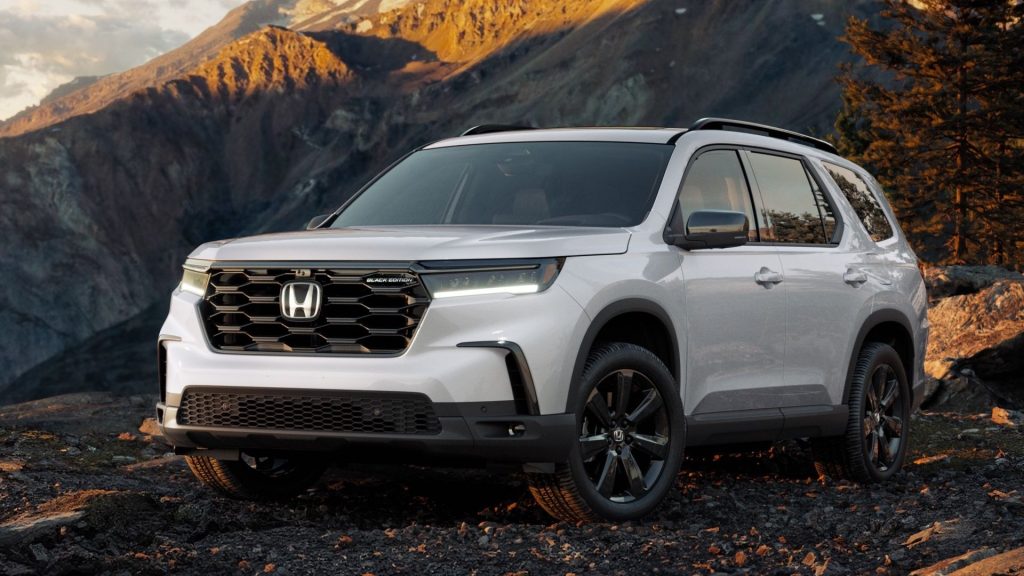
1. Honda Pilot
The Honda Pilot presents an interesting safety contradiction. In IIHS’s updated moderate-overlap front test of a 2022 Pilot, the driver compartment performed strongly.
The structure and safety cage received a Good rating, while the measurements for the driver’s head and neck, chest, thigh and hip, and leg and foot were all rated Good. Driver restraints and dummy movement also received a Good rating. The problem appeared when the second-row dummy became the focus of the test.
The rear passenger’s head and neck measurements were rated “Poor,” while chest protection was “Marginal.” IIHS also rated the rear passenger restraints and dummy movement as marginal.
The test recorded 7.9 kN of shoulder-belt tension and a 3.3 kN neck-tension measurement for the rear dummy, illustrating why a vehicle can perform strongly for the person behind the wheel while producing substantially different results farther back.
That distinction matters because the Pilot is a three-row family SUV. It is designed to carry multiple passengers, so rear-seat crash performance is particularly relevant.
The results do not suggest that the Pilot offers no crash protection, nor do they indicate that the front seat is always safer in every type of collision. Instead, the findings point to a more specific issue. In this particular frontal crash test, the restraint system and injury measurements showed that the rear dummy received less effective protection than the driver.
For buyers considering used Pilots, the model year matters. The IIHS result applies specifically to the tested 2022 vehicle and should not automatically be transferred to redesigned or updated versions.
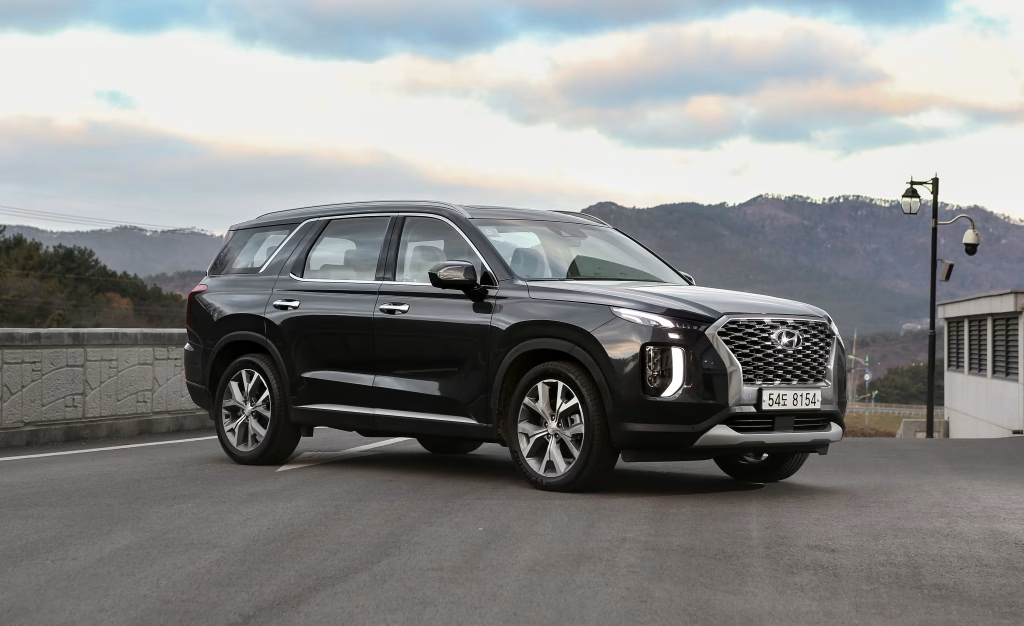
2. Hyundai Palisade
The Hyundai Palisade is another three-row SUV where the difference between front and rear crash protection became clear under IIHS’s updated testing procedure. In the test of a 2022 Palisade, the driver side performed well across the major injury categories.
The structure and safety cage earned a good rating, as did the driver’s head and neck, chest, thigh and hip, and leg and foot injury measures. Driver restraints and dummy kinematics were also rated Good.
Move the test dummy to the second row, however, and the results change sharply. IIHS rated the rear passenger’s head and neck protection. Poor, and the chest measurement was Poor as well. The rear passenger’s thigh protection was Good, while the restraint and dummy kinematics category received a Good rating.
That combination is important because it shows that the problem was not simply the entire rear restraint system failing. Specific injury measurements for the upper body were the major concern in this crash scenario.
The Palisade’s results also demonstrate why traditional front-seat crash ratings cannot tell the complete story for families.
A vehicle can have a strong occupant compartment and provide good measurements for the driver while still requiring improvements to rear occupant restraints. IIHS developed its updated test specifically to identify those differences.
The tested Palisade used Hyundai’s 3.8-liter V6, producing 291 horsepower and 262 lb-ft of torque. Its substantial dimensions and three-row layout make it a practical family vehicle, but the IIHS test highlights why shoppers should look beyond conventional driver-focused crash results when evaluating an older Palisade.
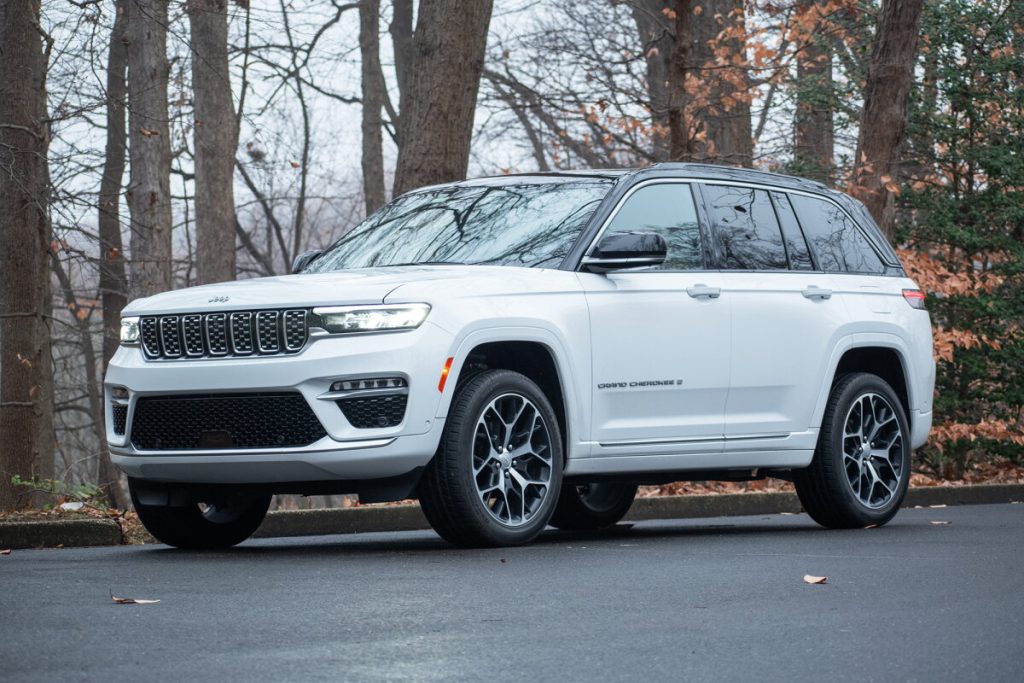
3. Jeep Grand Cherokee L
The Jeep Grand Cherokee L shows how a vehicle can create a strong safety cage for the driver while leaving significant room for improvement in the second row. IIHS tested a 2022 Grand Cherokee L, the three-row version of the SUV, in its updated moderate-overlap front crash test.
The driver compartment earned a Good rating, and every measured driver injury category, including head and neck, chest, thigh and hip, and leg and foot, also received Good ratings.
The second-row dummy told a different story. Its head and neck measurements were rated poor, while chest protection was marginal. The rear passenger’s restraints and dummy movement received an acceptable rating.
IIHS recorded 2.9 kN of neck tension, a 45 chest index, and 6.8 kN of shoulder-belt tension during the test. The organization specifically noted that high rear seat belt tension contributed to the elevated chest injury measurements seen in the Grand Cherokee.
There was another important problem during the crash sequence. IIHS reported that the rear dummy’s head ended up between the side window and the airbag as it rebounded. That movement can expose the occupant to harder interior surfaces or objects outside the vehicle, adding another concern beyond the measured injury values.
This result applies specifically to the three-row Grand Cherokee L, not automatically to every Grand Cherokee configuration. IIHS distinguishes the L from the redesigned two-row Grand Cherokee, making the model-year and body configuration important when interpreting the test.
For families choosing a three-row SUV, this is precisely the kind of distinction that conventional front-seat crash ratings can hide.
4. Mazda CX-9
The Mazda CX-9 earned a reputation for its driving character and upscale cabin, but its rear-seat performance exposed a weakness that conventional frontal crash testing did not reveal.
IIHS tested a 2021 CX-9 in the updated moderate-overlap front evaluation, with the rating applying to 2021 through 2023 models.
The driver’s side delivered strong results in the test. The vehicle’s structure and safety cage received good ratings, along with protection for the driver’s head, neck, chest, thighs, hips, legs, and feet. The restraint system also performed well.
The second-row results were considerably less reassuring. Rear passenger head and neck protection received a poor rating, while chest protection was marginal.
The rear passenger’s thigh measurement was good, and the restraints and dummy kinematics category was also good. In other words, the CX-9 did not suffer from a complete failure of the rear restraint system. Instead, specific injury measurements pointed to increased risk for the upper body.
The test data provides some insight into why. IIHS measured 3.1 kN of neck tension, a chest index of 36, and 7.8 kN of shoulder-belt tension for the rear dummy. The Institute also identified high rear belt tension as a common issue among several of the midsize SUVs tested in this group, including the CX-9.
The CX-9 result is particularly noteworthy because the vehicle’s driver protection was not the problem. Its occupant compartment maintained a Good structural rating, and the driver’s injury measurements were all Good.
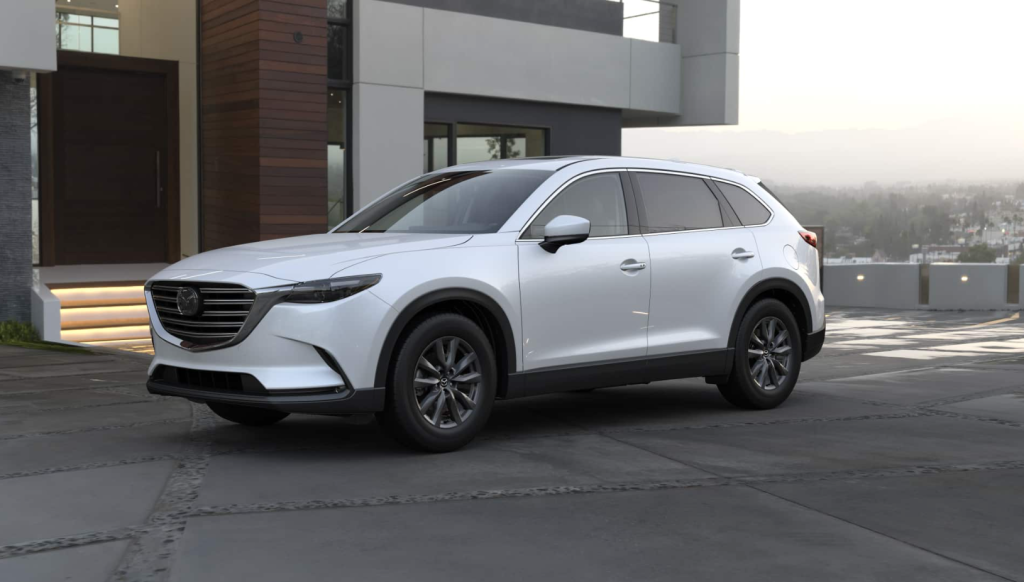
The contrast demonstrates exactly why IIHS added a rear dummy to this test. A vehicle can protect the person behind the wheel effectively while its second-row restraint system produces a very different set of results.
The CX-9 used Mazda’s 2.5-liter turbocharged four-cylinder engine, making 250 horsepower with premium fuel and 320 lb-ft of torque.
5. Jeep Wrangler 4-Door
The Jeep Wrangler 4-Door is a particularly unusual case because the driver itself was not the main problem in IIHS’s updated moderate-overlap crash test. A 2021 Wrangler 4-Door received good ratings for the structure and safety cage and for every measured driver injury category.
Head and neck, chest, thigh and hip, leg and foot protection, along with driver restraints and dummy movement, all received good ratings. Yet the vehicle’s rear passenger protection was rated poor.
The biggest concern was not simply a poor measurement from the rear dummy. IIHS identified two specific design issues. First, the Wrangler lacked a rear side-curtain airbag in the tested configuration.
Second, the rear lap belt moved from its ideal position on the dummy’s pelvis toward the abdomen during the crash.
That movement can increase the possibility of abdominal injuries. The rear passenger’s head and neck measurements were rated marginal, chest protection was marginal, and the rear restraint and dummy-kinematics category was poor.
The Wrangler’s conventional moderate-overlap result had been good, which helps explain why the updated test produced such a striking difference. IIHS specifically added the rear dummy because older front-seat-focused evaluations did not capture these rear-occupant weaknesses.
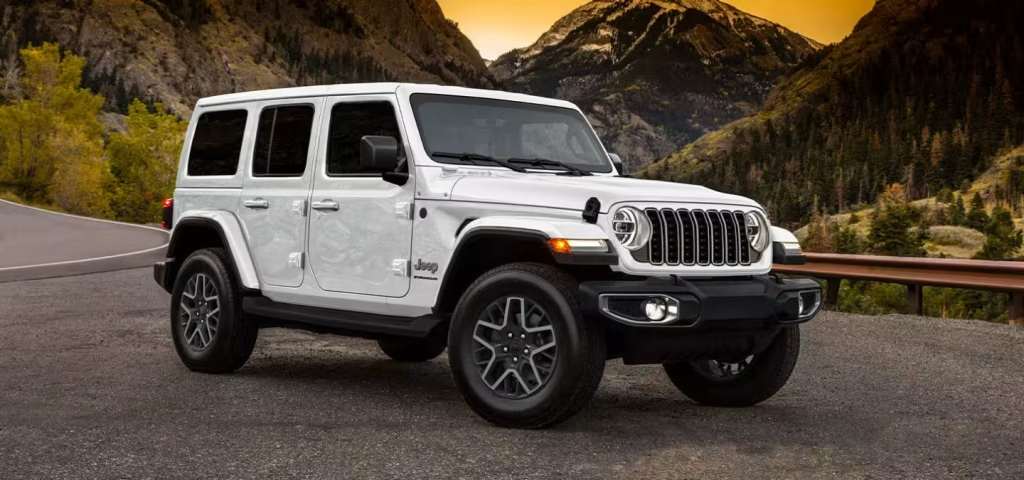
There is another factor buyers should consider. The Wrangler has evolved over the years, including changes to its restraint and airbag systems. Because of this, the test results should be viewed in the context of the specific generation and model years that were evaluated. They should not automatically be applied to every Wrangler currently on the market.
6. Nissan Murano
The Nissan Murano provides perhaps the clearest example of how a vehicle can protect the driver well while a particular rear-seat measurement still raises concern.
IIHS tested a 2021 Murano, with the updated moderate-overlap rating applying to 2021 through 2023 models. The occupant compartment remained structurally strong, earning a Good rating, and every measured driver injury category also received Good ratings.
The difference emerged when IIHS examined the rear passenger. The rear dummy’s head and neck protection was rated poor, despite good ratings for the chest and thigh. The rear restraints and dummy kinematics received an acceptable rating.
The poor head and neck rating was especially concerning because the rear dummy’s head came close to hitting the front seatback during the crash. According to IIHS, this movement increased the potential for head injuries.
The measured data reinforces the finding. The rear dummy recorded 3.0 kN of neck tension, while the chest index was 24 and shoulder-belt tension reached 5.9 kN. Importantly, IIHS observed that both the shoulder belt and lap belt stayed in their ideal positions on the dummy.
That makes the Murano different from vehicles where belt movement itself was a major concern. Here, the primary issue was the rear occupant’s forward movement and proximity to the front seatback.
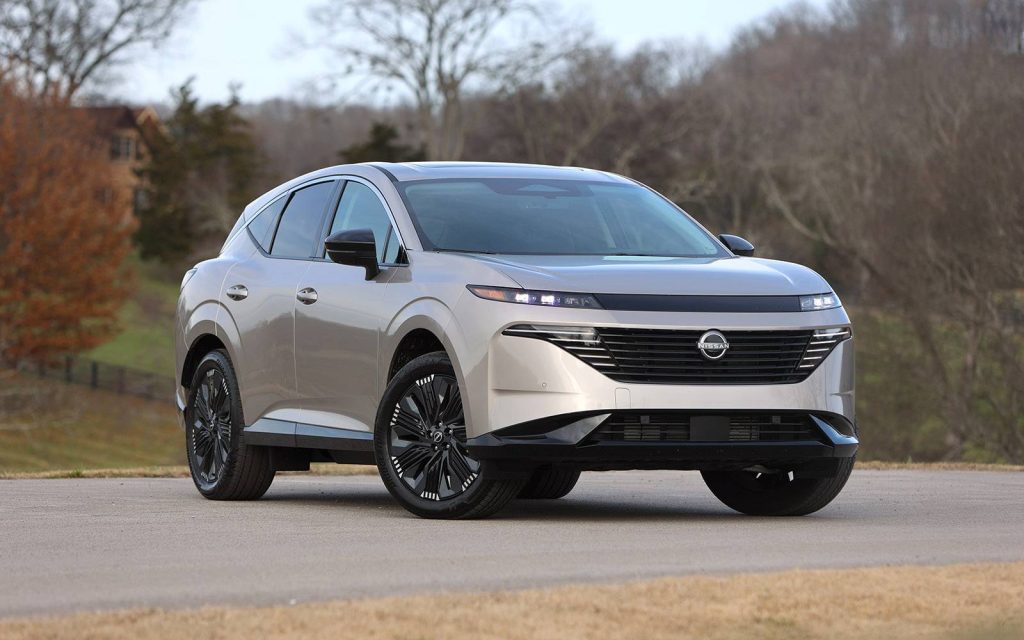
This is also why calling the Murano simply an unsafe vehicle would miss the point of the test. Its driver protection was strong, and its rear passenger did not perform poorly in every category.
The result instead identifies a specific weakness that became visible only when IIHS evaluated the person sitting behind the driver.
7. Chevrolet Traverse
The 2022 Chevrolet Traverse is another example of a vehicle that performed strongly for its driver while exposing weaknesses in rear-seat protection. In IIHS’s updated moderate-overlap front crash test, the Traverse’s structure and safety cage earned a Good rating.
The driver also received good ratings for chest, knee, and thigh and leg and foot protection. However, the driver’s head and neck and restraint performance were rated acceptable.
The rear passenger presented a different picture. IIHS rated rear head and neck protection. Marginal, and chest protectionwas Marginal, although the rear passenger’s thigh measurement and restraint performance were rated good.
The test also found that the rear dummy’s head came close to the front seatback, increasing the potential for head injury. High rear seat-belt tension contributed to the elevated chest injury measurements.
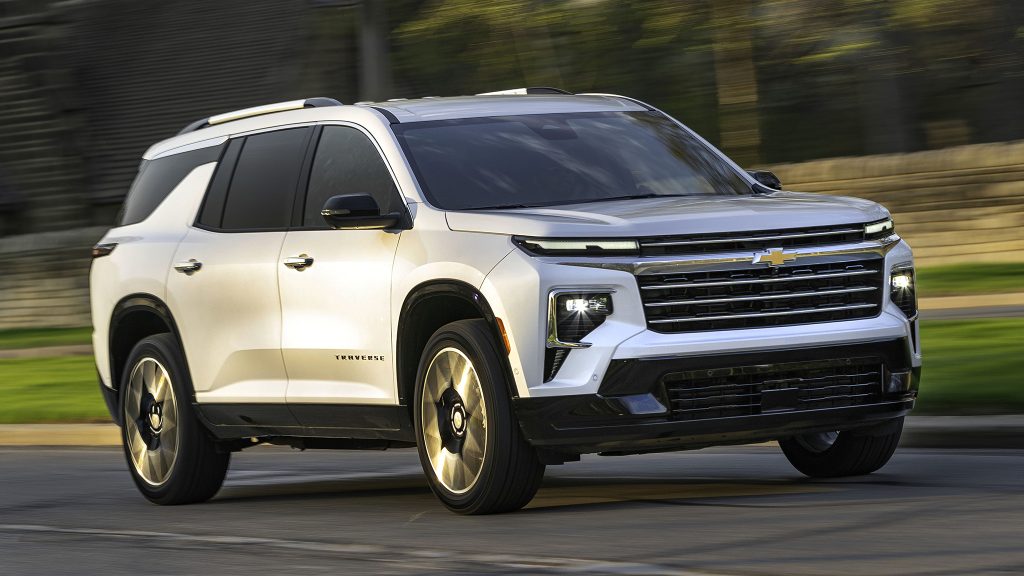
That makes the Traverse particularly interesting because its spacious three-row cabin can encourage families to use the second row frequently.
The IIHS test does not mean every occupant will experience these injuries in a real-world collision, but it identifies measurable weaknesses under a standardized 40-mph frontal crash scenario.
For this model year, Chevrolet’s 3.6-liter V6 produced 310 horsepower and was paired with a nine-speed automatic transmission.
8. Toyota Highlander
The 2022 Toyota Highlander also illustrates the gap between strong driver protection and less convincing rear-seat restraint performance.
In IIHS’s updated moderate-overlap test, the Highlander’s structure and safety cage earned a Good rating, while the driver received good measurements across the major injury categories. Driver restraints and dummy movement were rated Good as well.
The rear passenger result was more complicated. Head and neck, chest, and thigh injury measurements were rated “Good,” but the rear restraint and dummy-kinematics category received a “Poor” rating.
IIHS found that the rear seat belt moved from its ideal position on the pelvis onto the abdomen during the crash. That movement increased the potential for abdominal injury, even though several other rear-passenger measurements remained favorable.
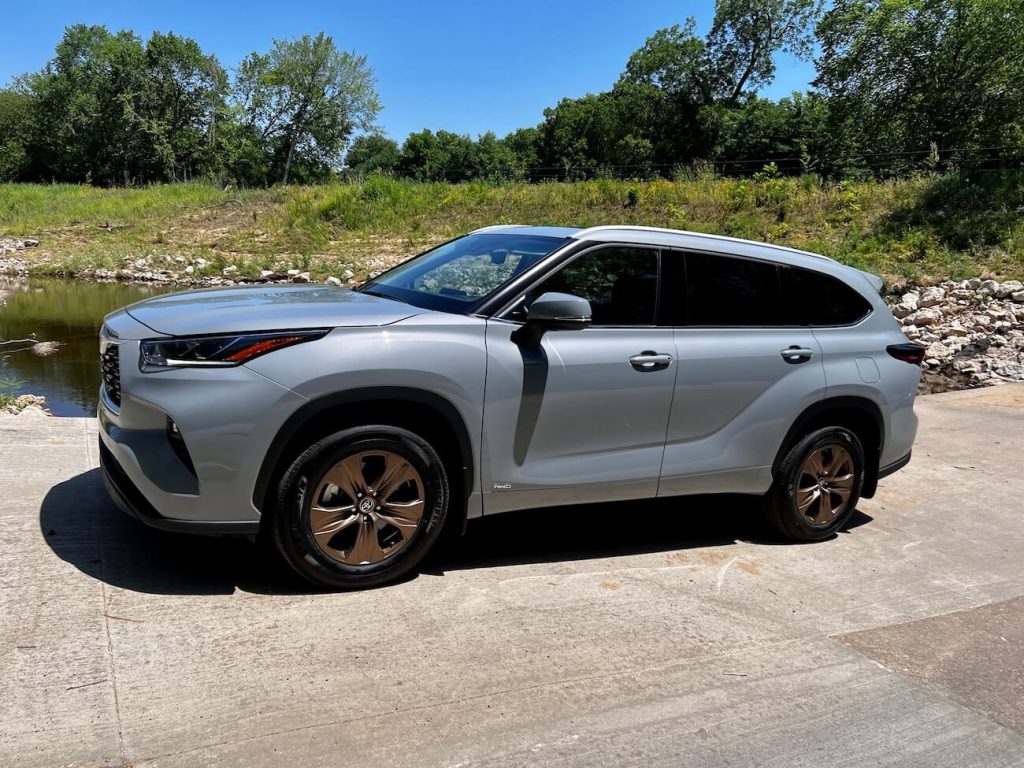
This distinction matters because the Highlander was widely recognized for strong crash-test performance under earlier testing methods. IIHS’s updated evaluation was specifically designed to uncover problems that could remain hidden when only the driver is evaluated.
The result therefore does not erase the Highlander’s other safety achievements, but it does identify a specific weakness in rear restraint behavior.
The tested gasoline Highlander used Toyota’s 3.5-liter V6, producing 295 horsepower and 263 lb-ft of torque.
9. Chevrolet Equinox
The 2021 Chevrolet Equinox shows one of the clearest differences between front-seat and rear-seat protection in IIHS testing. In the updated moderate-overlap front crash test, the Equinox’s structure and safety cage earned a Good rating, while the driver’s head and neck, chest, and restraint performance were also rated Good.
The driver’s leg and foot protection was acceptable, but the front occupant still received considerably stronger protection than the rear dummy.
The second-row results were much more concerning. IIHS rated the rear passenger’s head and neck protection as poor and chest protection as poor. The thigh measurement was good, while the rear restraints and dummy movement were rated good.
The test recorded 4.3 kN of rear-dummy neck tension and 8.3 kN of shoulder-belt tension, while the chest index reached 55. These measurements explain why the rear occupant rating fell so sharply despite the vehicle maintaining a strong structural performance.
This is an important distinction for families because the Equinox has traditionally been marketed as a practical compact SUV capable of carrying passengers and cargo. Its earlier crash tests did not reveal this particular rear-seat weakness because the older moderate-overlap evaluation focused on the driver.
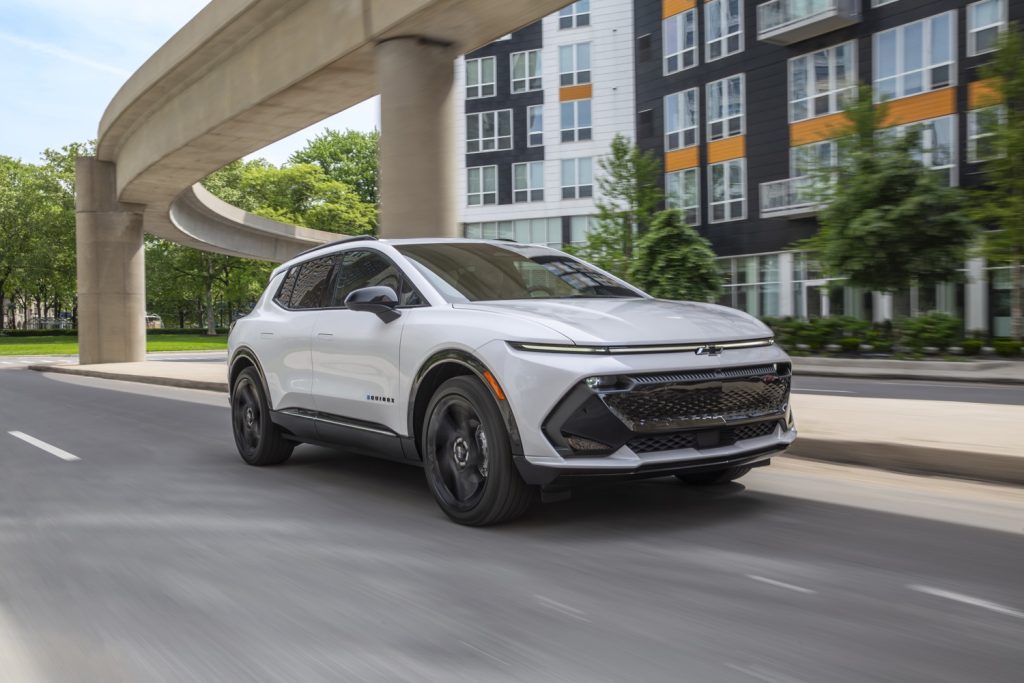
The result applies to the 2021-2024 Equinox generation tested by IIHS, rather than every Equinox ever built. Buyers should therefore pay attention to model year instead of assuming that one test represents the entire nameplate.
10. Honda CR-V
The 2021-2022 Honda CR-V provides another striking example of the gap between driver protection and rear-passenger protection.
In IIHS’s updated moderate-overlap test, the CR-V’s structure and safety cage were rated Good, as were the driver’s head and neck, chest, thigh and hip, and leg and foot measurements. Driver restraints and dummy movement also earned good ratings.
The rear dummy produced a very different result. IIHS rated the rear passenger’s head and neck protection as poor and chest protection as poor. The rear passenger’s thigh measurement was Good, while the restraint and dummy-kinematics category received a Good rating.
This combination is important because it shows that the vehicle did not simply fail every aspect of rear occupant protection. Instead, the most significant weaknesses involved the upper body.
The CR-V’s result became part of IIHS’s broader argument for changing frontal crash testing. All 15 small SUVs in the initial IIHS group performed well under the older driver-focused moderate-overlap evaluation, yet nine received poor ratings when a second-row dummy was added.
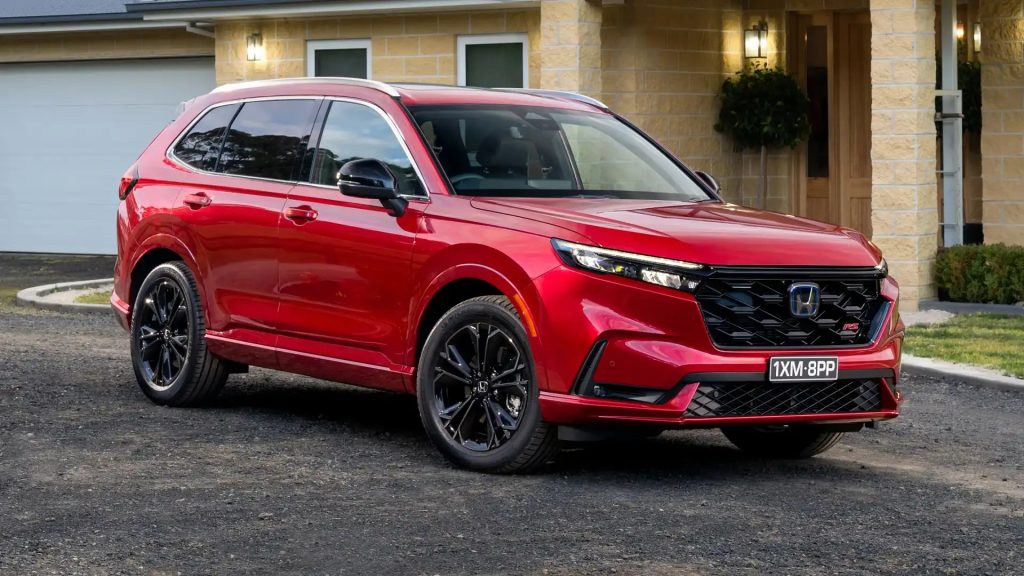
The CR-V was one of those vehicles, demonstrating how a conventional crash rating could miss a rear-seat problem.
For used-car shoppers, the model year is critical because Honda redesigned the CR-V for 2023. The test results discussed here apply to the earlier generation and should not automatically be transferred to the redesigned vehicle.
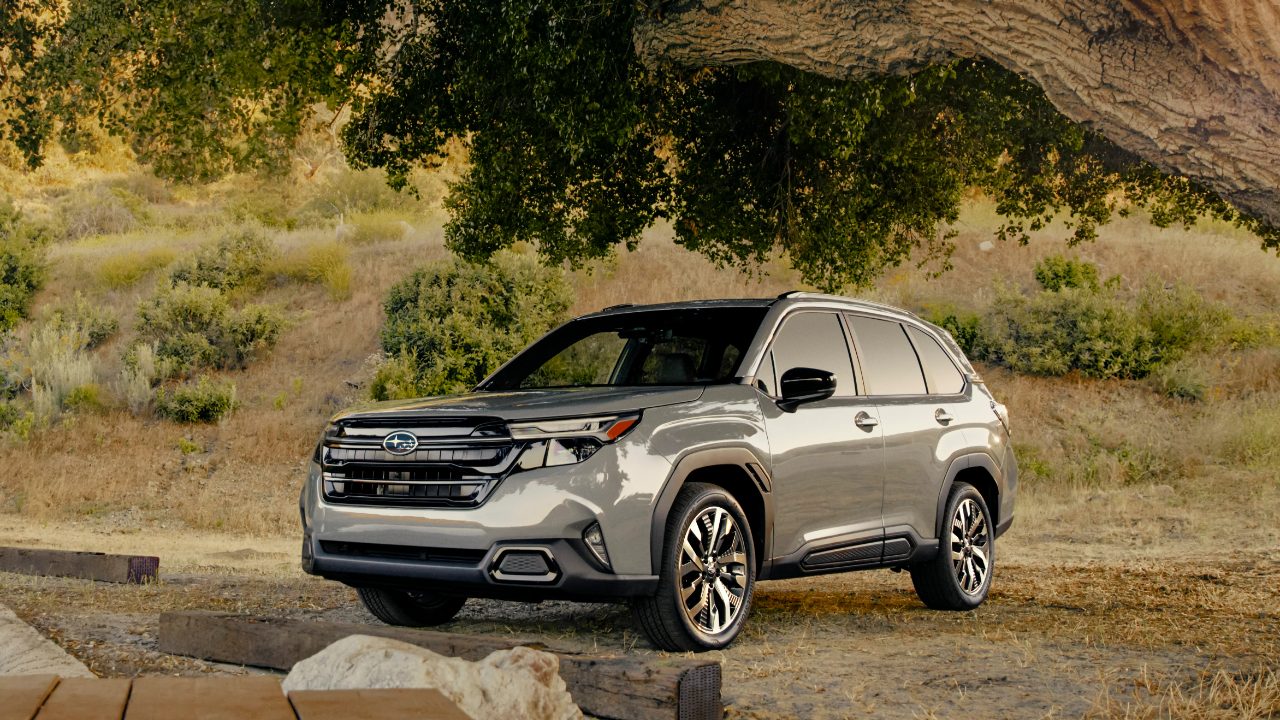
11. Subaru Forester
The 2021 Subaru Forester delivered strong protection for the person behind the wheel, yet its rear-seat results were less convincing in IIHS’s updated moderate-overlap crash test.
The driver structure and safety cage earned a Good rating, and the driver’s head and neck, chest, thigh and hip, and leg and foot measurements were all Good. Driver restraints and dummy movement were also rated Good.
The second-row dummy showed a different pattern. Rear head and neck protection remained good, but chest protection was marginal, while rear restraints and dummy kinematics were rated acceptable.
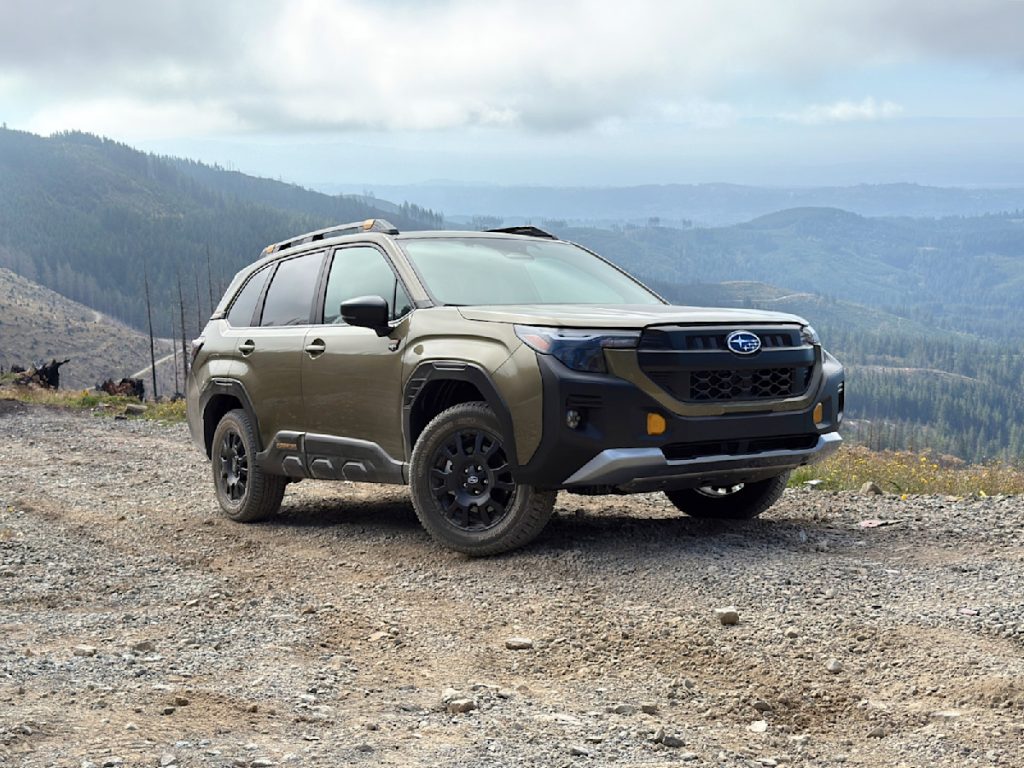
IIHS recorded a chest index of 43 and shoulder-belt tension of 3.6 kN. The result illustrates that the rear seat did not fail in every category, but its chest protection lagged behind the driver’s.
The Forester tested here used Subaru’s 2.5-liter horizontally opposed four-cylinder engine and standard all-wheel drive. Subaru rated it at 182 horsepower and 176 lb-ft of torque for the 2021 model year.
12. Buick Encore
The 2021 Buick Encore produced a striking contrast in IIHS’s updated moderate-overlap test. Its structure and safety cage earned a good rating, and the driver received good ratings for head and neck, chest, thigh and hip, and leg and foot protection. Driver restraints and dummy movement were also good.
The rear passenger was where the evaluation deteriorated. IIHS-rated head and neck protection was marginal and chest protection was poor, while rear restraints and dummy kinematics were marginal.
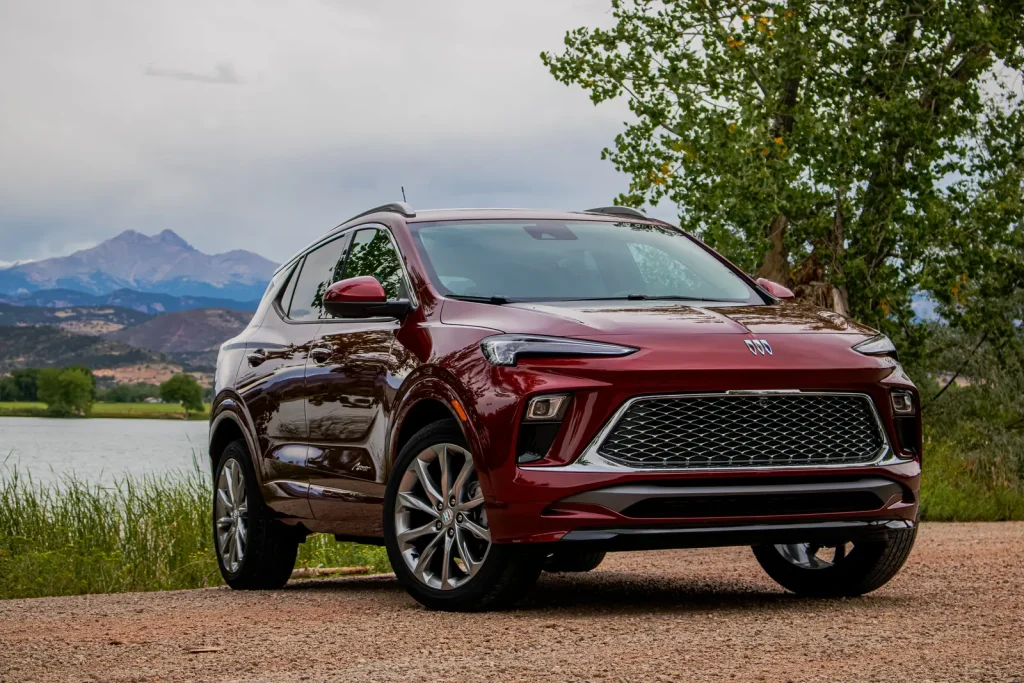
The rear dummy’s head came close to the front seatback during the crash, creating additional concern for head injury. The shoulder belt itself remained in an ideal position on the dummy’s chest, showing that the problem was more complicated than simple belt displacement.
The 2021 Encore used a 1.4-liter turbocharged four-cylinder engine producing 138 horsepower. Buick offered front-wheel drive as standard and all-wheel drive as an option.
13. Hyundai Tucson
The 2021 Hyundai Tucson is one of the clearest examples in this group because its driver protection remained strong while the rear passenger measurements fell sharply.
IIHS gave the structure and safety cage a Good rating, and every measured driver injury category, including head and neck, chest, thigh and hip, and leg and foot, was also rated Good. Driver restraints and dummy movement received a good rating.
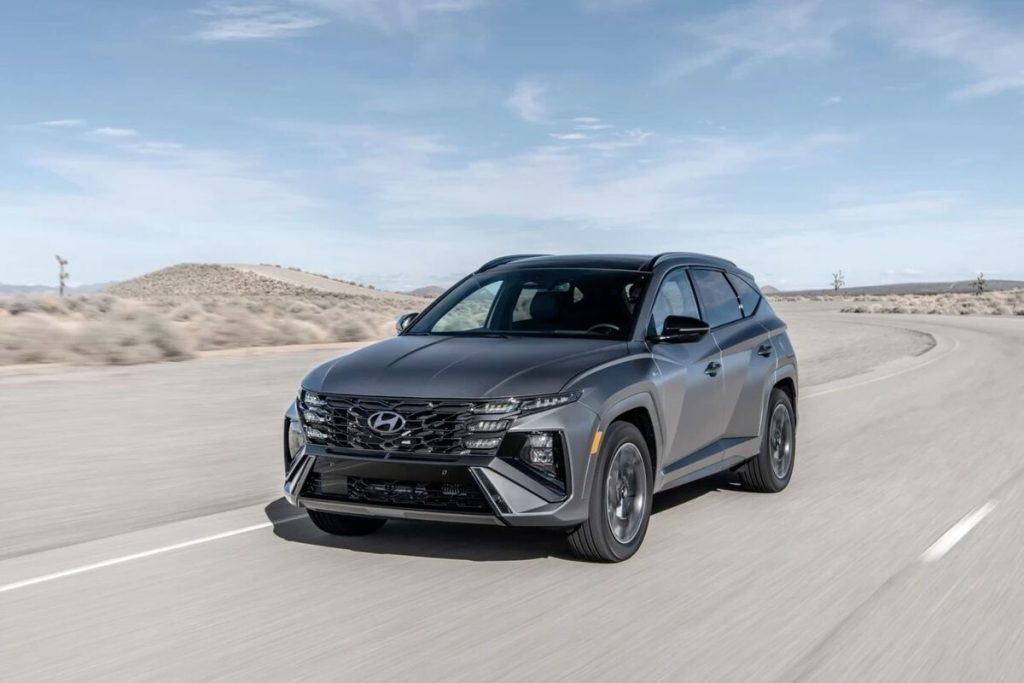
For the rear passenger, however, both head and neck protection and chest protection were rated Poor. Rear restraints and dummy kinematics received an acceptable rating. IIHS recorded 2.8 kN of rear-dummy neck tension and a chest index of 60, highlighting the substantially different protection experienced by the second-row occupant in this test.
The tested Tucson belonged to the final generation before the substantially larger 2022 redesign. The 2021 model used a 2.4-liter four-cylinder on higher trims, producing 181 horsepower and 175 lb-ft of torque. Its 176.2-inch length also makes it clear that these specifications belong to the pre-redesign Tucson.
