
The National Highway Traffic Safety Administration maintains one of the largest public databases of vehicle-owner safety complaints in the United States. These reports can cover everything from engines and transmissions to airbags, steering, brakes, electrical systems, and visibility problems.
The latest available NHTSA complaint data shows that some long-running nameplates have accumulated tens of thousands of filings.
The figures are raw complaint counts, not failure rates, so high-volume vehicles can naturally generate more reports simply because more are on American roads. This list uses model-level complaint totals compiled from NHTSA’s public complaint database, with data current through 2026.
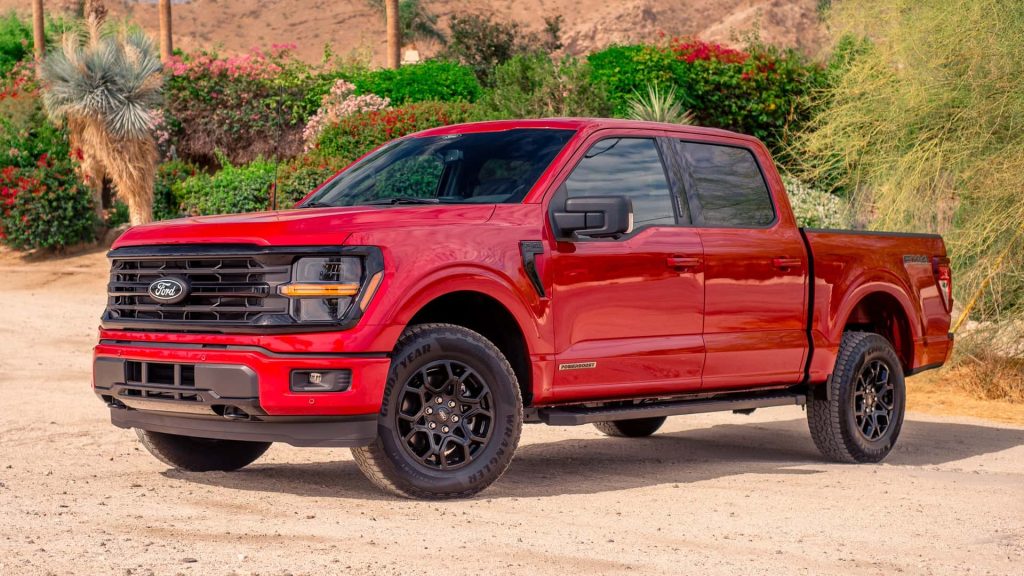
1. Ford F-150
Few American vehicles have generated as many consumer complaints in the NHTSA database as the Ford F-150. The latest compiled federal complaint data places the F-150 at 46,610 complaints, making it the highest-volume model in the database.
The records cover F-150 model years stretching back decades, so this is not a complaint total for one particular generation or model year. It represents accumulated filings associated with the nameplate.
The number needs context before it is interpreted. The F-150 has been one of America’s highest-volume vehicles for generations, meaning millions of trucks have been placed into service.
A popular model naturally has more opportunities to generate consumer complaints than a vehicle sold in comparatively small numbers. NHTSA itself uses complaints as one source of information when looking for potential safety-defect trends, but a complaint does not automatically establish that a defect exists.
The complaint database can also identify the specific component selected by the person filing the report. NHTSA’s categories include engine, powertrain, electrical system, steering, service brakes, air bags, vehicle speed control, suspension, visibility, and fuel or propulsion systems, among others.
Across the entire NHTSA database, electrical-system complaints are the most numerous component category, followed by engine and powertrain complaints.
The F-150’s model-level number therefore tells only part of the story. Looking at individual model years can reveal very different complaint patterns.
For example, the 2004 F-150 has 2,429 complaints, with visibility-related power-window devices and controls accounting for 615 filings in that model-year cohort. Engine, powertrain, and electrical-system complaints also appear prominently.
That is why prospective buyers should examine the exact model year rather than treating 46,610 reports as a single failure statistic.
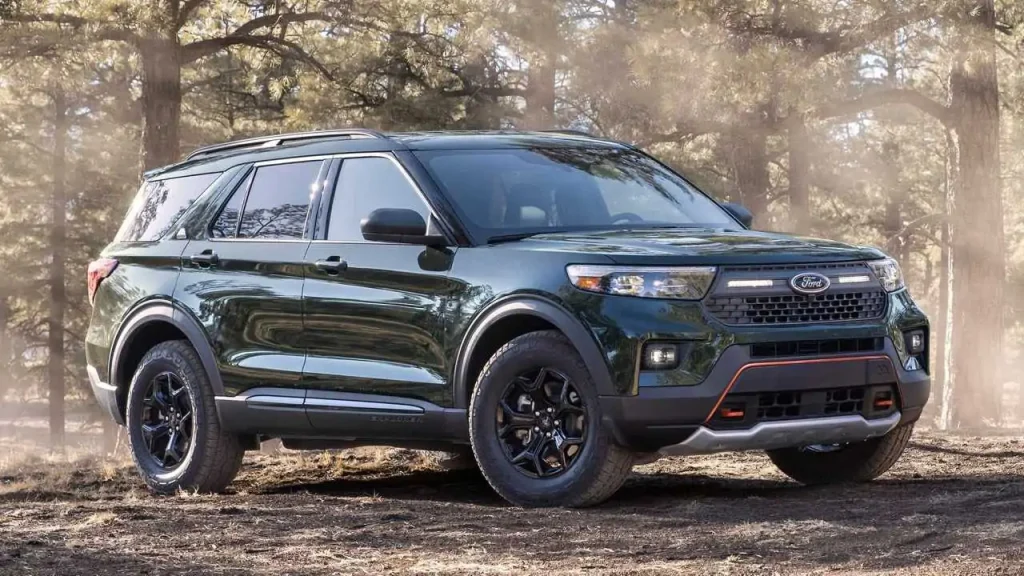
2. Ford Explorer
The Ford Explorer ranks second among the models with the largest accumulated NHTSA complaint totals, with 42,132 complaints in the current compiled database. The records cover Explorer model years dating back to the late 1970s, making the figure a historical nameplate total rather than a measurement of the current-generation SUV.
The Explorer’s long production history is important when reading that number. A vehicle that has existed for several decades has had far more time to accumulate owner reports than a recently introduced model.
NHTSA’s complaint database currently covers millions of filings dating back years, and its public data can be searched by model year, make, model, and component.
The breakdown of complaints also varies considerably between generations. The 2004 Explorer, for example, has 1,647 NHTSA complaints. Automatic transmission issues were the most frequently reported category with 308 filings, followed by body-related structural issues with 209 and other powertrain problems with 108.
That pattern is specific to the 2004 model-year cohort and should not be applied to every Explorer. A much newer example illustrates how different the complaint landscape can become. The 2021 Explorer has 481 complaints in the current database.
Its leading category is powertrain, with 97 filings, followed by unknown or other with 73 and engine with 41. The same model-year record contains 21 reported crashes, six fires, and 18 injuries. These are complaint-record incident fields, not independent determinations by NHTSA that the vehicle caused each event.
NHTSA emphasizes that there is no fixed number of complaints that automatically triggers an investigation. The agency reviews complaints alongside other information to determine whether a potential safety-defect trend warrants additional action.
For anyone researching a used Explorer, the 42,132 figure is therefore best treated as a starting point. The more useful question is what owners reported for the exact model year, which components appear repeatedly, and whether NHTSA has opened an investigation or issued a recall involving that particular vehicle.
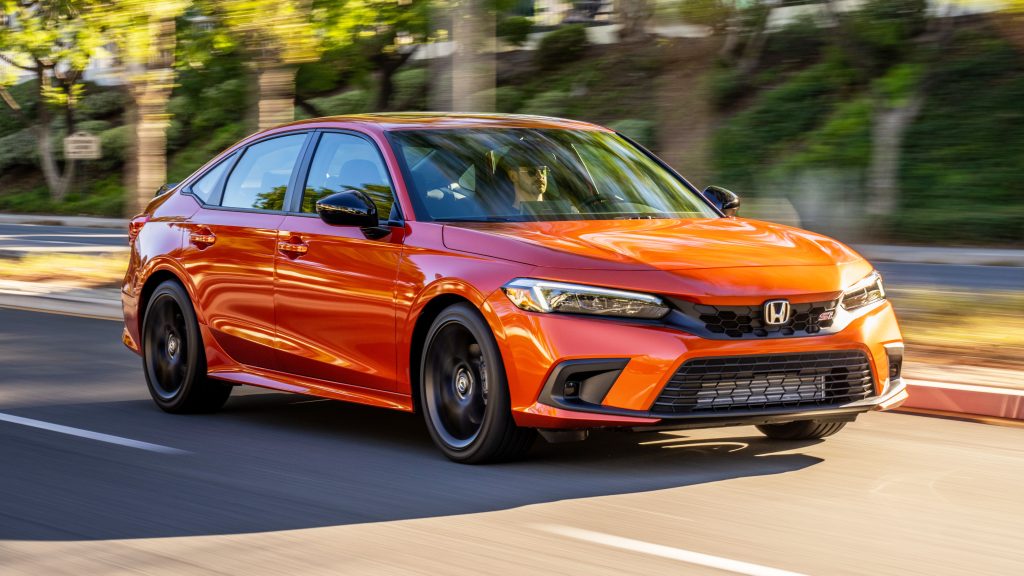
3. Honda Civic
The Honda Civic has accumulated a substantial number of consumer complaints in NHTSA’s public records, although the exact total depends on the model-year range and database snapshot being used.
A September 2026 data explorer built from NHTSA records lists 16,638 active complaint records for the Civic across the available model years. The records include reports involving crashes, injuries, fires, and deaths, but a complaint itself is an owner’s report and does not mean NHTSA has confirmed a defect.
The Civic’s complaint history is also spread across many generations. That matters because a 2006 Civic and a 2025 Civic are mechanically very different vehicles. Looking at the individual years shows how dramatically complaint volume can change.
For example, a separate NHTSA-derived database records particularly high complaint counts for the 2006 and 2007 Civic, while newer model years have accumulated far fewer reports simply because they have spent less time on American roads.
The component information can be just as revealing as the raw number. In the current data explorer, Civic complaint records include categories involving steering, safety restraints, braking behavior, engine behavior, and transmission or drivetrain behavior.
The database also contains reports involving operating conditions, vibrations, fluids, and various other vehicle behaviors.
NHTSA’s own system allows complaints to be searched by model year and make and model, rather than treating every Civic generation as one identical vehicle. The agency also provides downloadable complaint data and an API for model-specific searches.
That is important when researching a used Civic. A large historical complaint total should prompt a closer look at the exact year and component involved, not automatically suggest that every Civic has the same problem.
4. Chevrolet Silverado 1500
The Chevrolet Silverado 1500 has generated thousands of NHTSA complaints across its long U.S. production history. Current NHTSA-derived databases show why it is important to define the model-year range before quoting a total.
One dataset covering 2005 through 2026 reports 14,735 complaints, while another source using a narrower set of years reports a different figure.
The discrepancy does not necessarily mean one source is incorrect. Complaint databases change as new reports arrive, and different aggregators can use different model-year or vehicle-name definitions.
The individual model-year numbers are much more useful than simply attaching one giant number to the Silverado name. In the 2005 through 2026 dataset, the 2014 Silverado recorded 1,558 complaints, making it the largest annual total in that particular series. The same source reports 1,076 for 2008 and 1,056 for 2007.
Component-level information adds another layer. Transmission complaints are a substantial part of the Silverado’s historical record.
A current NHTSA-derived transmission dataset lists 1,671 transmission complaints and identifies particularly large numbers for several later model years, including 259 reports for 2019 and 174 for 2017.
Those figures refer specifically to complaints categorized around transmission issues, not every complaint filed against the truck.
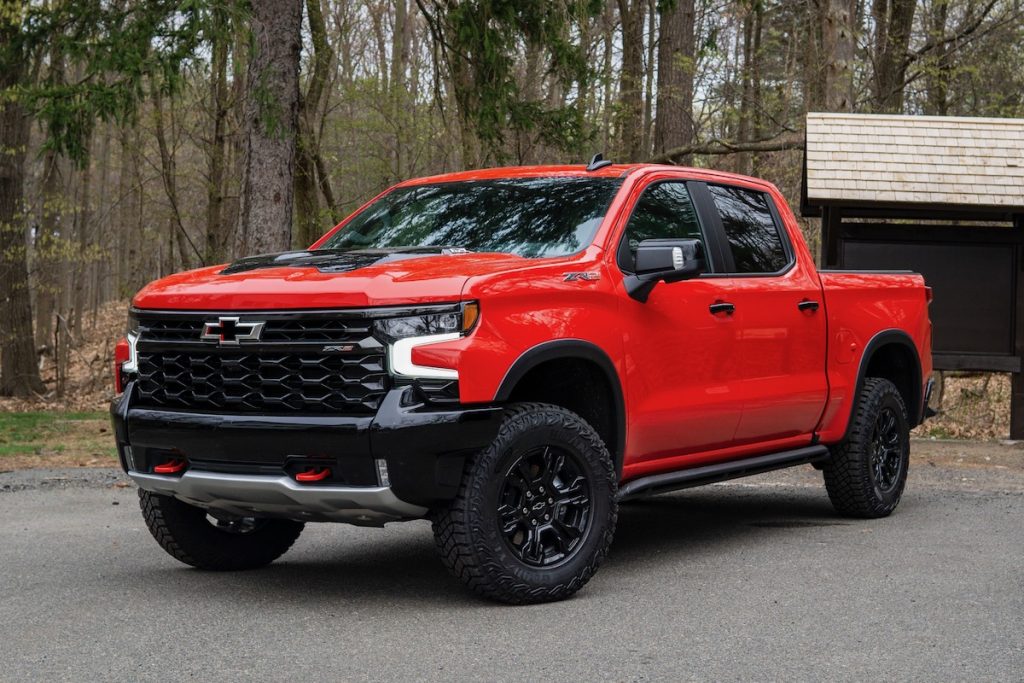
More recent records can look very different. For the 2025 Silverado 1500, one NHTSA-derived record shows 91 complaints, with engine complaints accounting for 46, followed by electrical-system and powertrain reports.
The same record notes that individual complaints can identify more than one component, so component totals do not necessarily add up to the vehicle’s total complaint count.
NHTSA itself stresses that complaints are used alongside other information to identify possible safety-defect trends. There is no fixed complaint number that automatically triggers an investigation.
5. Honda Accord
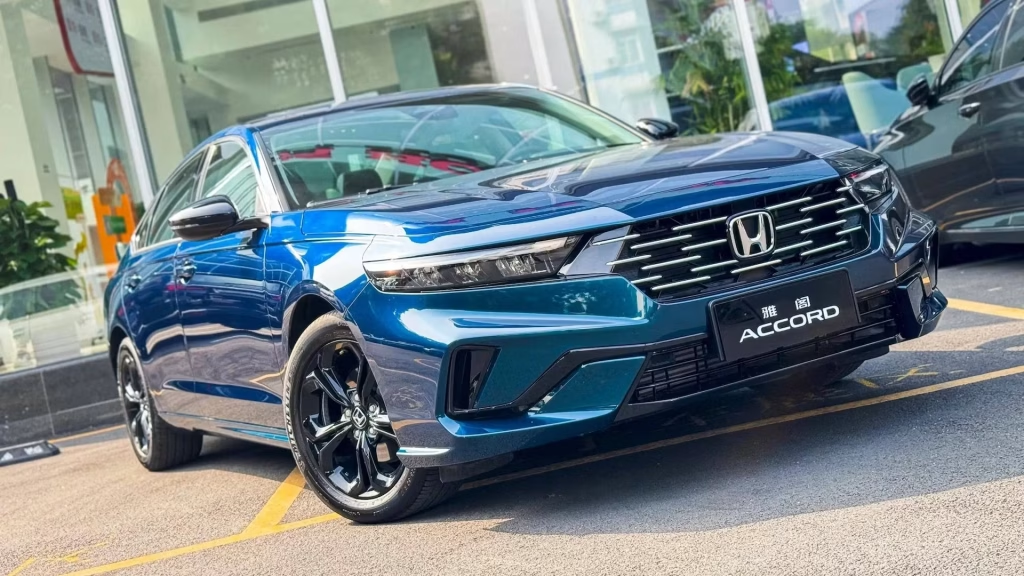
The Honda Accord ranks fifth in the latest NHTSA complaint-volume compilation, with 30,820 complaints across model years from 1979 through 2025.
The figure combines the entire nameplate history rather than representing one particular generation. That distinction matters because the Accord has undergone major changes in engines, transmissions, electronics, and safety systems during its long U.S. history.
NHTSA’s complaint records can be examined by model year and component, allowing a buyer to move beyond the headline number.
The database records categories such as engine, powertrain, electrical system, steering, service brakes, air bags, suspension, vehicle speed control, fuel or propulsion system, and visibility. It also records whether the reported incident involved a crash, fire, injuries, or fatalities.
The Accord’s 30,820 complaints should not be interpreted as a defect rate. NHTSA says consumer complaints are used alongside other information to identify potential safety issues and determine whether a safety-defect trend warrants investigation.
A complaint is an owner’s report, not a federal finding that the vehicle contains a confirmed defect.
Because the Accord has been sold in huge numbers for decades, raw complaint volume is naturally affected by the size and age of its vehicle population. For someone shopping for a used Accord, the more useful approach is to search the exact model year and then examine recurring components, incident descriptions, investigations, and recalls.
6. Ford Focus
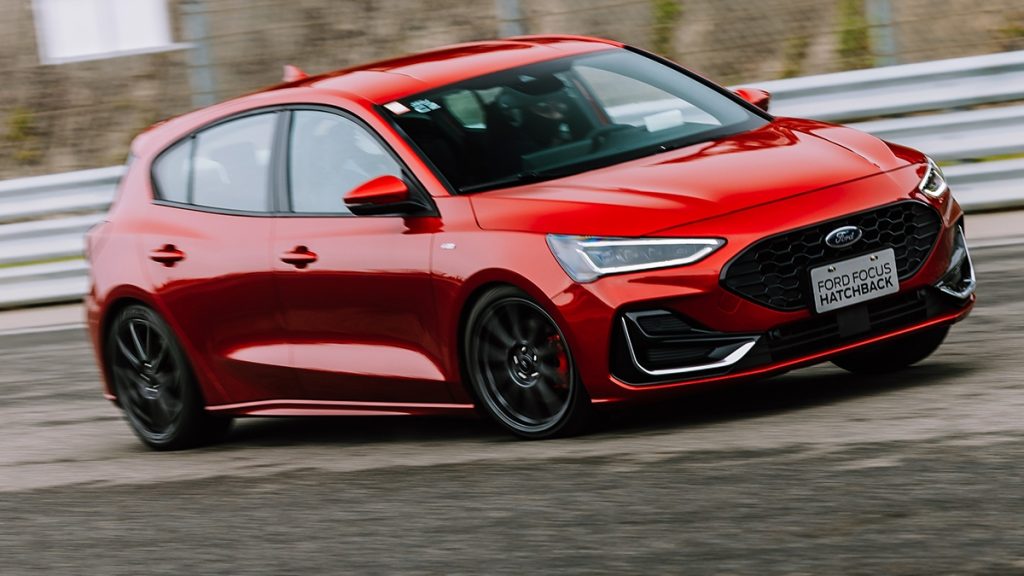
The Ford Focus has accumulated 29,538 NHTSA complaints, placing it sixth in the current model-level ranking. The database covers Focus model years from 1999 through 2018, so its complaint total reflects nearly two decades of U.S. vehicles rather than one problematic production year.
The Focus is particularly interesting because its complaint history can be divided sharply by generation and component. NHTSA’s database allows individual reports to identify the specific system involved, including powertrain, engine, electrical system, steering, service brakes, suspension, vehicle speed control, and airbags.
The complaint record also captures mileage, incident date, crash involvement, fire, injuries, and deaths when those details are supplied by the complainant.
That information is much more useful than simply saying the Focus has nearly 30,000 complaints.
A consumer investigating a particular Focus should select its model year and examine whether complaints cluster around the same component. NHTSA provides an API specifically designed to retrieve complaints by model year and make and model.
It is also important not to confuse complaint volume with confirmed failures. NHTSA explains that complaints are one source of information used with other evidence when the agency evaluates possible safety-defect trends. A large complaint count can attract attention, but there is no simple rule stating that a certain number automatically results in an investigation.
The Focus therefore belongs on this list because of its accumulated complaint volume, not because NHTSA has declared every Focus defective. The exact year and component remain essential when interpreting its record.
7. Toyota Camry
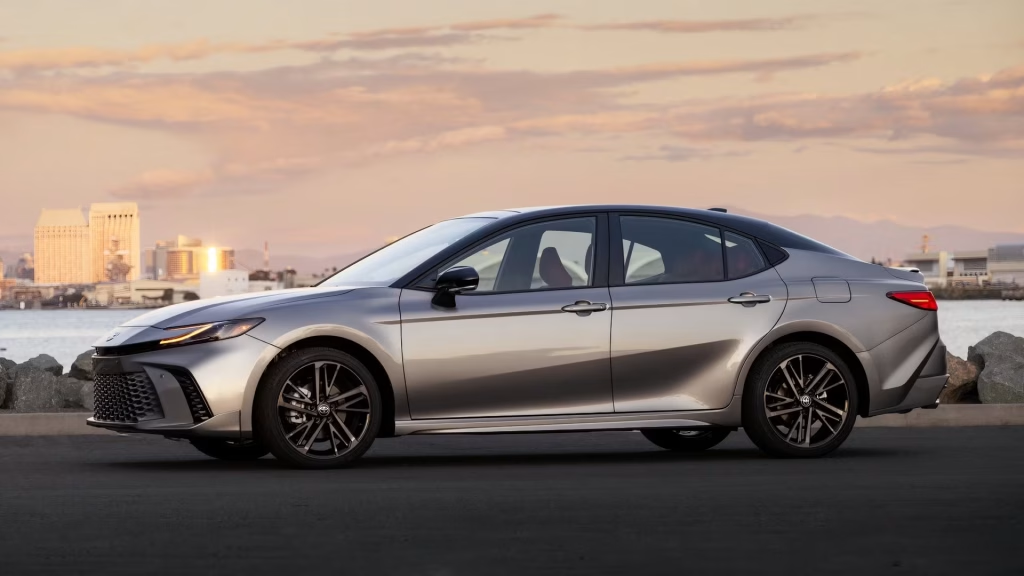
The Toyota Camry has accumulated 27,734 NHTSA complaints across its long U.S. history, placing it among the nameplates with the largest number of consumer reports in the public database.
The figure represents multiple generations, so it should not be interpreted as the complaint count for today’s Camry. Different model years can have dramatically different complaint patterns.
NHTSA’s database allows those reports to be separated by model year and component. Owners can submit complaints involving the engine, powertrain, electrical system, steering, brakes, airbags, suspension, visibility, fuel system, and vehicle speed control, among other categories.
Records can also contain information about crashes, fires, injuries, fatalities, vehicle mileage, and the circumstances surrounding the reported problem.
That makes the Camry’s headline figure a starting point rather than a reliability score. A vehicle sold in large numbers for several decades has considerably more exposure to potential complaints than a low-volume model. NHTSA also does not treat every consumer complaint as proof that a defect exists.
For used-car research, the most meaningful step is to select the exact Camry model year and then examine the components repeatedly mentioned in the complaints. NHTSA can also connect complaint information with investigations and recalls, which provides additional context.
The 27,734 figure is therefore best understood as a historical count of reports associated with the Camry nameplate, not a percentage of Camrys that have experienced problems.
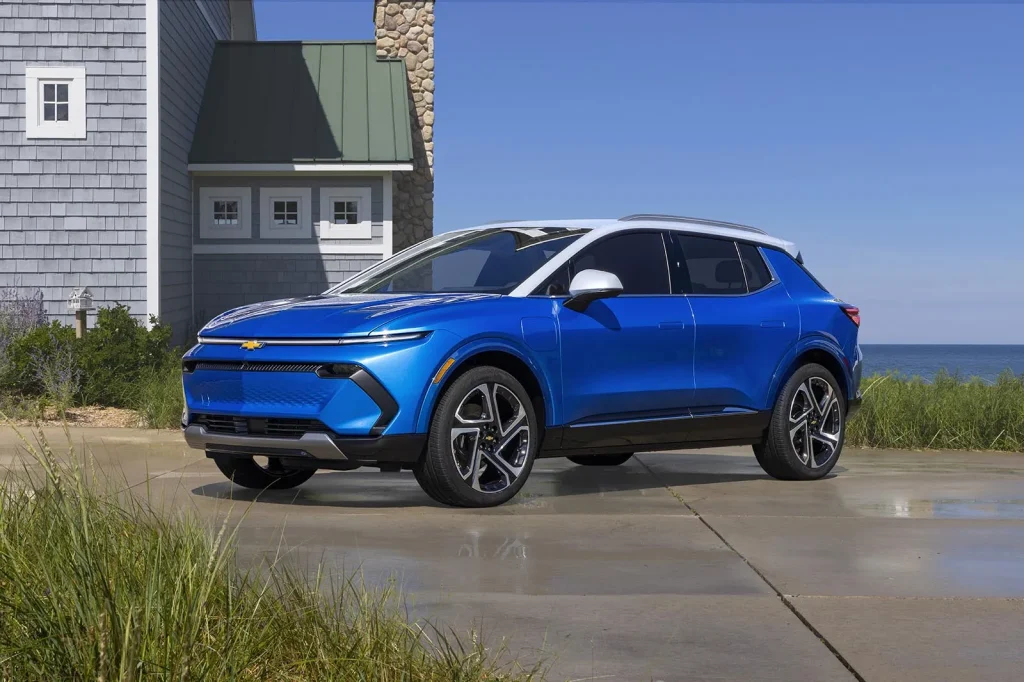
8. Chevrolet Equinox
The Chevrolet Equinox has generated 25,040 NHTSA complaints across its U.S. model-year history, according to the current complaint-volume compilation. Since the Equinox has been sold through several generations, the total combines vehicles with substantially different engines, transmissions, and electrical systems.
NHTSA’s complaint system allows each report to be associated with a particular component. The categories include engine, powertrain, electrical system, steering, service brakes, suspension, airbags, vehicle speed control, fuel system, and visibility. Individual records can also identify whether a crash, fire, injury, or fatality was reported.
The model-level total should not be confused with a failure percentage. The Equinox has been sold in substantial numbers, and older model years have had many more years in service to generate owner reports. A newer Equinox therefore cannot be fairly judged by comparing its raw complaint count with the entire historical nameplate total.
NHTSA says complaints are among the information it considers when looking for potential safety defects. The agency can investigate a potential issue when the available evidence warrants it, but there is no predetermined complaint threshold that automatically triggers an investigation.
For buyers, the useful approach is to search the specific Equinox model year, identify recurring components, and then check whether NHTSA investigations or recalls address the reported issue.
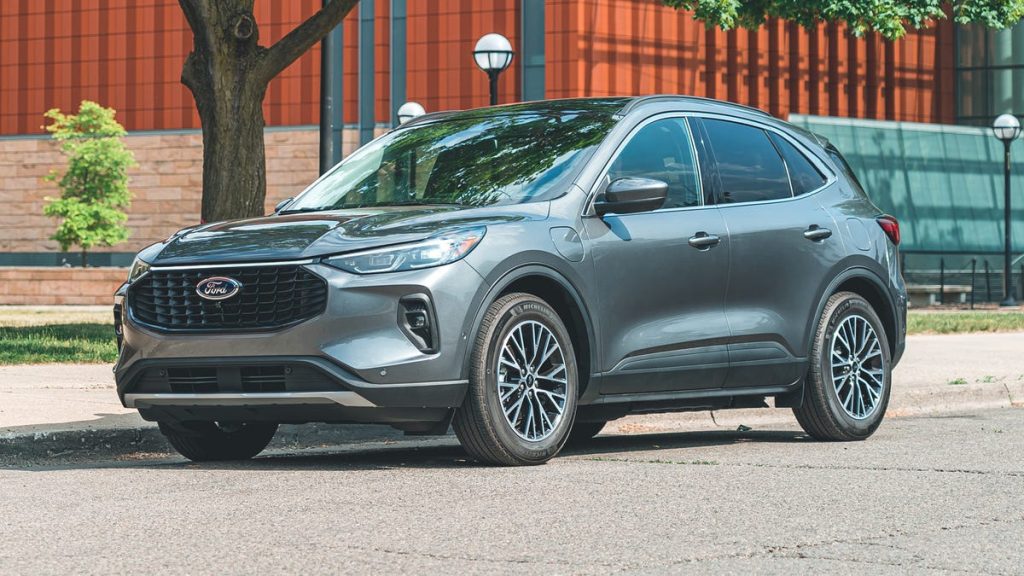
9. Ford Escape
The Ford Escape has generated a substantial number of consumer reports in NHTSA’s complaint records, with historical databases showing more than 36,000 complaints across its U.S. model-year history. The figure covers multiple generations, so it should not be treated as a complaint rate for one particular escape.
The value of NHTSA’s database is the detail behind each filing. A complaint can identify the vehicle’s model year, make, model, mileage, incident date, component, crash involvement, fire, injuries, and deaths. NHTSA’s published data structure also records the complaint’s date and the specific component description supplied with the report.
Escape complaints have appeared across systems, including the engine, powertrain, electrical system, brakes, steering, suspension, and airbags. The exact pattern changes considerably by generation, which is why a 2000s Escape should not be judged using complaint information from a newer model.
NHTSA also makes clear that complaints are consumer reports, not confirmed defect findings. The agency combines complaints with other sources, including manufacturer information, crashes, injuries, and warranty data, when determining whether a possible safety-defect trend deserves further investigation.
For a used Escape buyer, searching the exact model year and component is therefore much more informative than relying on the nameplate total.
10. Honda CR-V
The Honda CR-V is another high-volume nameplate with a long history of NHTSA consumer complaints.
NHTSA-derived databases place the CR-V among the models with thousands of complaints, while the exact total varies according to the database snapshot and model-year coverage being counted. One current complaint dataset lists the CR-V with 7,687 reports under its consolidated vehicle record.
NHTSA’s underlying complaint system provides considerably more information than a simple count. Each filing can include the model year, make, model, component, mileage, crash status, fire status, number of injuries, number of deaths, and the owner’s description of the incident.
This allows researchers to separate complaints involving different systems instead of treating every report as the same problem.
The CR-V’s long production history also makes model-year separation essential. Problems reported on an older generation may have little relevance to a newer CR-V because Honda has changed its engines, transmissions, electronics, and safety systems over time.
NHTSA explains that complaints are used together with other information to identify potential safety issues and determine whether a safety-related defect trend exists. A complaint itself is not confirmation that a manufacturer or vehicle has violated a safety standard.

That distinction should remain central when reading any NHTSA complaint ranking. The database is valuable because it captures what American vehicle owners actually report, but the raw number should be investigated by model year and component before drawing conclusions.
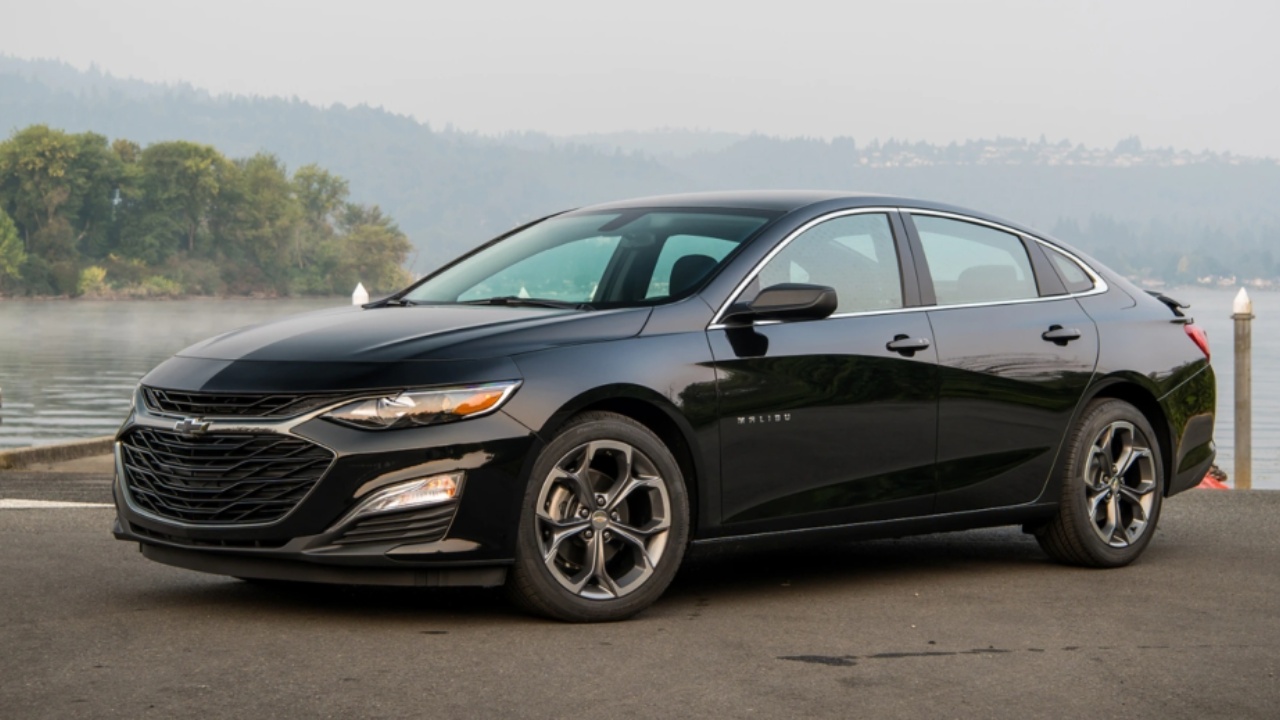
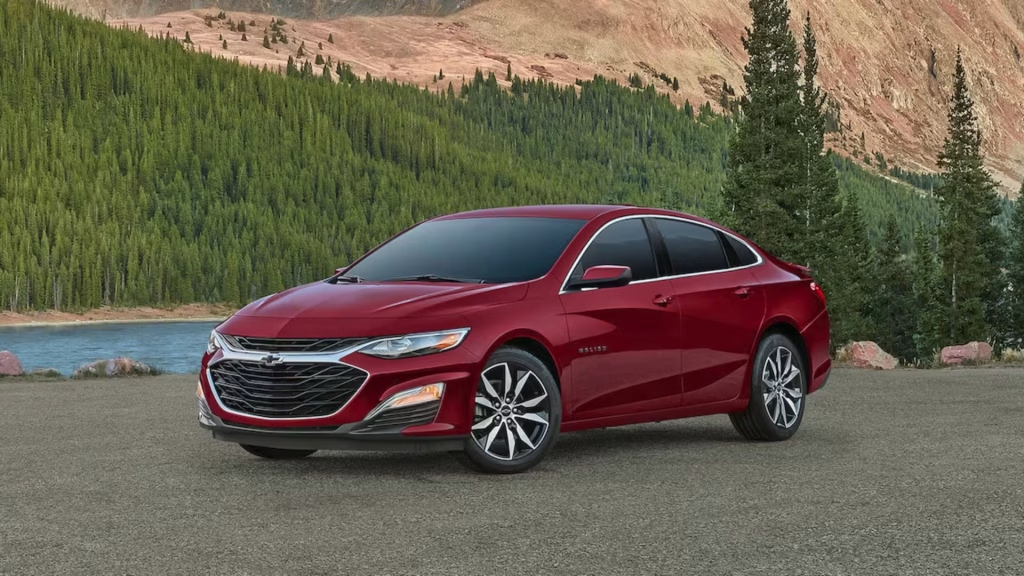
11. Chevrolet Malibu
The Chevrolet Malibu has accumulated more than 19,000 NHTSA owner complaints across its U.S. model-year history, according to current NHTSA-derived databases. The total spans decades of Malibu production, so it should not be treated as a complaint count for one generation.
The complaint records cover a wide range of systems. Current data shows large numbers of reports involving steering, electrical systems, engine behavior, brakes, driver assistance, exterior lighting, and powertrain-related issues.
The steering category alone accounts for thousands of component mentions in the historical records. A single complaint can identify more than one component, so these category figures cannot simply be added together to recreate the complaint total.
Model year makes an enormous difference. The 2009 Malibu, for example, has more than 1,500 complaints, while recent model years have far fewer reports. Older vehicles have had much longer exposure to American roads, which naturally affects raw complaint volume.
NHTSA emphasizes that its complaint database contains owner-submitted reports. A complaint is not automatically a confirmed safety defect. The agency uses complaints alongside investigations, crash information, manufacturer data, and other evidence when assessing potential safety issues.
For buyers, the Malibu’s large historical number is best used as a reason to investigate the exact model year and component, rather than as a standalone measure of vehicle quality.
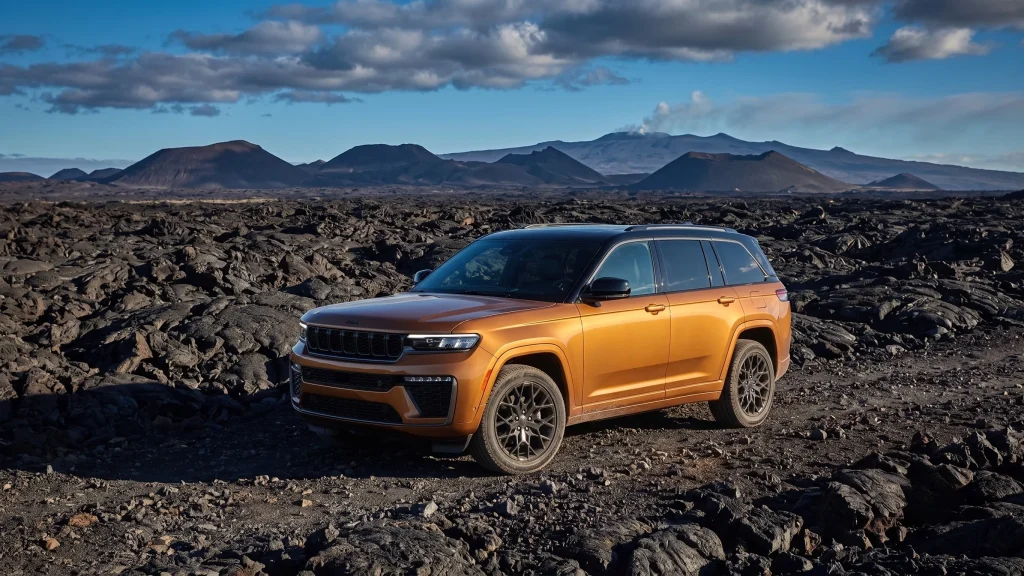
12. Jeep Grand Cherokee
The Jeep Grand Cherokee also has a long complaint history in NHTSA’s database. Current NHTSA-derived records show more than 16,000 complaints across the analyzed model years, although the exact total varies between database snapshots and the model years included. One September 2026 dataset reports 16,720 complaints for 2005 through 2025.
The individual model-year numbers tell a more detailed story. The 2011 and 2012 Grand Cherokee generations each accumulated more than 1,600 complaints in the cited dataset, while several newer model years have considerably fewer reports because they have spent less time in service.
NHTSA complaint records can include problems involving electrical systems, powertrains, steering, brakes, suspension, airbags, visibility, and other vehicle components. The database also records information supplied by the complainant about crashes, fires, injuries, and fatalities.
Importantly, those incident fields represent what was reported to NHTSA and are not automatically independent findings by the agency.
Recent data illustrates the continuing importance of model-year separation. For the 2024 Grand Cherokee, one NHTSA-derived dataset records 241 owner complaints, while the 2025 model has substantially fewer reports so far. Newer vehicles naturally have less time to accumulate complaints.
The Grand Cherokee therefore demonstrates why raw complaint rankings should be treated as a research tool. NHTSA makes complaint information searchable by year, make, and model, allowing shoppers to investigate the specific vehicle sitting in front of them rather than relying solely on a historical nameplate total.
