Vehicle safety technology has changed significantly in recent years, with automatic emergency braking and forward collision warning becoming common across the US vehicle market.
The Insurance Institute for Highway Safety, or IIHS, introduced a tougher vehicle-to-vehicle front crash prevention test to examine how well modern systems respond to higher-speed crashes and different types of vehicles. Several models received a Poor rating in these evaluations.
The 9 vehicles discussed here include small SUVs, midsize SUVs, a sedan, and other popular models. Understanding their test results can help drivers recognize the limits of driver assistance technology and make better-informed decisions when comparing vehicle safety features.
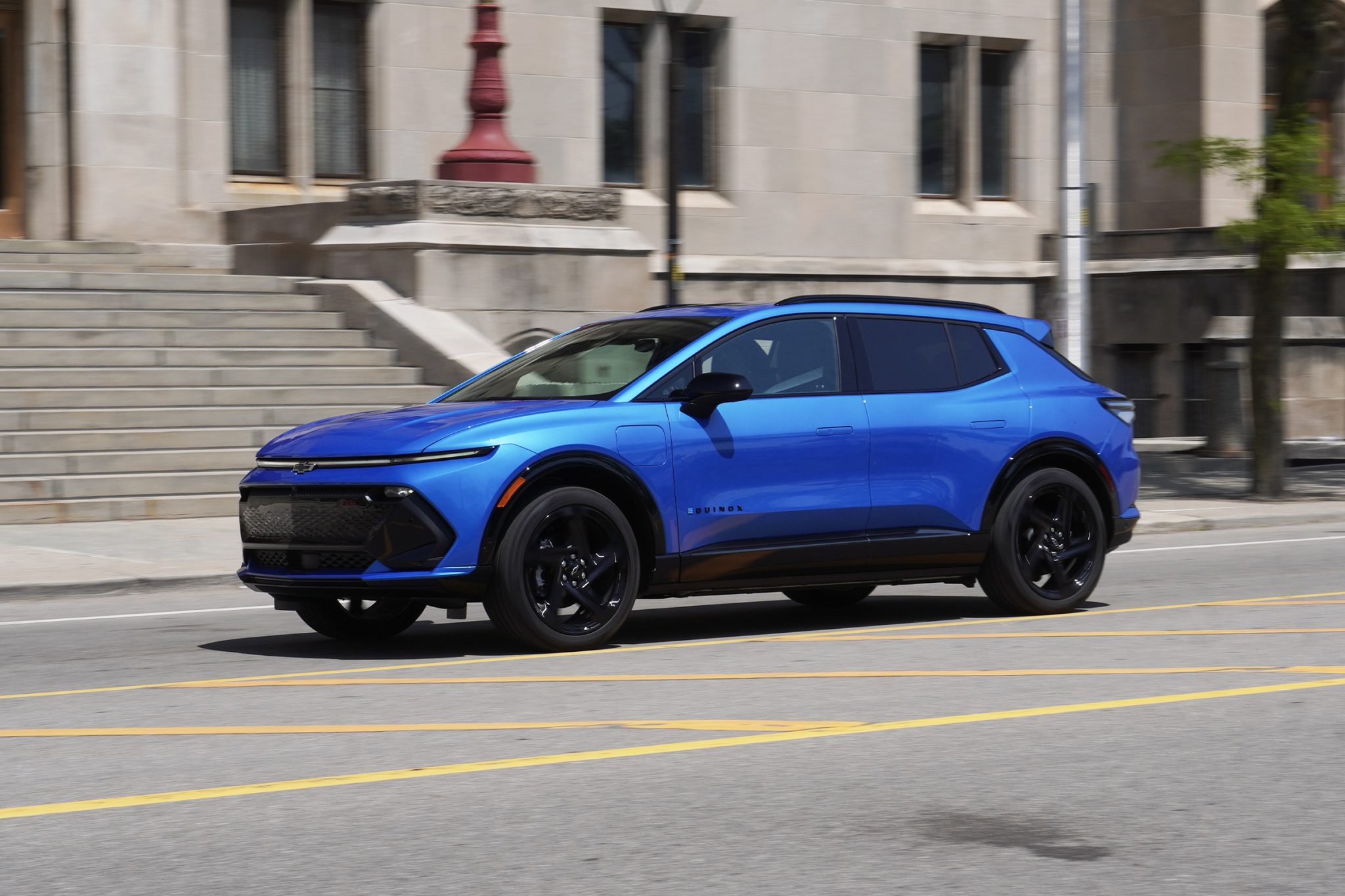
1. Chevrolet Equinox
The Chevrolet Equinox was among the small SUVs that received a Poor rating in the updated IIHS vehicle-to-vehicle front crash prevention test. The model tested by IIHS belonged to the 2023 to 2024 model years.
The test was designed to examine performance against passenger cars, motorcycles, and semitrailers at higher speeds than the discontinued evaluation. The Equinox’s result highlighted limitations in the system’s ability to respond consistently across different target types and speeds.
According to IIHS testing, the Equinox provided timely forward collision warnings in tests involving the semitrailer and passenger car target. Its performance with the motorcycle target was weaker. In several motorcycle scenarios, the warning was absent or came too late.
The vehicle also reduced speed only modestly during the 31 mph passenger car tests, while its speed reduction against the motorcycle target was particularly limited.
The motorcycle scenario is significant because motorcycles present a different detection challenge from passenger vehicles. They have a narrower profile and less physical mass, which can make them harder for some automated systems to identify quickly.
IIHS specifically introduced motorcycle testing because research showed that current front crash prevention systems can be less effective when dealing with motorcycles and medium or heavy trucks.
The Poor rating should be viewed specifically as a measurement of the tested front crash prevention system under the IIHS protocol. It does not describe the Equinox’s entire safety performance.
Crashworthiness, headlights, pedestrian crash prevention, seat belt reminders, and other safety characteristics are evaluated separately. A vehicle can perform differently across these categories because each test examines a different aspect of vehicle safety.
For drivers considering a used Equinox from the affected model years, the front crash prevention result is useful information when assessing the vehicle’s safety technology.
Buyers should also check the exact model year, trim, equipment package, and production details because manufacturers can change safety systems during a vehicle’s production cycle. Safety ratings should always be matched to the specific vehicle being considered.
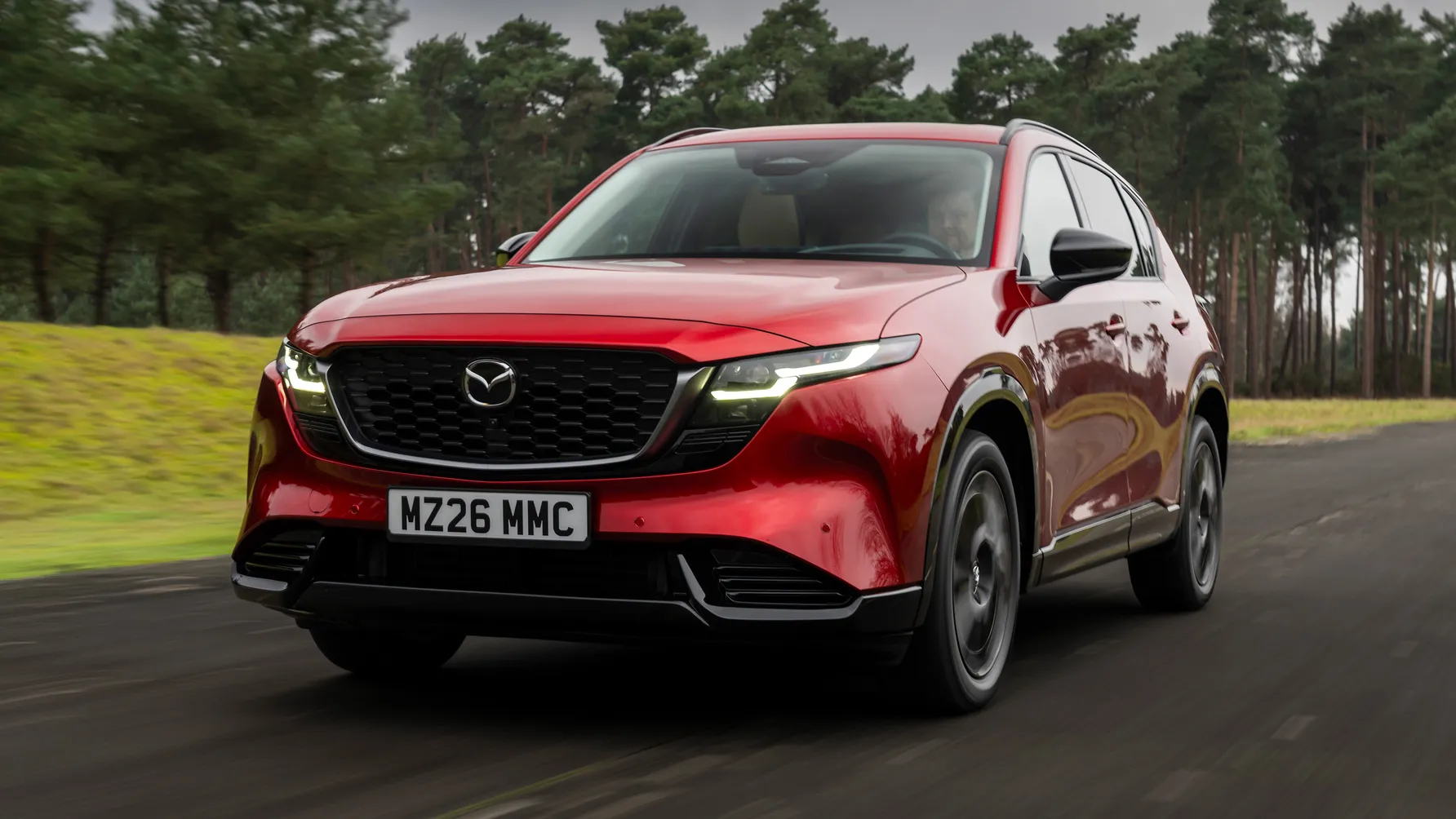
2. Mazda CX-5
The Mazda CX-5 was another small SUV that received a Poor rating in the updated IIHS vehicle-to-vehicle front crash prevention test.
The evaluated models were from the 2023 to 2024 model years. The result came from a testing program intended to measure how effectively a vehicle’s forward collision warning and automatic emergency braking systems respond to increasingly difficult crash scenarios.
The CX-5 was tested against the same general target types used for the updated evaluation. The test was not limited to a slow-moving or stationary passenger vehicle situation.
Higher speed testing created circumstances where a vehicle had less time to detect the target, warn the driver, and apply braking. Motorcycle and semitrailer scenarios further increased the range of situations the safety system had to handle.
A Poor result in this category does not mean that the CX-5 lacks driver assistance technology. The purpose of the IIHS rating is to distinguish the effectiveness of available technology under a controlled testing procedure.
Forward collision warning can still alert a driver in many situations, while automatic emergency braking can still reduce impact speed when conditions allow it to recognize a threat.
The updated test also illustrates why safety technology should not be judged simply by whether a vehicle has automatic emergency braking. Two vehicles can both advertise automatic emergency braking while producing very different results in standardized testing.
Sensor placement, detection software, braking strategy, warning timing, and the ability to identify different objects can all influence the final performance.
For CX-5 shoppers, the test result provides a specific piece of safety information rather than a complete assessment of the vehicle. Buyers should review the complete IIHS safety profile, including crashworthiness and other crash avoidance evaluations.
It is also important to remember that the tested model years are relevant to the rating, since later vehicles can receive equipment changes or updated systems.
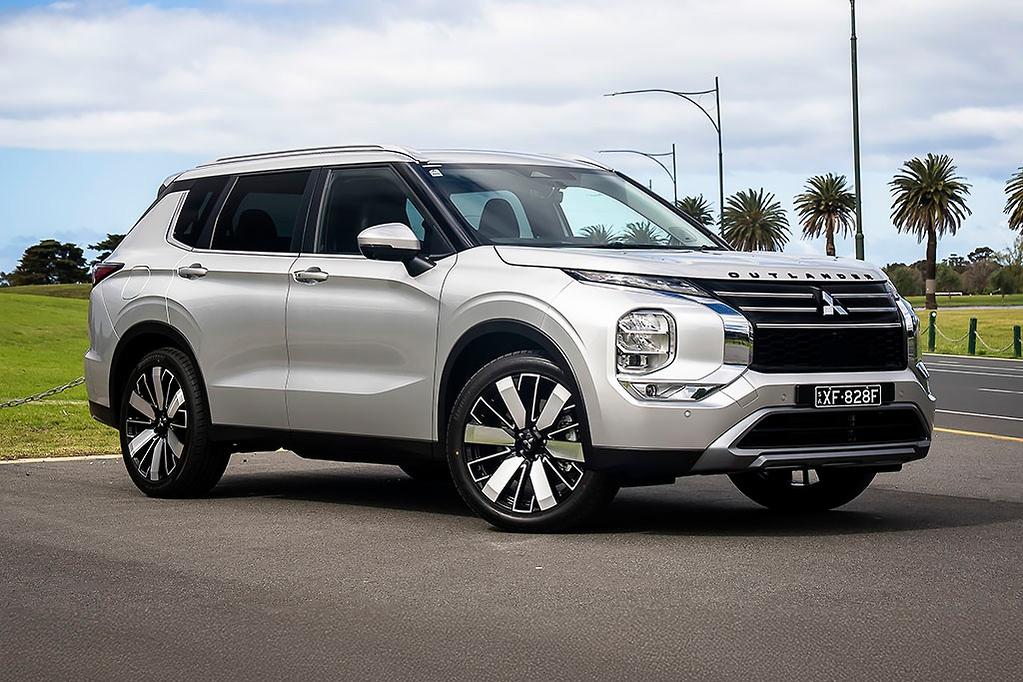
3. Mitsubishi Outlander
The Mitsubishi Outlander was included among the first small SUVs to receive a Poor rating in the updated IIHS vehicle-to-vehicle front crash prevention evaluation.
The model years tested were 2023 and 2024. The assessment placed greater emphasis on higher-speed situations than the previous IIHS evaluation and included targets that represent passenger vehicles, motorcycles, and large trucks.
The updated test was created partly because the older system of evaluation had become less useful for modern vehicles. Most vehicles tested under the original procedure were capable of earning the highest rating by the time that program ended.
The newer procedure was intended to reveal differences in performance that could remain hidden when vehicles were tested only at 12 mph and 25 mph.
For the Outlander, the Poor rating indicates that its front crash prevention system did not achieve the performance level required for a higher rating under the updated protocol. The result should not be interpreted as evidence that the vehicle’s brakes, structure, or every safety feature performed poorly.
The IIHS evaluates different safety systems separately, and vehicle-to-vehicle front crash prevention represents just one part of the broader safety picture.
The significance of the result becomes clearer when considering how automatic emergency braking works. These systems are designed to assist drivers, but they depend on sensors and software to identify an object, determine its path, estimate closing speed, and decide when braking is appropriate.
A system can perform effectively in a common passenger vehicle situation while encountering greater difficulty with smaller or differently shaped targets.
Drivers who own or are considering a 2023 or 2024 Outlander should therefore treat the front crash prevention system as an assistance feature rather than a guarantee against crashes.
Safe following distances, driver attention, appropriate speed, and active observation remain essential. The IIHS result is particularly useful when comparing the tested Outlander with vehicles that have been evaluated under the same updated procedure.
4. Volkswagen Taos
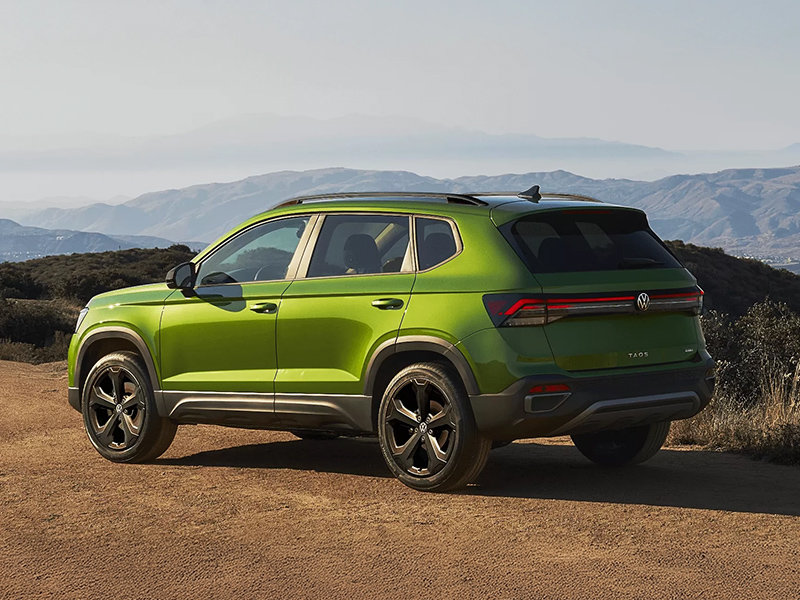
The Volkswagen Taos was also rated Poor in the early group of small SUVs tested under the updated IIHS vehicle-to-vehicle front crash prevention program. The affected test vehicles were from the 2023 to 2024 model years. The evaluation placed new demands on automatic emergency braking systems by testing higher approach speeds and multiple types of targets.
The Taos result demonstrates how a vehicle can have modern driver assistance technology while still receiving a low rating in a demanding standardized test. The presence of forward collision warning or automatic emergency braking is not enough by itself to establish how well the system performs.
Testing must consider the timing of warnings, the amount of braking, the type of target, and the speed at which the potential crash develops.
The IIHS program includes off-center passenger car scenarios because vehicles do not always approach another vehicle in a perfectly centered position. Real traffic can involve lane changes, vehicles moving partially into a lane, and other situations where the position of the target affects detection. The updated test attempts to capture some of these variations in a controlled environment.
Motorcycles create additional difficulties. Their smaller size can affect sensor recognition, while their position and movement can differ from the patterns associated with passenger cars.
The IIHS has pointed to motorcycles as a particular challenge for modern crash avoidance systems. This is important because a system that performs well against a passenger car cannot automatically be assumed to perform equally well against every type of road user.
The Taos result applies to the specific vehicles and model years evaluated by IIHS. Safety performance can change when manufacturers introduce updated hardware or software. Anyone researching a Taos should therefore verify the model year and the equipment installed in the particular vehicle.
5. Audi Q7 and Audi Q8
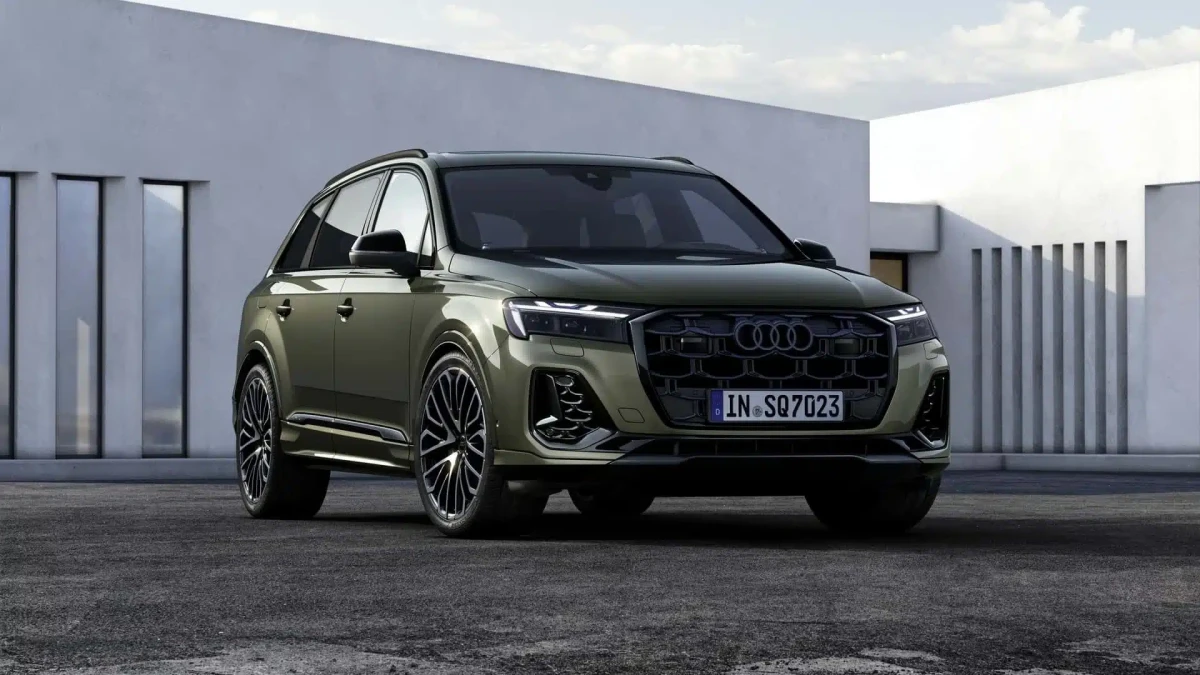
The Audi Q7 and Audi Q8 were among the larger vehicles that later received Poor ratings in the updated IIHS vehicle-to-vehicle front crash prevention evaluation. Both were listed as 2025 models in the February 2025 IIHS announcement.
Their inclusion showed that weaker performance in the updated test was not restricted to small SUVs. Larger luxury SUVs can also experience challenges with advanced crash avoidance technology.
The Q7 and Q8 belong to a different vehicle category from the Equinox, CX-5, Outlander, and Taos. That difference matters because the IIHS evaluates several aspects of vehicle safety separately.
The vehicle-to-vehicle front crash prevention test can be compared across categories because it measures crash avoidance system performance, while some structural crash tests should be interpreted with vehicle size and weight in mind.
The updated test examines how the system responds to a passenger car at several speeds, as well as motorcycles. The semitrailer portion examines forward collision warning.
These situations require the vehicle’s electronic safety systems to identify hazards and provide an appropriate response within a limited amount of time. The Poor classification means the tested system did not meet the IIHS requirements for a higher rating.
A luxury vehicle’s price or equipment level does not automatically determine how well its automatic emergency braking system performs. Advanced safety technology depends on the design and calibration of the system itself.
The Q7 and Q8 results are a useful reminder that buyers should examine actual independent test results rather than relying only on a manufacturer’s list of available driver assistance features.
The results also show why consumers should distinguish between a vehicle’s general reputation and the performance of a particular safety system. The Audi Q7 and Q8 may have numerous safety and convenience features, but the IIHS rating addresses a specific function.
Buyers interested in either SUV should review the complete safety record for the exact model year and configuration before making a decision.
6. Buick Envista and Chevrolet Trax
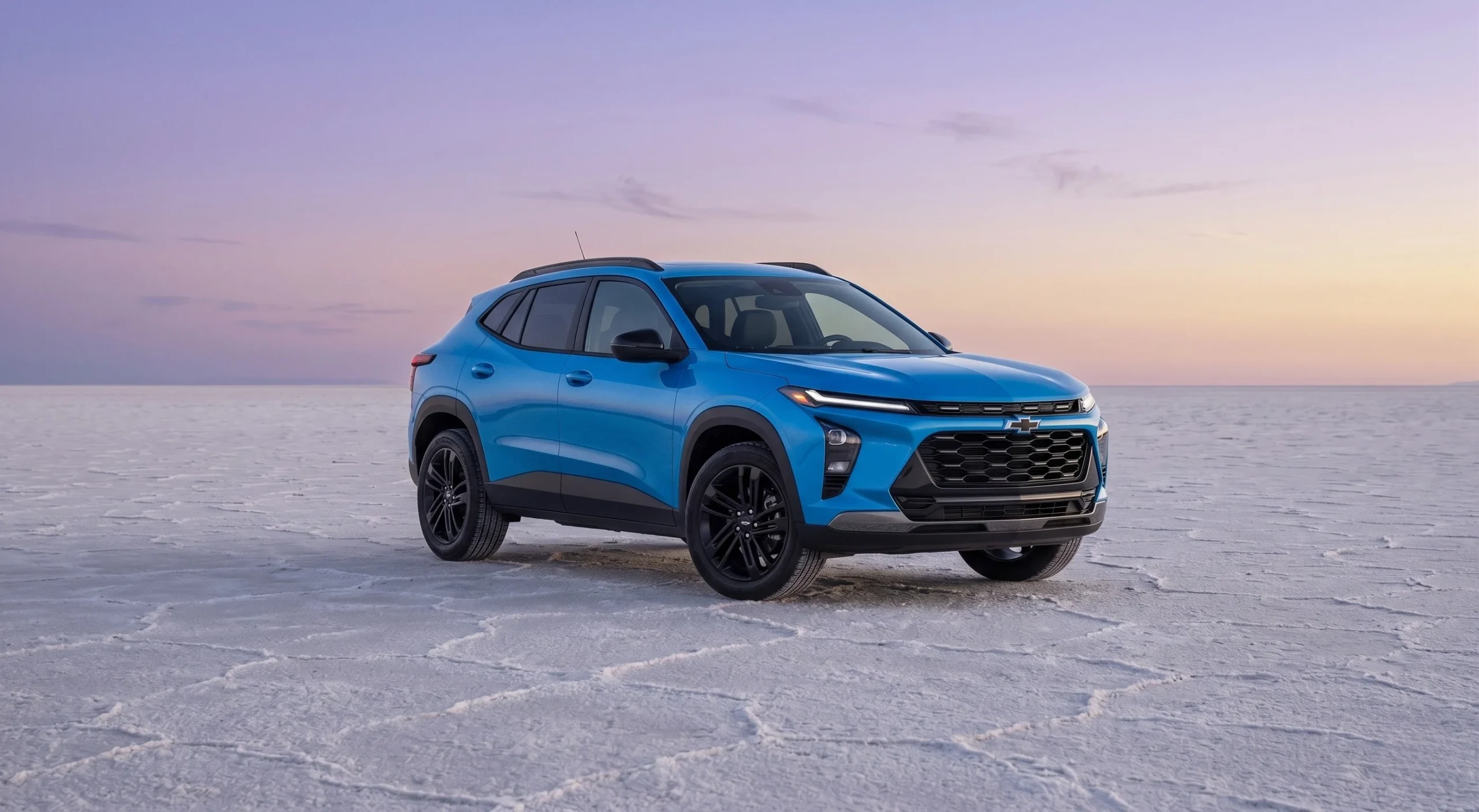
The Buick Envista and Chevrolet Trax were both rated Poor in the updated IIHS vehicle-to-vehicle front crash prevention evaluation.
The Envista tested was a 2024 model, while the Trax tested was also a 2024 model. Both vehicles belong to the smaller SUV segment, where buyers often place significant importance on affordable safety technology and standard driver assistance equipment.
The result is particularly relevant because modern compact SUVs frequently advertise automatic emergency braking as part of their standard safety packages. A Poor IIHS rating does not mean that the systems are completely ineffective.
Instead, it indicates that their performance under the updated IIHS procedure was not sufficient for a higher rating. That distinction matters when explaining what a safety rating actually measures.
The IIHS evaluation focuses on the vehicle’s ability to identify and respond to an impending collision. A warning must come early enough to give the driver a useful opportunity to react.
Automatic braking must also reduce the vehicle’s speed sufficiently when the system determines that a collision is imminent. Performance can vary depending on the speed, target type, and target position used in the test.
The Trax and Envista results should also be separated from other safety tests. IIHS ratings cover multiple categories, including crashworthiness and crash avoidance.
A vehicle may receive a good result in a structural crash test while receiving a Poor result in a particular crash avoidance evaluation. Consumers should look at the complete test profile rather than assuming that a single rating describes the entire vehicle.
For shoppers considering these vehicles, the results provide a useful point of comparison with other compact SUVs tested under the same IIHS program.
The test information is especially valuable for people who consider automatic emergency braking an important purchase criterion. Checking the model year and standard equipment remains essential because safety systems can change after a redesign, software update, or equipment revision.
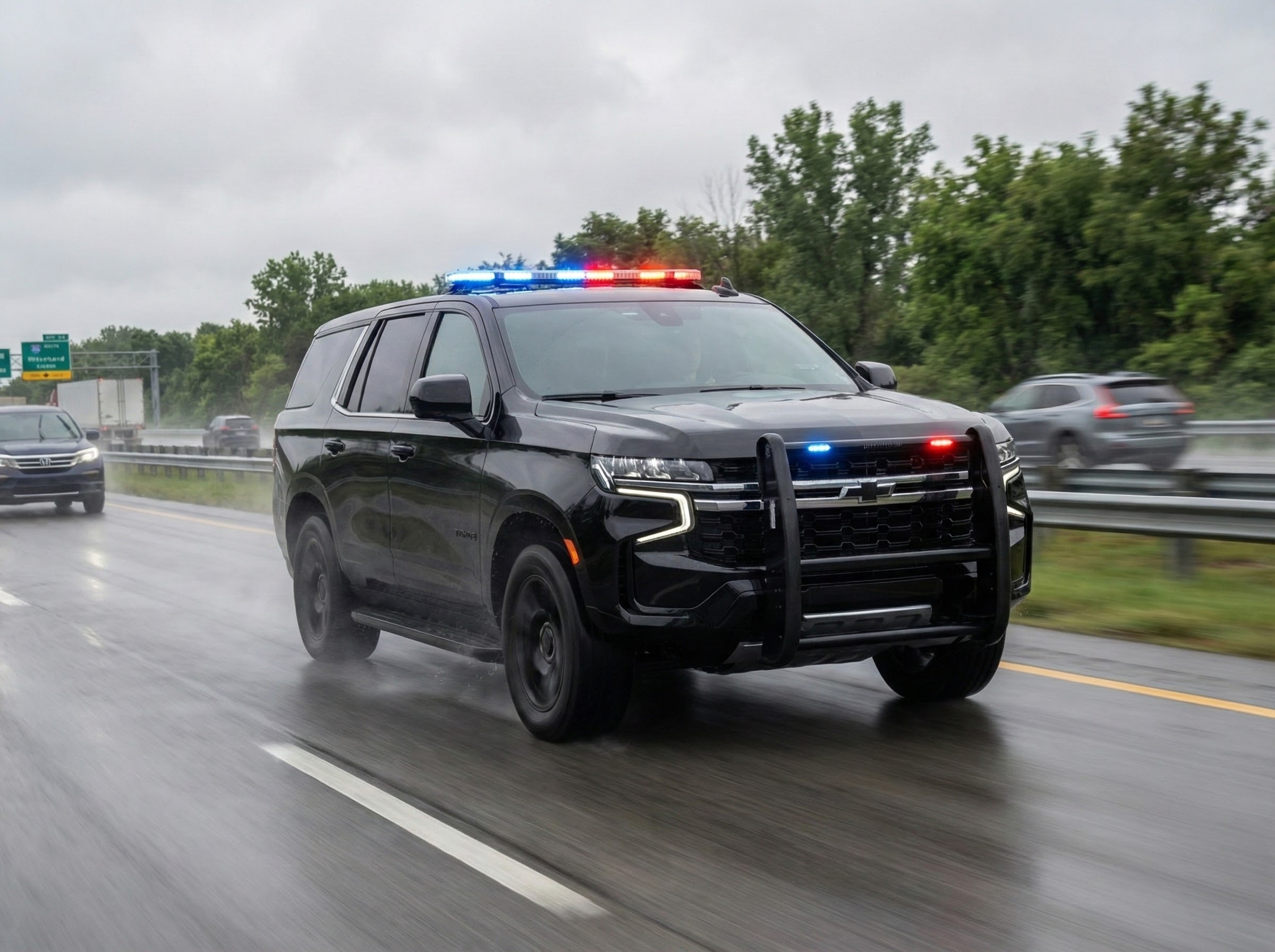
7. Chevrolet Tahoe
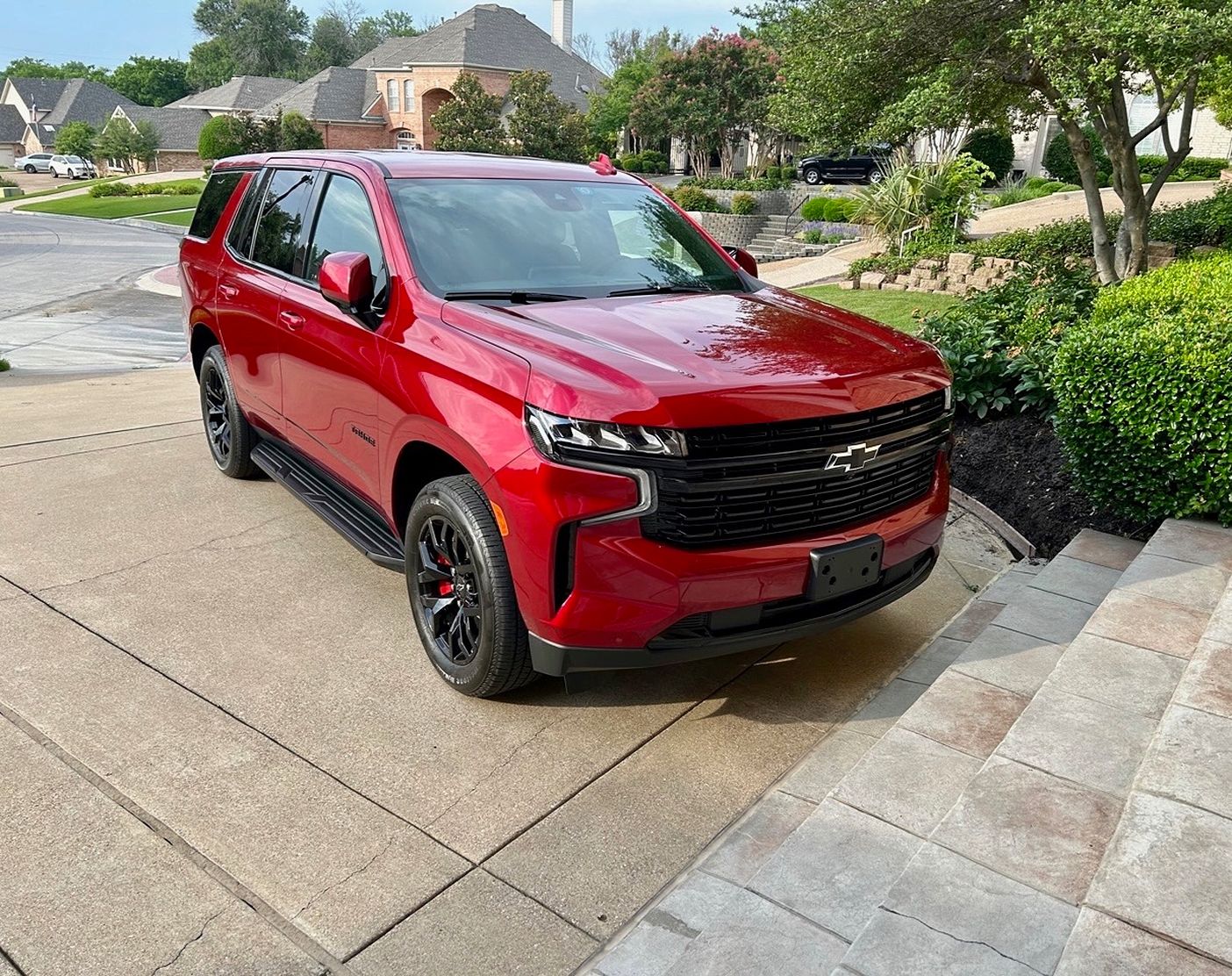
The Chevrolet Tahoe was another model to receive a Poor rating in the updated IIHS vehicle-to-vehicle front crash prevention evaluation. The affected models were 2023 and 2024 Tahoes.
The Tahoe is substantially larger than the compact SUVs discussed earlier, making its result is important in the context of a test that focuses on the performance of electronic crash avoidance systems rather than vehicle size alone.
The Tahoe’s rating demonstrates that larger vehicles can face challenges in automatic emergency braking performance as well. The updated IIHS test was specifically designed to expose weaknesses that may not become apparent in low-speed testing.
By increasing the test speeds and adding motorcycles and semitrailers, IIHS created a broader assessment of how these systems respond to different road situations.
Drivers should not rely on automatic emergency braking as a substitute for attentive driving. The technology is intended to assist when a driver fails to respond or responds too late, but no lower speed situation can be less useful when the closing speed is much higher.
It is important not to confuse the Poor rating with the Tahoe’s complete crashworthiness performance. The IIHS evaluates occupant protection and crash avoidance through separate procedures.
A vehicle’s structural design, airbags, seat belts, headlights, and pedestrian detection can receive different ratings. The vehicle-to-vehicle front crash prevention rating is specifically concerned with the electronic system’s performance in the relevant test scenarios.
Tahoe owners and prospective buyers can use the result as part of a broader safety assessment. Drivers should not rely on automatic emergency braking as a substitute for attentive driving. The technology is intended to assist when a driver fails to respond or responds too late, but no driver assistance system can guarantee that a crash will be avoided.
8. Kia Seltos
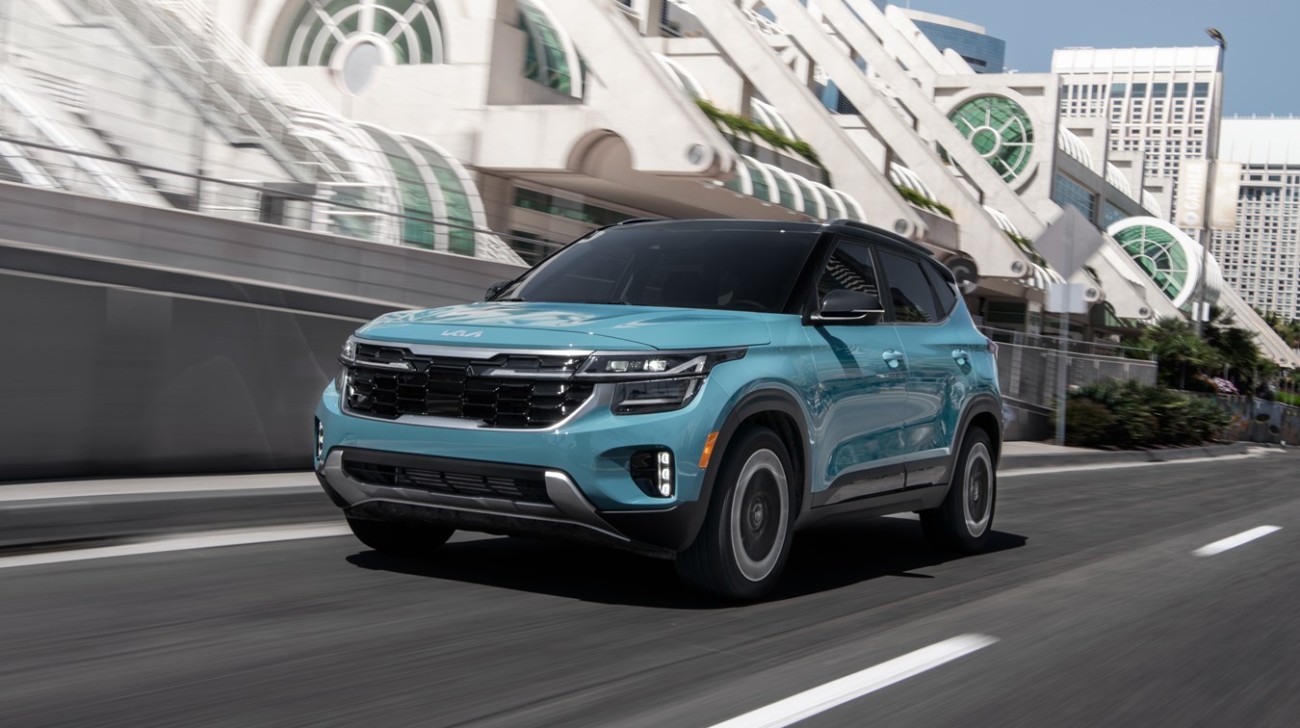
The Kia Seltos was rated Poor in the updated IIHS vehicle-to-vehicle front crash prevention test for the 2024 and 2025 model years listed in the IIHS evaluation. The Seltos is a small SUV, making the result relevant to a segment where crash avoidance systems are increasingly common and frequently included in standard safety packages.
The IIHS test is intended to measure the performance of the complete front crash prevention system rather than a single component. A vehicle may use cameras, radar, or a combination of sensing technologies.
Software interprets information from these sensors and determines whether a potential collision is developing. The timing and accuracy of this process can influence whether the vehicle avoids a collision, reduces speed, or provides only a warning.
The updated procedure is more demanding than the earlier test. It includes 31 mph, 37 mph, and 43 mph passenger car scenarios, with some tests involving an off-center target.
Motorcycle tests are also performed at several speeds. These conditions are designed to represent situations where the crash avoidance system has less time to react and where the target may be harder to identify.
A Poor result therefore does not establish that the Seltos will fail to warn a driver in every forward collision situation. It means that the system’s measured performance in the IIHS evaluation fell into the lowest rating category. Real-world results can vary according to road conditions, weather, lighting, traffic behavior, sensor visibility, and many other factors.
People researching the Seltos should look at the rating in its proper context. The model has been evaluated in several safety categories, and the vehicle-to-vehicle front crash prevention score addresses just one area.
Checking the exact model year and equipment configuration is also important because manufacturers can make changes between production periods.
9. Nissan Altima
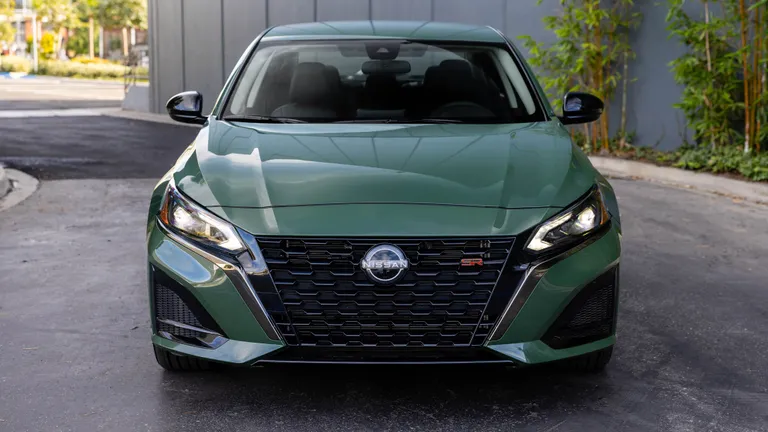
The Nissan Altima was the final vehicle in the group of 11 discussed here to receive a Poor rating in the updated IIHS vehicle-to-vehicle front crash prevention evaluation.
The relevant models were listed as 2024 and 2025 vehicles. The Altima is a midsize sedan, so its inclusion further demonstrates that the Poor results were not confined to SUVs.
The updated front crash prevention evaluation represents a substantial change from the original IIHS procedure. The older test used a stationary passenger car target at 12 mph and 25 mph. The newer evaluation increases speeds and adds different target types.
This change makes it possible to identify differences in system performance that the previous low-speed test could no longer reveal.
The Altima’s rating should be interpreted specifically as a crash avoidance result. It does not mean that every safety feature on the vehicle performed poorly. The IIHS separately evaluates crashworthiness, headlights, pedestrian front crash prevention, seat belt reminders, and other safety areas. The Altima’s results across these categories can therefore be different.
The distinction between pedestrian and vehicle-to-vehicle crash prevention is also important. A system designed to recognize a pedestrian has different detection requirements from a system designed to recognize a passenger vehicle.
The IIHS therefore treats these as separate evaluations. A vehicle can perform differently depending on whether the target is a pedestrian, motorcycle, passenger car, or large truck.
For drivers considering an Altima from the tested model years, the front crash prevention rating is useful when comparing driver assistance systems. It should be considered together with crashworthiness results, vehicle equipment, visibility, headlights, and other factors.
Most importantly, automatic emergency braking should be regarded as a backup safety feature rather than a replacement for an attentive driver.