
A pickup can look tough on a showroom floor, but the real test comes years later. Some trucks remain with their original owners well past the 15-year mark, still handling commutes, jobs, family duties, and weekend work. Others are much less likely to reach that milestone with the same owner. iSeeCars studied light-duty pickup trucks to see which models owners tend to keep for at least 15 years.
The results show a clear divide between several midsize pickups that score above the truck average and several popular full-size models that fall below it. Here are the five trucks owners are most likely to keep for 15 years or longer, followed by five that appear less often in long-term original-owner garages.
5 Trucks Still on the Road After 15 Years
1. Toyota Tacoma
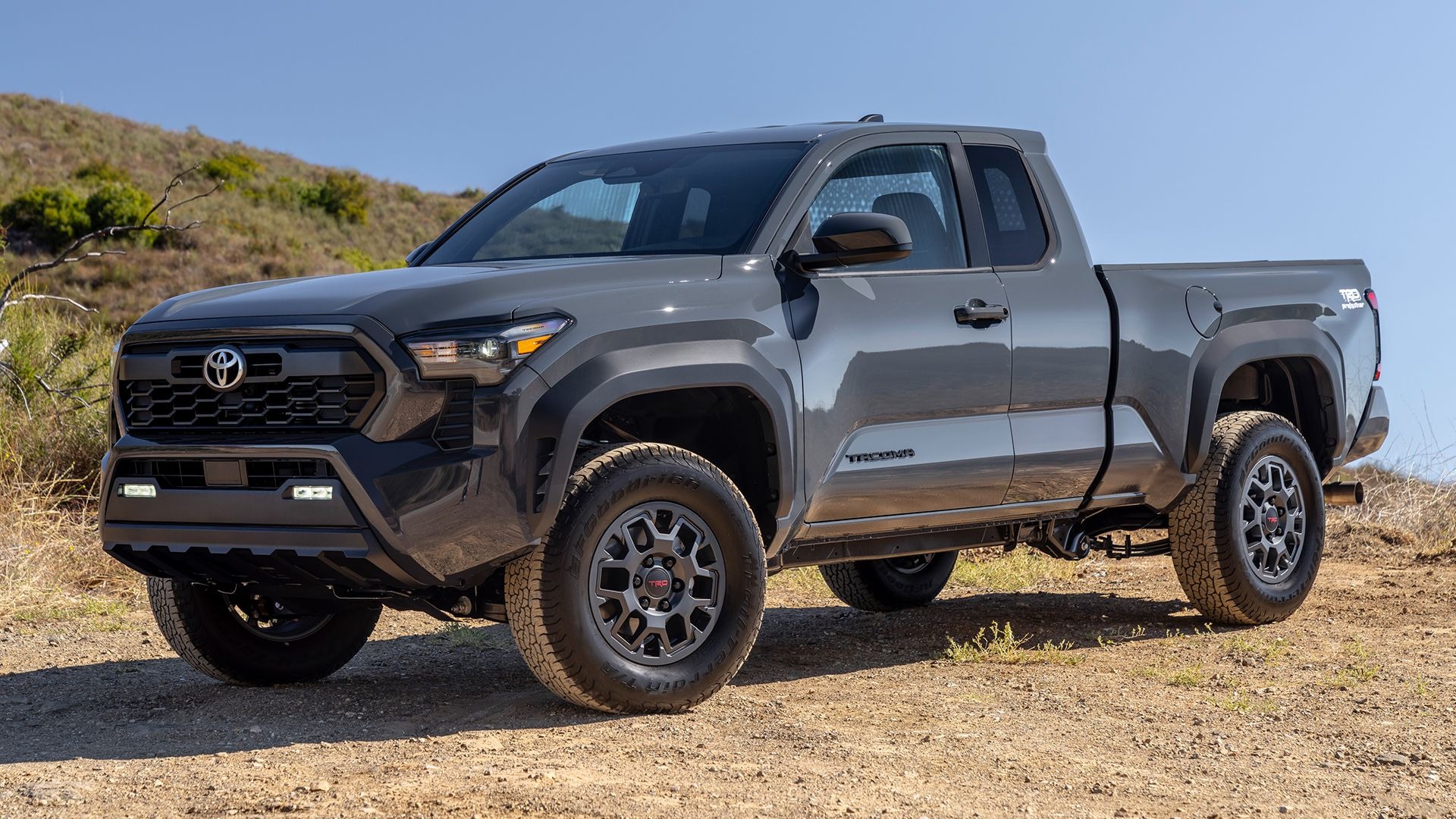
The Toyota Tacoma sits at the top of iSeeCars’ list, with 11.6% of 15-year-old-or-older examples still owned by their original buyers. That puts the Tacoma at about 1.8 times the 6.3% average for light-duty pickups in the study.
That figure tells an interesting story because the Tacoma is not the biggest truck in its class. It is a midsize pickup, yet owners in the study were considerably more likely to hold onto one for 15 years or longer than owners of many larger trucks.
Its combination of useful bed space, manageable size, off-road ability, and reputation for durability can make it a vehicle that owners have little reason to replace quickly.
There is also a practical side to long ownership. A truck that continues meeting an owner’s needs does not necessarily become obsolete simply because newer models offer more technology. For many buyers, a paid-off pickup that still performs its basic jobs can remain attractive.
The Tacoma’s result is especially strong when compared with the truck average. At 11.6%, its 15-year ownership rate is 5.3 percentage points higher than the 6.3% segment figure. That is a sizable gap for a study measuring thousands of vehicles.
It is worth stressing what the number means. The figure does not say that 11.6% of all Tacomas survive for 15 years. Instead, it measures the share of older Tacoma vehicles that were still with their original owners after reaching that age threshold.
That distinction makes the statistic useful for understanding owner loyalty rather than predicting the exact lifespan of every Tacoma.
2. Toyota Tundra
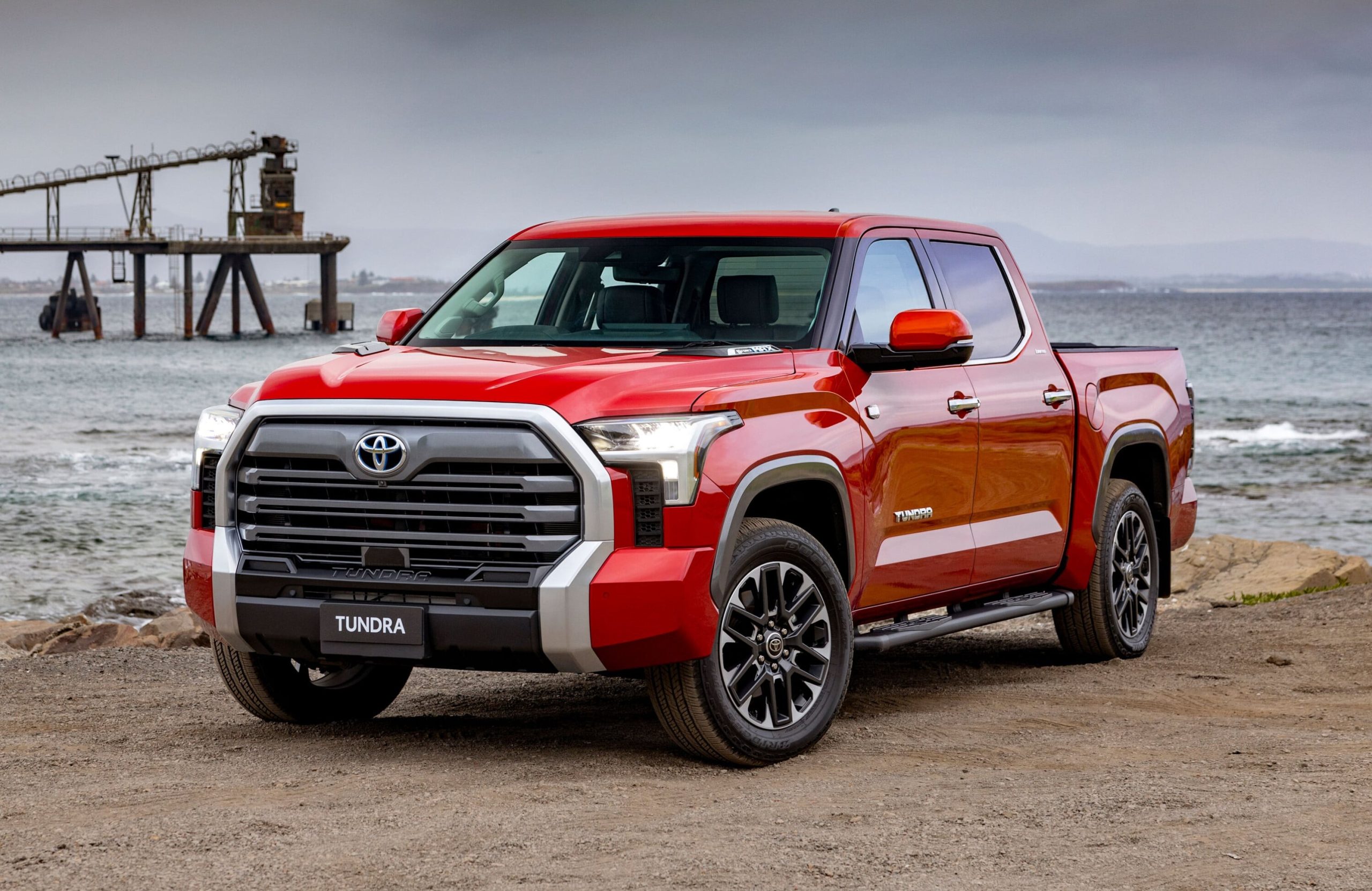
The Toyota Tundra takes second place at 11.3%, meaning 11.3% of the 15-year-old-or-older Tundras in iSeeCars’ analysis were still with their original owners. Its result is nearly identical to the Tacoma’s 11.6% and also works out to roughly 1.8 times the 6.3% pickup average.
That is an impressive showing for a full-size pickup. The Tundra is built for drivers who may want more space and capability than a midsize truck provides, yet its long-term original-owner figure remains very strong.
Owners who bought one for work, hauling, towing, or daily transportation were often still holding onto it after a decade and a half. The Tundra also appears elsewhere in iSeeCars research as a truck with strong long-term potential.
A separate iSeeCars lifespan study estimated a potential lifespan of 256,022 miles for the Tundra, the highest figure among the pickups listed in that particular analysis.
That is a different measurement from 15-year ownership, so the two figures should not be treated as interchangeable. Still, they provide two separate pieces of information about the model’s long-term record.
For buyers thinking about keeping a truck for many years, the Tundra’s 11.3% figure is especially useful because it shows that a full-size pickup can compete with smaller trucks when it comes to extended original ownership.
The result does not mean every Tundra will reach 15 years without major repairs. Maintenance history, mileage, climate, driving habits, towing demands, accidents, and individual vehicle condition all matter.
What the iSeeCars number shows is that the Tundra has a relatively high rate of original owners who continue with the truck into its later years.
3. Nissan Frontier
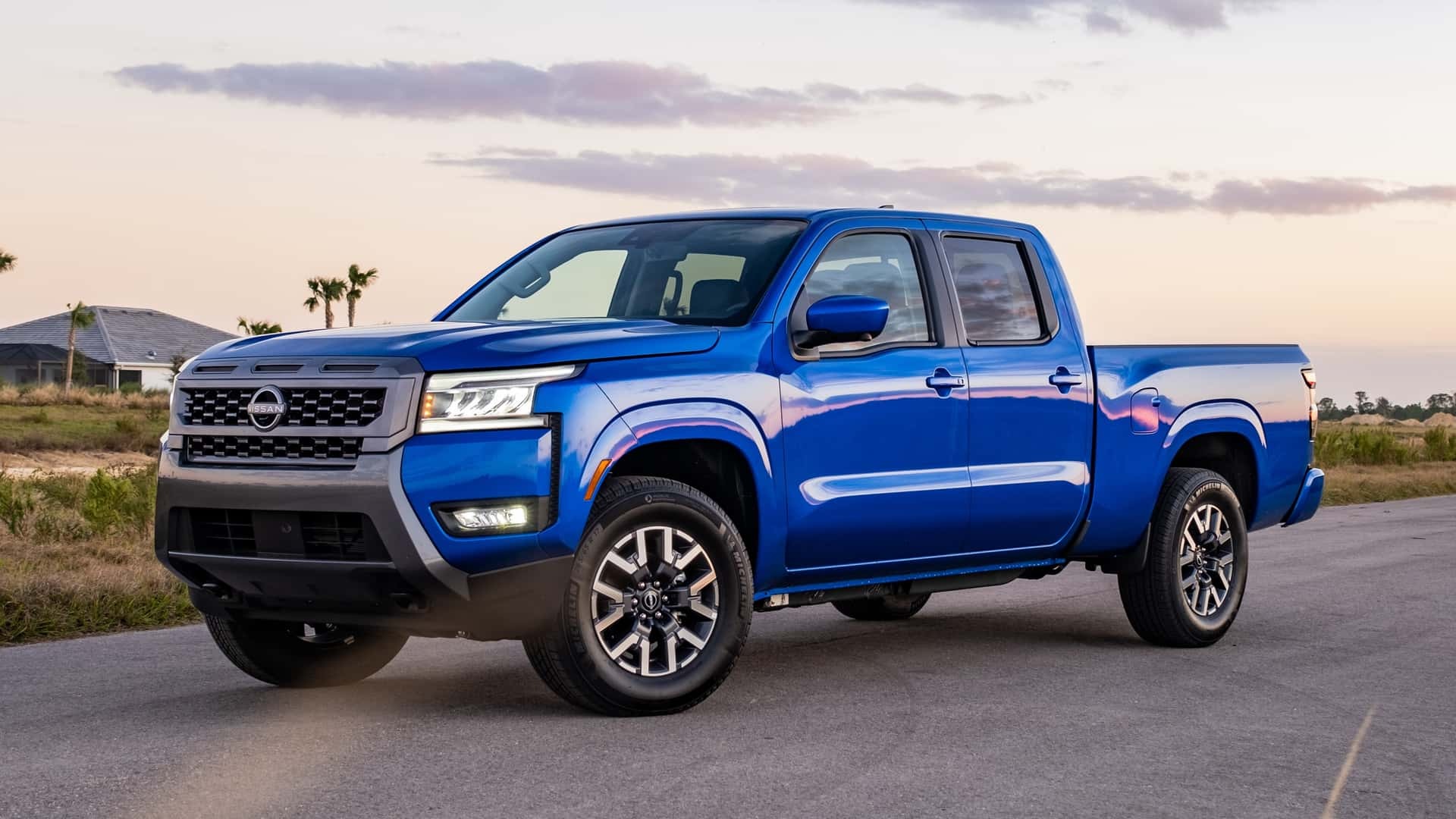
The Frontier doesn’t get nearly the attention that Toyota’s trucks receive, yet it earns a real place on this list with 8.5% of examples staying with their original owners past fifteen years, about 1.3 times the segment average.
For a long stretch, Nissan kept the Frontier’s platform largely unchanged, which sounds like a downside on a spec sheet but turned into an advantage for long-term ownership.
A vehicle built on a proven architecture tends to have fewer unknowns, fewer first-year bugs, and parts availability that stays strong because the same components get used across several model years.
Owners who kept their Frontiers past the decade mark often describe a truck that never impressed anyone at a stoplight but also never left them stranded on the side of the highway.
That’s a trade worth making for plenty of buyers. The midsize footprint helps here as well, sparing the drivetrain from the punishment that heavier-duty trucks absorb during years of towing trailers or hauling gravel.
Add in a base engine known for shrugging off high mileage, and you get a truck that quietly outlasts flashier competitors. It’s worth noting that the Frontier has historically appealed to buyers who want a working vehicle without a luxury price tag, and that practical mindset seems to extend to how these trucks get maintained.
People who buy something for function rather than status tend to keep it running rather than swap it out the moment something newer catches their eye, which lines up neatly with what this ownership data shows.
4. GMC Canyon
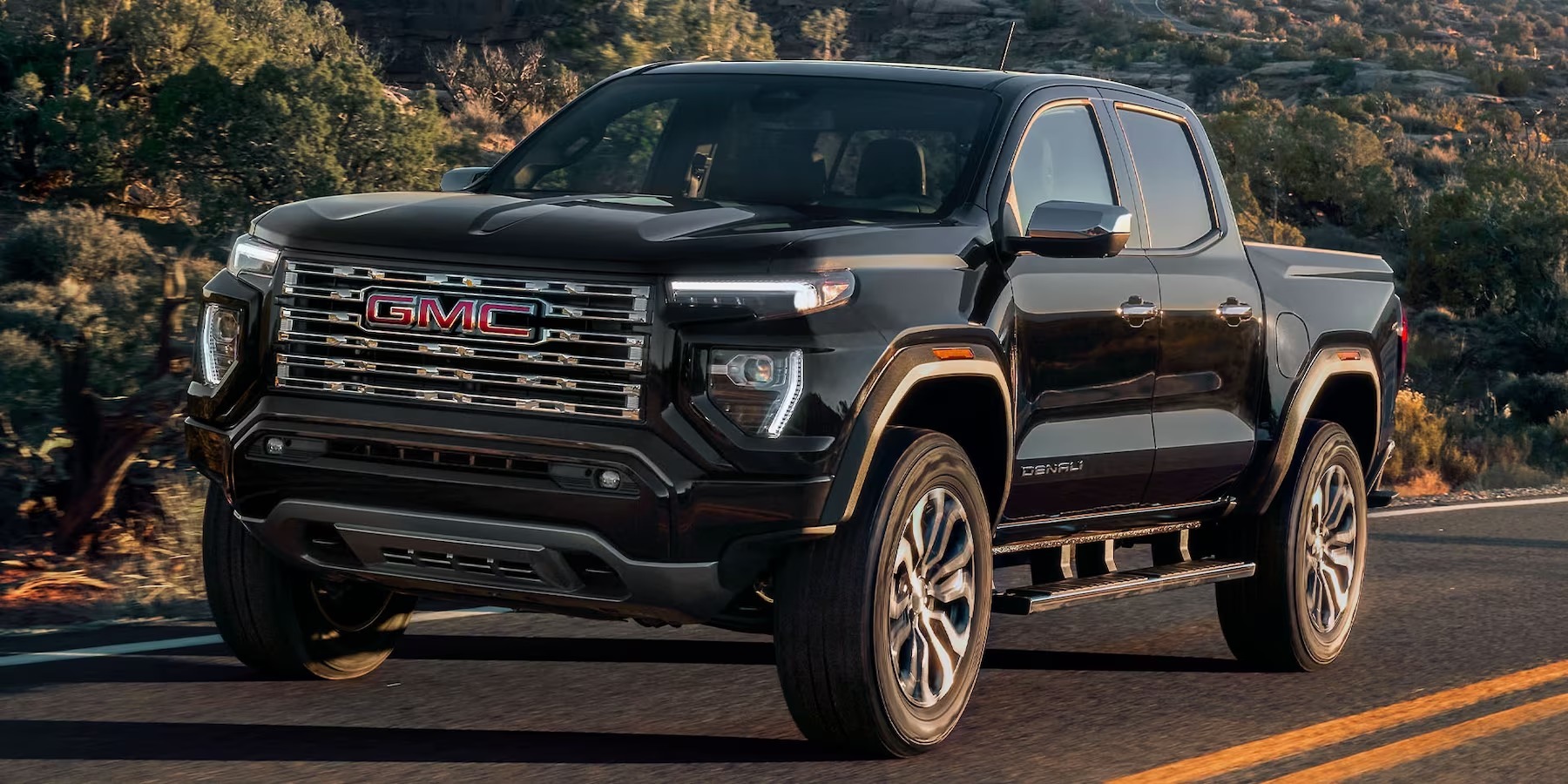
The GMC Canyon records a 7.8% 15-year original-owner retention rate, about 1.2 times the 6.3% pickup average. That puts this midsize truck above several larger full-size pickups in the same iSeeCars study.
The Canyon shares its basic platform with the Chevrolet Colorado, giving the two trucks similar foundations while allowing GMC to offer its own styling, equipment, and trim choices.
For buyers who want useful truck capability without the size of a full-size pickup, the Canyon can offer a practical middle ground. Long-term ownership can also depend on how a truck is used.
A vehicle primarily used for commuting, errands, recreation, or occasional hauling may experience different wear from one that spends years carrying heavy loads or working every day. Mileage, maintenance, weather exposure, and driving habits all contribute to a truck’s condition as it ages.
The Canyon’s 7.8% figure does not guarantee that every example will reach 15 years without major repairs. It simply shows that the share of qualifying older Canyons still with their original owners was above the pickup average.
With a 1.5-percentage-point advantage over the segment average, the Canyon earns its place among the five light-duty pickups with the highest 15-year original-owner retention in the iSeeCars analysis.
5. Chevrolet Colorado
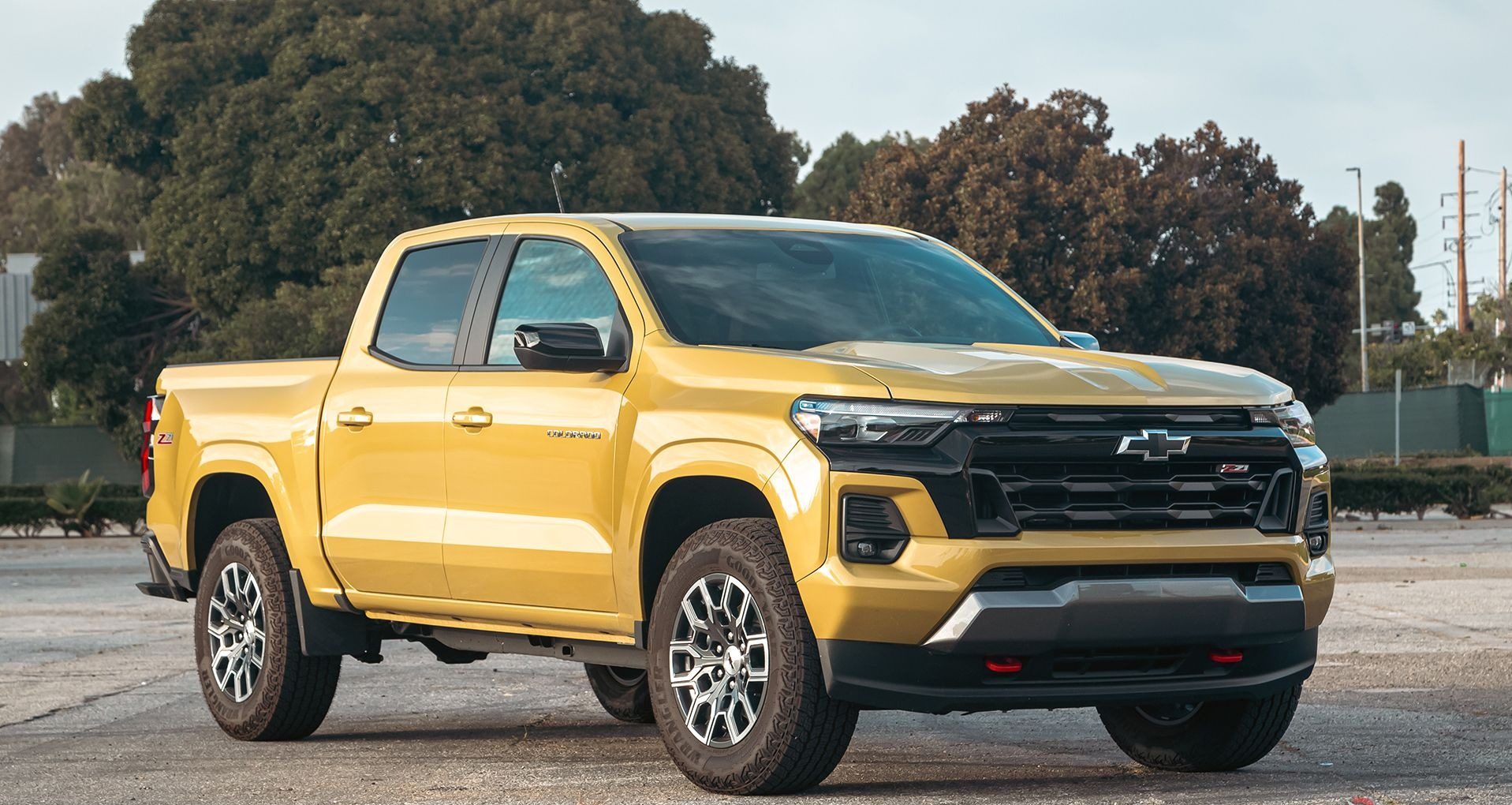
The Chevrolet Colorado finishes the five higher-retention pickups with a 7.6% 15-year original-owner retention rate, compared with the 6.3% pickup average. That puts it at roughly 1.2 times the segment rate.
Its result sits very close to the GMC Canyon’s 7.8%. The two midsize pickups share an underlying platform, helping explain their similar placement in the iSeeCars study. Both provide truck utility without the larger dimensions of a full-size pickup.
That size can appeal to owners who need a bed for home projects, recreation, equipment, or occasional hauling but do not require maximum towing or cargo capacity. A midsize truck can also be easier to use as everyday transportation.
The Colorado’s position adds another brand to a list led by Toyota and followed by Nissan, GMC, and Chevrolet. It shows that strong 15-year original-owner retention is not limited to one manufacturer.
The 7.6% figure is not a guarantee of reliability for every Colorado. Mileage, service history, accident history, corrosion, repairs, and previous use can make two trucks of the same age very different.
Still, the Colorado sits 1.3 percentage points above the 6.3% pickup average, giving it one of the stronger 15-year original-owner retention rates in the iSeeCars light-duty pickup study.
5 Trucks That Are Not
1. GMC Sierra 1500
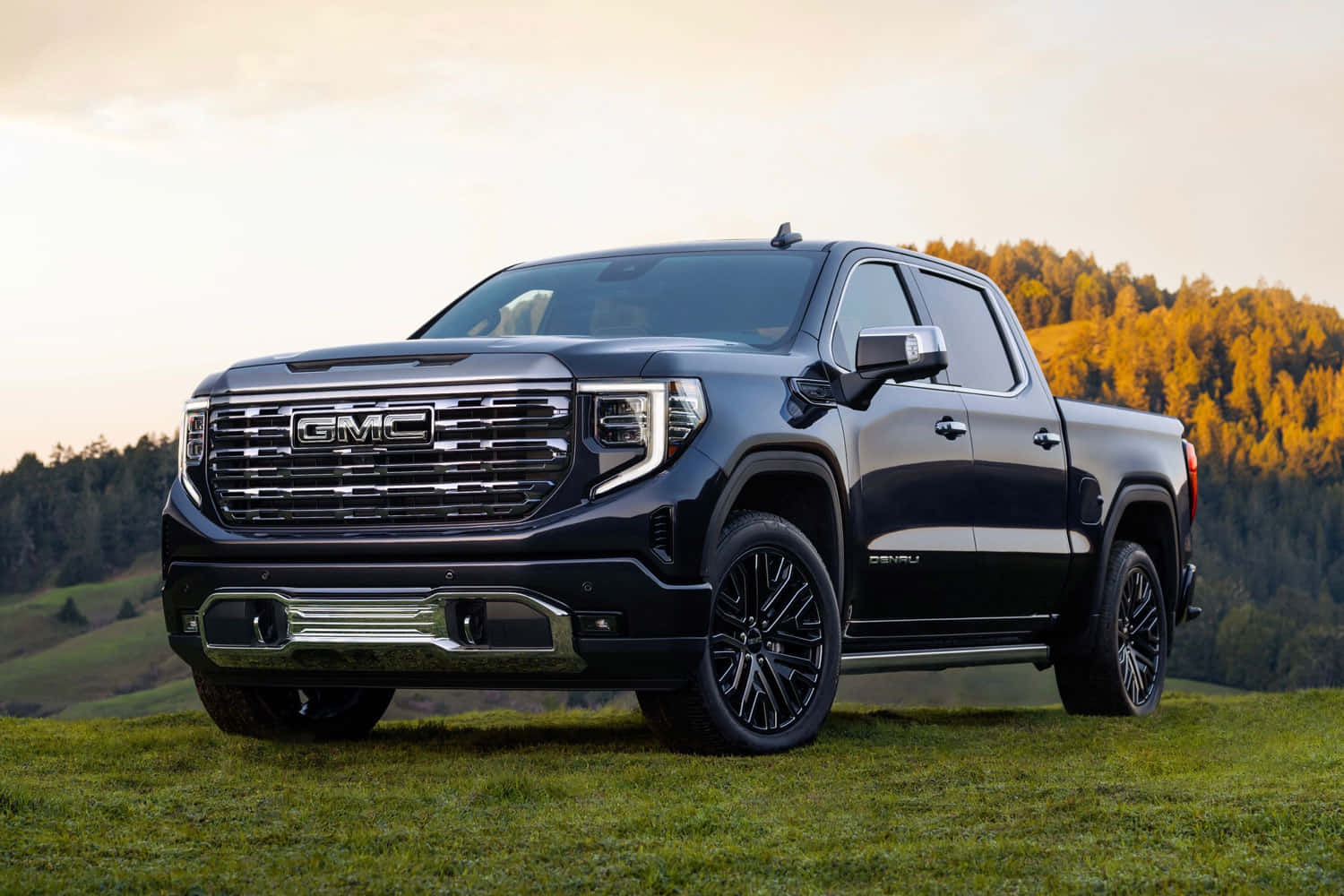
Sitting at the very bottom of this list is the GMC Sierra 1500, with just 5.0% of examples staying with their original owners past fifteen years, below the 6.3% pickup average.
That might seem strange for a truck built on GM’s well-regarded full-size platform, shared with the Chevrolet Silverado, but a few practical factors explain it.
Full-size trucks like the Sierra often get bought specifically for towing, hauling, and job-site work, and that kind of heavy use accelerates wear on transmissions, suspension components, and drivetrains far faster than a truck used mostly for commuting.
A Sierra pulling a trailer every weekend or hauling tools to a work site five days a week simply accumulates stress that a lightly used midsize truck never experiences. There’s also a resale pattern at play.
Sierra owners, particularly those who lease or finance through GM’s commercial programs, often trade in for a newer model once warranty coverage runs out or once financing terms encourage an upgrade.
That behavior has nothing to do with the truck breaking down and everything to do with how these vehicles get positioned in the market, frequently sold to buyers who plan to cycle through a new one every five to seven years rather than hold on indefinitely.
Higher price points on well-equipped Sierra trims can also push original owners toward trading in sooner, since a truck with more equipment tends to retain stronger resale value, making an upgrade more financially appealing than holding on for another decade.
2. Ford F-150
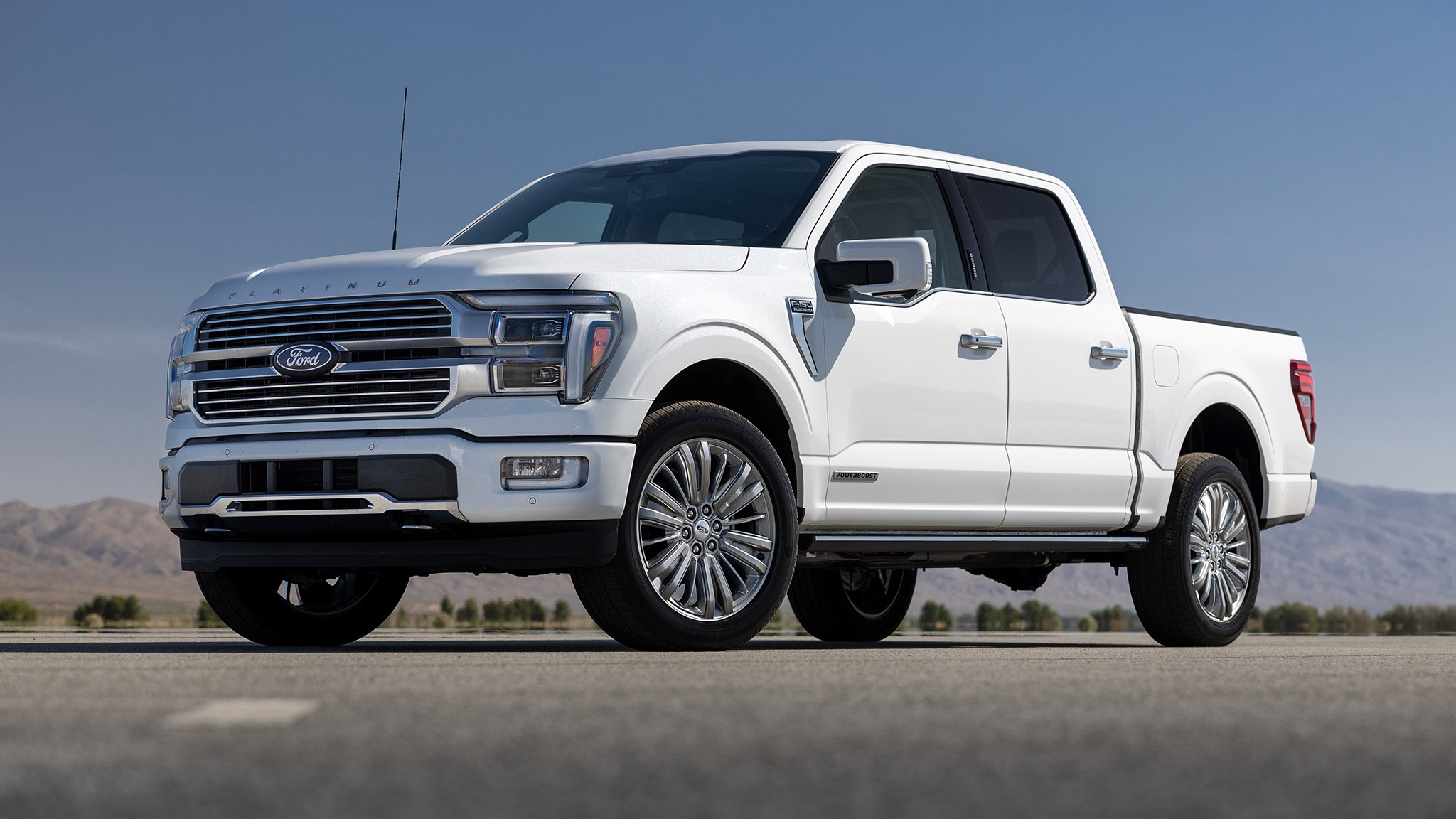
It might feel counterintuitive that America’s best-selling pickup for decades sits near the bottom of this list at 5.1%, below the segment average despite its massive sales numbers and broad reputation for capability. But sales volume and long-term retention measure two very different things.
The F-150 gets bought by an enormous range of people, from contractors putting serious mileage on their trucks every month to weekend drivers who simply like the way it looks in the driveway, and that wide range of use cases means a wide range of outcomes when it comes to how long any single owner keeps one.
Ford also refreshes the F-150 on a fairly aggressive cycle, introducing new engine options, updated technology, and styling changes often enough that some owners feel pulled toward the newer version rather than sticking with what they already have.
Trucks used for towing boats, trailers, and heavy equipment, which describes a large share of F-150 buyers, tend to show wear sooner than lighter-duty vehicles, and that wear can nudge owners toward replacement before the fifteen-year mark rather than after it. Financing and leasing patterns matter here too.
A truck this popular attracts a huge number of buyers on standard loan or lease terms built around five- or six-year cycles, and once that term ends, trading in for a new model with updated safety features and technology often makes more practical sense to the owner than holding onto the old one.
None of this suggests a durability problem so much as a pattern shaped by how, and by whom, these trucks get driven.
3. Ram 1500
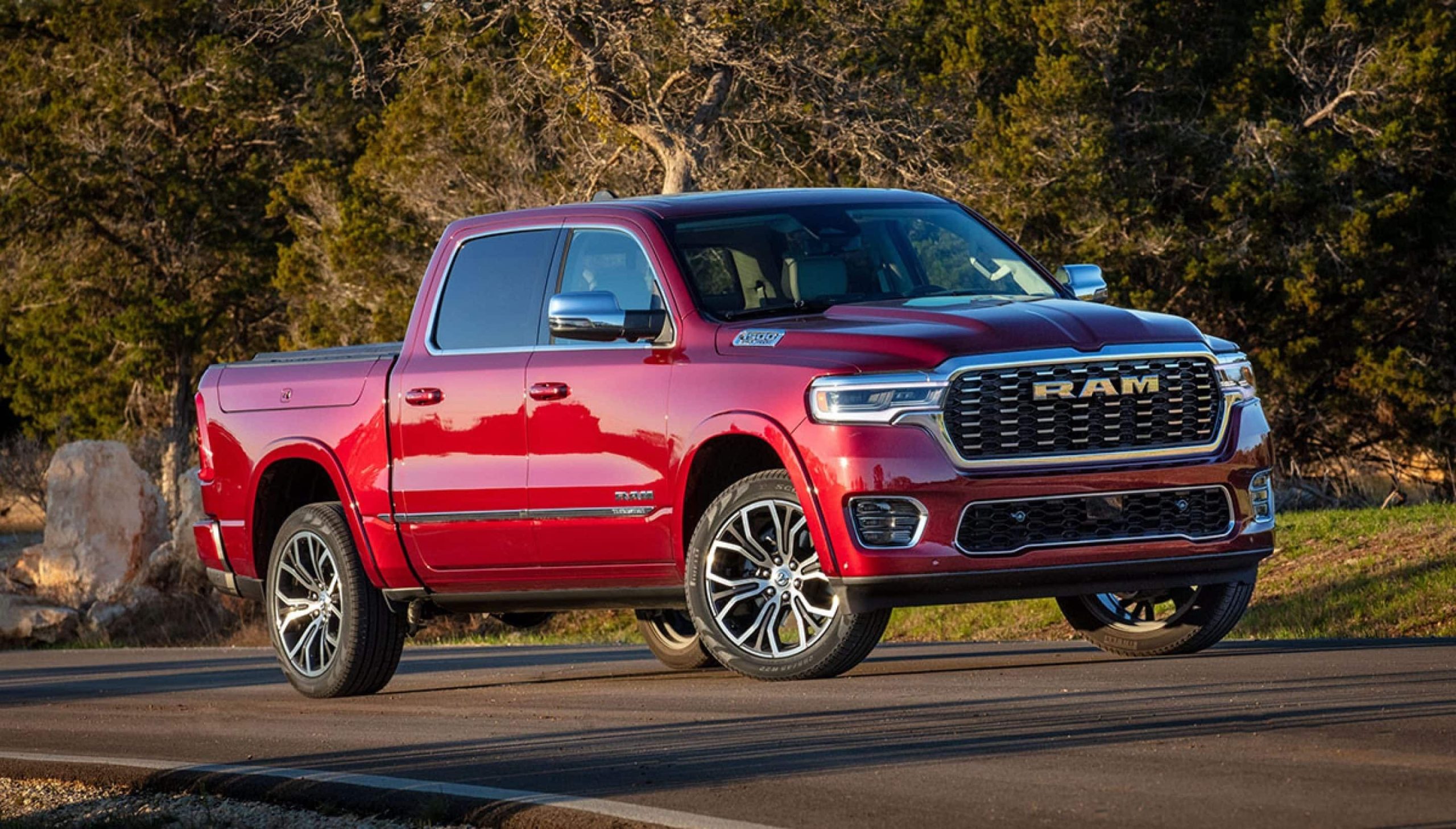
The Ram 1500 records a 5.2% 15-year original-owner retention rate, another result below the 6.3% pickup average. In the iSeeCars table, that works out to approximately 0.8 times the segment figure.
The Ram’s placement does not mean older examples are automatically poor choices. It means the share of qualifying trucks that remained with their original owners for at least 15 years was lower than the pickup average in this study.
That distinction matters because the Ram 1500 has a broad customer base. It can be purchased as a daily driver, family vehicle, work truck, towing vehicle, or general-purpose pickup. Different owners have different reasons for replacing their trucks, and those decisions can affect a 15-year ownership statistic.
The model’s 5.2% rate is only 0.4 percentage points below the 6.3% segment average, so it sits relatively close to the middle of the comparison rather than far below every other pickup. Its figure is also higher than the Sierra 1500 and F-150 results in this particular group.
Another iSeeCars study estimates a potential lifespan of 215,521 miles for the Ram 1500. Again, that is a different measurement from the 15-year ownership statistic, but it illustrates why longevity should not be reduced to one number.
A truck may accumulate substantial mileage while passing through several owners. For anyone evaluating an older Ram 1500, the actual truck matters more than the percentage alone.
Engine choice, transmission condition, service history, mileage, corrosion, suspension wear, and previous towing or hauling duties can all affect what happens after many years.
The 5.2% result simply places the Ram 1500 below the pickup average for original-owner retention at 15 years.
4. Ford Ranger
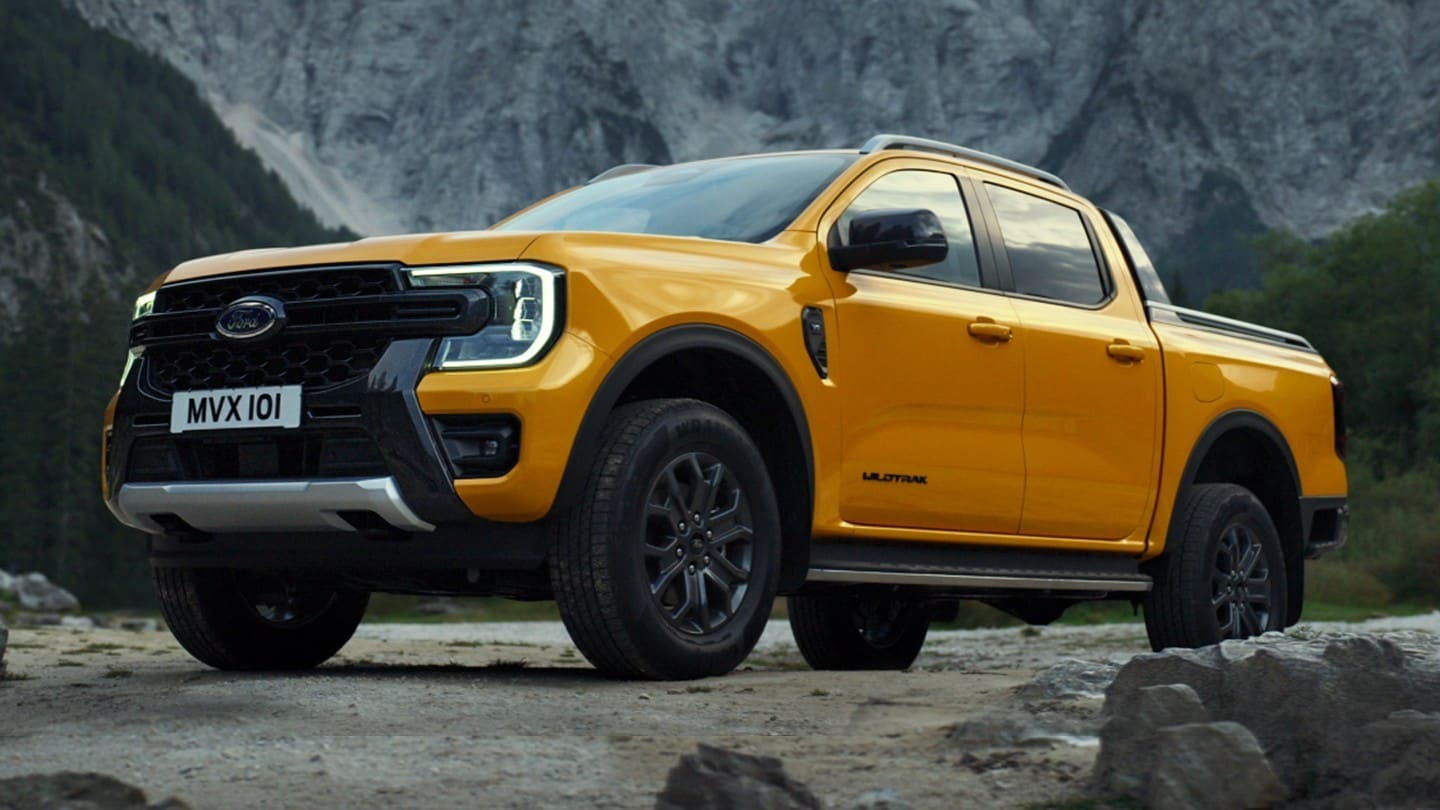
The Ford Ranger has a 5.3% 15-year original-owner retention rate, below the 6.3% light-duty pickup average. iSeeCars lists the figure at approximately 0.8 times the pickup segment average.
The Ranger’s position is interesting because it is a midsize pickup, while several other trucks in the lower five are full-size models. That shows vehicle size alone does not determine long-term original-owner retention.
The Ranger has also performed well in separate iSeeCars research. A study of five-year-old used trucks ranked the Ranger highly for expected remaining lifespan and cost per remaining year.
However, that research measured a different group of vehicles and a different type of longevity, so it should not be combined directly with the 15-year ownership figure.
The 5.3% rate is 1.0 percentage point below the pickup average. It also sits above the F-150, Ram 1500, and Sierra 1500 in this group.
For an older Ranger, maintenance history matters. Mileage, hauling, off-road use, weather exposure, corrosion, suspension wear, and electrical condition can all affect an individual truck.
The iSeeCars figure places the Ranger below the segment average for 15-year original-owner retention, but it does not predict whether a specific Ranger will remain roadworthy.
5. Chevrolet Silverado 1500
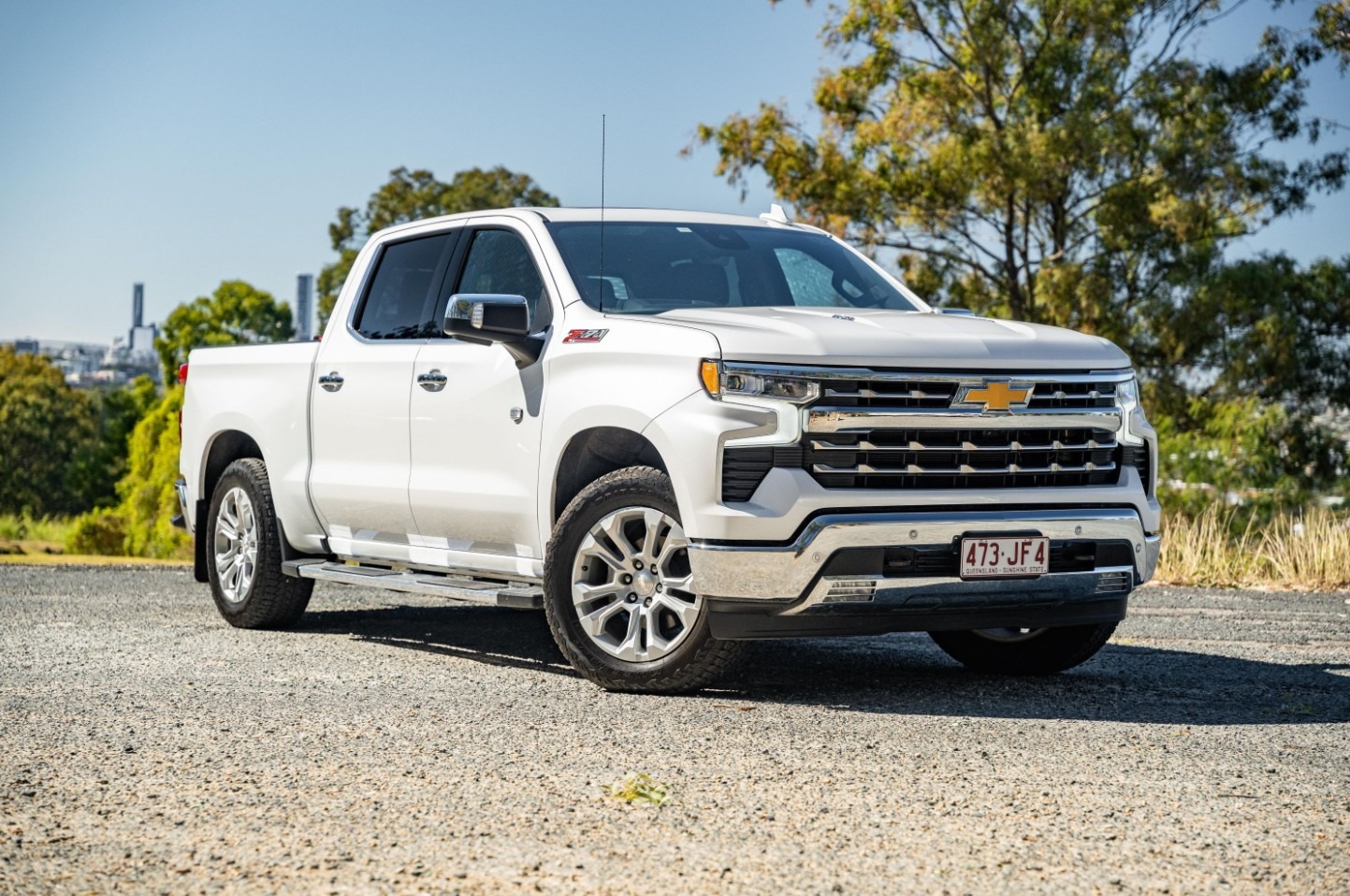
The Chevrolet Silverado 1500 records a 6.0% 15-year original-owner retention rate, just below the 6.3% light-duty pickup average. It is the closest of the five lower-ranked trucks to that benchmark.
The difference is fairly small. The Silverado trails the average by just 0.3 percentage points, while iSeeCars estimates it at about 0.9 times the average for pickups.
The Silverado’s result also shows why popularity and long-term original ownership are different measurements. Many full-size pickups change owners before reaching 15 years, even when they continue operating for many additional years.
Separate iSeeCars research estimated a potential lifespan of 230,515 miles for the Silverado 1500. That figure measures potential mileage longevity, while the 6.0% figure measures original-owner retention. The two statistics therefore answer different questions.
For anyone considering an older Silverado, the individual truck’s condition matters more than a single percentage. Service records, mileage, towing history, corrosion, previous repairs, and general maintenance can all affect its condition.
The 6.0% figure simply places the Silverado slightly below the pickup average for 15-year original-owner retention. It does not mean Silverado trucks cannot remain in service for 15 years or longer.
