
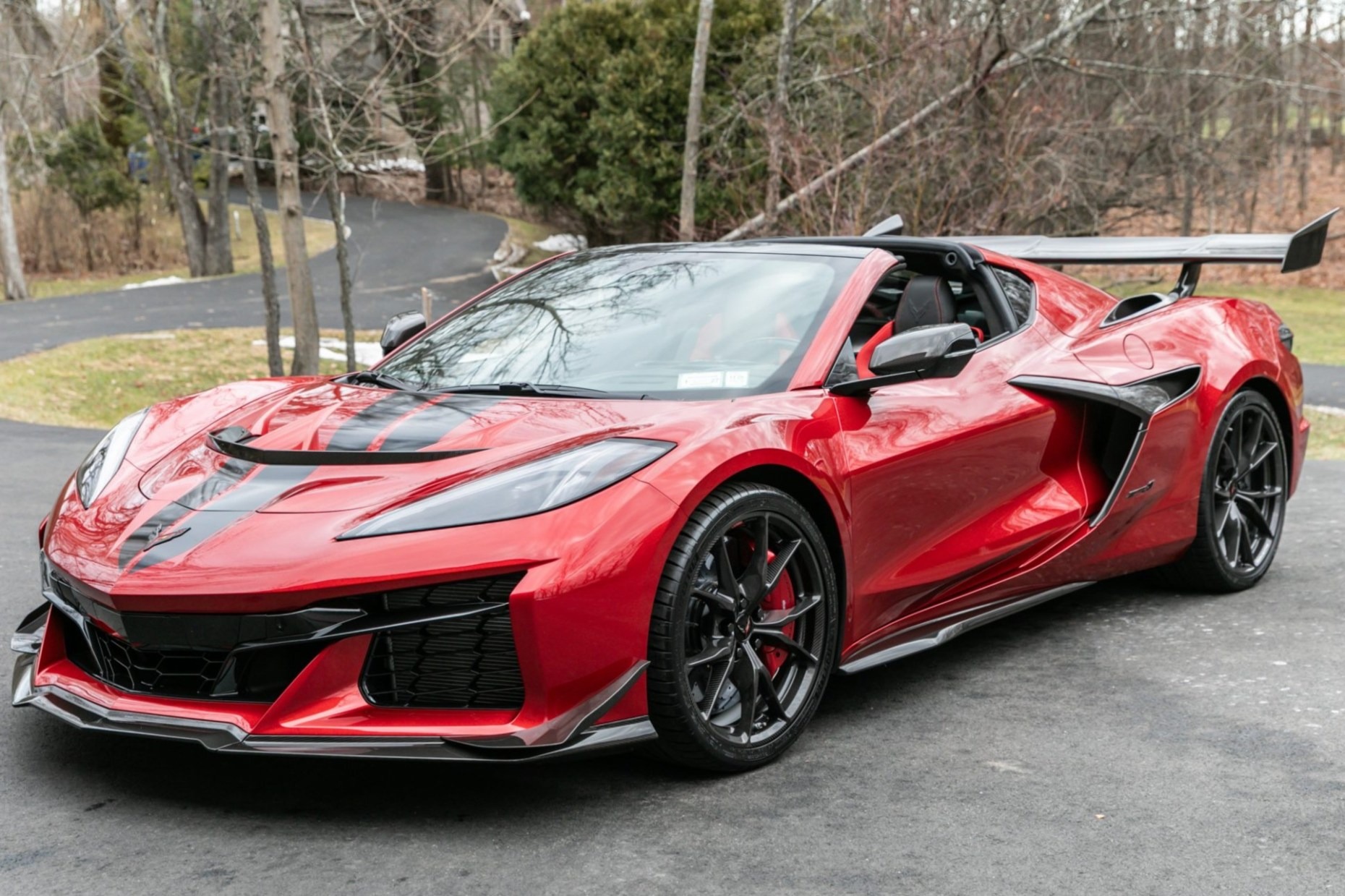
Fuel economy can make a large difference in the cost of owning a car. Using the 2026 EPA Fuel Economy Guide and a 15,000-mile annual driving assumption, the gap between the most efficient and least efficient vehicles becomes easy to see. Some cars in this group are estimated to use less than $1,000 worth of fuel per year, while several high-performance models exceed $3,500.
The numbers below focus on specific 2026 configurations, since trim, engine, drivetrain, and fuel type can change an EPA estimate. Each example uses the annual fuel-cost figure supplied by the EPA, making the comparison useful for anyone who wants a look at gasoline spending. Here are five cars at the low end, followed by five that sit above $2,800 per year. That makes the list a way to compare fuel budgets before buying.
5 Cars That Cost Under $1,400 to Fuel
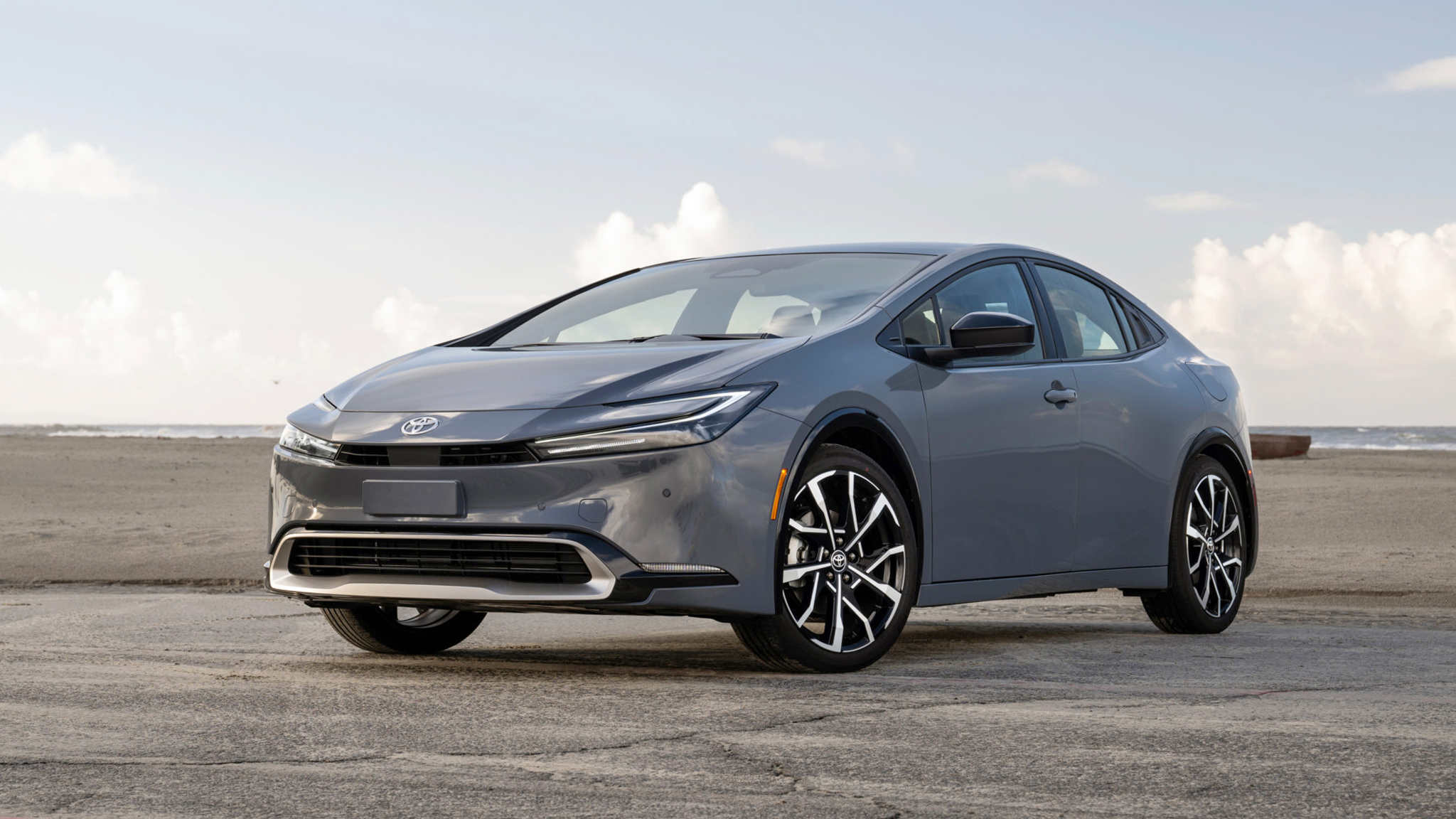
1. Toyota Prius (2026)
At 57 MPG combined, the 2026 Toyota Prius makes a strong case for keeping fuel spending low without asking drivers to give up a conventional gasoline-powered vehicle.
The EPA rating is 57 MPG in city driving and 56 MPG on the highway for the standard configuration. Using 15,000 miles of annual driving and the fuel-price assumptions used in the 2026 EPA Fuel Economy Guide, that configuration carries an estimated yearly fuel bill of $750.
That figure works out to about $62.50 per month when the annual estimate is divided into 12 equal parts. The Prius needs fewer gallons to cover the same 15,000 miles than a vehicle returning 30 MPG, even before considering differences in fuel prices.
There is an important detail when comparing Prius listings. The $750 estimate applies to the standard configuration. Prius versions with all-wheel drive or different equipment can have different fuel-economy ratings and fuel-cost estimates. Buyers checking a specific vehicle should therefore match the exact configuration with its EPA listing.
For drivers looking to minimize annual fuel costs, the Prius stands out at the low end of this group. With a combined rating of 57 MPG and an estimated annual fuel expense of $750, it shows how strong fuel efficiency can significantly reduce the budget required for everyday driving.
2. Chevrolet Corvette ZR1 (2026)
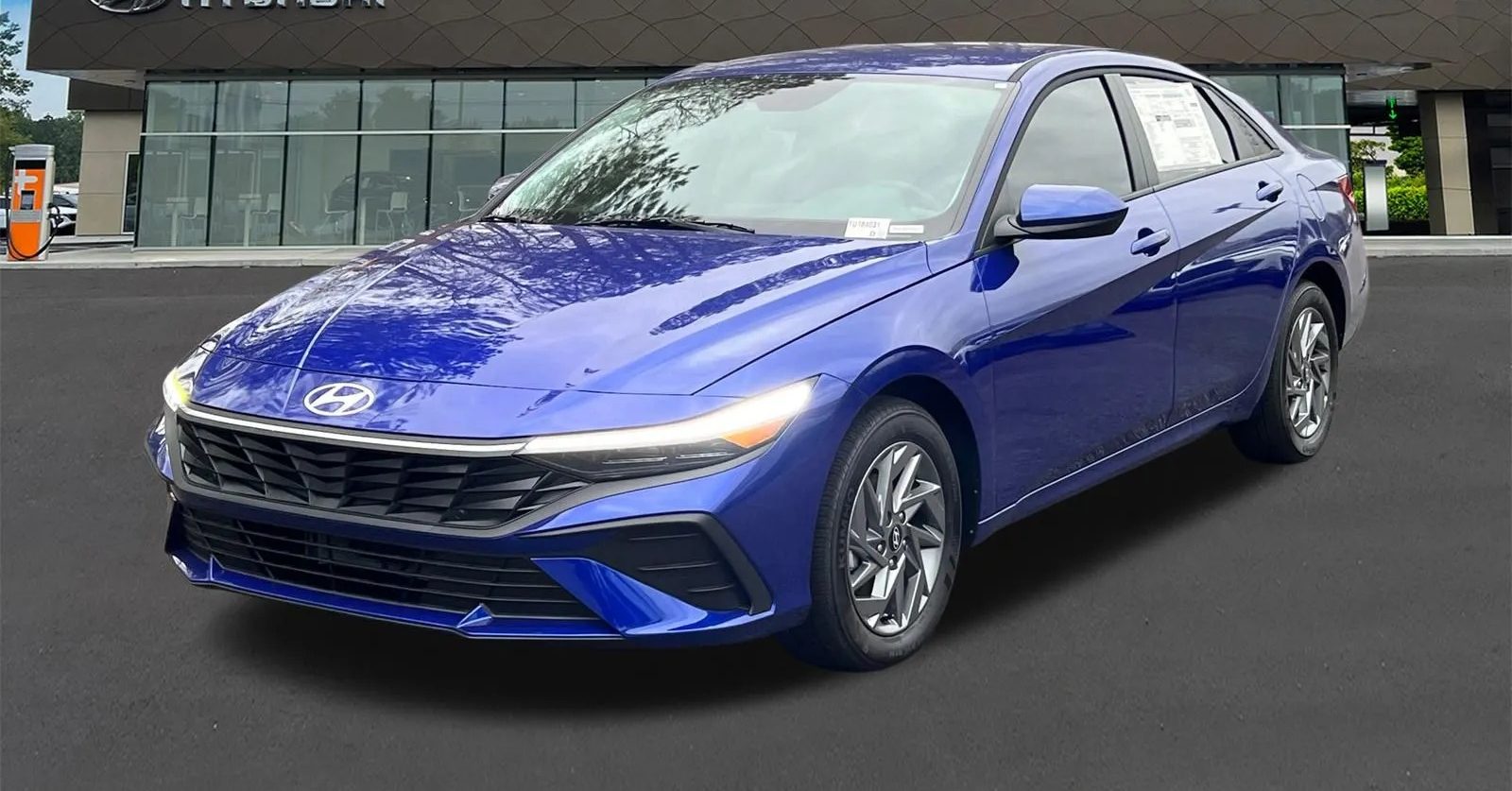
Hyundai’s Elantra Hybrid Blue trim earns its spot on this list with 54 MPG combined, backed by 51 MPG in city driving and an impressive 58 MPG on the highway.
The 2026 Fuel Economy Guide places its annual fuel cost at $800 for 15,000 miles of driving, which puts it among the cheapest cars to fuel in the entire compact sedan class.
Other Elantra Hybrid trims return 50 MPG combined and land closer to $900 a year, so the Blue trim stands apart as the value pick within its own lineup.
Sedans don’t always get the credit they deserve next to flashier SUVs, but the Elantra Hybrid quietly does its job without drama. It’s the kind of car that disappears into your routine, not because it’s forgettable, but because it never gives you a reason to think about fuel stops.
Highway commuters in particular benefit from that 58 MPG rating, since long stretches at steady speed are exactly where hybrid powertrains like this one perform best.
Numbers on paper only mean so much until you translate them into daily life. At roughly $67 a month in fuel, the Blue trim frees drivers from constant trips to the pump, and that convenience matters just as much as the savings.
When Hyundai’s warranty coverage is combined with the reliability reputation of this Elantra generation, the trim becomes worth considering for more than just its price. Efficiency is not simply an added benefit here. It is a central part of the vehicle’s design and purpose.
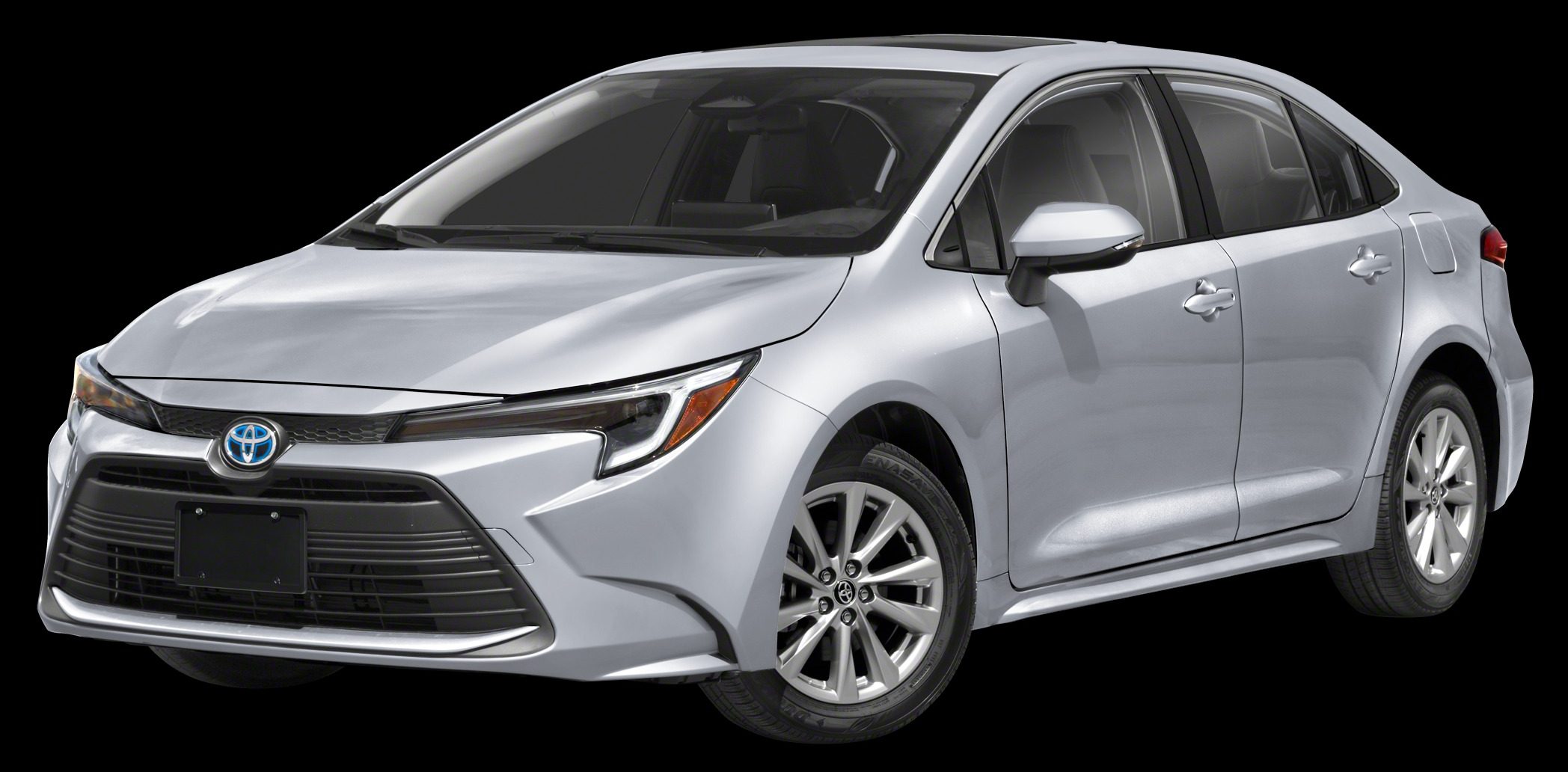
3. Toyota Corolla Hybrid (2026)
Toyota doubles up on this list with the Corolla Hybrid, a car built around the idea that everyday driving shouldn’t come with a hefty fuel bill.
Rated at 50 MPG combined, with 53 MPG city and 46 MPG highway, the standard configuration earns a $900 annual fuel cost estimate from the EPA’s 2026 guide.
That places it just behind its Prius sibling but still firmly in bargain territory compared to most compact cars on the road today. Buyers should pay attention to trim details here, because the AWD and SE versions carry lower combined ratings and a slightly higher yearly cost.
It’s a reminder that even within one nameplate, the numbers aren’t one size fits all, and shoppers hunting for the lowest possible fuel spending need to check the specific configuration before assuming the headline figure applies to their exact car.
Where the Corolla Hybrid shines is in its balance. It doesn’t ask drivers to give up the compact sedan experience they’re used to in exchange for better mileage.
Acceleration feels adequate, the cabin is comfortable for the segment, and Toyota’s hybrid system has years of proven durability behind it. That track record matters to buyers who want savings today without worrying about costly repairs tomorrow.
At $75 a month in estimated fuel costs, the Corolla Hybrid makes a case for itself as one of the smartest choices for anyone who drives a lot of miles but doesn’t want a large monthly gas bill following them around.
4. Kia Niro FE (2026)
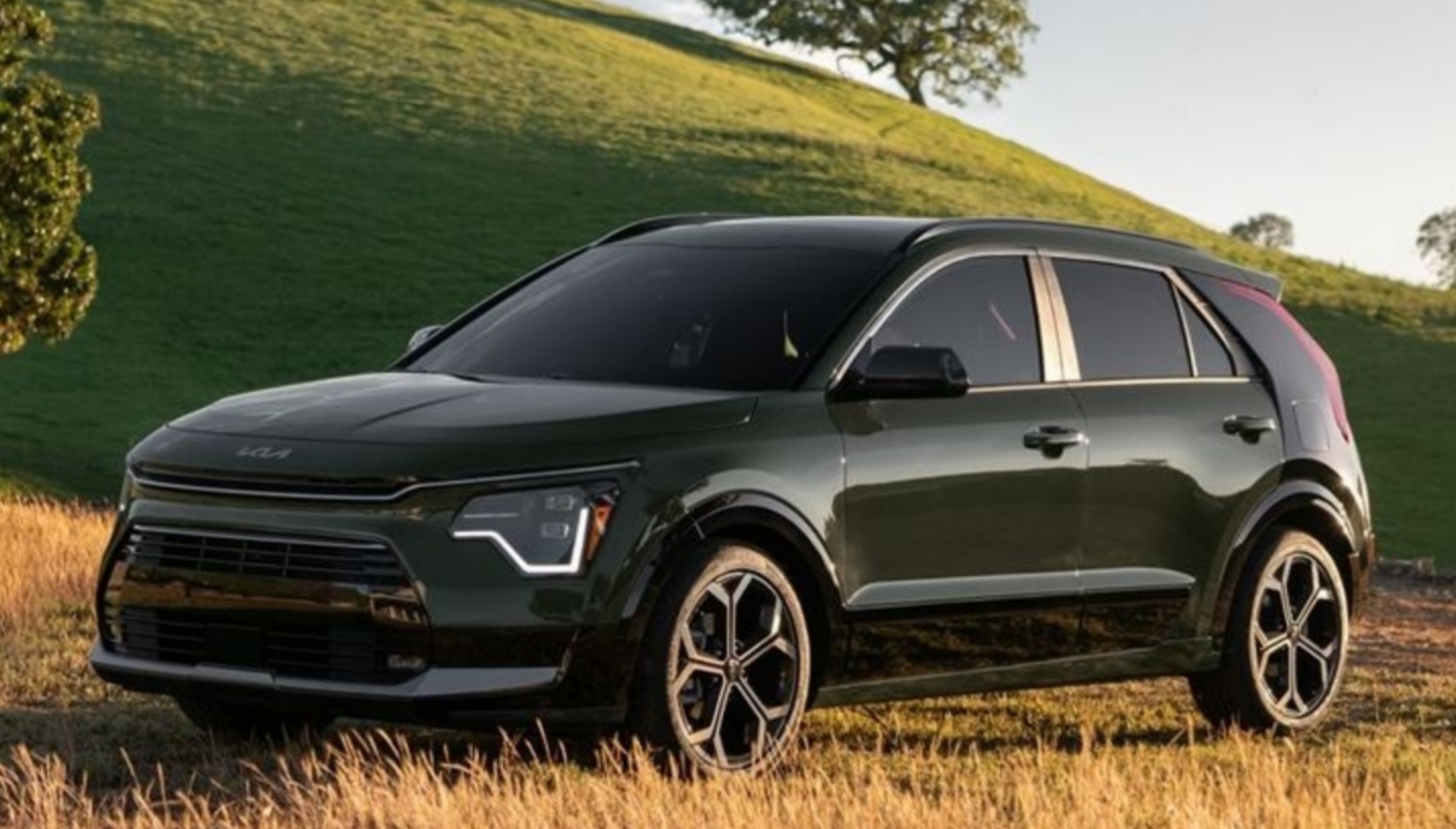
The Kia Niro FE takes the standard Niro hybrid and tunes it specifically for maximum efficiency, and the results back that up clearly. For 2026, the EPA lists it at 53 MPG combined, with matching 53 MPG city and 54 MPG highway ratings, translating to an $850 annual fuel cost across 15,000 miles.
Compare that to the regular Niro’s 49 MPG combined rating and $900 yearly estimate, and the FE trim’s extra efficiency becomes obvious even before you consider the crossover styling that makes it more practical than a typical sedan.
Crossovers usually come with a fuel penalty compared to sedans, so seeing the Niro FE land this close to hatchback-level efficiency is worth noting.
Buyers get a taller seating position, easier cargo access, and a shape that appeals to families, all without paying the fuel penalty that usually comes bundled with that kind of practicality. It’s proof that body style and efficiency aren’t always at odds with each other.
At roughly $71 a month, the FE trim offers one of the better combinations of practicality and low running costs available right now. Kia has also built a strong warranty program around its hybrid lineup, which adds peace of mind for buyers who want confidence that their low fuel bills won’t be offset by expensive repairs down the road.
For anyone cross-shopping small SUVs against sedans purely on running costs, the Niro FE deserves a serious look before signing anything.
5. Honda Accord Hybrid (2026)
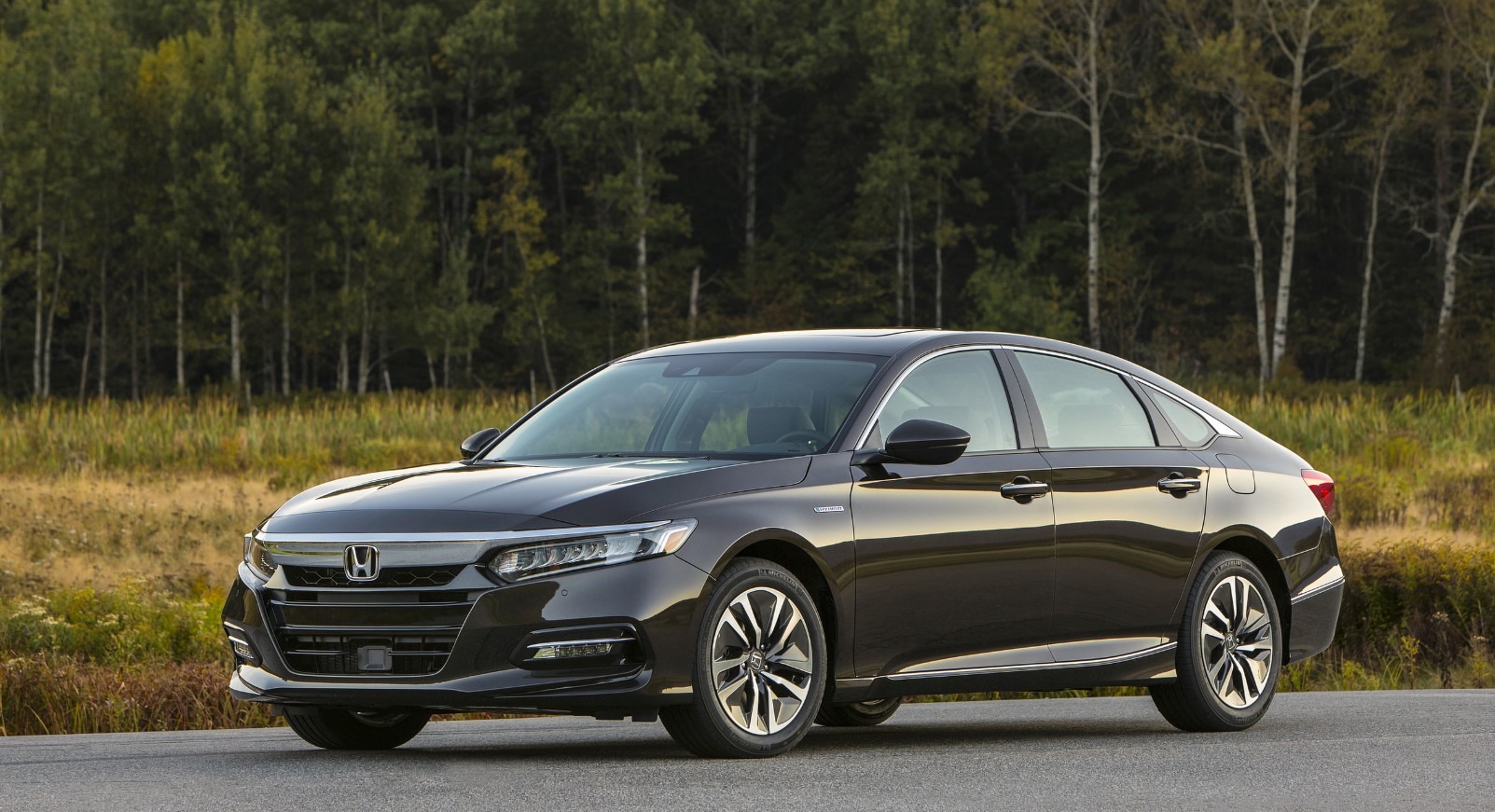
The 2026 Honda Accord Hybrid belongs on a low-fuel-cost list, but its EPA numbers need to be stated correctly. The 2026 Fuel Economy Guide lists the Accord Hybrid Sport/Touring at 45 MPG combined, with 48 MPG city and 42 MPG highway.
Based on 15,000 miles of annual driving, the estimated fuel cost is $950. That is roughly $79.17 per month when the yearly estimate is divided by 12.
The calculation is meant only to illustrate the annual cost and does not represent a fixed monthly fuel bill. Actual expenses can vary significantly depending on gasoline prices and the vehicle’s real-world fuel economy.
The Accord Hybrid shows that a vehicle does not need to reach 50 MPG or more to remain in the low-cost group. At $950 annually, it is still $450 below the $1,400 cutoff used here.
That leaves plenty of room between its estimated fuel cost and the much higher figures associated with large-displacement performance cars.
Trim and configuration still matter, so shoppers should verify the EPA listing for the exact Accord Hybrid they are considering. For this article, the $950 estimate belongs to the 45 MPG Sport/Touring configuration identified in the 2026 guide.
For a 15,000-mile year, that $950 estimate remains far below the high-cost examples, giving the Accord Hybrid a very different fuel-budget profile.
5 Cars That Cost Over $2,800
1. Chevrolet Corvette Z06 (2026)
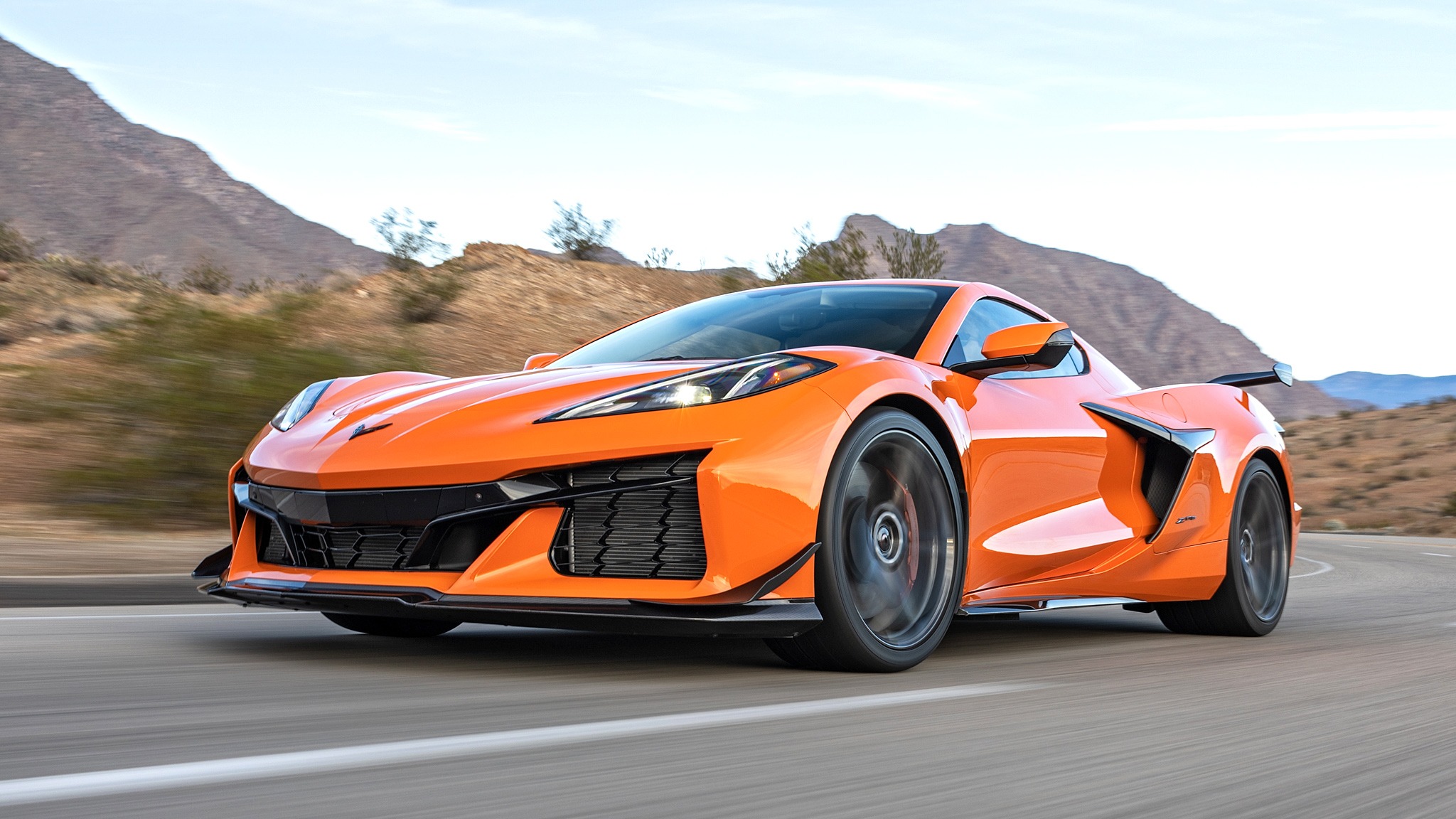
Performance has a price, and the Corvette Z06 makes that abundantly clear. Rated at 15 MPG combined, with 12 MPG in the city and 21 MPG on the highway, this sports car’s official EPA estimate lands at $3,850 a year for fuel.
That figure reflects its requirement for premium gasoline, which pushes the cost noticeably higher than a regular unleaded vehicle with similar mileage numbers would carry.
The estimate assumes the standard 15,000 miles of annual driving used throughout the EPA’s guide. None of this should shock anyone familiar with what the Z06 actually is.
Its high-revving naturally aspirated V8 was built to deliver track-capable performance, not commuter-friendly economy. Owners of a car like this typically understand the trade-off going in, choosing acceleration numbers and cornering grip over anything resembling frugality.
That’s simply the nature of a car built around a race-bred engine rather than a fuel-sipping hybrid system. Still, $3,850 a year translates to roughly $321 a month spent purely on gasoline, a number that puts real weight on the decision to own this car as a daily driver versus a weekend toy.
Insurance costs, tire replacement, and maintenance on a car this powerful only add to that monthly total. Anyone shopping for a Z06 should budget accordingly rather than treating the fuel expense as an afterthought, because premium gasoline at this consumption rate adds up faster than most buyers expect once the excitement of ownership settles into routine.
2. Cadillac CT5-V Blackwing (2026)
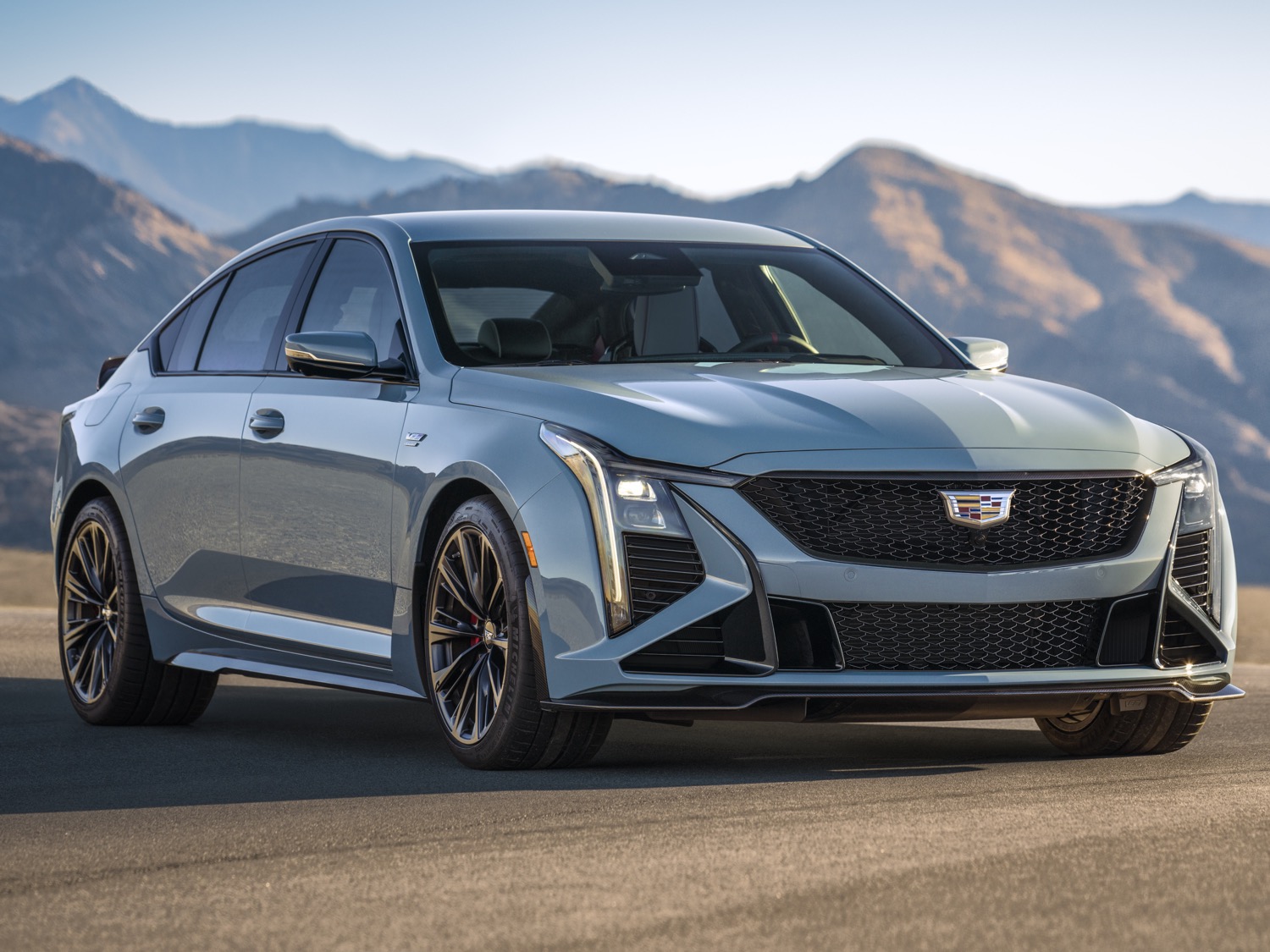
Under its hood, the CT5-V Blackwing houses a 6.2-liter supercharged V8, and that kind of displacement comes with predictable consequences at the pump.
The EPA rates it at 15 MPG combined, split between 13 MPG in the city and 20 MPG on the highway. Both the automatic and manual transmission versions share an estimated $3,850 annual fuel cost.
Buyers should note that the smaller 3.0-liter CT5-V, a different engine entirely, carries a lower estimated cost of $2,750, so specifying the exact engine matters when comparing these figures.
Cadillac built the Blackwing to compete directly with German performance sedans, and it succeeds at that mission through raw power rather than compromise.
A supercharged V8 producing this much output was never going to sip fuel gently, and buyers who cross-shop this car against something like an M5 or an RS 7 already understand that performance sedans in this class share similar appetites for premium gasoline.
Breaking the $3,850 figure down monthly puts spending at around $321, matching the Z06’s total almost exactly. That consistency across the high-cost group isn’t a coincidence.
Cars built around big displacement engines chasing serious horsepower numbers tend to land in a similar fuel cost bracket regardless of brand.
For someone considering the Blackwing, that monthly fuel number should factor into the total ownership math alongside the car’s premium price tag and its specialized maintenance needs, since this isn’t a car built with budgeting in mind.
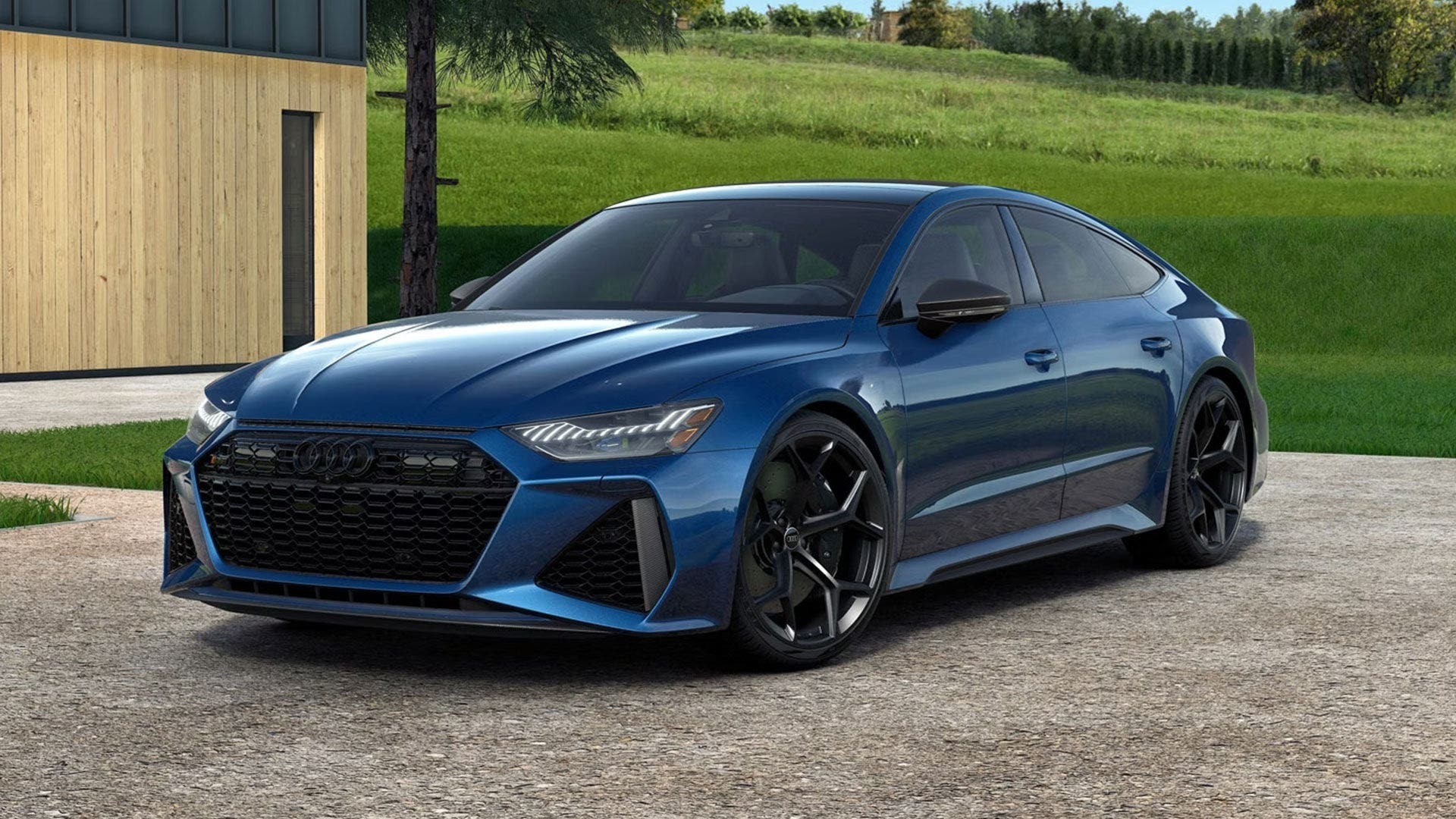
3. Audi RS 7 (2026)
Audi’s RS 7 blends a sleek four-door body with genuine supercar-level performance, and the fuel numbers reflect exactly that ambition. The 2026 EPA rating puts it at 16 MPG combined, with 14 MPG in the city and 21 MPG on the highway.
According to the official Fuel Economy Guide, that translates to $3,600 in estimated annual fuel spending, based on the standard 15,000-mile benchmark used throughout this comparison.
Like the other cars in this group, the RS 7 requires premium gasoline, which factors directly into that higher cost. What sets the RS 7 apart from the Corvette and Cadillac entries is its practicality.
This is a five-passenger fastback with real trunk space and all-wheel drive, built to function as genuine daily transportation rather than a purpose-built track machine.
That versatility comes at a cost, though, since moving a heavier, all-wheel-drive platform with this much power requires more fuel than a lighter, rear-drive sports car would need to achieve similar acceleration numbers.
At roughly $300 a month for gasoline, the RS 7 sits slightly below the Corvette and Cadillac in raw fuel spending, yet it remains firmly planted in the high-cost category.
Buyers drawn to this car are typically less focused on fuel receipts and more interested in the twin-turbo V8 soundtrack and the all-weather confidence that comes standard with Audi’s Quattro system. Fuel economy simply isn’t the priority when a car is engineered around this kind of dual-purpose performance.

4. Chevrolet Corvette Z06 Carbon Aero (2026)
The 2026 Chevrolet Corvette Z06 Carbon Aero represents an even higher fuel-cost figure than the standard Z06 example. The EPA lists this configuration at 14 MPG combined, with 12 MPG city and 19 MPG highway.
At 15,000 miles per year, its estimated annual fuel cost is $4,150 in the 2026 EPA Fuel Economy Guide. That annual amount equals about $345.83 per month when spread evenly across 12 months.
The calculation is useful for perspective, while the actual amount a driver pays will depend on gasoline prices and personal driving patterns. The one-MPG difference in combined efficiency between this configuration and the standard Z06 may look small, yet it corresponds to a higher EPA fuel-cost estimate.
The Carbon Aero version is listed at $4,150, compared with $3,850 for the standard Z06. City driving remains the toughest part of the rating, with 12 MPG.
The highway figure rises to 19 MPG, but the combined result remains 14 MPG. For a driver who spends much of the year in urban traffic, the city number can provide a useful reminder of why EPA combined MPG should not be treated as a guaranteed personal result.
This Corvette also shows why exact vehicle configurations matter when comparing fuel expenses. Two cars carrying the same basic model name can have different EPA ratings and annual costs.
At $4,150 per year, the Z06 Carbon Aero is the highest annual fuel-cost example in the supplied list, exceeding the $1,400 low-cost threshold by $2,750. That extra cost is tied to the specific EPA configuration, so the exact listing matters when comparing annual fuel budgets for Corvette models.
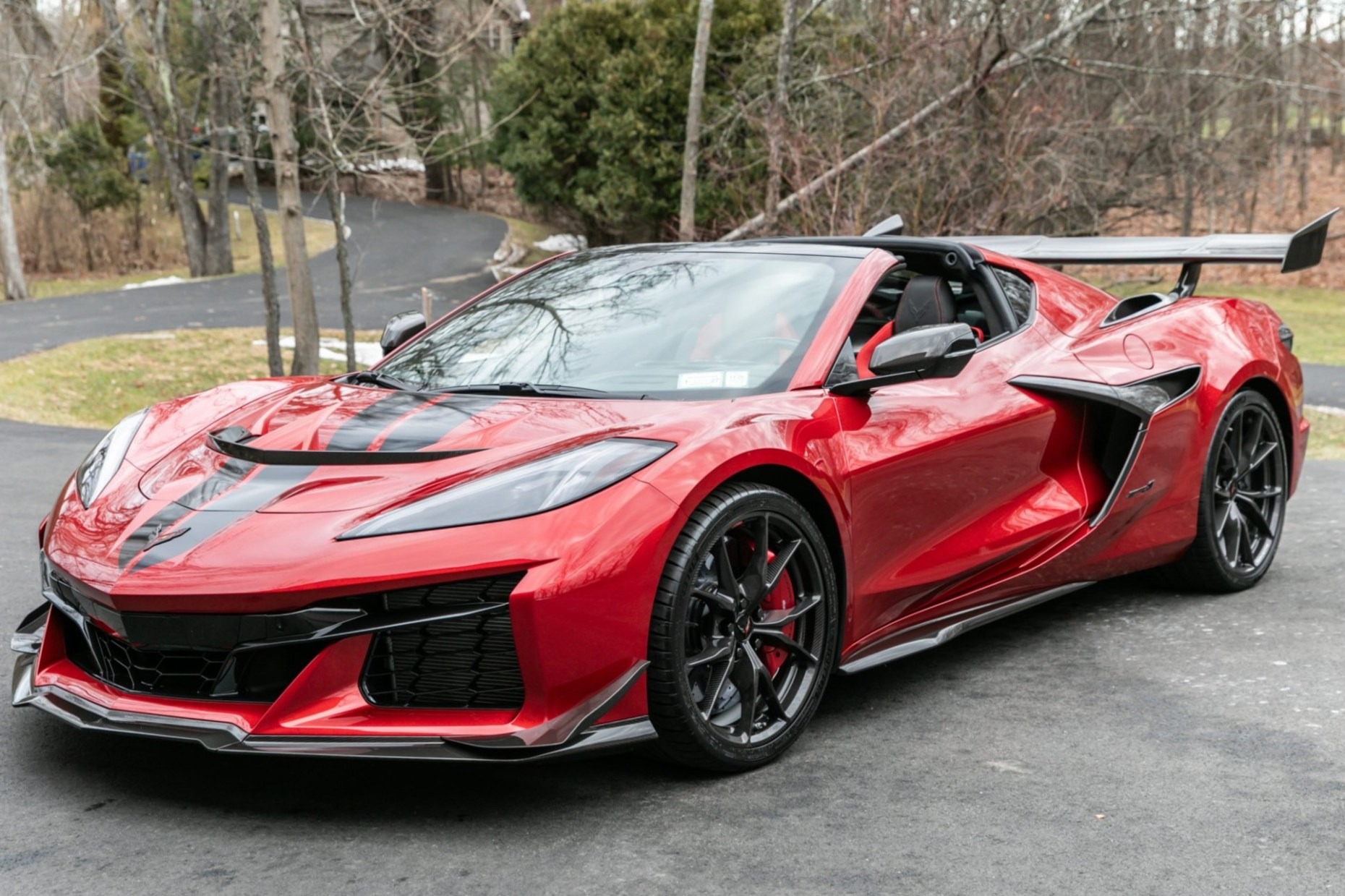
5. Chevrolet Corvette ZR1 (2026)
Sitting at the top of Chevrolet’s performance lineup, the ZR1 delivers the most extreme numbers in this entire comparison. It returns 14 MPG combined, matching the Carbon Aero’s rating, with 12 MPG city and 18 MPG highway.
Its EPA-estimated annual fuel cost lands at $4,150, tying it directly with the Carbon Aero as the priciest car to fuel on this list. Given the ZR1’s flagship status and its use of a twin-turbocharged engine, that number makes complete sense once you consider what this car was actually built to do.
Chevrolet positioned the ZR1 as its answer to European hypercars, and the numbers back up that ambition on the track and at the pump alike.
A twin-turbo setup producing this level of horsepower simply demands more fuel than a naturally aspirated engine, particularly under the kind of aggressive driving this car practically invites every time you get behind the wheel.
Buyers considering a ZR1 are rarely cross-shopping it against economy cars, so this fuel cost shouldn’t come as a surprise to anyone familiar with the segment. At $346 a month for premium gasoline, the ZR1 asks for a serious financial commitment beyond its already steep purchase price.
That combination of extreme performance and matching fuel expense places it firmly at the far end of the spectrum covered in this comparison, standing in direct opposition to the Prius and its modest $750 yearly total.
