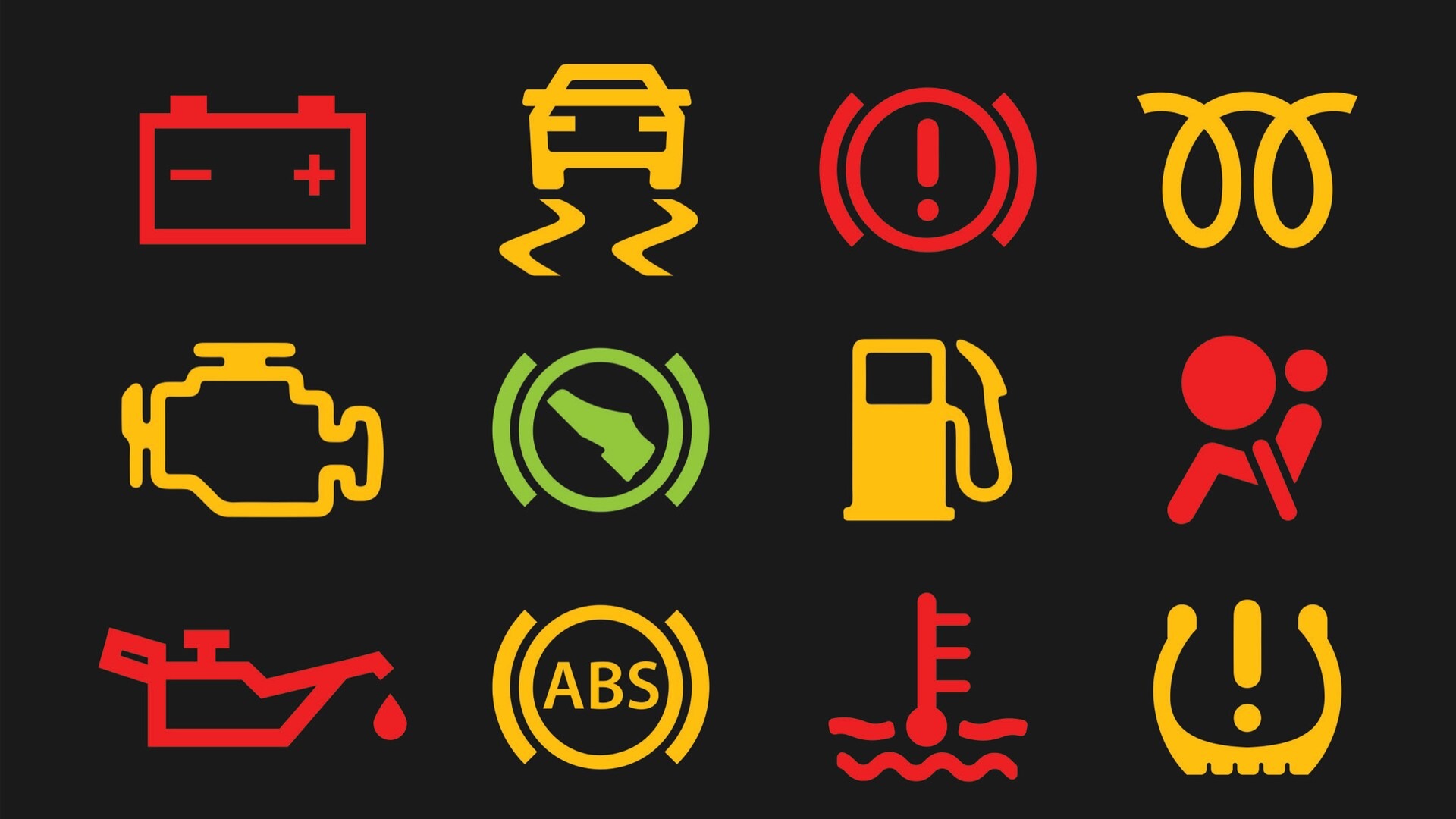
Take a look around a modern car, and you will notice several small labels designed to help prevent potentially serious mistakes. Some warn about airbag hazards, others provide tire pressure information, while a familiar message reminds drivers that objects in the mirror may be closer than they appear. However, there is an important distinction to keep in mind. Federal law does not require every vehicle to have exactly 10 warning labels.
The Federal Motor Vehicle Safety Standards (FMVSS) cover different vehicle systems, and their labeling rules vary by vehicle type and equipment. Some standards require a specific label, while others regulate how a component must perform without requiring a warning sticker. Here is what the federal rules actually require, what applies to ordinary passenger cars, and where the commonly repeated claims go too far.

1. FMVSS 111 – Convex Passenger-Side Mirror Warning
Anyone who has driven a car built in the last few decades has read the words “Objects in mirror are closer than they appear” without giving them much thought. That phrase exists because of simple physics.
Convex mirrors curve outward, which widens the field of view but also compresses distance perception, making cars behind you look farther away than they actually are.
Federal regulators recognized this distortion as a genuine safety hazard, since misjudging distance during a lane change can lead directly to a collision.
FMVSS 111 addresses this by requiring the warning on all convex passenger-side exterior mirrors sold in the United States. Driver-side mirrors are typically flat, so they don’t carry the same distortion or the same labeling requirement.
The passenger side gets the curved treatment because a wider viewing angle helps cover the blind spot on that side of the vehicle, a trade-off engineers accepted decades ago in exchange for slightly less accurate depth perception.
What makes this label interesting is how deeply it has settled into cultural memory. People reference it in movies, commercials, and everyday conversation, often without connecting it back to a federal safety standard at all.
That kind of recognition speaks to how effective a simple, repeated warning can become once it’s stamped onto millions of vehicles for generations.
It’s a small phrase carrying a genuinely useful reminder every time you check that mirror before merging into another lane during traffic.

2. FMVSS 209 – Seat Belt Assemblies
Seat belts get plenty of attention in driver’s education courses, but the label sewn into the webbing or printed near the buckle rarely gets a second look.
FMVSS 209 requires that instructions for proper seat belt use accompany every belt assembly installed in a vehicle. These instructions typically address how to route the belt across the body, how tight it should sit against the hips and shoulder, and warnings against positioning it incorrectly across the neck or stomach.
The reasoning behind this requirement traces back to decades of crash testing showing that a poorly worn seat belt can cause serious injury during a collision, sometimes doing more harm than good.
A belt sitting too high on the abdomen instead of low across the hips can cause internal injuries during sudden deceleration. Regulators wanted drivers and passengers to have direct access to correct usage guidance rather than relying purely on guesswork or habit picked up over years of casual buckling.
Pregnant women, children transitioning out of car seats, and larger-bodied occupants all benefit specifically from these instructions, since proper belt positioning changes slightly depending on body type and seating position.
Manufacturers can’t control how someone chooses to wear a belt, but the label at least puts the correct method directly within reach.
Beyond the printed instructions, this standard also governs the physical construction of seat belt assemblies themselves, including webbing strength and buckle release mechanisms.
The labeling requirement works alongside those engineering standards to make sure occupants have both a properly built system and clear guidance on how to use it correctly every single time they get behind the wheel or settle into a passenger seat.

3. FMVSS 208 – Airbag Warning
Sun visors might seem like an odd place for a safety warning, but that’s exactly where federal law requires airbag caution labels to appear under FMVSS 208.
These labels typically include guidance such as recommending that children age 12 and under ride in the back seat, directly addressing a real and well-documented danger tied to airbag deployment near smaller occupants.
The reasoning here connects to how airbags actually work. They deploy with tremendous force in a fraction of a second, a mechanism designed around the size and seating position of an average adult.
A child sitting in the front passenger seat, particularly in a rear-facing or forward-facing car seat, sits too close to the airbag housing and at the wrong height, putting them at serious risk of injury from the deployment itself rather than protection from it.
Federal regulators introduced this labeling requirement after a wave of injuries and fatalities linked to airbags deploying near young children became impossible to ignore during the 1990s.
Rather than relying solely on owner’s manuals that few people read cover to cover, placing the warning directly on the visor puts it in the driver’s line of sight every time they flip it down to block glare from the sun.
This label also serves as a quiet reminder for parents and caregivers who might not think about airbag positioning on a daily basis. Combined with car seat safety guidelines from pediatric organizations, the visor warning reinforces a simple rule that has measurably reduced injury rates among young passengers riding in vehicles equipped with front airbags.
4. FMVSS 110 & 119 – Tire and Rim Information
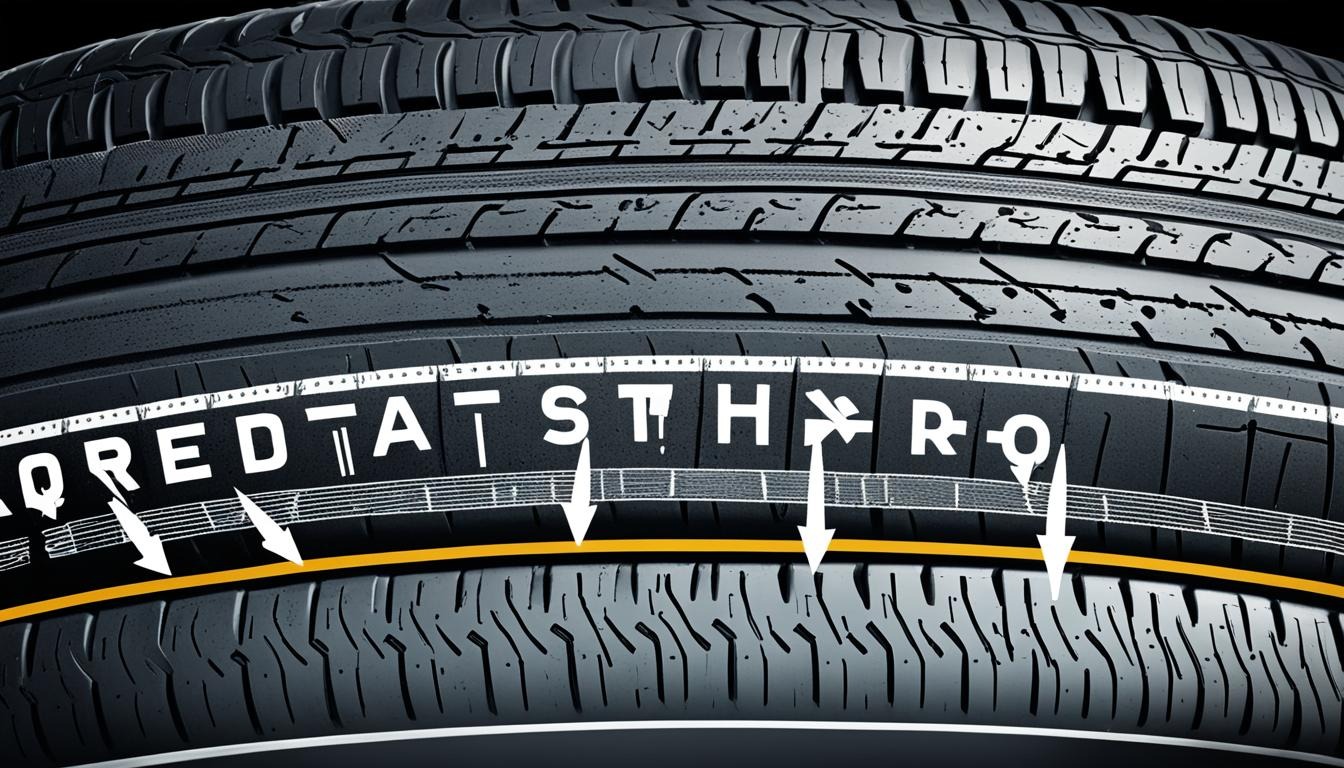
The tire-information placard is another federally required piece of information, although the supplied description needs a correction. FMVSS 110, not FMVSS 119, is the principal vehicle standard behind the familiar tire-and-loading placard on applicable vehicles.
FMVSS 119 covers certain new pneumatic tires for vehicles other than passenger cars and is not simply a second vehicle-label rule.
FMVSS 110 requires applicable vehicles to display information such as the vehicle’s seating capacity, maximum combined occupant-and-cargo weight, recommended cold tire inflation pressures, and original tire sizes.
The information generally appears on a permanently attached placard on the driver’s-side B-pillar or another specified location when the B-pillar arrangement does not apply.
The wording is intended to give the driver practical information before loading or servicing the vehicle. Incorrect tire pressure or excessive loading can affect handling, braking, tire performance, and vehicle control.
This is therefore a genuine federally required vehicle information placard for vehicles covered by the standard. Calling it simply a “warning label,” though, misses part of its purpose. It combines safety information, tire specifications, loading limits, and inflation-pressure data.
A quick look at the placard can tell you much more than the pressure printed on the tire itself. The vehicle manufacturer’s recommended pressure is the figure drivers should use for normal operation.
5. FMVSS 301 – Fuel System Integrity Warning
FMVSS 301 is important for vehicle safety, but it does not require the “Care for fuel system. No smoking. Avoid sparks during fueling” warning described in the supplied material.
The standard establishes performance requirements for fuel-system integrity, particularly to reduce deaths and injuries associated with fuel spillage during and after crashes.
In practical terms, manufacturers must design covered fuel systems to meet specified crash-testing requirements. The regulation is concerned with whether the system maintains appropriate integrity and limits hazardous fuel leakage under prescribed test conditions.
That is very different from requiring a warning sticker on the vehicle telling drivers not to smoke while fueling. Such warnings may appear on vehicles or fuel-system components as manufacturer information, but the quoted language should not be presented as a universal FMVSS 301 label requirement.
This distinction is useful because federal vehicle safety standards frequently work through engineering requirements rather than labels.
A standard can require a system to withstand a crash, prevent a hazard, or meet a performance test without requiring the manufacturer to place a particular sentence on the dashboard.
So, FMVSS 301 belongs in a discussion of federally regulated vehicle safety, but it should not be counted as a universal fuel-system warning label required on every car.
6. FMVSS 116 – Brake Fluid Warning
Here is another place where the original claim confuses a regulated product with a vehicle label. FMVSS 116 governs motor vehicle brake fluids and hydraulic system mineral oil. Its labeling requirements apply to containers of brake fluid, not to every automobile leaving a factory.
The regulation requires brake-fluid packaging to provide specific information. Depending on the product, the container must identify its DOT grade, certification information, manufacturer or packager details, production information, and minimum wet boiling point.
Federal safety warnings also tell users to follow the vehicle manufacturer’s recommendations, keep brake fluid clean and dry, store it in its original container, and avoid using the container for other liquids.
That is useful information for anyone servicing a vehicle’s braking system, but it does not mean a car itself must carry a federal FMVSS 116 sticker saying “Use only DOT-specified brake fluid.”
A vehicle manufacturer may provide brake-fluid specifications in the owner’s manual, on a reservoir cap, or elsewhere as part of its service information. Those instructions should not be confused with the packaging-label requirements contained in FMVSS 116.
For an article about federal automotive labels, FMVSS 116 can be mentioned as an example of a labeling rule connected with automotive safety, but calling it a mandatory warning label on every car would be inaccurate.
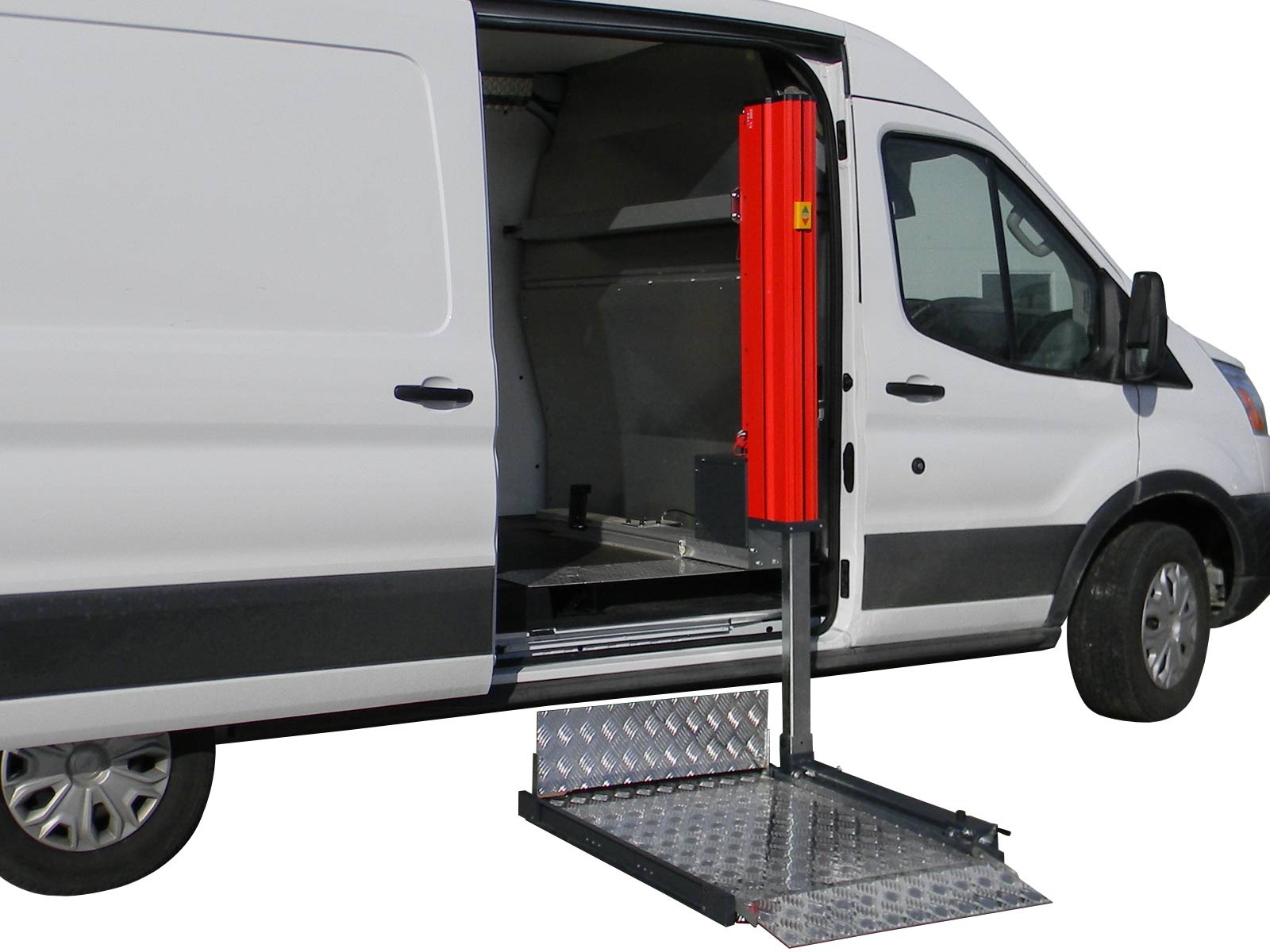
7. FMVSS 403/404 – Platform Lift & Vehicle Access
Wheelchair-accessible vehicles and those equipped with platform lifts have a labeling requirement many drivers never encounter, but it plays an important safety role for people who depend on accessibility equipment under FMVSS 403 and 404.
These labels typically warn users to keep clear while the lift is moving, addressing a mechanical hazard created by the platform’s operation.
The lifts move with enough force to cause injury if a hand, foot, or piece of clothing becomes trapped, particularly for passengers who may have difficulty moving quickly during an emergency.
Federal safety requirements call for clear, visible warnings positioned directly on or near the lift mechanism rather than relying solely on information buried in an owner’s manual.
The requirement reflects the broader principle that accessibility equipment deserves the same careful safety treatment as other vehicle systems.
Platform lifts are commonly found on vehicles used for public transportation, medical transportation, and personal mobility, extending the importance of these warnings beyond ordinary passenger cars.
Manufacturers must also meet requirements governing factors such as lift capacity and operating characteristics. The warning label provides an additional layer of protection by alerting passengers to potential hazards at the exact location where they interact with the equipment.
It may be a specialized requirement, but for people who rely on wheelchair lifts daily, that small warning can serve an important safety purpose.
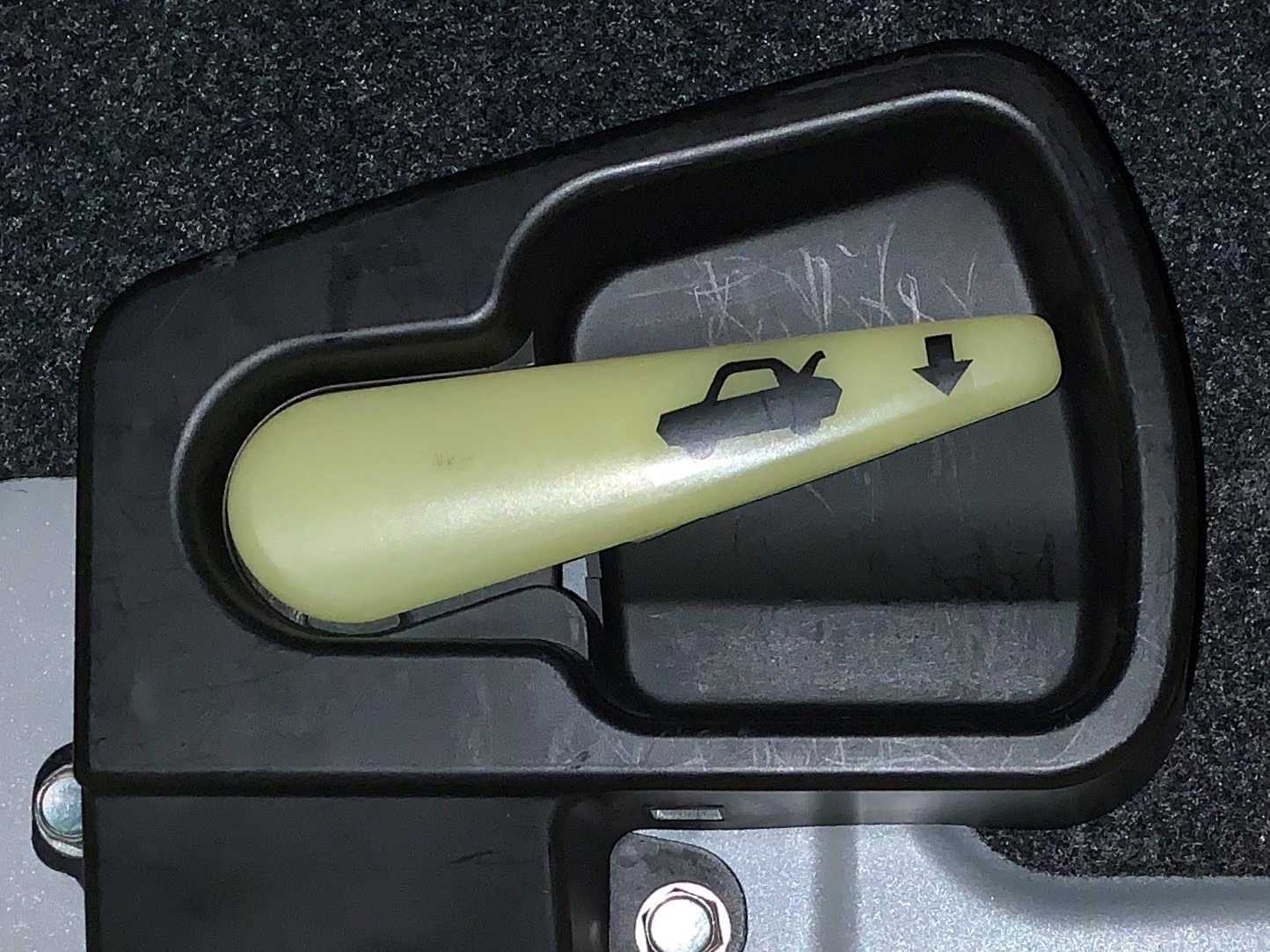
8. FMVSS 401 – Interior Trunk Release Label
A glow-in-the-dark handle inside a trunk may look like a small design feature, but it serves an important safety purpose. FMVSS 401 addresses the risk of occupants becoming trapped inside passenger-car trunks by requiring an interior trunk release mechanism that allows a person to escape without outside assistance.
Before this type of requirement, some older vehicles offered no practical way for someone locked inside a trunk to open it from within. Children playing in trunks and people trapped after accidents faced a serious danger, particularly when nobody knew they were inside.
The federal standard focuses on the release mechanism itself rather than universally requiring a specific warning label with wording such as “Emergency trunk release – pull to open.” Many manufacturers use a clearly marked, glow-in-the-dark handle so the release can be located quickly in darkness.
The requirement does not apply to every vehicle. FMVSS 401 covers passenger cars with qualifying trunk compartments and excludes vehicles such as hatchbacks and station wagons that fall outside the standard’s definition.
That distinction matters when shopping for an older used vehicle. A car built before applicable requirements took effect may not have the same interior trunk-release equipment found in newer models. What looks like a simple handle can provide a critical escape route when the trunk is accidentally locked.
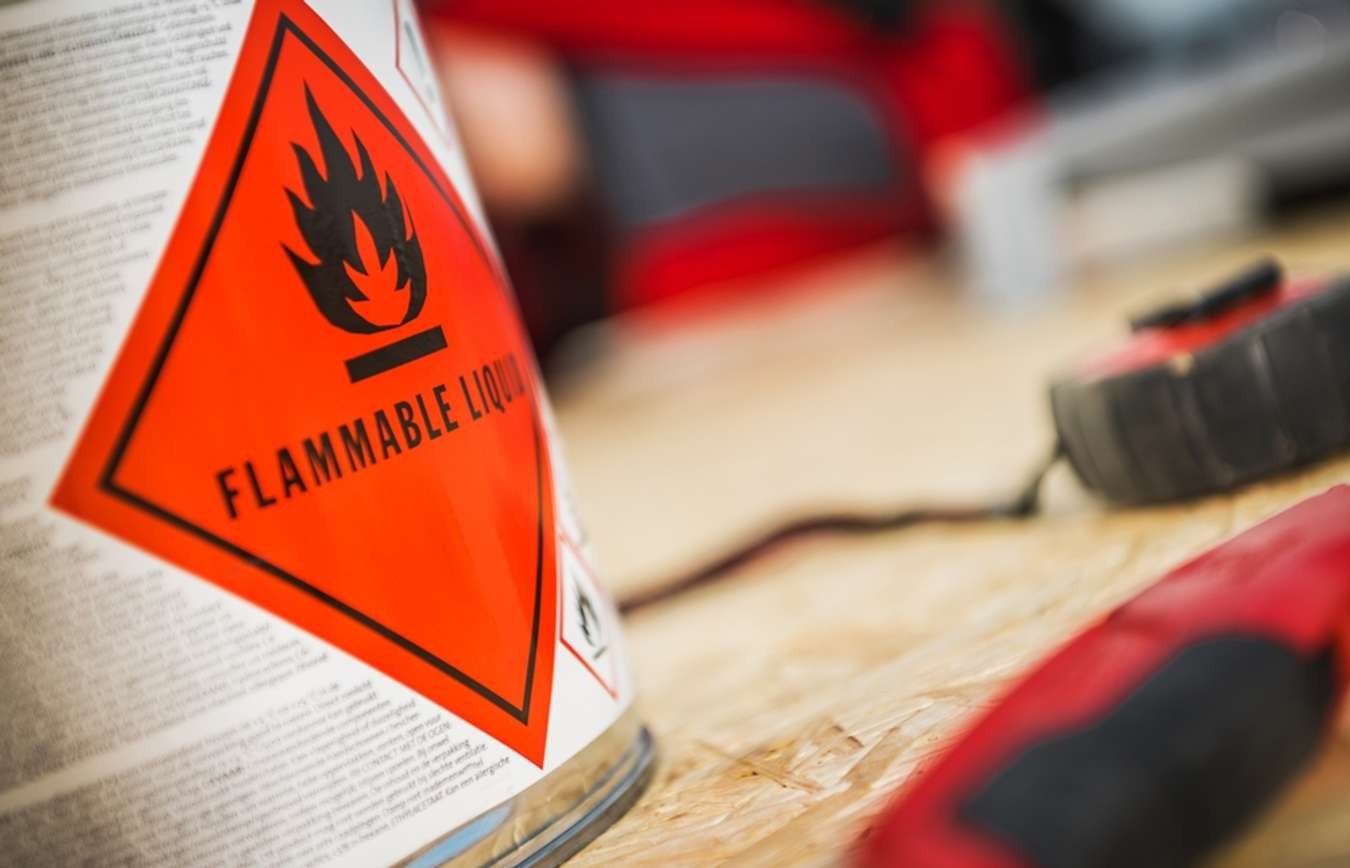
9. FMVSS 302 – Flammability of Interior Materials
FMVSS 302 is another standard that is frequently mistaken for a labeling rule. It does not require every car to carry a warning saying “No open flame – interior materials flammable.” Instead, it establishes flammability-resistance requirements for specified interior materials in new motor vehicles.
The covered components include items such as seat cushions, seat backs, seat belts, headliners, armrests, trim panels, compartment shelves, head restraints, floor coverings, sun visors, curtains, shades, and certain other interior materials.
Materials within the specified occupant-compartment area must meet the applicable burn-resistance requirements. This is an engineering and materials standard rather than a requirement for a fire-warning sticker.
Manufacturers must ensure that applicable materials comply with the prescribed performance requirements when the vehicle is certified. The distinction may seem small, but it changes the meaning of the federal rule.
A label does not make an interior material compliant with FMVSS 302. The material itself must meet the standard. For that reason, FMVSS 302 should not be listed as one of the 10 warning labels federally required on every car.
It is better described as a federal flammability standard that affects the materials used inside covered vehicles.
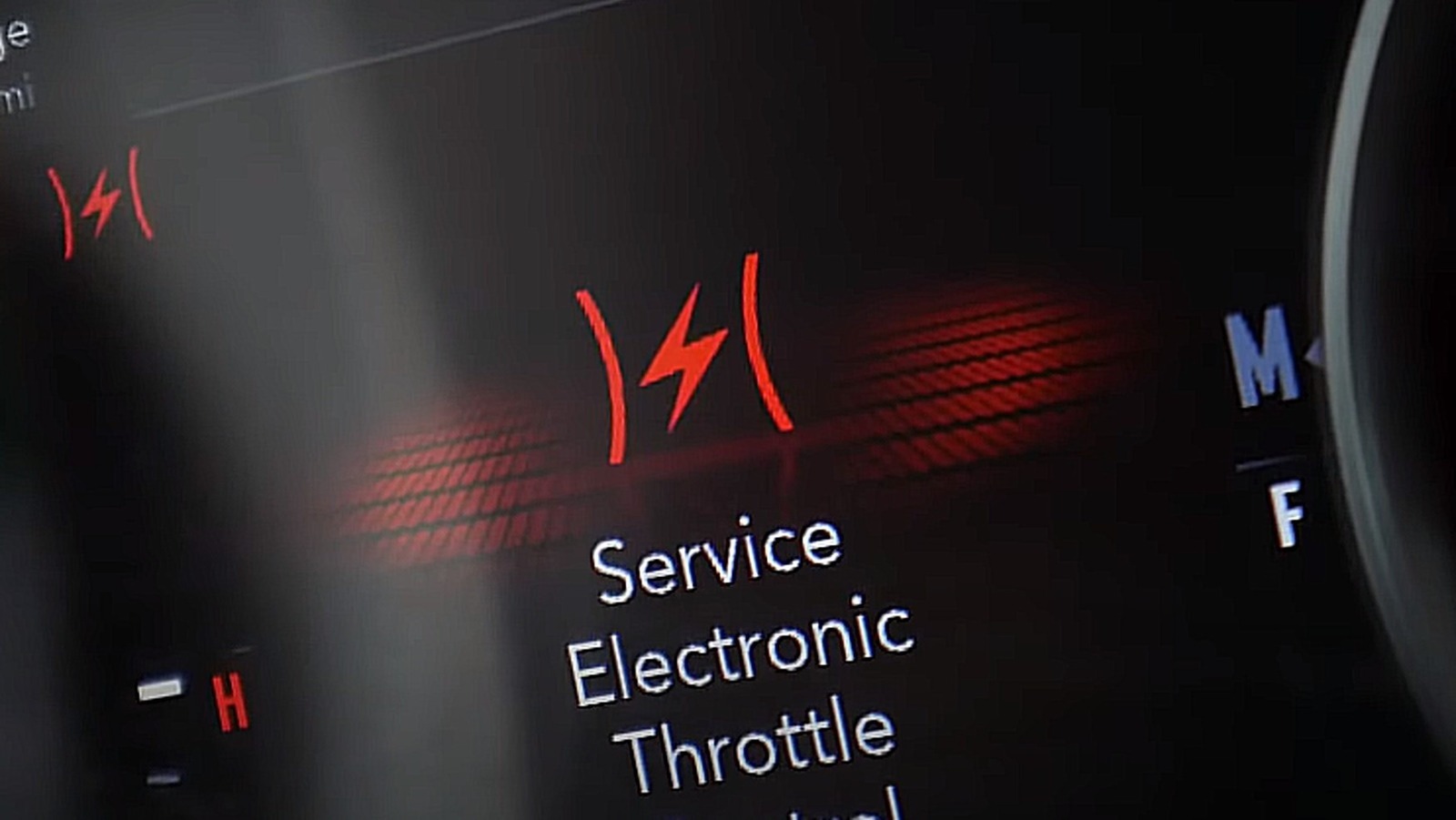
10. FMVSS 124/125 – Accelerator Control or Warning Devices
FMVSS 124 is a genuine federal safety standard concerning accelerator control systems, but it does not require a general warning label about brake override or unintended acceleration.
Its purpose is to require the accelerator system to return the throttle to the idle position when the driver removes force from the accelerator or when certain failures occur.
The standard covers passenger cars, multipurpose passenger vehicles, trucks, and buses. Its main concern is mechanical and functional performance. The accelerator control system must operate in a way that helps limit the risks associated with excessive engine speed caused by a malfunction.
The supplied reference to “FMVSS 124/125” also needs clarification. FMVSS 124 is the accelerator-control standard. FMVSS 125 concerns warning devices such as warning lamps, reflectors, and similar equipment rather than creating a universal accelerator warning sticker.
That means a car is not federally required to carry a label explaining a brake-override procedure simply because FMVSS 124 applies to it. Automakers can provide operating instructions in owner’s manuals or other materials, but those instructions should not be presented as a universal FMVSS 124 label.
The federal rule here works through the design and operation of the accelerator system itself. That is an important difference from standards such as FMVSS 208, where federal law specifically prescribes warning-label content and placement.