
American car history is packed with brilliant ideas, bold designs, and ambitious bets that did not work out as planned. Some cars became collector favorites years later, while others are remembered mainly for the money they cost their makers. From wildly ambitious startups to major Detroit brands, these vehicles show how quickly a promising project can become a financial headache.
The causes differed from one case to another. Some faced unfavorable timing, high production costs, quality issues, limited demand, or simply failed to resonate with consumers. Here are ten American cars whose struggles in the market resulted in significant financial losses, reputational damage, or both for their manufacturers.
1. Ford Edsel (1957-1960)
Few cars in American history carry as much baggage as the Edsel. Ford built this car to be a flagship mid-range model, something that would slot neatly between its regular lineup and its pricier offerings, filling a gap the company believed existed in the market.
Instead, it became one of the most talked-about business failures of the twentieth century, a cautionary tale still referenced decades later whenever a product launch goes badly.
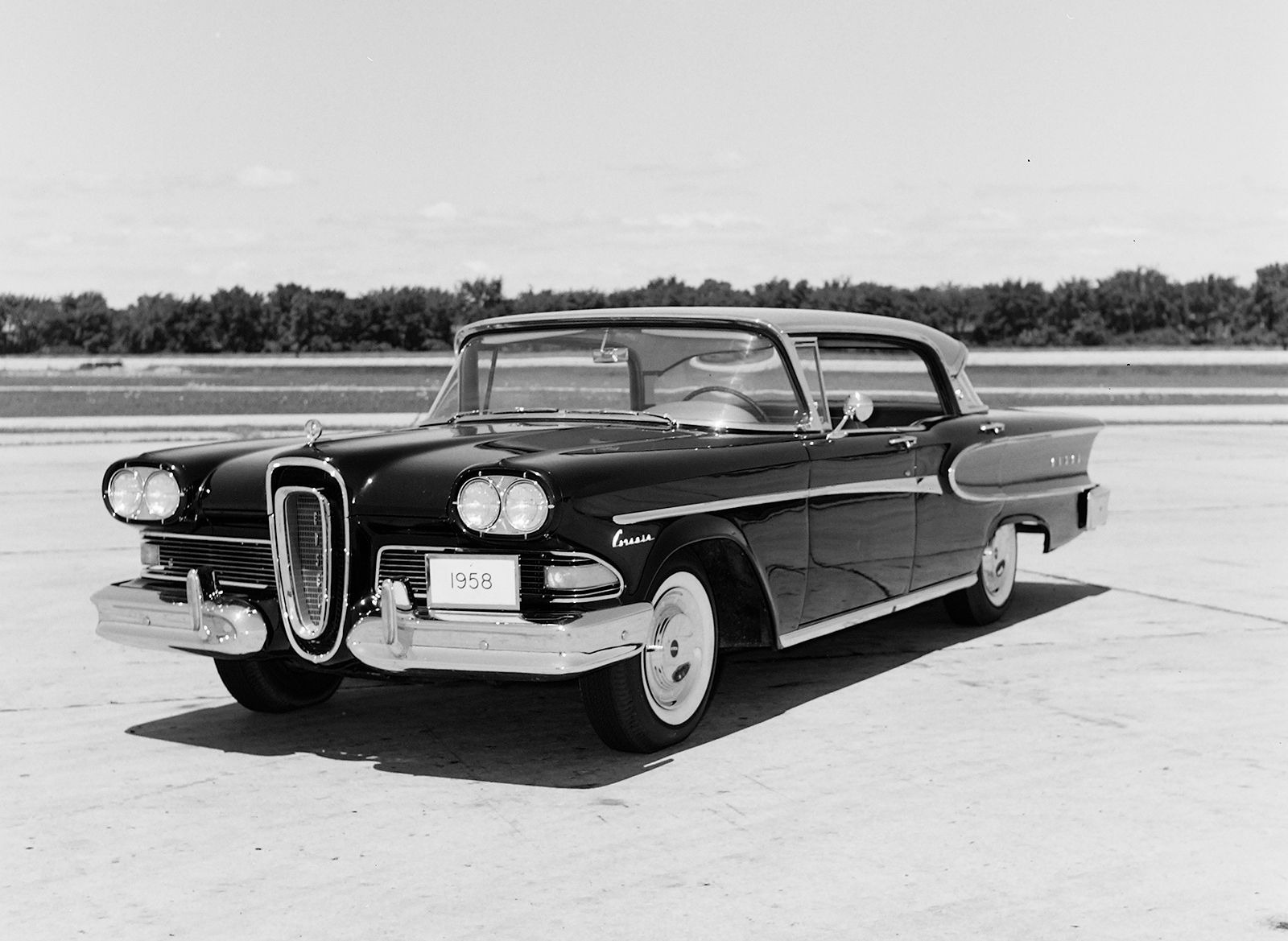
Part of the problem was styling. The Edsel’s front end, featuring a vertical grille that critics compared to everything from a horse collar to something far less flattering, struck many buyers as simply odd rather than distinctive.
Cars are emotional purchases, and when a design provokes jokes instead of admiration, sales tend to suffer, no matter how solid the engineering underneath happens to be.
Pricing didn’t help either. The Edsel launched at a cost that placed it awkwardly between segments, confusing buyers about exactly who this car was supposed to be for.
Add in a marketing campaign that built enormous anticipation before the car’s release, only for the actual product to disappoint once people saw it in person, and you have a recipe for buyer skepticism that proved difficult to shake.
By the time Ford pulled the plug in 1960, the losses were staggering for the era, estimated around $250 million. That figure represented a massive chunk of Ford’s resources at the time, and the reputational damage lingered for years.
The word “Edsel” itself became shorthand for any failed product, a linguistic legacy few brands would want attached to their name.
2. Tucker 48 (1948-1949)
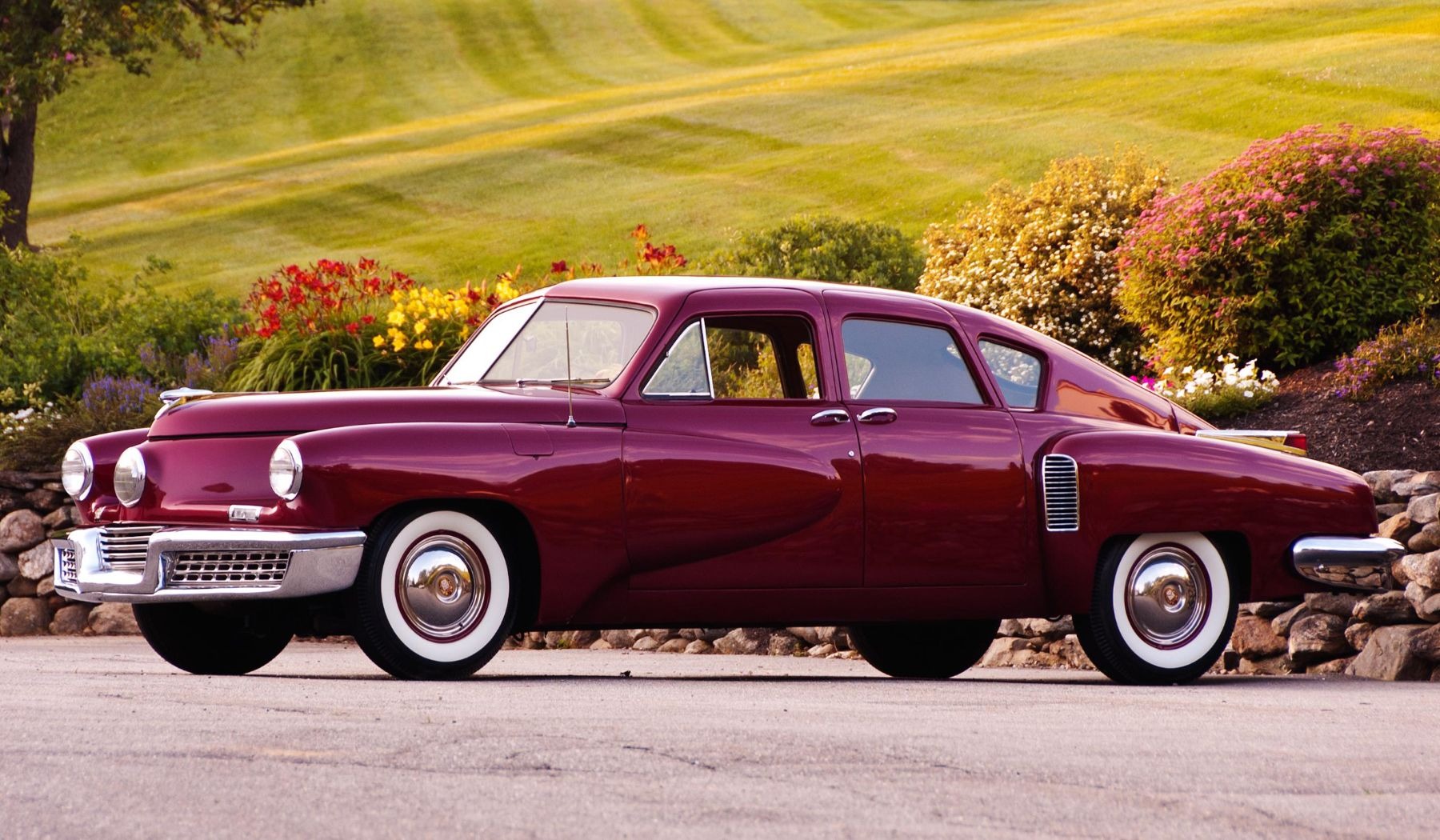
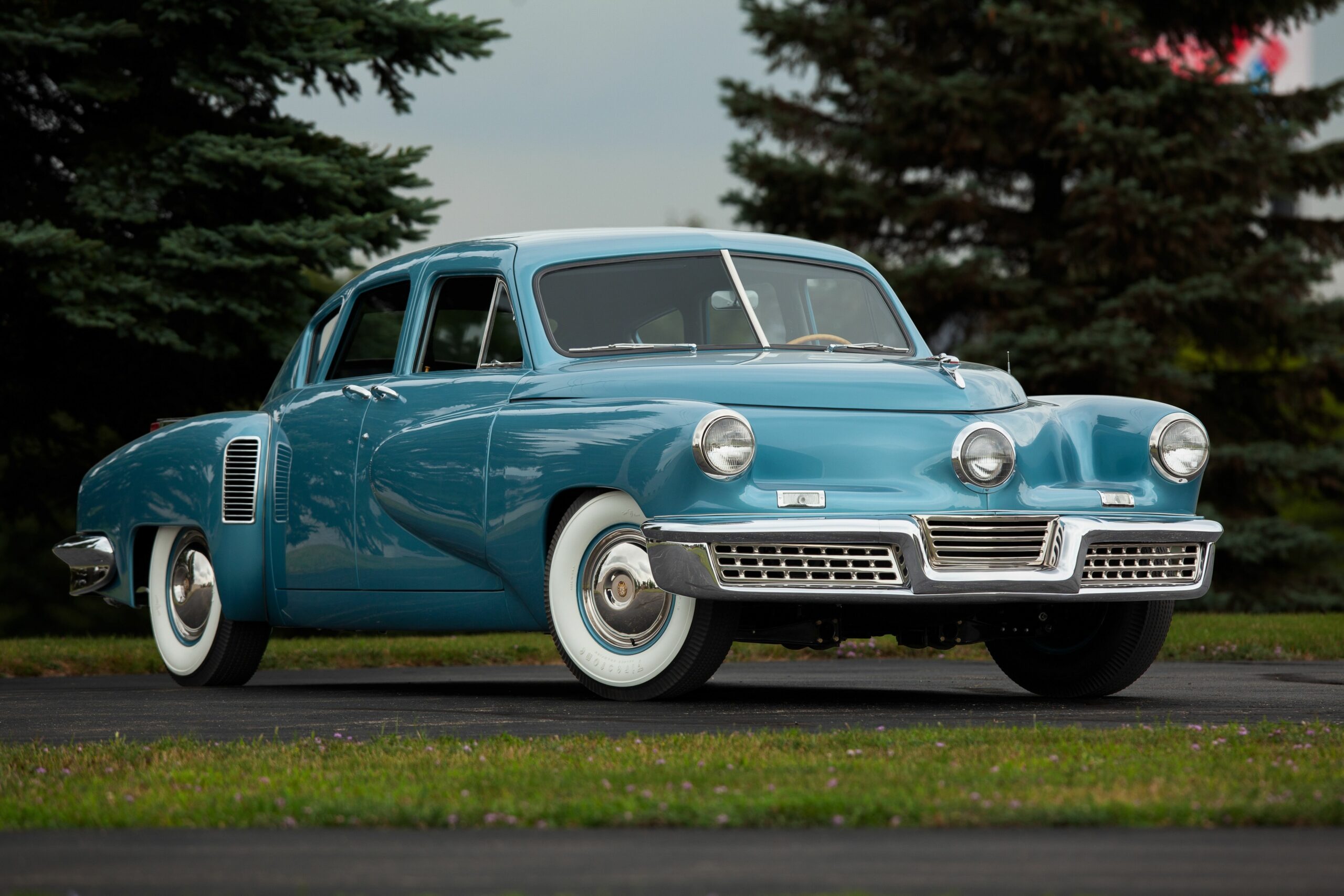
Preston Tucker did not want to build another ordinary family car. His Tucker 48 was designed around ideas that were unusual for its era, including advanced safety features, a rear-mounted engine, and a central headlight that moved with the steering direction.
The car promised buyers something fresh at a time when many American automobiles followed familiar formulas. The challenge came when Tucker had to turn those ideas into a working business.
Production delays made it difficult to deliver cars at the pace customers expected. Building a new vehicle also required money, suppliers, factories, workers, and dependable manufacturing systems. Tucker’s company faced pressure on several fronts while trying to get the project moving.
Legal problems added another burden. The company became the subject of federal scrutiny, and the resulting courtroom battle consumed valuable time and resources. Although Tucker was eventually acquitted of criminal charges, the company could not survive the financial strain.
Only 51 Tucker 48 automobiles were completed before production stopped. That small production run has made the car highly desirable among collectors, but rarity was never Tucker’s goal. He needed volume and steady sales to make the business work.
The Tucker story remains fascinating because the car itself was not short on ideas. The failure came from the difficult combination of financing, manufacturing, legal pressure, and limited production. A clever automobile still needs a stable company behind it.
3. DeLorean DMC-12 (1981-1983)
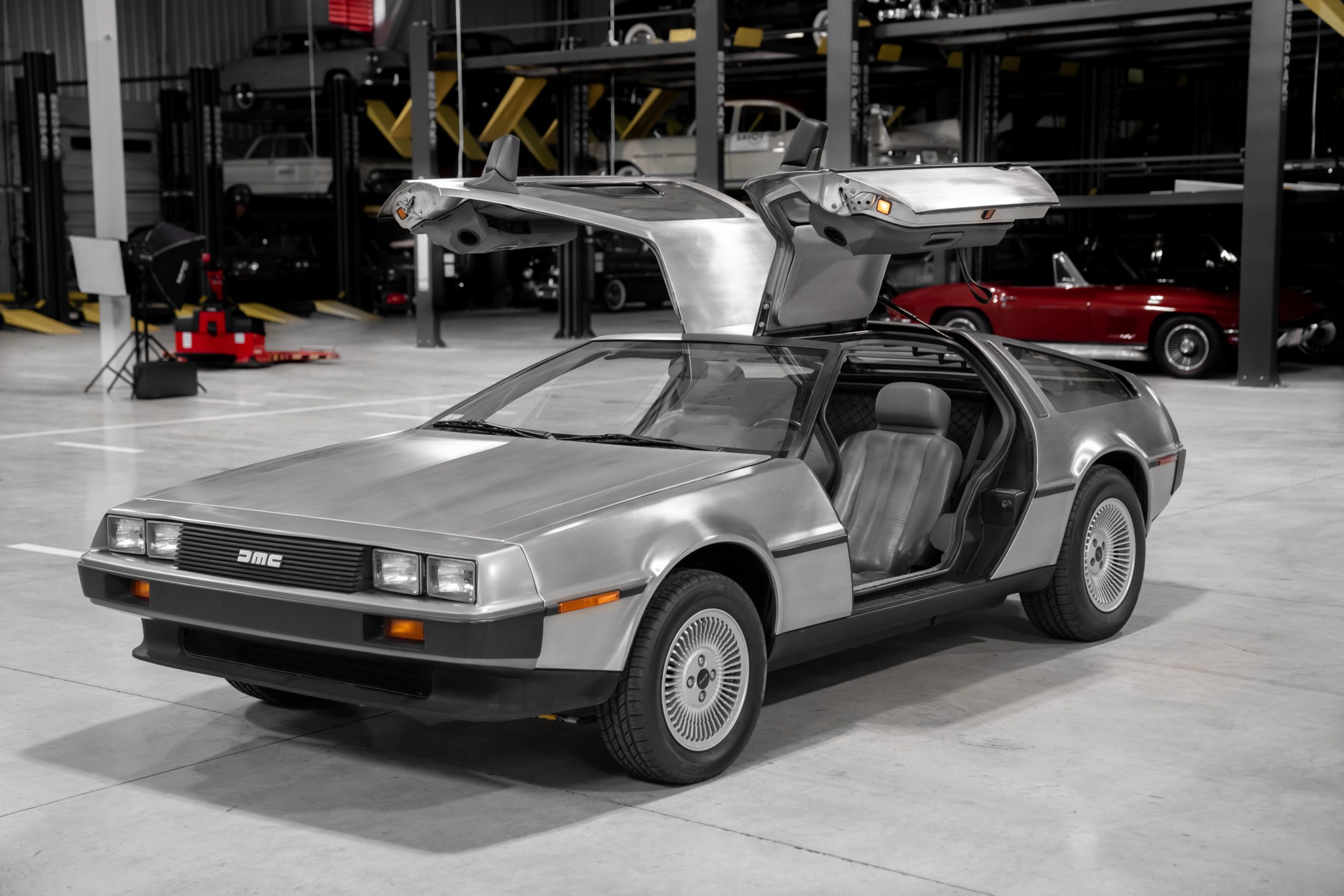
Few American cars have ever looked as futuristic as the DeLorean DMC-12. Its brushed stainless-steel body and gull-wing doors gave it an appearance that seemed far removed from ordinary sedans and sports cars.
John DeLorean wanted the vehicle to establish a new company identity. Creating that identity came at a steep price.
Production delays pushed the launch away from the original schedule, while manufacturing expenses ran higher than expected. The car also entered the market during a recession, when consumers were less willing to spend heavily on expensive vehicles.
Performance created another concern. The DMC-12 looked like a high-performance exotic, but its engine output did not fully match those expectations. Buyers paying a premium could compare it with established sports cars that had stronger performance credentials.
The company then became entangled in legal trouble, adding more pressure to an already fragile operation. DeLorean Motor Company entered bankruptcy in 1982, only a short time after production began.
Years later, the DMC-12 received a remarkable boost from its appearance in the Back to the Future film series. That exposure transformed the car into a pop-culture icon and helped create a lasting collector market.
Still, movie fame came too late to save the original business. The DMC-12 remains a classic example of how striking styling and celebrity status cannot offset production costs, weak sales, poor timing, and financial pressure.
4. Chevrolet Vega (1970-1977)
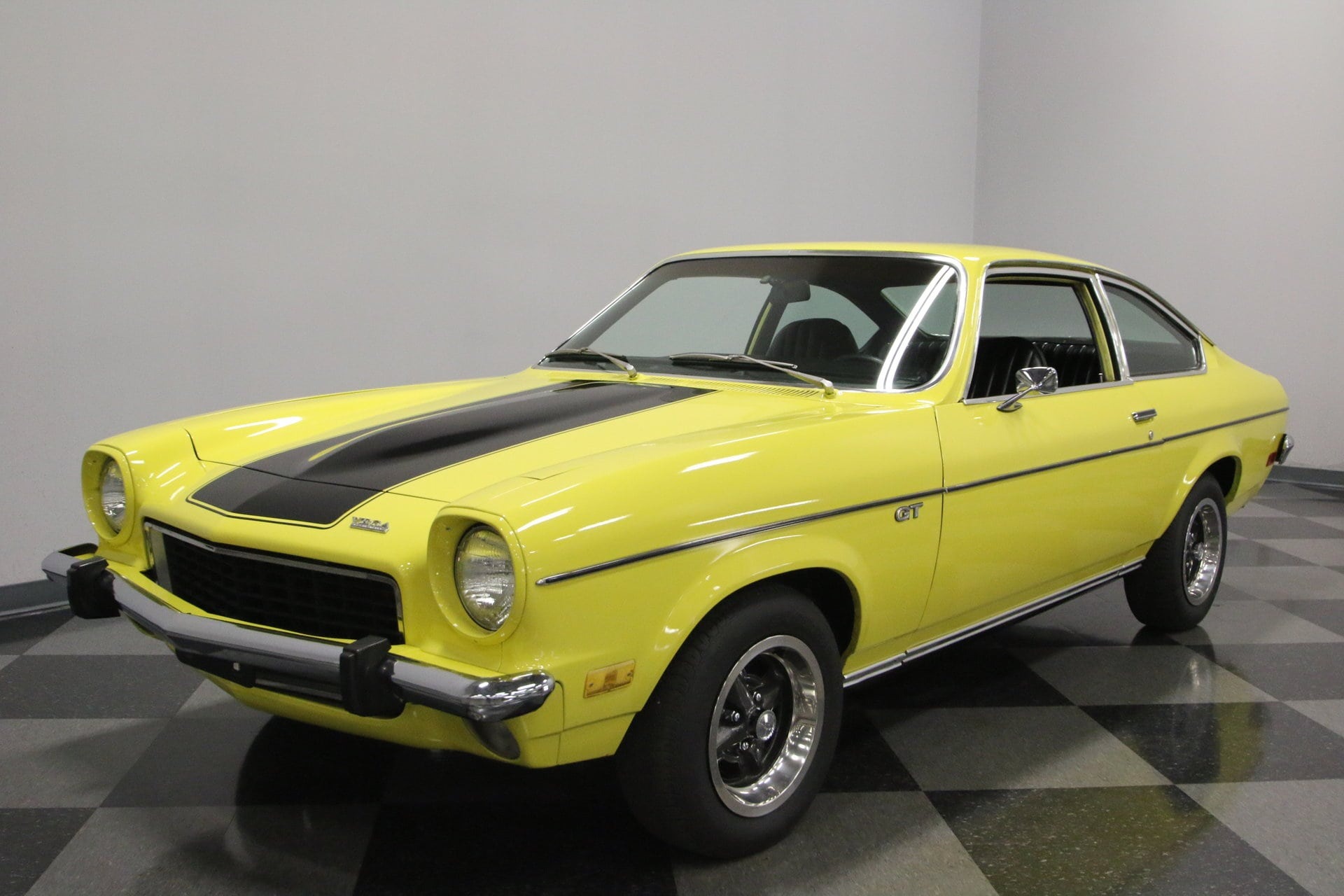
General Motors introduced the Chevrolet Vega as an important response to the growing popularity of smaller cars. American buyers were paying closer attention to fuel economy and affordable transportation, while imports were becoming increasingly competitive.
The Vega was supposed to give Chevrolet a modern compact that could stand against those rivals. The car looked promising when it arrived. Its clean styling appealed to many shoppers, and its compact size fit changing driving habits.
Yet ownership problems soon became a serious concern. Engine troubles affected some Vegas models, while corrosion and rust created another major headache.
Reports of body deterioration damaged confidence in the model, and warranty repairs increased costs for GM. A car intended to strengthen Chevrolet’s position in the compact market instead developed a reputation that was difficult to repair.
The timing made the situation worse. Buyers comparing the Vega with imported alternatives were looking for dependable transportation and reasonable operating costs. Reliability problems gave those customers another reason to consider competing vehicles.
GM continued producing the Vega through the 1977 model year, but the car never achieved the lasting success the company wanted. Its story is especially interesting because the Vega was not created as a reckless experiment.
It was a serious attempt by one of America’s largest manufacturers to respond to a real market change. Poor durability turned a well-timed product idea into an expensive lesson about quality control, warranty expenses, and consumer trust.
5. AMC Pacer (1975-1980)
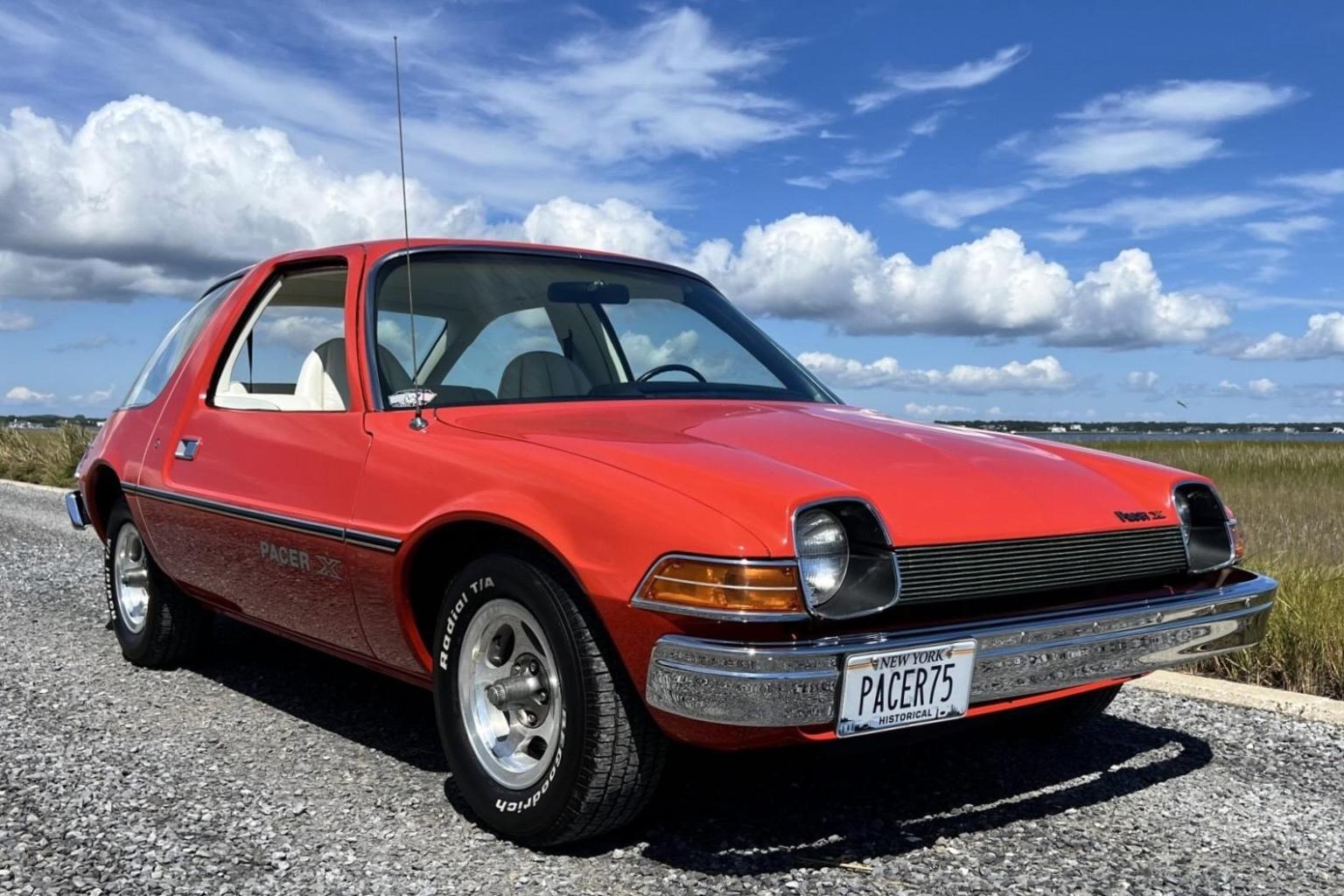
The AMC Pacer looked like nothing else in the American showroom. Its rounded body, enormous windows, and wide cabin gave it a distinctive appearance that attracted attention immediately.
American Motors Corporation hoped the Pacer would offer something different for drivers who wanted compact dimensions without feeling cramped inside. The idea had plenty of appeal. Unfortunately, the timing was difficult.
The Pacer arrived during the 1970s fuel crisis, when gasoline prices and supply concerns were changing buying habits. Consumers were increasingly interested in fuel-saving cars, especially small models that could reduce trips to the pump.
Although the Pacer was marketed as a compact, its broad body and mechanical setup did not deliver the kind of fuel economy many buyers expected from a car of its size.
AMC also had fewer financial resources than the major Detroit manufacturers. Developing and promoting a new model placed extra pressure on a company already fighting for market share.
The Pacer remained in production from 1975 through 1980, but sales never provided the financial boost AMC needed. Its unusual appearance eventually became more memorable than its commercial performance.
There is an interesting lesson here. A vehicle can be inventive, comfortable, and visually distinctive while still missing what customers need most at a particular moment.
The Pacer’s roomy interior and unusual design later earned it a cult following, but those qualities could not overcome its poor match with fuel-conscious buying habits.
6. Pontiac Aztek (2000-2005)
Ask anyone to name the most polarizing vehicle design in automotive history, and the Pontiac Aztek is likely to enter the conversation.
Pontiac introduced it as a crossover, combining SUV practicality with car-based underpinnings for active buyers who wanted cargo space without the bulk of a truck.
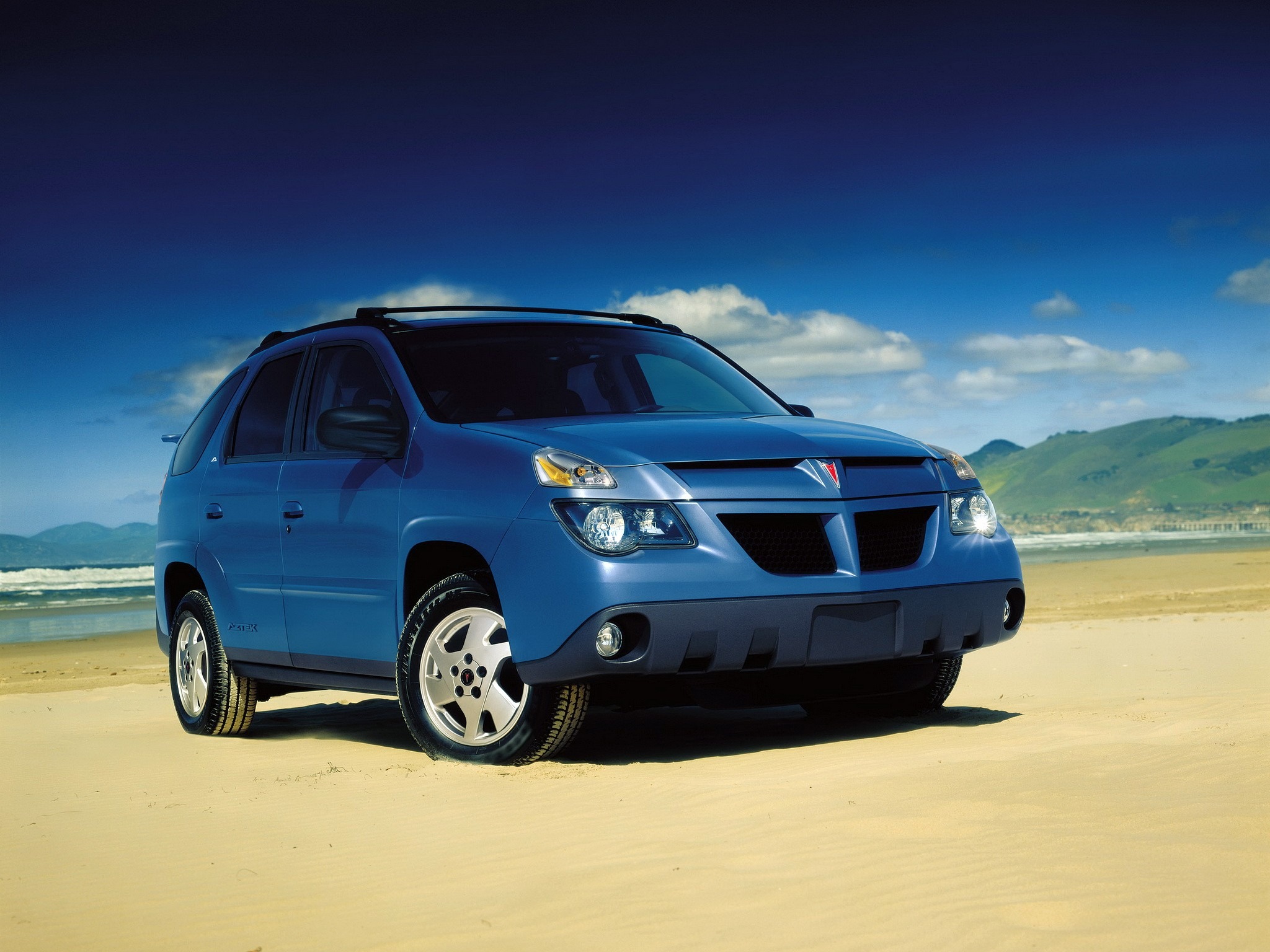
The Aztek’s styling overwhelmed what it offered. Its chunky proportions, awkward front fascia, and unusual body panels looked strange to many shoppers, turning the vehicle into a punchline.
Movies and television used it as shorthand for unattractive automotive design, giving the Aztek a reputation that proved difficult to escape.
Yet the vehicle contained several useful ideas. It offered a built-in air compressor, a camping tent attachment, and a flexible interior designed around outdoor activities.
These features foreshadowed the lifestyle-oriented approach that later became successful among crossover manufacturers. The underlying concept was practical, but the way it was presented did not appeal to enough buyers.
Sales fell far short of Pontiac’s expectations, making the Aztek an expensive experiment. Its failure also arrived while Pontiac was struggling to redefine itself, adding another challenge to the brand’s problems.
Although the Aztek did not determine Pontiac’s fate, its disappointment became part of the story of a brand that General Motors eventually discontinued.
7. Oldsmobile Diesel Cars (Late 1970s)
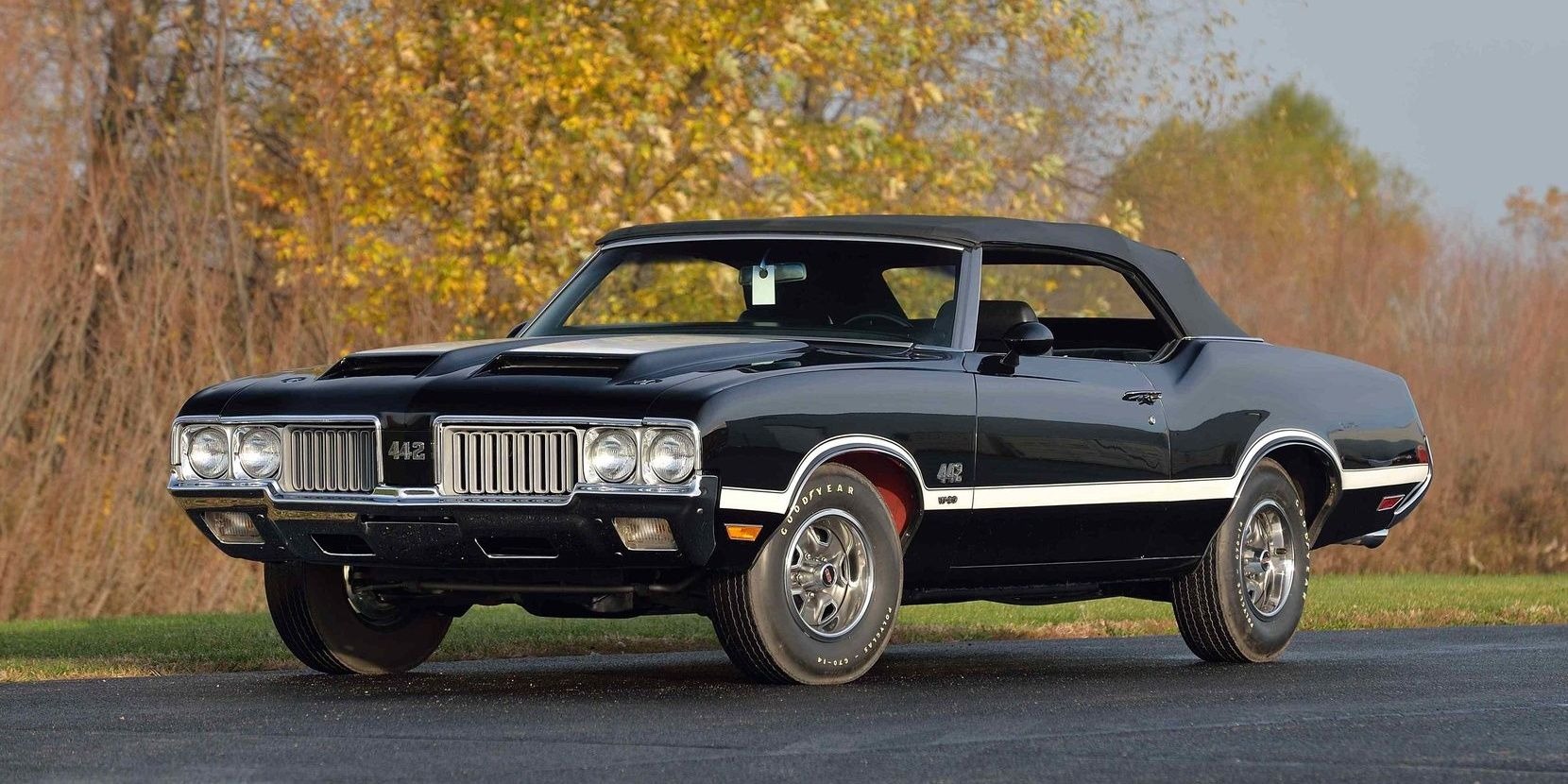
During the fuel crises of the 1970s, higher gasoline prices pushed automakers toward technologies that promised greater efficiency. Diesel engines offered a solution, so General Motors adapted an existing gasoline V8 for diesel use in several Oldsmobile models.
The goal was to deliver better fuel economy without developing an entirely new engine. The adaptation created reliability problems. A gasoline engine converted for diesel operation was not engineered to withstand diesel combustion pressures and stresses.
Head bolts could fail, water contamination could enter the fuel system because of inadequate filtration, and engines suffered failures long before owners expected trouble.
As breakdowns increased, owners shared their experiences. Recalls expanded, warranty claims accumulated, and GM faced pressure to address failures across the Oldsmobile lineup.
What had been promoted as an efficient alternative became associated with expensive repairs and disappointing ownership experiences. The consequences extended beyond repair bills.
The problems damaged confidence in GM’s engineering and contributed to skepticism toward diesel passenger cars in the American market.
Although diesel technology later improved, the reputation created by these GM passenger diesels was difficult to overcome. The company absorbed costs through recalls, warranty repairs, and efforts to address complaints.
A program intended to respond to an energy crisis therefore became an example of how adapting technology too aggressively can create costly reliability problems and damage to trust.
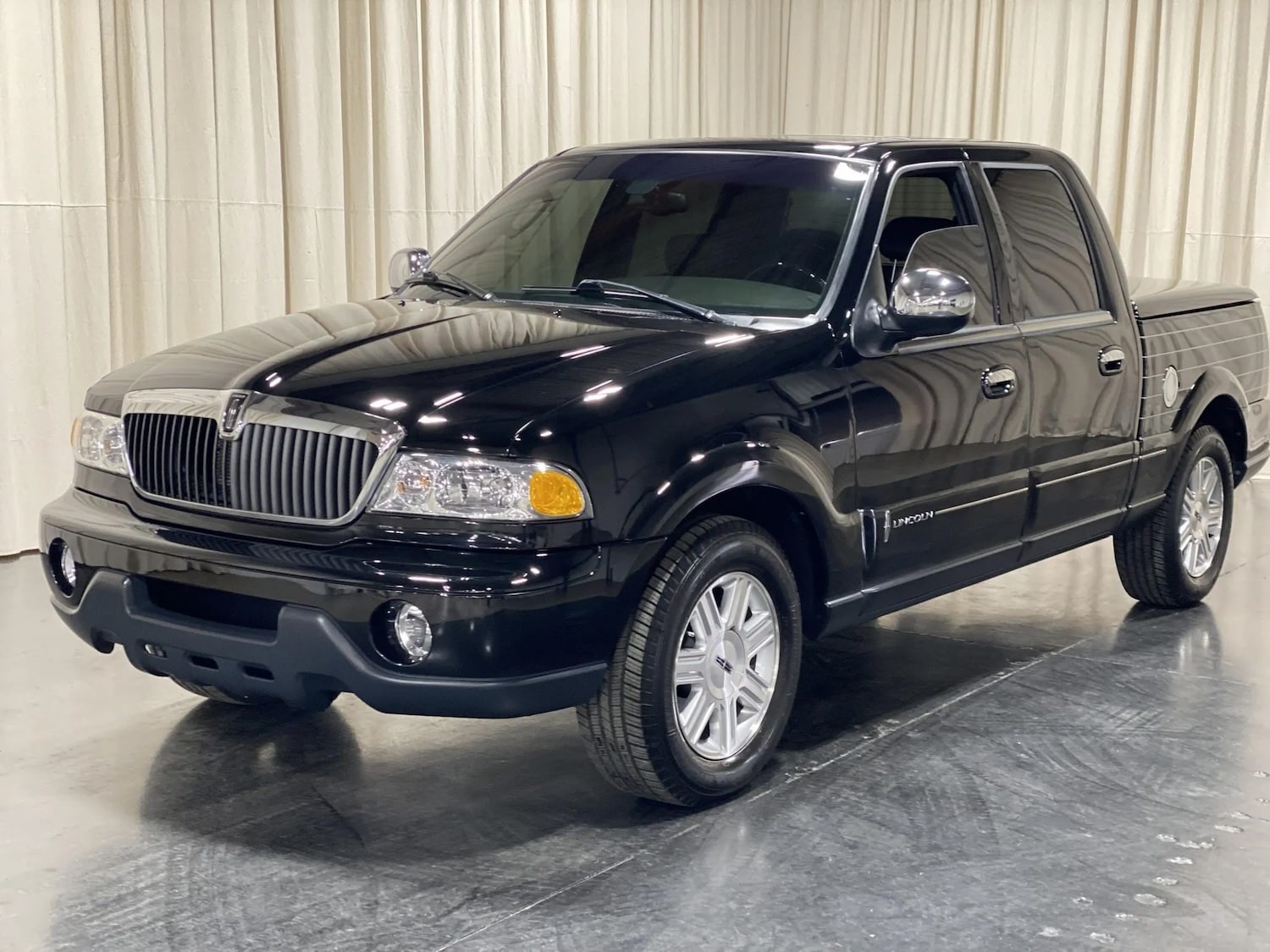
8. Lincoln Blackwood (2002)
The Lincoln Blackwood was an unusual attempt to combine luxury with pickup-truck utility. Ford’s Lincoln division wanted to offer affluent buyers a vehicle that had the comfort and presentation of a luxury model while retaining the basic appeal of a pickup.
The concept seemed appealing, but one key feature created a major drawback. The Blackwood’s truck bed did not offer the open and versatile cargo space typically expected from a pickup. Instead, it featured a covered rear cargo area with relatively limited capacity.
That made it less useful for people who genuinely needed a working truck. Price presented another obstacle. The Blackwood carried a luxury-oriented price tag, yet buyers could find more practical pickups for less money.
A shopper who wanted premium comfort had other luxury vehicles to consider, too. The result was a product caught between several customer groups.
Ford produced the Blackwood for the 2002 model year, but demand was weak. Only about 4,000 examples were built, making it one of the shortest-lived luxury pickup experiments in the company’s history.
The Blackwood’s failure was not caused by one mechanical defect or manufacturing disaster. Its problem was market fit. Customers had to understand why they should choose an expensive luxury pickup with a less useful cargo area than a conventional truck.
The model remains an interesting case because it shows how a product can be well equipped and carefully engineered yet still struggle when its basic purpose is difficult for shoppers to justify.
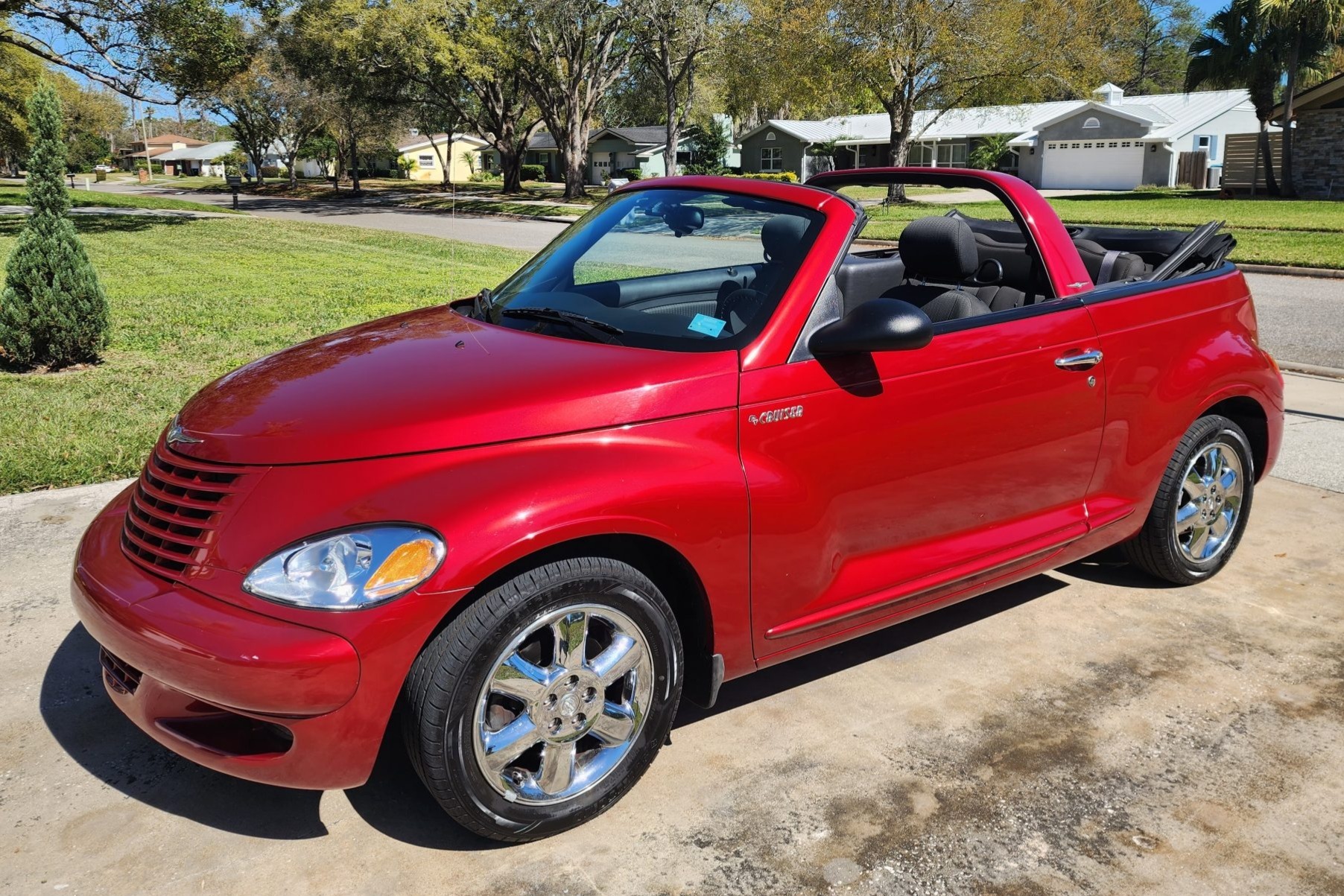
9. Chrysler PT Cruiser Convertible (2005)
The standard Chrysler PT Cruiser had already built a recognizable identity before Chrysler introduced its convertible version. Its retro-inspired shape, tall cabin, and practical interior gave the compact car a personality that stood apart from many rivals.
The convertible tried to add open-air appeal to that formula, but the change brought several compromises. Removing the fixed roof reduced practicality, while the smaller rear seating area and limited cargo usefulness made the car less versatile.
Its modest engine also failed to deliver the sporty performance some buyers expected from a convertible. That created a difficult sales proposition.
Customers who valued the regular PT Cruiser’s practicality could simply buy the standard model. Shoppers seeking an enjoyable convertible had plenty of alternatives with stronger performance or more conventional designs.
Chrysler offered the convertible for the 2005 model year, but demand fell short of expectations. Slow sales left dealers with unwanted inventory, while development expenses became harder to recover.
The car’s styling was not necessarily its problem. Its distinctive appearance remained one of its strongest selling points. The bigger issue was that the convertible body sacrificed useful features without giving buyers enough additional reasons to choose it.
The PT Cruiser Convertible shows how modifying a popular vehicle can become costly when the new version does not offer a clear benefit that matches its compromises.
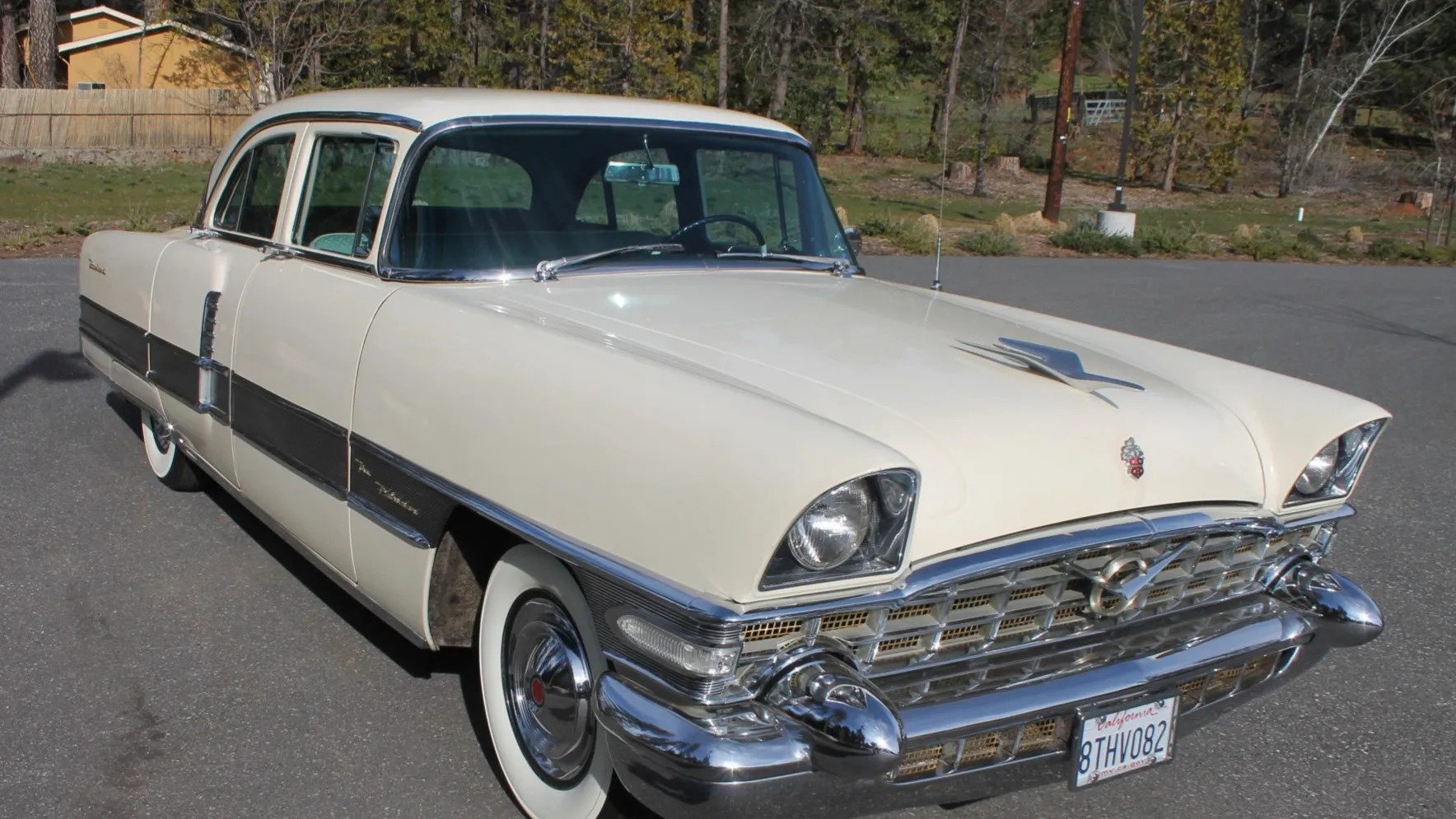
10. Packard Predictor (1956)
By the mid-1950s, Packard was already facing serious financial pressure, carrying debt while trying to compete against larger rivals with deeper resources.
The Predictor concept was intended to generate excitement and show that the company still had ambitious ideas for future automobiles.
The concept certainly attracted attention at auto shows. Its dramatic styling and futuristic details suggested what a next-generation Packard might look like if the company could regain financial stability.
For a brand struggling to remain relevant, the car represented a bold attempt at renewal. Yet attention alone could not solve Packard’s deeper problems.
The company needed profitable production models, stronger sales, and enough cash to fund development. A concept car could demonstrate design talent, but turning those ideas into affordable, mass-produced vehicles would require money Packard was struggling to find.
The Predictor therefore became more of a showcase than a practical business solution. Its ideas generated interest, but the company lacked the financial strength needed to build a production program around them.
Packard’s difficulties continued, and its business combination with Studebaker failed to restore lasting stability. Packard eventually disappeared as an independent American automaker.
The Predictor remains memorable because it shows the gap between creative ambition and financial reality. A company can have talented designers, fresh ideas, and an impressive concept on display, yet still fail when sales, debt, and available capital do not support the next step.
