
Some cars stick in memory because of speed or style. Others stick because of what went wrong and what happened afterward. Long before crash-test ratings became common knowledge, a handful of vehicles forced lawmakers, engineers, and everyday drivers to ask hard questions about what a car owes its passengers. A rear engine that behaved oddly. A fuel tank that ignited. A gas pedal that seemed to have a mind of its own.
Each incident sparked headlines, lawsuits, or congressional hearings, and each left a mark on how vehicles are built and regulated today. This piece looks at eight vehicles tied to some of the most talked-about safety controversies in American automotive history, and traces how public pressure, investigations, and industry response gradually reshaped the rules of the road.
1. Chevrolet Corvair (1960-1969)
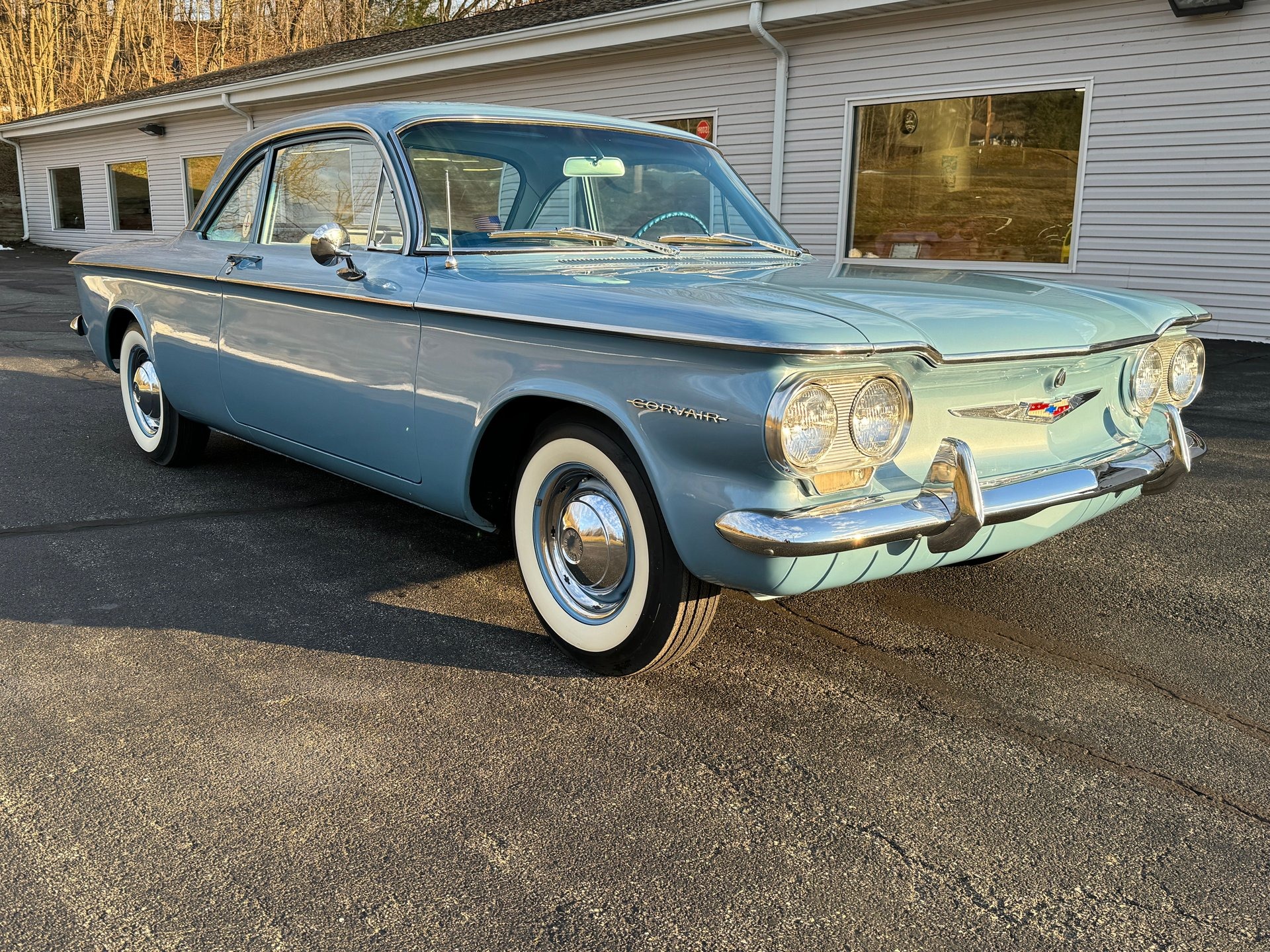
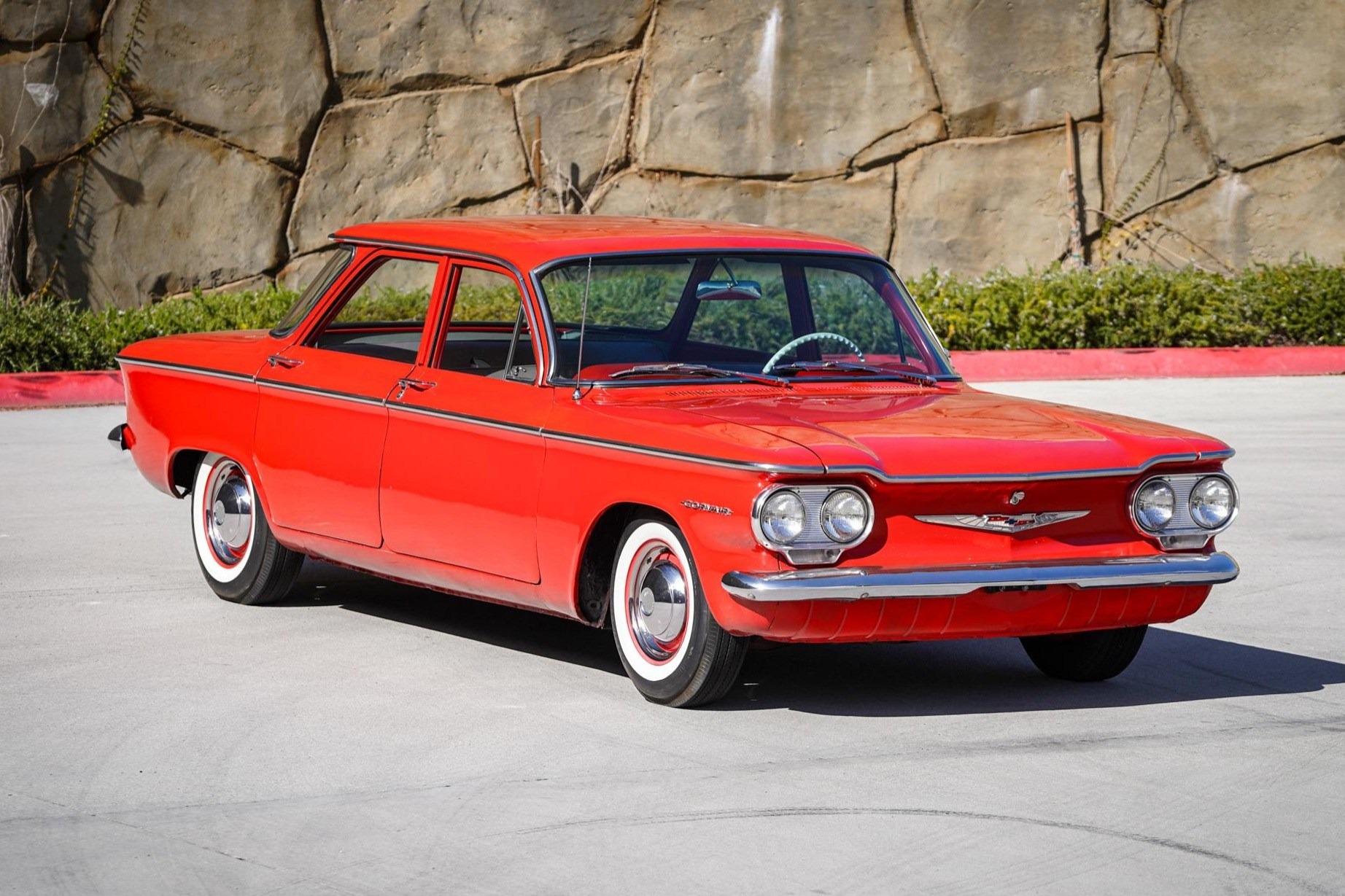
Few vehicles hold a place in regulatory history quite like the Corvair. When Ralph Nader published Unsafe at Any Speed in 1965, he opened his case with this compact Chevrolet and its unusual rear-mounted engine.
Nader argued that the car’s suspension geometry made it prone to sudden oversteer, a claim that struck a nerve with drivers and lawmakers alike.
His testimony before Congress, paired with mounting public anger toward General Motors, helped push the National Traffic and Motor Vehicle Safety Act of 1966 into law.
That legislation gave federal regulators the power to set mandatory standards for vehicles sold across the country, an authority that simply hadn’t existed before.
It would be easy to assume the Corvair single-handedly created every seat belt rule, every steering column standard, and every piece of glazing regulation drivers benefit from today. That isn’t quite how it happened.
The 1966 Act opened the door, but many of the specific protections, including occupant restraints and steering column design, arrived through separate rulemaking processes that stretched across the following years.
Still, without the Corvair controversy and Nader’s book, the political will to pass that founding law might never have gathered enough force. The car’s real legacy isn’t a single rule. It’s the framework that made future rules possible.
2. Ford Pinto (1971-1980)
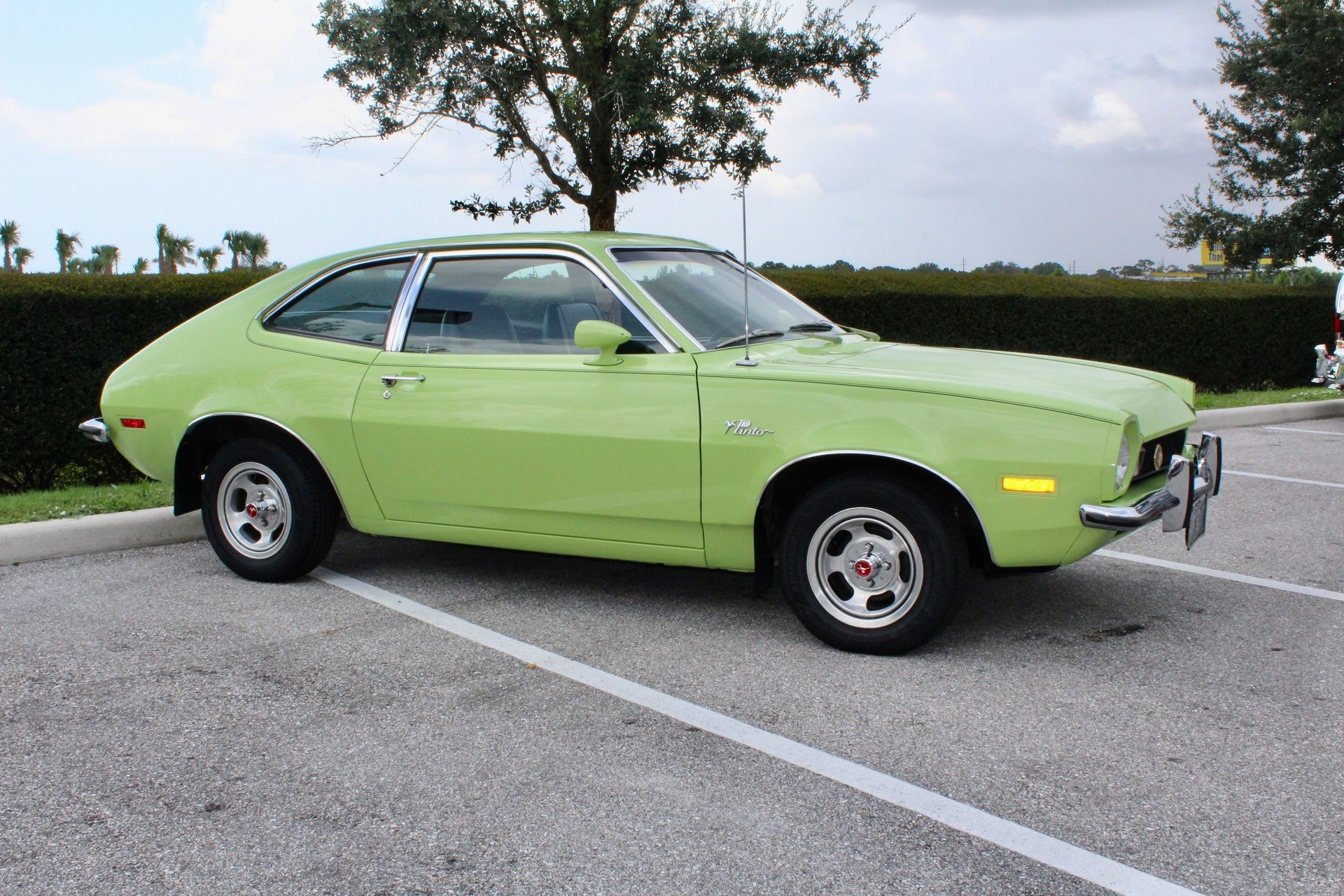
The Pinto’s reputation precedes it. Ask nearly anyone what car symbolizes corporate corner-cutting on safety, and this compact Ford is often the first answer.
Rear-end collisions could rupture its fuel tank and spark fires, a design flaw that led to recalls, lawsuits, and one of the most scrutinized product-liability cases in American business history.
Reporters dug into internal Ford memos. Juries awarded damages. Congress held hearings. The Pinto became shorthand for a company weighing repair costs against human lives.
One detail that is often lost in the legend is the history of the federal fuel-system standard associated with the Pinto. FMVSS 301 was not created in response to the Pinto controversy. The standard had already taken effect in 1968, several years before the Pinto’s fuel-tank safety problems became a major news story.
Regulators expanded that standard in 1973 to cover more of the fuel system and additional crash scenarios, and later amendments tightened fuel-leakage limits even further. So the timeline runs the other way around from popular belief.
The rule existed first. The Pinto controversy then reinforced why that rule, and stricter versions of it, mattered. Public outrage didn’t invent fuel-system safety regulation, but it certainly kept regulators from loosening their grip on it, and it reminded every automaker watching that cutting corners on crash protection carries a price far beyond the factory floor.
3. Audi 5000 (1978-1986)
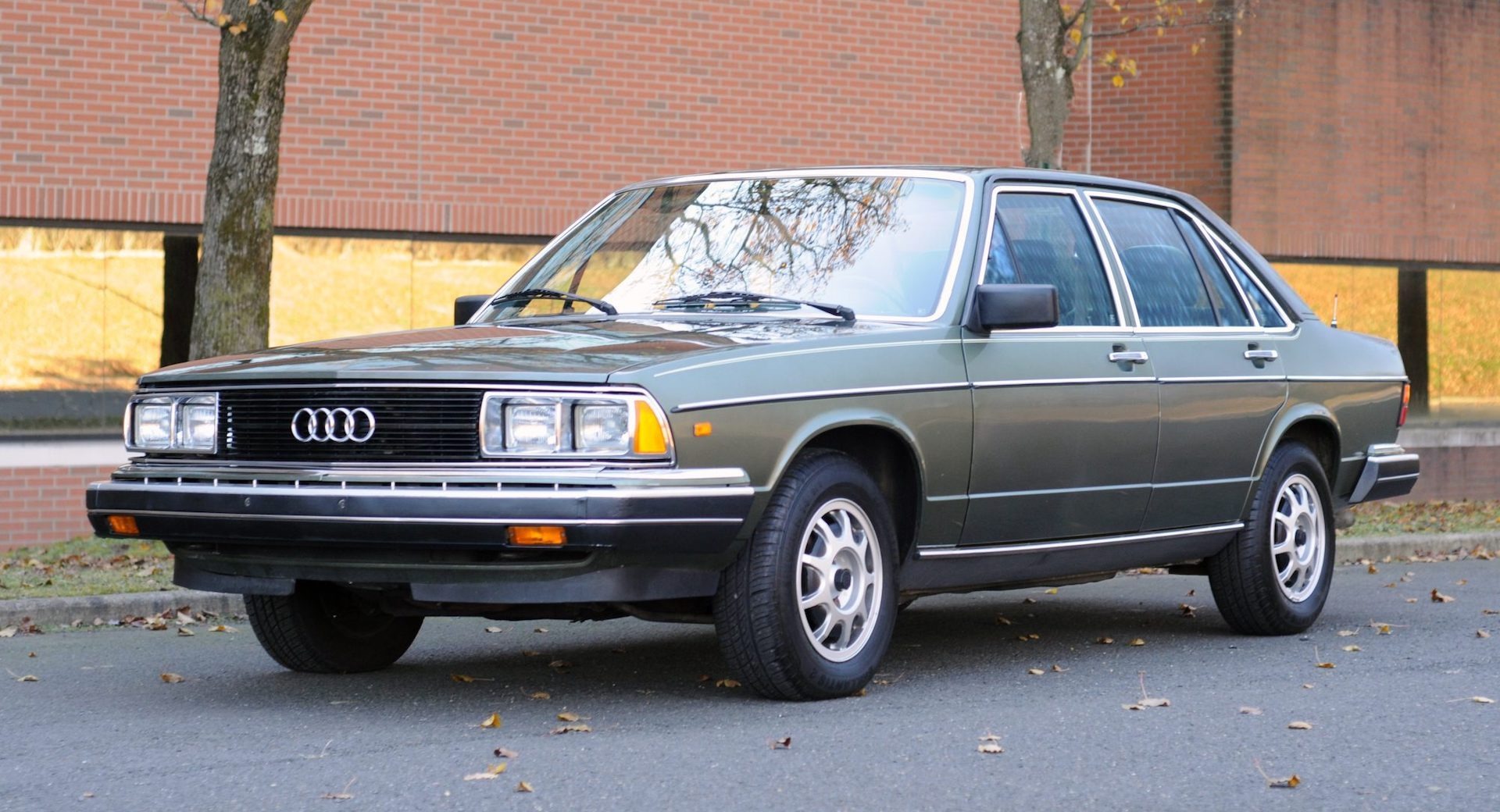
What happens when a car seems to accelerate on its own? For Audi 5000 owners in the 1980s, that question wasn’t theoretical. Reports of sudden, unintended acceleration piled up, prompting a formal investigation by the National Highway Traffic Safety Administration.
The response came in the form of a recall campaign that added or retrofitted lock mechanisms requiring the brake pedal to be pressed before the transmission could leave Park.
NHTSA’s own data showed incident reports dropping as that retrofit campaign rolled out across affected vehicles, which offered some vindication for the fix, even as debate over the root cause continued for years.
What the Audi 5000 saga did not produce, at least not right away, was a nationwide mandate requiring every automatic-transmission vehicle to include a brake-transmission interlock. That broader rule came much later.
FMVSS 114 now requires this exact safeguard, but only for vehicles built from September 1, 2010 onward, decades after the Audi controversy first made headlines.
The Audi case occupies an unusual place in automotive history. The company developed a solution, tested it in real-world conditions, and demonstrated its effectiveness years before regulators required similar technology across the industry. It is a clear example of how a safety idea can prove its value long before it becomes a universal requirement.
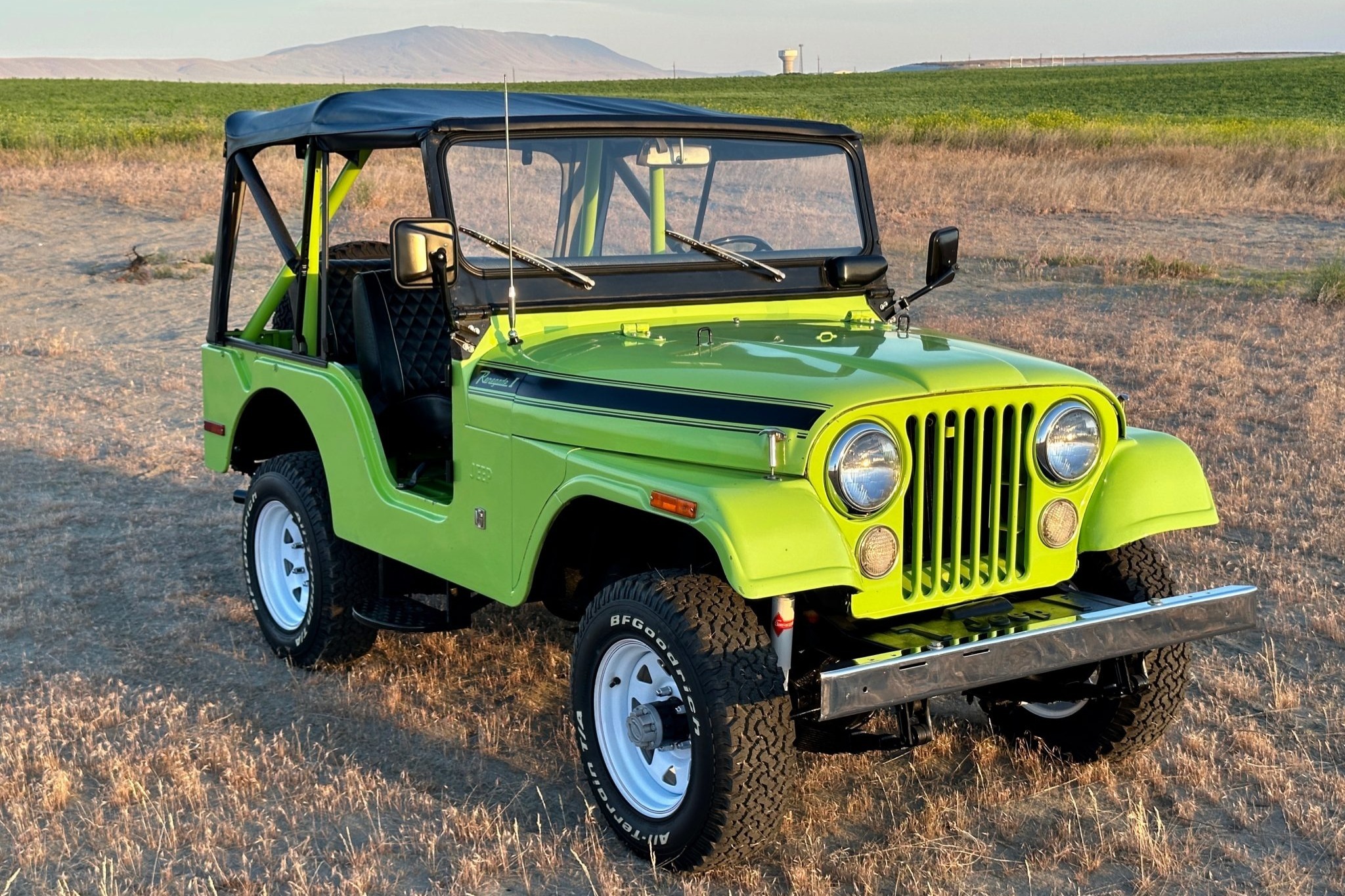
4. Jeep CJ Series (1970s to 1980s)
The Jeep CJ series became an important part of the history of debates surrounding vehicle stability and rollover safety during the 1970s and 1980s.
As sport utility vehicles attracted greater attention from consumers, manufacturers, and federal regulators, questions arose about how these vehicles performed during sudden steering maneuvers and other situations that could cause a rollover.
The CJ’s off-road configuration, relatively high center of gravity, and narrow track were among the characteristics examined in discussions of rollover resistance.
Federal records from the period document government concern about the relationship between these design characteristics and rollover behavior. NHTSA materials warned that certain CJ design features could increase rollover risk under particular driving conditions. Those concerns added to federal research into the stability of utility vehicles.
The regulatory history, however, is more measured than some later accounts suggest. In 1976, NHTSA reported that it was collecting information concerning rollover resistance, but the agency did not yet require manufacturers to report standardized rollover performance information. Federal consumer rollover resistance ratings were not introduced until 2000.
This timeline places the Jeep CJ within the development of SUV safety research without attributing later federal requirements directly to the vehicle.
Available federal records do not establish that the CJ 5 itself created federal rollover warning requirements or served as the sole foundation for modern rollover testing.
The CJ’s place in automotive safety history comes from the questions it raised about vehicle stability and the attention those questions received from regulators.
Its history is therefore better understood as part of the broader development of rollover research rather than as the direct cause of a single federal regulation.
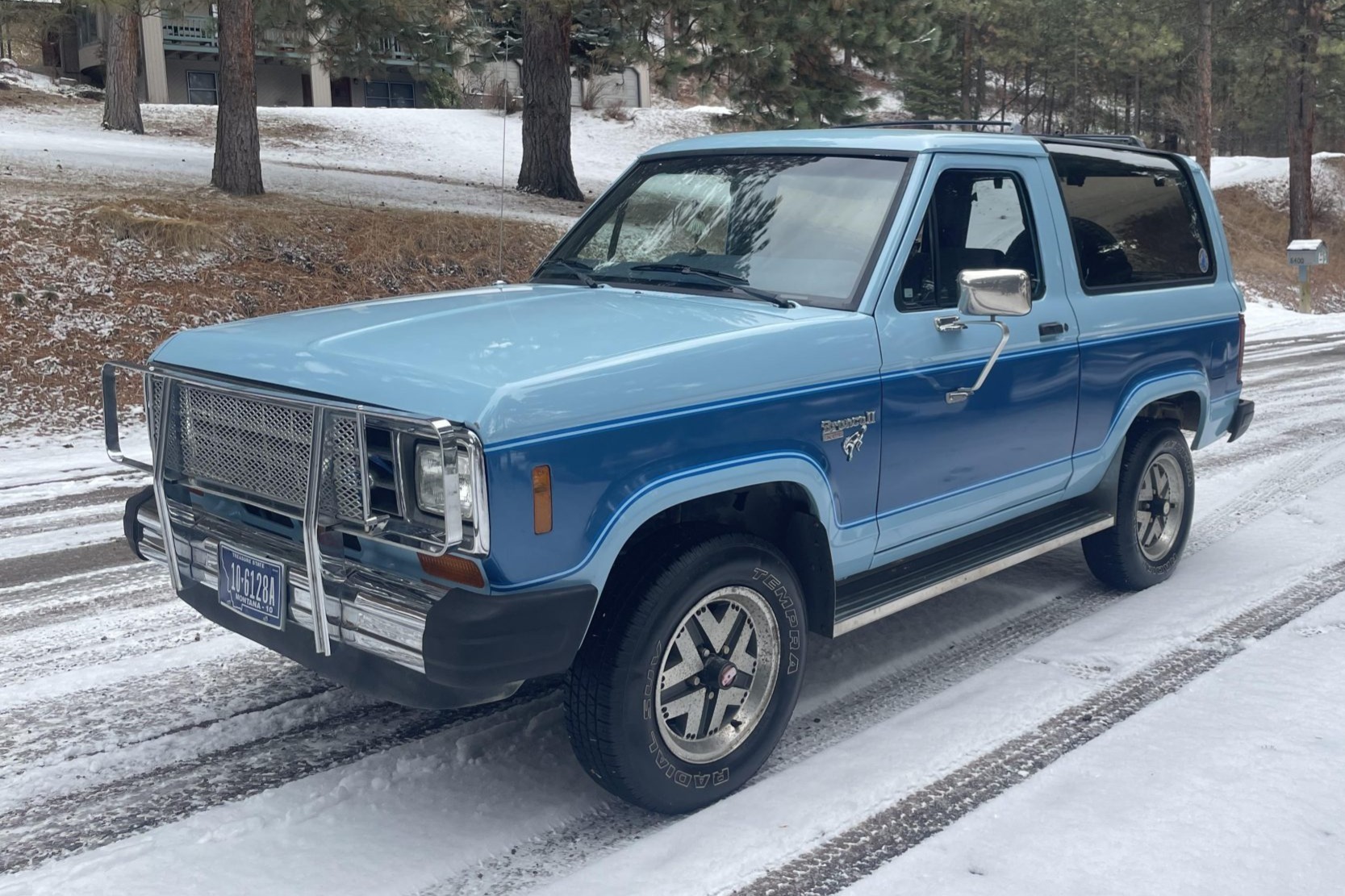
5. Ford Bronco II (1984 to 1990)
The Ford Bronco II became an important vehicle in the federal and public debate over rollover safety in sport utility vehicles. As compact SUVs gained popularity, the Bronco II drew attention after complaints and reported incidents raised questions about its stability.
By the late 1980s, those concerns had reached federal regulators, prompting NHTSA to examine the vehicle’s rollover performance and related safety issues.
In 1989, NHTSA opened a formal engineering analysis of the Bronco II. The agency closed that analysis in 1990 without ordering a recall. Federal investigators later examined additional rollover complaints involving the vehicle, keeping the Bronco II within a broader period of regulatory attention concerning the stability of multipurpose passenger vehicles.
The vehicle’s design characteristics were central to discussions about its behavior. Like other SUVs of the period, the Bronco II had a relatively high center of gravity compared with many passenger cars.
That characteristic made rollover resistance an important consideration during abrupt steering maneuvers and other loss of control situations. Its history therefore became part of a wider discussion about how vehicle design affected rollover risk and occupant protection.
The regulatory record does not establish a direct connection between the Bronco II and later federal roof crush requirements. In 1991, NHTSA issued a rule extending FMVSS 216 roof crush requirements to certain multipurpose passenger vehicles, trucks, and buses.
The expanded requirements applied to vehicles manufactured beginning in 1993. Federal documentation does not identify the Bronco II as the cause of that rule.
The Bronco II’s place in automotive safety history comes from its role in federal investigations and public discussion concerning SUV stability, rollover risk, and occupant protection.
It formed part of a period in which regulators continued examining how larger vehicle designs should be evaluated and regulated for occupant safety.
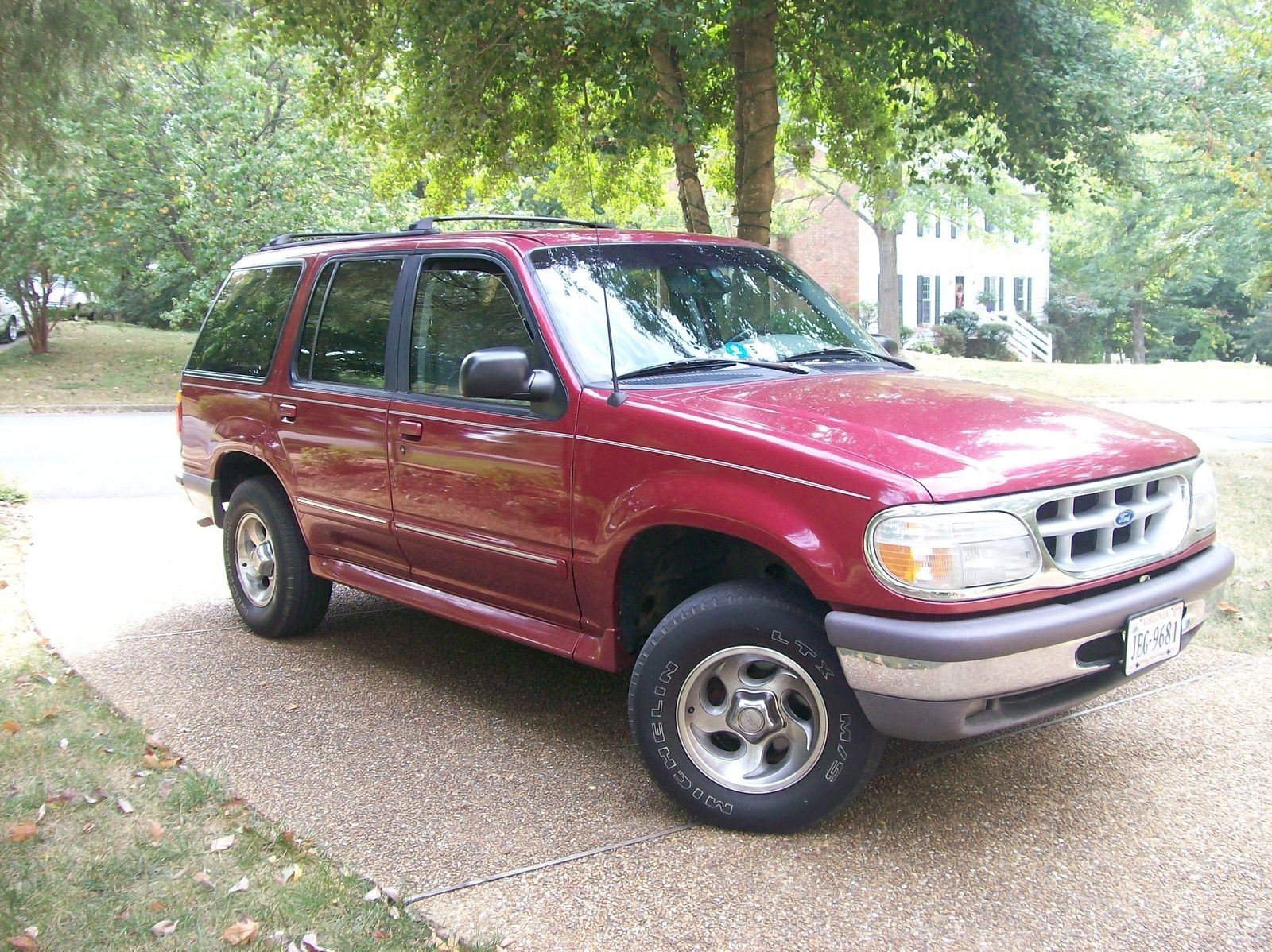
6. Ford Explorer & Firestone Tires (1990s-2000)
By the late 1990s, tread separation had become a household phrase, and not in a good way. Firestone tires fitted to Ford Explorers were failing at alarming rates, sometimes at highway speed, and the resulting crashes drew intense media coverage and a wave of public fear.
Congress didn’t sit on the sidelines. Lawmakers launched investigations, held hearings, and pressed both companies for answers about what each side knew and when.
Out of that pressure came real legislative change. The Transportation Recall Enhancement, Accountability, and Documentation Act, better known as the TREAD Act, passed in 2000 and strengthened how manufacturers must report defects and manage recalls.
The law also opened the door for additional tire-safety measures, and it directly led NHTSA toward developing a federal tire-pressure-monitoring-system requirement, finalized in 2002.
Drivers today glance at a dashboard warning light when tire pressure drops low, a small feature that traces its origin straight back to this crisis. Few entries on this list connect as cleanly to a specific federal law as the Explorer and Firestone episode does.
The chain runs from failing tires, to public outrage, to congressional action, to a concrete regulatory requirement that still protects drivers every single day they get behind the wheel.
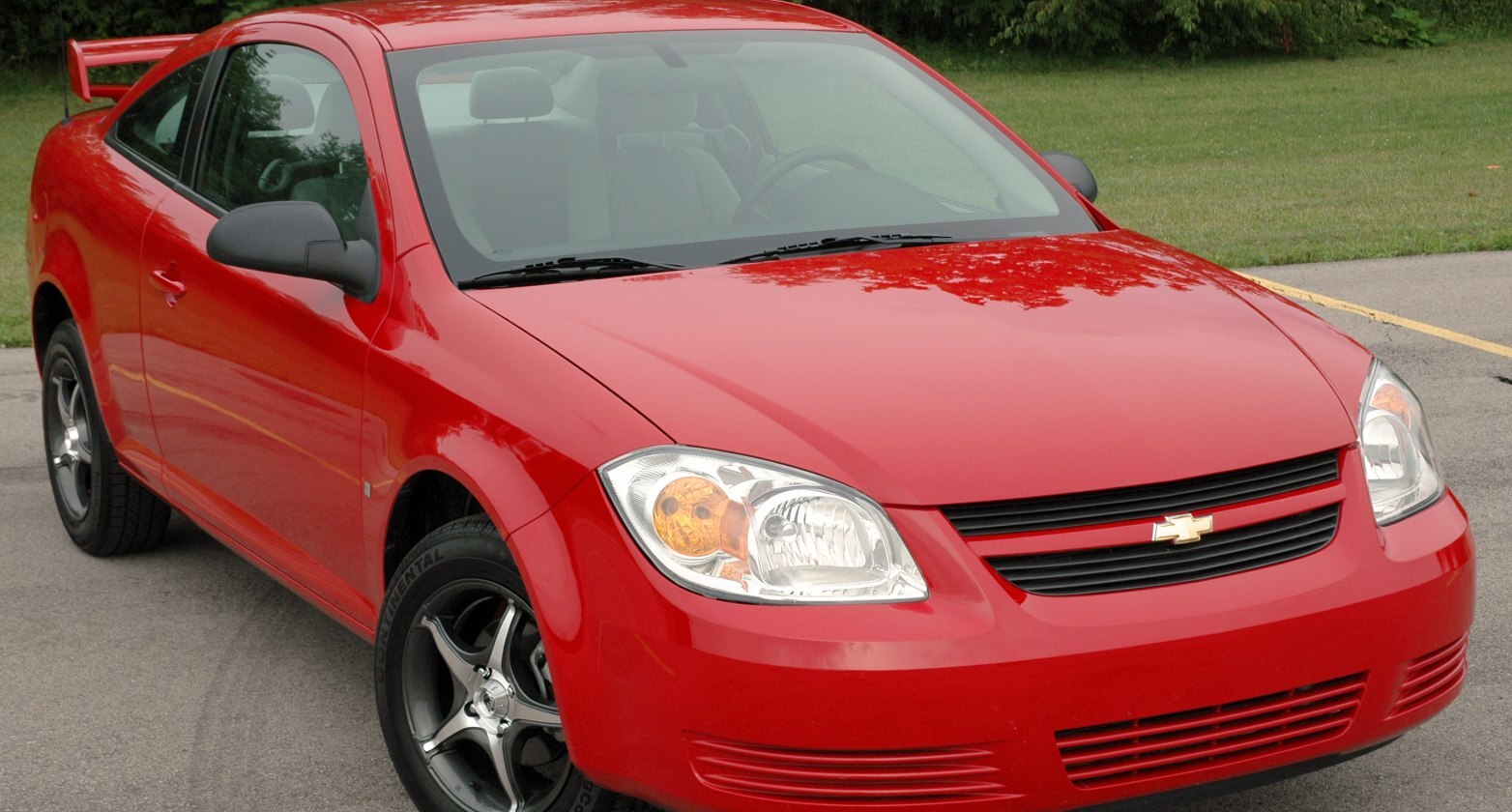
7. Chevrolet Cobalt (2004-2010)
Some safety failures involve mechanical parts so small they seem impossible to blame for tragedy. The Chevrolet Cobalt’s ignition switch was one of them.
Under certain conditions, the switch could slip out of the run position, cutting electrical power and, in some crashes, preventing airbags from deploying when they were needed most.
General Motors began recalling Cobalts and related models in 2014, an action that arrived years after the defect had already been linked to fatalities and injuries across the country.
The fallout reached well beyond one recall campaign. Federal lawmakers responded with stronger accountability measures aimed at manufacturers who delay reporting known defects.
The FAST Act of 2015 raised NHTSA’s maximum civil penalties substantially, moving the per-violation cap from $7,000 to $21,000 and the cap for a related series of violations from $35 million to $105 million.
Crediting the Cobalt alone for those changes would oversimplify what actually happened. The FAST Act addressed recall practices broadly, and its passage came during a period that also included the sprawling Takata airbag recalls, which added their own pressure on lawmakers.
The Cobalt crisis is best understood as one deeply painful chapter within a larger reckoning over how quickly automakers disclose defects, and how much it costs them when they don’t.
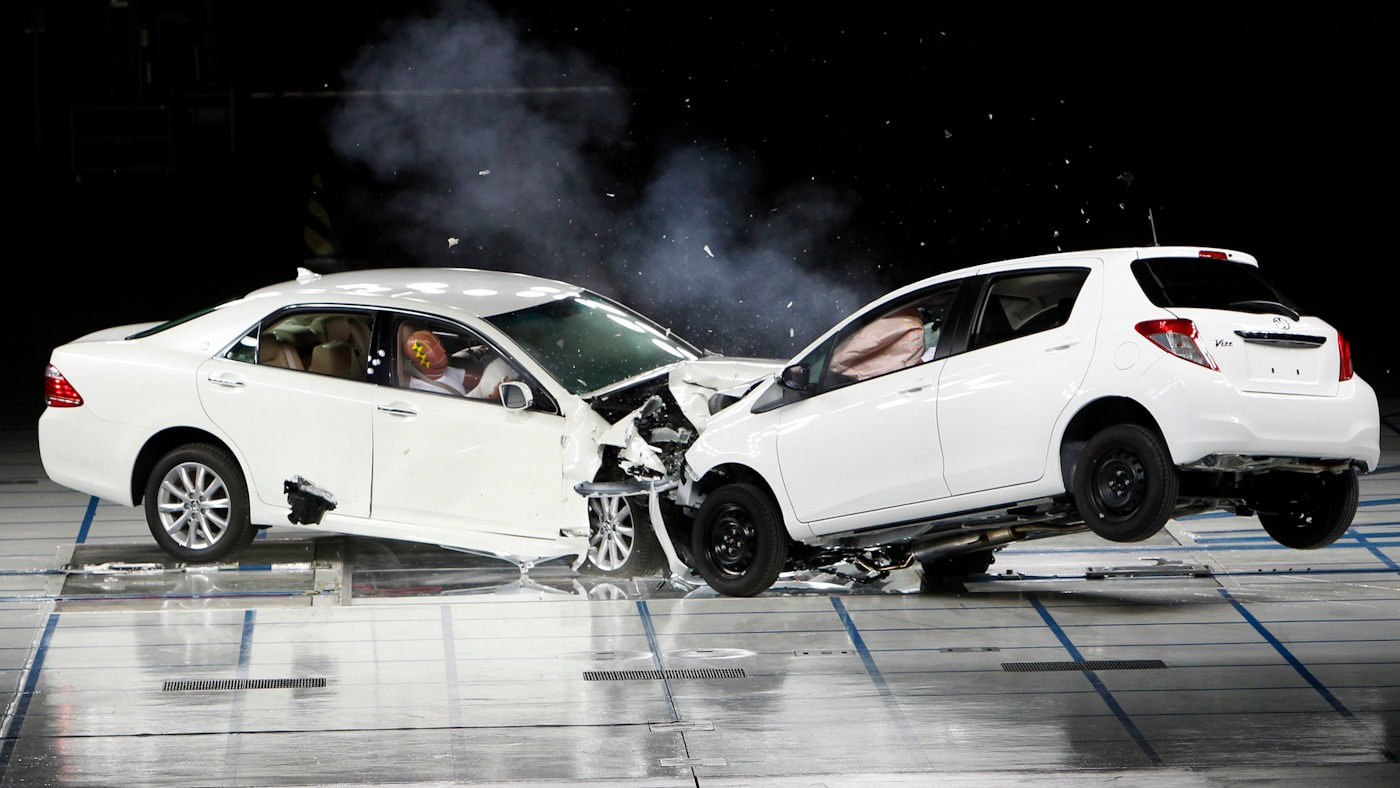
8. Toyota & Lexus Unintended-Acceleration Cases (2009-2010)
Sudden acceleration returned to national headlines decades after the Audi 5000 controversy, this time involving Toyota and Lexus vehicles between 2009 and 2010.
Drivers reported cars surging forward unexpectedly, and the resulting wave of recalls, lawsuits, and congressional hearings put Toyota’s engineering and corporate response under a microscope few automakers ever face.
One outcome of that scrutiny was brake-override technology, a system that cuts engine power automatically when a driver presses the accelerator and brake pedals at the same time. Toyota confirmed plans to make this feature standard across its global lineup by the end of 2010.
Investigators leaned heavily on event-data-recorder information while examining these incidents, and that reliance sometimes gets misread as the origin story for federal EDR rules.
It isn’t. NHTSA had already established federal event-data-recorder requirements back in 2006, with amendments following in 2008, 2011, and 2012.
The Toyota cases showed how useful that existing data could be when investigators needed to reconstruct what happened inside a car during a sudden acceleration event.
The episode didn’t write new law from scratch. It validated a data-collection system regulators had already built, proving in real time why recorders quietly logging vehicle behavior matter long after the moment a crash occurs.
