
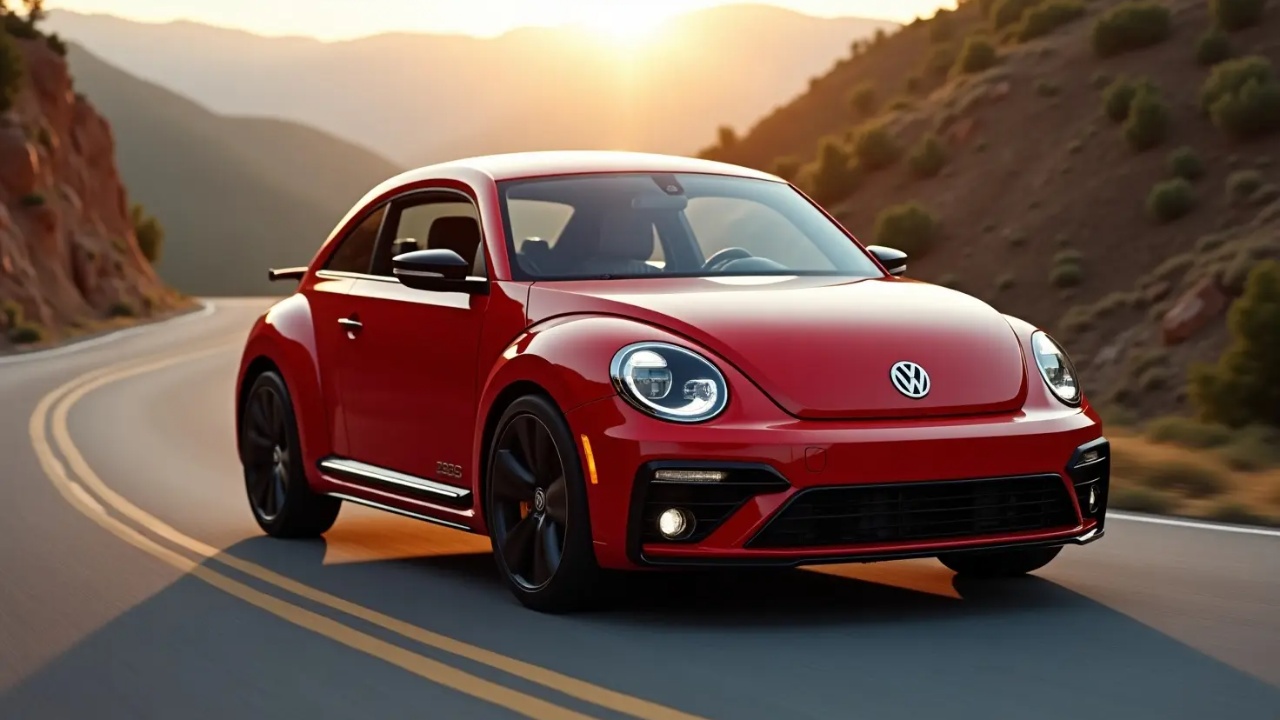
Some cars become popular for a few years. Others become part of everyday life for generations. Crossing 10 million sales is one of the clearest signs that a vehicle has achieved extraordinary staying power, but the reasons behind those numbers can be very different.
Some succeeded through affordability and fuel economy, while others built enormous followings through practicality, durability, or their ability to adapt across decades.
The vehicles on this list represent nameplates that surpassed 10 million units sold or produced, using manufacturer-documented figures wherever available.
Sales figures are generally worldwide, while the specifications provided are based on U.S.-market versions to keep the technical information relevant to American readers.
1. Toyota Corolla
The Toyota Corolla is in a sales category that very few vehicles have ever approached. Toyota announced in 2021 that the 50-millionth Corolla had been sold worldwide, marking more than five decades of continuous production since the nameplate debuted in 1966.
The Corolla also arrived in the United States for the 1969 model year, giving American buyers access to a compact car that would eventually become one of the most recognizable nameplates in the industry.
What makes the Corolla’s achievement particularly interesting is that its identity has never depended on a single body style or generation. Toyota repeatedly changed the formula as customer expectations evolved.
Over the years, the Corolla name has been used for sedans, hatchbacks, wagons, and other versions across various markets. This flexibility helped Toyota keep the model relevant as the automotive industry evolved. Despite these changes, its core appeal stayed consistent with its practical size, affordable running costs, useful design, and focus on everyday driving.
In the United States, the Corolla has also moved well beyond the simple economy-car image associated with some of its earliest generations. Modern U.S. versions have offered features such as advanced driver-assistance technology, hybrid power, and sport-oriented variants.
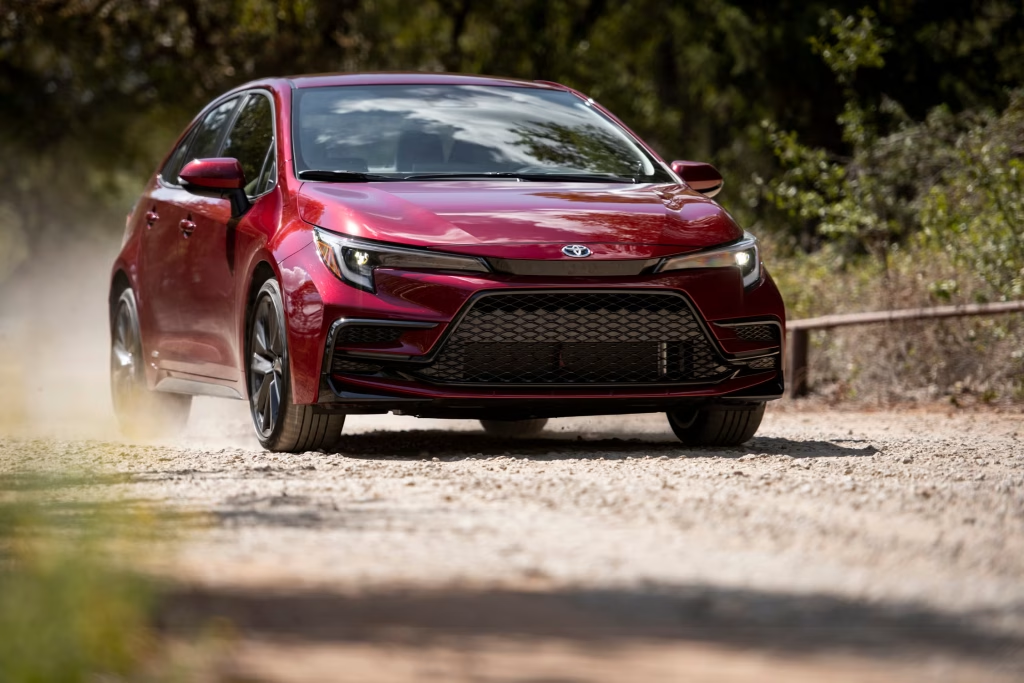
Toyota’s 2022 Corolla lineup, for example, included sedan, hatchback, and hybrid choices, demonstrating how far the nameplate had expanded from its original role.
The 50-million milestone is therefore more than a sales statistic. It represents a nameplate that managed to remain recognizable while changing with its customers. Few vehicles can claim that kind of longevity, and even fewer can attach a number as large as 50 million to their history.
2. Ford F-Series
The Ford F-Series achieved a major production milestone in February 2022 when Ford built its 40-millionth F-Series pickup. The milestone vehicle was an F-150 Tremor assembled at Ford’s Dearborn Truck Plant in Michigan. Reaching 40 million units highlights the pickup’s long-running presence in the automotive market.
By 2026, Ford reported that more than 41 million F-Series trucks had been sold worldwide since the family was introduced in 1948.
Unlike a conventional passenger-car nameplate, the F-Series represents an entire family of pickups, with the F-150 serving as its best-known member.
That distinction is important when looking at the sales figure because the decades-long total includes generations and configurations that have changed dramatically over time. What has remained consistent is the F-Series’ role as a working truck and, increasingly, as a personal vehicle.
Its American success is particularly significant. Ford says the F-Series has been America’s best-selling truck for 49 consecutive years through 2025, while also holding the position of America’s best-selling vehicle for 44 years. In 2025 alone, Ford reported more than 800,000 F-Series sales.
The modern F-150 illustrates how dramatically the formula has expanded. A buyer can choose from turbocharged V6 engines, a V8, a PowerBoost hybrid, and high-performance Raptor variants.
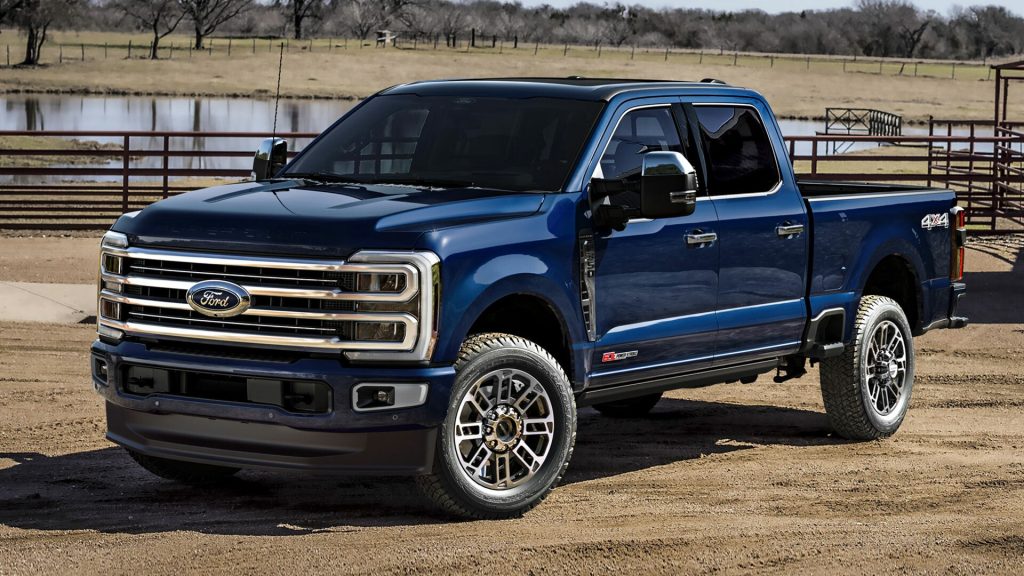
Ford’s current U.S. specifications list the 3.5-liter EcoBoost V6 at 400 horsepower and 500 lb-ft of torque, while the 3.5-liter PowerBoost hybrid produces 430 horsepower and 578 lb-ft. At the end, the F-150 Raptor R uses a supercharged 5.2-liter V8 making 720 horsepower and 640 lb-ft.
That enormous range helps explain why the F-Series has remained relevant to very different American buyers. It can be a jobsite tool, family transportation, towing machine, or performance pickup, all under one long-running name.
3. Volkswagen Golf
When Volkswagen introduced the Golf in 1974, it was taking a major risk. The company was replacing the iconic Beetle with a completely different kind of car. The Golf moved to a front-engine, front-wheel-drive layout and adopted a practical hatchback body, creating a formula that would become enormously influential.
More than five decades later, Volkswagen has delivered more than 37 million Golf vehicles worldwide, placing the nameplate among the highest-selling cars ever produced.
The Golf’s success has never depended on one particular version. Volkswagen continually adjusted the car to suit changing expectations, offering economical four-cylinder models, diesel variants in many markets, sporty GTI versions, and high-performance R models.
That variety allowed the Golf to appeal to buyers who wanted inexpensive transportation as well as enthusiasts looking for considerably more performance.
Its history also demonstrates how the compact hatchback evolved from a practical transportation solution into a major automotive category. The basic Golf formula combines a relatively small footprint with useful interior space, making the car easier to maneuver in crowded areas without sacrificing everyday practicality.
Successive generations added technology, safety equipment, and more sophisticated powertrains while retaining the recognizable proportions that defined the model.
Volkswagen has also produced the Golf in numerous manufacturing locations over its lifetime. The name became particularly important in Europe, but the model also established a substantial presence in other markets.
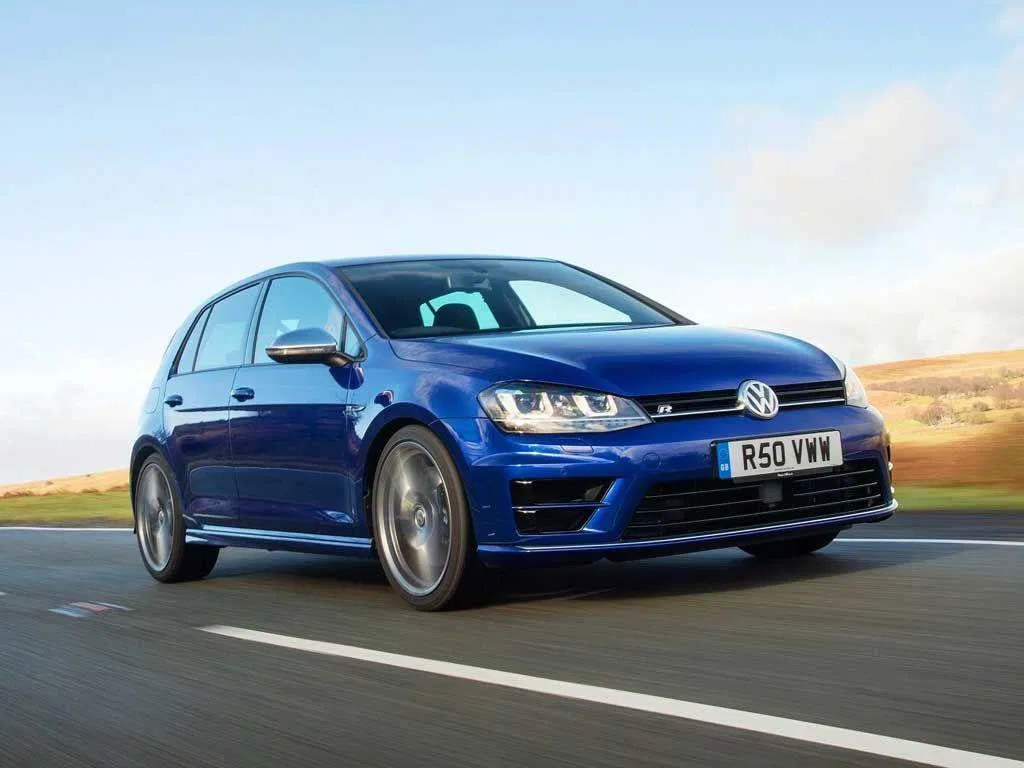
In the United States, the Golf name has been associated with several generations and body styles, although American availability has changed considerably over the decades.
Reaching more than 37 million deliveries is remarkable because the Golf did not simply remain unchanged while accumulating sales. Volkswagen repeatedly redesigned it while preserving the fundamental idea behind the original car.
That ability to evolve without abandoning its identity is a major part of the Golf’s long production story. Volkswagen’s own newsroom reported the 37-million milestone in 2024.
4. Volkswagen Passat
The Volkswagen Passat took a very different route to the 10-million milestone. Rather than becoming famous primarily as a compact hatchback, it established itself as a larger family car positioned above the Golf.
Volkswagen introduced the Passat in 1973, one year before the Golf, and the nameplate eventually accumulated more than 34 million deliveries worldwide according to manufacturer figures compiled through 2024.
One reason the Passat lasted so long was its ability to change with different markets. Over successive generations, Volkswagen offered the model as a sedan and wagon, with various engine choices and equipment levels.
The car became particularly important in Europe, where spacious family vehicles with efficient engines have traditionally represented a major part of the market.
The Passat also developed a different personality depending on where it was sold. American buyers became familiar with larger versions of the sedan and wagon, particularly during the period when Volkswagen manufactured the U.S.-market Passat at its Chattanooga, Tennessee, facility.
The North American model was designed with American tastes in mind and was larger than some European-market Passat versions.
For much of its history, the Passat occupied an interesting position between mainstream family transportation and more premium European sedans. Buyers could obtain a relatively sophisticated cabin, available turbocharged engines, and Volkswagen’s distinctive driving character without necessarily moving into a luxury-brand price category.
The nameplate’s lifetime figure is especially impressive because its sales were accumulated over more than half a century and across multiple generations. The Passat was not a single global specification. Instead, Volkswagen adapted the car to regional requirements while retaining the same core name.
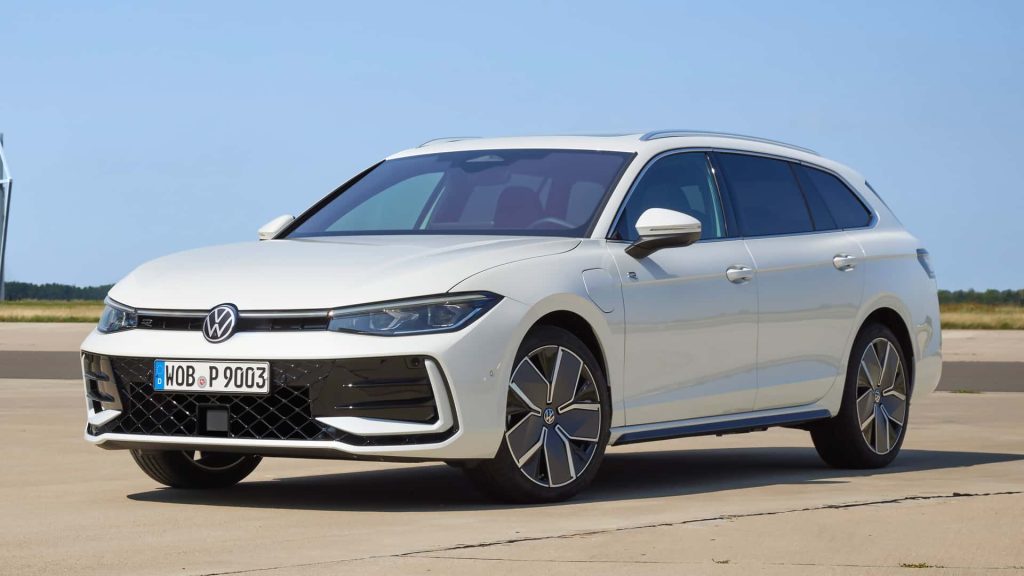
Its American chapter eventually came to an end after the 2022 model year, when Volkswagen discontinued U.S. production of the Passat. The final U.S.-market cars were built at the Chattanooga plant, closing an important chapter in Volkswagen’s American manufacturing history.
The Passat therefore represents a different kind of high-volume success from the Golf. Its achievement came from serving customers who wanted more room and a more substantial road-going character while still remaining within the mainstream family-car market. More than 34 million global deliveries show just how large that audience became.
5. Honda Civic
The Honda Civic crossed the 10-million mark decades ago, but its sales story did not stop there. Honda reported that cumulative worldwide Civic sales had surpassed 27 million units by 2022, with the nameplate sold in more than 170 countries.
Introduced in 1972, the Civic became one of Honda’s most important products and helped establish the company as a major global automaker.
The interesting part of the Civic story is how dramatically the car has changed without losing its basic purpose. The first-generation model was a small, economical car designed during a period when fuel efficiency and compact dimensions were becoming increasingly important.
Later generations grew larger, gained more equipment, and adopted increasingly sophisticated engines, transmissions, and safety systems.
In the United States, the Civic eventually became much more than inexpensive transportation. Sportier versions attracted younger drivers, while the Si and Type R demonstrated how far Honda could push the platform. Sedan and hatchback configurations also allowed the nameplate to cover different customer needs without abandoning its compact-car roots.
Honda’s latest U.S. Civic illustrates another major transformation. The 2026 Civic is available with a two-motor hybrid system producing 200 horsepower, while non-hybrid versions use a 2.0-liter four-cylinder making 150 horsepower. The hybrid sedan is rated at up to 50 mpg city and 47 mpg highway, depending on configuration.
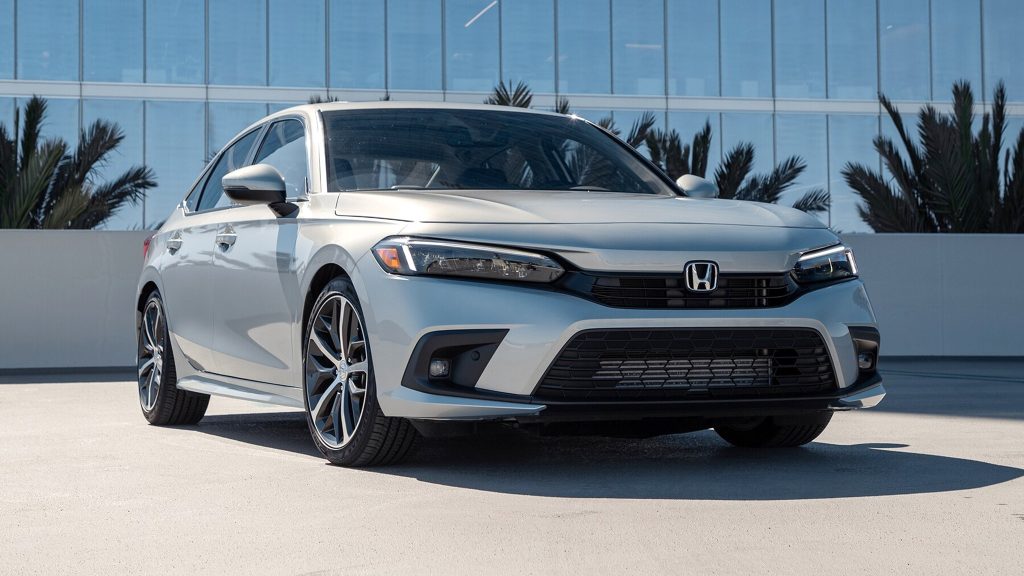
That progression is important because the Civic’s enormous sales total was not created by keeping the same formula for half a century. Honda repeatedly changed the car as technology, regulations, and buyer expectations shifted. The model moved from a basic compact into a broad family of efficient, sporty, and technologically advanced vehicles.
The Civic’s 27-million-plus global total therefore represents more than longevity. It shows how a small car created in the early 1970s managed to remain relevant through fuel crises, changing safety standards, the rise of SUVs, and the industry’s transition toward electrification.
6. Volkswagen Beetle
Few cars have a sales history as unusual as the Volkswagen Beetle. Volkswagen produced the original Type 1 for decades, eventually building 21,529,464 examples before production ended in Mexico in 2003. That figure made the Beetle one of the most-produced individual car designs in automotive history.
The Beetle’s success was built around a straightforward idea of providing affordable transportation for everyday drivers. Its rear-mounted air-cooled engine, compact design, and recognizable rounded shape helped set it apart from many of the conventional cars available at the time.
American buyers became an important part of the story. Volkswagen says the Beetle first arrived on U.S. shores in 1949. By the 1960s, the little German car had become deeply established in American automotive culture, helped by its unusual styling, relatively inexpensive operation, and reputation for being different from Detroit’s larger cars.
The Beetle also demonstrated extraordinary production longevity. Volkswagen’s German production ended in 1978, but manufacturing continued elsewhere. The final original Beetle was assembled in Puebla, Mexico, in July 2003, ending a production run that stretched across roughly six decades.
There is an important distinction between the original Beetle and the later cars carrying the same name. The modern New Beetle arrived in the late 1990s, followed by another generation in 2011.
Those cars borrowed the visual theme but were mechanically unrelated to the original rear-engine design. Volkswagen ultimately ended Beetle production after the 2019 model year in the United States.
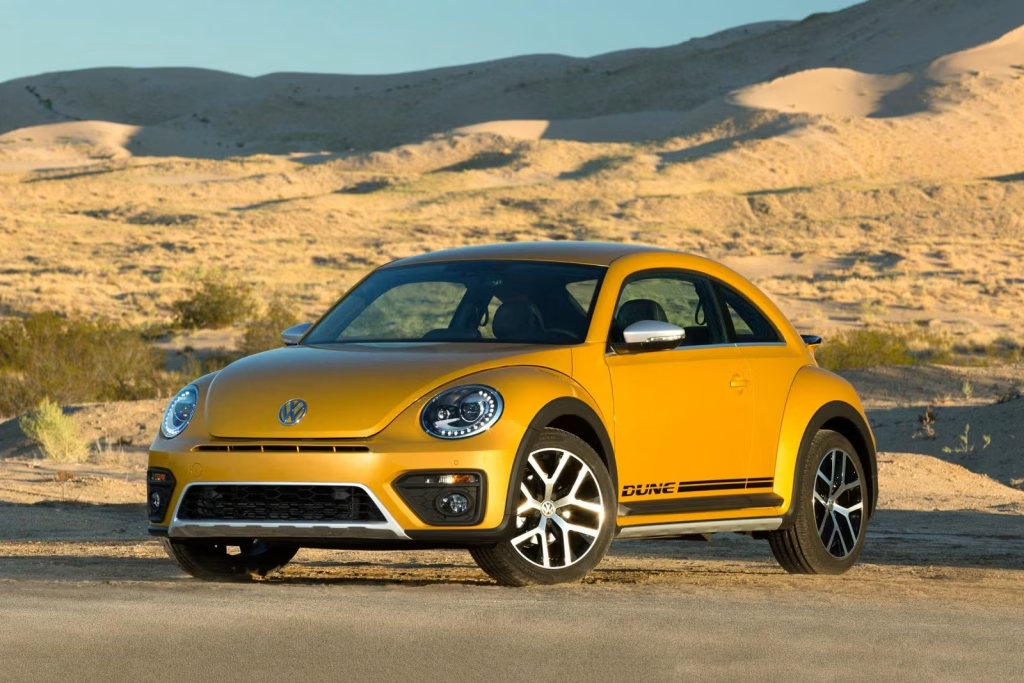
The final U.S. version was a very different machine from the original. Its 2.0-liter turbocharged four-cylinder produced 174 horsepower and 184 lb-ft of torque, sent through a six-speed automatic transmission. The coupe measured 168.4 inches long and 71.2 inches wide.
Yet the name remained recognizable nearly everywhere. More than 21.5 million original Beetles were sold, and Volkswagen notes that the model eventually surpassed the Ford Model T’s production record before later being overtaken by the Golf.
7. Ford Model T
Long before modern cars became packed with computers, cameras, and dozens of drive modes, the Ford Model T demonstrated what could happen when an automobile became affordable to ordinary Americans.
Ford introduced the Model T in 1908, and production continued until 1927. During that period, more than 15 million examples were built and sold, a figure that placed the Model T among the most significant high-volume automobiles in history.
Ford itself describes the car as one of the first mass-production vehicles and credits it with helping put America on wheels.
The Model T’s sales achievement cannot be separated from the manufacturing revolution surrounding it. Ford increasingly relied on moving assembly-line production at its Highland Park facility, allowing the company to manufacture vehicles in enormous numbers and reduce production costs.
Those savings were reflected in the price paid by customers. Ford records Model T prices ranging from roughly $260 to $850 during its production life, depending on the period and configuration.
The car itself was deliberately straightforward. Its mechanical simplicity helped make it practical for an era when many roads were unpaved, and automotive service infrastructure was nowhere near as developed as it is today.
Ford eventually produced the Model T in numerous body configurations, giving customers choices that extended well beyond a basic touring car.
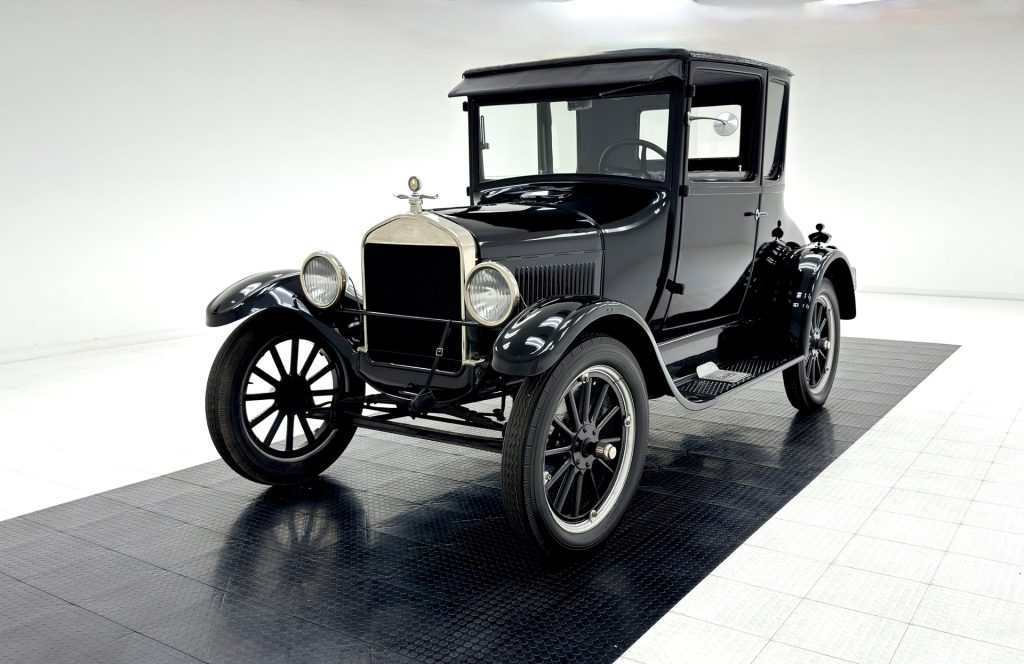
By the early 1920s, Ford says more than half of the world’s registered automobiles were Fords. Production finally ended in May 1927, with Ford marking the 15-millionth Model T as the ceremonial final example.
The Model T is therefore different from the modern high-volume cars on this list. Its success was not based on annual redesigns or advanced technology. It came from making personal transportation attainable on an unprecedented scale.
8. Hyundai Elantra
The Hyundai Elantra reached the 10-million-sales milestone in 2014, when Hyundai announced that cumulative global sales of the model, known as the Avante in several markets, had surpassed 10 million units.
The achievement came only about 24 years after the nameplate was introduced in 1990, making its rise particularly notable for a relatively young automotive nameplate.
The Elantra reached that milestone by following a clear strategy. Hyundai focused on giving compact-car buyers more advanced features and technology while keeping the model within a price range that remained accessible to mainstream customers.
That formula changed considerably over successive generations. Early versions were simple, compact sedans, while later models adopted more expressive styling, additional safety technology, and increasingly efficient powertrains.
Its American story is particularly important. Hyundai entered the U.S. market with a reputation centered heavily on value, and the Elantra became one of the company’s established compact offerings.
The nameplate eventually expanded beyond basic transportation, with versions such as the Elantra N bringing a turbocharged engine and substantially greater performance to the same general platform.
The current U.S. model demonstrates just how much the formula has evolved. Hyundai’s 2026 Elantra uses a 2.0-liter four-cylinder producing 147 horsepower and 132 lb-ft of torque in mainstream versions, while the Elantra N uses a 2.0-liter turbocharged engine producing 276 horsepower and 289 lb-ft.
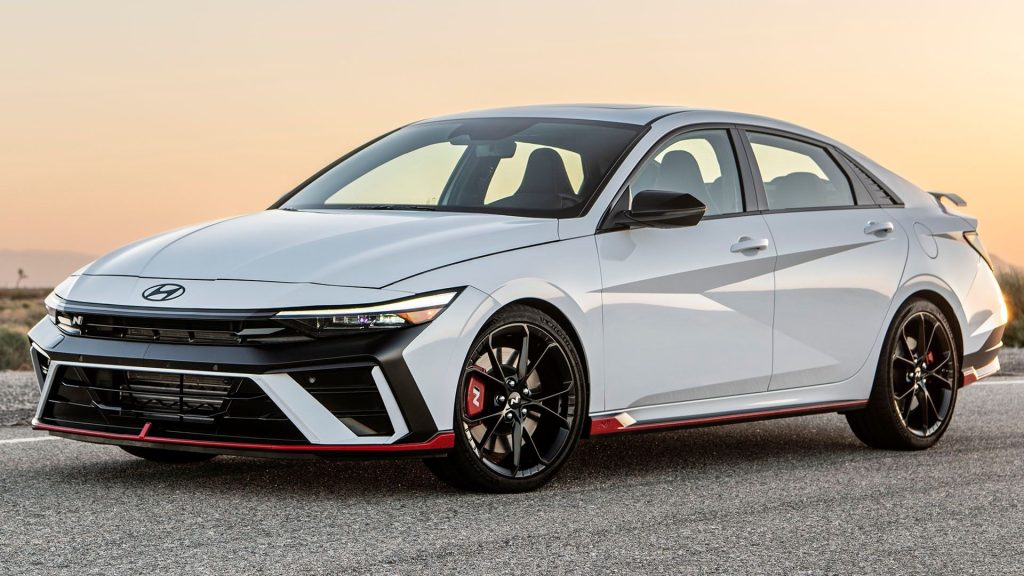
Hyundai also continues to offer an Elantra Hybrid in the U.S. market. The standard 2026 Elantra measures 185.4 inches long and 71.9 inches wide, dimensions that illustrate how far the compact sedan has grown compared with earlier generations.
From an inexpensive newcomer to a 10-million-unit global nameplate, the Elantra’s history reflects Hyundai’s transformation itself. The car became increasingly refined while retaining the practical compact-sedan role that originally made it accessible to a huge number of buyers.
9. Toyota Camry
The Toyota Camry is one of the clearest examples of how a conventional family sedan can achieve extraordinary sales when it consistently matches what American buyers want. Toyota reported that Camry sales in the United States surpassed 10 million units in 2013, only 30 years after the model first entered the American market for the 1983 model year.
That American sales figure is especially significant because the Camry became deeply associated with the U.S. midsize-sedan market. Toyota did not simply keep producing the same car.
Each generation changed the styling, dimensions, engines, technology, and interior while maintaining the basic formula of comfortable transportation with manageable running costs.
The first U.S. Camry was considerably smaller than the modern version. Toyota says the first full year of American sales produced 52,651 units. As the decades passed, the car became larger and increasingly sophisticated, eventually offering V6 power, hybrid technology, advanced driver-assistance systems, and increasingly premium interior equipment.
The Camry’s importance to Toyota’s American operation also extends beyond sales. Toyota has produced the model in Kentucky for decades, and the Georgetown facility celebrated production of its 10-millionth Camry in 2021.
The plant’s history with the nameplate illustrates how closely the sedan became tied to American manufacturing.
The current U.S. Camry represents another major shift. Toyota redesigned the model for 2025 and made the hybrid powertrain standard across the lineup.
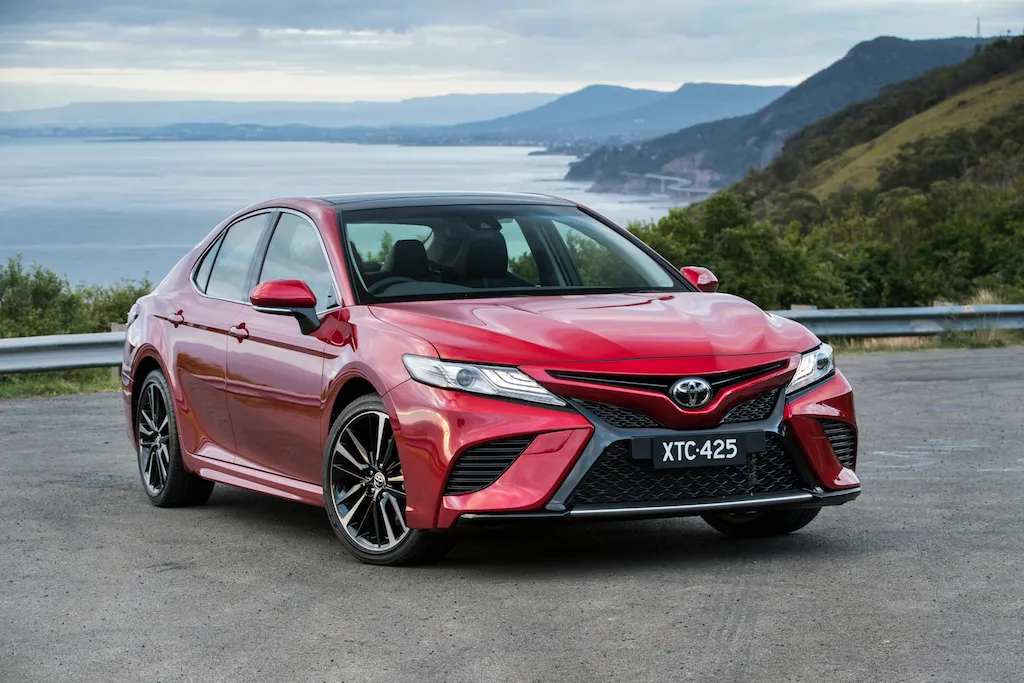
The new generation uses a 2.5-liter four-cylinder engine paired with Toyota’s fifth-generation hybrid system, with front-wheel-drive versions producing 225 total system horsepower and all-wheel-drive models producing 232 horsepower.
The Camry’s achievement is therefore particularly American in character. While the model is sold in multiple countries, its 10-million-unit U.S. milestone shows how successfully Toyota established the sedan in the world’s largest passenger-vehicle market.
10. Honda Accord
The Honda Accord completes this list with a nameplate that became deeply connected to American automotive history. Honda introduced the Accord in 1976, and by March 2022, the company had built the 50-millionth vehicle at its Marysville, Ohio, plant.
More specifically, Honda says the 10-millionth Accord built in North America rolled off that assembly line in March, demonstrating the model’s enormous contribution to Honda’s American manufacturing operation.
Honda’s own history describes the Accord as one of its longest-running nameplates, and its reach extends well beyond the United States. By 2019, Honda reported more than 22.8 million Accord vehicles sold worldwide since the model’s introduction.
The American market became particularly important to the Accord because Honda adapted the car as U.S. buyers increasingly demanded more room, equipment, and performance. The early Accord was a relatively small hatchback and later sedan, but successive generations grew into the midsize category that Americans came to associate with the name.
The Accord also became one of the longest-running examples of Japanese automotive production in the United States. Honda began producing the model in Ohio in 1982, making it one of the earliest Japanese-branded passenger cars manufactured in America. That manufacturing relationship eventually became central to Honda’s North American operations.
The car’s engineering philosophy changed repeatedly as well. Four-cylinder engines remained a major part of its identity, while Honda added V6 power, hybrid technology, turbocharged engines, and increasingly sophisticated safety systems.
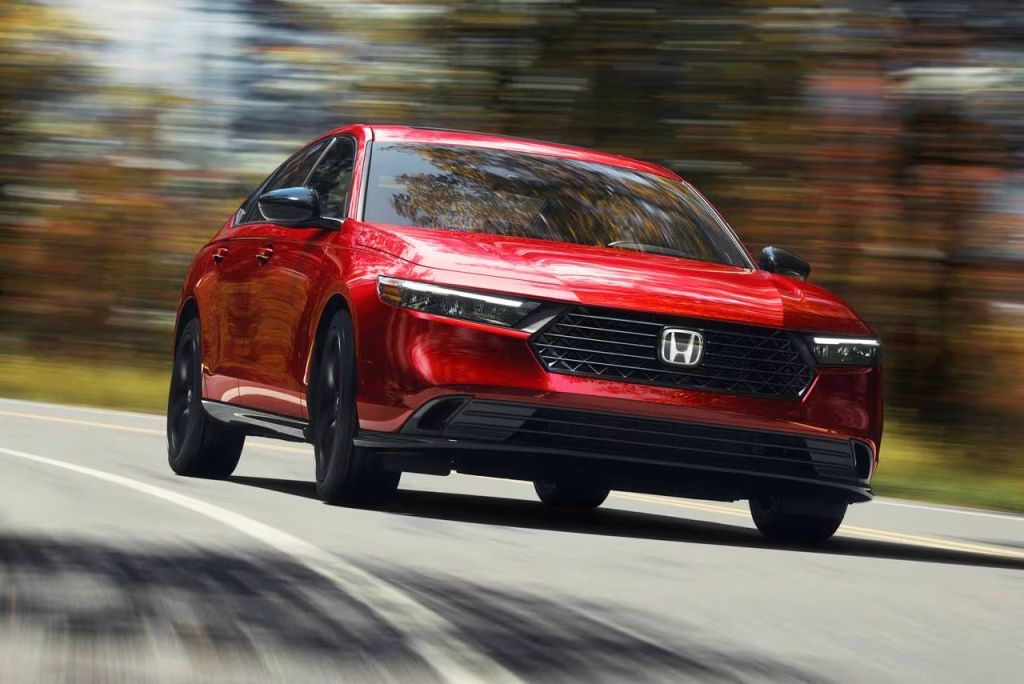
The tenth-generation Accord, introduced for 2018, replaced the previous naturally aspirated four-cylinder and V6 combinations with turbocharged four-cylinder engines and an updated hybrid system.
The current U.S. Accord has moved further toward electrification. Honda’s present lineup includes a two-motor hybrid system, and the Accord Hybrid produces 204 total system horsepower. Honda’s evolution of the model demonstrates why its sales history has lasted so long: the name remained familiar even as the technology underneath it changed.
From a compact hatchback launched in the 1970s to a modern electrified midsize sedan, the Accord’s journey mirrors the transformation of the American family car itself.
