Europe’s car market delivered a strong August performance, but the most important part of the latest sales data is not simply that registrations increased. The bigger story is the rapid change in what European buyers are choosing.
New-car registrations across the European Union, the United Kingdom, and the European Free Trade Association rose 5.3% in August, according to data from the European Automobile Manufacturers’ Association, or ACEA.
The increase came as battery-electric vehicles posted a 52.2% jump, while plug-in hybrids and conventional hybrids also recorded gains. At the same time, petrol and diesel registrations fell by more than 23% each.
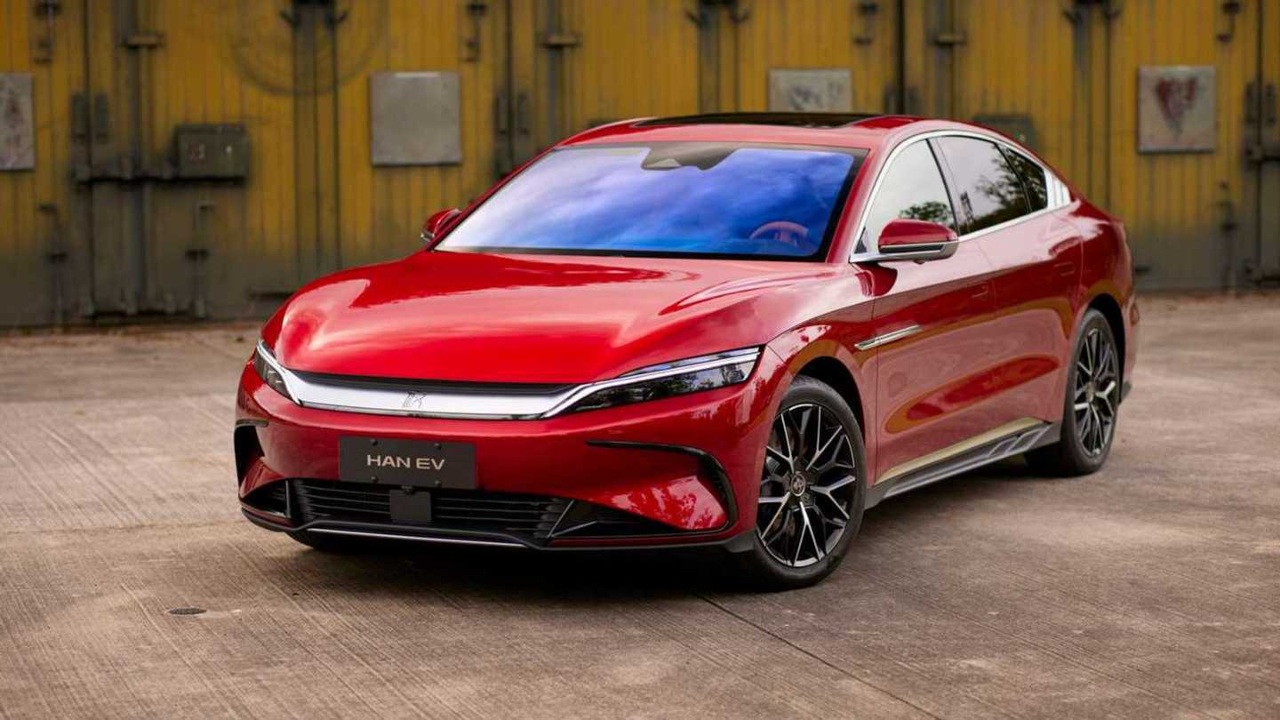
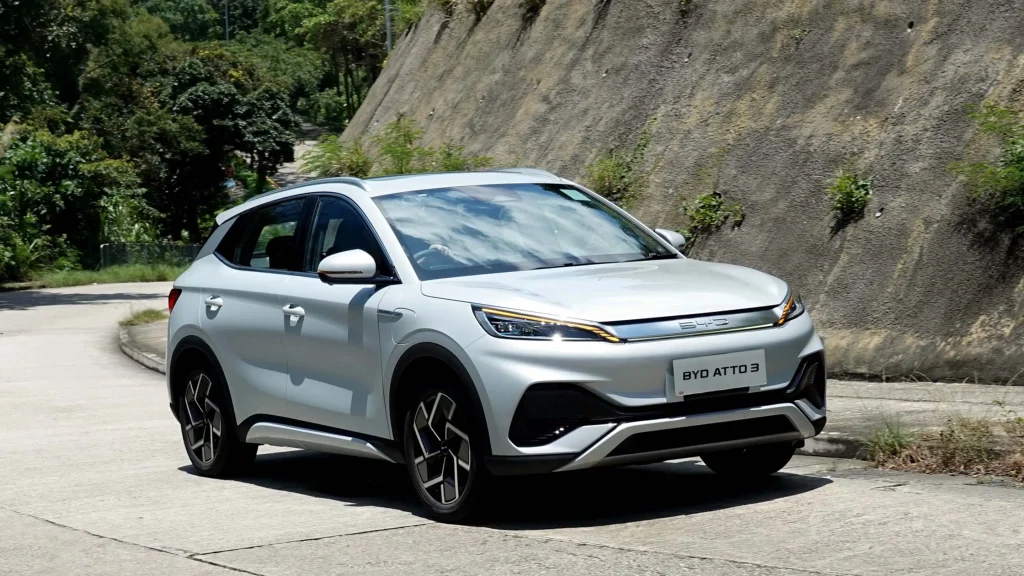
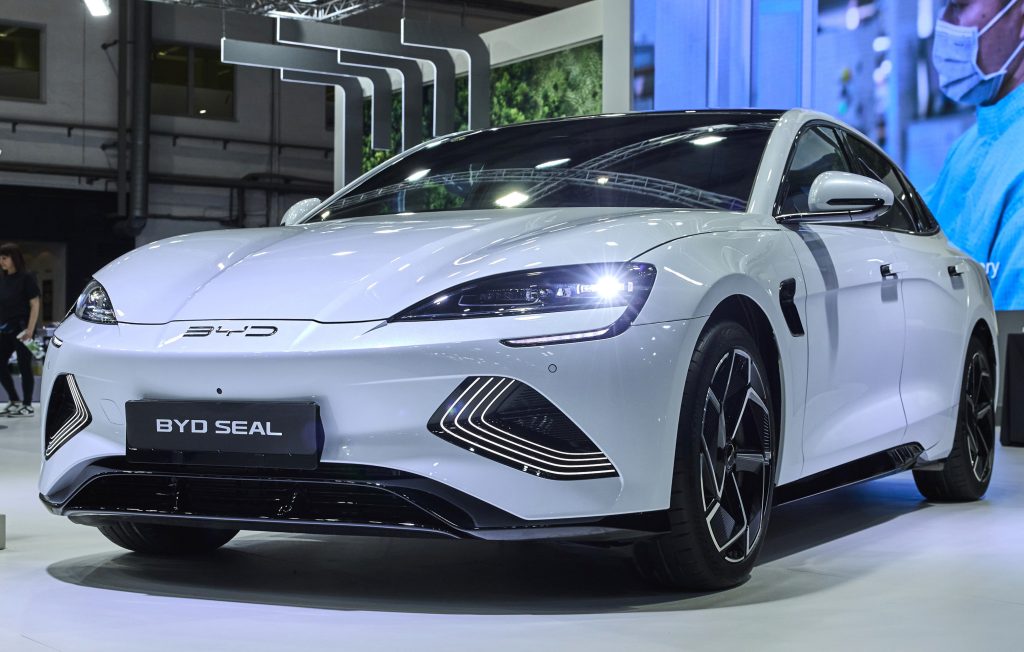
The August results also showed Chinese automakers gaining ground. BYD, Chery, Leapmotor, and other Chinese brands expanded their European sales at a much faster pace than the market itself, pushing their combined share higher.
That combination is changing the competitive landscape. Europe is not simply selling more cars. It is selling a different mix of cars, with electrified powertrains accounting for an increasingly large portion of new registrations.
EVs Provide the Momentum Behind August Growth
Battery-electric vehicles were the standout performers in August. Registrations increased 52.2% from the same month a year earlier, according to the ACEA figures reported by Reuters.
Plug-in hybrids increased 13.5%, while conventional hybrid registrations rose 3.4%. Together, the three electrified categories represented more than 73% of new registrations during the month.
The contrast with conventional powertrains was significant. Petrol registrations dropped 23.5%, while diesel registrations declined 23.1%.
That does not mean combustion engines have disappeared from European showrooms. Petrol and diesel vehicles still account for a substantial number of registrations. However, their share of new-car demand is shrinking while electrified alternatives are gaining volume.
The August figures follow a broader trend that was already visible during the first half of 2026. ACEA reported that EU battery-electric vehicles reached a 20.7% market share through June, compared with 15.6% during the same period in 2025.
Hybrid-electric vehicles held an even larger 37.3% share, while plug-in hybrids accounted for 9.8%. The combined share of petrol and diesel had fallen to 29.7%.
That means the shift toward electrification is not being driven exclusively by consumers buying fully electric vehicles. Hybrids remain an important part of the transition.
For automakers, this distinction is becoming increasingly important. Manufacturers that offer a broad range of hybrid, plug-in hybrid, and battery-electric vehicles can respond to different consumer preferences while reducing their reliance on traditional petrol and diesel models.
The rapid BEV growth also comes at a time when Europe is expanding its charging network. ACEA reported in September that public charging capacity across the EU had reached 41.6 gigawatts by June 2026, up 29% from a year earlier. The number of public charging stations was estimated at 195,082 in May, an annual increase of 21%.
Infrastructure remains uneven between countries, however. ACEA has pointed to significant differences in charging availability across European markets. That means the pace of EV adoption can still vary considerably depending on where consumers live.
Energy prices are another factor affecting the market. Higher fuel costs can make electric and hybrid vehicles more attractive to some buyers, particularly those who drive frequently. Reuters has reported that rising oil prices connected to geopolitical tensions have contributed to stronger EV demand in Europe.
The result is a European market where electrification is increasingly influencing sales even as consumers continue to choose different technologies for different reasons.
Chinese Automakers Are Expanding Their European Footprint
The other major development in the August numbers is the performance of Chinese automakers.
BYD, Chery, and Leapmotor each recorded substantial year-over-year sales increases, according to Reuters’ analysis of ACEA data. Geely also increased its registrations by more than 25%, while SAIC posted growth of more than 32%. Chinese brands collectively increased their European market share to 11.3%, compared with 7.1% a year earlier.
The significance of that growth extends beyond the individual companies. Many Chinese manufacturers have developed large EV portfolios and are entering Europe at a time when battery-electric demand is accelerating.
That gives them an opportunity to compete in one of the fastest-changing parts of the European market.
Chinese manufacturers are also beginning to establish deeper production and distribution operations in Europe. GAC, for example, said this month that it plans to launch 12 electric and hybrid models in France by 2030 and increase its dealership network from 50 locations in 2026 to 200 by 2030. The company is also examining European production options.
China’s Commerce Minister Wang Wentao said recently that Beijing supports Chinese automakers investing in Europe, while discussions continue between China and the European Union over trade and automotive investment.
The expansion comes as European manufacturers face a difficult combination of higher production costs, intense international competition, and a major technology transition.
ACEA’s latest 2026 industry guide noted that European vehicle production remained below pre-pandemic levels, with approximately 3 million fewer vehicles produced in 2025 than in 2019. The organization also highlighted rising manufacturing costs and increasingly intense global competition as pressures facing the industry.
Established manufacturers are still responsible for the majority of European registrations, but their market share is being challenged.
Renault and Volkswagen both recorded declines in August, while Stellantis increased registrations by 3.5%. Despite Stellantis’ growth, the combined share of Renault, Volkswagen, and Stellantis fell to 49.8%, compared with 52% a year earlier, according to Reuters.
That change is important because it shows how market growth is being distributed. The European market can expand while individual established manufacturers lose share if newer competitors grow faster.
Europe’s Auto Market Is Moving Into a New Phase
The August sales figures provide a useful snapshot of where Europe’s automotive industry is heading.
The market itself is growing, but the growth is increasingly concentrated in electrified vehicles. Battery-electric registrations are rising rapidly, hybrids continue to attract large numbers of buyers, and petrol and diesel vehicles are losing ground.
The transition is also creating opportunities for manufacturers from outside Europe. Chinese brands are increasing sales at a rapid rate and building stronger distribution and production plans on the continent.
European automakers therefore face two changes at the same time. They must adapt their product portfolios to changing consumer demand while competing against manufacturers that are expanding into the region with increasingly broad EV and hybrid lineups.
The infrastructure picture will remain important. ACEA estimates that the EU has about 1.2 million charging points, still well below the European Commission’s target of 3.5 million by 2030.
That gap means the next stage of Europe’s EV transition will depend on more than vehicle availability. Charging infrastructure, energy prices, government support, manufacturing capacity, and vehicle affordability will all influence how quickly consumers move away from conventional powertrains.
For now, August has provided a clear signal. Europe’s car market is growing, but the vehicles driving that growth increasingly rely on electric propulsion.
With battery-electric registrations rising by more than half in a single year and Chinese manufacturers expanding their presence, the competitive structure of Europe’s auto industry is changing alongside the powertrains consumers are buying.