
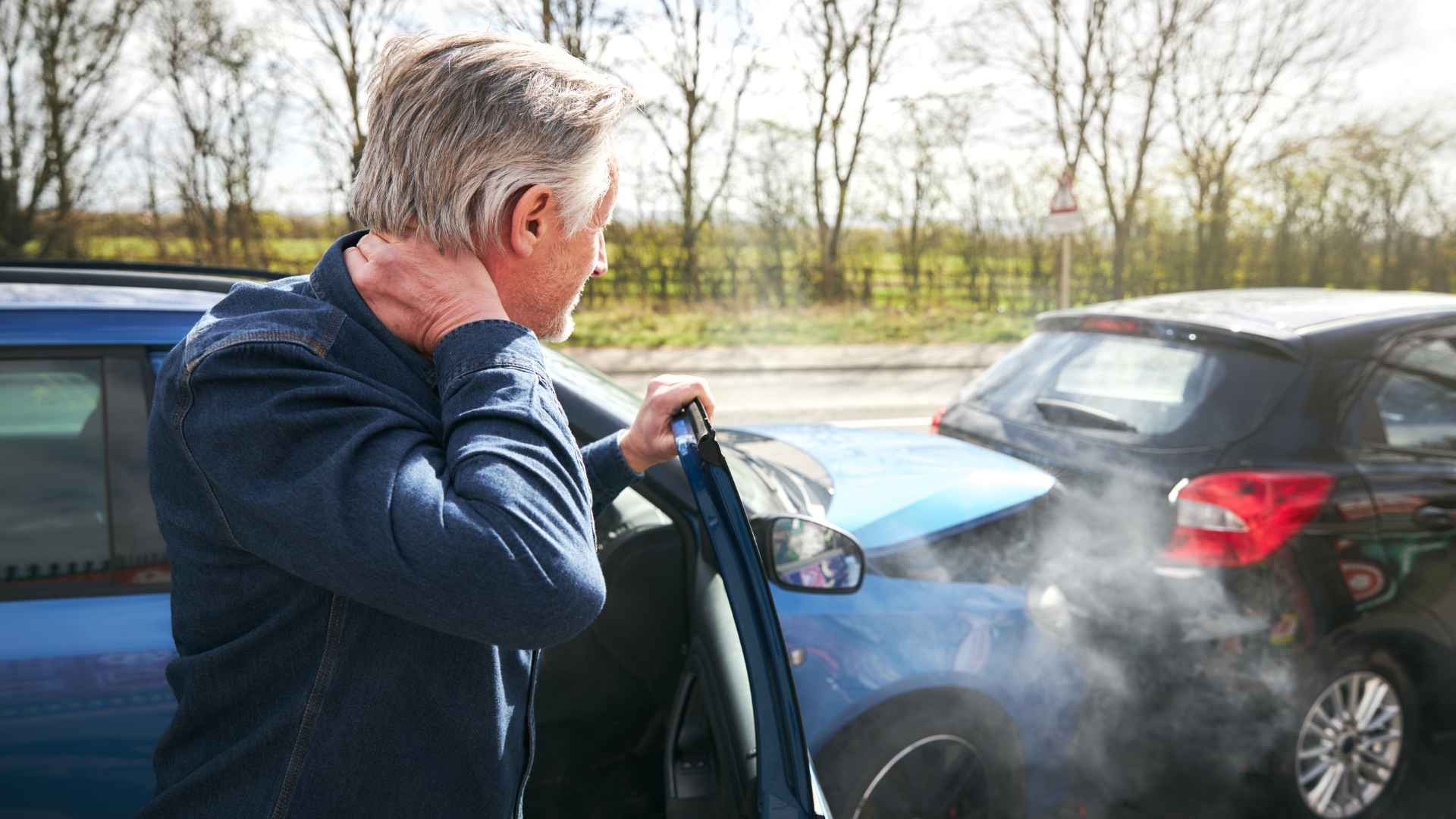
A car emergency can happen with little warning, even when the vehicle seems perfectly fine minutes earlier. A brake pedal may suddenly feel different, a tire can lose pressure, an engine can overheat, or an animal can appear in the road without warning. The safest response is rarely a sudden, panicked reaction.
Knowing what to do before trouble starts gives you a better chance of keeping control, protecting passengers, and getting to a safe place. The guidance below covers seven situations drivers should be ready for, with practical steps based on the information provided and safety guidance from agencies such as NHTSA and AAA.
1. Brake Failure
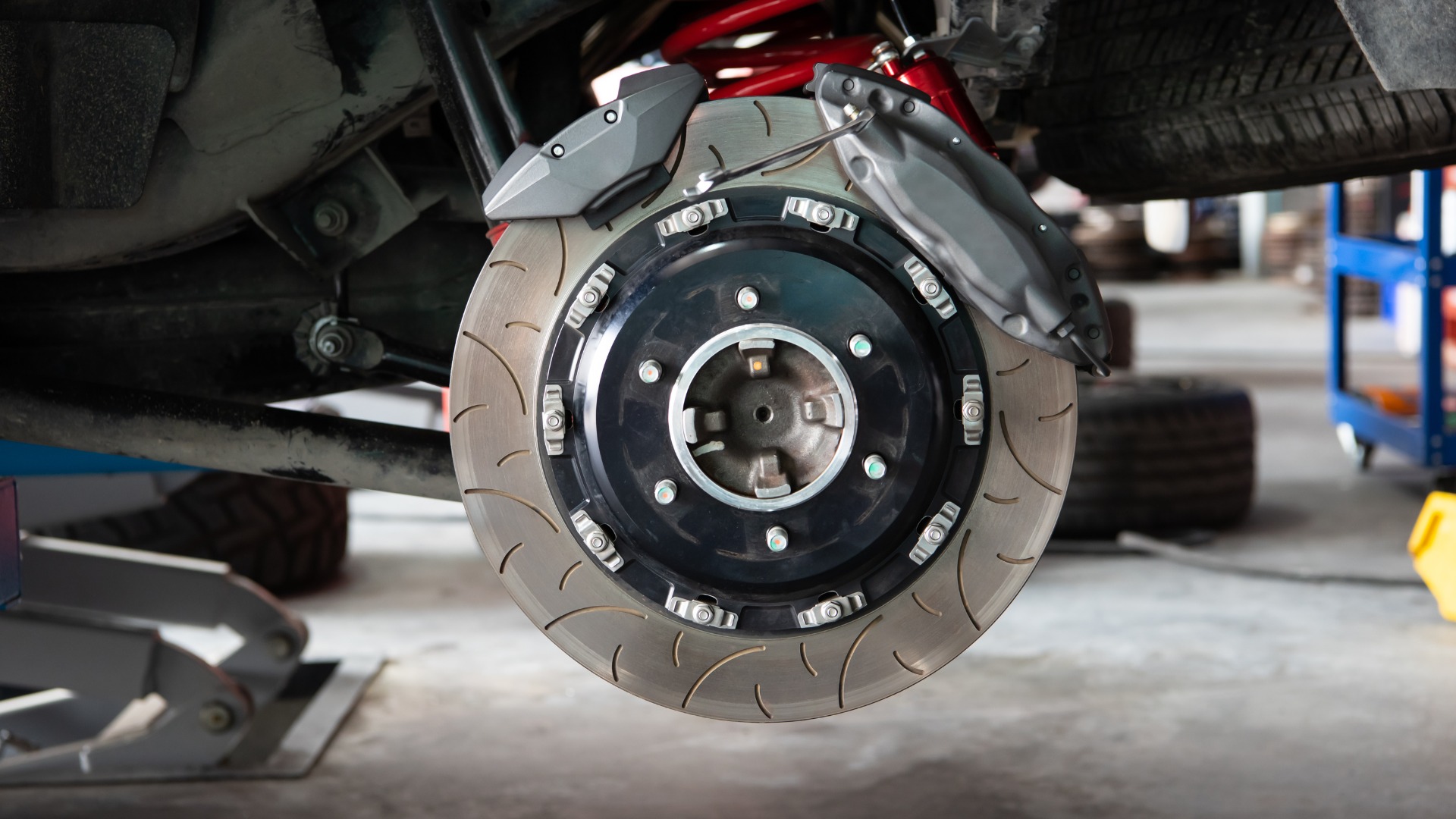
Few things trigger panic faster than pressing the brake pedal and feeling it sink to the floor without any resistance. The instinct to slam on the pedal repeatedly out of pure fear is understandable, but the correct response actually involves controlled, rapid pumping rather than one desperate push.
Pumping the brake pedal can help restore hydraulic pressure within the system, sometimes giving you just enough stopping power to slow the vehicle even when the initial failure felt complete.
Hazard lights should go on immediately, warning drivers around you that something has gone seriously wrong with your vehicle. From there, downshifting becomes your next tool.
Drivers with manual transmissions should drop gears one at a time, allowing the engine itself to help slow the car through resistance rather than relying purely on the brakes.
Automatic transmission drivers can select the lowest available gear, which achieves a similar braking effect through the engine. The parking brake offers another layer of control, but it needs a gentle touch rather than a hard yank.
Pulling it too aggressively can lock the rear wheels and send the car into a skid, especially at higher speeds. Apply it gradually while keeping the steering wheel steady, guiding the car toward a shoulder or a gentle incline that can help slow your momentum naturally.
Whatever happens, keep the engine running throughout this entire process. Turning it off might feel like an instinct, but doing so can disable power steering, making the wheel suddenly heavy and far harder to control at the exact moment you need precision the most.
2. Tire Blowouts
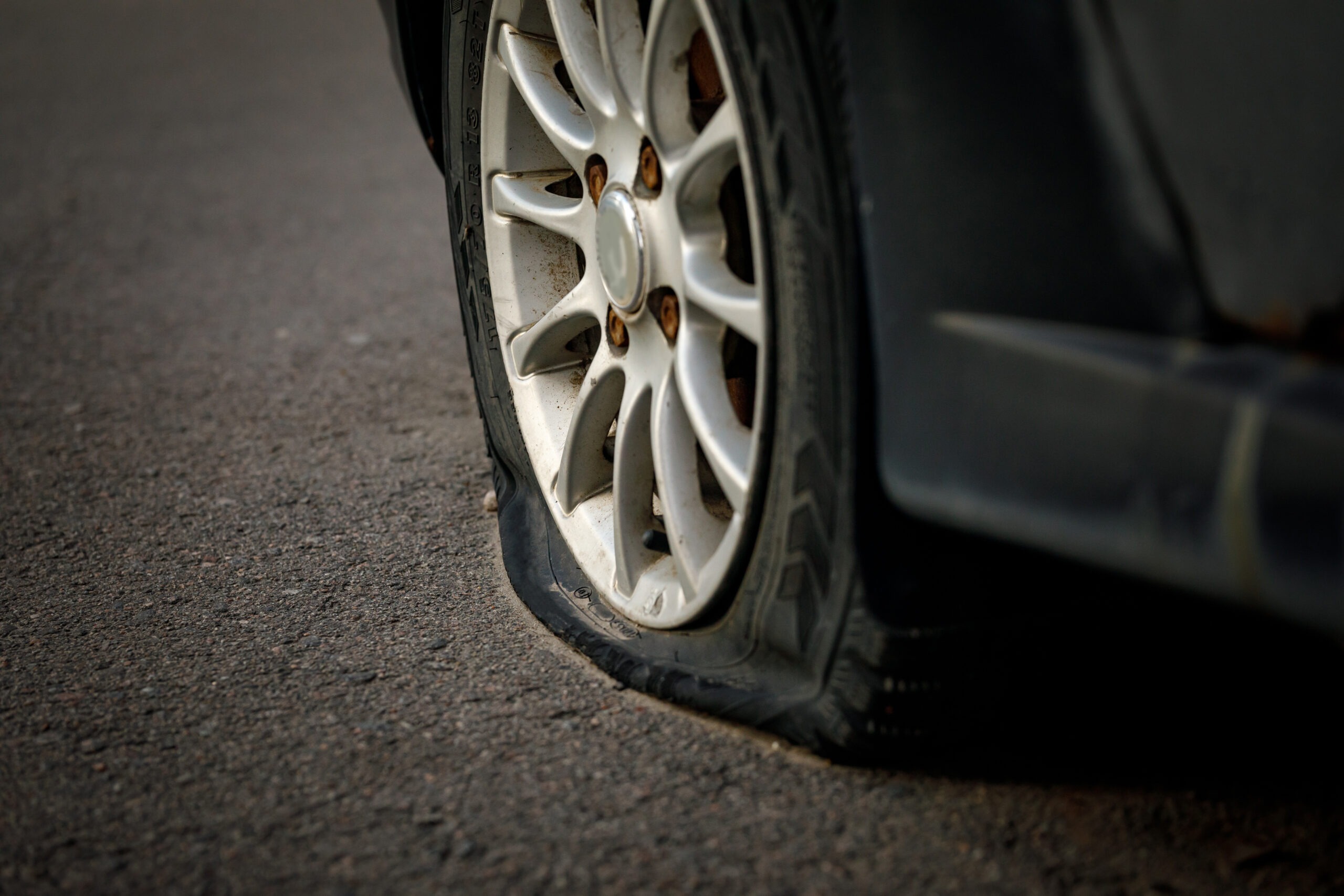
A tire blowout announces itself with a loud bang and an immediate pull toward one side of the road, an experience that catches even seasoned drivers off guard.
The natural reaction is often to slam on the brakes or yank the wheel hard in the opposite direction, but both responses can make the situation considerably worse rather than better.
Instead, grip the steering wheel firmly with both hands and resist the urge to brake suddenly. Letting the car decelerate gradually gives you far more control than an abrupt stop would.
As speed drops naturally, gently guide the vehicle toward the shoulder, making small steering adjustments rather than sharp corrections that could send the car into a spin.
Once you’ve come to a safe, complete stop away from active traffic lanes, turn on your hazard lights right away so approaching drivers have plenty of warning.
From there, assess the damage honestly. A minor puncture might be manageable with a spare tire if you’re comfortable changing one safely on the shoulder, but a severely shredded tire or a blowout in a dangerous location often calls for roadside assistance instead.
Standing on a busy highway shoulder changing a tire carries its own risks, so trust your judgment about when a phone call makes more sense than trying to handle it yourself.
Prevention matters just as much as reaction here. Regularly checking tire pressure, watching for uneven wear patterns, and keeping up with routine rotations all reduce your chances of experiencing a blowout in the first place, turning a potential emergency into a problem you simply never have to face on the road.
3. Engine Overheating
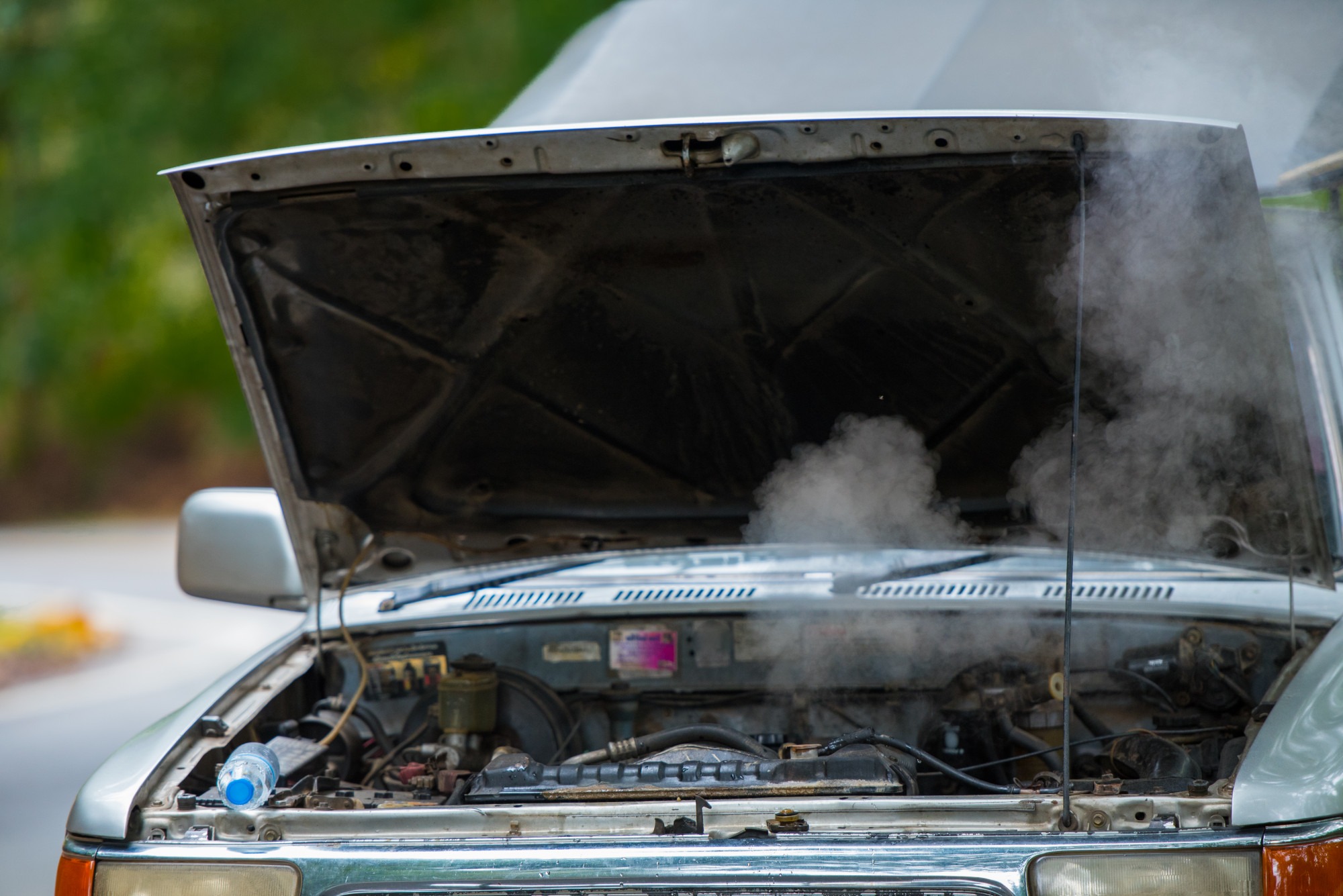
An overheating engine often gives you warnings before serious damage occurs. The temperature gauge may rise, a warning light can appear, or steam may come from beneath the hood.
You might also notice an unusual smell or a loss of engine performance. Treat these signs seriously rather than trying to finish the trip.
If the temperature begins climbing, turn off the air conditioning. In some situations, switching the heater to maximum can help remove heat from the engine while you search for a safe place to stop. Keep watching traffic and pull off the road as soon as doing so is safe.
Once stopped, turn off the engine and allow it to cool. NHTSA recommends parking in a safe location and letting an overheating engine cool before attempting further action.
One important safety precaution is to never open a hot cooling system. The coolant can remain under pressure when the engine is hot, creating a serious risk of burns if the cap is removed too soon.
Wait until the engine has cooled sufficiently before checking coolant levels or opening any related reservoir, and follow the instructions in your owner’s manual.
A small warning today can prevent a major repair later. Regularly check coolant levels, inspect for leaks, and have the cooling system serviced according to the vehicle manufacturer’s schedule.
NHTSA also recommends checking the cooling system for leaks and using coolant that meets the manufacturer’s specifications.
4. Stuck Accelerator
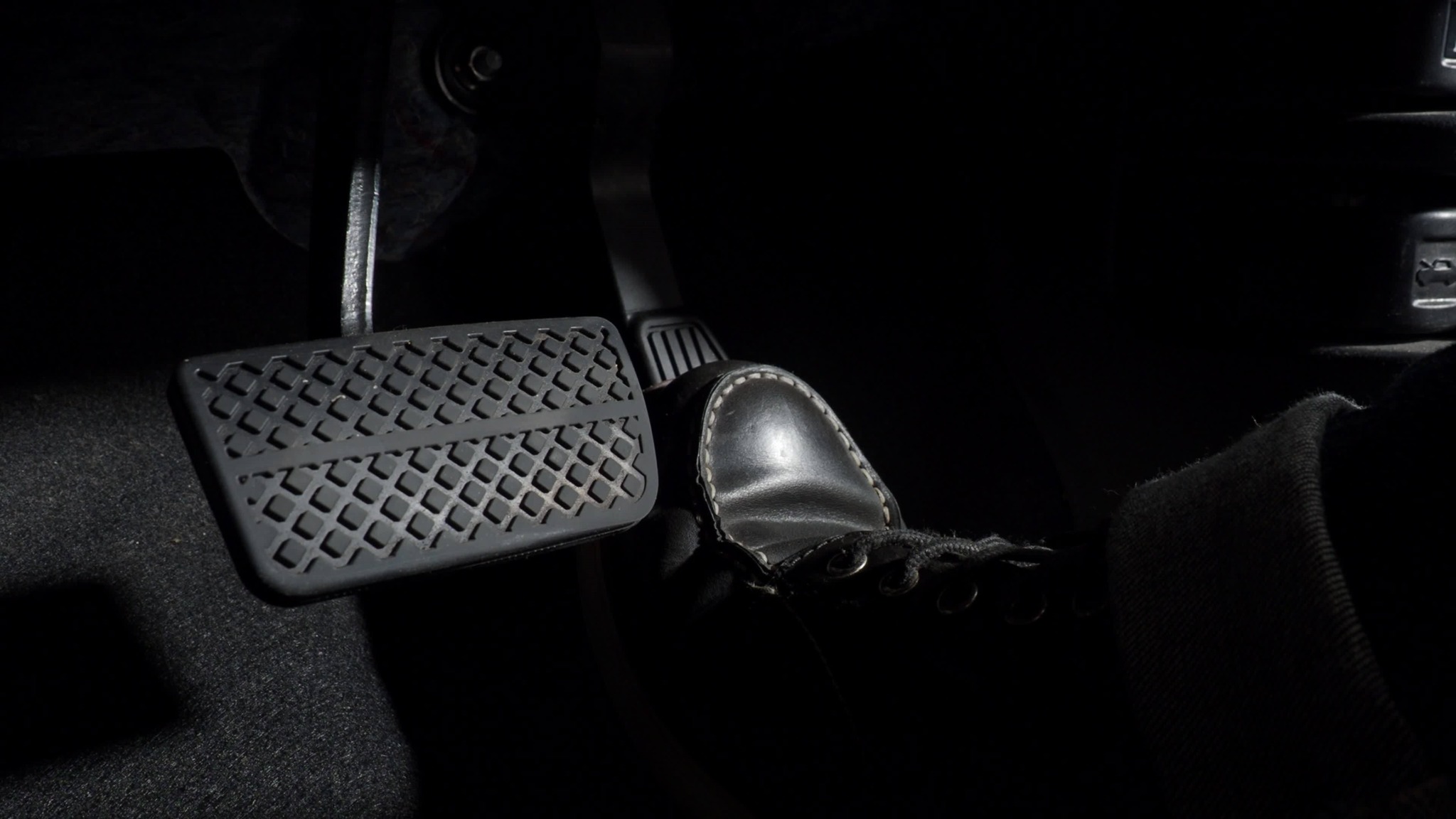
A stuck accelerator can cause the vehicle to continue accelerating even when you remove your foot from the pedal. The immediate goal is to stop the engine from driving the wheels while maintaining control of the vehicle.
Move the transmission into neutral as soon as you can do so safely. In neutral, the engine may rev loudly, but the vehicle should no longer be driven forward by engine power.
Keep your attention on steering and use the brakes firmly enough to slow the car while watching surrounding traffic.
Turn on the hazard lights to alert other drivers. Look for a safe place to leave the traffic flow, such as a shoulder or other suitable stopping area. Once the vehicle is safely stopped, turn off the engine.
Do not reach down toward the accelerator while the car is moving. Your priority should be controlling the vehicle, rather than trying to diagnose why the pedal is stuck.
NHTSA regulations have long addressed accelerator-control systems with the goal of allowing a vehicle experiencing an accelerator-control problem to return toward idle when the driver removes pressure from the accelerator.
Even so, mechanical problems, objects interfering with pedals, or other faults can still create dangerous situations. Floor mats also deserve attention. NHTSA warns that improperly installed mats can interfere with accelerator or brake pedal operation.
Make sure mats are correctly sized and secured using the vehicle’s retention system.
5. Steering Wheel Failure
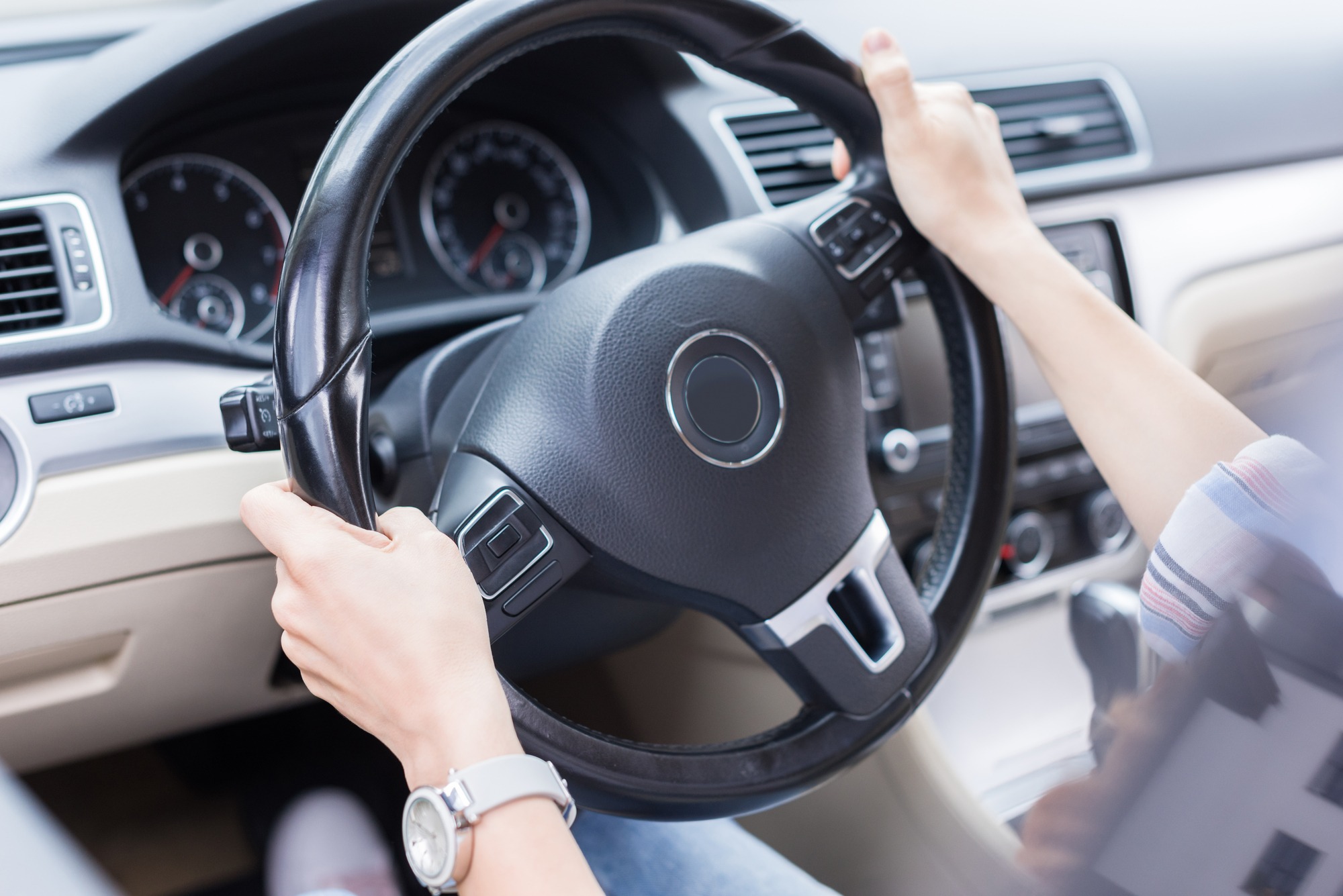
Feeling a steering wheel suddenly go loose, unresponsive, or completely disconnected from the front wheels ranks among the most disorienting things that can happen behind the wheel.
The instinct to panic and brake hard is understandable, but abrupt braking at this moment can upset the car’s balance in ways that make an already dangerous situation considerably harder to manage.
Start by gradually easing off the accelerator rather than lifting your foot suddenly. A gentle reduction in speed gives you more stability than an abrupt change in momentum, particularly when you’ve lost your primary means of directional control.
Hazard lights should go on immediately, giving other drivers clear warning that your vehicle is experiencing a problem and might behave unpredictably over the next several seconds.
As your speed drops through this gradual deceleration, resist the urge to brake firmly until the car has slowed to a genuinely manageable pace. Only then should you apply the brakes, and even then, do so slowly and with careful attention to how the car responds.
Sudden, hard braking while steering is compromised increases the risk of a spin or an uncontrolled skid, exactly the outcome you’re trying to avoid throughout this entire process.
Throughout this sequence, keep scanning for any safe area to guide the car toward, even with limited steering response available to you.
Small, careful inputs sometimes retain a degree of function even during a partial steering failure, so don’t assume you have zero control until you’ve actually tested what response remains.
Reaching a safe stopping area, even one that isn’t perfectly positioned, matters more than achieving an ideal parking position during a moment like this.
6. Headlight Failure
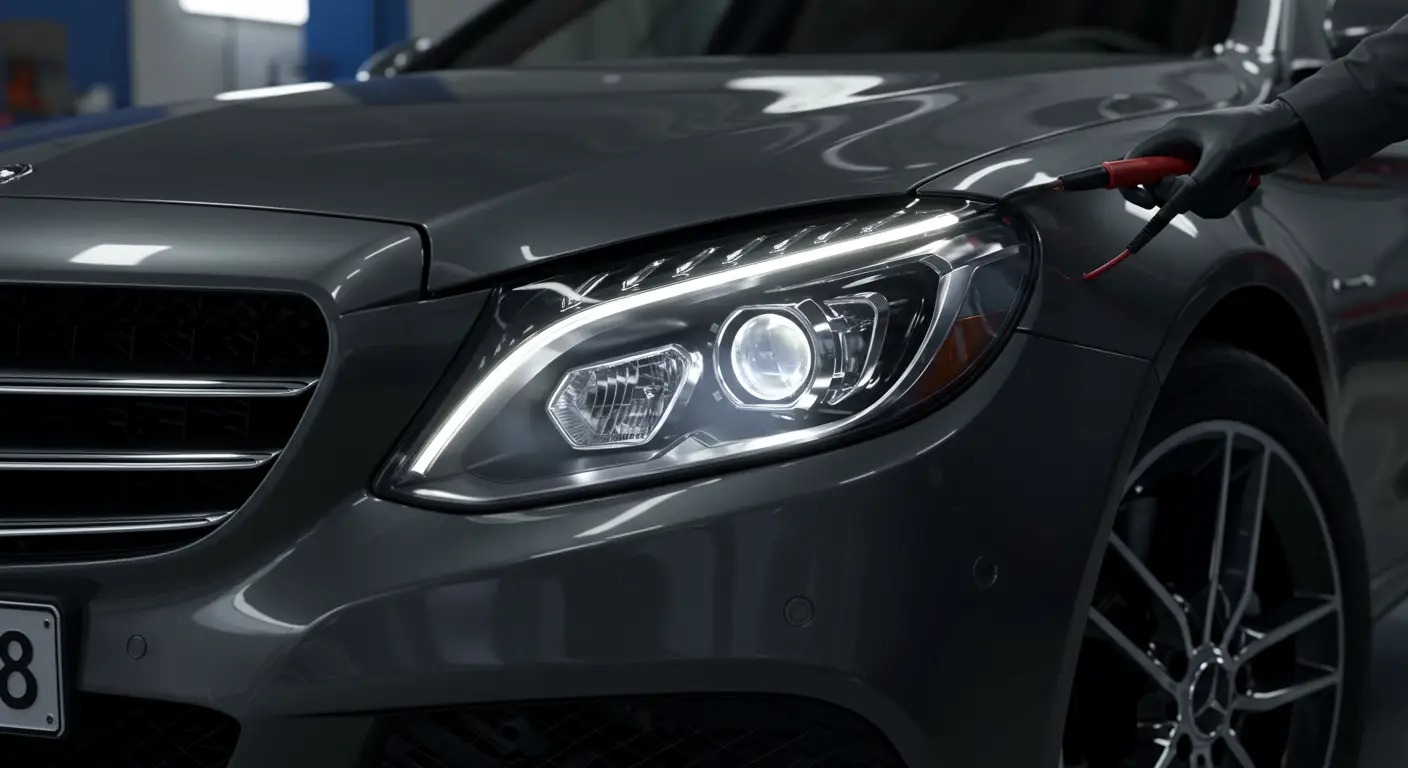
Headlight failure becomes especially dangerous after dark because other drivers may have difficulty seeing your vehicle, while your own view of the road can become severely limited.
The first response should be to reduce your exposure to traffic rather than attempting a lengthy repair beside the road. If the headlights suddenly go out, activate the hazard flashers and use the vehicle’s parking lights and turn signals when available.
These lights can help make your vehicle more visible to surrounding traffic. Reduce speed and look for a safe place to pull completely away from moving vehicles.
Do not assume that switching the headlights off and on will solve the problem. Electrical faults, blown bulbs, fuses, wiring problems, or control-module issues can all cause lighting failures, and the correct repair depends on the vehicle.
If visibility is poor, avoid continuing farther than necessary. A short drive to a safe location may be reasonable when conditions permit, but driving normally without headlights at night can expose you and other road users to unnecessary danger.
It is also worth checking the lighting system before a trip. NHTSA recommends checking headlights, brake lights, turn signals, emergency flashers, and interior lights as part of vehicle preparation.
Keep replacement bulbs or other equipment only if your vehicle manufacturer recommends them and you know how to use them safely. Otherwise, roadside assistance or a qualified technician can handle the repair without requiring you to work beside traffic.
7. Wildlife Crossings
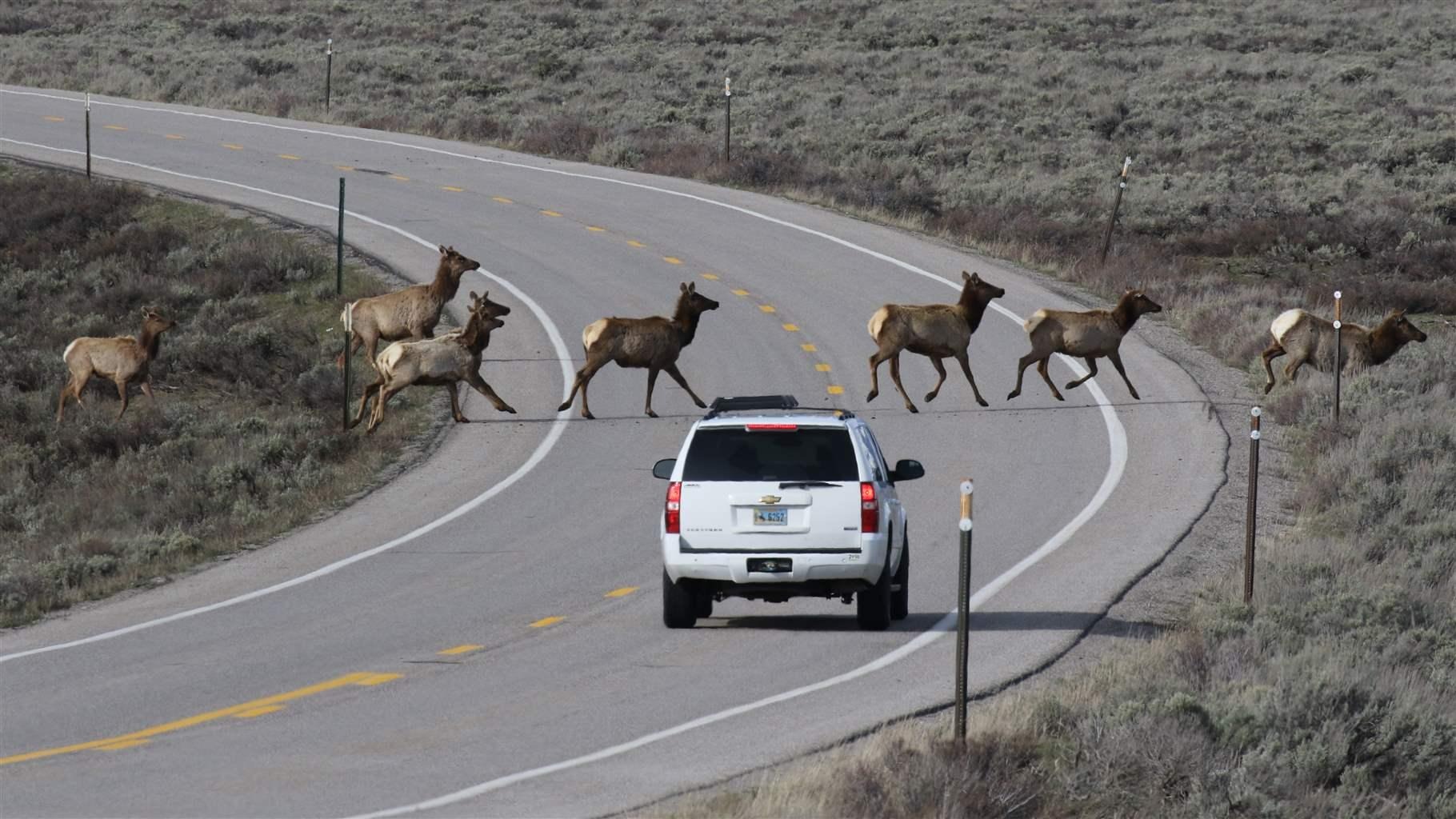
An animal running onto the road can give a driver only seconds to react. Deer, elk, moose, and other wildlife can be particularly difficult to spot in areas where vegetation borders the roadway.
Dawn and dusk deserve extra attention because wildlife activity can increase when visibility is already limited. Watch the roadside as well as the pavement ahead.
Wildlife warning signs indicate areas where animals may cross, so reduce speed and remain prepared to brake. High beams can improve visibility when their use is appropriate and does not interfere with other drivers.
If you see one animal, do not immediately assume the road is clear. Many species travel in groups, meaning another animal may follow shortly afterward. Keep scanning both sides of the road before continuing.
When an animal suddenly appears, avoid making an extreme steering maneuver that could send your vehicle into another lane, a ditch, a tree, or oncoming traffic.
Controlled braking while maintaining your lane is generally preferable when there is enough distance to slow safely. Hazard lights can alert other motorists when wildlife is present, especially after you have slowed or stopped safely.
Give yourself extra time in areas marked for animal crossings and pay particular attention during early morning and evening hours. Preparedness also matters before trouble begins.
NHTSA recommends carrying an emergency roadside kit with items such as a phone and charger, flashlight, first-aid supplies, warning devices, tire-pressure gauge, and other basic equipment. (NHTSA)
Knowing these seven situations does not guarantee that every emergency will be easy, but preparation can help replace panic with deliberate action.
Keep your vehicle maintained, know where its hazard lights and parking brake controls are located, understand the transmission settings, and keep emergency supplies available.
