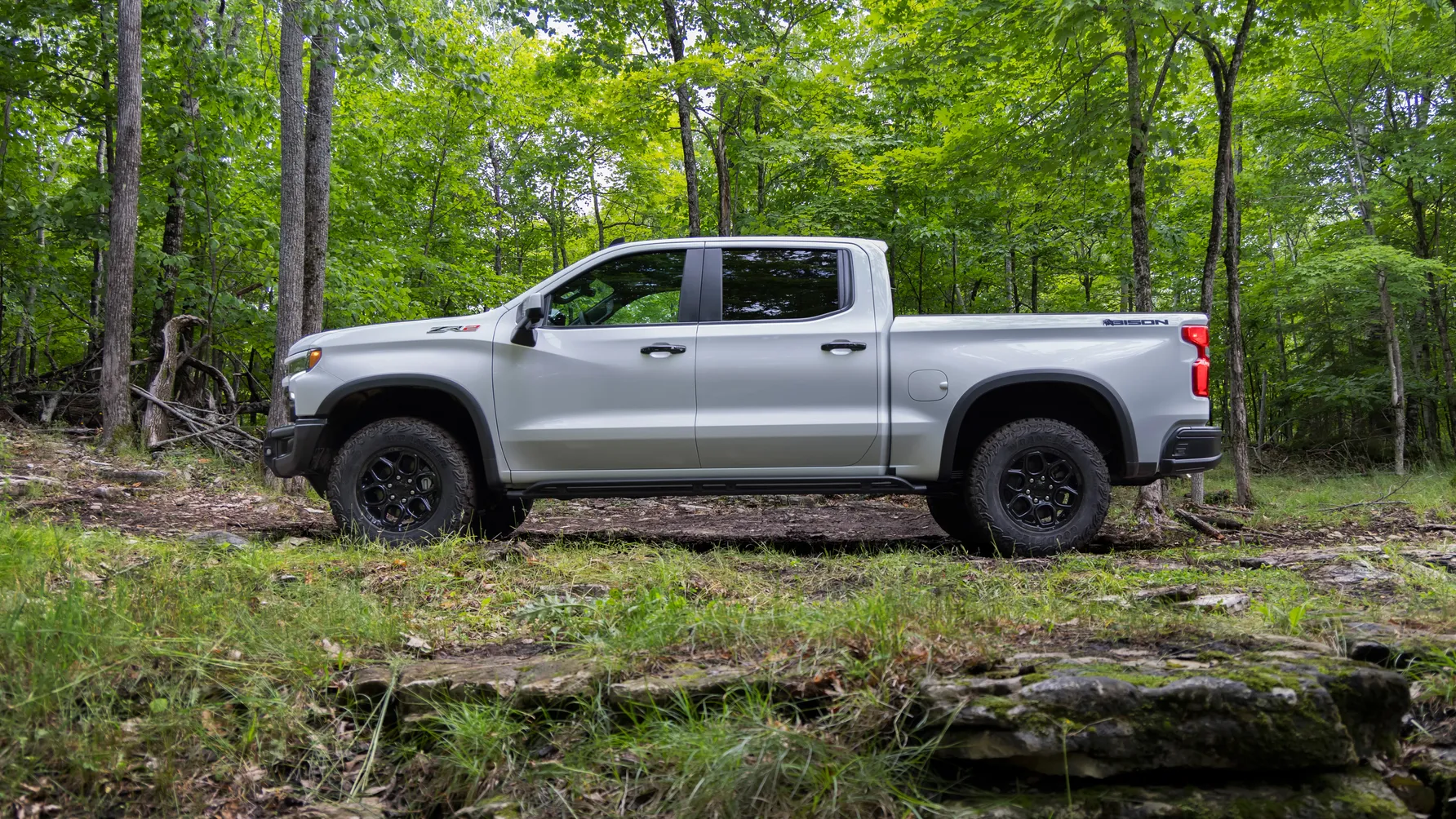
Vehicle design has become an important part of pedestrian safety in the United States. Research from the Insurance Institute for Highway Safety shows that taller and more vertical vehicle fronts can increase the risk of fatal pedestrian injuries. The concern is not simply vehicle size.
Hood height, bumper angle, and the shape of the front end can influence where the body is struck and how a pedestrian moves after impact. Recent U.S. research has identified measurable differences between vehicles with low, sloped fronts and those with taller, blunt profiles.
This article examines 12 U.S. market vehicles whose designs illustrate this broader safety concern using available evidence and research.
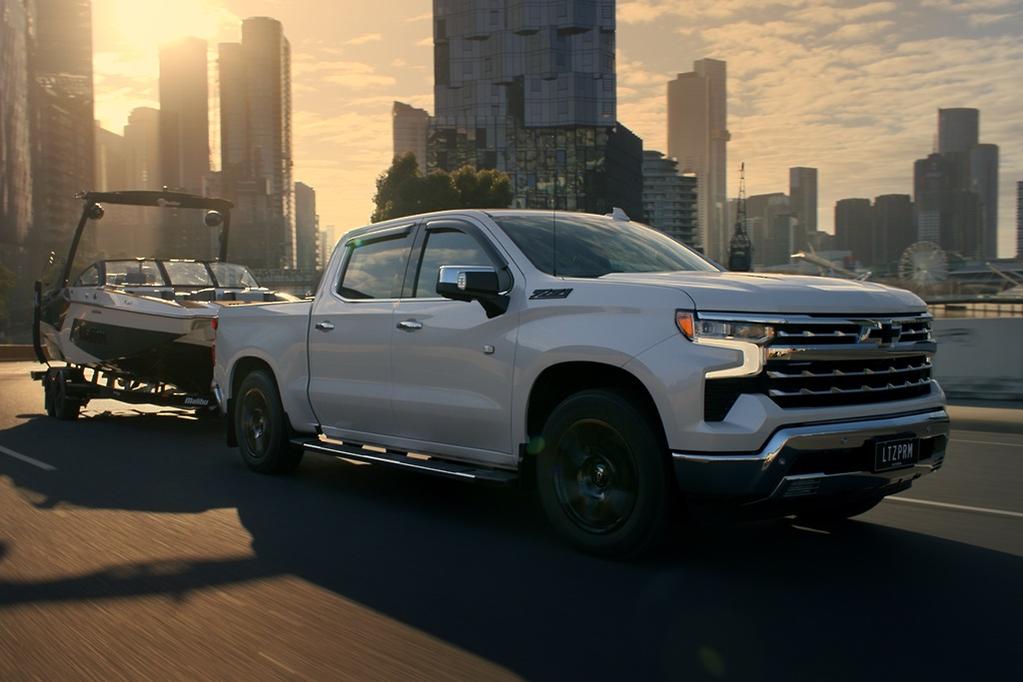
1. Chevrolet Silverado 1500
The Chevrolet Silverado 1500 represents the modern full-size pickup category, which has become increasingly prominent on U.S. roads.
Its high hood and upright truck proportions illustrate why researchers are paying greater attention to front-end height. Full-size pickups frequently have substantial clearance between the ground and the leading portion of the hood, placing the front structure higher relative to a pedestrian’s body than the front of a typical sedan.
That geometry matters because the height of the contact point can influence injury patterns. IIHS research found that taller vehicle fronts are associated with greater pedestrian injury severity, particularly when combined with a blunt profile.
The research does not establish that every Silverado crash produces a particular injury, but the general design characteristics place this type of truck within the larger issue being studied.
The Silverado also demonstrates why vehicle classification alone is insufficient. Not every pickup has the same hood height, bumper angle or pedestrian protection technology.
Model year and trim can change exterior dimensions and safety equipment. A specific Silverado should therefore be evaluated using measurements and crash data for that particular version rather than assuming that every model has identical characteristics.
There is also a distinction between pedestrian safety and vehicle-to-vehicle crash compatibility. Modern pickups have incorporated structural changes intended to reduce the mismatch between pickup and passenger-car crash structures. IIHS reports that these changes have reduced some of the historical danger posed by large vehicles to occupants of smaller cars. That improvement does not eliminate concerns about pedestrians.
The Silverado is therefore best understood as an example of the high-front-end pickup design that has prompted safety researchers to study hood height, grille height and front-end shape. Its presence on this list is about those measurable characteristics, not a claim that it is inherently unsafe in every crash.
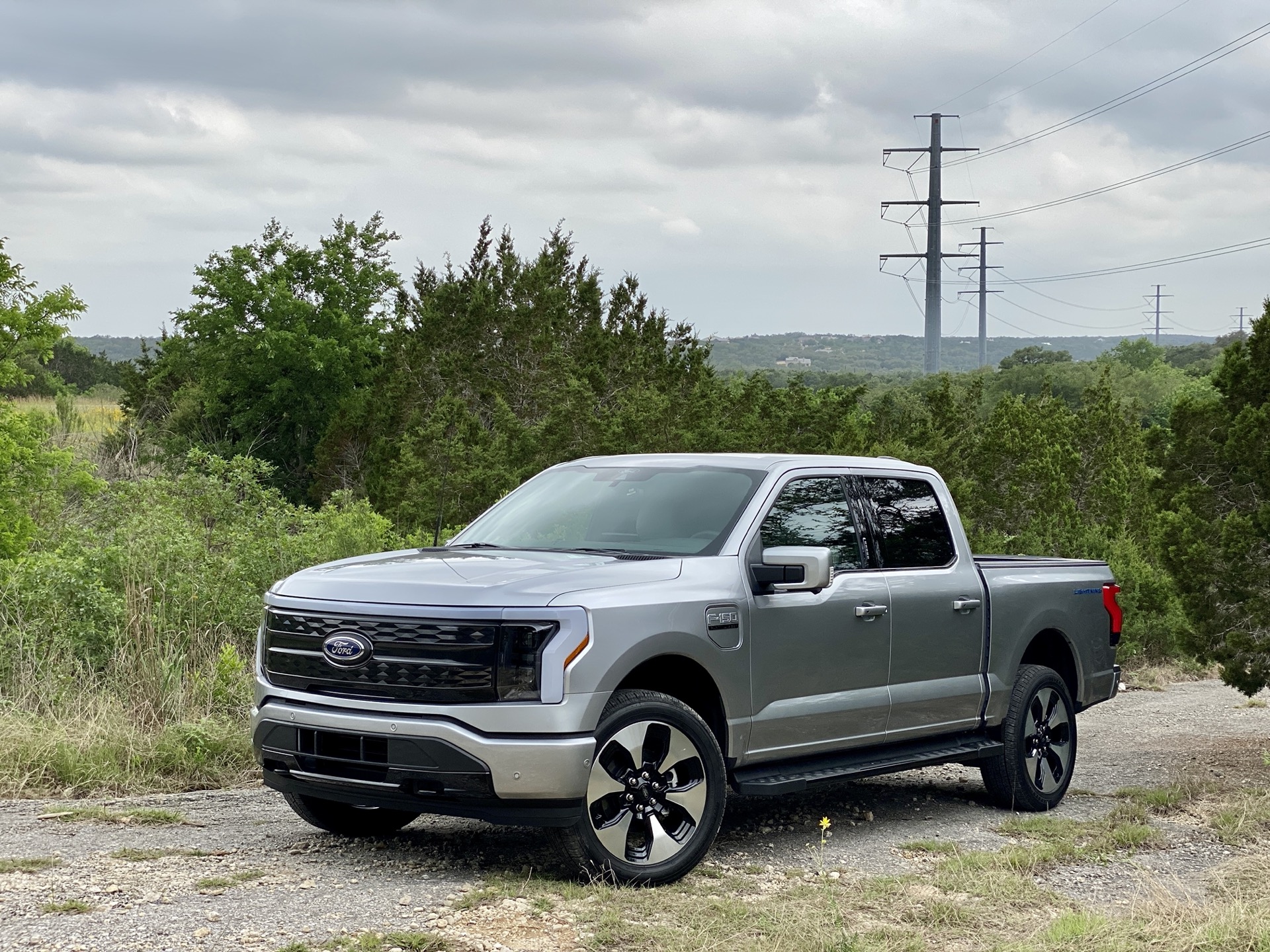
2. Ford F-150
The Ford F-150 is another major full-size pickup sold throughout the United States. Its large hood, upright grille and elevated driving position reflect the U.S. passenger vehicle market. SUVs and pickups have become a much larger share of the vehicle fleet.
IIHS reported that SUVs represented 36% of registered vehicles in 2023, compared with 24% in 2013. As larger proportions common to modern full-size trucks. Those characteristics are relevant because IIHS research has repeatedly connected taller vehicle fronts with greater pedestrian injury risk.
The F-150 illustrates a broader trend in the U.S. passenger vehicle market. SUVs and pickups have become a much larger share of the vehicle fleet. IIHS reported that SUVs represented 36% of registered vehicles in 2023, compared with 24% in 2013. As larger vehicles become more common, the design of their front ends has a larger effect on the population of pedestrians who encounter them.
A high hood does not automatically mean a vehicle has a blunt front, and the precise shape matters. Researchers distinguish between tall and sloped vehicles and tall and blunt vehicles. Both can carry increased pedestrian risk compared with smaller, lower vehicles, but their injury patterns can differ. This is why visual descriptions should be supported by actual dimensional measurements.
The F-150 also shows why the word “danger zone” should be used carefully. There is no federal classification that labels individual vehicles as being in a “blunt-front danger zone.” Instead, the term can describe a research-based concern involving particular combinations of height and front-end shape. IIHS studies provide the scientific basis for discussing that concern.
Consequently, the F-150 is a useful example of how modern pickup design intersects with pedestrian safety. Its large front profile demonstrates why future vehicle testing and regulation may need to consider people outside the vehicle as well as occupants inside it.
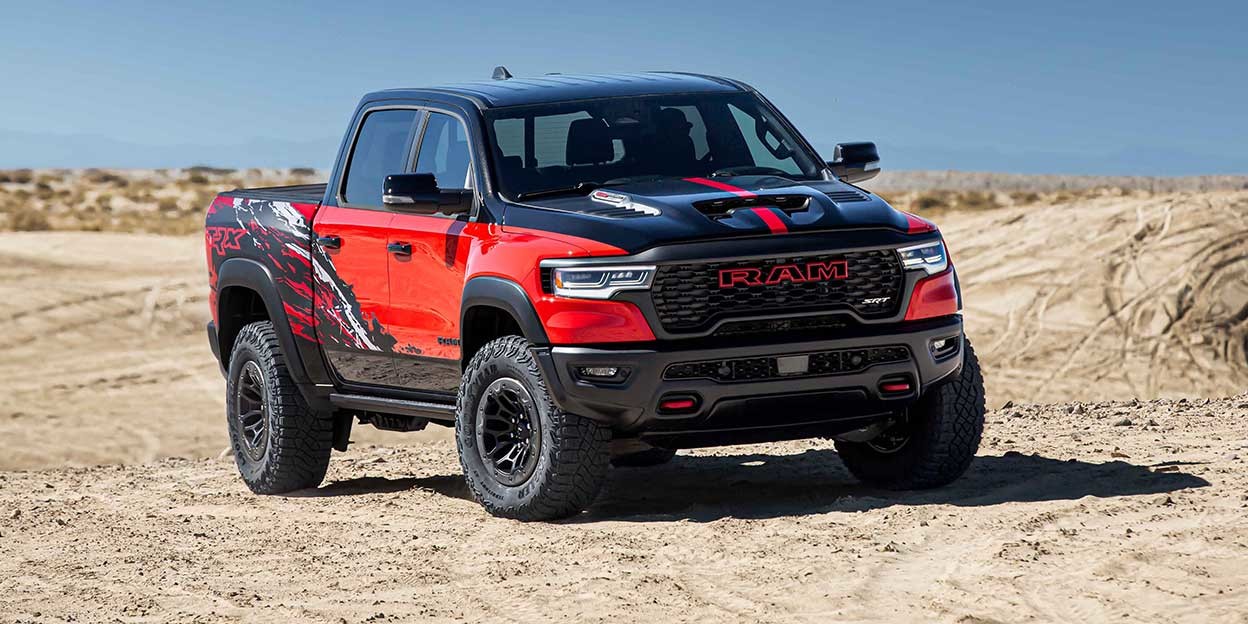
3. Ram 1500
The Ram 1500 belongs to the same full-size pickup segment and has a substantial front-end profile. Its tall hood the idea that vehicle weight alone explains pedestrian outcomes. IIHS research specifically identifies height and front-end geometry as significant factors.
A tall front can contact a pedestrian’s torso or head rather than the lower and prominent grille illustrate the physical characteristics researchers have examined when studying pedestrian crashes involving large passenger vehicles.
Research indicates that the shape of the bumper and the height of the hood leading edge can influence injury outcomes. A 2024 study published in Traffic Injury Prevention analyzed 17,897 single-vehicle pedestrian crashes across seven states.
It found increased fatality risk associated with tall and blunt, tall and sloped, and medium-height and blunt front ends when compared with low and sloped fronts.
That finding is important because it moves the discussion beyond the idea that vehicle weight alone explains pedestrian outcomes. IIHS research specifically identifies height and front-end geometry as significant factors. A tall front can contact a pedestrian’s torso or head rather than the lower legs, changing the biomechanics of the collision.
The Ram 1500 also demonstrates why a vehicle should not be judged solely by its grille appearance. Pedestrian injury risk involves multiple variables, including crash speed, pedestrian characteristics, impact location, vehicle geometry and roadway conditions. The same vehicle can produce very different outcomes in two crashes.
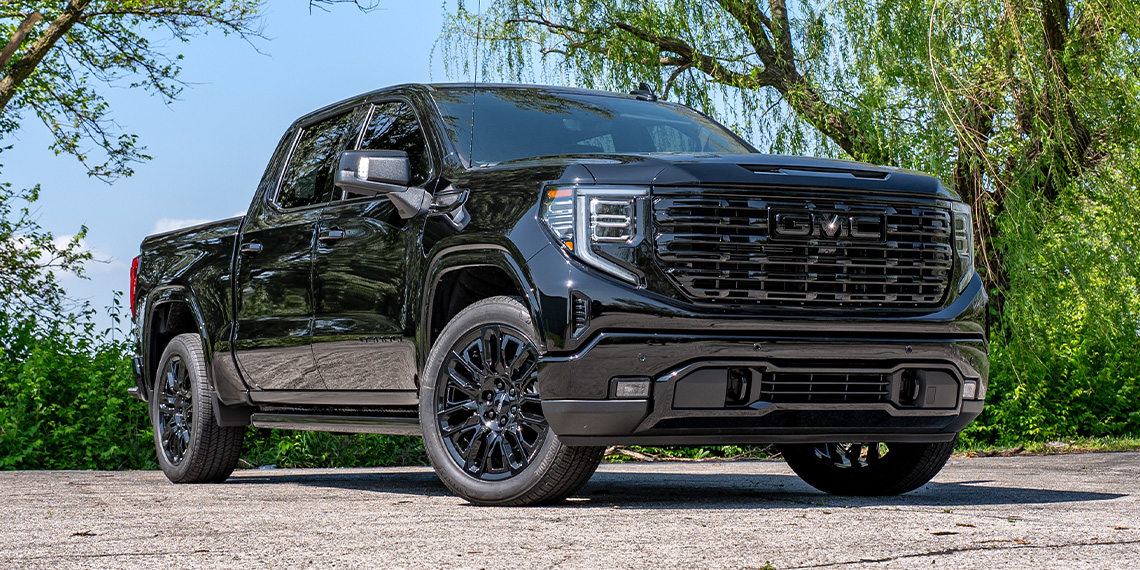
4. GMC Sierra 1500
The GMC Sierra 1500 is another full-size pickup with the elevated hood and large front profile associated with contemporary American trucks. Its design provides a useful example of the relationship between vehicle styling and pedestrian impact geometry.
IIHS research has found that medium-height vehicles with blunt fronts were 26% more likely to result in pedestrian fatalities than low vehicles with sloped fronts. The same research found an approximately 45% higher risk for vehicles with hood heights above 40 inches compared with vehicles having hood heights below 30 inches and sloping fronts.
Those figures are population-level findings rather than predictions for an individual Sierra. They come from crash data involving thousands of pedestrian collisions and should not be interpreted as saying that a particular model will cause a fatal injury in a given accident. Crash speed, braking, pedestrian position, and many other variables remain important.
The research also points toward possible engineering solutions. Lowering the front profile and creating more pedestrian-friendly shapes could reduce some of the injury mechanisms associated with tall and blunt designs. NHTSA has separately proposed a pedestrian head-protection standard for new passenger vehicles, reflecting growing regulatory attention to pedestrian crash protection.
The Sierra is part of a broader design challenge facing full-size pickups. Manufacturers must balance the utility and capability buyers expect from these trucks with efforts to reduce the potential consequences when they encounter pedestrians. This remains an important issue in vehicle design in the United States.
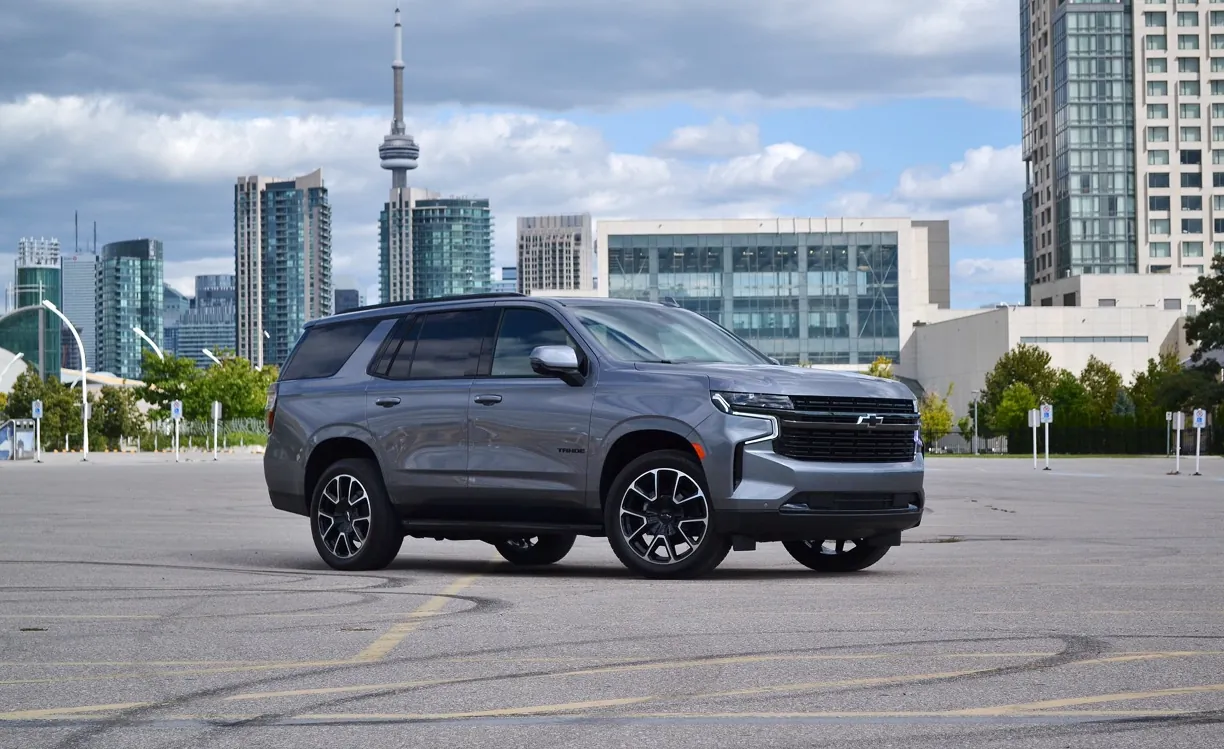
5. Chevrolet Tahoe
The Chevrolet Tahoe extends this discussion beyond pickup trucks and into the full-size SUV segment. Its tall body and high hood reflect a similar design approach, combining generous ground clearance, large exterior dimensions, and an elevated driving position.
IIHS has found that SUVs and pickups are more likely to cause serious or fatal pedestrian injuries than passenger cars. The institute attributes much of the difference to the height and shape of their front ends. Taller vehicles can strike higher on a pedestrian’s body, increasing the likelihood of severe injuries to areas such as the torso and head.
Full-size SUVs also have a high position in the U.S. vehicle market. They combine passenger-carrying capability with dimensions similar to large trucks. That makes them particularly relevant to research on pedestrian safety because their front structures can be considerably higher than those found on conventional cars.
A recent Texas study provides additional evidence. Researchers analyzed 36,579 pedestrian crashes from 2016 through 2022 and found that full-size SUVs were particularly associated with severe outcomes.
The study reported that full-size SUVs were 2.08 times as likely to strike pedestrians and 2.12 times as likely to seriously or fatally injure them compared with other vehicle types in that dataset.
These findings should be interpreted within the study’s Texas population and methodology. They do not mean that every full-size SUV has exactly the same risk. They do show why vehicles such as the Tahoe deserve attention when discussing the relationship between large SUV design and pedestrian injury severity.
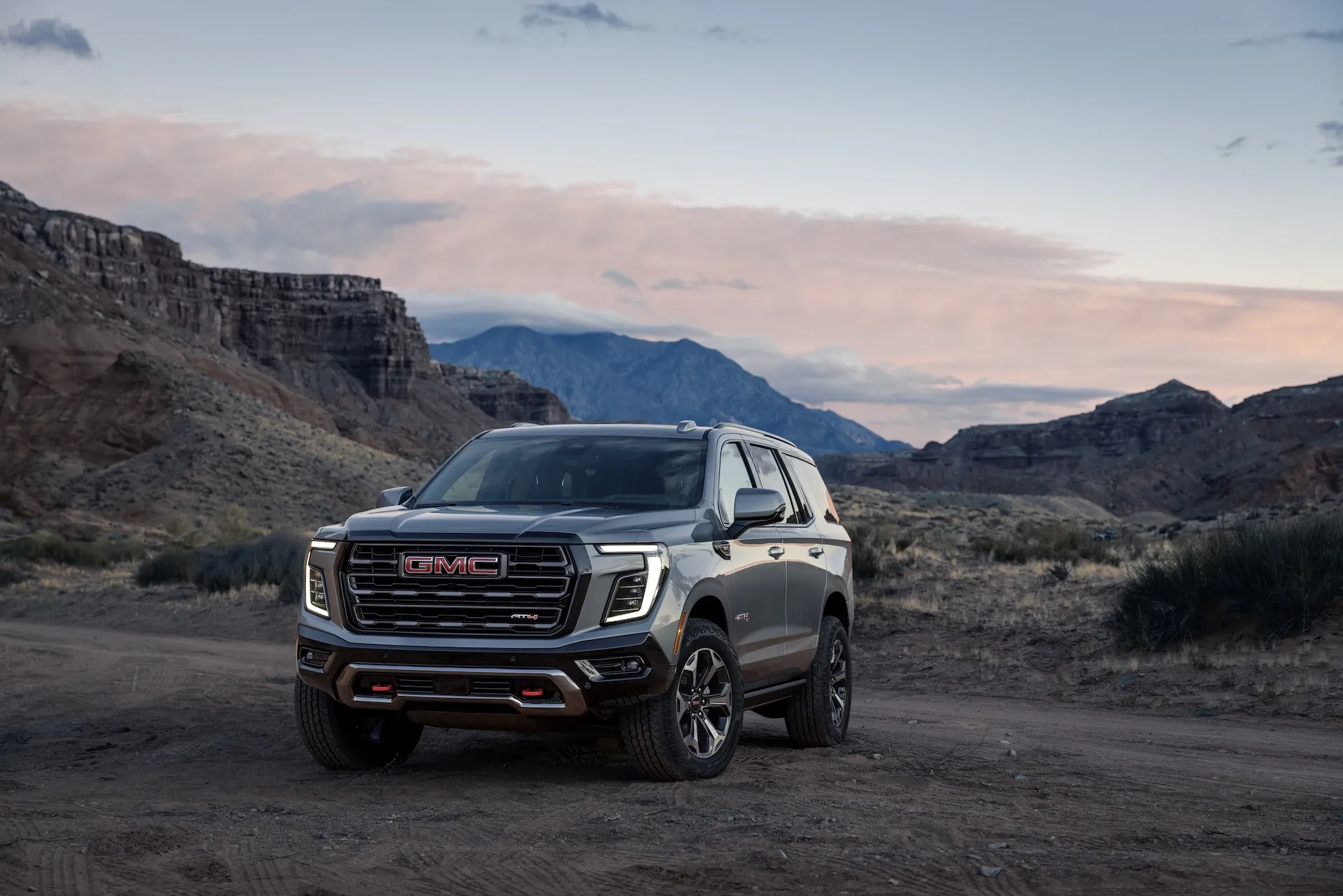
6. GMC Yukon
The GMC Yukon shares the basic full-size SUV architecture seen in the Tahoe, with a tall front section and substantial dimensions. Its large hood and upright front-end proportions make it relevant to the research concerning high and blunt vehicle profiles.
IIHS research involving detailed crash reconstruction found that tall and blunt vehicles were particularly associated with torso and hip injuries. Researchers concluded that the combination of vehicle height and a steep bumper lead angle may explain part of the elevated pedestrian injury severity observed with large vehicles.
This mechanism is important because pedestrian crashes are not simply scaled-down versions of vehicle-to-vehicle collisions. The human body has different proportions and vulnerabilities, and a vehicle that strikes a person higher on the body can transfer forces differently.
The Yukon also illustrates the difference between vehicle safety systems and vehicle geometry. Automatic emergency braking and pedestrian detection can help prevent some collisions or reduce impact speed.
They cannot completely remove the underlying consequences associated with a tall front if a collision occurs.
The safety question therefore involves prevention as well as crashworthiness. Reducing the probability of a pedestrian impact is valuable, while reducing injury severity during an unavoidable impact addresses a separate engineering problem. Large SUVs need to be considered in both areas.
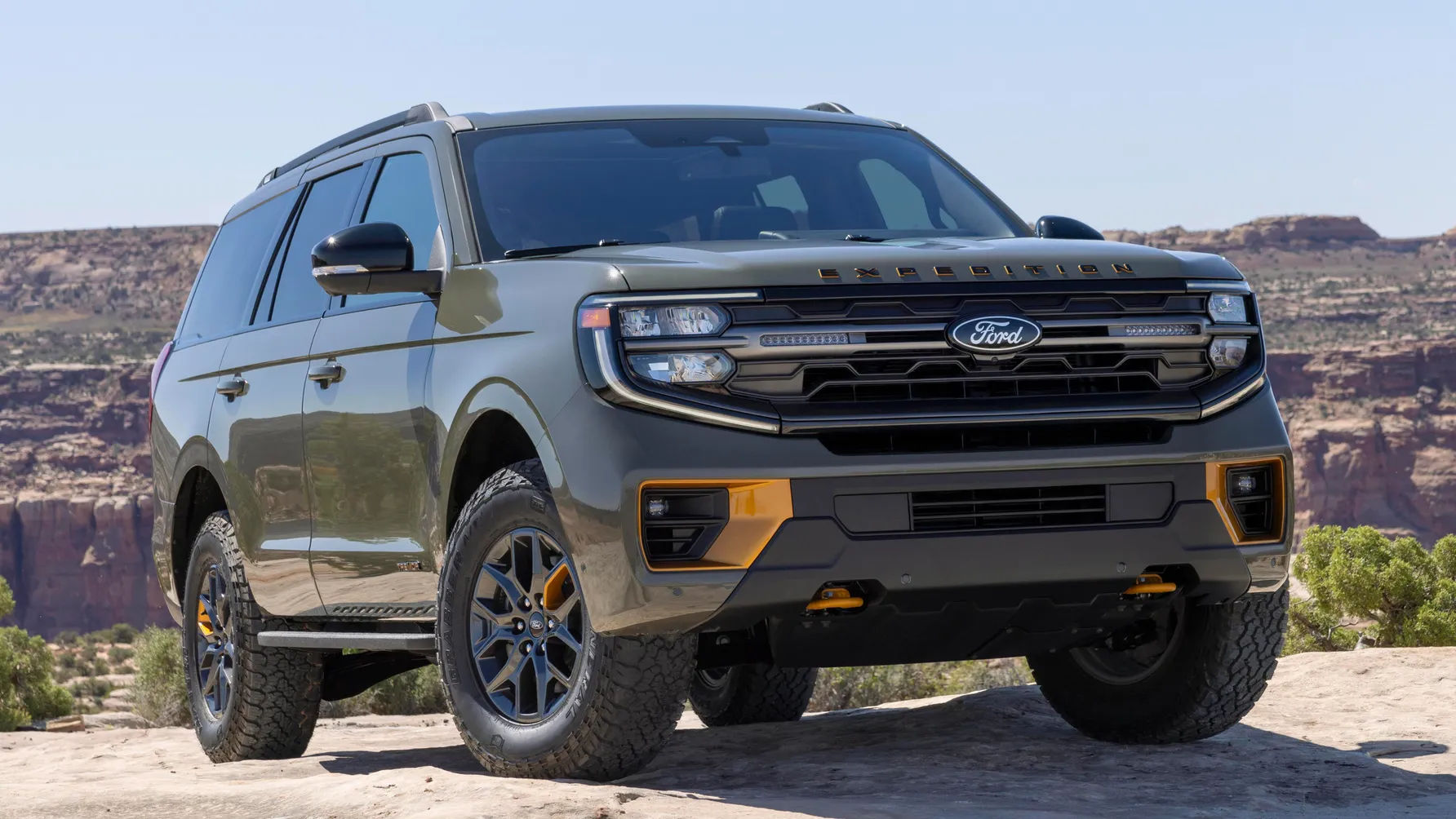
7. Ford Expedition
The Ford Expedition is another full-size SUV with a high front profile. Vehicles in this category are frequently used for family transportation, towing, and long-distance travel, making them common participants in everyday traffic rather than specialized vehicles.
The concern raised by pedestrian research is connected to the vehicle’s physical geometry. IIHS found that larger vehicles tend to produce more serious pedestrian injuries than smaller cars, with height playing an important role. The institute notes that taller fronts can hit sensitive parts of the body and can increase the chance of a pedestrian being thrown forward.
The distinction between blunt and sloped fronts becomes especially important for tall SUVs. A sloped front can change the trajectory of a pedestrian after impact, while a more vertical front can produce a different interaction.
Researchers examining 121 detailed pedestrian crashes found that taller vehicles with blunt fronts produced more severe torso and hip injuries and were more likely to throw pedestrians forward.
That does not make the Expedition uniquely dangerous. The same engineering issue can apply to multiple large SUVs and pickups. The purpose of including it here is to show how the issue extends beyond pickup trucks into large family-oriented vehicles.
For consumers, the practical lesson is to look beyond conventional occupant crash scores. A vehicle can offer strong protection to people inside while still presenting pedestrian protection challenges. Future safety assessments may increasingly account for both groups.
8. Jeep Wagoneer
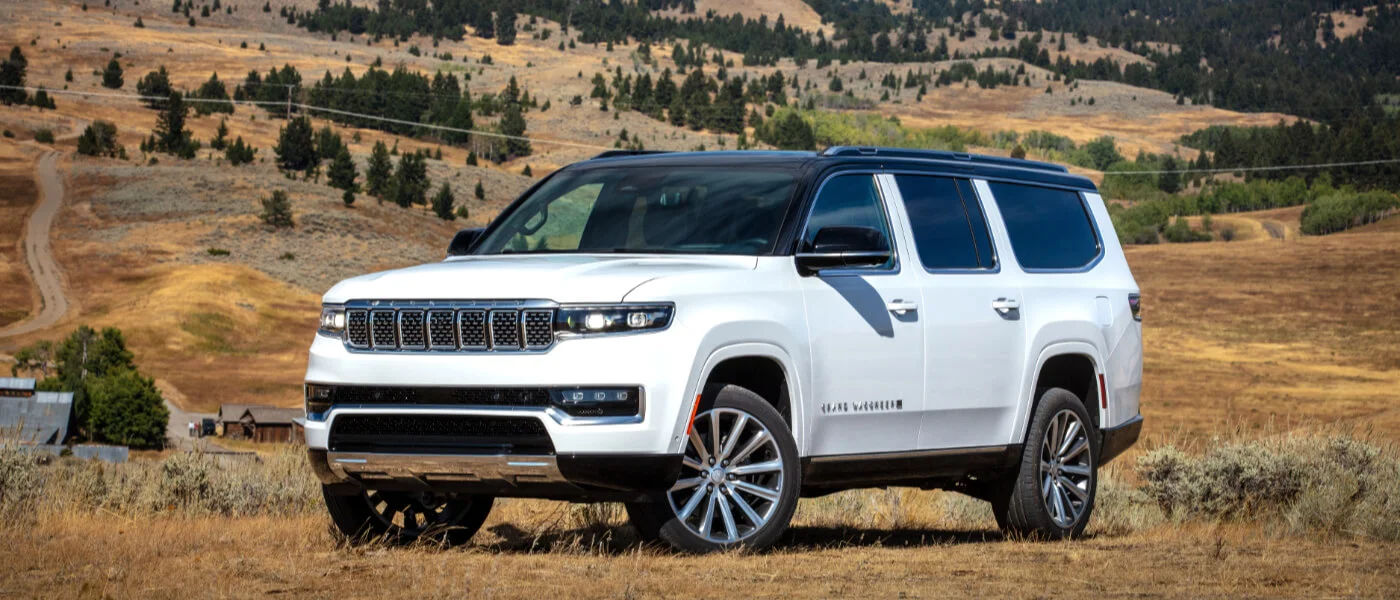
The Jeep Wagoneer occupies the large SUV segment and features a tall, substantial front section. Its design fits the broader category of vehicles that have prompted researchers to study hood height and front-end shape.
IIHS’s research is especially relevant because it separates front-end geometry into measurable categories. Vehicles with medium-height blunt fronts had higher pedestrian fatality risk than low, sloped vehicles. Tall vehicles with either blunt or sloped fronts also showed increased risk, demonstrating that height itself is a significant factor.
The research also found that a relatively flat hood was associated with a 25.1% increase in pedestrian fatality risk compared with more sloped hoods. This finding reinforces the idea that pedestrian protection depends on several connected measurements rather than a single characteristic.
It is important to avoid turning these findings into a model-specific safety score. The studies generally analyze groups of vehicles and crash outcomes rather than declaring individual models inherently unsafe. A Wagoneer may have safety technologies and engineering characteristics that differ from other large SUVs.
Still, its size and front-end configuration make it relevant to the discussion. As American consumers increasingly choose large SUVs, manufacturers face increasing pressure to consider how their designs affect pedestrians, cyclists, and other vulnerable road users.
9. Cadillac Escalade
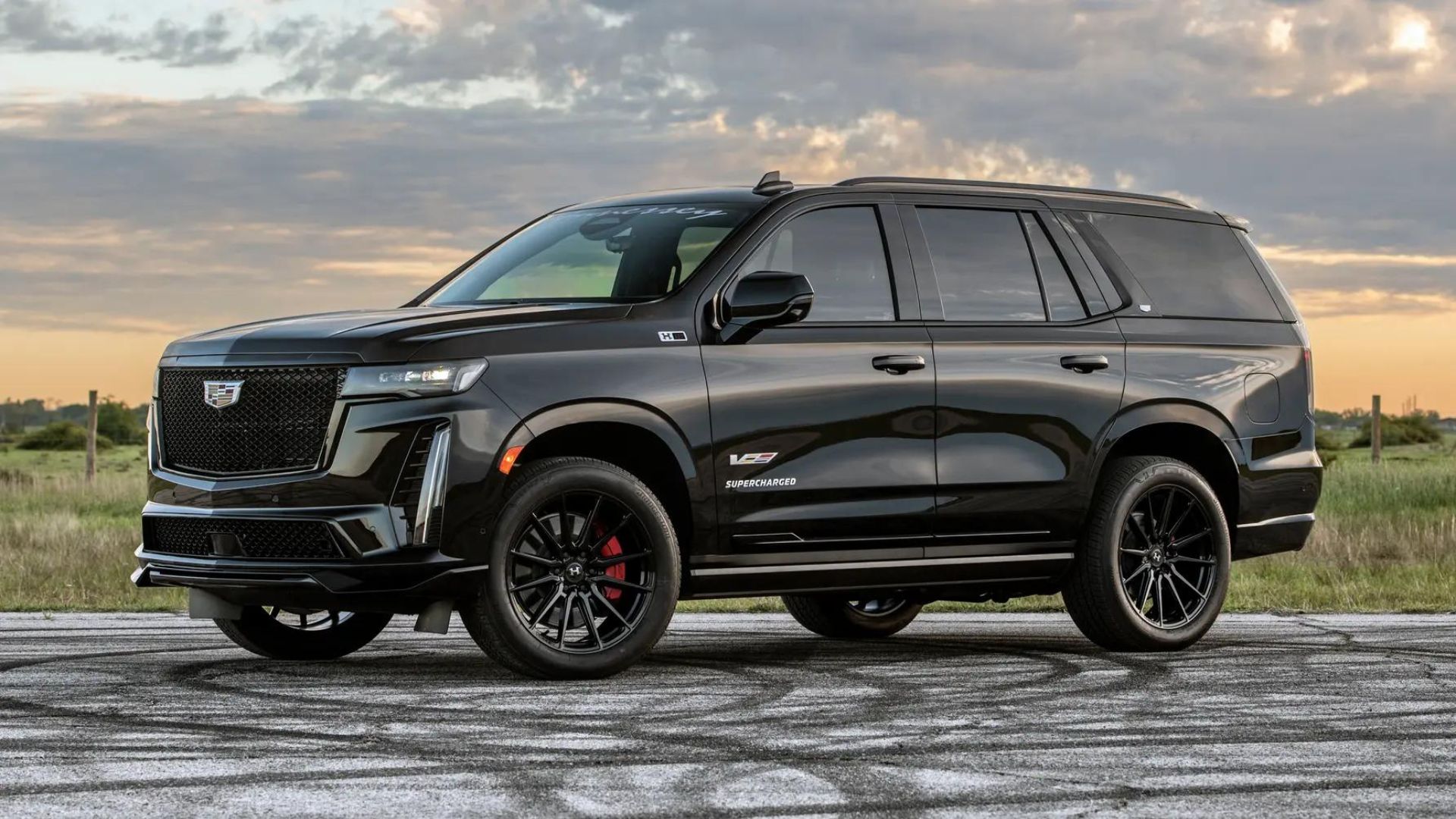
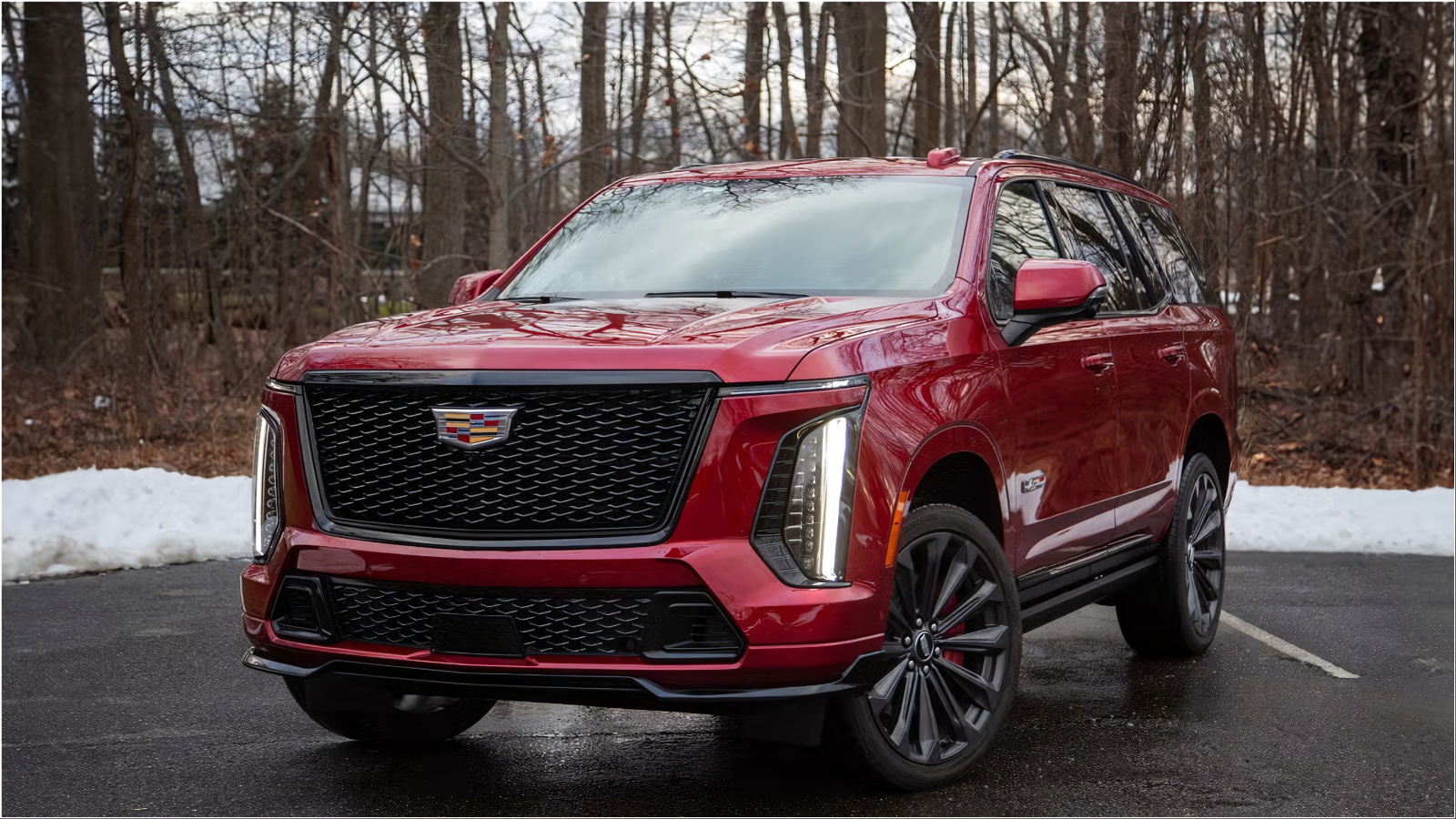
The Cadillac Escalade represents the luxury full-size SUV segment. Its tall hood and large frontal area provide another example of how premium vehicles can share the same underlying geometric challenges as mainstream SUVs.
The safety issue is not related to luxury equipment or brand positioning. Pedestrian impact physics applies regardless of price. If the front of a vehicle is tall and relatively vertical, the position at which it contacts a pedestrian can be higher than with a low sedan. That difference can affect injury severity.
IIHS reports that SUVs, pickups, and vans with hood heights above 40 inches were about 45% more likely to cause pedestrian fatalities than vehicles with hood heights below 30 inches and sloping profiles. This comparison demonstrates why height deserves attention when assessing modern vehicle designs.
At the same time, it would be incorrect to conclude that every large luxury SUV has identical pedestrian performance. Exact hood dimensions, bumper geometry, active safety technology, and model year can vary. A proper comparison requires vehicle-specific data.
The Escalade therefore belongs in this discussion as an example of the large SUV design trend. Its inclusion does not mean it is ranked as more dangerous than another vehicle on this list. The available research supports discussing the shared design characteristics rather than assigning a model-specific danger score.
10. Lincoln Navigator
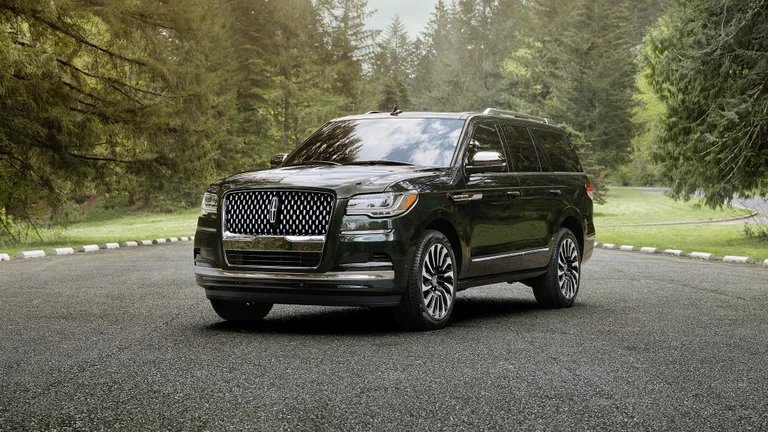
The Lincoln Navigator is another large American-market SUV with a tall front profile. Its proportions reflect the growing preference for large sport utility vehicles in the U.S. passenger market.
The expansion of SUVs matters because vehicle design affects a larger share of pedestrian encounters as these vehicles become more common. IIHS reported that SUVs accounted for 36% of registered vehicles in 2023, up from 24% in 2013. That shift makes pedestrian compatibility an increasingly important part of vehicle design.
Research also indicates that larger vehicles may create visibility challenges at intersections. IIHS found that SUVs, pickups, and light vans were more likely than sedans to strike pedestrians while turning. Researchers noted that structures such as large A-pillars or mirrors could potentially contribute to difficulties seeing pedestrians, though visibility is only one possible factor.
This means the safety issue extends beyond what happens at the instant of impact. A vehicle’s dimensions can influence what a driver sees before a collision. Prevention, visibility and impact protection are interconnected areas of modern vehicle safety.
For a vehicle such as the Navigator, the relevant question is therefore not simply whether its front looks blunt. The more useful assessment considers hood height, front-end shape, driver visibility, automatic emergency braking and pedestrian detection together.
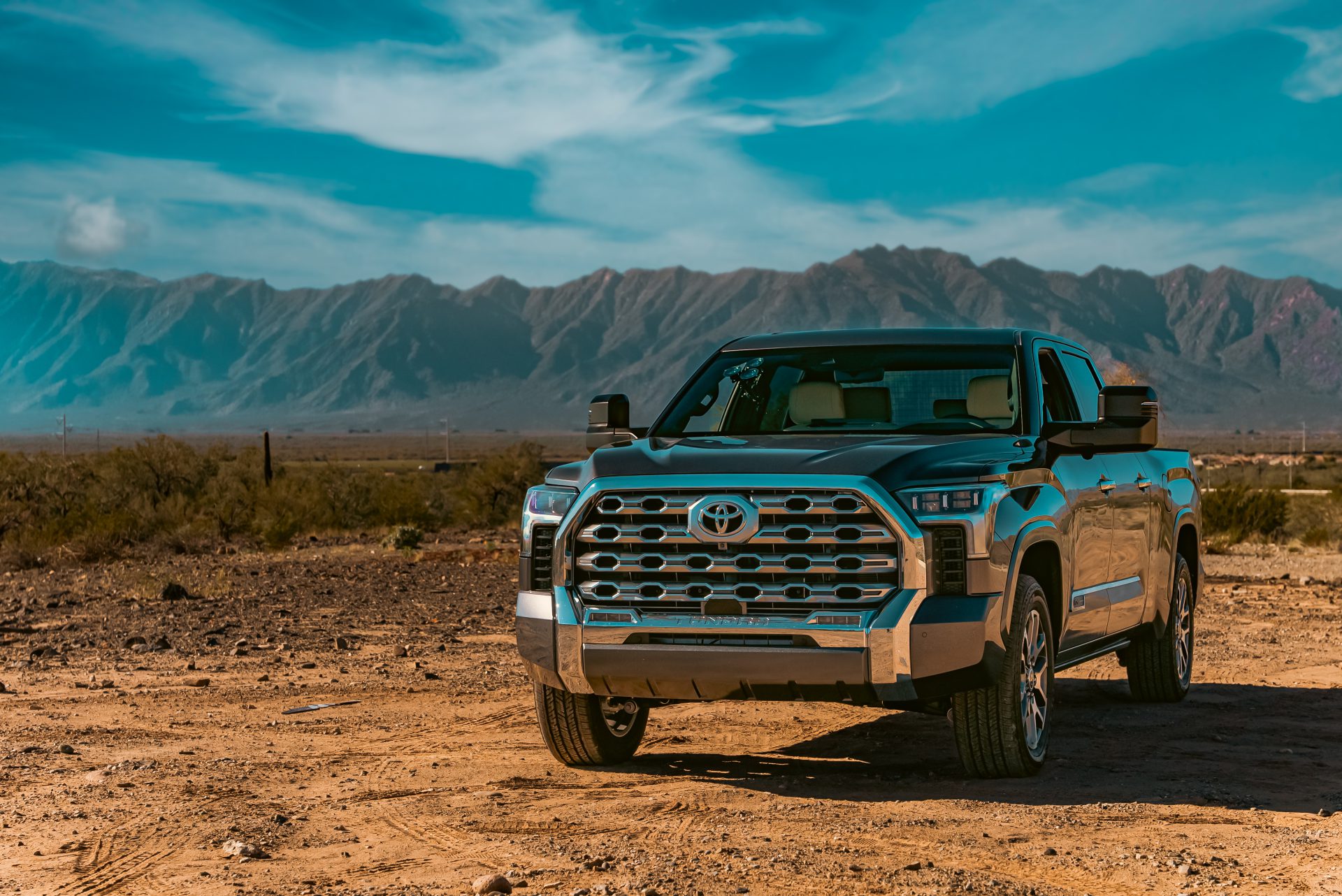
11. Toyota Tundra
The Toyota Tundra demonstrates that this issue is not limited to domestic manufacturers. It is a full-size pickup sold extensively in the U.S. market and shares many of the proportions associated with modern large trucks.
The research does not identify a particular manufacturer as responsible for pedestrian risk. Instead, it identifies physical characteristics that can appear across different brands. High hood leading edges and steep bumper angles are repeatedly associated with greater pedestrian injury severity.
This is why a list of blunt-front vehicles should not be treated as a list of defective vehicles. The findings concern design trends and crash biomechanics. A pickup can be well engineered in many areas while still having a front profile that creates challenges for pedestrian protection.
The Tundra also highlights the importance of looking at current vehicles rather than relying exclusively on older crash data. Manufacturers have changed front structures over time, and active safety technologies continue to develop. Model-year differences can therefore be significant.
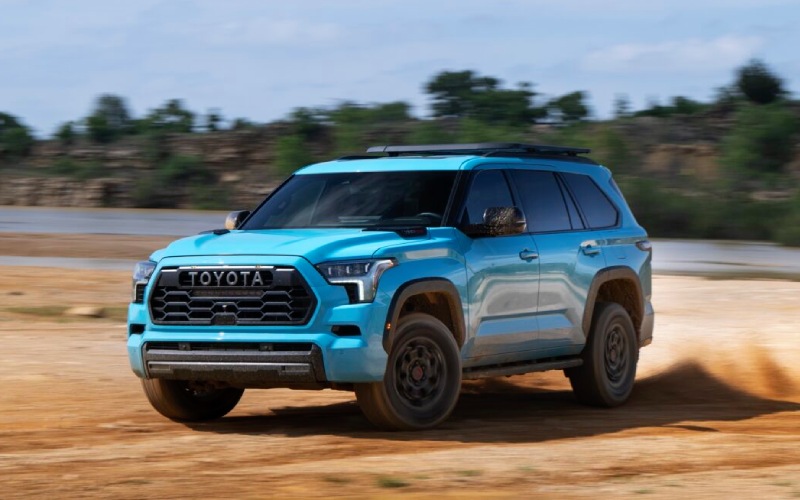
12. Toyota Sequoia
The Toyota Sequoia completes this group with another large SUV sold in the U.S. Its tall body and elevated front profile make it representative of the larger SUV segment that has received increasing attention from pedestrian-safety researchers.
A 2026 study examined front-end characteristics using 74 U.S. vehicles and specifically investigated SUVs and pickup trucks. The research focused on how hood-leading-edge height and front-end geometry influence torso injuries. This continuing research shows that vehicle geometry remains an active area of pedestrian-safety investigation.
The findings do not establish that the Sequoia itself produces a particular injury rate. Vehicle-specific thoughts require vehicle-specific crash data. Instead, the Sequoia illustrates the broader category of tall SUVs for which hood height and front-end design are important considerations.
This distinction is essential for responsible reporting. Calling a specific model “deadly” based only on its appearance would go beyond what the available evidence supports. Research can establish associations between certain design characteristics and injury outcomes without proving that every vehicle sharing those characteristics performs identically.