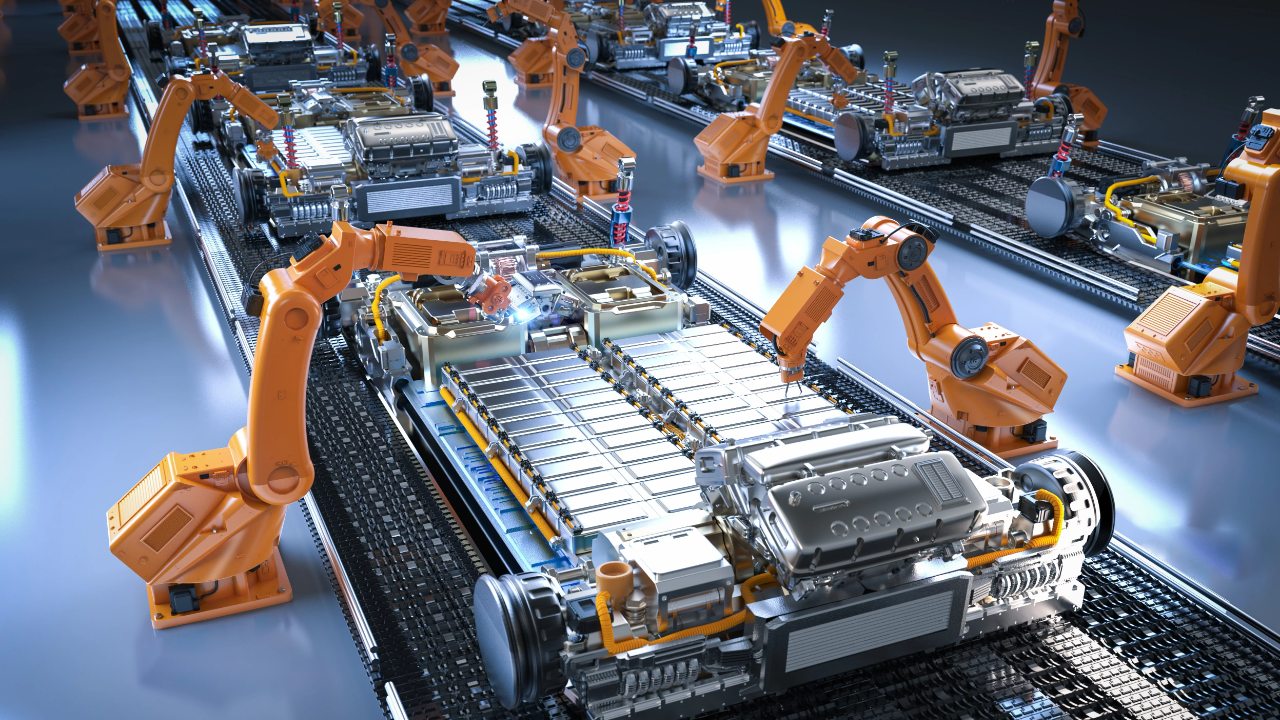
General Motors has completed a major step toward creating a closed-loop battery supply chain in the United States, using materials recovered from retired electric-vehicle batteries to produce new battery cells that are now powering customer vehicles.
The program is significant because GM is not simply recycling batteries for raw-material recovery. The automaker has taken nickel, cobalt, and manganese recovered from end-of-life GM EV batteries, processed those materials into new cathode active material, and used it to manufacture battery cells for new vehicles.
According to GM, the first production vehicles equipped with cells containing cathode active material made with 100% recycled nickel, cobalt, and manganese have already left its U.S. assembly plants. Those vehicles include several Cadillac models as well as the Chevrolet Silverado EV Trail Boss and GMC Sierra EV AT4.
The project is being carried out with battery-recycling company Cirba Solutions, Ultium Cells, and other partners. GM describes it as a pilot, meaning the company has demonstrated the process at production scale but has not yet indicated that every GM EV battery will follow this pathway.
That distinction matters. The achievement shows that recycled materials can successfully return to new EV batteries, but expanding the process to millions of vehicles will require a much larger collection, recycling, and manufacturing network.
How GM Is Closing the Battery Loop
The process begins with batteries that have reached the end of their useful automotive life. For the pilot, GM and Cirba Solutions recovered 80 end-of-life GM EV batteries. Cirba Solutions processed the batteries at its Ohio facility, where the packs were dismantled and processed into a material known as black mass.
Black mass contains valuable materials recovered from lithium-ion batteries. It must then undergo further refining so individual battery materials can be separated and converted into forms suitable for manufacturing new cells.
According to GM, the material recovered during this project was ultimately converted into more than 12 metric tons of new cathode active material. The nickel, cobalt, and manganese in that cathode material were entirely recycled.
The material then had to pass the same quality, performance, and safety validation required for battery materials made from newly extracted resources.
That step is critical because recycled material cannot simply be put into a new battery without verification. Battery chemistry is highly sensitive to material quality, and automakers need to ensure that recycled inputs can meet the same performance and durability requirements as conventional materials.
GM said testing demonstrated that the recycled-material cells performed adequately before Ultium Cells used the new cathode material to produce battery cells.
Those cells were subsequently assembled into battery modules and packs at GM’s Factory ZERO in Detroit-Hamtramck, Michigan, and Spring Hill Assembly in Tennessee. The completed packs then went into production vehicles.
The vehicles involved include the Cadillac LYRIQ, LYRIQ-V, VISTIQ, Escalade IQ, and Escalade IQL, along with the Chevrolet Silverado EV Trail Boss and GMC Sierra EV AT4.
This makes the program more consequential than a laboratory demonstration. These are production vehicles intended for customers.
GM’s Factory ZERO is already dedicated to electric vehicle production, while Spring Hill has been developed as a flexible manufacturing complex capable of producing both gasoline and electric vehicles. GM says it has invested $2.3 billion in Spring Hill’s battery-cell manufacturing operation.
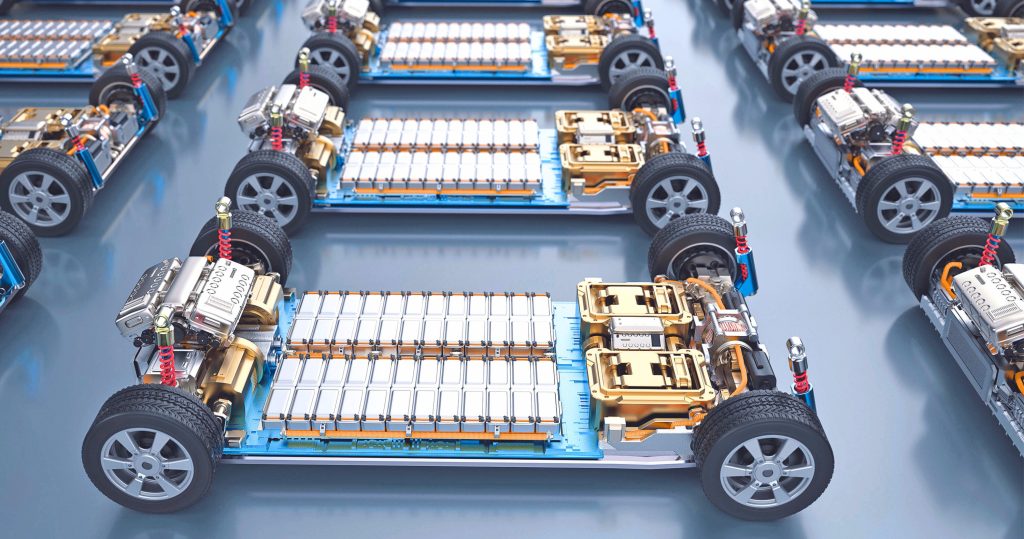
The recycled materials therefore do not need to travel through a completely separate experimental manufacturing chain. They are being incorporated into the same broader production ecosystem that GM is using for its Ultium-based EVs.
Why Recycled Battery Materials Matter
The biggest potential benefit of battery recycling is reducing the amount of newly extracted material required to support EV production.
Nickel, cobalt, and manganese are important materials used in several lithium-ion battery chemistries. Mining and processing these materials requires substantial industrial infrastructure, and their supply chains can be exposed to geopolitical, environmental, and price risks.
GM says current recycling technology can recover substantial quantities of nickel, cobalt, and manganese, with recovery rates of up to 95% depending on the process and battery chemistry. Lithium recovery can reach up to 80% under some conditions.
That does not mean every old EV battery can automatically be converted into an equivalent quantity of new battery material. Batteries differ in chemistry, condition, and design, while collection and transportation also affect the economics of recycling.
Still, the long-term opportunity is substantial. Today’s EV batteries are gradually creating a future source of raw materials. As more electric vehicles reach the end of their first automotive life, the number of batteries available for recycling will increase.
GM is therefore trying to establish the infrastructure before that wave becomes much larger. The company already has recycling arrangements covering materials from manufacturing scrap, warranty and recall batteries, and eligible aftersales batteries.
In its 2026 Battery Supply Chain Report, GM said U.S. recycling channels processed battery materials from Ultium Cells, GM facilities, and aftersales operations during 2025, with the objective of recovering materials including nickel, cobalt, lithium, and copper.
The new closed-loop project takes that strategy a step further by demonstrating that recovered materials can return directly to GM’s own EV production. It could also eventually improve supply-chain resilience.
Instead of treating an EV battery as a product that has value only until it can no longer power a vehicle, GM is attempting to create a cycle in which the battery materials remain useful after the original vehicle is retired.
The company is also pursuing second-life applications. GM says it is working with Redwood Materials to deploy approximately 10,000 second-life batteries into energy infrastructure. Those batteries can provide stationary storage before their materials eventually enter recycling streams.
A battery can therefore serve several purposes throughout its useful life. It can power a vehicle, later be repurposed for stationary energy storage, and eventually provide recovered materials for manufacturing new batteries.
The Pilot Is Only the Beginning
GM’s achievement does not mean the company has created a completely circular EV battery system yet.
The September project involved 80 end-of-life batteries and produced more than 12 metric tons of cathode active material. That is meaningful for demonstrating the technology, but it represents only a tiny fraction of the batteries that will eventually require recycling as America’s EV population grows. The challenge now is scale.
GM will need efficient systems for collecting batteries from vehicles, transporting them safely, dismantling them, recovering materials, and returning those materials to battery manufacturers. The process also needs to remain economically competitive as battery chemistry evolves.
The company acknowledges that the pilot is a foundation for future work rather than the final stage of its recycling strategy. GM said the project provides data and experience that can help it prepare for the much larger volume of EV batteries expected to reach the end of their useful lives during the next decade and beyond.
Battery chemistry could also complicate the picture. Not every future EV battery will use the same combination of nickel, cobalt, and manganese. Automakers are increasingly developing alternative chemistries, meaning recycling processes will have to adapt to different material compositions.
Even with those challenges, GM’s latest project represents an important change in how automakers think about EV batteries.
The company is no longer treating battery recycling simply as an end-of-life responsibility. It is testing whether recovered materials can become part of the manufacturing process for the next generation of vehicles.
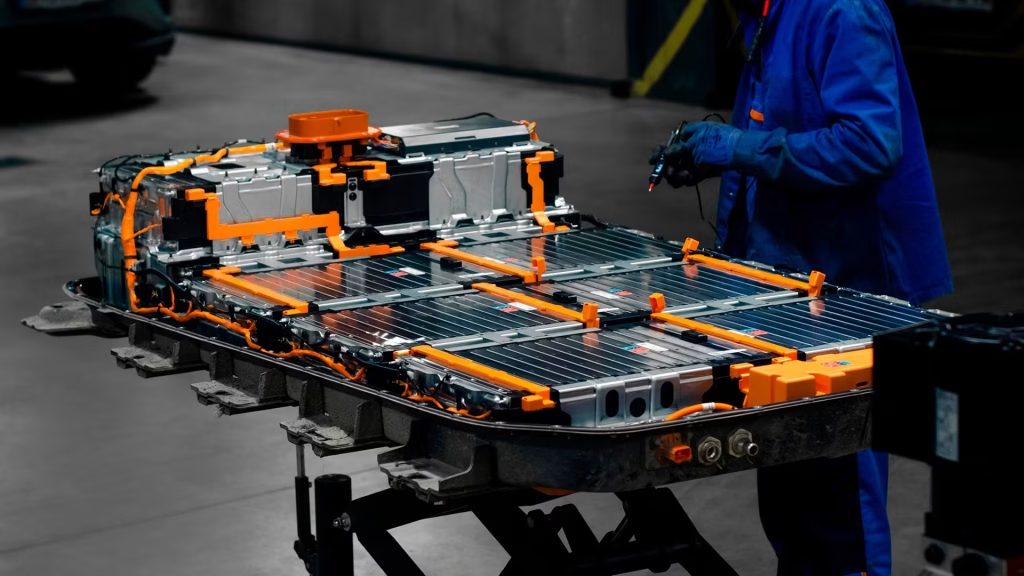
For American EV manufacturing, that could become increasingly valuable. A larger domestic supply of recovered battery materials could reduce dependence on newly mined resources, strengthen supply chains, and potentially reduce some of the material costs associated with producing future battery cells.
GM’s first vehicles using these recycled materials have already reached production at Factory ZERO and Spring Hill. The program remains a pilot, but it establishes a pathway that could become far more important as today’s growing fleet of electric vehicles eventually reaches the end of its first life.
The bigger story is therefore not simply that GM has recycled 80 batteries. It is that materials from old GM EVs have now returned to the road in new GM EVs.
If the company can scale that process economically, today’s batteries could eventually become part of the raw-material supply for tomorrow’s vehicles, creating a more circular U.S. EV manufacturing system.