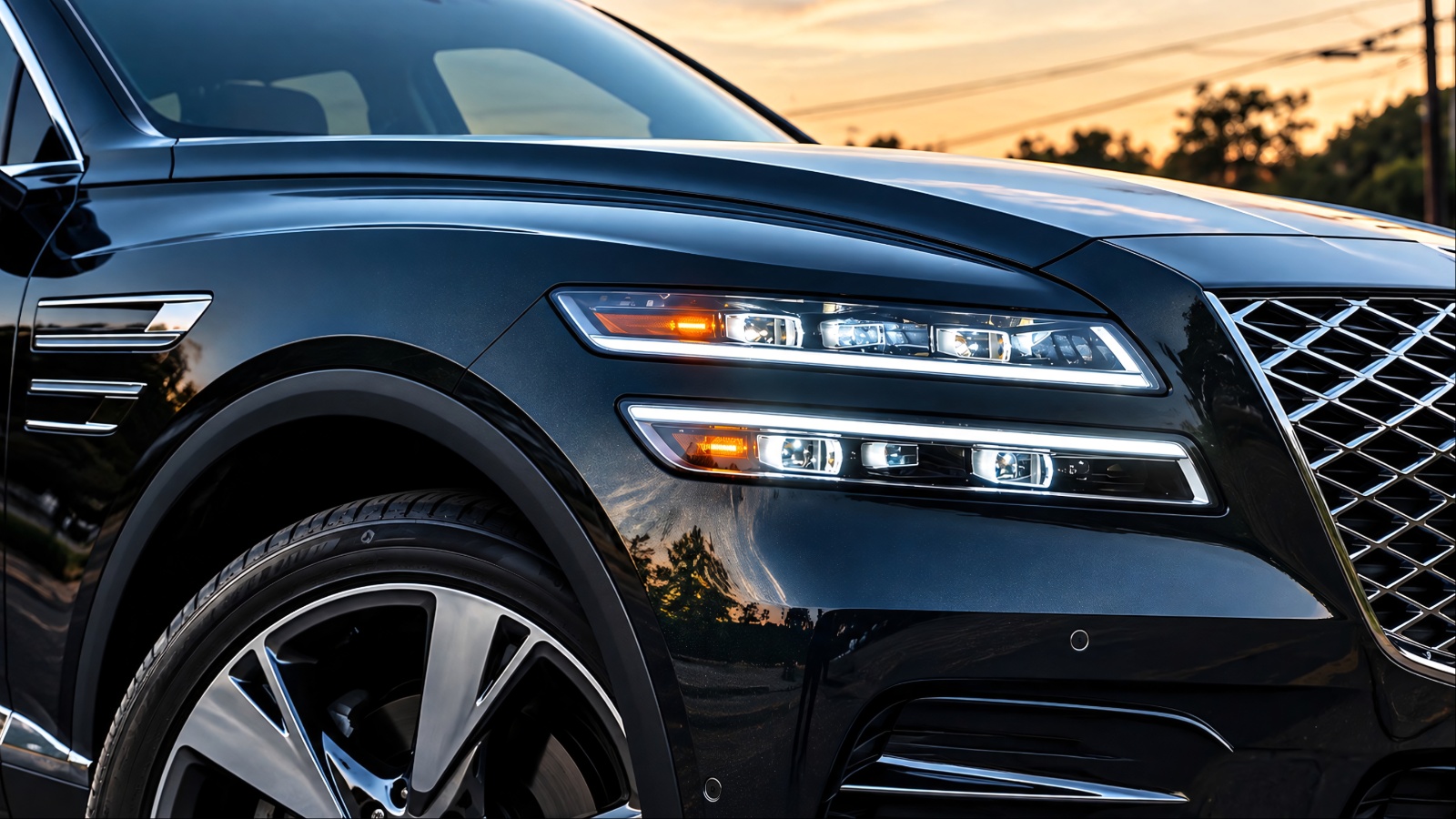
Buying a new car means accepting that a large share of its price will disappear within a few years, but how much varies enormously by model. A 2026 iSeeCars study analyzing more than 950,000 five-year-old used vehicles sold between March 2025 and February 2026 found the average vehicle loses 41.8% of its value after five years, or roughly $16,571, an improvement of 3.8 percentage points over 2025 as used-vehicle values rebounded across nearly every segment.
Depreciation varies significantly by vehicle type. Trucks average 34.2%, followed by hybrids at 35.4% and SUVs at 44.9%, while EVs have the highest average at 57.2%.
The analysis adjusted original MSRPs to 2026 dollars and compared them with average used-market prices, while excluding heavy-duty trucks, discontinued models, and low-volume nameplates. At the other end of the spectrum, the 25 vehicles below are dominated by electric and luxury models, which make up 24 of the 25 spots on the list.
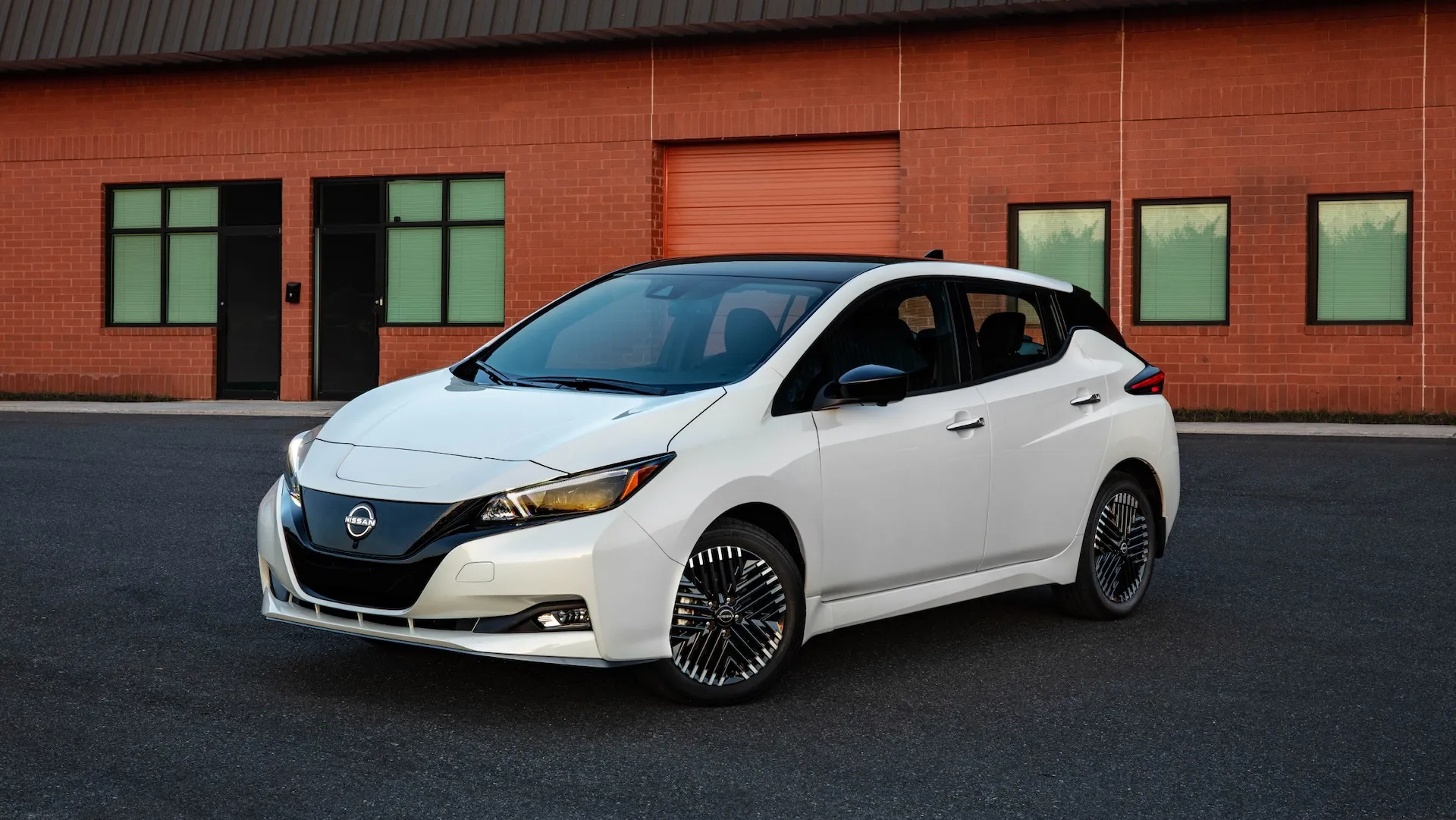
1. Nissan LEAF – 63.1% Depreciation, $17,743 Lost
The Nissan LEAF tops the list as the single fastest-depreciating vehicle in the entire iSeeCars study, losing 63.1% of its value in five years, the worst percentage figure of any of the roughly 950,000 vehicles tracked. Because the LEAF’s original price is relatively modest compared with the rest of this list, its dollar loss of $17,743 is actually one of the smaller figures here, even though its percentage loss is the worst of all.
Aging battery technology, a shrinking charging-network advantage over newer rivals, and the arrival of longer-range, better-equipped EVs at similar prices have made used LEAFs a difficult sell, consistent with the broader EV segment’s poor value retention a gap that looks even starker set against the truck segment, which averages just 34.2% depreciation.
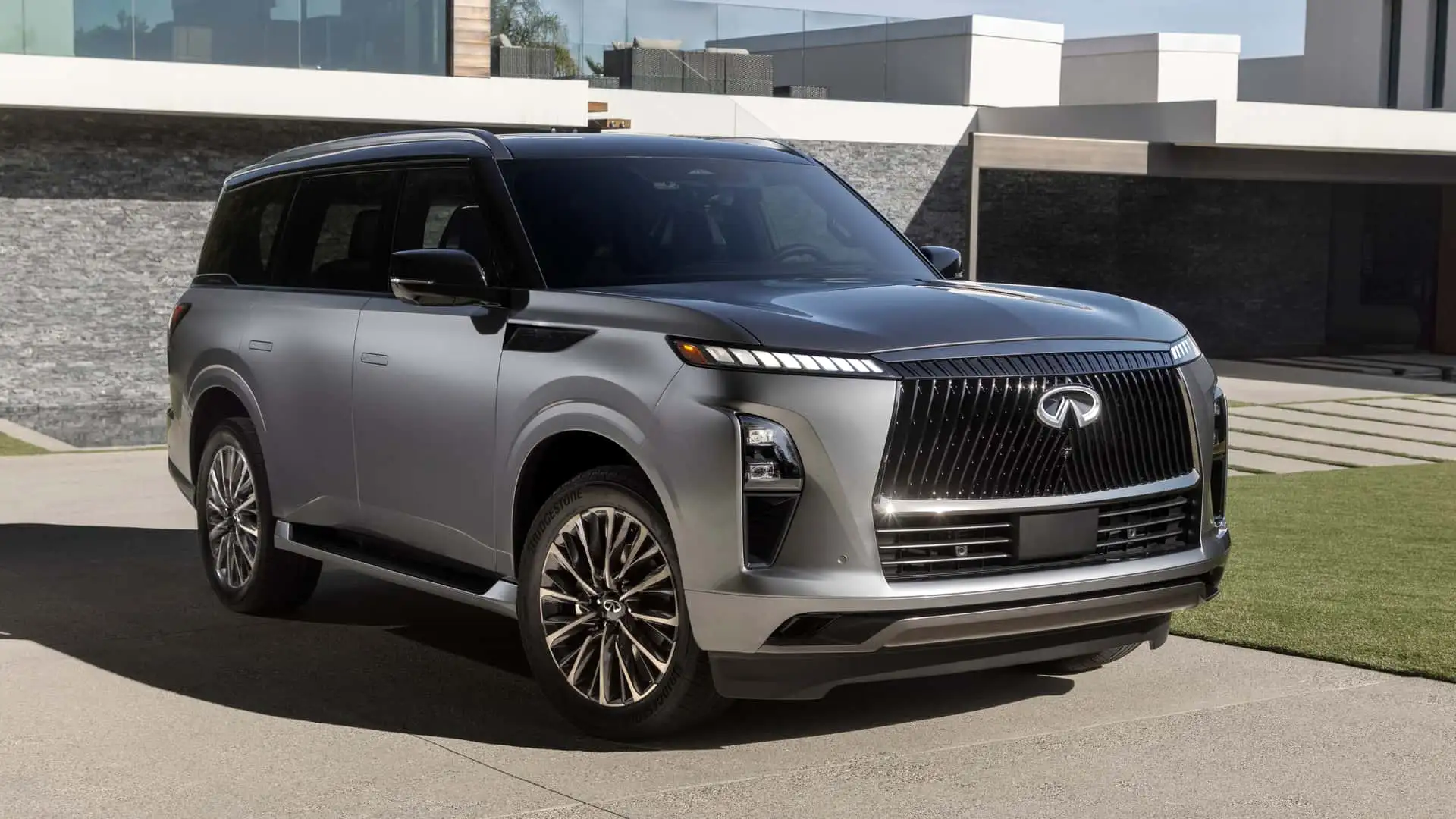
2. Infiniti QX80 – 62.8% Depreciation, $52,631 Lost
The Infiniti QX80 ranks second on the list, with its steep depreciation partly tied to the previous generation’s unusually long production run. That model remained largely unchanged for 15 years before Infiniti introduced an all-new QX80.
Selling essentially the same vehicle for a decade and a half, followed by a full redesign, left older examples competing directly against a dramatically updated model, which crushed resale values for the outgoing generation almost overnight.
The QX80’s dollar loss of $52,631 is also among the largest of any vehicle in the entire study. That rate sits nearly 18 percentage points above the large SUV segment average of 52.1%, making the QX80 the single worst-performing large SUV that iSeeCars measured.
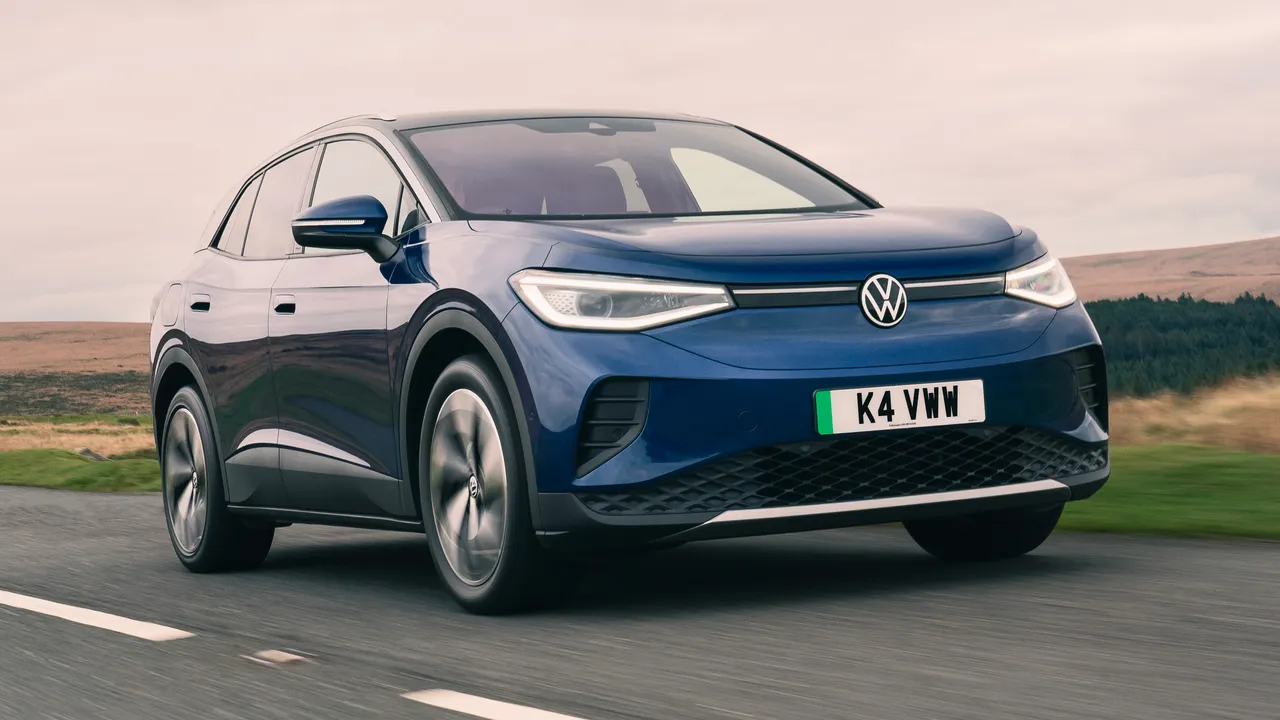
3. Volkswagen ID.4 – 62.1% Depreciation, $28,010 Lost
Volkswagen’s electric SUV ranks as the third-fastest depreciating vehicle in the study. It also has the highest depreciation rate among all small SUVs, both gas-powered and electric, tracked by iSeeCars.
Like other EVs on this list, the ID.4 has struggled with used buyers who worry about long-term battery health and who can often find a newer EV with more range, updated software, or a fresher design for a comparable used price.
Its depreciation rate is more than 20 percentage points above the small SUV segment average, a gap almost entirely explained by powertrain rather than body style, since gasoline small SUVs like the Honda CR-V rank among the best value-retainers in the whole study.
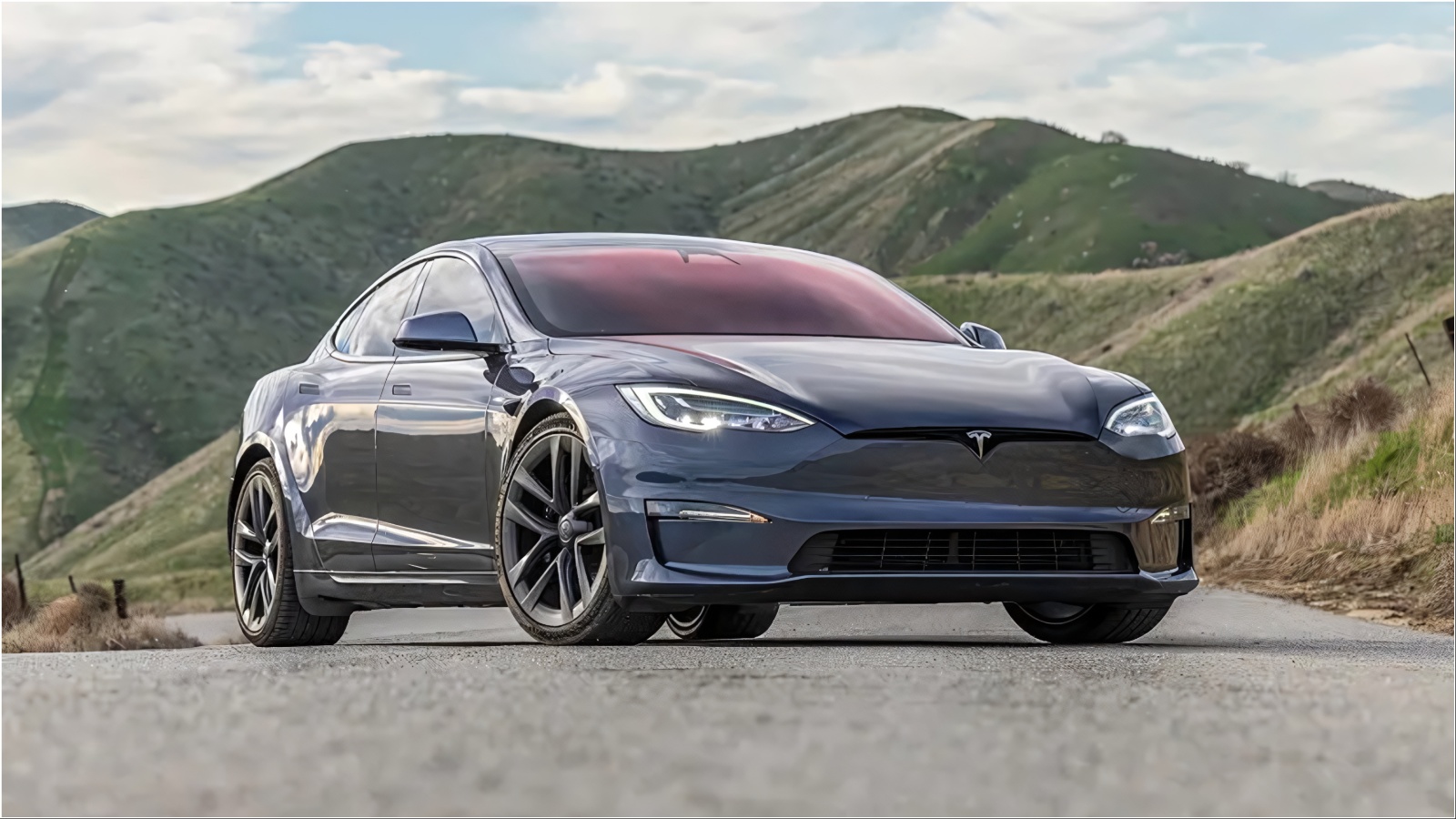
4. Tesla Model S – 62.0% Depreciation, $58,907 Lost
Tesla’s flagship sedan loses 62.0% of its value after five years, translating into a $58,907 hit, one of the largest dollar losses of any vehicle in the entire ranking and the steepest among all sedans studied.
The Model S’s steep depreciation reflects both its high original price and Tesla’s own pattern of price cuts on new vehicles over the years, which continually resets buyer expectations for what a comparable used Model S should reasonably cost, dragging resale values down even for well-maintained, low-mileage examples.
At 62.0%, the Model S depreciates faster than the average EV in the segment, which has a 57.2% depreciation rate.
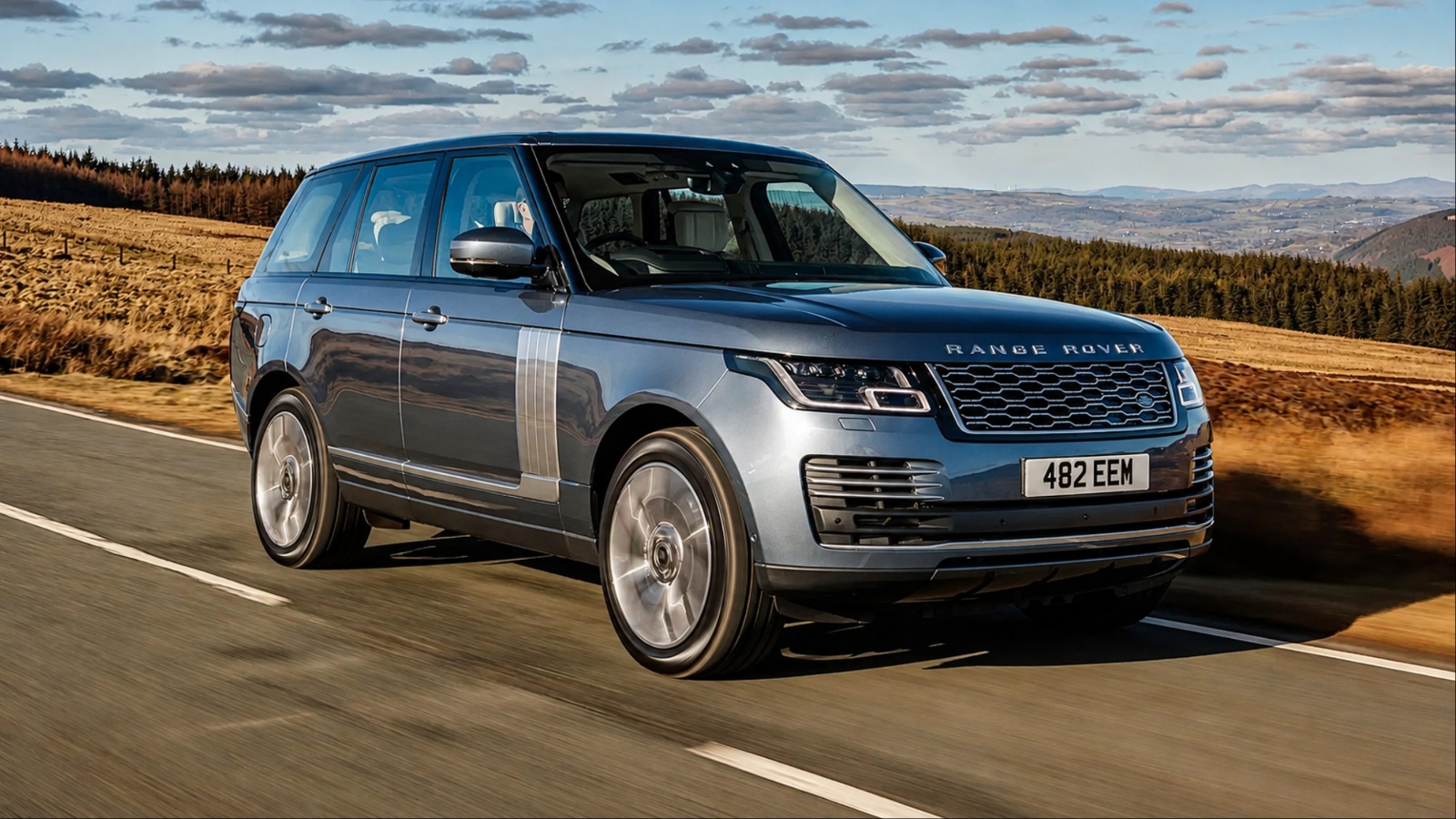
5. Land Rover Range Rover – 61.7% Depreciation, $69,856 Lost
The Range Rover records the largest dollar loss of any vehicle in the 950,000-vehicle study, losing $69,856 over five years. Yet its 61.7% depreciation rate ranks fifth among the 25 vehicles on this list.
The difference between those figures highlights an important point about depreciation. An expensive luxury vehicle can lose a smaller percentage of its value than a less expensive EV such as the Nissan LEAF while still costing its owner tens of thousands of dollars more.
The Range Rover’s 61.7% depreciation rate also sits well above the 52.1% average for the large SUV segment, showing how a vehicle’s starting price and brand can have a major impact on the dollar cost of depreciation.
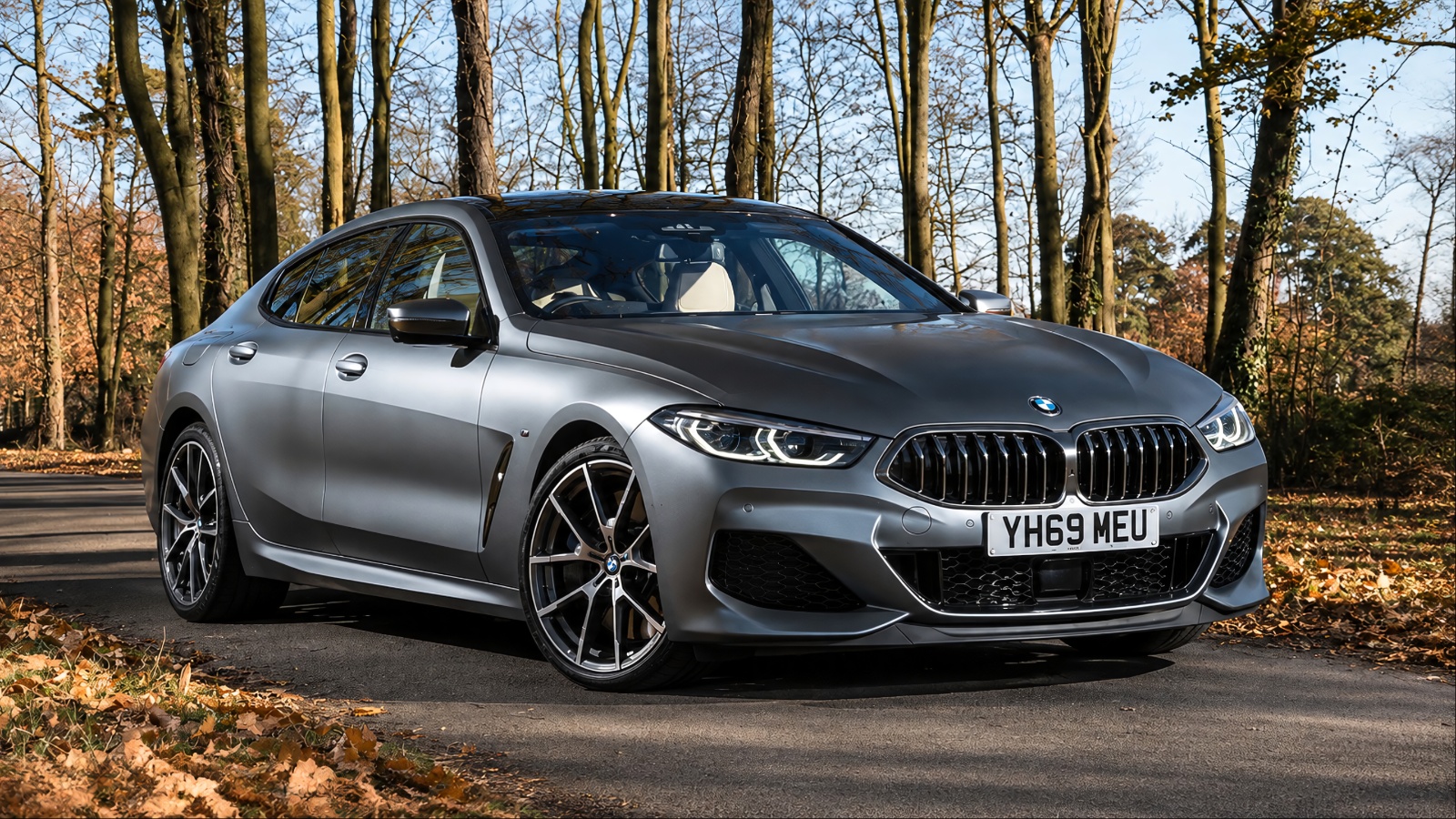
6. BMW 7 Series – 61.6% Depreciation, $61,141 Lost
BMW’s full-size luxury sedan loses 61.6% of its value in five years, a $61,141 decline that ranks among the largest dollar losses in the entire study and the steepest of any traditional sedan.
Like other large luxury sedans on this list, the 7 Series starts with a high price and can be equipped with an extensive range of options. Used-car buyers are often less willing to pay extra for those features, which can contribute to steeper discounts in the used market than those seen with mainstream full-size sedans.
Its 61.6% depreciation rate is nearly 20 percentage points higher than the 41.8% market average, representing a difference of about $44,570 in lost value.
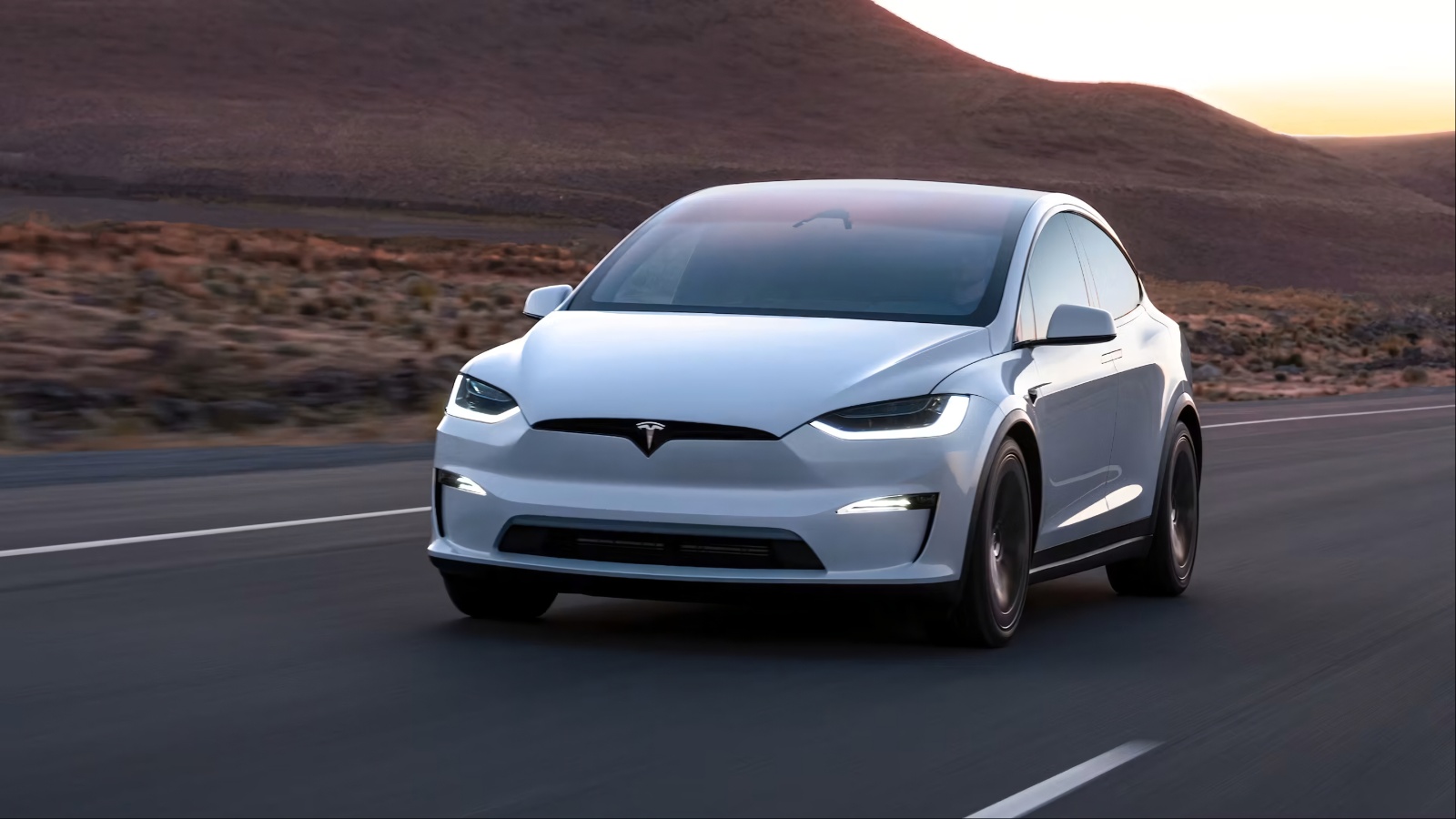
7. Tesla Model X – 61.2% Depreciation, $61,216 Lost
The Model X is the single highest-depreciating midsize SUV in the entire iSeeCars study, losing 61.2% of its value and $61,216 in absolute terms, more than three times the midsize SUV segment’s average dollar loss of roughly $20,820.
The Model X follows a similar depreciation pattern to the Model S mentioned earlier on the list. Its high starting price, combined with Tesla’s history of adjusting prices on new vehicles, can put downward pressure on the value of existing used models. At 61.7%, its depreciation rate is also higher than the 57.2% average for the EV segment, placing it toward the higher end of depreciation within Tesla’s four-model lineup.
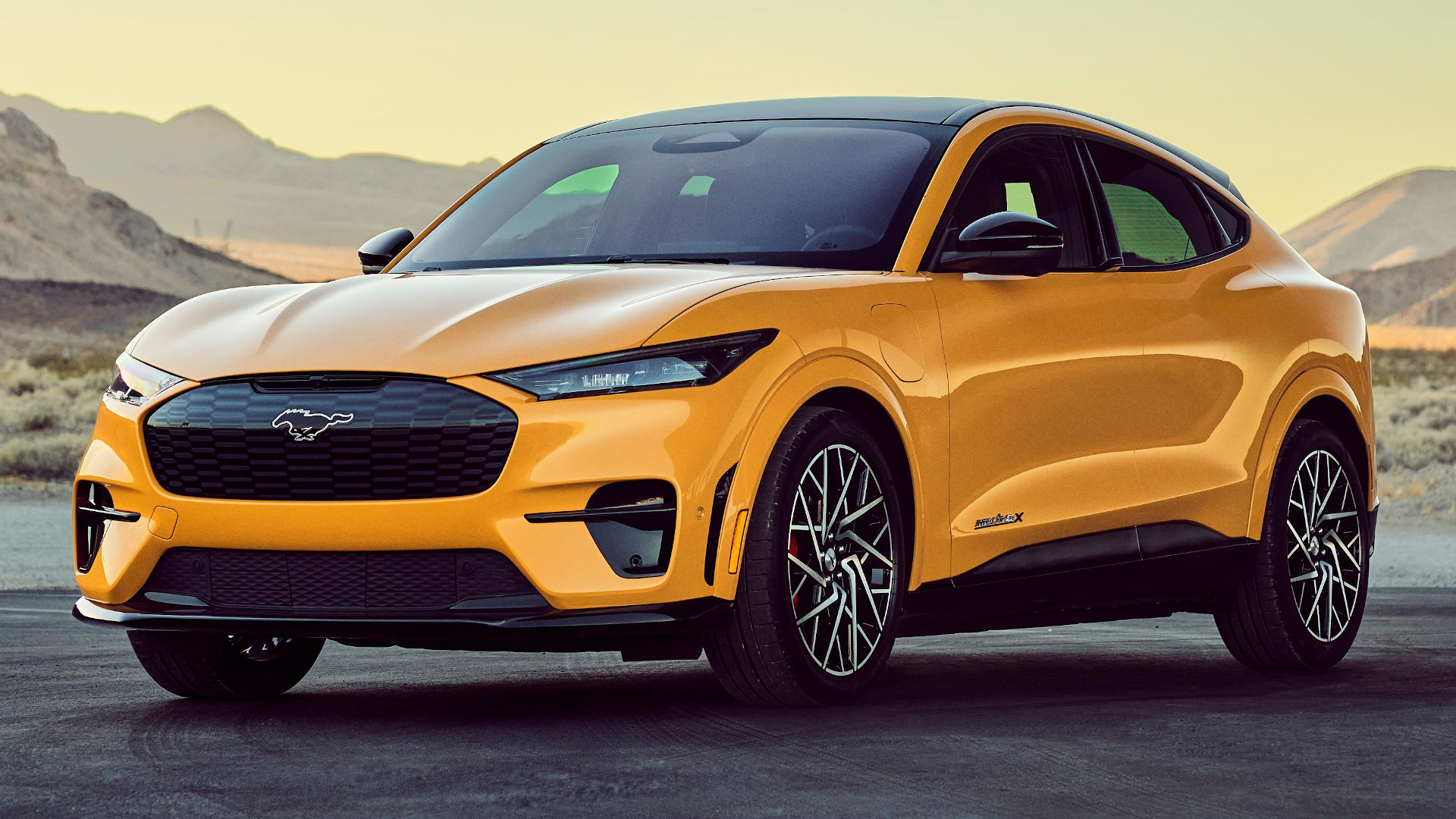
8. Ford Mustang Mach-E – 60.8% Depreciation, $22,976 Lost
Ford’s electric SUV is the second-highest-depreciating small SUV in the entire study, trailing only the Volkswagen ID.4 for that distinction. Its 60.8% five-year depreciation amounts to a $22,976 loss, continuing a clear trend in which electric SUVs consistently lose value faster than gasoline-powered or hybrid competitors occupying the same body style and price range.
Its dollar loss remains well above the $16,571 average for the market. However, it loses less in raw dollar terms than several larger and more expensive SUVs elsewhere on the list, showing that percentage depreciation and dollar losses do not always move in the same direction.
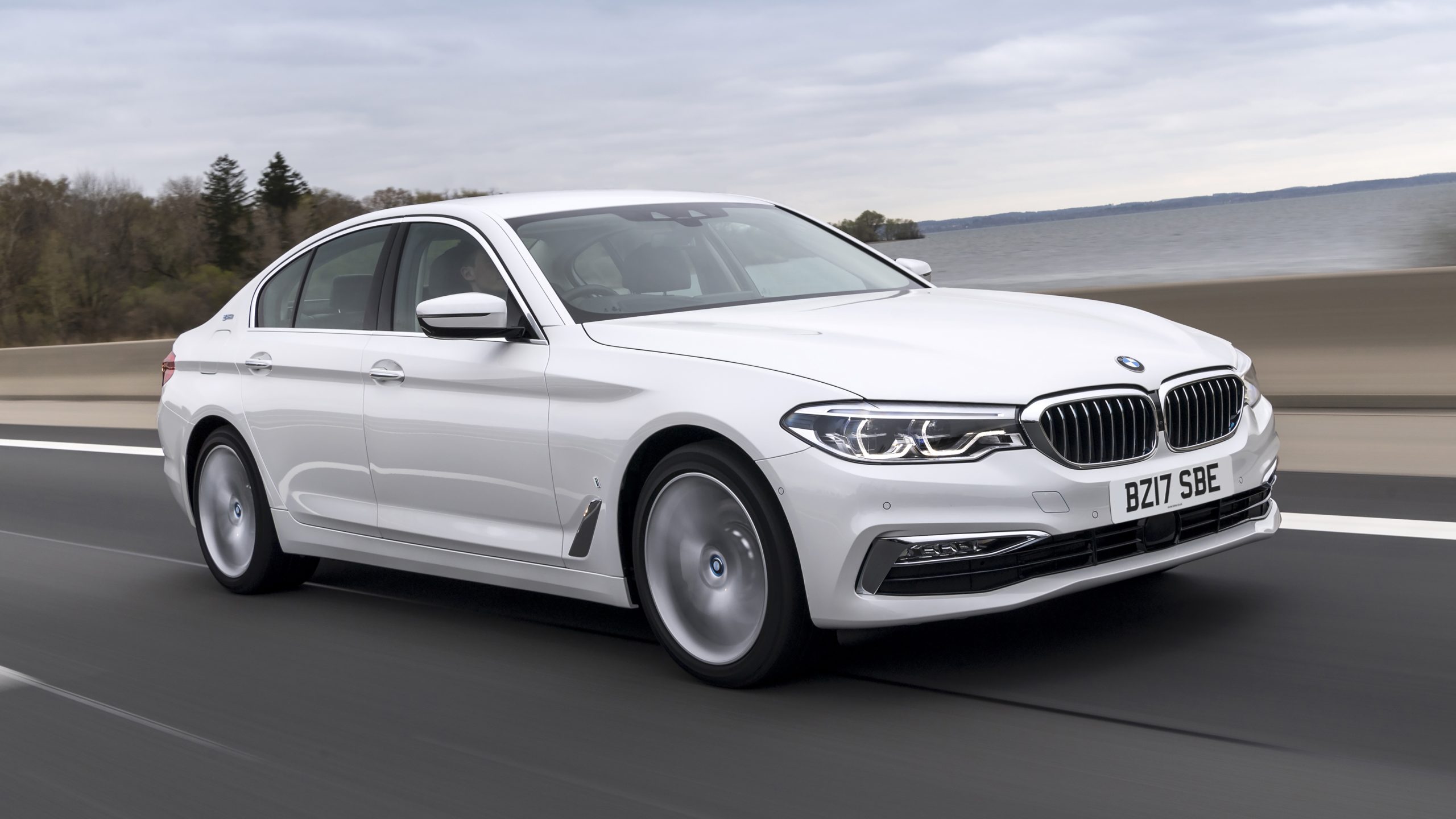
9. BMW 5 Series (Hybrid) – 59.5% Depreciation, $44,921 Lost
The hybrid version of BMW’s 5 Series is the single worst-depreciating hybrid vehicle tracked anywhere in the study, losing 59.5% of its value, or $44,921, over a five-year ownership period.
That figure stands in sharp contrast to the hybrid segment as a whole, which averages just 35.4% depreciation, underscoring how much luxury branding and price, rather than powertrain type, drive the steep losses seen here.
The gap between the hybrid segment average and the 5 Series’ individual figure is roughly 24 percentage points, one of the widest such gaps found anywhere in the study, confirming that hybrid technology can’t offset weak luxury-sedan demand.
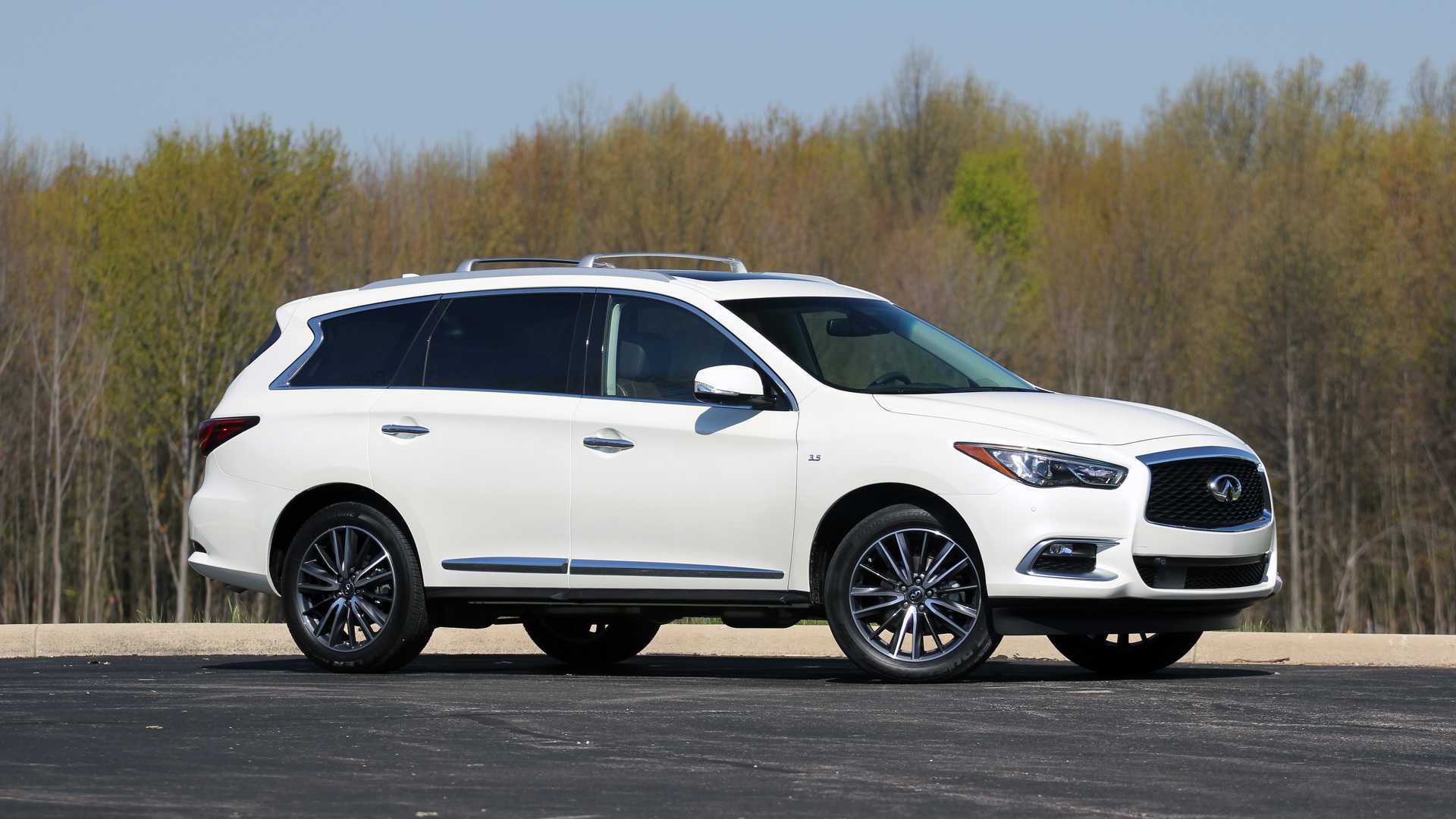
10. Infiniti QX60 – 58.3% Depreciation, $30,099 Lost
The QX60 is Infiniti’s second entry in the top 25, losing 58.3% of its value and $30,099 over five years. It ties for tenth place with the Land Rover Range Rover Sport, and its depreciation rate places it among the highest for any midsize luxury SUV in the study, trailing only the Tesla Model X in that body-style category.
That figure is more than 13 percentage points higher than the 47.0% average for midsize SUVs. The QX60 therefore depreciates considerably faster than the typical vehicle in its segment, even though midsize SUVs generally retain their value better than sedans.
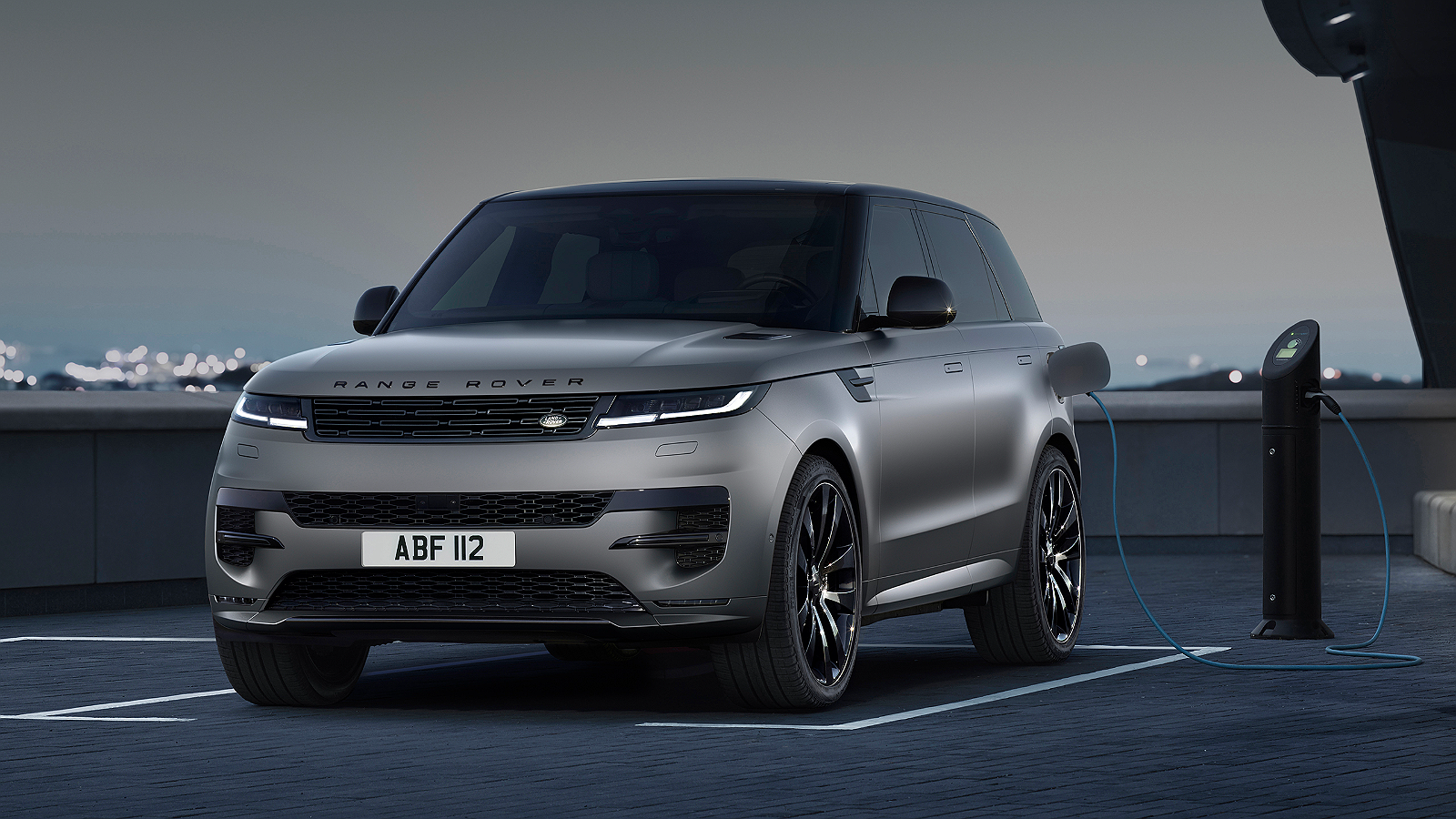
11. Land Rover Range Rover Sport – 58.3% Depreciation, $45,272 Lost
Tied with the Infiniti QX60 at 58.3% depreciation, the Range Rover Sport loses $45,272 over five years, a dollar figure more than double the midsize SUV segment average of roughly $20,820.
It is one of three separate Land Rover models to appear in this top 25, a reflection of how consistently the brand’s SUV lineup lands near the very bottom of iSeeCars’ value-retention rankings across nearly every body style and price point it competes in. Alongside the standard Range Rover and Discovery, the Sport confirms Land Rover has the weakest resale reputation of any brand in this year’s rankings.
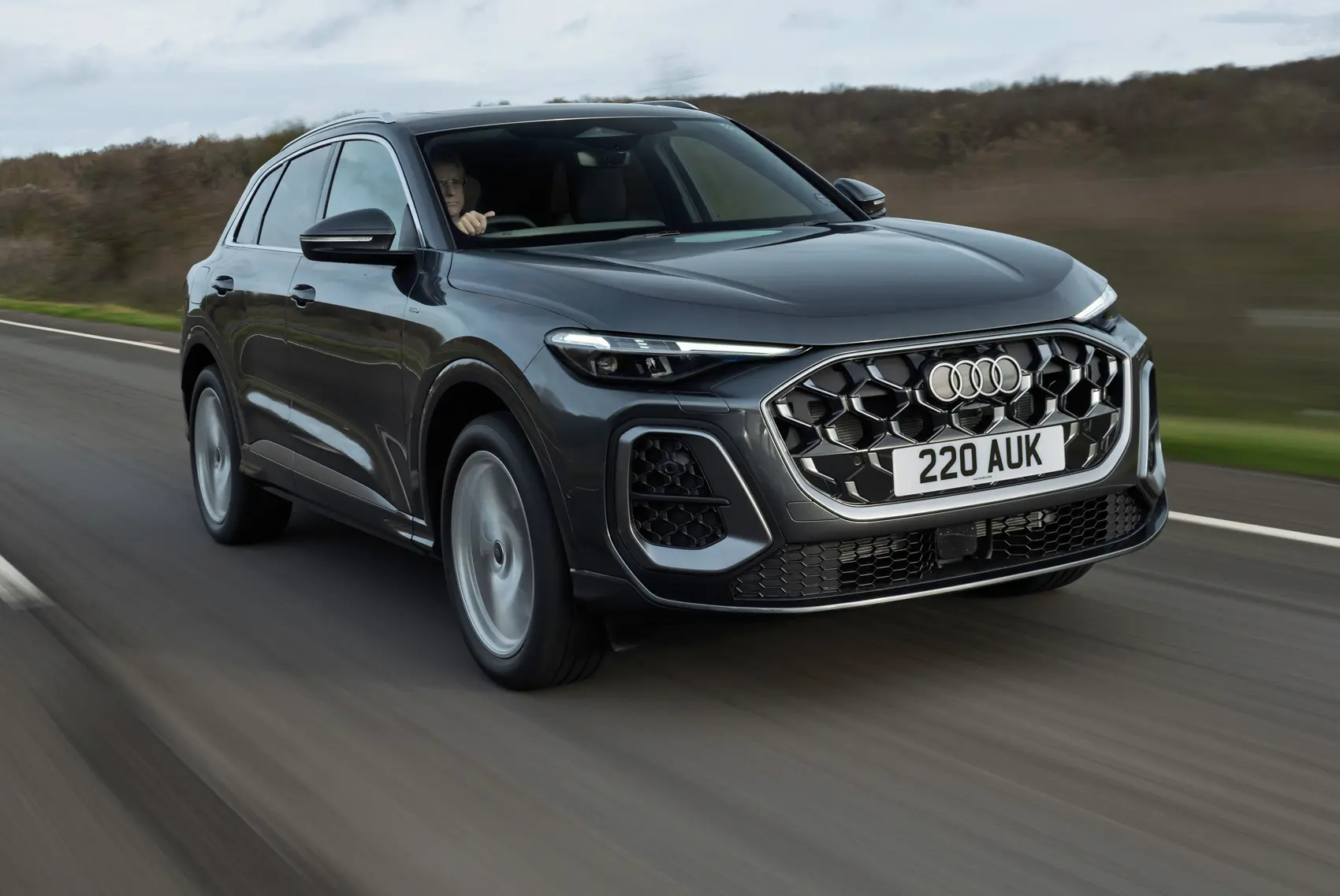
12. Audi Q5 (Hybrid) – 58.2% Depreciation, $34,063 Lost
The hybrid Q5 loses 58.2% of its value, a $34,063 decline, and is also the worst-depreciating small SUV among all vehicles with that body style, edging out even the Ford Mustang Mach-E and Tesla Model Y.
Notably, the standard gasoline-powered Q5 posts an identical 58.2% depreciation figure in iSeeCars’ separate hybrid-focused comparison, showing that the powertrain isn’t what drives the loss here; brand positioning and price clearly are. That consistency between the hybrid and gas versions of the same vehicle suggests used buyers are discounting the Audi badge itself, not any particular technology, regardless of fuel-efficiency gains.
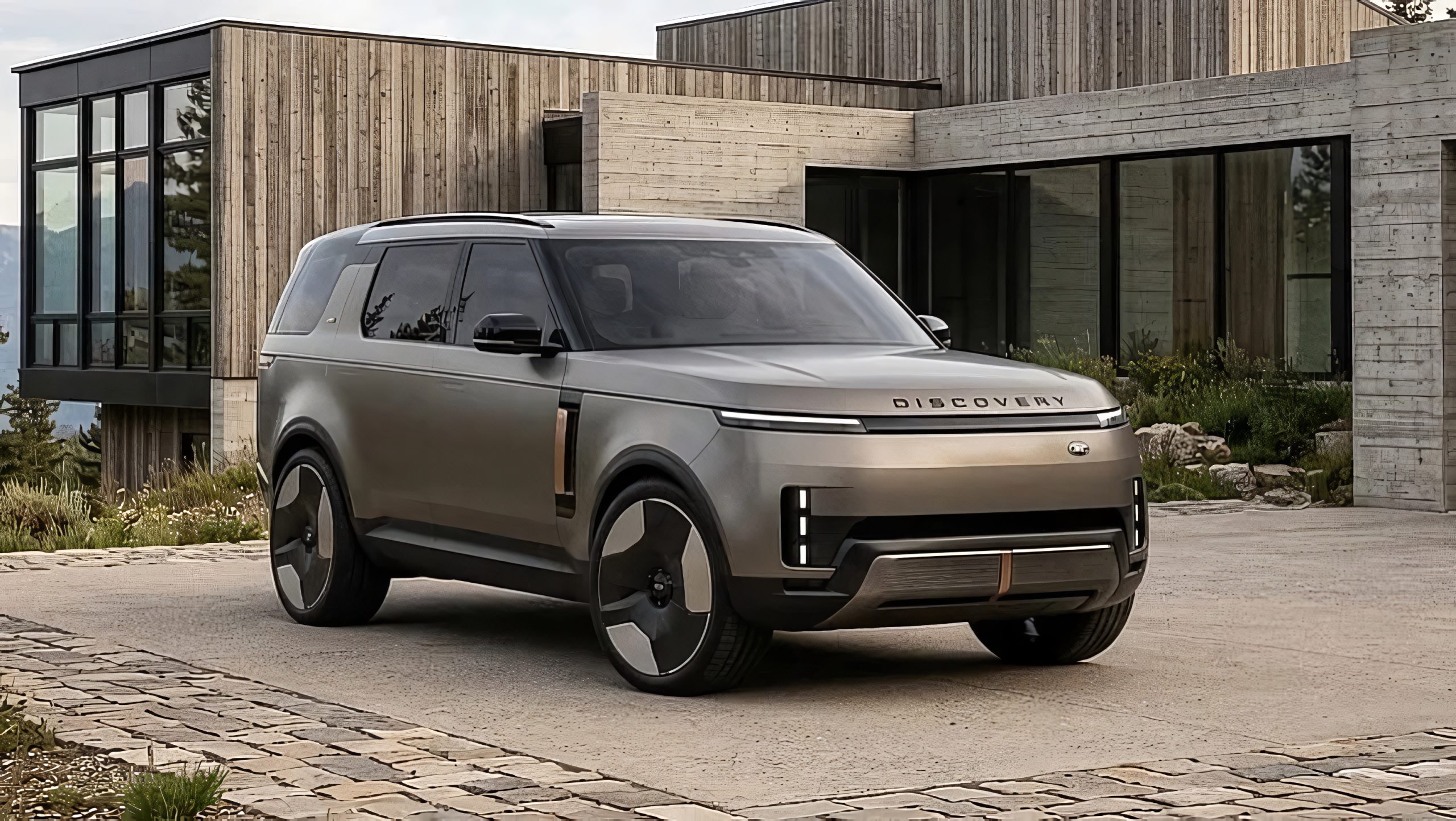
13. Land Rover Discovery – 57.9% Depreciation, $34,878 Lost
The Discovery is the third Land Rover nameplate to appear in the top 25, losing 57.9% of its value and $34,878 in five years of ownership. Among all midsize luxury SUVs in the study, only the Tesla Model X and Infiniti QX60 depreciate faster, placing three very different vehicle types electric, Japanese luxury, and British luxury at the very top of that body-style category for lost value.
Its rate trails the midsize SUV segment average of 47.0% by nearly 11 percentage points, extending Land Rover’s consistently poor showing to a third distinct model line within the same single study of nearly a million vehicles.
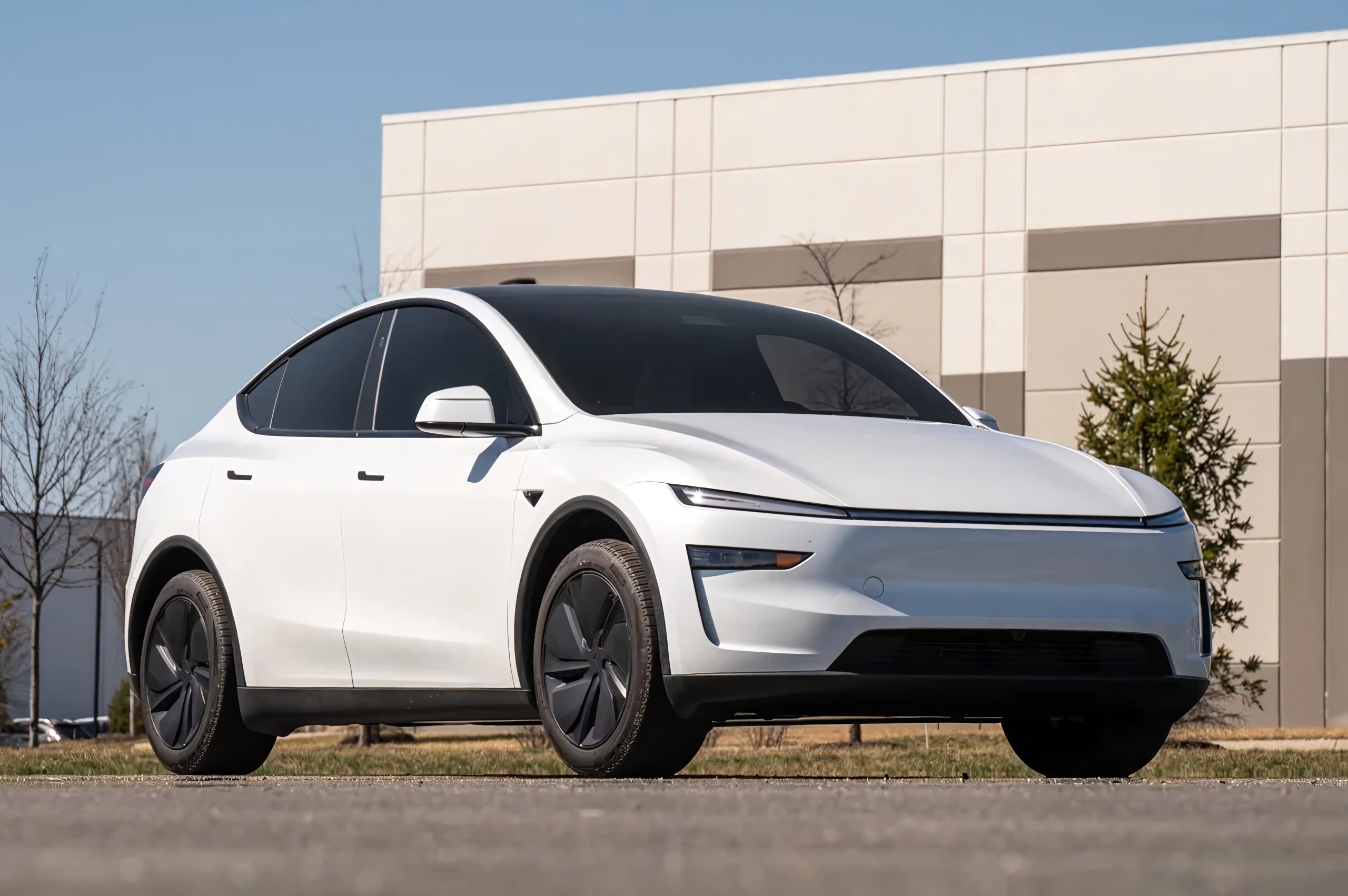
14. Tesla Model Y – 57.8% Depreciation, $26,020 Lost
Tesla’s best-selling model also has the highest depreciation rate among the four Tesla nameplates included in the study’s various rankings. Its 57.8% loss and $26,020 decline in value still place it among the 25 vehicles with the highest depreciation rates nationwide.
Within the small-SUV segment specifically, it ranks as the fourth-highest-depreciating vehicle, behind the Volkswagen ID.4, Ford Mustang Mach-E, and Audi Q5 hybrid, all of which appear earlier on this list.
Even as Tesla’s relative high point, the Model Y’s rate remains well above the small SUV segment average, showing how thoroughly electric power has reshaped value retention in that popular body style.
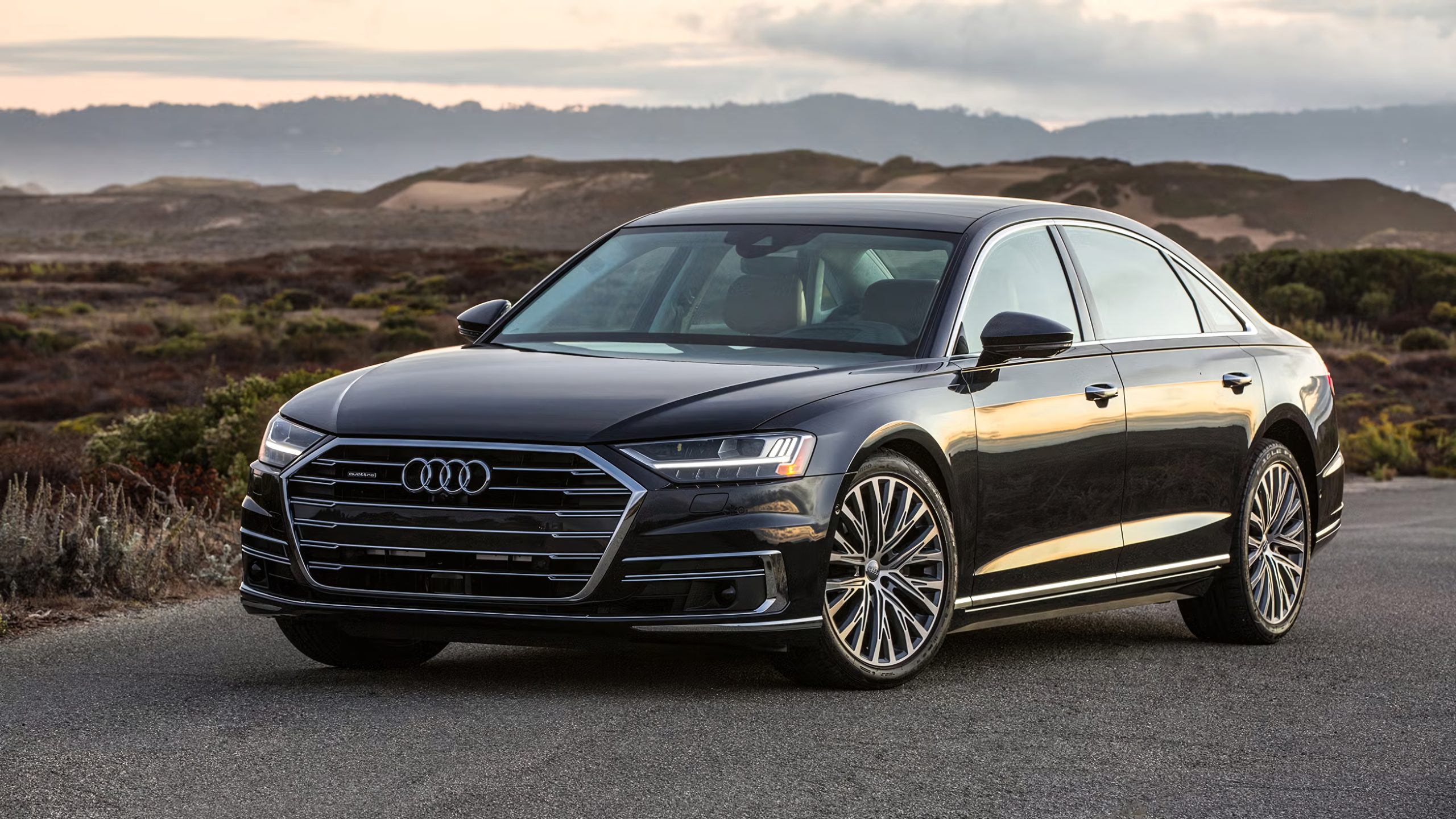
15. Audi A8 L – 57.6% Depreciation, $54,824 Lost
Audi’s long-wheelbase flagship sedan loses 57.6% of its value, a $54,824 hit that ranks among the largest dollar losses anywhere in the study, trailing only a handful of other ultra-premium models.
Full-size luxury sedans like the A8 L consistently underperform smaller, more mainstream models on the used market, regardless of the reputation for engineering, technology, or interior comfort they carried when new.
Its 57.6% depreciation rate is more than 15 percentage points higher than the 41.8% market average. Over the same five-year period, that translates to a dollar loss of more than three times the typical vehicle’s $16,571 average.
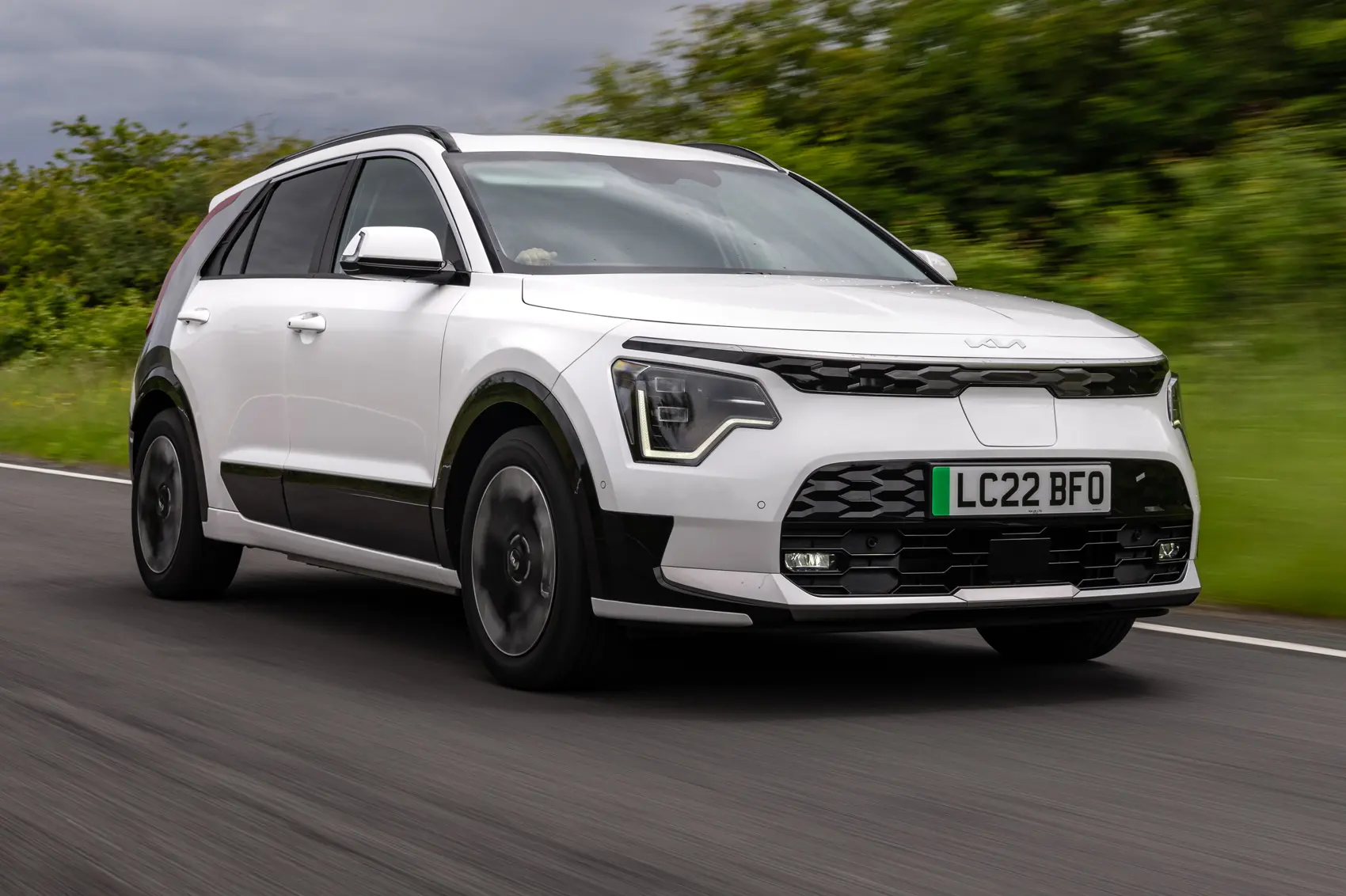
16. Kia Niro EV – 57.3% Depreciation, $22,742 Lost
The Niro EV loses 57.3% of its value, or $22,742, making it the fourth-highest-depreciating small SUV in the entire study, behind the Volkswagen ID.4, Ford Mustang Mach-E, and Audi Q5 hybrid discussed earlier on this list.
Its depreciation rate sits just barely above the broader electric-vehicle segment average of 57.2%, making it a near-perfect illustration of how the typical EV performs on the used market rather than an outlier at either extreme.
The Niro EV loses $22,742 in value over five years, well above the $16,571 market average. That is notable given its relatively modest starting price compared with the more expensive EVs appearing elsewhere on the list.
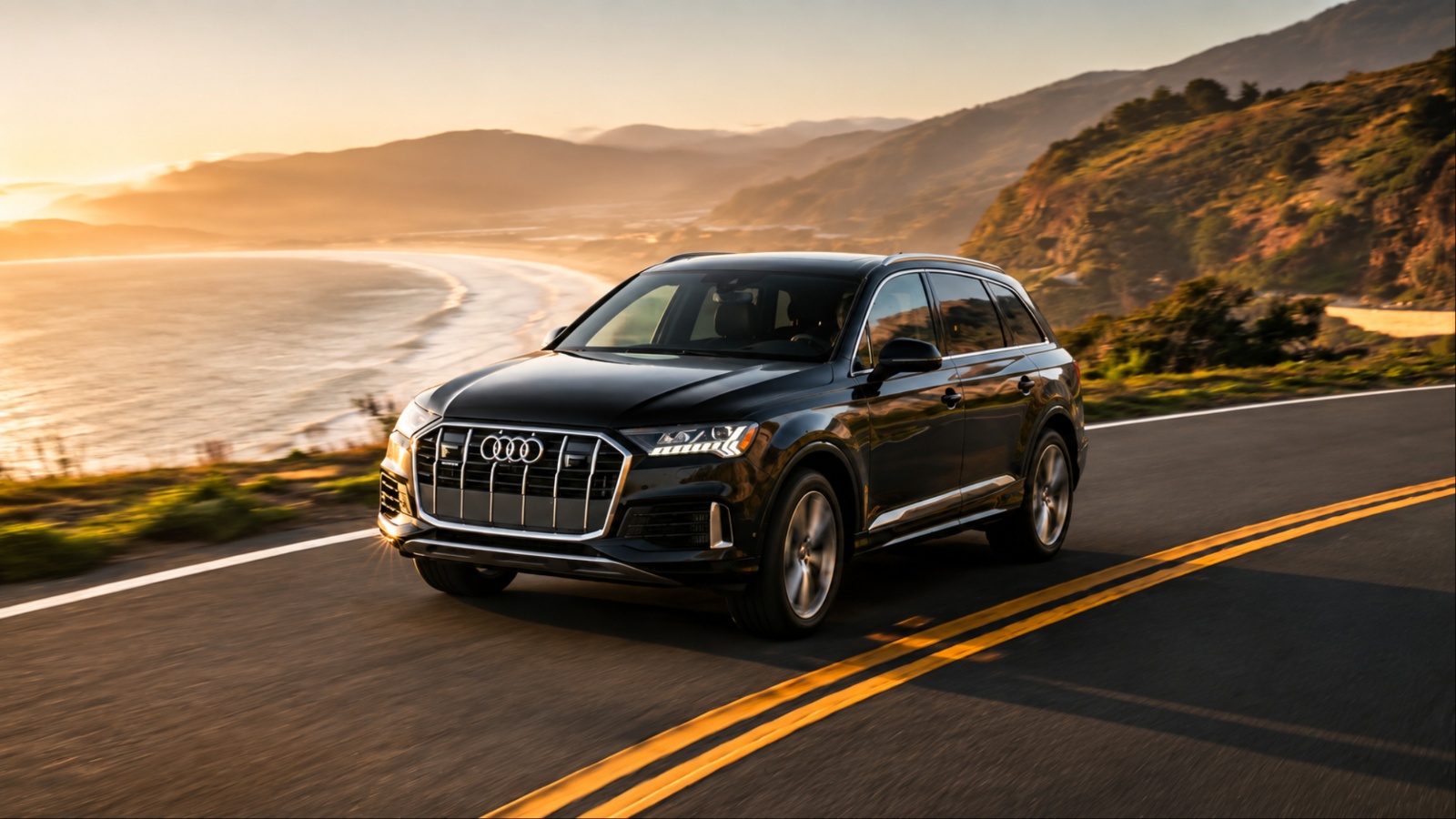
17. Audi Q7 – 57.2% Depreciation, $35,486 Lost
Audi’s three-row luxury SUV loses 57.2% of its value and $35,486 over five years, placing it among the five highest-depreciating midsize SUVs tracked anywhere in the study, alongside the Tesla Model X, Infiniti QX60, and two separate Land Rover models discussed above.
Its 57.2% depreciation rate exactly matches the average for the electric-vehicle segment, even though the Q7 is powered by a conventional drivetrain. The matching figures highlight how steep depreciation can affect large luxury SUVs across different powertrains.
That figure sits more than 10 percentage points above the midsize SUV segment average of 47.0%, keeping Audi’s largest SUV firmly among that class’s weakest performers.
18. BMW X5 (Hybrid) – 57.1% Depreciation, $43,361 Lost
The hybrid X5 loses 57.1% of its value, a $43,361 decline that ranks among the steepest dollar losses of any hybrid vehicle nationwide, trailing only the BMW 5 Series hybrid discussed earlier in this ranking.
Like the Audi Q5 hybrid above it, the standard gasoline-powered X5 posts an identical 57.1% depreciation rate in iSeeCars’ separate rankings, again pointing to BMW’s brand positioning and price point as the driving factors rather than the drivetrain itself.
That figure is more than 21 percentage points above the hybrid segment average of 35.4%, the second-widest such gap of any hybrid model measured in the study.
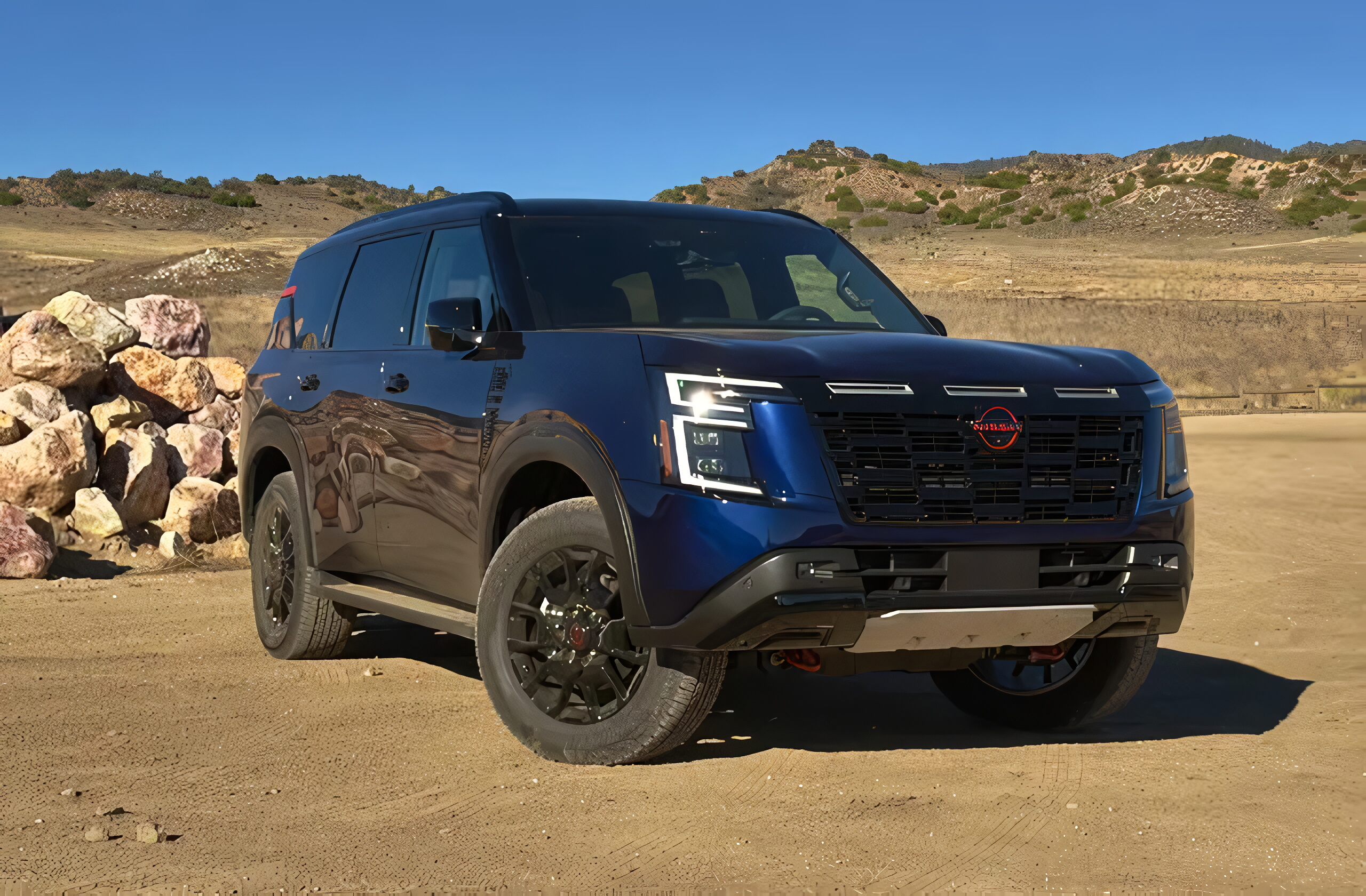
19. Nissan Armada – 57.0% Depreciation, $33,531 Lost
Nissan’s full-size SUV loses 57.0% of its value, or $33,531, tying it with the Cadillac Escalade ESV for the 19th spot on this ranking of the worst-depreciating vehicles in the entire study.
It is one of five large SUVs to appear in the top 25, a segment where high-utility American nameplates like the Chevrolet Tahoe and GMC Yukon typically retain value far better, averaging just 45.3% and 48.0% depreciation, respectively, over the same five-year period.
Its depreciation rate sits nearly 5 percentage points above the large SUV segment average of 52.1%, despite trailing several higher-priced rivals in outright dollar terms.
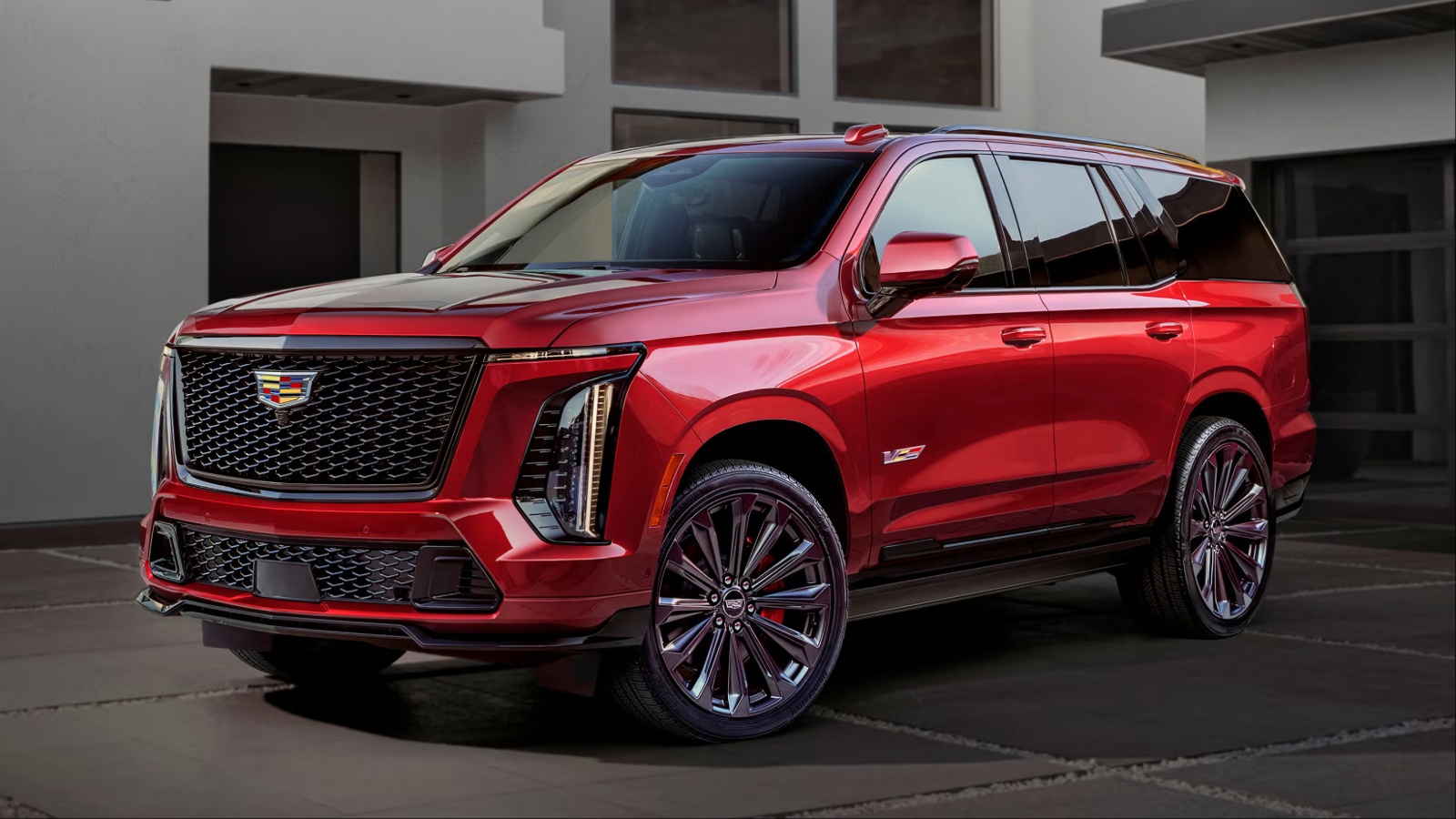
20. Cadillac Escalade ESV – 57.0% Depreciation, $53,605 Lost
Tied with the Nissan Armada at 57.0% depreciation, the extended-length Escalade ESV loses $53,605 in absolute terms, one of the largest dollar figures anywhere on this list and far higher than the Armada’s dollar loss despite the identical percentage.
Its high starting price means that even with a lower depreciation rate than several EVs higher on the list, the vehicle still represents a much larger financial loss for the original owner than most full-size SUVs. Its $53,605 loss in value is more than three times the $16,571 market average.
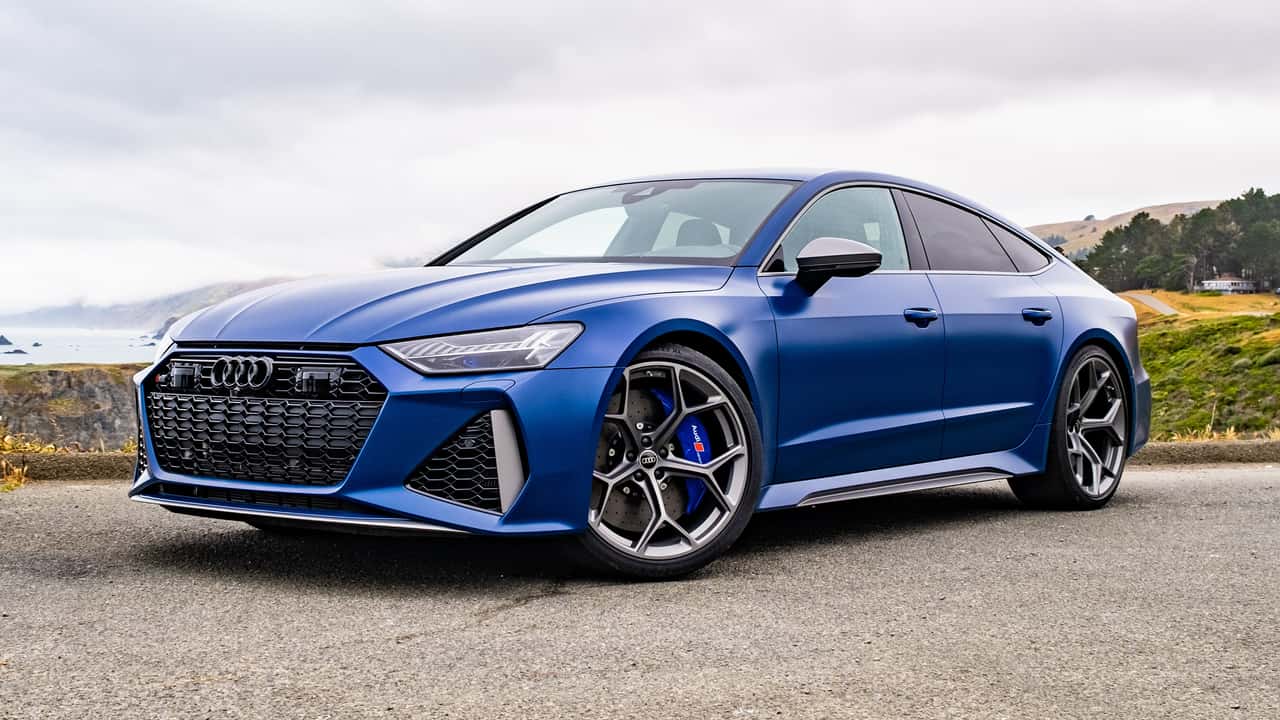
21. Audi A7 – 56.5% Depreciation, $40,702 Lost
The A7 is Audi’s third model to appear in the top 25, losing 56.5% of its value and $40,702 over five years, joining the Q5 hybrid and Q7 as the brand’s other entries on this ranking.
In a shrinking luxury-sedan market, it faces the same resistance to premium pricing in the used market as the BMW 7 Series and Audi A8 L. This reflects the difficulty full-size luxury sedans can have retaining value compared with similarly priced SUVs and trucks. Its 56.5% depreciation rate is nearly 15 percentage points above the market average, translating to a difference of roughly $24,000 in lost value.
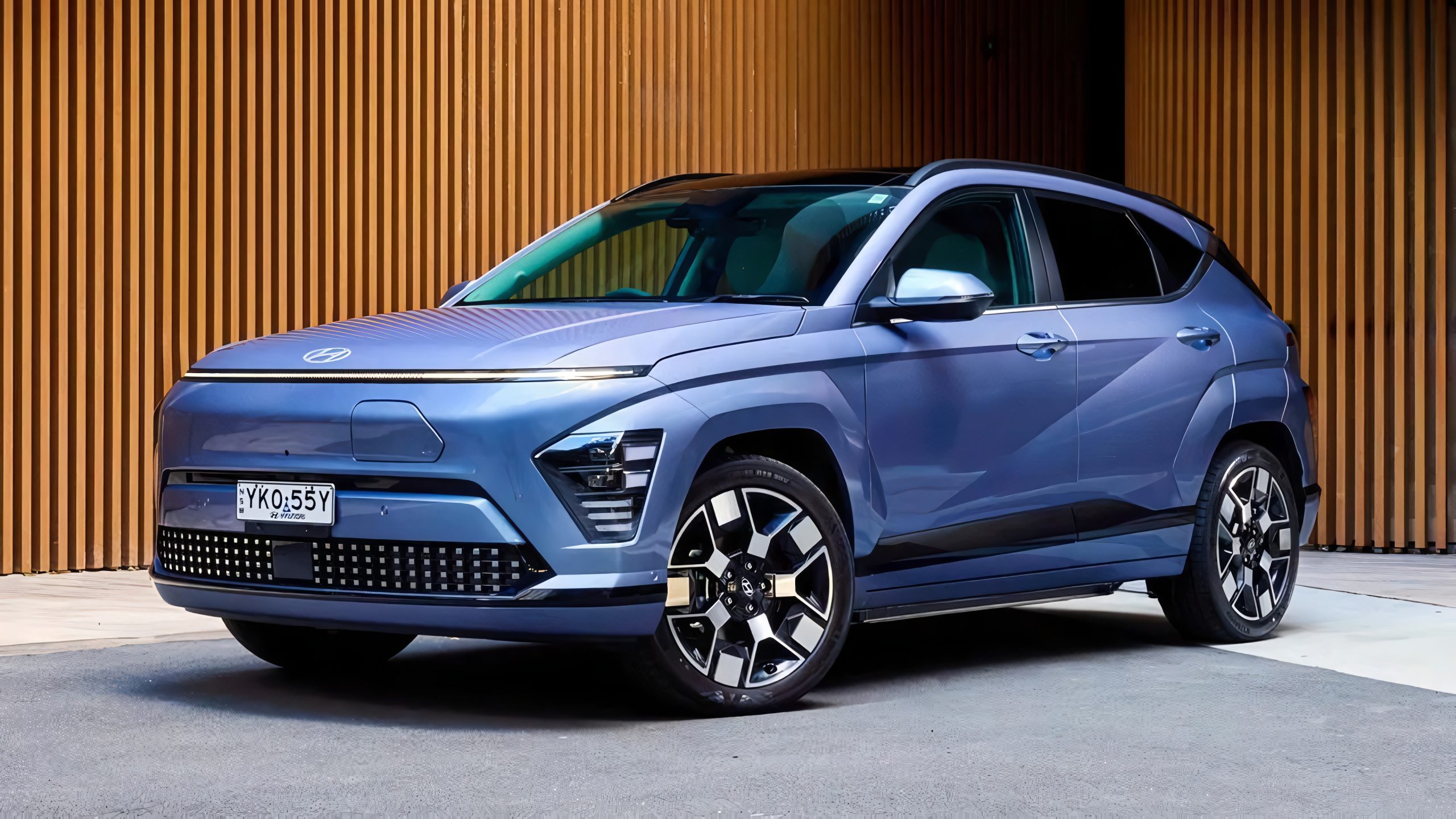
22. Hyundai Kona Electric – 56.5% Depreciation, $18,581 Lost
The Kona Electric ties for 21st place at 56.5% depreciation but loses just $18,581, the smallest dollar figure among the bottom half of this ranking, thanks to its relatively affordable original sticker price compared with rivals.
Its depreciation rate is actually lower than the 57.2% average for the EV segment and below that of five other electric vehicles ranked higher on the list. The difference shows that depreciation varies considerably among EVs, with some models retaining more of their value than others.
Even so, its 56.5% depreciation rate remains well above the 41.8% market average. That means even the EVs with lower depreciation rates on this list still lose value faster than many gasoline and hybrid vehicles.
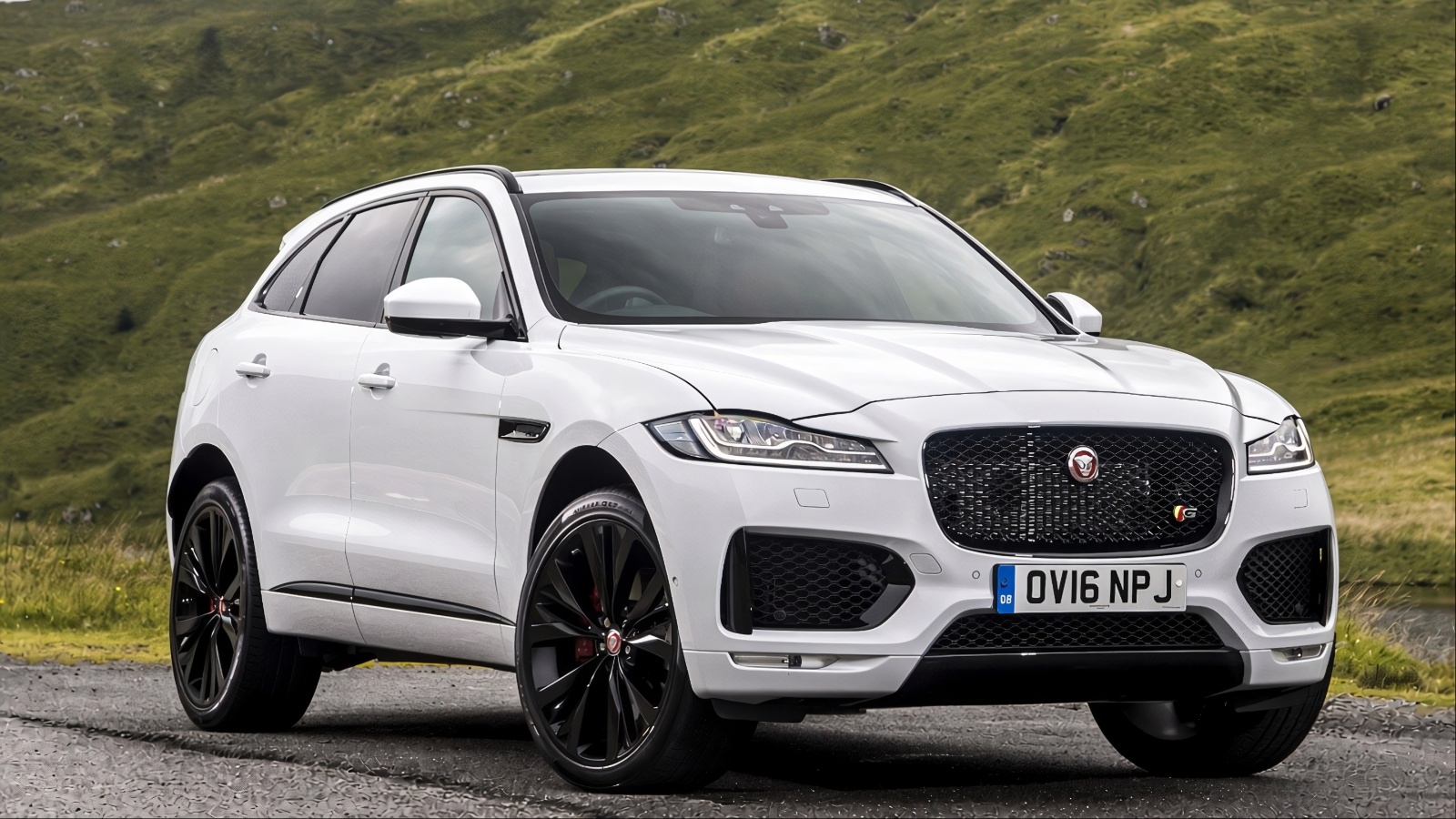
23. Jaguar F-PACE – 56.5% Depreciation, $32,184 Lost
Jaguar’s SUV also ties at 56.5% depreciation, losing $32,184 over five years of ownership, matching the Hyundai Kona Electric’s percentage figure despite a considerably higher original purchase price and dollar loss.
It is the only Jaguar model to appear in the top 25 and ranks among the highest-depreciating small SUVs tracked separately in the study, joining the Volkswagen ID.4, Ford Mustang Mach-E, Audi Q5 hybrid, and Tesla Model Y at the bottom of that specific body-style category. Its depreciation rate is more than 9 percentage points above the small SUV segment average, placing it among that body style’s weakest performers industry-wide.
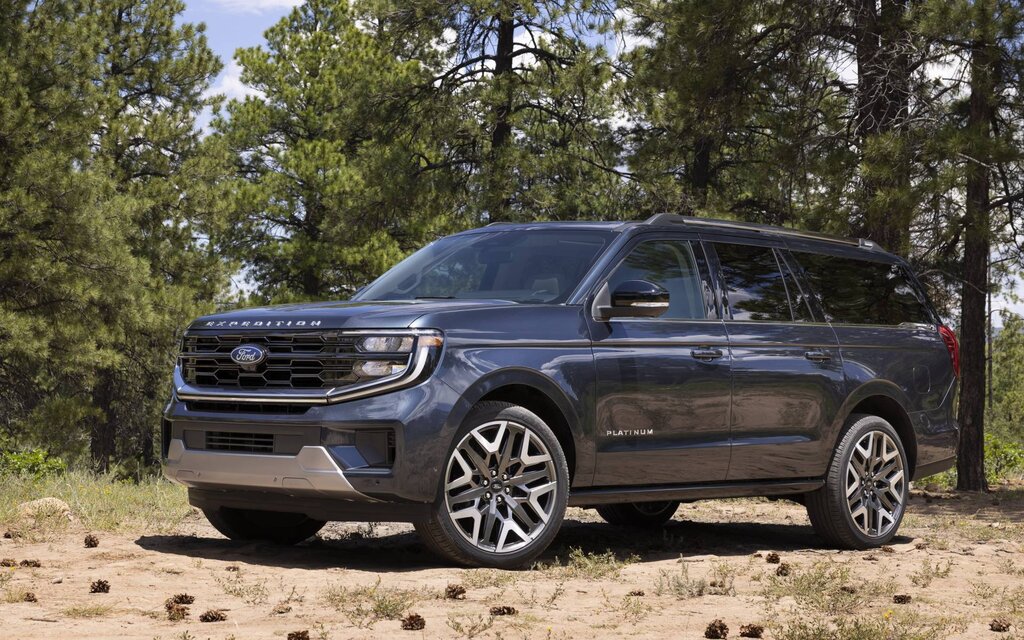
24. Ford Expedition MAX – 56.3% Depreciation, $34,825 Lost
The extended-length Expedition loses 56.3% of its value, a $34,825 decline, tying it for 24th place with the Lincoln Navigator/Navigator L at the very bottom of this ranking.
It is one of five large SUVs to appear on this list, alongside the Infiniti QX80, Land Rover Range Rover, Nissan Armada, and Cadillac Escalade ESV discussed earlier, a segment that also includes far better performers like the Chevrolet Tahoe and Mercedes-Benz G-Class.
Its 56.3% rate is more than 4 percentage points above the large SUV segment average of 52.1%, keeping it among the weaker performers in a segment led by American brands.
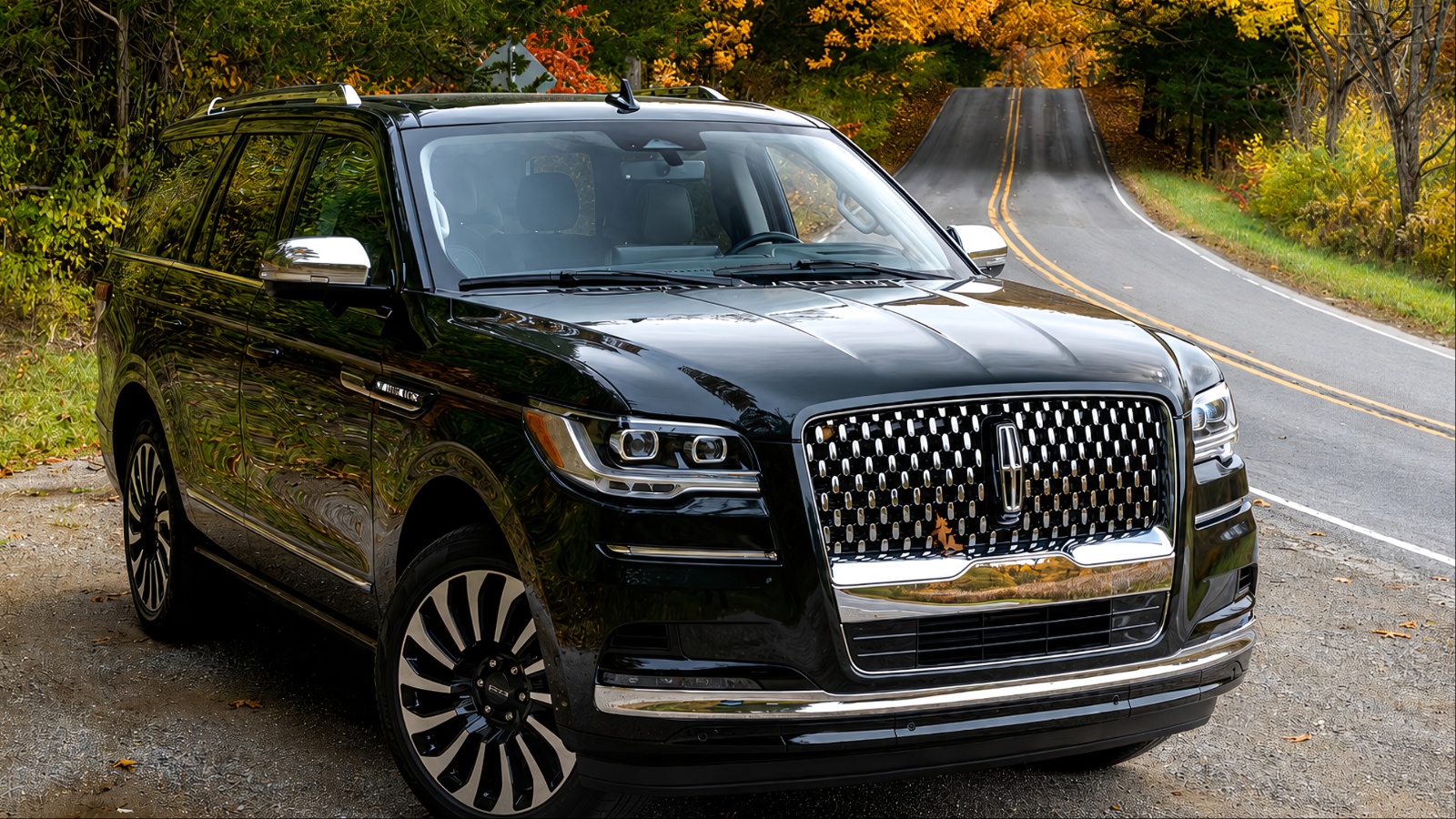
25. Lincoln Navigator / Navigator L – 56.3% Depreciation, $41,264 Lost
Rounding out the list, the Navigator and long-wheelbase Navigator L lose 56.3% of their value, or $41,264, tying with the Ford Expedition MAX for the final spot in this year’s ranking of the worst-depreciating vehicles nationwide.
The Navigator illustrates a common pattern among luxury vehicles in this ranking. Its premium price and luxury positioning contribute to a steep drop in value once it reaches the five-year-old used market. With a depreciation rate of 56.3%, the Navigator sits more than 14 percentage points above the 41.8% market average, placing it well above the typical vehicle in the study.