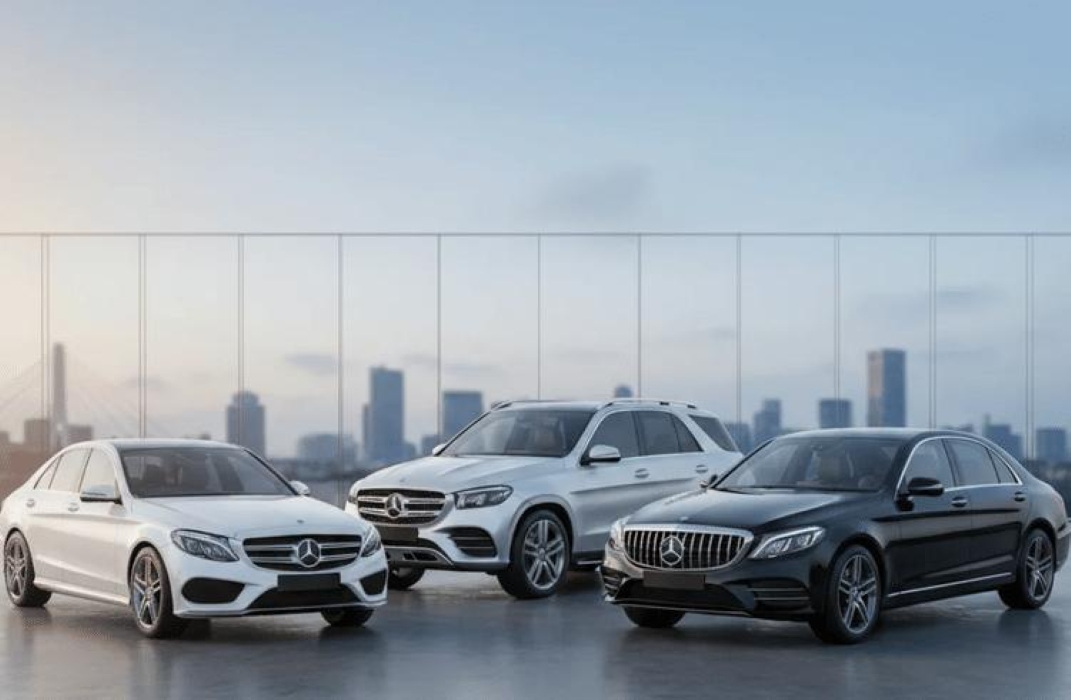
Luxury car buyers pay a premium for a promise. That promise is comfort, refinement, and emotional satisfaction beyond what a mainstream badge delivers.
For decades, that promise held up. Owners of premium brands reported dramatically higher satisfaction than owners of mass-market vehicles.
That gap is shrinking fast. Industry benchmarking now shows the emotional satisfaction gap between premium and mainstream brands has narrowed to just 29 points, down from 66 points in 2008.
That means the average luxury brand is delivering less of a distinct experience than it used to. Only one premium brand actually scored above the segment average this year.
That brand is Porsche, at 896 points against a segment average of 893. Cadillac followed at 885, and Lincoln trailed further at 872.
The rest of the field is a mixed bag. Some brands justify their sticker price through genuine engineering, reliability, and ownership satisfaction.
Others are coasting on badge equity while mainstream brands like Hyundai, Kia, and Buick close the gap from below. Here’s an honest, data-driven look at which luxury brands earn their premium, and which ones don’t.
5 Worth the Premium
Porsche leads with the top owner-satisfaction score (896) and the best initial quality (138 PP100). Genesis beats Mercedes-Benz and Lexus on appeal at lower prices.
Cadillac ranks second in dependability and first in tech among luxury brands. BMW earned six model-level quality awards with consistent results across categories. Land Rover offers standout appeal and design, though reliability remains a caveat.
1. Porsche
Porsche is the only premium brand to beat the segment average this year, scoring 896 out of 1,000 points. That’s not a one-year fluke either. This marks Porsche’s third consecutive year atop the premium brand rankings. The company has now claimed the top spot six times since 2020, an extraordinary run of consistency.
The Porsche Panamera scored 910 points, the highest of any model in the brand’s lineup. The 911 also earned a model-level award in its category for the second straight year.
Porsche didn’t just win on emotional appeal either. It also topped the Initial Quality Study this year, with a class-leading 138 problems per 100 vehicles.
It’s a win on two fronts. Porsche owners not only love their cars but also report fewer defects and technical problems than drivers of any other brand.
The Porsche 911 recorded the lowest problem count of any individual model in the entire industry, at just 110 PP100. That’s a remarkable quality benchmark for a high-performance sports car.
Porsche’s dependability numbers hold up too, ranking third among all brands in long-term reliability. Few luxury automakers can claim strong scores across appeal, initial quality, and multi-year dependability simultaneously.
What this tells buyers is simple. Porsche’s price tag reflects real engineering discipline, not just brand mystique or dealership markup. The company builds relatively few models and focuses obsessively on driving dynamics and cabin execution. That focus shows up consistently in the data, year after year.
For anyone questioning whether six-figure sports cars and SUVs are worth it, the numbers offer a clear answer. Porsche is the rare luxury brand still outperforming its own price category.
2. Genesis
Genesis might be the most underrated luxury brand in America right now. Its APEAL scores have ranged from 869 to 886 over recent years. That range consistently outperforms Mercedes-Benz, Lexus, Audi, Volvo, Acura, and Infiniti. Only Porsche and Land Rover have maintained a clear edge over Genesis in recent cycles.
This year, Genesis again outperformed both Mercedes-Benz and Lexus in owner satisfaction. It did so while pricing many of its models well below those established German and Japanese rivals.
Quality tells the same story. Genesis ranked second among all premium brands in the Initial Quality Study, with just 151 problems per 100 vehicles.
That places Genesis ahead of Lexus, historically the gold standard for build quality among luxury brands. Genesis achieved this with a much younger lineup and far less brand history to lean on.
The Genesis GV60 and G80 have both received model-level awards in previous studies, demonstrating that the brand’s strengths extend beyond a single flagship vehicle and are evident across its lineup.
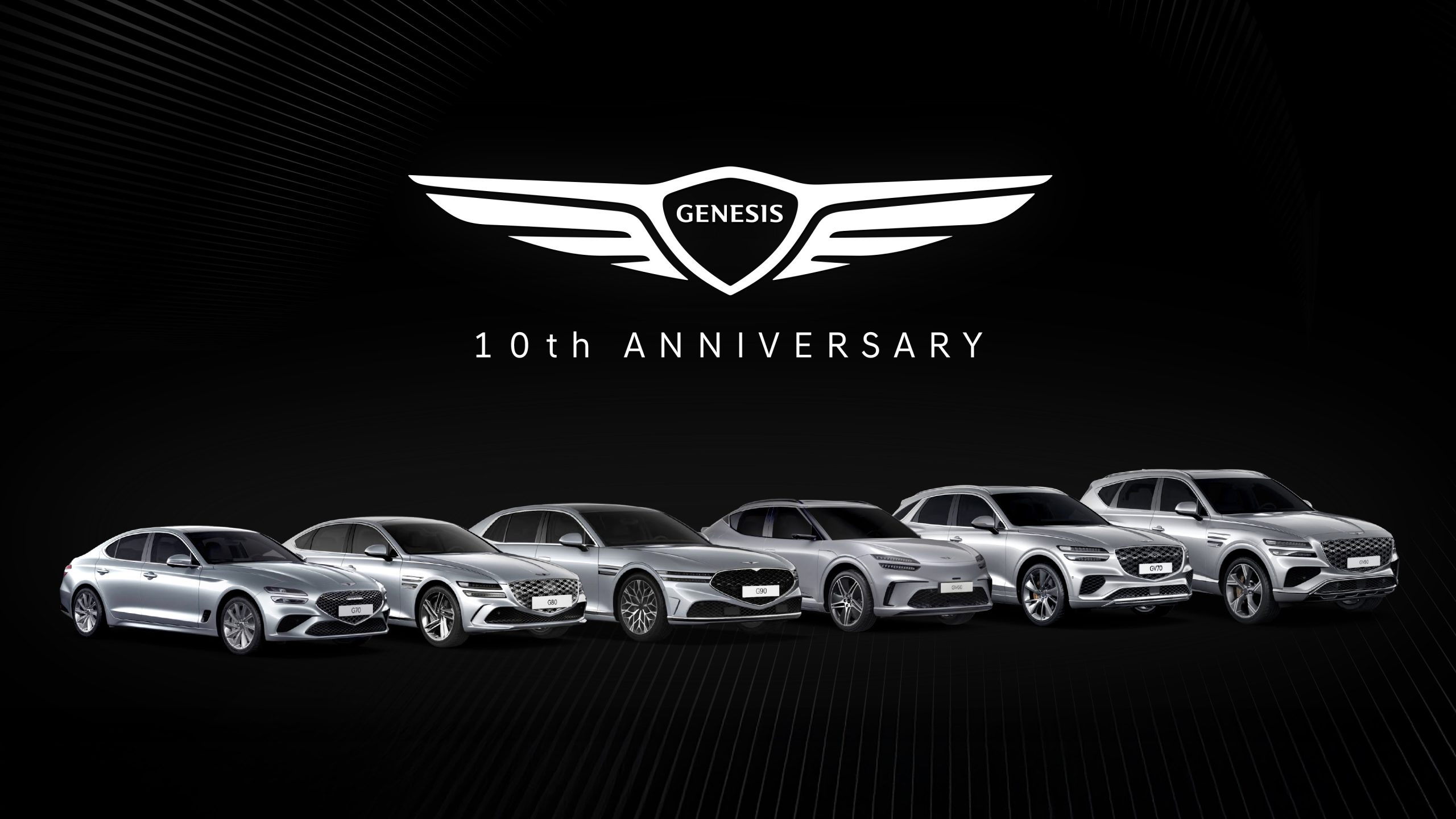
What makes Genesis compelling isn’t just that it performs well. It’s that it performs well at a meaningfully lower price than the brands it’s beating. Buyers get comparable or superior comfort, tech, and refinement without paying the traditional luxury markup. That’s the definition of a brand worth its premium, even a modest one.
Genesis proves that owner satisfaction isn’t tied to decades of heritage. It’s tied to consistent execution, attentive quality control, and genuinely competitive interiors.
For shoppers cross-shopping German and Japanese luxury sedans, Genesis deserves serious consideration. The data suggests it’s earning loyalty the hard way, through actual performance.
3. Cadillac
Cadillac scored 885 points this year, trailing only Porsche among all premium brands. That places America’s oldest luxury nameplate ahead of Lincoln, Audi, Infiniti, and Acura.
The Cadillac Escalade ranked highest in its segment, joining Chevrolet Blazer and GMC Yukon as General Motors models earning APEAL awards. That’s a strong showing across the corporate portfolio.
Cadillac’s momentum isn’t limited to emotional appeal either. It ranked second among all luxury brands in long-term dependability, with 175 problems per 100 vehicles.
That’s a genuinely impressive result. Cadillac now beats most European and Japanese luxury rivals on the metric that matters most after the honeymoon period ends.
Technology is where Cadillac has made its biggest leap. It ranked first among luxury brands in the Tech Experience Index, ahead of Genesis, BMW, Lincoln, and Mercedes-Benz.
Only Tesla, which isn’t officially rank-eligible, scored higher on tech satisfaction. That’s a notable reversal for a brand once criticized for clunky infotainment systems.
Cadillac’s website and digital retail experience also scored above the premium-brand average this year. That signals the improvements extend beyond the vehicles themselves into the entire ownership journey.
The Escalade in particular continues to command loyalty and command a real price premium in the used market. That’s a strong signal of sustained brand equity, not just survey optimism.
Put together, Cadillac’s story is one of genuine turnaround. Strong appeal, strong dependability, and class-leading tech add up to a brand that has earned back its premium positioning.
For buyers who assumed Cadillac was coasting on its badge, the current data suggests otherwise. It’s now backing up the price tag with measurable performance.
4. BMW
BMW continues to post strong APEAL scores, typically landing in the 875 to 882 range in recent cycles. That keeps it comfortably ahead of Audi, Acura, and Infiniti.
Where BMW really stands out is initial quality. It received more model-level quality awards than any other manufacturer this year, with six segment wins.
Those winning models span BMW’s core lineup, including the 2 Series, 5 Series, 8 Series, X2, X6, and X7. That’s breadth, not just one standout halo model carrying the brand.
BMW’s engineering reputation has always centered on driving dynamics. The current data suggests that reputation is being matched by genuine build-quality improvements across a wide range of models.
The brand also performs respectably in dependability studies, sitting closer to the industry average than several other European luxury competitors. That’s meaningful, since European brands have historically lagged in long-term reliability.
BMW’s tech scores lag behind Cadillac and Genesis somewhat, but they remain solidly mid-pack among luxury brands. That’s an area of ongoing investment rather than outright weakness.
What separates BMW from the “not worth it” tier is consistency. It rarely posts a bad year across quality, appeal, or dependability studies simultaneously.
Compare that to Audi or Infiniti, which tend to underperform on at least one major metric each cycle. BMW’s balance across categories is what justifies its continued premium pricing.
The brand isn’t the emotional standout that Porsche or Genesis currently are. But steady, broad-based execution across dozens of models is its own kind of value proposition.
For buyers who want proven engineering and don’t need the newest badge story, BMW remains a defensible premium purchase. The data backs up the badge, even if not spectacularly.
5. Land Rover
Land Rover’s APEAL scores have ranged from 871 to 886 in recent years, placing it near the very top of the premium segment. That’s a genuinely strong emotional-appeal result.
The brand’s appeal comes from a very specific formula. Distinctive design, commanding driving position, and genuine off-road capability set it apart from more conservative luxury competitors.
Owners consistently report high satisfaction with comfort and driving experience, the core emotional metrics the APEAL study measures. Few brands blend rugged capability with cabin luxury as convincingly.
The catch is reliability, and it’s a real one. Land Rover has historically posted some of the weakest dependability numbers in the entire luxury segment.
That’s the tension that keeps Land Rover out of an unqualified recommendation. Buyers are clearly getting a special ownership experience in the first 90 days.
Whether that experience holds up over three, five, or seven years is a separate and much shakier question. Long-term owners report more issues than rivals like Lexus or Genesis.
Still, Land Rover earns its spot here because the premium buys something increasingly rare. Genuine design distinctiveness and driving character in a market full of look-alike luxury SUVs.
Buyers who prioritize how a vehicle makes them feel day-to-day are consistently rewarded. Buyers who prioritize trouble-free ownership over a decade should approach with clearer eyes.
The recommendation comes with an asterisk, unlike Porsche or Genesis. But the appeal scores are real, and they’re earned through genuine product character, not marketing alone.
For a certain kind of luxury buyer, that trade-off is worth making. The emotional payoff, according to the data, is among the strongest in the entire industry.
5 Not Worth the Premium
Lincoln scores below the segment average with weak tech satisfaction. Audi posts 244 problems per 100 vehicles in dependability. Infiniti pairs below-average appeal with weak reliability and an aging lineup.
Acura’s appeal scores trail mainstream Hyundai and Kia. Volvo’s 296 PP100 dependability score is nearly 100 points worse than the industry average, despite its safety reputation.
1. Lincoln
Lincoln scored 872 points this year, landing below the premium segment average of 893. That’s a 21-point gap between what Lincoln offers and what luxury buyers should expect.
The brand did outperform some rivals, including Audi and Acura in certain recent cycles. But finishing behind Cadillac, its direct domestic competitor, undercuts Lincoln’s core value proposition.
Technology is a particular weak spot. Lincoln’s Tech Experience Index score of 522 trails Cadillac’s 641 by a wide margin, despite both brands sharing corporate resources with General Motors and Ford, respectively.
That gap matters because tech satisfaction increasingly drives ownership impressions. Buyers expect seamless infotainment and driver-assistance systems at luxury price points, and Lincoln is falling behind.
Lincoln’s dependability numbers have also been inconsistent across recent study cycles. That inconsistency makes it harder to recommend over rivals with clearer, more stable reliability trends.
The brand does have strengths worth acknowledging. The Aviator and Navigator retain strong followings, and Lincoln’s interior craftsmanship in top trims remains genuinely impressive to sit in.
But strong interiors alone don’t close a 21-point emotional-satisfaction gap against the segment average. Nor do they offset middling tech scores relative to direct competitors.
Lincoln’s positioning problem is structural, too. It shares platforms and powertrains extensively with mainstream Ford products, which makes differentiation harder to achieve and to justify at luxury prices.
Buyers considering Lincoln should cross-shop carefully against Cadillac and Genesis specifically. Both currently deliver more for comparable or lower money, according to the same studies.
Until Lincoln closes the tech and appeal gaps, the brand looks more like a well-trimmed Ford than a standalone luxury proposition. The data currently supports that skepticism.
2. Audi
Audi’s APEAL scores have hovered between 847 and 857 in recent cycles, consistently trailing BMW, Mercedes-Benz, and Genesis. That’s a meaningful and persistent gap among German luxury rivals.
More concerning is dependability. Audi posted 244 problems per 100 vehicles in long-term reliability data, well above the industry average of roughly 204.
That’s a real red flag for a brand charging premium prices. Buyers expect fewer long-term issues than the mainstream average, not more, when paying a luxury premium.
Audi’s initial quality numbers haven’t stood out either, trailing BMW, Genesis, and Lexus in recent Initial Quality Study results. That’s three consecutive metrics where Audi lags its direct competitive set.
The brand’s design language and interior materials remain genuinely well-regarded among enthusiasts and reviewers. Audi interiors are often praised for minimalist elegance and tactile quality of switchgear.
But subjective design praise doesn’t offset objective reliability shortfalls over a multi-year ownership period. That’s precisely the gap between appeal scores and dependability scores.
Audi also faces intensifying pressure from Genesis and Cadillac, both of which now beat it on appeal while matching or exceeding it on quality metrics. That’s a difficult competitive position.
The brand’s electrification push, including the Q6 e-tron and e-tron GT, has generated mixed early reliability data as well. New technology transitions tend to introduce new problem categories.
For buyers focused purely on the emotional experience of owning a well-designed German sedan, Audi still delivers. For buyers weighing total cost and hassle of ownership, the numbers argue against paying full luxury price.
Until Audi’s dependability scores improve meaningfully, it’s difficult to call the brand’s premium fully justified. The data points to a gap between image and lived ownership experience.
3. Infiniti
Infiniti’s APEAL scores have ranged from 849 to 866 over recent study cycles, placing it in the lower half of the premium segment. That’s below Genesis, Cadillac, Lincoln, and BMW consistently.
Dependability is where Infiniti’s case weakens further. The brand posted 233 problems per 100 vehicles, noticeably worse than the industry average and well behind luxury leaders like Porsche and Cadillac.
That combination, below-average appeal and below-average long-term reliability, is a difficult one to defend at luxury pricing. Buyers are essentially paying extra for a below-par ownership experience twice over.
Infiniti has shown some improvement in individual years, including one cycle where it gained 24 points, the largest single-year gain of any brand. That shows the underlying product can compete when executed well.
But single-year spikes haven’t translated into sustained top-tier positioning. Infiniti still trails most of its direct luxury competitors across appeal, quality, and dependability metrics in the current data.
The brand’s lineup has also shrunk significantly in recent years, with several models discontinued or left without meaningful redesigns. A shrinking, aging lineup makes it harder to compete against fresher rivals.
Genesis in particular has effectively eaten into Infiniti’s traditional positioning as the value-oriented Japanese luxury alternative. Genesis now wins on appeal, quality, and price simultaneously in most comparisons.
Infiniti’s resale values have also softened relative to Lexus and Genesis, reflecting weaker long-term brand confidence among used-car buyers. That’s a real financial cost beyond the initial sticker price.
For shoppers specifically seeking a Japanese luxury brand, Lexus and Genesis currently offer stronger data across nearly every relevant metric. Infiniti increasingly looks like the value trap in that comparison.
Until Infiniti closes these gaps with fresher product and demonstrated reliability gains, it’s hard to recommend paying full luxury pricing. The brand’s premium currently outpaces its measured performance.
4. Acura
Acura’s APEAL scores have sat between 851 and 853 in recent cycles, only modestly ahead of top mass-market brands like Hyundai and Kia. That’s a thin margin for a brand charging luxury prices.
Remember that Hyundai scored 858 and Kia scored 857 this year, both mass-market brands. Acura’s 851-to-853 range means it’s actually being outscored by mainstream competitors in raw owner satisfaction.
That’s about as clear a sign as the data offers that a luxury premium isn’t being earned. Buyers are paying more for a badge while getting less emotional satisfaction than mainstream alternatives.
Dependability doesn’t rescue the case either. Acura posted 233 problems per 100 vehicles, in the same weak tier as Infiniti and meaningfully worse than the broader industry average.
Acura’s strengths have traditionally centered on value-oriented performance, particularly in models like the Integra and TLX Type S. Enthusiast credibility remains genuinely strong within a niche audience.
But enthusiast credibility in a handful of performance trims doesn’t offset middling scores across the broader lineup. Most Acura buyers aren’t purchasing the Type S variants driving that reputation.
The brand’s technology and infotainment systems have also drawn persistent criticism in reviews, lagging the touchscreen-heavy, feature-rich systems offered by Genesis and Cadillac at similar price points.
Acura’s positioning problem mirrors Infiniti’s in some ways. It’s a Japanese luxury brand increasingly squeezed between rising mainstream competitors below and stronger luxury competitors above.
For buyers specifically chasing driving engagement in a luxury-adjacent package, Acura still has appeal. For buyers evaluating total ownership satisfaction against price, the data suggests better options exist.
Until Acura’s appeal scores separate more clearly from mass-market rivals, its premium pricing looks difficult to fully justify. The badge currently costs more than the measured experience delivers.
5. Volvo
Volvo’s APEAL scores have ranged from 852 to 863 in recent cycles, placing it in the middle tier of premium brands. That’s a respectable but unremarkable position relative to segment leaders.
The bigger problem is dependability, and it’s a severe one. Volvo posted 296 problems per 100 vehicles, nearly 100 points worse than the industry average of roughly 204.
That makes Volvo one of the least dependable luxury brands measured in current long-term reliability data. Only a handful of mainstream brands score worse across the entire industry.
That’s a significant concern for buyers paying luxury prices specifically expecting fewer headaches over time. Volvo’s reliability numbers suggest the opposite outcome is statistically more likely.
Volvo has built strong brand equity around safety engineering and Scandinavian minimalist design, both genuine strengths reflected in consistent praise from reviewers and safety organizations alike.
But safety reputation and design aesthetics don’t offset a near-300 PP100 dependability score. Buyers researching total ownership cost need to weigh that figure heavily against the brand’s softer, image-driven strengths.
Volvo’s ongoing electrification push, including the EX60 and EX90, has introduced additional technology complexity. New software-heavy platforms have historically correlated with more reported owner issues industry-wide during rollout years.
The brand’s appeal scores, while not the industry’s weakest, also fail to distinguish it clearly from Audi, Acura, or Infiniti. It’s competing in the same crowded, underwhelming middle tier.
For buyers deeply committed to Volvo’s safety philosophy and design language, the brand still offers something distinct. For buyers evaluating pure value against price, the dependability numbers are hard to ignore.
Until Volvo’s long-term reliability improves substantially, its luxury premium looks difficult to justify on the data alone. The brand’s image is stronger than its measured ownership performance currently supports.