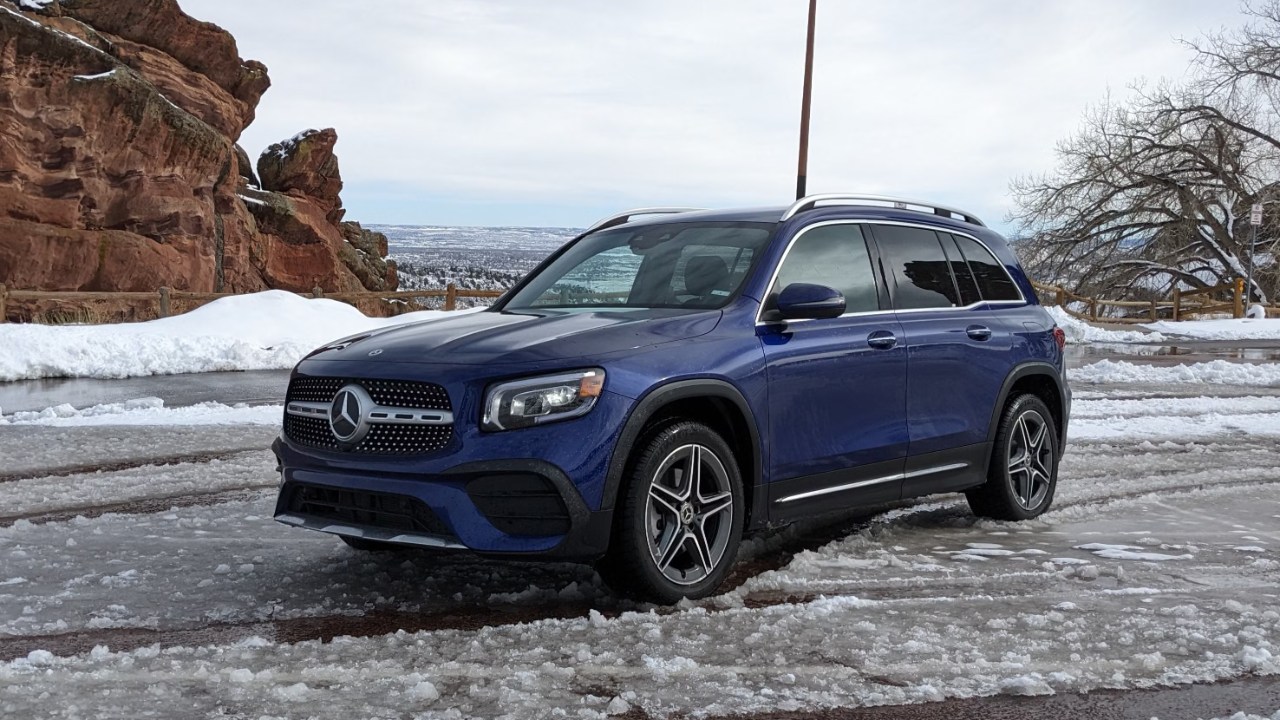
The Insurance Institute for Highway Safety (IIHS) has identified six vehicles with a zero driver death rate in its latest study of crash fatalities. The vehicles are the 2023 Audi Q7, 2023 BMW X7, 2023 Chevrolet Tahoe, 2023 Mercedes-Benz GLB-Class, 2023 Mercedes-Benz GLE-Class, and 2023 Toyota Tundra CrewMax.
The study covers crashes from 2021 through 2024 and includes earlier model years with equivalent designs where applicable. IIHS calculated deaths per million registered vehicle years, rather than simply counting crashes.
Across all vehicles studied, the average was 37 driver deaths per million registered vehicle years. These six recorded zero.
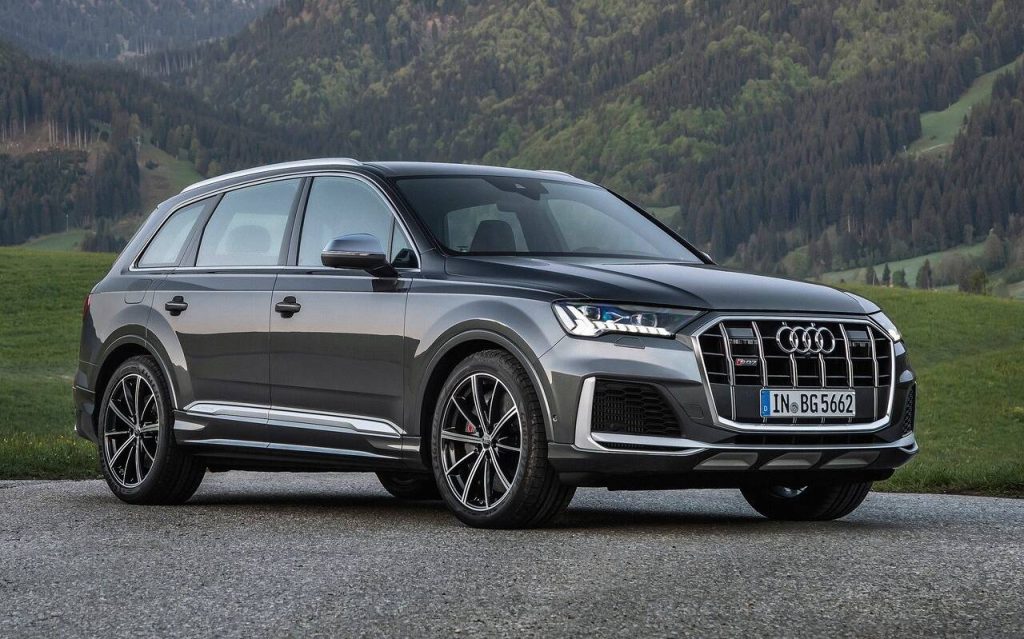
1. 2023 Audi Q7 4WD
The Audi Q7 was one of six vehicles to record a driver death rate of zero in IIHS’s latest analysis. The study identifies the vehicle as a large luxury SUV with four-wheel drive, and its results cover the 2023 model year and equivalent earlier models during crashes occurring from 2021 through 2024.
In practical terms, IIHS found no driver deaths among the registered vehicle exposure used to calculate the rate.
That result needs some context. A zero rate does not mean the Q7 can prevent every fatal crash, nor does it mean no Q7 was involved in a crash during the study period. IIHS calculates the figure from driver fatalities and registered vehicle years, and models must meet minimum exposure requirements to receive an individual estimate. The Q7 met those requirements.
The Q7’s broader safety record helps explain why its inclusion is notable. IIHS’s vehicle testing for the 2021 Q7 gave the SUV good ratings in the driver-side small-overlap front test, passenger-side small-overlap test, original moderate-overlap test, original and updated side tests, roof strength, and head restraints and seats.
Its standard front crash prevention system also received a superior rating for vehicle-to-vehicle crashes.
The Q7 combines its large SUV dimensions with a substantial passenger compartment and advanced crash-avoidance technology. That combination matters because IIHS says vehicle size, power, crashworthiness, and effective crash avoidance systems all influence driver safety.
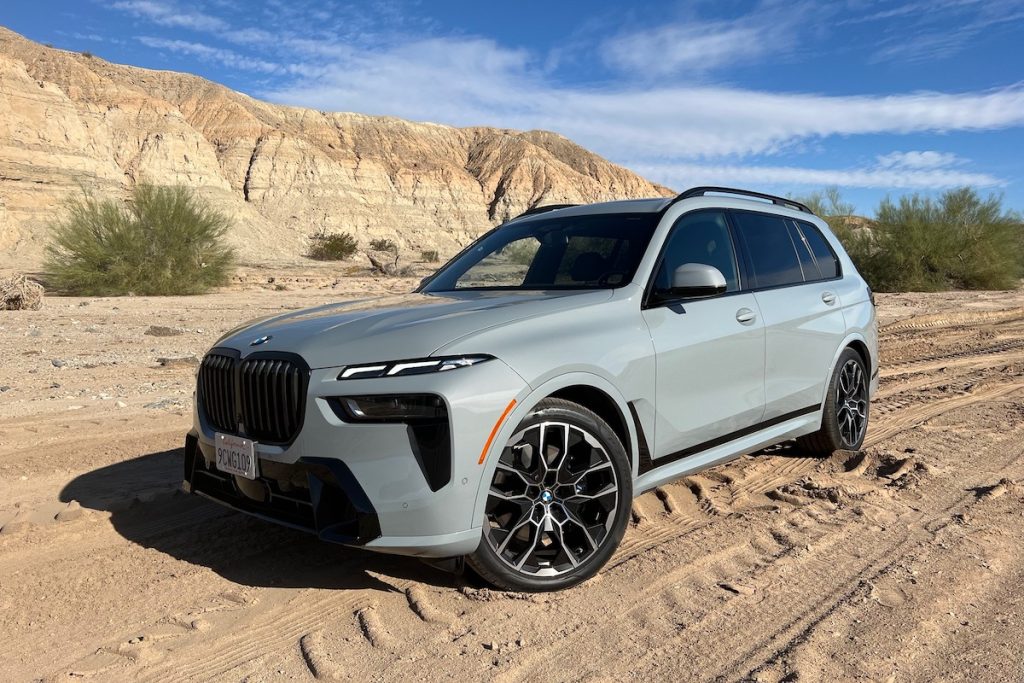
2. 2023 BMW X7 4WD
The BMW X7 produced another standout result in the IIHS study, recording zero driver deaths per million registered vehicle years. The vehicle evaluated was the 2023 BMW X7 with four-wheel drive, classified by IIHS as a large luxury SUV.
Its study period covered fatalities from 2021 through 2024, with equivalent earlier models included when the design had not substantially changed.
The X7 is particularly interesting because IIHS also found it among the vehicles with the lowest other-driver death rates, recording 11 deaths per million registered vehicle years. That is a separate measurement from the driver rate.
The driver rate concerns occupants behind the wheel of the vehicle being evaluated, while the other-driver rate measures drivers of other vehicles involved in crashes with it.
That distinction makes the X7’s result more meaningful without suggesting that the SUV is immune to serious collisions. IIHS stresses that driver death rates are statistical measures of risk, not guarantees of survival.
The X7’s size places it in a vehicle category that generally provides more occupant protection than smaller vehicles. In its latest analysis, IIHS found that 18 of the 20 models with the lowest driver death rates were SUVs, including large luxury SUVs such as the X7.
The organization also notes that size and power matter alongside crashworthiness and crash avoidance technology.
For buyers, the X7’s zero figure therefore represents an unusually strong statistical outcome in a study covering millions of registered vehicle years. It is also notable that the X7 appeared on both sides of the safety equation, with zero recorded driver deaths and a very low other-driver death rate.
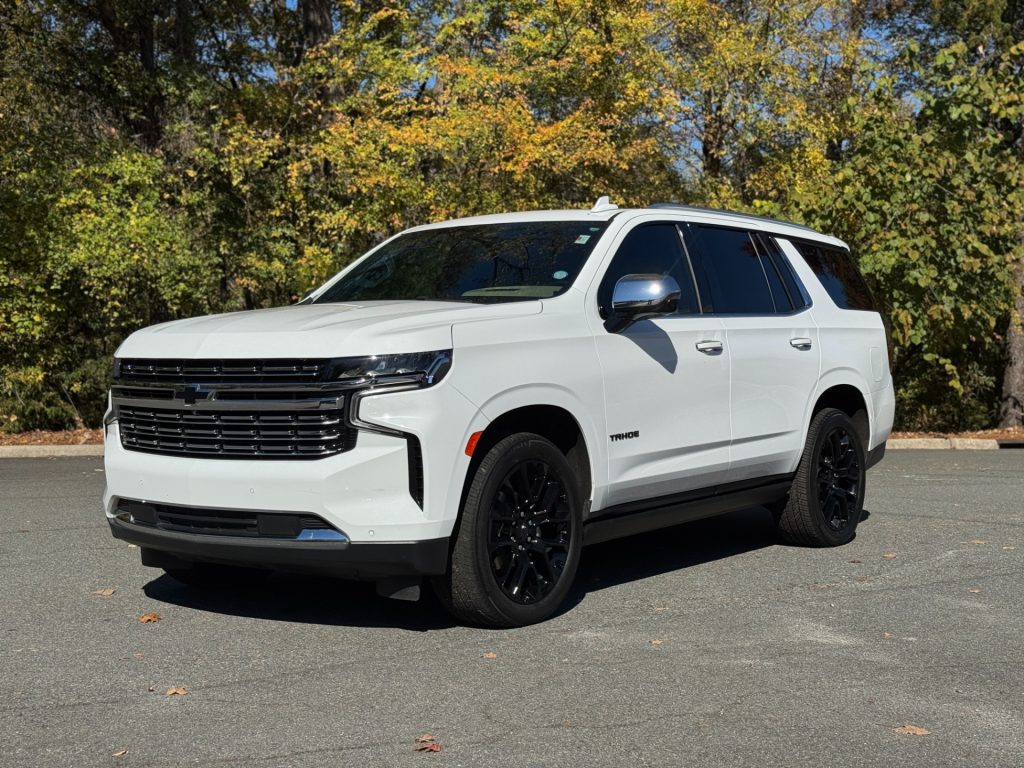
3. 2023 Chevrolet Tahoe 4WD
The 2023 Chevrolet Tahoe 4WD is the largest mainstream SUV among the six vehicles with a zero driver death rate in IIHS’s latest study. IIHS classified it as a large SUV and recorded 0 driver deaths per million registered vehicle years for the 2023 model and equivalent earlier vehicles during crashes from 2021 through 2024.
The Tahoe’s result is particularly notable because it combines substantial size with a body-on-frame platform. IIHS says size and power matter in crash outcomes, along with crashworthiness and effective crash avoidance systems. The organization also found that 18 of the 20 models with the lowest driver death rates were SUVs.
The Tahoe’s crash-test record provides additional context. IIHS tested a 2023 Tahoe LT 4WD, with the results applying to 2023 through 2026 models. It earned a good rating in the driver-side small-overlap front test and the original moderate-overlap front test. In the small-overlap test, IIHS noted that the driver’s survival space was maintained well.
However, the zero death rate should not be interpreted as proof that every Tahoe occupant will survive a serious crash. IIHS calculates statistical risk using federal fatality data and vehicle-registration exposure. Its methodology requires at least 100,000 registered vehicle years or 20 deaths for an individual model to be included.
For 2023, Chevrolet offered several powertrains, including a 5.3-liter V8, a 6.2-liter V8, and a 3.0-liter turbo-diesel inline-six.
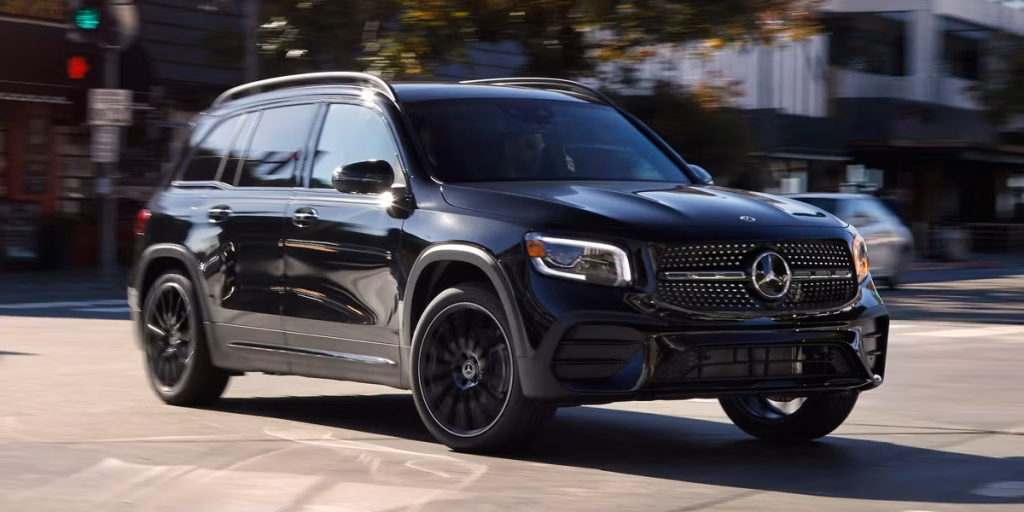
4. 2023 Mercedes-Benz GLB-Class 4WD
The 2023 Mercedes-Benz GLB-Class 4WD stands apart from the other vehicles on this list because it is a relatively small luxury SUV. IIHS recorded zero driver deaths per million registered vehicle years for the GLB-Class 4WD in its 2021 through 2024 analysis. The model is listed alongside much larger SUVs such as the Tahoe and BMW X7.
That makes the GLB particularly interesting. The IIHS data does not suggest that size is the only factor behind a vehicle’s safety performance. Its broader findings point to a combination of vehicle size, crashworthiness, crash avoidance technology, and driver behavior.
The 2023 GLB also offered a useful combination of compact dimensions and available all-wheel drive. The GLB 250 4MATIC used a turbocharged 2.0-liter four-cylinder producing 221 horsepower and 258 lb-ft of torque, paired with an eight-speed dual-clutch automatic transmission. Edmunds lists the 4MATIC version with a curb weight of 3,759 pounds.
The compact footprint did not mean the GLB was stripped of safety technology. The 2023 model included standard automated emergency braking with pedestrian detection, while features such as adaptive cruise control and lane-keeping assistance were available through optional equipment.
IIHS’s zero figure should still be interpreted carefully. It represents a statistical death rate, not a guarantee of crash survival. The organization bases these calculations on driver fatalities from NHTSA’s Fatality Analysis Reporting System and registration data from Mobility Global.
The GLB’s inclusion is therefore significant because it demonstrates that a smaller luxury SUV can also produce an exceptionally strong statistical result in real-world fatality data.
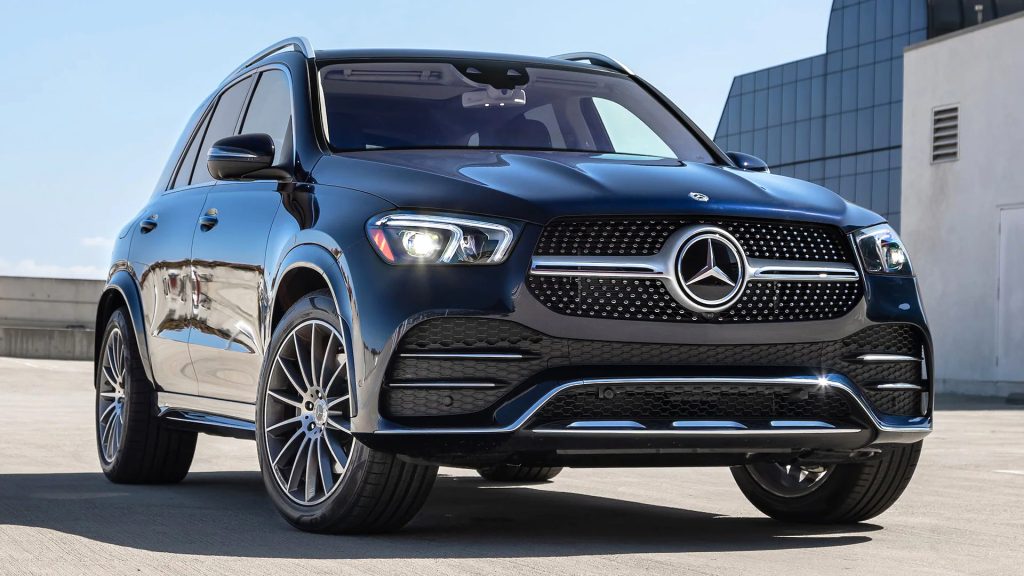
5. 2023 Mercedes-Benz GLE-Class 2WD
The 2023 Mercedes-Benz GLE-Class 2WD recorded a zero driver death rate in the latest IIHS analysis. The organization classified it as a midsize luxury SUV and included the 2023 model along with equivalent earlier models when calculating fatalities from 2021 through 2024. The rate is measured as driver deaths per million registered vehicle years.
The GLE is particularly interesting because it was the only midsize luxury SUV among the six vehicles with a zero driver death rate.
IIHS reported a driver death rate of 17 deaths per million registered vehicle years for midsize luxury SUVs as a class, compared with 37 across all vehicle sizes and classes. The GLE therefore produced a much stronger result than the average for its broader category.
Its crash-test record provides another piece of the picture. IIHS gave the 2023 GLE Good ratings in the driver-side small-overlap front test, passenger-side small-overlap test, original moderate-overlap front test, roof-strength evaluation, and head restraints and seats.
The standard front crash prevention system earned a superior rating for vehicle-to-vehicle crashes.
The result should still be viewed as a statistical measurement rather than a promise that the vehicle will prevent fatal injuries in every crash. IIHS obtains fatality information from NHTSA’s Fatality Analysis Reporting System and registration exposure from Mobility Global. It also adjusts the calculations for driver age and gender.
For buyers, the GLE’s result is notable because it combines a midsize footprint with a zero observed driver fatality rate in the study period.
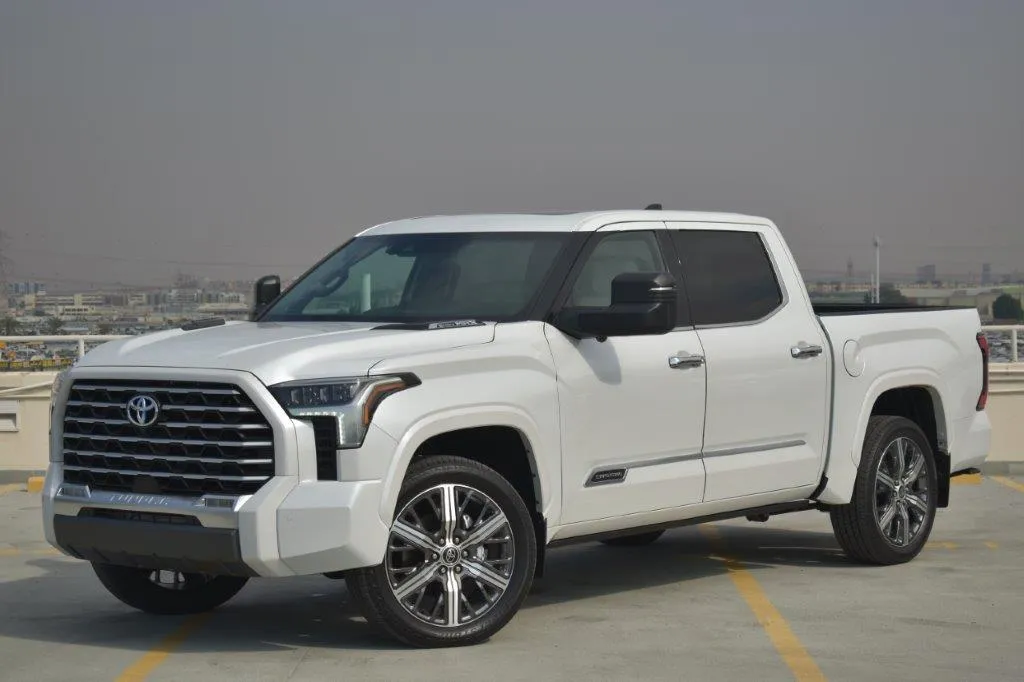
6. 2023 Toyota Tundra CrewMax 4WD
The 2023 Toyota Tundra CrewMax 4WD is the only pickup among the six vehicles that recorded zero driver deaths in the IIHS study. The organization classified it as a large pickup and calculated a rate of 0 driver deaths per million registered vehicle years for 2023 and equivalent earlier models during the 2021 through 2024 study period.
That distinction is significant because pickups did not dominate the zero-rate list. IIHS found that 18 of the 20 vehicles with the lowest driver death rates were SUVs, making the Tundra the exception among pickup trucks.
The broader large-pickup category recorded 29 driver deaths per million registered vehicle years, compared with zero for the Tundra CrewMax 4WD.
The Tundra also had a strong crash-test foundation. IIHS gave the 2023 model good ratings in the driver-side small-overlap front test, passenger-side small-overlap front test, updated side test, roof strength, and head restraints and seats. Its standard vehicle-to-vehicle front crash prevention system earned a superior rating.
There is an important qualification, however. The Tundra received a Poor rating in IIHS’s updated moderate-overlap front test because of rear-passenger restraint performance, despite the vehicle structure and driver-related measures receiving stronger ratings.
That test result concerns rear-occupant protection and does not change the separate real-world driver death-rate calculation.
Toyota redesigned the Tundra for the 2022 model year, so the 2023 study vehicle belongs to the current-generation design at that time. The CrewMax configuration also provides a full four-door cabin, making it a pickup aimed at both work and passenger use.