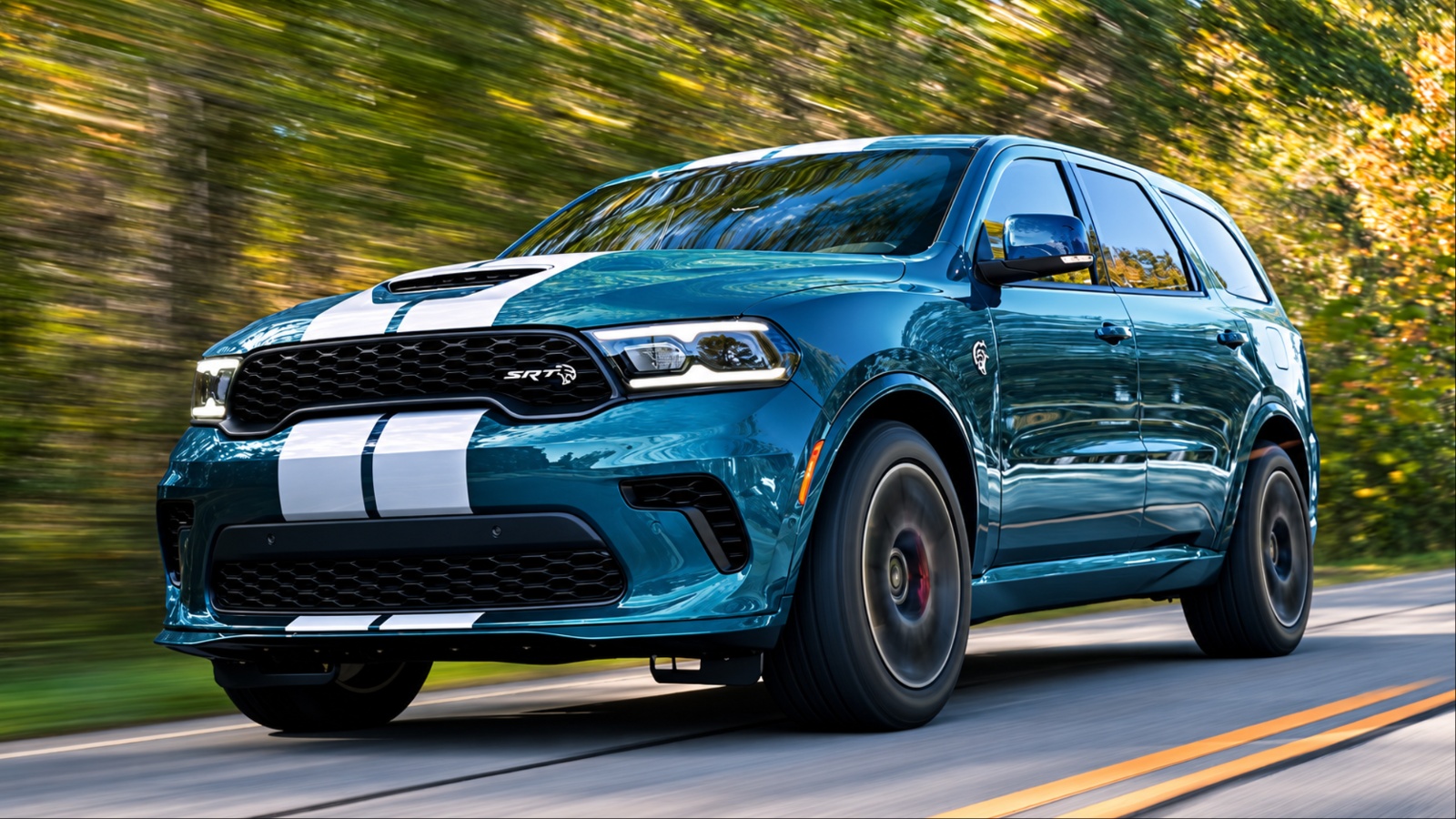
A used Dodge Durango can look like a strong value because it combines three-row seating, substantial towing capability, and available V8 power. Yet the model’s long production history includes major differences in complaint activity from one year to another.
NHTSA owner complaints provide useful evidence for identifying those differences, although complaints are reports from vehicle owners and are not verified findings by the agency.
The pattern becomes particularly clear when model years are compared using complaint data rather than reputation alone. Some Durangos have accumulated relatively modest complaint totals, while others show much heavier concentrations of reported electrical, suspension, engine, and powertrain problems.
5 Dodge Durango Years Worth Buying
1. 2020 Dodge Durango
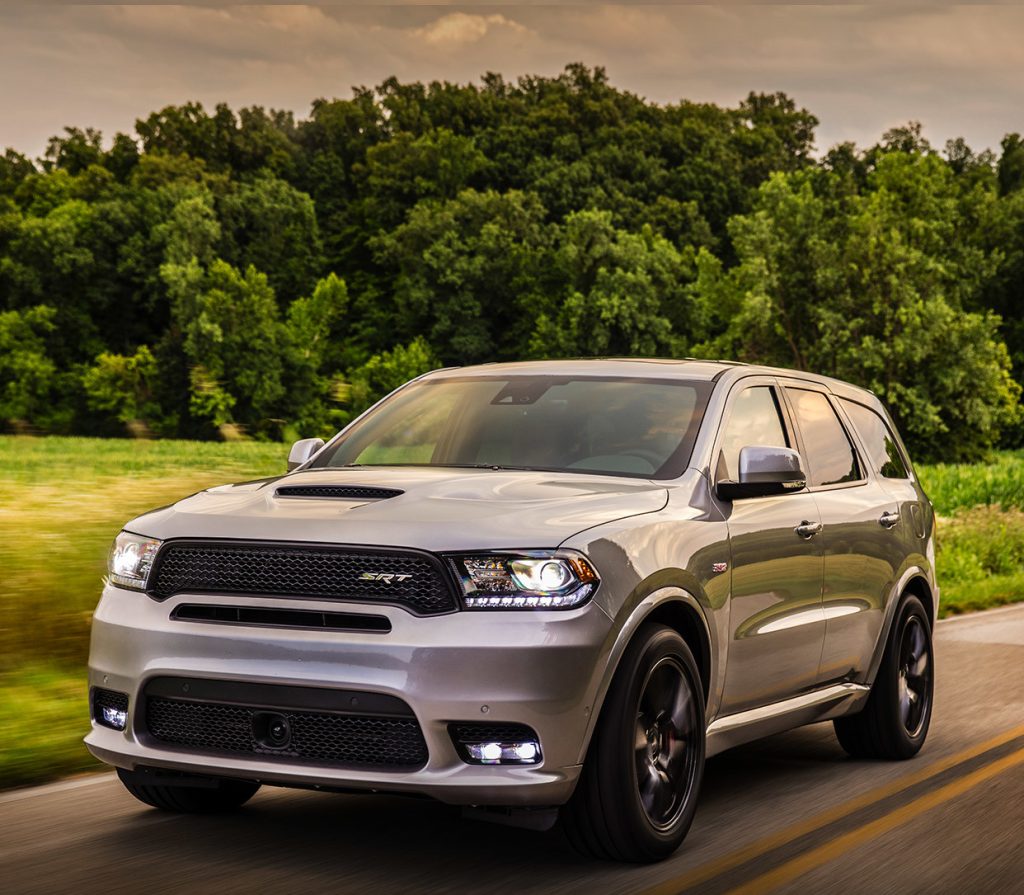
The 2020 Durango is one of the strongest candidates when complaint history is the primary consideration. A current NHTSA-derived database records about 55 complaints for this model year, while another analysis using an identical exposure period places its complaint count at 35 during the first 60 months.
That same analysis gives 2020 the lowest relative complaint volume among the mature Durango years it evaluates.
The difference between those figures illustrates why raw totals should not be treated as permanent numbers. Complaint databases continue to receive reports as vehicles age, so a later snapshot can contain more complaints than an earlier one. The important point is where the 2020 model sits compared with other Durangos.
The year also benefits from being relatively late in the generation. Buyers were not purchasing an entirely new Durango design that had just entered production. Instead, the 2020 model represented a mature version of the platform, which can matter when looking for a used vehicle.
The complaint record is considerably quieter than the 2014, 2013, 2012, and 2011 years. One NHTSA-derived table lists 55 complaints and two recalls for 2020, compared with 503 complaints for 2015 and 782 for 2014. That gap is difficult to ignore when comparing otherwise similar used Durangos.
A buyer should still investigate the specific vehicle. Check transmission operation, cooling-system condition, electrical functions, suspension components, and maintenance documentation before purchasing. Complaint history is a screening tool, not a substitute for inspection.
For shoppers who want a modern Durango without moving into the newest, most expensive examples, the 2020 model deserves particular attention.
2. 2019 Dodge Durango
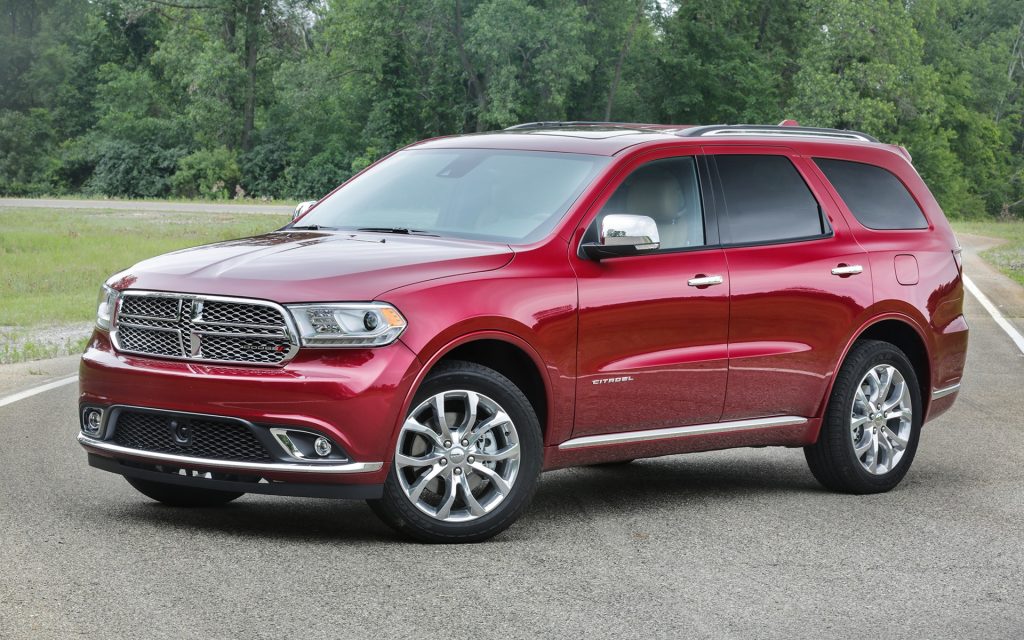
The 2019 Durango also has a comparatively favorable complaint record. Current NHTSA-derived data show approximately 142 complaints for the model year, with four recall campaigns.
A separate methodology that measures complaints during the first 60 months places the 2019 Durango at 104 reports, or only 0.56 times the model’s median complaint volume.
That relative figure is particularly useful because it accounts for the problem of comparing old and new vehicles with different amounts of time on the road. A raw total alone can make a newer vehicle look better simply because fewer years have passed.
The 2019 Durango also sits in an interesting position for used shoppers. It is old enough that depreciation has already reduced its purchase price, yet it remains substantially newer than the Durangos that dominate the high-complaint portion of the historical record.
The complaint count is also much lower than 2018’s 231 reports, 2017’s 211, and 2016’s 161 in the same current dataset.
That does not establish a mechanical guarantee, but it gives the 2019 model a useful statistical advantage.
A used 2019 Durango should still be evaluated according to engine choice and equipment. Buyers considering the available V8 should inspect the vehicle for evidence of hard use, towing, and inconsistent maintenance. A vehicle used heavily for towing can experience wear that does not appear in model-year complaint statistics.
Service records become especially important at this age. Look for regular oil changes, transmission service where applicable, cooling-system maintenance, and evidence that recalls were addressed.
The 2019 Durango is therefore attractive not because every example will be trouble-free, but because its complaint history is comparatively restrained and its position within the generation makes it a logical used-car candidate.
3. 2017 Dodge Durango
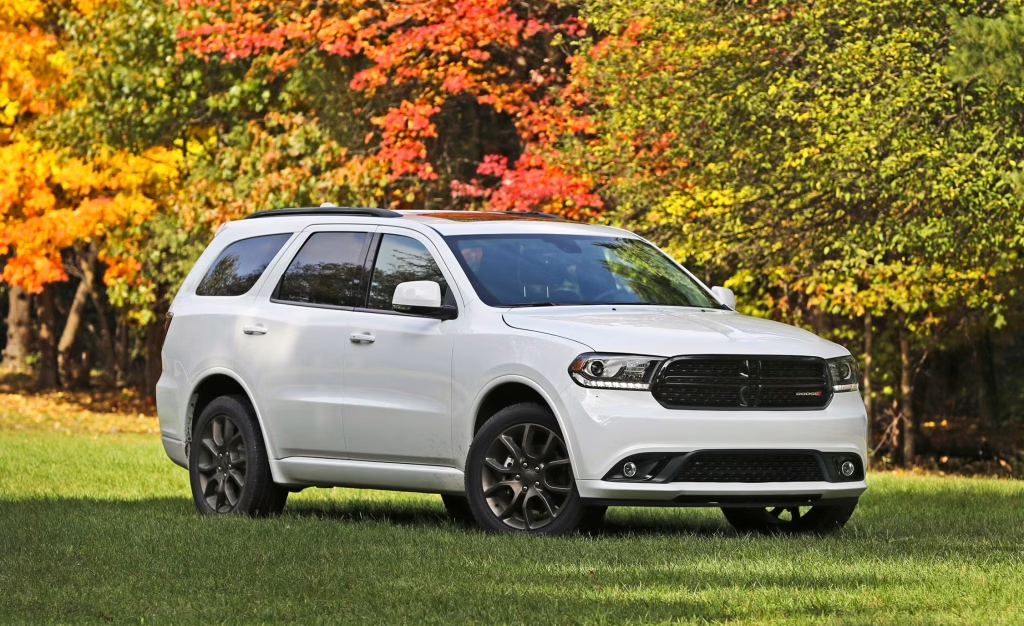
The 2017 Durango occupies a useful middle ground. Current NHTSA-derived data records 211 complaints for the model year, with two recalls. While that number is higher than the 2019 and 2020 totals, it remains substantially below several earlier Durango years.
An equal-exposure analysis puts the 2017 model at 151 complaints during its first five years and approximately 0.84 times the model’s median complaint volume. Its analysis assigns the year a favorable position compared with the high-complaint 2011 to 2015 stretch.
That makes 2017 interesting for buyers who want to spend less than they would on a 2019 or 2020 example.
The model also belongs to a period when the Durango had already been in production for several years in its modern form. Buyers were not dealing with the uncertainty that sometimes accompanies the first model year of a redesigned vehicle.
Still, 2017 is not a year to purchase blindly. Complaint records for this period include electrical and powertrain reports, and the individual vehicle’s maintenance history can easily outweigh the difference between two adjacent model years.
A thorough inspection should include the suspension, electrical accessories, infotainment system, transmission behavior, cooling system, and engine oil condition. Test every switch and warning-light system before buying.
The vehicle’s previous use is equally important. Durangos often serve family transportation, towing duty, or long-distance travel, and those uses can produce very different wear patterns.
The reason for including 2017 is therefore straightforward. Its complaint history is considerably calmer than the problematic middle years of the previous part of the generation, while used prices can be lower than later examples.
For a buyer who wants a balance between purchase price and complaint history, 2017 deserves a place on the shortlist.
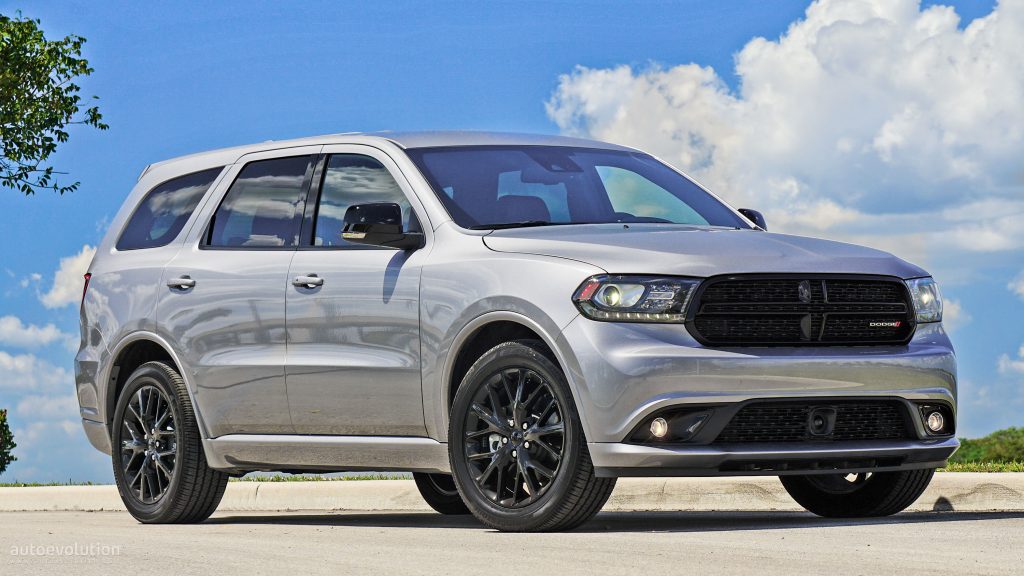
4. 2016 Dodge Durango
The 2016 Durango has 161 complaints in a current NHTSA-derived dataset, along with three recall campaigns. That total places it below the 2017 model and well below the 2018, 2015, and 2014 years.
An equal-exposure analysis records 147 complaints during the first 60 months and places the model at 0.92 times the Durango median. It receives a favorable rating in that analysis because its complaint activity is below the model’s central historical level.
This makes 2016 particularly relevant for buyers shopping with a tighter budget. The SUV is old enough to have experienced significant depreciation but not so old that it belongs to the early portion of the Durango’s modern generation.
There is another advantage to looking at this year. The 2016 model sits immediately before a sequence of later Durangos that also show relatively moderate complaint activity. That creates a more encouraging stretch of model years than the preceding 2011 to 2015 period.
Of course, a lower complaint total should not be confused with proof that every mechanical component is durable. Suspension wear, aging electronics, brake components, and cooling-system parts become increasingly relevant as mileage rises.
A buyer should pay close attention to service records. An example with complete maintenance documentation is far more appealing than a neglected Durango with a clean-looking exterior.
The inspection should include a cold start, transmission operation, steering response, suspension noises, and all electrical equipment. If the vehicle has a V8, inspect it carefully for oil leaks, cooling issues, and evidence of heavy towing.
The 2016 model makes the list because its complaint record is substantially quieter than the high-report years and because it offers a potentially lower purchase price than newer alternatives.
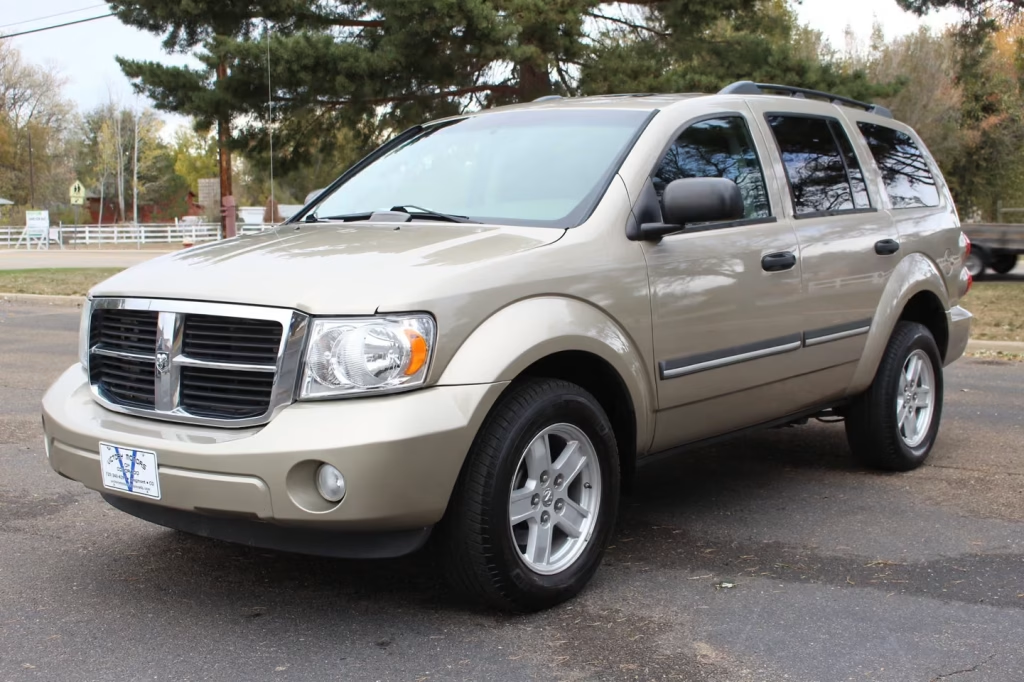
5. 2008 Dodge Durango
The 2008 Durango is an unusual inclusion because it belongs to an older generation, but its complaint record is remarkably low compared with many other early Durangos. Current NHTSA-derived data lists 97 complaints for the year, while an equal-exposure analysis records 76 complaints during its first eight years.
That 76-complaint figure places the 2008 model among the lowest complaint totals for mature Durango years in that particular dataset. The same analysis identifies 2007 as another relatively low-report year.
Why does that matter? A used-car buyer looking at older Durangos can easily assume that newer automatically means better. The complaint record shows that this is not necessarily true across the entire nameplate.
The 2008 model is still an old vehicle, however, and age creates risks that complaint counts cannot capture. Rubber components deteriorate, seals age, electrical connectors corrode, and suspension parts eventually require replacement. A 2008 Durango with low complaint activity can still need substantial age-related maintenance.
That makes inspection more important than the model-year number itself. Check the frame and underbody for corrosion, inspect suspension components, examine fluid leaks, and verify that the cooling system operates correctly. The transmission should shift smoothly, while the engine should start cleanly without persistent warning lights.
The 2008 year is included because the data provides a statistical reason to consider it, not because it should be treated like a newer SUV.
For buyers specifically seeking an inexpensive older Durango, a carefully maintained 2008 can make more sense than some higher-complaint years from the same broad era.
5 Dodge Durango Years to Avoid
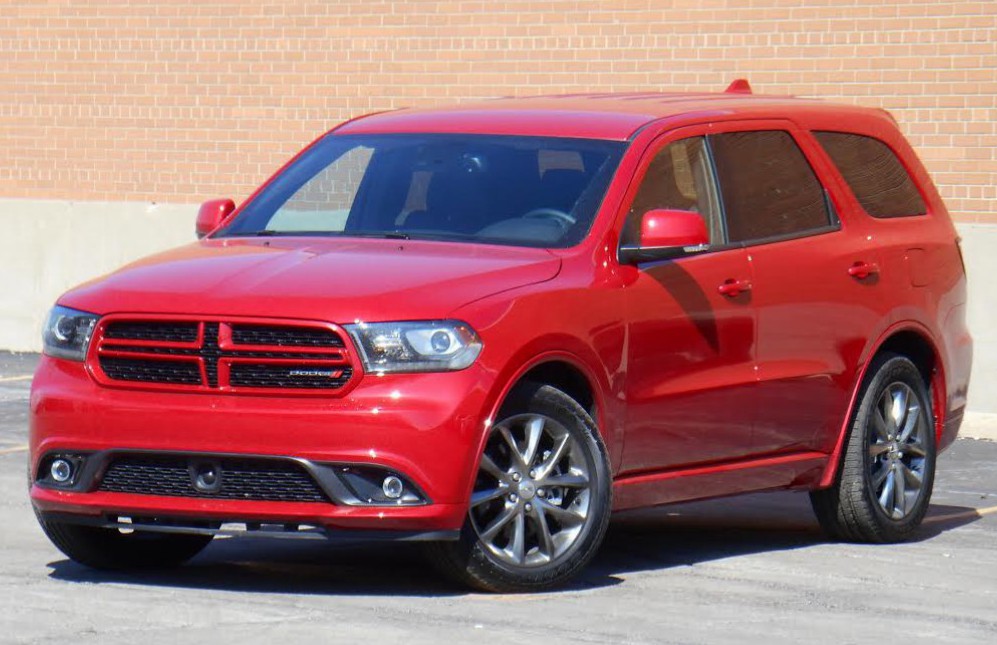
1. 2014 Dodge Durango
The 2014 Durango has one of the strongest reasons for caution in the entire model-year history. Current NHTSA-derived data lists approximately 782 complaints, accompanied by 11 recalls. A separate equal-exposure analysis records 339 reports during the first five years and gives the year a relative complaint volume of 1.81 times the model median.
Those figures are significant because they do not depend solely on the vehicle’s age. The equal-exposure methodology attempts to compare the same initial period for different model years, reducing one of the major weaknesses of raw complaint totals.
The 2014 Durango sits near the top of the complaint-heavy period that begins around 2011. That makes it difficult to recommend when a shopper has access to later alternatives with considerably quieter records.
Reports associated with this portion of the Durango’s history frequently involve electrical and lighting concerns, while suspension-related issues also appear prominently in the broader model data.
A prospective buyer should therefore not rely on a low asking price as justification for choosing one.
If a 2014 Durango is being considered, the electrical system deserves special attention. Test every exterior light, warning system, switch, display, and accessory. Inspect the suspension for worn components and listen for noises over uneven pavement.
The recall history should also be checked using the vehicle identification number. Completing a recall does not eliminate every potential problem, but an incomplete campaign can create an unnecessary risk.
The 2014 model is placed in the avoid group because both its complaint volume and recall count stand out against the stronger Durango years.
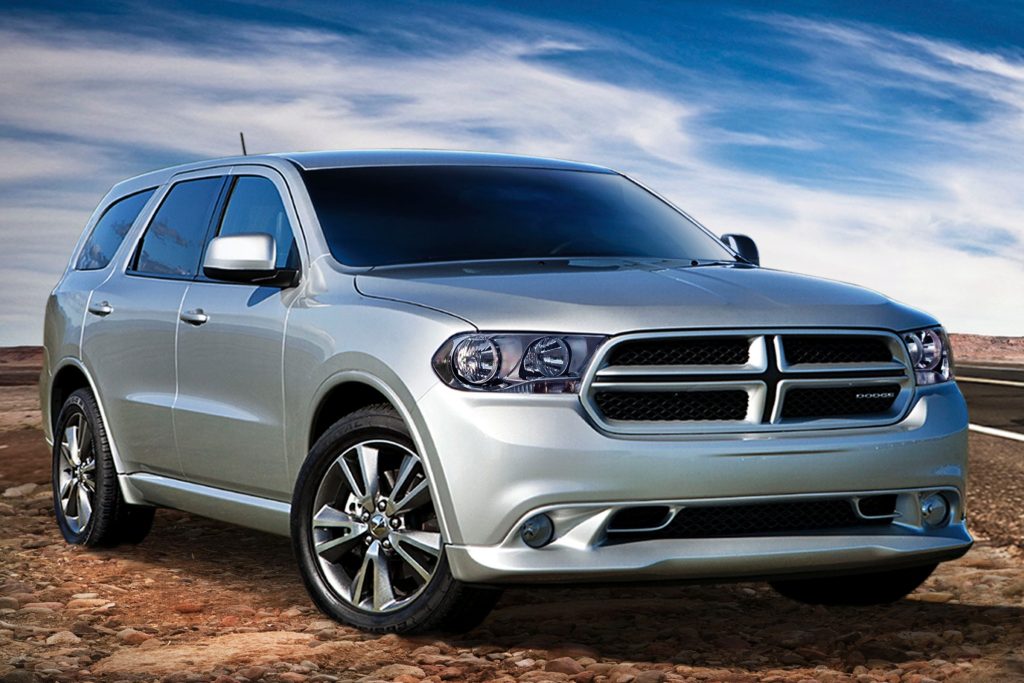
2. 2013 Dodge Durango
The 2013 Durango recorded approximately 640 complaints in current NHTSA-derived data and 11 recalls. Its equal-exposure complaint count is 337 during the first five years, giving it a relative complaint volume of 1.92 times the model median.
That places 2013 among the most complaint-heavy years in the modern Durango sequence. One reason the year deserves attention is that its complaint activity is not merely a result of having been on the road for a long time. The equal five-year comparison still shows elevated activity.
The broader Durango record indicates that electrical complaints are a major part of the model’s historical problem profile, particularly around the 2011 to 2015 period.
That does not mean every 2013 example will develop an electrical fault. It means buyers should not assume that a clean interior and attractive price are enough to make the vehicle a sound purchase.
A detailed inspection should include the battery and charging system, electrical accessories, dashboard warnings, and lighting. The engine and transmission should be evaluated independently because a vehicle can have multiple unrelated issues.
Maintenance history matters enormously at this age. Look for documentation rather than relying on a seller’s verbal assurance that the Durango has been serviced.
A 2013 Durango can still make sense for a buyer who finds an exceptionally well-maintained example at the right price, but it should not be treated as the default choice when lower-complaint years are available.
The reason for placing it here is the combination of high complaint activity, elevated relative volume, and substantial recall history.
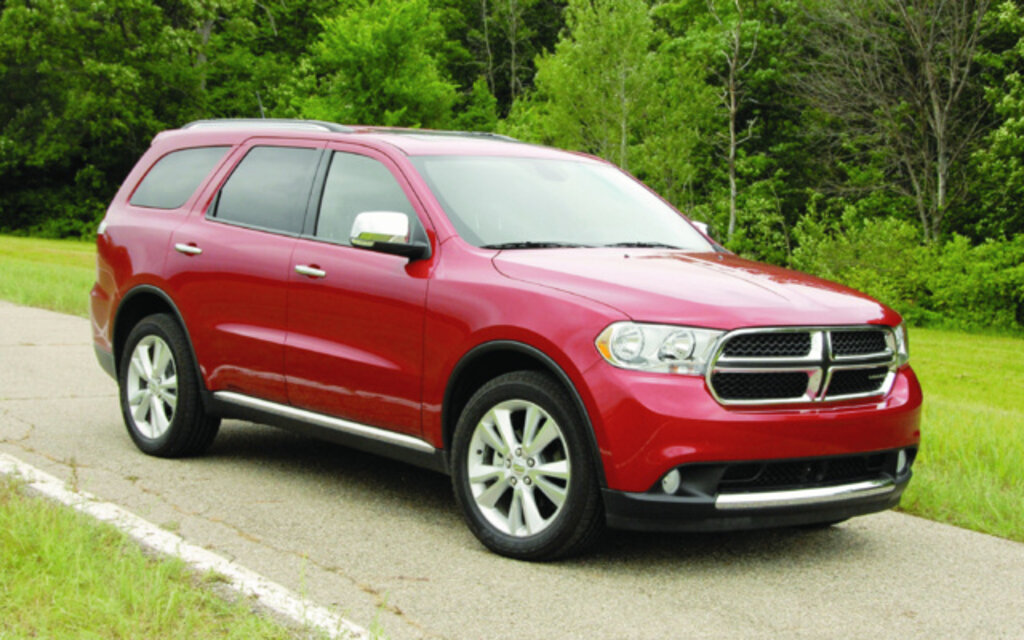
3. 2012 Dodge Durango
The 2012 Durango is another year where the complaint record warrants caution. Current NHTSA-derived data shows approximately 640 complaints and 10 recalls. The equal-exposure analysis records 364 complaints during the first five years and puts its complaint volume at 2.19 times the model median.
That 2.19-times figure is one of the clearest statistical warnings in the Durango range. It means the year generated complaint activity substantially above the model’s typical level under that analysis.
Electrical problems are particularly relevant to this period. The broader Durango record identifies electrical issues as one of the dominant categories, with the 2011 to 2013 years showing especially high concentrations. A used 2012 Durango should therefore receive an unusually thorough electrical inspection.
Start with the basics. Check the battery, charging system, dashboard electronics, exterior lights, and power accessories. Then look for evidence of previous electrical repairs, aftermarket wiring, or repeated battery replacement.
The mechanical inspection should not be skipped. At this age, suspension wear, fluid leaks, and cooling-system issues can add expenses even when the original complaint is unrelated.
The biggest concern is not that one specific component will inevitably fail. It is that the year has accumulated a pattern of owner-reported problems that makes it harder to justify choosing over a lower-complaint model year.
A very clean 2012 with extensive service records can still be considered, especially at a substantial discount. But buyers should have a larger repair reserve available.
The year earns its place in the avoid category because its complaint activity remains elevated even after controlling for the amount of time vehicles have been on the road.
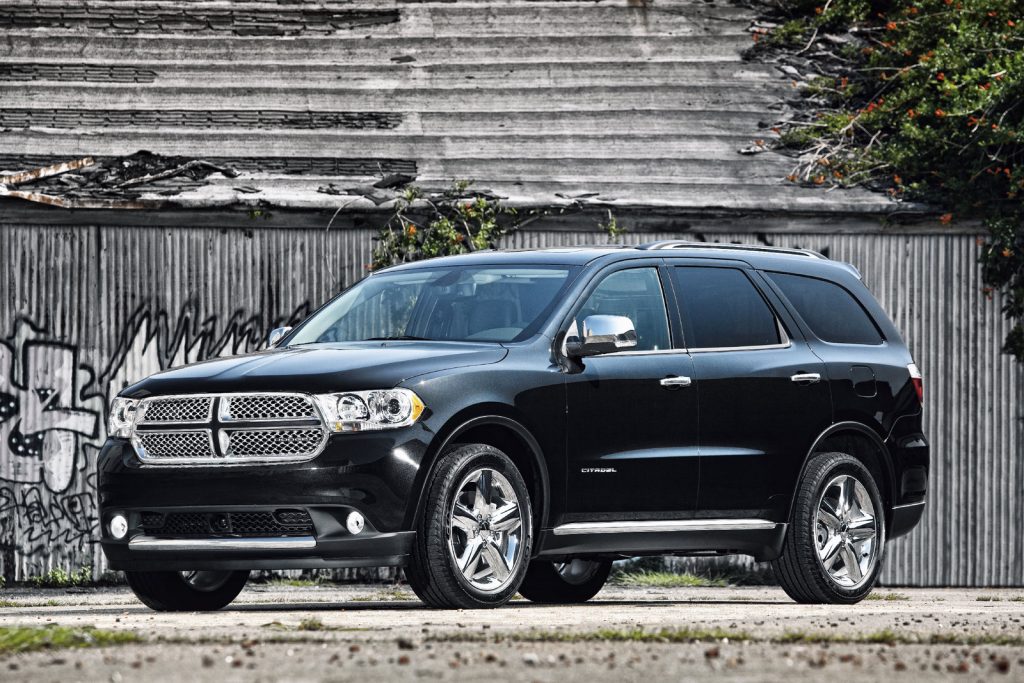
4. 2011 Dodge Durango
The 2011 Durango has the highest complaint total among the 2011 to 2015 modern-generation years in current NHTSA-derived data, with approximately 798 complaints and eight recalls. Its equal-exposure analysis records 546 reports during the first five years and gives the year a relative complaint volume of 3.46 times the model median.
That is the strongest statistical warning in the modern Durango comparison. The 2011 model was part of the return of the Durango nameplate in a substantially redesigned form, making it the beginning of a new generation. First-year vehicles can sometimes carry more risk because new designs introduce new systems, components and production processes.
The complaint pattern reinforces the need for caution. Electrical issues are particularly prominent in the broader record, while fuel-system and engine complaints also contribute to the model’s historical problem profile.
A buyer considering one should begin with a diagnostic scan and complete inspection rather than relying on a road test alone. Warning lights that have been cleared shortly before sale can otherwise be missed.
Check the charging system, electronics, engine operation, fuel-system behaviour, and transmission. Review recall completion using the VIN and ask for service invoices whenever possible.
The 2011 Durango can still be tempting because used examples are inexpensive compared with newer three-row SUVs. That low purchase price, however, should not be confused with low ownership cost.
If the vehicle needs several electrical or mechanical repairs soon after purchase, the savings can disappear rapidly.
The reason for putting 2011 at the front of the caution list is simple. Its complaint count is high, its equal-exposure complaint rate is the highest among the modern Durangos examined here, and its recall history adds another layer of scrutiny.
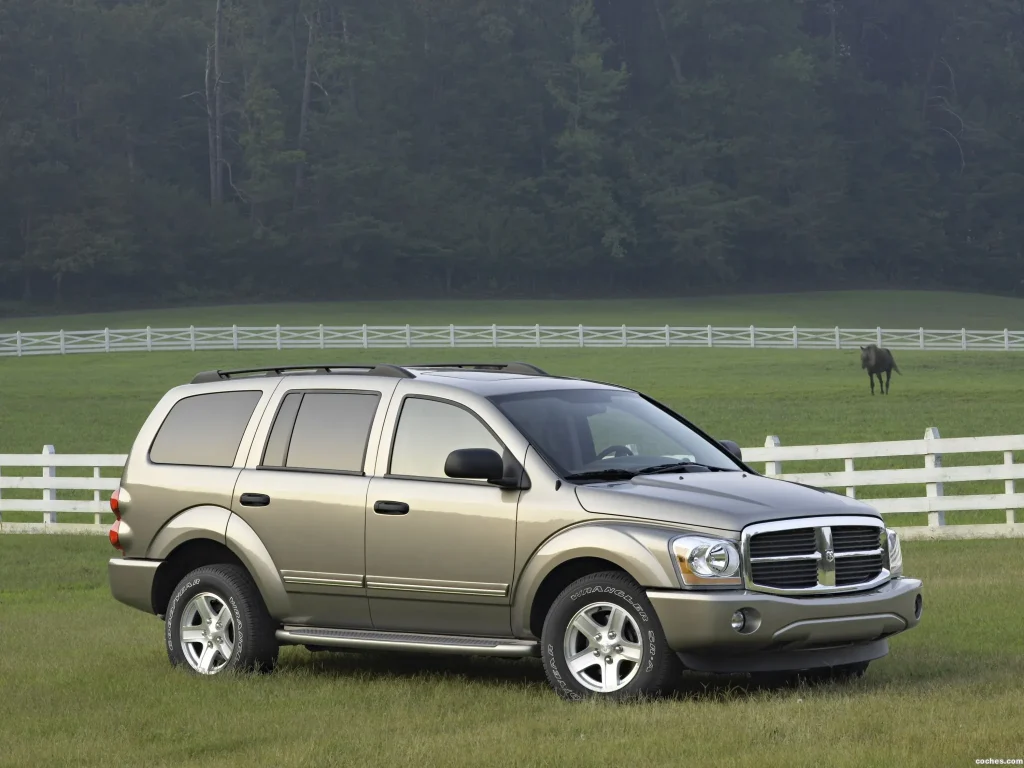
5. 2005 Dodge Durango
The 2005 Durango deserves a separate warning because its complaint record is unusually large even though it belongs to an older generation. Current NHTSA-derived data lists approximately 1,567 complaints for the model year, making it one of the most complaint-heavy Durangos in the database.
An equal eight-year analysis records 1,060 complaints and identifies 2005 as the highest complaint year among the mature Durangos it evaluates.
The model’s historical problems include engine, suspension, and electrical concerns, with engine-related complaints particularly prominent in the broader Durango record.
Age creates another problem for today’s used buyer. Even if a 2005 Durango has been maintained reasonably well, components are now more than two decades old. Hoses, seals, suspension bushings, wiring, cooling components, and other age-sensitive parts may need attention.
That makes the purchase decision very different from buying a newer Durango with a relatively quiet complaint record.
A cheap 2005 Durango can therefore become expensive if the buyer has to address several deferred maintenance items immediately after purchase.
The inspection should be comprehensive. Examine the underside for corrosion, check engine and transmission fluids, inspect the cooling system, and evaluate suspension components. A professional pre-purchase inspection is particularly valuable for a vehicle of this age.
Service records are even more important than the odometer reading. A high-mileage example with extensive documentation can be a better proposition than a lower-mileage vehicle that has spent years without proper maintenance.
The 2005 Durango is included in the avoid group because its complaint history is substantially heavier than the strongest model years and because its age introduces additional ownership risks.
For buyers who simply want an inexpensive three-row Dodge SUV, moving to a lower-complaint year may require more money upfront but can provide a considerably stronger starting point.