
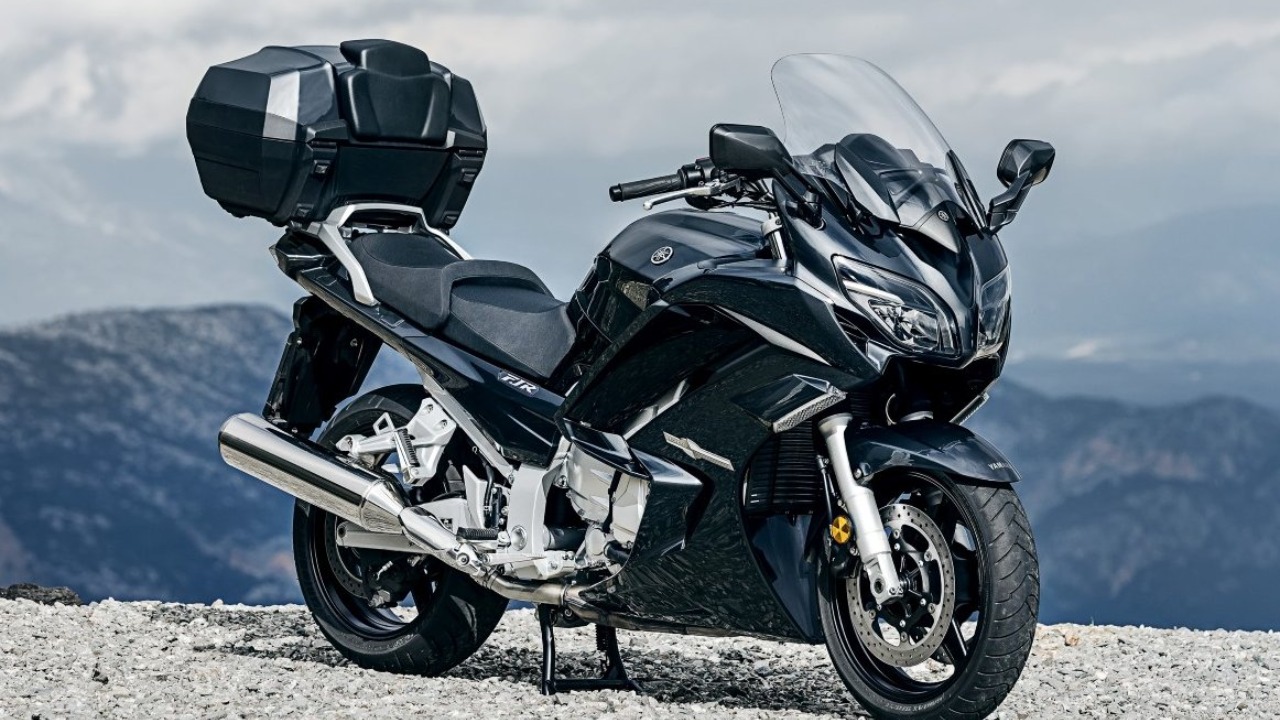
The American motorcycle market is showing signs of life in 2026, and touring bikes are emerging as one of the strongest parts of the recovery.
New motorcycle and scooter sales in the United States increased 4.2% during the first quarter of 2026 compared with the same period a year earlier, according to data from the Motorcycle Industry Council. Within that improving market, touring motorcycles delivered the strongest first-quarter unit increase of any motorcycle category since 2022.
The shift is particularly interesting because touring motorcycles are generally larger, more expensive machines designed for long-distance riding rather than entry-level transportation. Their stronger performance suggests that some buyers are once again willing to spend on larger motorcycles as the industry moves into the 2026 riding season.
Harley-Davidson’s first-quarter results provide another indication that demand for touring motorcycles is strengthening. The company reported that U.S. retail motorcycle sales increased 16% in the first quarter, with the company specifically identifying strength in its Touring and Trike models.
Harley-Davidson also reached 38% of the U.S. 601cc-plus motorcycle market, up two percentage points from a year earlier.
The numbers do not mean the entire motorcycle industry has suddenly returned to a boom. But they do suggest that the market is moving in a healthier direction after a difficult period for manufacturers and dealers.
Touring Leads a Broader Motorcycle Recovery
The Motorcycle Industry Council’s first-quarter data show that the improvement is not limited to one manufacturer.
Industry sales increased 4.2% in the first quarter compared with the same period in 2025, according to reporting based on MIC’s quarterly data. MIC research director Buckner Nesheim said touring and sport motorcycles were particularly notable during the period, while dual-purpose motorcycles also posted gains.
Touring was the standout. MIC said touring motorcycles recorded the largest first-quarter unit increase of any motorcycle category since 2022.
That makes the category’s performance more significant than a simple year-over-year improvement because it indicates that touring demand has reached a level not seen during the opening quarter of the year for several riding seasons.
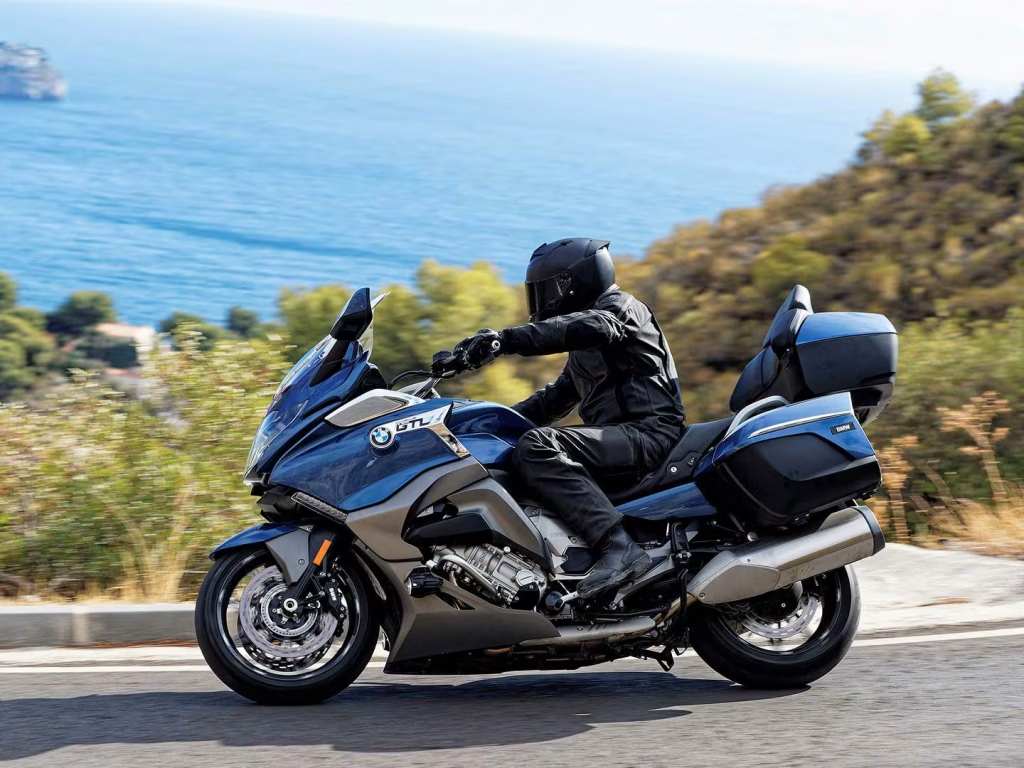
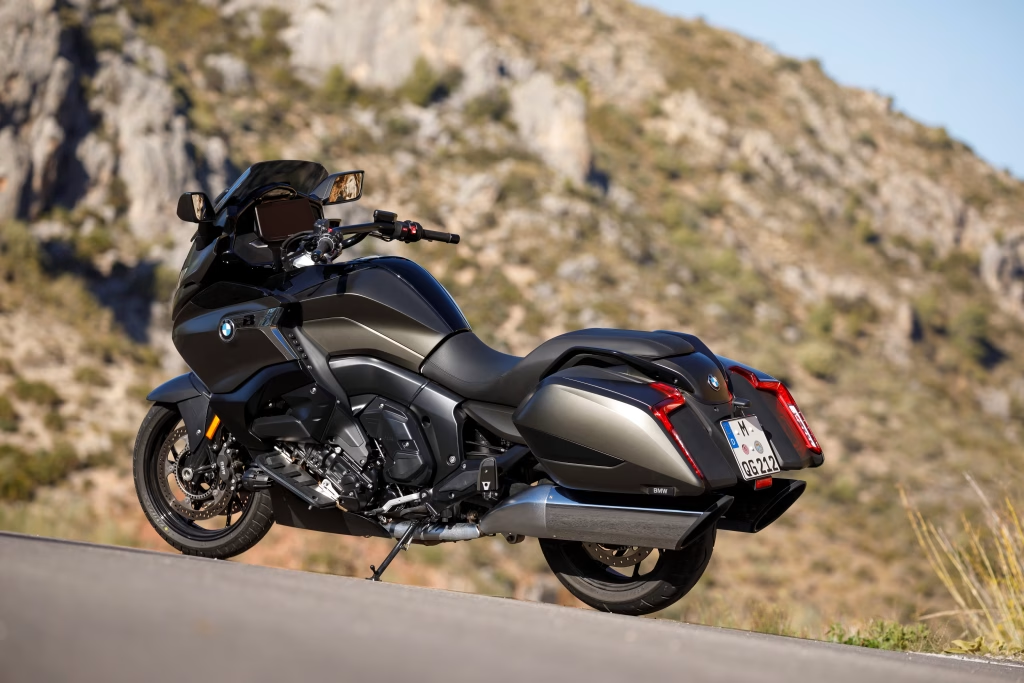
Touring motorcycles occupy a distinctive part of the market. They typically offer larger engines, substantial wind protection, comfortable seating, luggage capacity, and electronic features designed around long-distance travel.
That makes them different from smaller motorcycles that are often purchased primarily for commuting, recreation, or learning.
The renewed demand could therefore indicate that riders are becoming more comfortable making larger discretionary purchases.
Sport motorcycles also contributed to the first-quarter improvement, while dual-purpose motorcycles posted gains. That broader performance matters because it suggests the increase is not being driven exclusively by Harley-Davidson or by one particular style of motorcycle. At the same time, the market remains highly seasonal.
The first quarter represents the beginning of the main riding season in much of the United States. Manufacturers and dealers therefore pay close attention to early-year sales because they provide an indication of how the market could develop as weather improves and more riders return to the roads.
The early numbers are encouraging, but a 4.2% increase does not guarantee that the entire year will finish higher.
Economic conditions, financing costs, fuel prices, weather, and consumer confidence can all influence motorcycle purchases during the remaining riding season.
Even so, the category-level results provide manufacturers with an encouraging signal that customers are once again showing greater interest in larger motorcycles.
Harley-Davidson’s Numbers Strengthen the Case
Harley-Davidson provides perhaps the clearest evidence that touring motorcycles are gaining momentum.
The company sold 22,245 motorcycles at retail in the United States during the first quarter of 2026, compared with 19,207 during the same period in 2025. That represents an increase of roughly 16%. North American retail sales rose 14% to 23,803 motorcycles, while worldwide retail sales increased 8% to 33,507.
Harley-Davidson said the U.S. increase was driven by strength in its Touring category and a positive response to its 2026 motorcycle lineup.
That is particularly important because Harley-Davidson has historically depended heavily on larger motorcycles and touring-oriented products. Stronger touring demand therefore directly supports the company’s core business.
The company also gained market share. Harley-Davidson reached 38% of the U.S. 601cc-plus motorcycle market during the first quarter, compared with 36% a year earlier. The company gained two percentage points even as the broader market was changing.
Registration data included in Harley-Davidson’s quarterly filing also show that the U.S. 601cc-plus motorcycle market itself grew during the period. Industry registrations reached 58,045 during the first three months of 2026, compared with 52,410 a year earlier, an increase of 10.8%.
That distinction is important. Harley-Davidson’s 16% U.S. retail growth did not happen in a shrinking large-displacement market. The company was operating in a segment that was itself expanding.
Dealer inventory provides another encouraging signal. Harley-Davidson reported that worldwide dealer inventory of new motorcycles was approximately 44,000 units at the end of the first quarter, down about 22% from the same point a year earlier. North American dealer inventory fell 21%, according to the company’s earnings materials.
Lower inventory can be interpreted in several ways, but in this case Harley-Davidson said the reduction reflected stronger retail sales and efforts to align wholesale shipments with actual demand.
That is important for dealers. Excess motorcycle inventory can force manufacturers and dealers to rely heavily on discounts and incentives, potentially hurting profitability and making it harder to maintain the value of new motorcycles.
A more balanced inventory position gives dealers a better chance of selling motorcycles without carrying large quantities of aging stock.
Harley-Davidson’s first-quarter results point to several positive developments, including higher U.S. sales, stronger demand for touring models, a larger share of the large-bike market, and reduced dealer inventory. At the same time, the results include factors that warrant some caution.
Worldwide retail sales outside North America were weaker. EMEA sales declined 3%, while Asia-Pacific sales fell 9%. Latin America was a bright spot, with retail sales increasing 21%. So the recovery is not uniform across Harley-Davidson’s global markets.
Why Touring Bikes Could Have More Momentum This Year
One reason touring motorcycles may be benefiting is that manufacturers have introduced new or updated products while dealers are entering the riding season with healthier inventory levels.
Harley-Davidson specifically said consumers responded positively to its 2026 model lineup and targeted incentives. The company identified touring and trike motorcycles as standout performers in North America.
The broader MIC data suggest that other manufacturers are also benefiting from renewed interest in touring and sport motorcycles.
Another trend is also gaining attention, as riders increasingly seek motorcycles that can serve both recreational purposes and longer-distance journeys.
A touring motorcycle can serve as more than a weekend machine. Riders can use it for multi-day trips, highway travel, and extended leisure riding, which can make the purchase easier to justify for customers who have the budget. Modern touring motorcycles have also become considerably more sophisticated.
Large-displacement touring models now commonly offer advanced rider aids, electronically adjustable suspension, navigation and connectivity features, cruise control, and sophisticated braking systems. Those features can make long-distance riding easier and more comfortable than it was on earlier generations.
However, buyers still face higher purchase prices than they would with smaller motorcycles, and financing costs remain an important consideration.
That makes the 2026 improvement worth watching rather than declaring a full industry turnaround. The strongest evidence will come from the next two quarters.
If touring sales remain elevated through the summer and fall, the first-quarter numbers will look increasingly like the beginning of a sustained recovery rather than a temporary improvement.
For now, the evidence is encouraging. MIC’s 4.2% first-quarter industry increase shows that motorcycle and scooter demand has moved higher. Touring posted its strongest first-quarter unit increase since 2022, while sport and dual-purpose motorcycles also recorded gains.
Harley-Davidson’s results highlight the same trend from the manufacturer’s perspective. U.S. retail sales increased 16%, with Touring models contributing to the growth. The company captured 38% of the U.S. market for motorcycles above 600cc, while global dealer inventory declined 22%.
That combination gives the motorcycle industry a reason for optimism heading into the main riding season. The bigger question is whether consumers will keep spending on motorcycles after the initial spring surge.
If they do, 2026 could become an important recovery year for the touring segment, particularly after several years in which manufacturers had to contend with uneven demand and elevated inventories.
For now, touring motorcycles are providing one of the clearest signs that America’s motorcycle market is finding its footing again.
