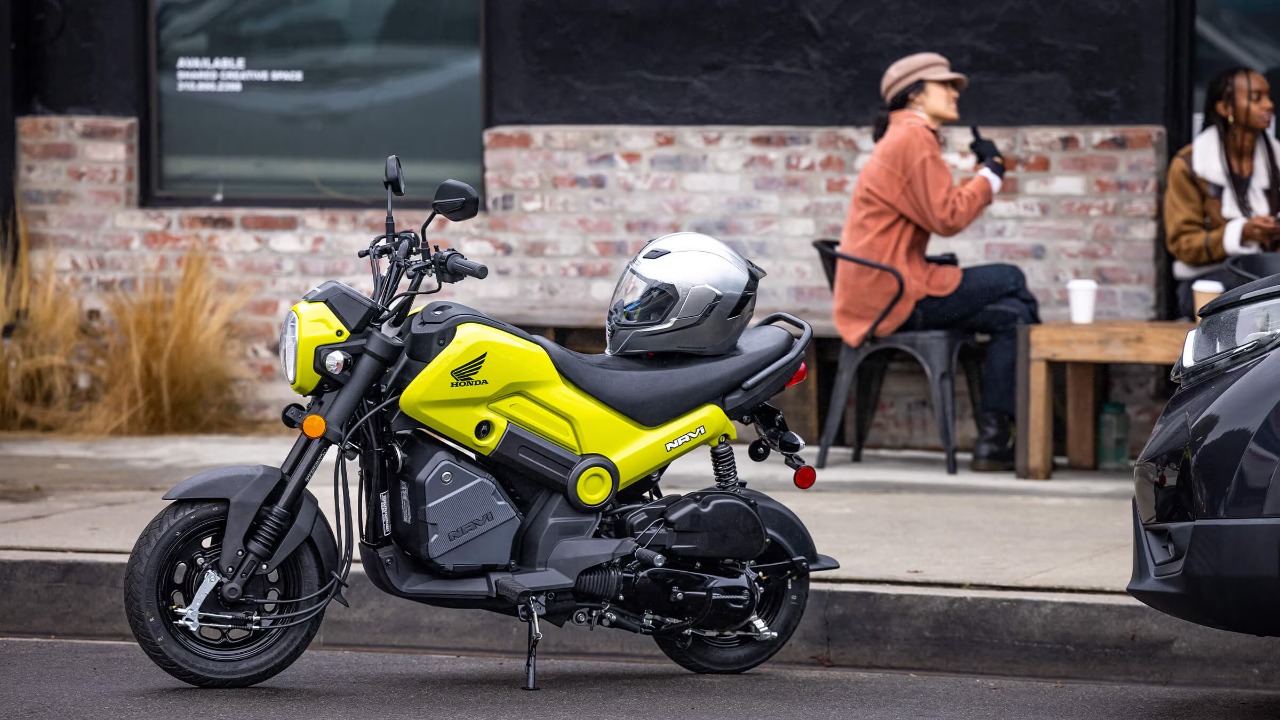
The U.S. motorcycle market is showing an unusual split in 2026. While several traditional motorcycle categories continue to struggle, smaller and more versatile machines are attracting a growing share of buyers.
The trend became particularly clear in the Motorcycle Industry Council’s 2025 retail data. Sportbike sales increased 13%, and MIC research director Buckner Nesheim said all of that category’s growth came from motorcycles with engines below 750cc. Adventure motorcycles are showing a similar pattern, with models under 600cc increasing 10% during 2025.
That is happening while the wider market remains under pressure. According to MIC data reported by Powersports Business, U.S. motorcycle and ATV retail sales declined in 2025, with motorcycle sales facing a particularly difficult environment. Touring motorcycle sales fell 13%, while cruiser sales declined 6%.
The shift is not simply about displacement. Smaller motorcycles are increasingly being positioned as practical, affordable, and genuinely capable alternatives to the large machines that traditionally dominated American motorcycle culture.
For buyers, that creates an interesting situation. A rider shopping for a new motorcycle may find that a smaller adventure bike or middleweight sportbike offers stronger value and broader usability than a large-displacement machine.
At the same time, buyers looking for used cruisers and touring motorcycles may have more negotiating power because those segments have weakened. The result is a motorcycle market that is changing from the bottom up.
Why Smaller Motorcycles Are Gaining Ground
The strongest evidence comes from the MIC’s category data. Sportbike sales grew 13% in 2025, but the increase was concentrated entirely among motorcycles below 750cc. That is significant because sportbikes have historically included many larger machines designed around high performance and experienced riders.
The current growth suggests manufacturers are finding a larger audience for lighter and less expensive performance motorcycles.
Adventure motorcycles tell a similar story. The category has grown 52% since 2019, according to MIC data, while the strongest recent growth has come from smaller-displacement models. Adventure bikes under 600cc increased 10% in 2025.
These motorcycles appeal to riders who want more versatility without moving into the weight, price, and complexity of larger adventure machines.
A smaller adventure motorcycle can be easier to handle in traffic, easier to pick up after a low-speed tip-over, and generally less intimidating for newer riders. It can also provide enough performance for highway travel while remaining useful on dirt roads and trails. That versatility is becoming increasingly valuable.
The same principle applies to smaller sportbikes. A 400cc or 500cc motorcycle may not have the outright acceleration of a 1,000cc superbike, but it can still provide enough performance for everyday riding while costing less to purchase, insure, and operate.
The financial side is particularly important. Motorcycles have become more expensive, and financing costs have increased alongside broader borrowing costs.
MIC data shows that smaller-displacement motorcycles are generally more affordable and easier to insure, which can make them attractive to younger riders and people returning to motorcycling after a long break. Manufacturers have also responded by giving smaller bikes better equipment.
Modern middleweight motorcycles can come with sophisticated electronics, smartphone connectivity, traction control, ride modes, ABS, and high-quality suspension.
That means buyers are not necessarily sacrificing technology simply because they choose a smaller engine. Triumph provides a good example of how manufacturers are responding to this demand.
The company’s 400cc platform has become an important part of its global motorcycle strategy, with models such as the Speed 400 and Scrambler 400 X bringing the brand into a lower-displacement segment. The platform gives Triumph a way to compete for riders who may not want a traditional heavyweight or large-displacement motorcycle.
That approach reflects a larger change in the industry. Manufacturers are increasingly using smaller motorcycles to reach new riders instead of expecting beginners to eventually enter motorcycling through expensive large machines.
The Market Is Moving Away From Traditional Heavyweights
The growth of smaller motorcycles becomes even more obvious when compared with the performance of traditional categories.
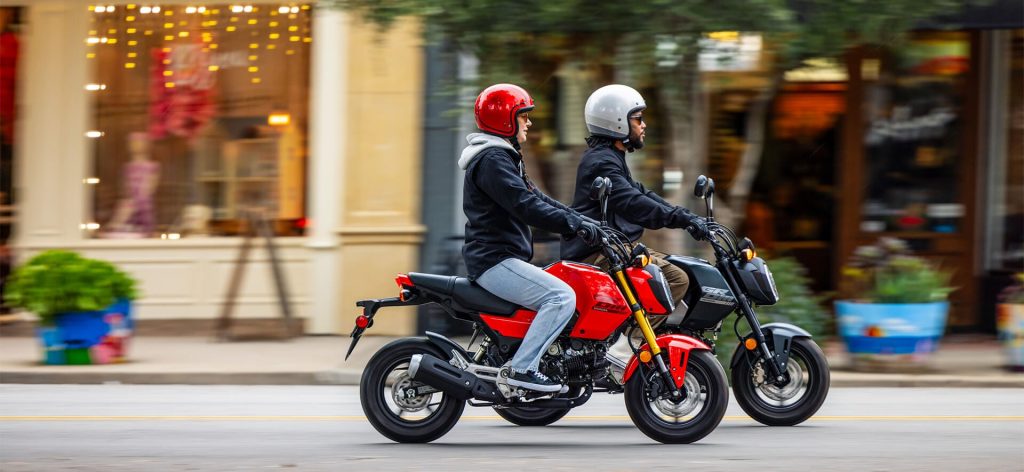
Touring motorcycles fell 13% in 2025, while cruisers declined 6%. At the same time, MIC research shows that sportbikes gained seven percentage points of market share since 2019, while off-highway-capable categories such as adventure, dual-sport, trail, and off-road competition motorcycles collectively gained eight percentage points.
That represents a meaningful change in what American riders are buying. Traditional on-highway categories have collectively lost market share since 2019, while motorcycles that emphasize versatility and performance have gained ground.
There are several reasons for that shift. One is demographics. The traditional American motorcycle customer has historically been associated with larger cruisers and touring motorcycles, but manufacturers are trying to attract younger riders and more women into the market.
Smaller motorcycles are generally easier to manage and less expensive, making them more approachable. Another factor is how people use motorcycles.
A large touring motorcycle makes sense for someone regularly traveling hundreds of miles with luggage and a passenger. But many riders do not need that capability.
For commuting, weekend riding, and occasional trips, a lighter motorcycle can be more convenient.
Adventure motorcycles have benefited particularly strongly because they combine several roles. A rider can commute during the week, travel on the highway during the weekend, and explore unpaved roads without owning separate motorcycles for each purpose.
That broad usefulness is one reason adventure motorcycles have remained one of the industry’s strongest categories.
The broader U.S. market is showing signs of stabilization, too. MotorcyclesData reported 286,505 motorcycle units sold through July 2026, up 0.9% from the same period a year earlier. That is modest growth, but it represents an improvement after declines in both 2024 and 2025.
Within that relatively flat market, manufacturers that offer smaller and more versatile motorcycles have an opportunity to capture customers who might otherwise postpone buying.
What This Means for Motorcycle Buyers
The changing market creates different opportunities depending on what a buyer wants. Someone shopping for a new sportbike may find the middleweight segment particularly attractive. A motorcycle below 750 cc can provide strong performance without the cost, weight, and extreme performance characteristics associated with larger superbikes.
For newer riders, the appeal is even stronger. A lighter motorcycle can make low-speed maneuvering easier and reduce the physical demands of everyday riding.
Adventure buyers also have more choices than they did a decade ago. The growth of sub-600cc adventure motorcycles means riders no longer have to move directly from a small beginner bike into a 900cc or 1,000cc machine to get genuine touring and off-road capability.
There is also an interesting opportunity in the used market. The decline in traditional cruiser and touring sales can give buyers greater negotiating power when shopping for used large-displacement motorcycles.
Owners who are moving toward adventure, sport, or smaller motorcycles may be competing with more sellers in those older categories.
That does not mean every large cruiser is suddenly cheap or that values are falling universally. Condition, mileage, model reputation, and local demand still matter enormously.
But the market direction gives buyers more leverage than they might have had during periods when large motorcycles dominated consumer demand. Smaller bikes may present the opposite situation.
When a particular model becomes popular, strong demand can help support resale values, particularly when the motorcycle has low running costs and broad appeal. Buyers should therefore not assume that a smaller engine automatically means a motorcycle will depreciate faster.
The biggest lesson from the latest data is that engine size is becoming less important than what the motorcycle can do.
A 400cc motorcycle today can be technologically advanced, highway-capable, and genuinely entertaining. A 600cc adventure bike can provide enough range and performance for many riders without the bulk of a much larger machine.
That helps explain why the U.S. motorcycle market is changing even though total sales remain relatively stable. The industry is not simply losing buyers. It is seeing buyers shift between categories.
The MIC data highlights this distinction clearly. While the motorcycle market as a whole faced a downturn, sportbikes recorded 13% growth, adventure motorcycles have seen significant expansion since 2019, and smaller models have played a major role in that growth.
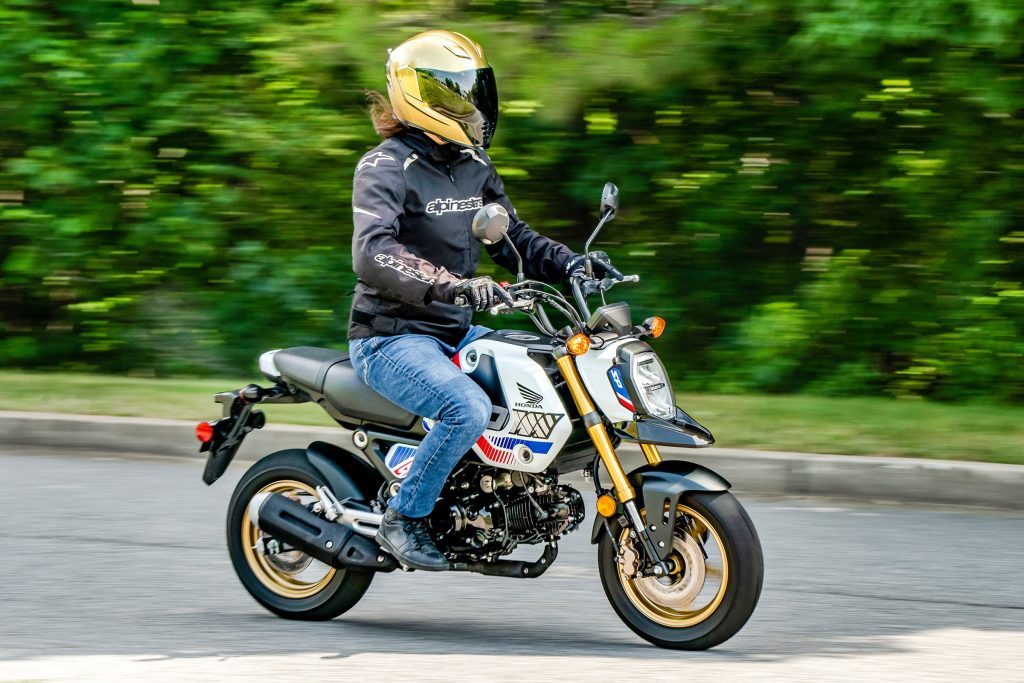
For manufacturers, the takeaway is straightforward. There is still room for growth, but it may not depend on building larger or more powerful motorcycles. For buyers, this shift could bring even greater benefits.
A smaller motorcycle can now provide the performance, electronics, comfort, and versatility that once required a substantially larger machine. Meanwhile, the softening demand for traditional cruisers and touring bikes could create attractive opportunities in the used market.
The American motorcycle industry is therefore entering an interesting phase. The future of growth may not belong to the biggest engines or the heaviest motorcycles.
It may belong to machines that are easier to afford, easier to ride, and capable of doing several jobs at once. And if the latest MIC figures are any indication, that shift is already underway.