
Vehicle theft is not determined only by how valuable a vehicle is or how popular it becomes. The security hardware fitted at the factory can make a major difference.
An electronic immobilizer is designed to prevent the engine from starting unless the vehicle recognizes an authorized key or electronic credential. HLDI research found that passive immobilizers had become standard on 97 percent of vehicle series by 2021, yet Hyundai and Kia lagged behind other manufacturers for years.
Some 2015 to 2019 models were sold with immobilizers optional or unavailable, helping create a major theft problem later amplified by social media.
5 Vehicles That Shipped Without an Immobilizer
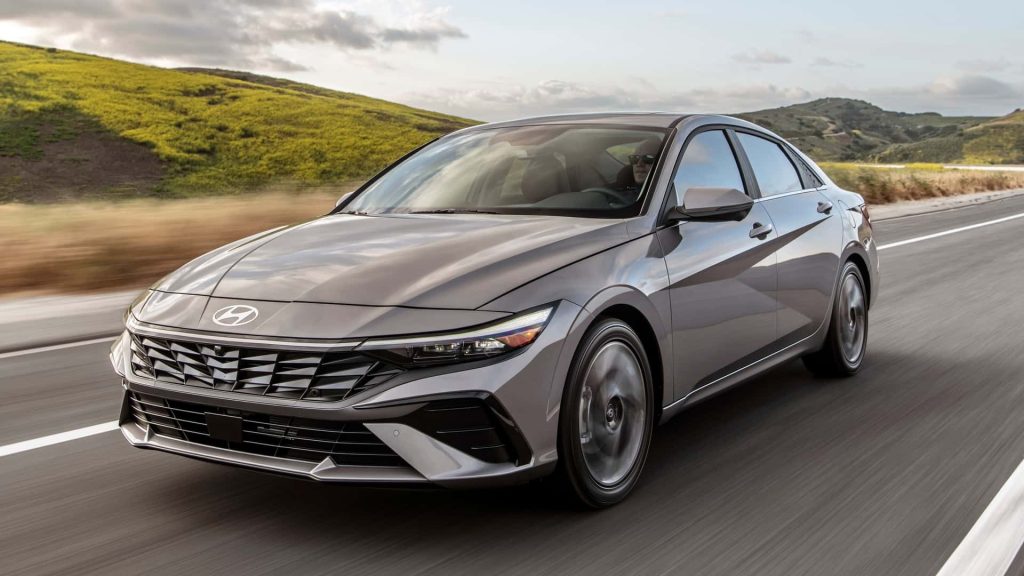
1. Hyundai Elantra
The Hyundai Elantra is one of the clearest examples of how the immobilizer issue affected an ordinary, high-volume compact car.
HLDI’s study lists the Elantra sedan among Hyundai vehicles for which passive immobilizers were optional rather than standard across the 2015 through 2019 model years. The Elantra GT was also included in the study with optional immobilizer availability.
That equipment gap mattered because the Elantra was not an exotic or unusually expensive vehicle. It was a mainstream compact sedan that could be found in large numbers across the United States. A security weakness affecting a high-volume model can create a much larger practical problem than a similar flaw on a rare vehicle.
HLDI’s research found that Hyundai and Kia vehicles without standard immobilizers experienced a dramatic rise in theft claim frequency beginning during the pandemic period. The organization specifically linked the increase to the lack of standard passive immobilizers and the spread of instructional theft videos through social media.
The important point for an Elantra owner today is that model year alone does not tell the complete story. HLDI’s table shows that immobilizer availability changed by year and configuration.
A buyer of a used Elantra should therefore verify the vehicle’s exact equipment rather than assuming that every Elantra from a particular generation has identical theft protection.
Hyundai later included many Elantra vehicles in its theft-deterrent software campaign. HLDI’s 2024 study lists Elantra four-door models from 2011 through 2022 among the VINs eligible for the upgrade.
That later intervention changes the present-day risk picture, but it does not erase the historical reason these vehicles became such prominent theft targets.
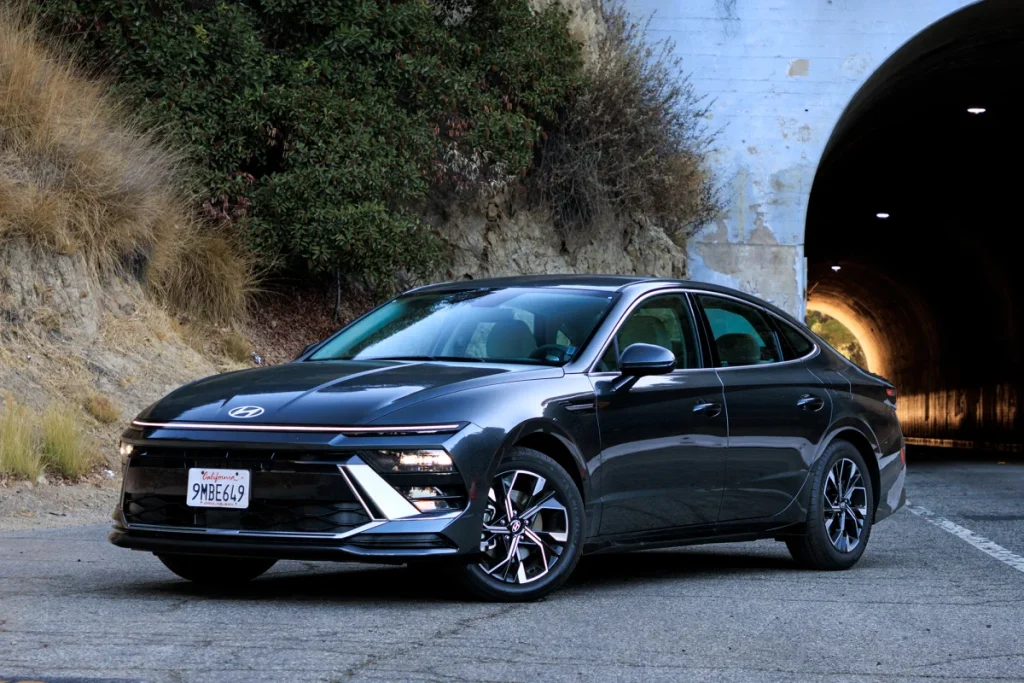
2. Hyundai Sonata
The Hyundai Sonata provides another example of a midsize vehicle being sold during years when passive immobilizers were not consistently standard. HLDI’s 2015 to 2019 study lists the Sonata as having an optional passive immobilizer throughout those model years rather than making it standard across the series.
This is particularly significant because the Sonata was a mainstream family sedan rather than a performance-oriented vehicle. Its theft problem therefore demonstrated that thieves did not necessarily need a high-value luxury vehicle as a target. Ease of unauthorized starting could itself become a major attraction.
HLDI’s research found that theft claim frequency for affected Hyundai and Kia vehicles increased sharply during 2021. In its original analysis, claim frequency and total theft losses for the affected group were approximately twice the levels recorded during the comparable 2019 period.
The increases varied considerably by state, with especially large increases reported in Wisconsin and Colorado.
The Sonata was also among the vehicles later eligible for Hyundai’s anti-theft software campaign. HLDI’s 2024 analysis lists Sonata models from 2011 through 2019 among eligible Hyundai vehicles.
That is an important distinction when discussing a used Sonata today. The security equipment that came with the vehicle originally is not necessarily the only protection it has now. An eligible car may have received the software update, changing its theft-deterrent behavior.
NHTSA explained that the software update altered the alarm and starting logic so that affected vehicles would require the key to be present in the ignition before the engine could start. Hyundai also provided theft-deterrent window stickers as part of the campaign.
The Sonata therefore represents both sides of the story. During the affected period, some vehicles left the factory without a standard passive immobilizer, followed by a broad manufacturer response after thefts became widespread.
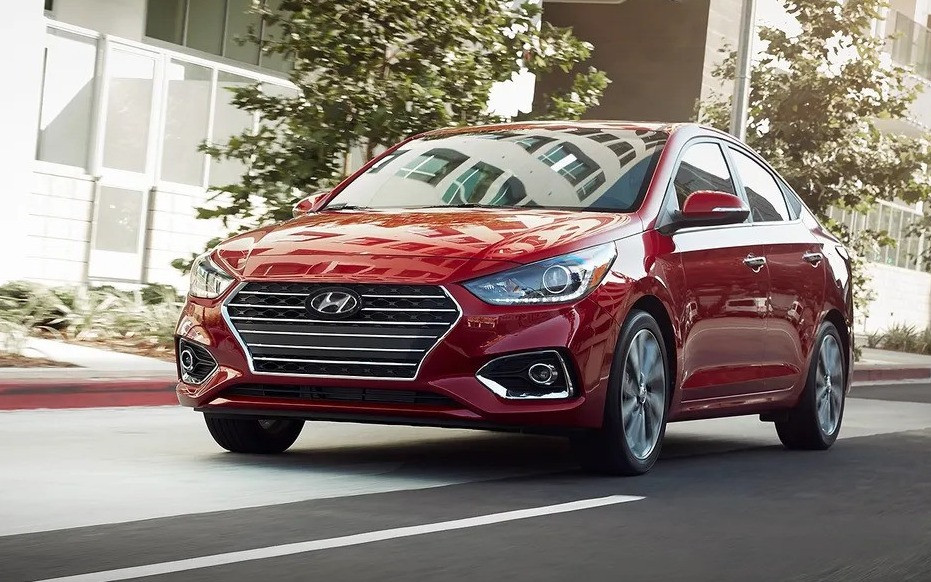
3. Hyundai Accent
The Hyundai Accent was another affected Hyundai model, although its immobilizer situation varied more clearly by model year. HLDI’s study shows the 2015 through 2017 Accent sedan with the immobilizer unavailable, while the 2018 and 2019 versions had the device available as an option.
That progression is useful because it shows why broad statements such as “all accents lacked immobilizers” would be inaccurate. The factory equipment changed. HLDI’s methodology specifically separated standard, optional, and unavailable configurations rather than treating every vehicle in a nameplate as identical.
The Accent’s small size and relatively modest price did not protect it from the theft trend. The wider Hyundai and Kia problem became so severe that theft prevention eventually required a manufacturer campaign covering millions of vehicles.
The Accent was among the Hyundai models included in the later software upgrade program. HLDI’s VIN-based study lists Accent sedans from the 2018 through 2022 model years among vehicles eligible for the upgrade.
The difference between original factory equipment and subsequent software protection is important when evaluating a used example. A vehicle that left the factory without a passive immobilizer can later receive a theft-deterrent modification. That does not change what equipment was originally installed, but it can change the vehicle’s security status today.
The Accent also demonstrates why buyers should check the VIN when researching an older Hyundai. Looking only at the model name is not enough. Trim, production year, equipment availability, and completion of the security campaign can all matter.
HLDI’s broader research supports the importance of that distinction. The organization found that theft claim frequencies for affected Hyundai and Kia vehicles began falling after the software campaign was introduced.
Vehicles that received the update had claim frequencies 53 percent lower than eligible vehicles without the upgrade in the data analyzed through December 2023.
The Accent’s story is therefore less about labeling an entire nameplate as unsafe and more about understanding the security equipment attached to a particular vehicle.
4. Kia Forte
The Kia Forte demonstrates that the immobilizer problem was not limited to Hyundai. HLDI’s study lists the Forte sedan as having a passive immobilizer available as an option from 2015 through 2019 rather than as standard equipment. The Forte two-door and station wagon versions also had years in which the system was optional or unavailable.
That distinction helps explain why Kia became closely associated with the theft trend. The problem was not a single defective component across every vehicle. It was the absence of standard passive immobilization on numerous configurations, combined with the way thieves learned to exploit that weakness.
HLDI’s research found that many affected Hyundai and Kia vehicles were nearly twice as likely to have whole-vehicle theft claims as vehicles from other manufacturers in the 2015 to 2019 group. The organization linked that difference to the lack of electronic immobilizers and the viral spread of theft instructions.
The Forte was later included in Kia’s anti-theft software campaign. HLDI’s VIN analysis lists Forte two-door models from 2014 through 2016 and four-door models from 2014 through 2021 among vehicles eligible for the upgrade.
This means a used Forte cannot be judged properly from the badge alone. A buyer should establish the model year, inspect the ignition system, and verify whether the applicable theft-deterrent campaign was completed.
There is also an important insurance consideration. HLDI measures theft losses through comprehensive insurance claims, meaning the data reflects insured vehicles rather than simply counting police reports. That makes the results particularly useful for understanding how security weaknesses affected insurance losses.
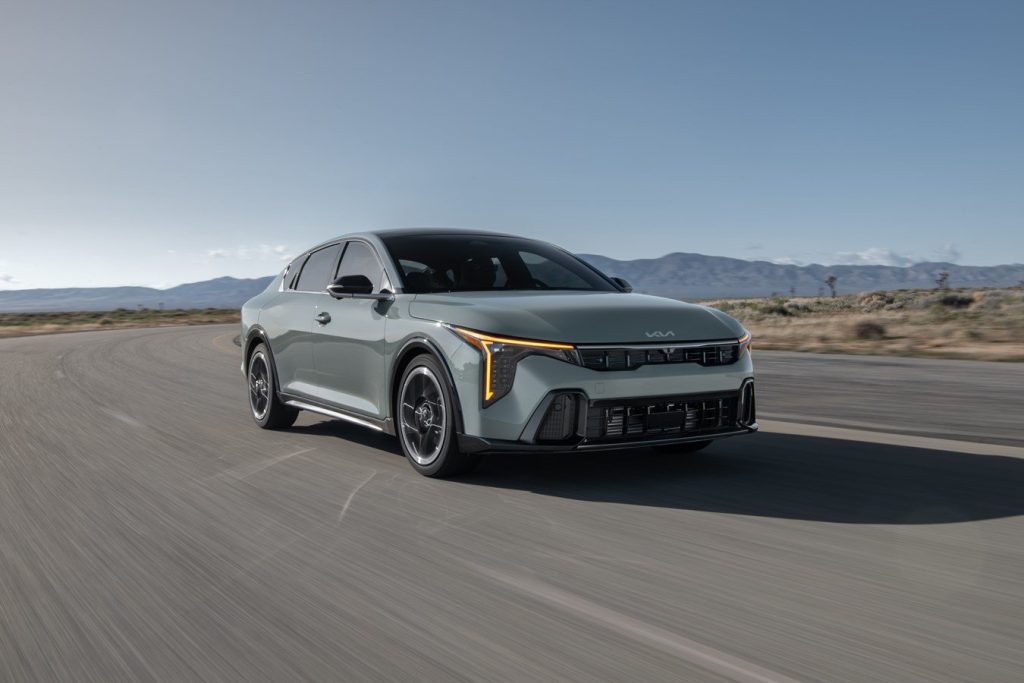
The Forte is therefore one of the most relevant examples for understanding the Hyundai and Kia story. It was a conventional compact sedan whose factory security configuration could differ substantially from what buyers might assume from the presence of a conventional key and alarm.
The later software response reduced the risk for participating vehicles, but the original equipment gap remains an important fact for anyone researching these used cars.
5. Kia Soul
The Kia Soul became another prominent name in the immobilizer controversy. HLDI’s 2015 to 2019 study lists the Soul as having an optional passive immobilizer across the study period rather than making the technology standard.
The Soul’s boxy design and distinctive appearance made it easy to recognize, but appearance had little to do with the theft issue. The important factor was its underlying security configuration.
HLDI found that the lack of standard immobilizers in affected Hyundai and Kia vehicles created a measurable theft disadvantage compared with vehicles from other manufacturers. The institute had already documented substantial theft reductions after passive immobilizers were introduced in other vehicle lines.
The Soul was included in Kia’s later software campaign. HLDI’s VIN study lists 2020 through 2022. Soul models were among the Kia vehicles eligible for the upgrade, illustrating how the campaign extended beyond the exact 2015 to 2019 vehicles used in HLDI’s original study.
That expansion is important because the theft issue evolved over several model years rather than stopping at one specific production cycle.
Owners also received additional physical deterrence in some cases. NHTSA said Hyundai and Kia distributed more than 26,000 steering-wheel locks through law-enforcement agencies in 12 states while the software campaign was being rolled out.
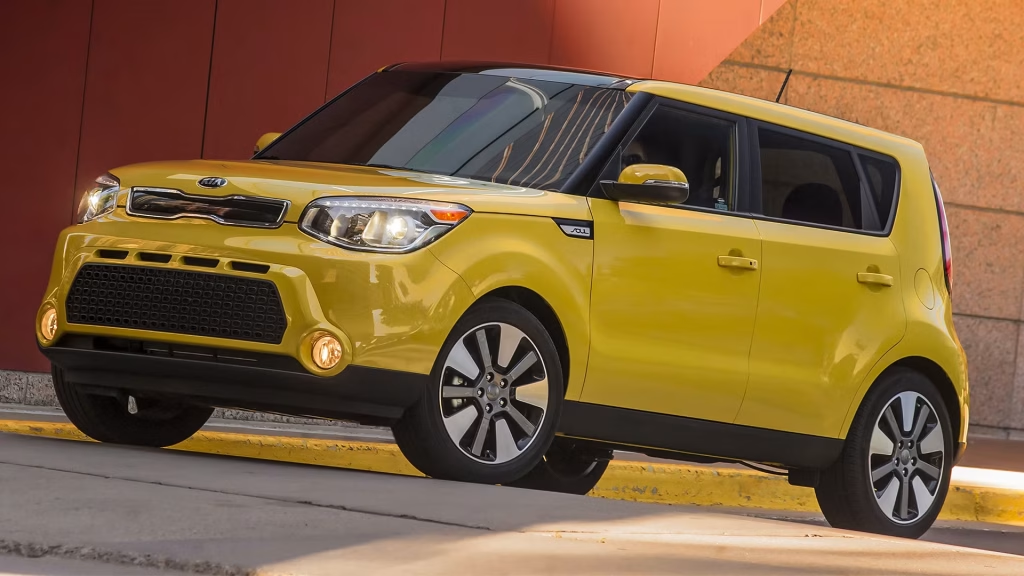
The Soul therefore illustrates the difference between immobilization and general anti-theft equipment. An alarm can attract attention, a steering-wheel lock can create a physical barrier, and a tracking system can help recover a stolen vehicle. An immobilizer addresses a different problem by preventing unauthorized starting.
That distinction is exactly why the factory immobilizer became so important in the Hyundai and Kia case.
5 Vehicles That Had an Immobilizer Standard
1. Toyota Camry
The Toyota Camry demonstrates how passive immobilization had become ordinary equipment on a mainstream family sedan. Toyota’s 2015 Camry materials list the engine immobilizer as standard across the model’s trim lineup.
That is significant when compared with the Hyundai and Kia vehicles discussed earlier. Both were mainstream sedans sold to similar categories of buyers, yet their manufacturers took different approaches to standard immobilizer availability during the relevant period.
The Camry’s immobilizer worked as part of a broader anti-theft strategy. Toyota also offered alarm and connected security features on certain versions, but the immobilizer itself was already standard.
This is exactly the kind of factory-installed protection that HLDI’s research suggests can reduce theft losses. Earlier HLDI studies found substantial reductions after passive immobilizers were introduced, and the institute continued to track the relationship as adoption spread throughout the industry.
The Camry example also shows why a vehicle’s theft profile cannot be inferred simply from popularity. A highly common vehicle may still have relatively effective factory protection if the manufacturer equips it with an immobilizer.
It is also worth separating whole-vehicle theft from theft of parts or contents. HLDI’s insurance data can include several types of theft losses, while immobilizers primarily address unauthorized operation of the vehicle itself.
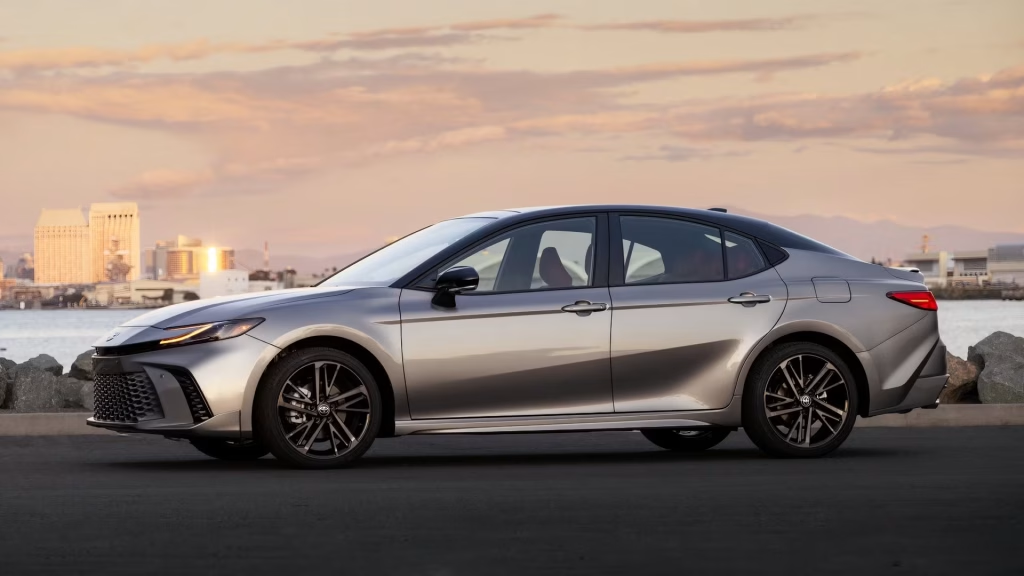
For buyers examining an older Camry, the exact model year and equipment should still be verified. Technology changes, and aftermarket modifications can affect security.
The larger lesson is straightforward. Toyota had already treated immobilization as standard equipment on the 2015 Camry, while Hyundai and Kia had not done so across many comparable vehicle series. That difference became especially visible years later when thieves began targeting vehicles that lacked the protection.
The Camry therefore provides a useful benchmark for what standard factory immobilization looked like in a mainstream sedan.
2. Honda Civic
The Honda Civic offers another strong example of a mainstream car equipped with an engine immobilizer. For the 2015 Civic sedan, published specifications identify the engine immobilizer as standard equipment, along with a standard remote anti-theft alarm system.
Honda’s approach is particularly relevant because HLDI had studied the Civic before the Hyundai and Kia theft crisis. HLDI noted that thieves had previously targeted older Civic and Accord model years that lacked immobilizers, while newer versions benefited from the technology.
That historical comparison provides a useful real-world illustration. Adding an immobilizer did not make the Civic impossible to steal, but the technology changed the method required to defeat the vehicle’s starting system.
The 2015 Civic’s standard immobilizer was part of a larger factory security package. The vehicle also incorporated an alarm system, meaning the immobilizer and audible deterrence served different purposes.
The distinction matters because drivers sometimes treat every anti-theft feature as interchangeable. It is not. An alarm can notify people nearby that unauthorized entry may be occurring. An immobilizer is intended to stop the engine from being started without the correct authorization.
NHTSA similarly separates immobilizing devices from audible and visible anti-theft devices in its theft-prevention guidance.
The Civic’s inclusion in this discussion is therefore not about declaring it immune to theft. Instead, it shows what happened when a manufacturer made electronic immobilization part of the standard specification.
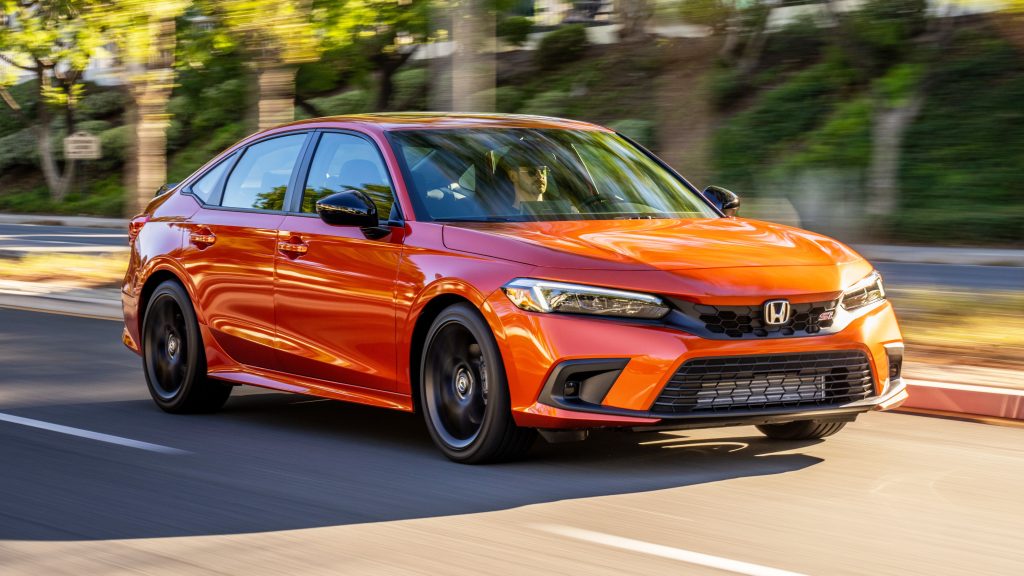
For used buyers, verifying the exact model year remains sensible. Security technology can vary across generations, and the presence of an immobilizer on one Civic does not automatically prove identical equipment on every older or newer Civic.
Still, the 2015 Civic provides a clear documented example of a mainstream vehicle with an engine immobilizer listed as standard.
That makes it a useful counterpoint to the affected Hyundai and Kia models, where comparable vehicles could leave dealerships without passive immobilizer protection.
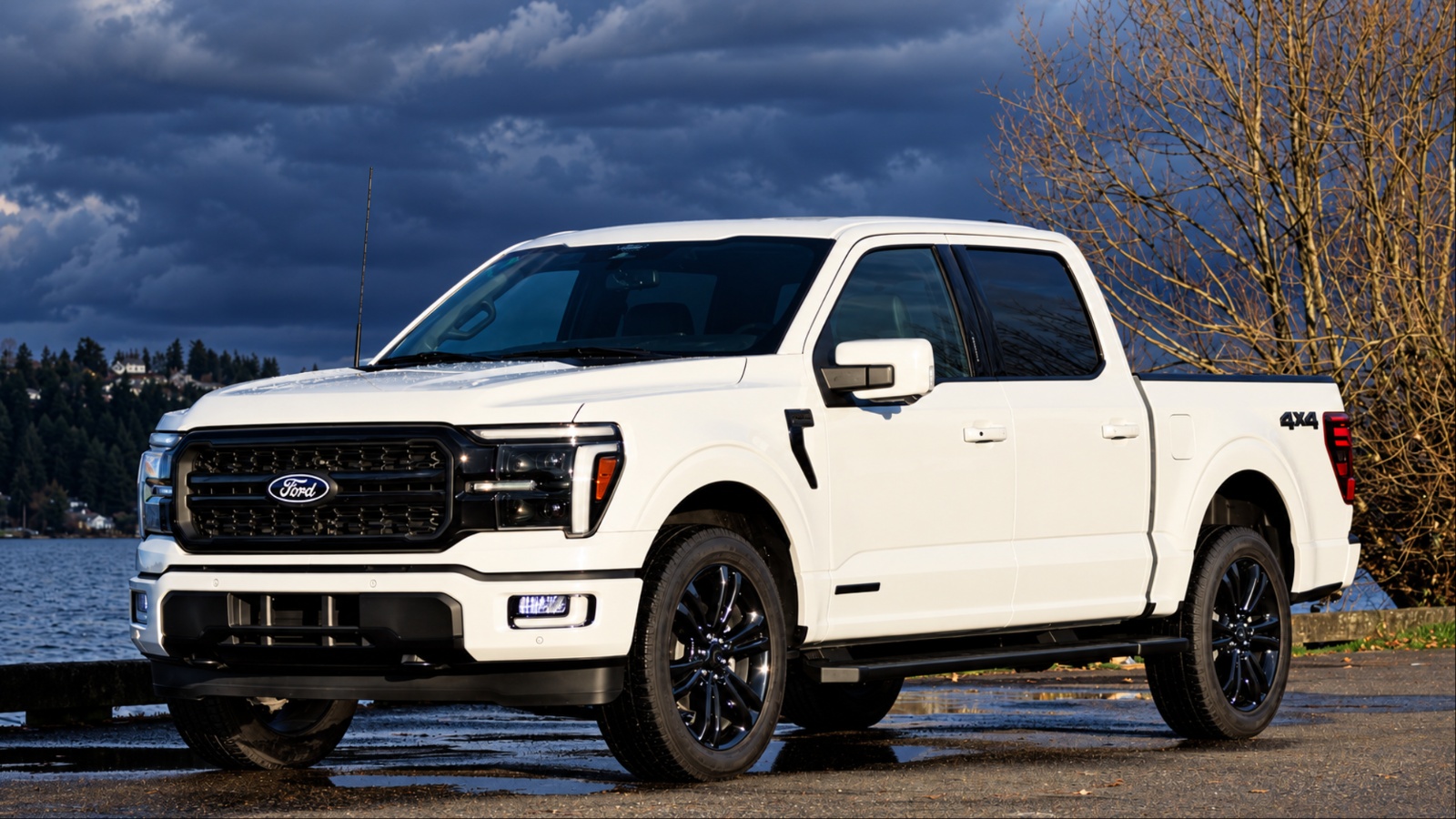
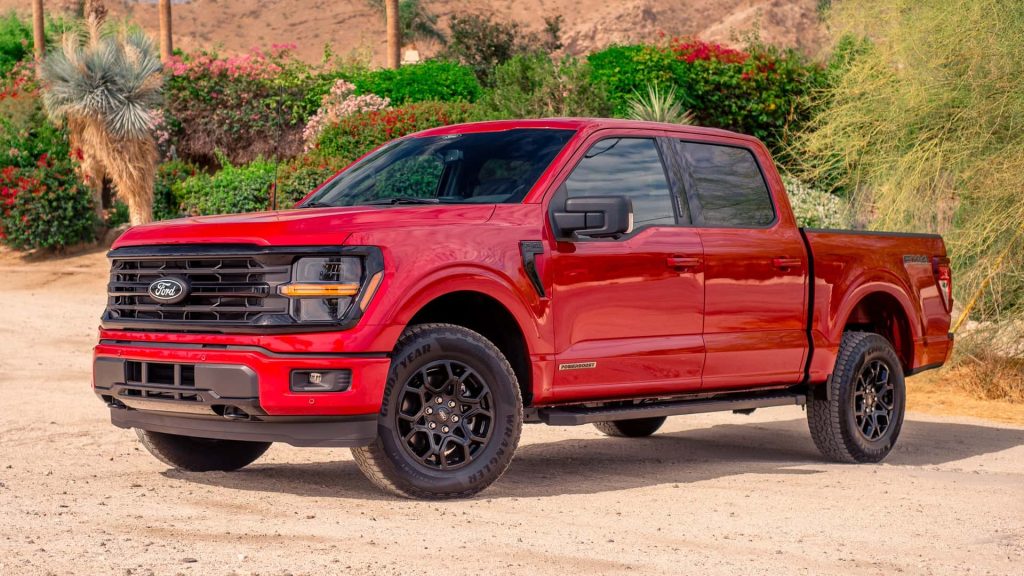
3. Ford F-150
The Ford F-150 shows that standard immobilizers were not restricted to passenger cars. The 2015 F-150 specification lists an engine immobilizer as standard equipment, including on the entry-level XL configuration.
That matters because pickups have historically been attractive theft targets. HLDI’s research has repeatedly examined pickup theft losses, and the organization has also documented reductions associated with anti-theft technology.
In an earlier study, HLDI noted that the F-250 had a standard immobilizer during the 2010 through 2012 period even though it still recorded a high theft claim rate.
That example reinforces an important point. An immobilizer can prevent one method of theft, but it cannot eliminate every possible way a vehicle can be stolen.
The F-150’s factory security equipment therefore should not be interpreted as a guarantee that theft cannot occur. A determined thief can use other methods, including towing or exploiting other security weaknesses.
What the immobilizer does provide is a barrier against unauthorized starting through conventional methods. That is precisely the type of protection NHTSA describes when discussing immobilizing anti-theft systems.
The F-150 is also useful because its standard equipment applied even to a lower trim. That means the presence of the technology was not necessarily dependent on purchasing an expensive luxury package.
For used truck shoppers, the same principle applies as with cars. Confirm the model year, original equipment and condition of the security system rather than relying on assumptions.
The F-150’s inclusion also demonstrates why theft data must be interpreted carefully. A vehicle can have a standard immobilizer and still record substantial theft claims if it is extremely common, highly desirable for parts, or physically vulnerable to other forms of theft.
Security is therefore a layered system. The immobilizer addresses unauthorized engine operation, while alarms, locks, tracking systems and physical barriers can address different parts of the theft problem.
4. Chevrolet Silverado 1500
The Chevrolet Silverado 1500 provides another documented example of factory immobilization. The 2015 Silverado owner’s manual describes a passive theft-deterrent system and states that the vehicle is automatically immobilized when it is turned off.
The system does not require the driver to manually activate it. According to the owner’s manual, the vehicle automatically arms its immobilization function, and the system recognizes an authorized key before allowing normal operation.
That automatic operation is central to the concept of a passive immobilizer. The driver does not need to remember to activate a separate switch every time the truck is parked.
The Silverado is an especially useful example because HLDI’s theft research has historically included large pickups among vehicles with significant theft exposure. In an earlier HLDI report covering 2010 through 2012 vehicles, the Silverado 1500 crew cab recorded a high theft claim frequency despite having factory security technology.
Again, the lesson is not that immobilizers make theft impossible. They are one layer of protection.
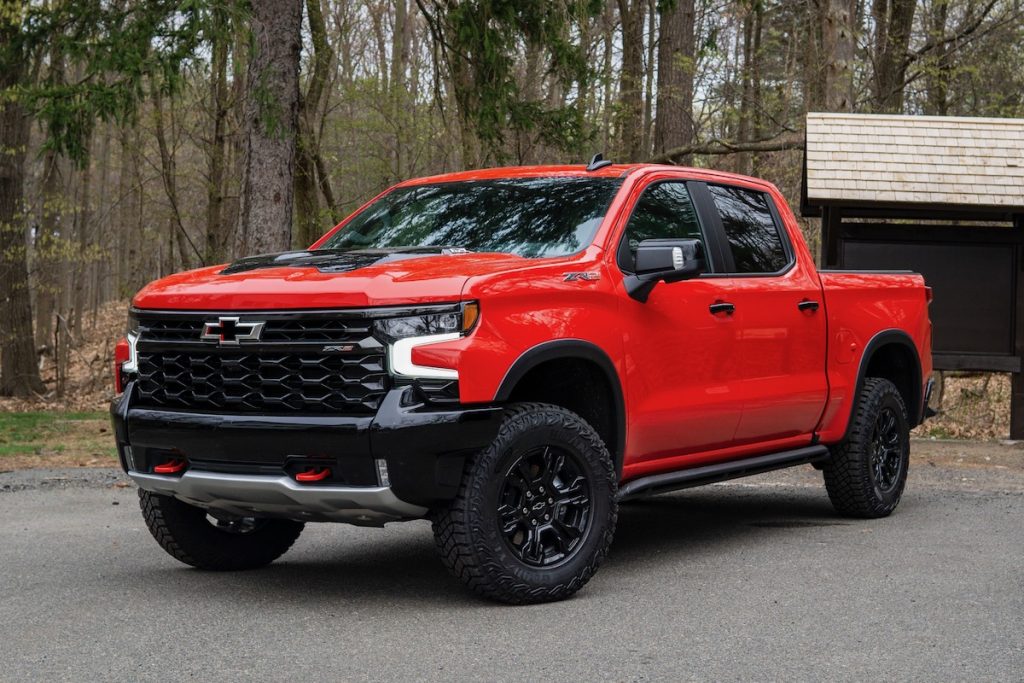
A large pickup can remain attractive because of its resale value, parts demand, accessories and sheer number of vehicles on the road. An immobilizer can stop certain unauthorized starting methods without preventing every conceivable form of theft.
For a used Silverado buyer, the presence of the factory system is therefore reassuring but should not replace sensible precautions. Parking location, key security, physical barriers and recovery technology can all add protection.
The Silverado’s factory documentation is particularly valuable because it describes the actual operation of the security system rather than relying on a generic equipment database.
That makes the 2015 model a strong example of a vehicle that shipped with passive immobilization as part of its standard theft-deterrent architecture.
It also highlights how far the industry had moved from earlier vehicles that could be more readily defeated through traditional ignition bypass techniques.
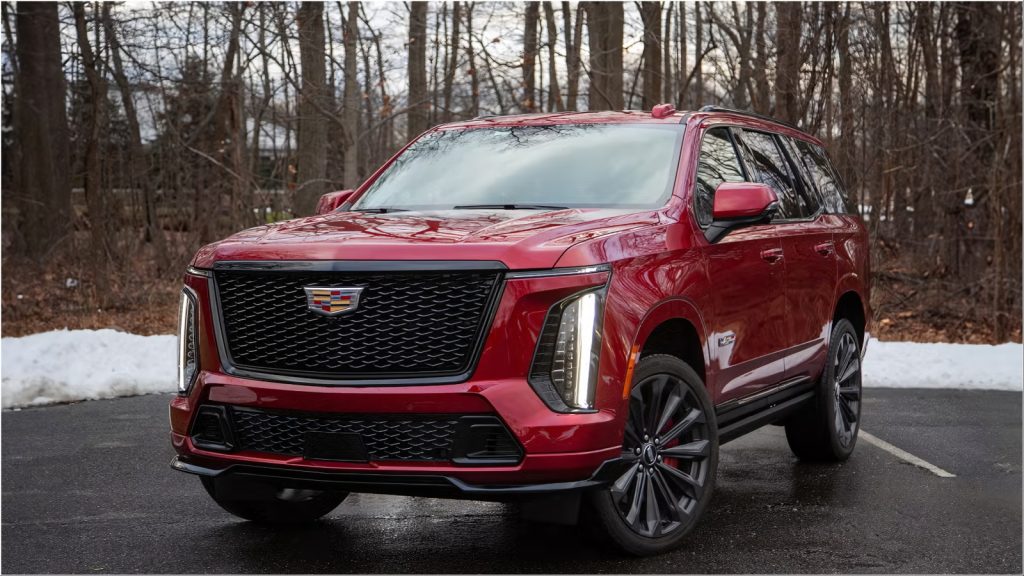
5. Cadillac Escalade
The Cadillac Escalade represents a more premium approach to vehicle security, but its history also shows why immobilizers alone are not enough. HLDI reported that the Escalade had a standard ignition immobilizer and later added additional security technology, including a steering column lock and inclination sensing.
HLDI specifically noted that the Escalade had always had a standard ignition immobilizer in the model years discussed in its 2013 theft report. The institute also observed that additional security equipment helped reduce the potential severity of some theft claims.
The Escalade is an interesting contrast to the Hyundai and Kia vehicles because it had standard immobilization even while thieves continued to target it. Its high value made it attractive enough that manufacturers needed multiple layers of protection.
That is an important lesson for today’s vehicle owners. An immobilizer is a foundational security device, not an absolute shield.
The technology prevents an unauthorized person from simply treating the ignition like an old-fashioned mechanical switch. But it cannot stop a vehicle from being loaded onto a trailer, nor can it prevent every type of key attack or component theft.
NHTSA’s vehicle-theft guidance similarly describes immobilizers as one category of protection alongside audible and visible devices and vehicle-recovery systems.
The Escalade therefore illustrates why factory security should be viewed as a system rather than a single feature.
Its standard immobilizer gave the vehicle a basic electronic barrier against unauthorized starting. Additional hardware and sensors provided other layers of protection.
For used buyers, that approach remains relevant. A vehicle equipped with a factory immobilizer is generally better positioned against simple ignition-bypass theft than an otherwise comparable vehicle without one, but the owner should still use the other security measures available.
The Escalade’s history also supports findings from HLDI’s broader research. Immobilizers are associated with lower theft losses, but a vehicle’s popularity, desirability, and other vulnerabilities can still affect theft rates.
