

Battery prices have fallen at a remarkable pace, changing the economics of electric vehicles along the way. A lithium-ion battery pack that cost well above $1,000 per kilowatt-hour around 2010 now costs close to $100 per kWh.
That decline has come from larger factories, higher production volumes, improved cell chemistry, better pack design, and intense competition among manufacturers. There have also been setbacks.
Battery prices increased in 2022 as lithium and other raw-material costs surged, proving that the trend is not perfectly linear. The figures below use BloombergNEF’s annual global volume-weighted battery-pack benchmark, with U.S. market context where available.
1. 2010: More Than $1,160 Per kWh
The starting point shows just how expensive lithium-ion technology once was. BloombergNEF’s historical data puts the average lithium-ion battery-pack price at approximately $1,160 per kWh in 2010.
Other BloombergNEF publications describe prices as being above $1,200 per kWh depending on the historical dataset and methodology used. The important point is that batteries were more than ten times as expensive as today’s packs.
For an EV requiring a hypothetical 60-kWh pack, a $1,160-per-kWh battery represented about $69,600 in battery cost alone. That is not the retail price of a battery or a vehicle, because pack costs are only one component of an automobile’s manufacturing cost, but the calculation demonstrates why mass-market EVs were difficult to build economically.
At that time, lithium-ion batteries were already being used in consumer electronics, but automotive applications demanded far larger quantities of cells, greater durability, and sophisticated thermal and electrical management.
The industry also lacked today’s enormous manufacturing scale. EV demand was tiny compared with the market that exists now, so battery manufacturers could not spread development, tooling, and factory expenses across millions of vehicle packs.
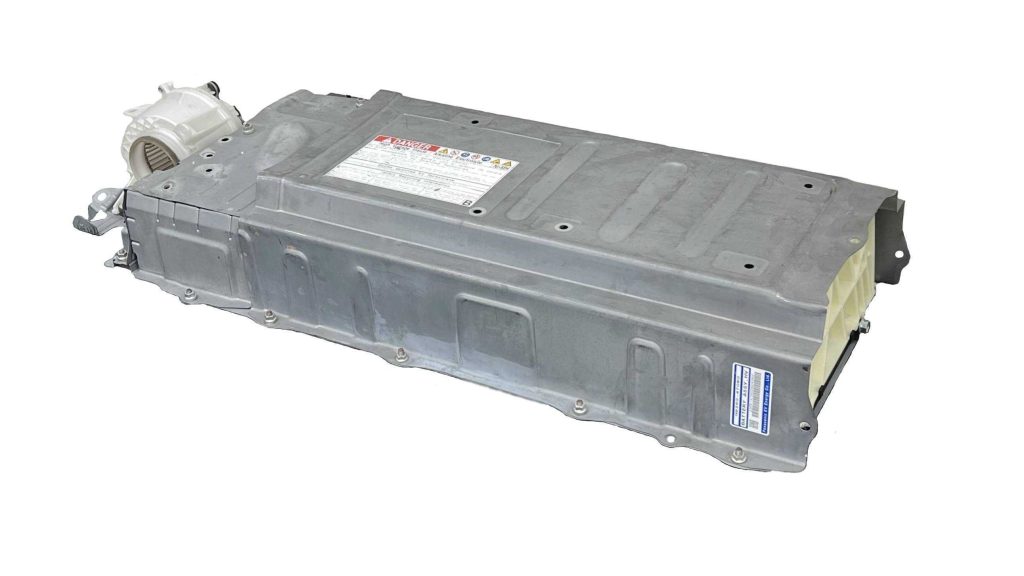
That $1,160-plus starting point makes the subsequent decline especially dramatic. BloombergNEF says the average pack price fell by about 93% in real terms between 2010 and 2025. The transformation did not come from one breakthrough alone.
It was the cumulative result of manufacturing scale, chemistry improvements, better energy density, increased competition, and increasingly efficient pack construction.
2. 2017: $209 per kWh
By 2017, battery technology had crossed an important economic threshold. BloombergNEF reported an average lithium-ion battery-pack price of $209 per kWh, down substantially from the approximately $1,000-plus level recorded earlier in the decade.
The change was not simply a matter of manufacturers deciding to reduce prices. Battery production itself was becoming more efficient. EV manufacturers were ordering larger quantities, factories were increasing output, and cell technology was improving.
BloombergNEF noted that battery-pack prices had fallen from $273 per kWh in 2016 to $209 per kWh in 2017. That represented a decline of roughly 23.4% in a single year.
Raw materials still presented a challenge. Lithium carbonate prices were rising, and cobalt costs were becoming a concern, yet battery prices continued falling because improvements elsewhere in the supply chain were powerful enough to offset those pressures.
For U.S. consumers, this period was important because automakers were beginning to treat battery-electric vehicles as something more than small-volume technology demonstrations. Models such as the Chevrolet Bolt EV had entered the market, offering substantially more range than many earlier mass-market electric cars.
The battery itself remained expensive, but the economics were moving in the right direction. A 60-kWh pack at $209 per kWh would imply approximately $12,540 in pack cost before accounting for vehicle manufacturing and all other expenses.
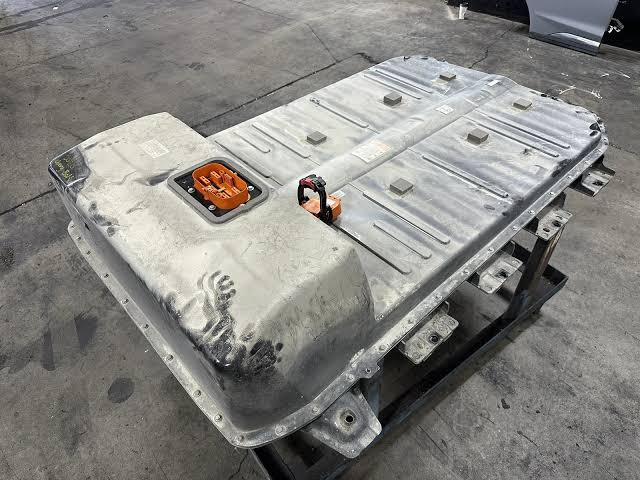
That was still significant, but it was dramatically different from the economics of 2010. Battery prices were becoming low enough to support vehicles with practical driving ranges without making the battery itself an overwhelmingly large portion of the manufacturing bill.
3. 2018: $176 per kWh
The decline continued into 2018, when BloombergNEF recorded an average battery-pack price of $176 per kWh. That represented an additional reduction of roughly 16% from the 2017 figure. BloombergNEF said the average pack price had fallen 85% from 2010 to 2018.
The importance of the $176 per kWh figure goes beyond the number itself. Battery manufacturers were seeing the benefits of higher production volumes, which helped factories and suppliers improve efficiency and reduce costs.
BloombergNEF estimated a battery learning rate of approximately 18%. In simple terms, the analysis found that battery prices tended to fall by about 18% for every doubling of cumulative production volume.
That relationship helps explain why EV expansion could create a feedback loop. More electric vehicles meant more batteries had to be manufactured. Higher production encouraged investment in factories and technology. Better factories reduced manufacturing costs, making future EVs more commercially attractive.
The chemistry itself was changing too. Higher-energy-density cathodes were becoming increasingly important, allowing manufacturers to extract more usable energy from a given amount of battery material.
For a hypothetical 60-kWh pack, the $176-per-kWh benchmark would correspond to approximately $10,560 in pack cost. Again, this is not the price a U.S. customer would pay to replace a battery, nor is it a direct estimate of an EV’s manufacturing cost. It is an industry benchmark for battery packs.
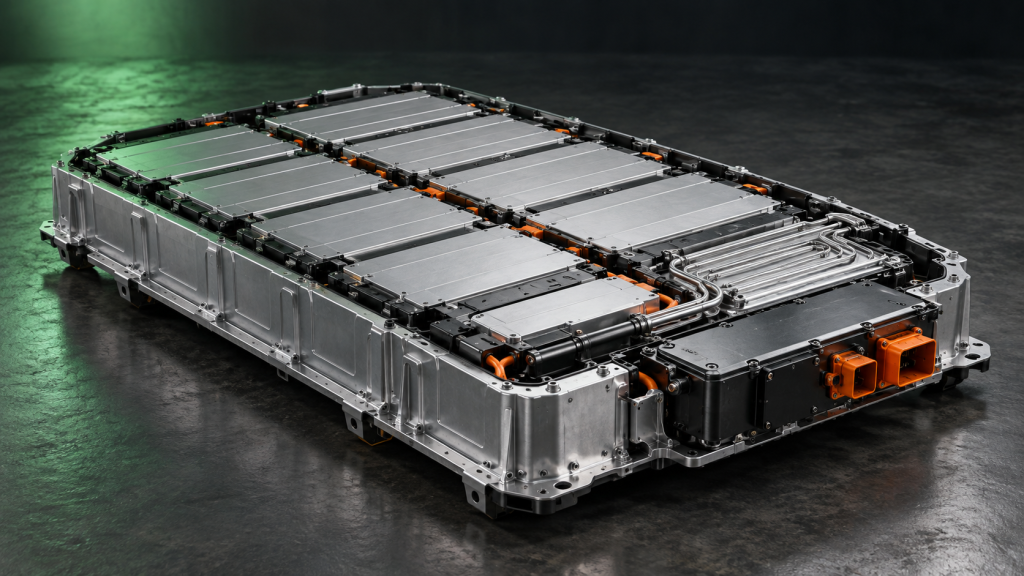
The decline from more than $1,000 per kWh earlier in the decade to $176 by 2018 showed that battery technology was becoming dramatically more economical. It also helped convince automakers that larger electric vehicles were commercially possible.
4. 2019: $156 per kWh
Battery prices dropped another 11% in 2019, reaching $156 per kWh according to BloombergNEF. The organization said prices had fallen 87% in real terms from their 2010 level.
This was an important year because battery production was increasingly being shaped around electric transportation rather than remaining primarily associated with consumer electronics. BloombergNEF attributed the 2019 decline to larger orders, growing BEV sales, and continued adoption of high-energy-density cathode materials.
The effect becomes easier to understand when translated into battery size. A hypothetical 60-kWh pack at $156 per kWh would represent about $9,360 in pack cost. A 100-kWh pack would correspond to $15,600 at the same benchmark.
Those numbers help explain why automakers could begin offering electric vehicles with increasingly useful driving ranges. Battery capacity was no longer limited solely by the enormous cost of every additional kilowatt-hour.
At the same time, manufacturers were making another important breakthrough by finding more efficient ways to package battery cells. A battery pack involves far more than simply assembling individual cells.
They also need cooling systems, structural components, electronics, wiring, and protective hardware. Improvements in pack architecture could therefore reduce the cost of delivering a given amount of usable energy.
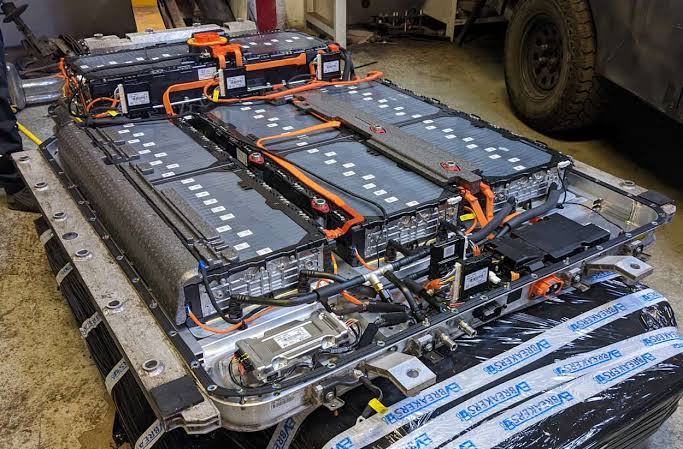
The 2019 figure also illustrates why comparing battery prices with gasoline-engine components can be misleading. Battery costs were falling through manufacturing learning and scale, while EVs were simultaneously requiring major investments in charging infrastructure, software, and manufacturing facilities.
Still, the direction was unmistakable. In less than a decade, the industry had moved from four-figure pack prices to the mid-$100 range.
5. 2020: $137 per kWh
The battery-price decline continued during 2020, when BloombergNEF reported a global average pack price of $137 per kWh. Prices fell 13% from 2019, while BEV battery packs averaged $126 per kWh on a volume-weighted basis.
This was another milestone because BloombergNEF reported that some battery packs had fallen below $100 per kWh, although those exceptionally low prices were associated with electric buses in China rather than the entire global market.
The distinction matters. A $137 global average should not be interpreted as the price every U.S. automaker paid for every battery pack. Battery costs varied according to chemistry, application, production volume, and geography.
Nevertheless, the trend was increasingly important for the U.S. market. Lower battery costs meant manufacturers could put larger packs into vehicles without increasing battery expense at the same rate as in earlier generations.
BloombergNEF attributed the 2020 decline to factors including increasing order sizes, growing BEV sales, new pack designs, and improvements in cathode chemistry.
A 60-kWh pack at $137 per kWh would equal about $8,220 using the industry benchmark. That represented an enormous improvement compared with the same theoretical pack in 2010.
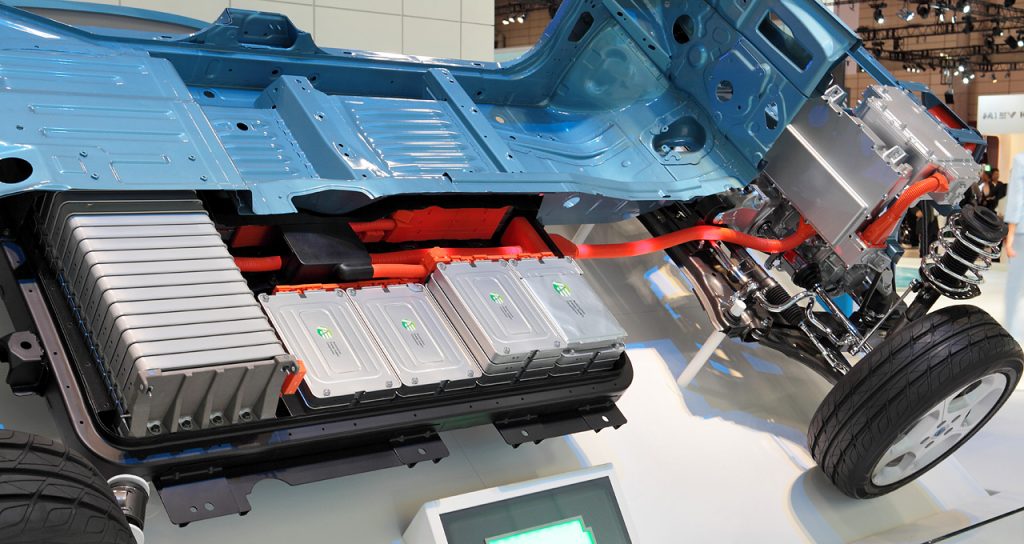
There was also a broader economic implication. BloombergNEF projected that average battery prices could approach $101 per kWh by 2023. At the time, that level was viewed as an important point for EV manufacturing economics because lower battery costs could help electric vehicles compete more closely with internal-combustion vehicles in some markets.
The actual market did not follow that forecast in a perfectly straight line. Raw-material inflation and supply-chain pressures would soon interrupt the decline. That makes the 2020 figure particularly useful as a snapshot of how quickly the industry was advancing before the next major disruption.
6. 2021: $132 per kWh
Battery prices declined more slowly in 2021, reaching $132 per kWh, according to BloombergNEF. That was a 6% reduction from the $140-per-kWh figure recorded in 2020.
The smaller annual decline was an early warning that battery costs were becoming more complicated. Prices were still falling, but raw-material costs were beginning to exert greater pressure.
BloombergNEF said increased adoption of lithium-iron-phosphate, or LFP, batteries helped reduce costs. LFP cells were almost 30% cheaper than NMC cells on average in 2021, although chemistry pricing varied according to application and market.
For battery-electric vehicles specifically, the average pack price was $118 per kWh, below the broader $132 figure. That difference illustrates why the phrase “battery price” needs context. A global average can include passenger vehicles, commercial vehicles, buses and stationary storage.
The regional difference was also substantial. BloombergNEF reported that average pack prices in the United States were about 40% higher than China’s in 2021, reflecting differences in manufacturing maturity, production costs, applications and sourcing.
That is particularly relevant for U.S. buyers. Falling global battery prices do not automatically translate into an identical decline in the cost of an EV manufactured or sold in America.
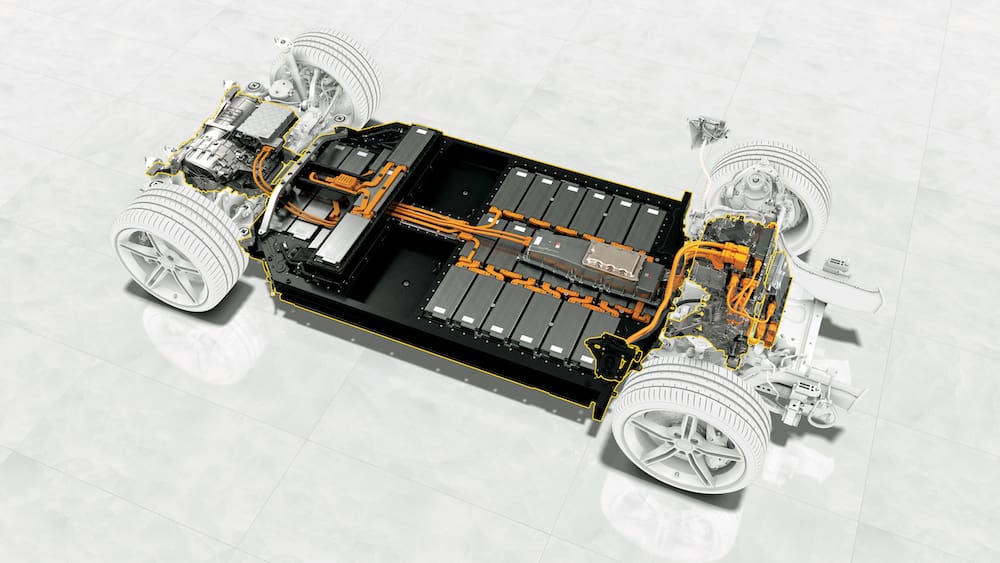
Still, the long-term reduction remained enormous. At $132 per kWh, a hypothetical 75-kWh pack would correspond to $9,900 using the global benchmark. The same energy capacity would have cost many times more earlier in the decade.
The industry was approaching a point where battery economics could support much larger volumes, but the next year would demonstrate that commodity markets could temporarily reverse the trend.
7. 2022: $151 per kWh
2022 was the major interruption in the battery-price story. Instead of falling, the global average lithium-ion battery-pack price increased 7%, reaching $151 per kWh. BloombergNEF identified it as the first annual increase since it began tracking battery prices in 2010.
The reason was largely tied to raw materials and battery components. Lithium, nickel, and other materials became substantially more expensive, while inflation added another layer of pressure.
The increase was relatively small compared with the enormous declines of the previous decade, but its significance was much larger. It demonstrated that battery prices were not governed exclusively by manufacturing efficiency.
Automakers could build bigger factories and improve cell technology, but they still depended on commodity supply chains. If the materials required for batteries became dramatically more expensive, some of those savings could disappear.
Battery-electric vehicle packs averaged $138 per kWh in 2022, below the $151 cross-industry figure. BloombergNEF also reported that LFP pack prices rose 27% that year, despite LFP’s reputation as a lower-cost chemistry.
For a hypothetical 75-kWh pack, the $151 benchmark represents approximately $11,325. That was a meaningful increase from the 2021 figure, but it remained dramatically below the costs recorded a decade earlier.
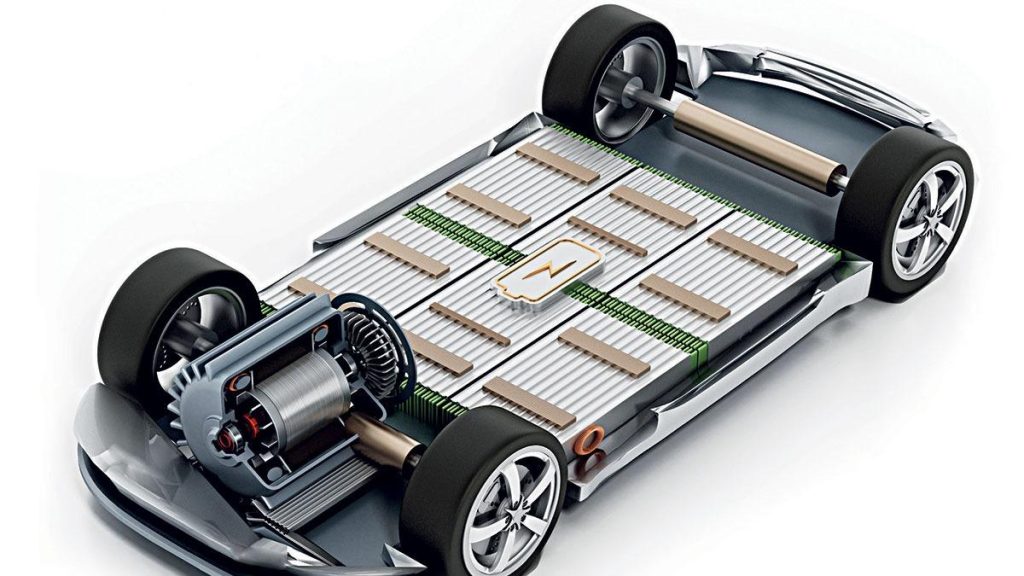
The 2022 reversal therefore should not be interpreted as the end of battery cost reductions. Instead, it exposed the industry’s vulnerability to material prices.
That distinction became important in subsequent years. As lithium and other commodity prices eased and battery manufacturing capacity expanded, the downward trend returned. The 2022 spike became an unusual interruption in a much longer cost-reduction story.
8. 2023: $139 per kWh
Battery prices returned to a downward path in 2023. BloombergNEF recorded an average lithium-ion battery-pack price of $139 per kWh, a 14% decline from 2022.
The improvement was driven by falling raw-material and component costs, increased production capacity throughout the battery supply chain, and demand that did not grow as quickly as some manufacturers had expected.
That combination created a powerful pricing environment. Battery producers had expanded capacity in anticipation of strong future demand, but lower-than-expected utilization increased competitive pressure.
The chemistry mix also mattered. LFP continued gaining ground because it generally offered a lower-cost alternative to nickel-manganese-cobalt chemistry. BloombergNEF reported average LFP pack prices of $130 per kWh in 2023, while LFP cells averaged $95 per kWh.
For U.S. consumers, regional differences remained important. BloombergNEF said China’s average pack price was $126 per kWh, while U.S. and European packs were 11% and 20% higher, respectively.
That means a global benchmark should never be treated as the exact cost paid by an American automaker.
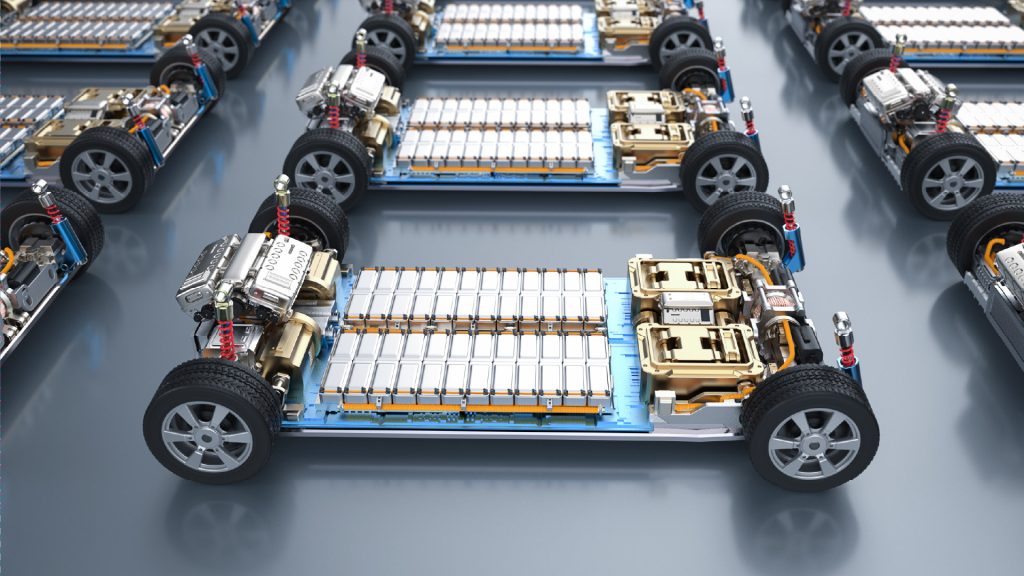
Nevertheless, the direction was encouraging. A 75-kWh pack using the $139 global average would correspond to roughly $10,425 in pack cost, before vehicle-level expenses.
The year also reinforced the importance of manufacturing scale. Battery prices were falling even as global battery demand continued expanding. That combination suggested that improved factories and supply-chain competition were becoming increasingly powerful forces.
The 2023 decline set the stage for an even larger reduction the following year, when battery prices experienced their biggest annual drop since 2017.
9. 2024: $115 per kWh
Battery prices fell sharply in 2024, dropping 20% from 2023 to $115 per kWh. BloombergNEF described it as the largest annual decline since 2017.
Several forces pushed prices lower. Battery-cell manufacturing capacity had expanded rapidly, creating substantial competition. Raw-material and component prices were also lower than during the earlier supply crunch, while LFP batteries continued gaining market share.
BloombergNEF reported that BEV battery packs averaged just $97 per kWh in 2024, taking them below the $100 threshold for the first time.
That milestone was particularly important for the economics of electric vehicles. It did not mean every EV battery in the United States suddenly cost less than $100 per kWh. The figure was a global volume-weighted average for BEV packs.
Regional differences were still substantial. China’s average pack price was $94 per kWh, while U.S. and European prices were 31% and 48% higher than China’s, respectively.
Even so, the global improvement was substantial. A theoretical 75-kWh pack at $115 per kWh corresponds to $8,625, considerably less than the same capacity at the 2022 peak.
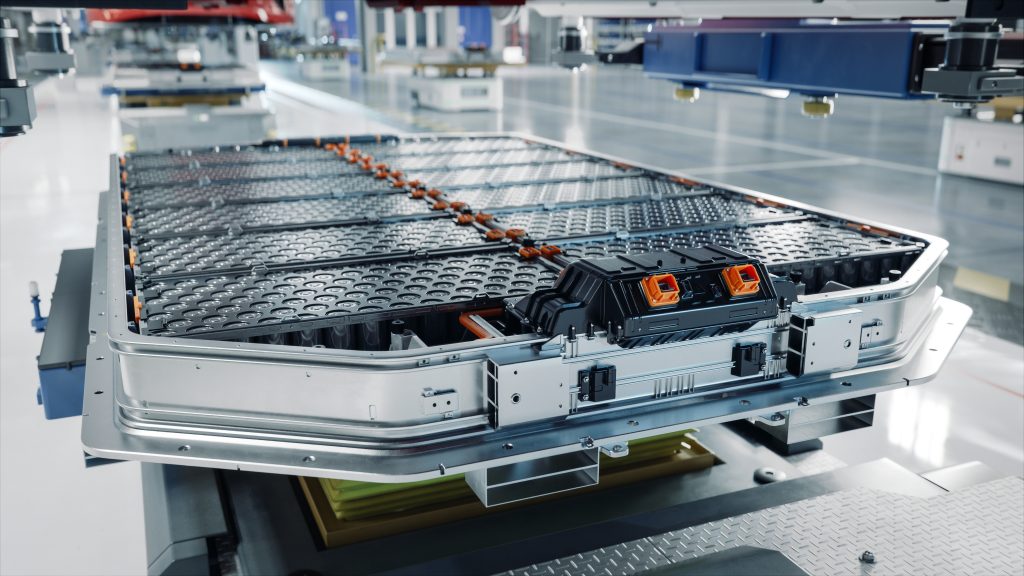
The reduction also demonstrated how quickly battery economics can change when several favorable conditions arrive at the same time. Increased manufacturing capacity, cheaper materials, improved production processes and chemistry changes can reinforce one another.
For American automakers, however, localization remains a major consideration. U.S. production can carry higher costs than Chinese manufacturing, meaning global averages do not automatically translate into identical U.S. pack prices.
10. 2025: $108 Per kWh, While 2026 Is Not Yet Verified
The latest completed BloombergNEF annual survey puts the global average lithium-ion battery-pack price at $108 per kWh in 2025, an 8% decline from 2024. BloombergNEF said the reduction occurred despite higher battery-metal prices.
The most important development was continued competition among battery manufacturers and greater use of lower-cost LFP technology. BloombergNEF reported that BEV battery packs averaged $99 per kWh in 2025, meaning the sector remained below the $100 threshold for a second consecutive year.
There was also a major geographic difference. China’s average pack price was $84 per kWh, while prices in North America were 44% higher.
That difference is especially relevant when discussing U.S. EVs. A global $108-per-kWh benchmark should not be presented as the actual cost of every battery installed in an American vehicle.
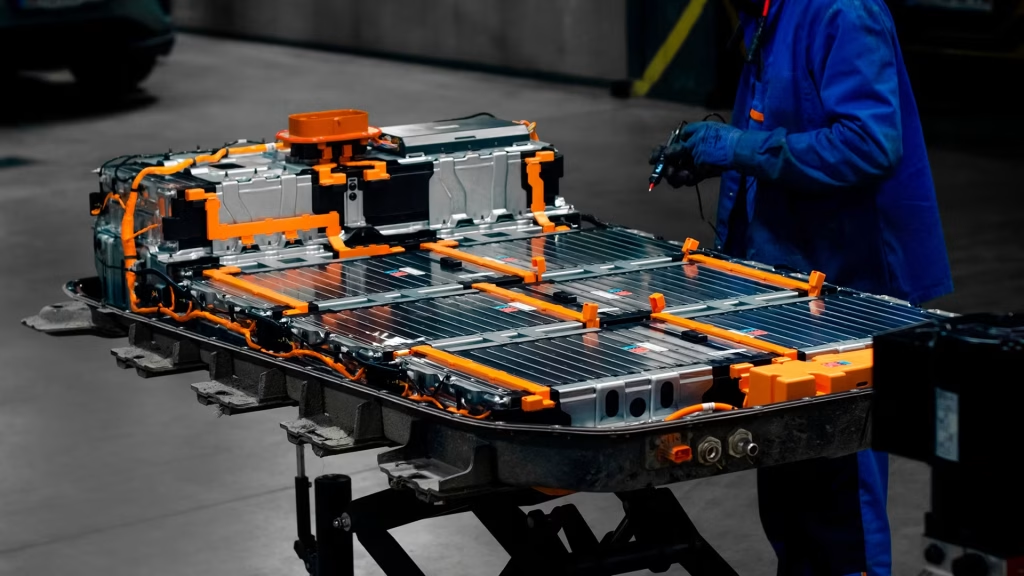
One clarification is needed regarding the title’s 2026 endpoint. BloombergNEF’s most recent completed annual battery price survey covers 2025. As of September 2026, there is no verified full-year 2026 average from that annual survey. Presenting an invented 2026 price per kWh as established data would therefore be misleading.
The trajectory through 2025 is nevertheless extraordinary. From more than $1,100 per kWh around 2010 to $108 per kWh in 2025, the benchmark has fallen by roughly 90% or more depending on the precise 2010 baseline used. BloombergNEF’s latest analysis puts the real-term decline at 93%.
The story is no longer simply about making batteries cheaper. It is increasingly about which chemistry, factory location, manufacturing process, and vehicle segment can deliver the lowest cost while maintaining the performance and durability expected by American EV buyers.
