
Winter changes how every car behaves. Batteries slow down, cabins need heat, and roads demand more grip. AAA’s cold-weather testing found that hybrids lose about 22.8% of their fuel economy at 20°F. Electric vehicles lose about 39% of their range under the same conditions. That gap matters when you are miles from a charger.
The reason is simple. A hybrid has a gasoline engine that makes plenty of waste heat. That heat warms the cabin at almost no cost to the battery. An EV must pull heat from its own battery pack. Range shrinks fast when the heater runs. Charging also slows in freezing weather.
A hybrid never strands you with an empty pack. It simply burns a little more fuel. Still, not every hybrid is equal in snow. Some pair strong electric all-wheel drive with proven engines.
This list covers nine hybrids built for cold climates. Each one offers all-wheel drive or excellent cold-start behavior. All are known for real winter reliability. Efficiency figures below are approximate EPA-style ratings. Check the current model year before buying.
1. Toyota RAV4 Hybrid
The RAV4 Hybrid is the default winter answer. It has been refined for years. Toyota’s electric all-wheel drive uses a rear motor. There is no driveshaft to the back axle. Power reaches the rear wheels instantly when the front slips.
That speed helps on ice. Response is faster than many mechanical systems. The hybrid system uses a 2.5-liter four-cylinder engine. It pairs that engine with electric motors and a nickel-metal or lithium battery, depending on the generation.
The engine warms quickly in cold weather. It supplies cabin heat without draining the battery. Defrost arrives fast. Fuel economy stays strong in winter. Owners often see the low-to-mid 30s in mpg even in freezing weather. The rated figure is roughly 40 mpg combined.
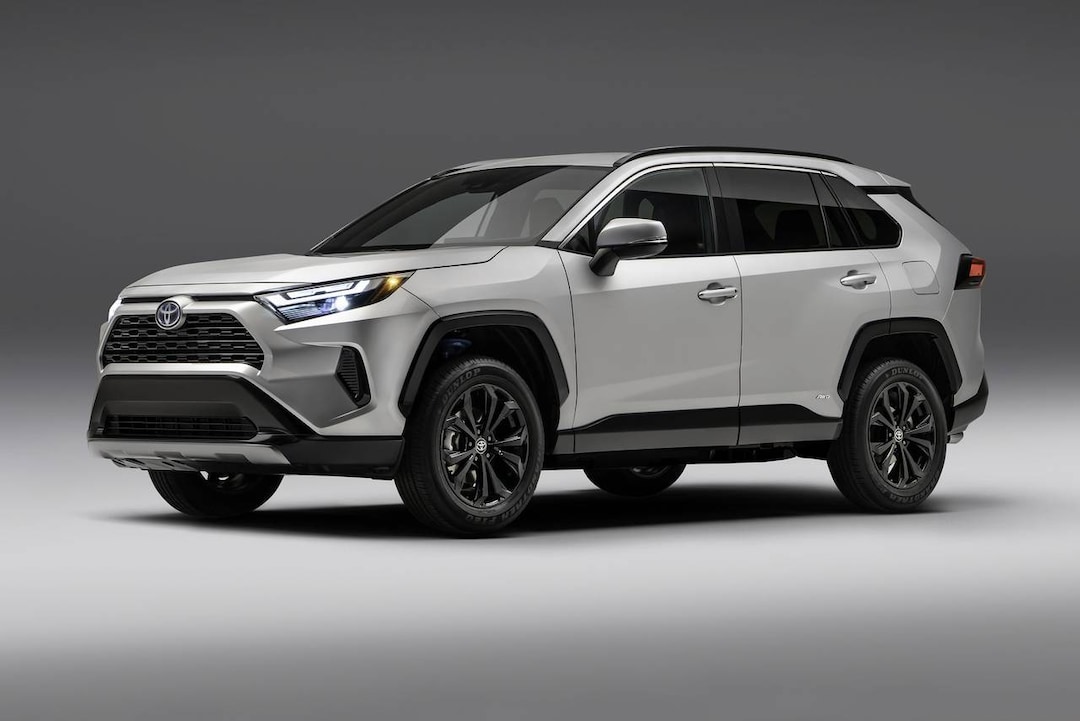
The cabin is practical. Rear seats fold flat, and cargo space is generous. Ground clearance is decent for deep snow. Toyota also offers snow-friendly options. Heated seats and a heated steering wheel are available on many trims. Remote start on some trims is a real winter perk.
Reliability is the other big point. Toyota’s hybrid drivetrain has a long record of low failure rates. Buyers should note the redesigned RAV4 now leans heavily on hybrid power. That makes the choice simple.
The RAV4 Hybrid suits families, commuters, and anyone facing snow. It is not exciting, but it is dependable. If you want one safe pick for a cold region, start here. It balances range, grip, and cost better than most rivals.
2. Toyota Prius AWD-e
The Prius proves hybrids can be efficient in winter. The current generation also looks sharp. The AWD-e version adds a rear electric motor. It gives extra traction when the front tires slip. It engages only when needed.
Fuel economy remains excellent. Ratings sit in the high 40s mpg combined for AWD models. Even after a cold-weather drop, few cars beat that. Its engine is a 2.0-liter four-cylinder. It is more powerful than earlier Prius engines.
The car uses a lithium-ion battery in most trims. Toyota manages temperature carefully. Performance stays steady in cold snaps. The Prius warms the cabin using engine heat. Short trips can lengthen engine run time in winter. That explains some of the MPG loss.
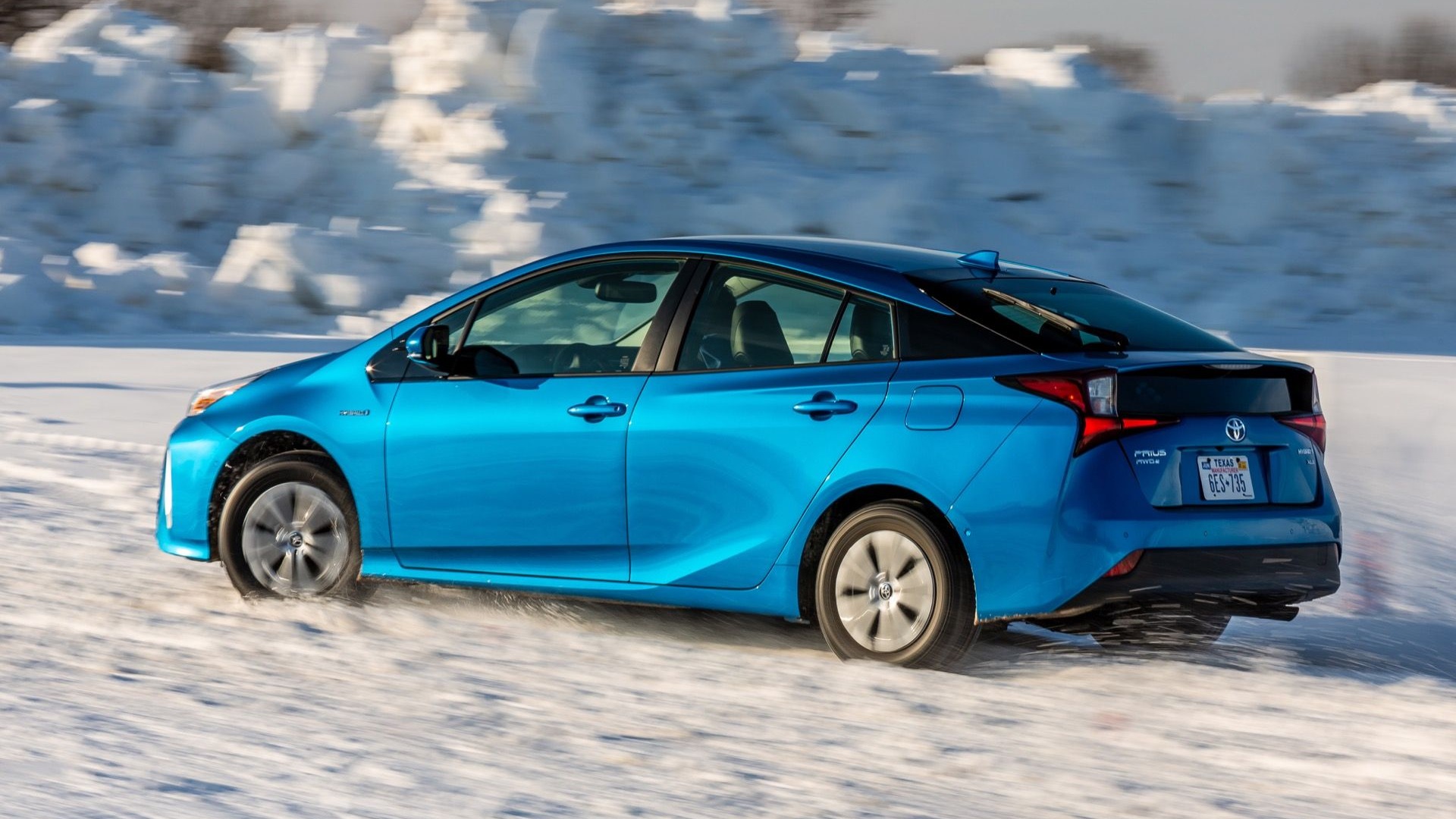
Low ground clearance is the main weakness. Deep snow can be a problem. Good winter tires fix much of that. Tires matter more than the badge here. All-season rubber will hurt grip on ice. Winter tires transform the car.
Handling is calm and predictable. Traction control is smooth and not intrusive. The cabin is quiet and roomy for its size. The rear hatch offers useful space. Visibility is fair.
This car suits commuters in northern cities. Plowed roads are its natural home. It also costs less to run than most crossovers. If you drive mostly on cleared roads, the Prius AWD-e gives the best mileage on this list. It is proof that efficiency and winter grip can coexist.
3. Highlander Hybrid
The Highlander Hybrid is the three-row choice. It carries a family through snow with ease. All-wheel drive is standard. It uses the same rear-motor idea as the RAV4. Response is quick and quiet.
The powertrain pairs a 2.5-liter engine with electric motors. Output is about 240 horsepower. That is plenty for a large SUV. Fuel economy is rated near 36 mpg combined.
A big three-row vehicle rarely does that. Winter drops it, but not sharply. The engine helps in winter. It heats the cabin quickly for a full family. Three rows of passengers warm up fast.
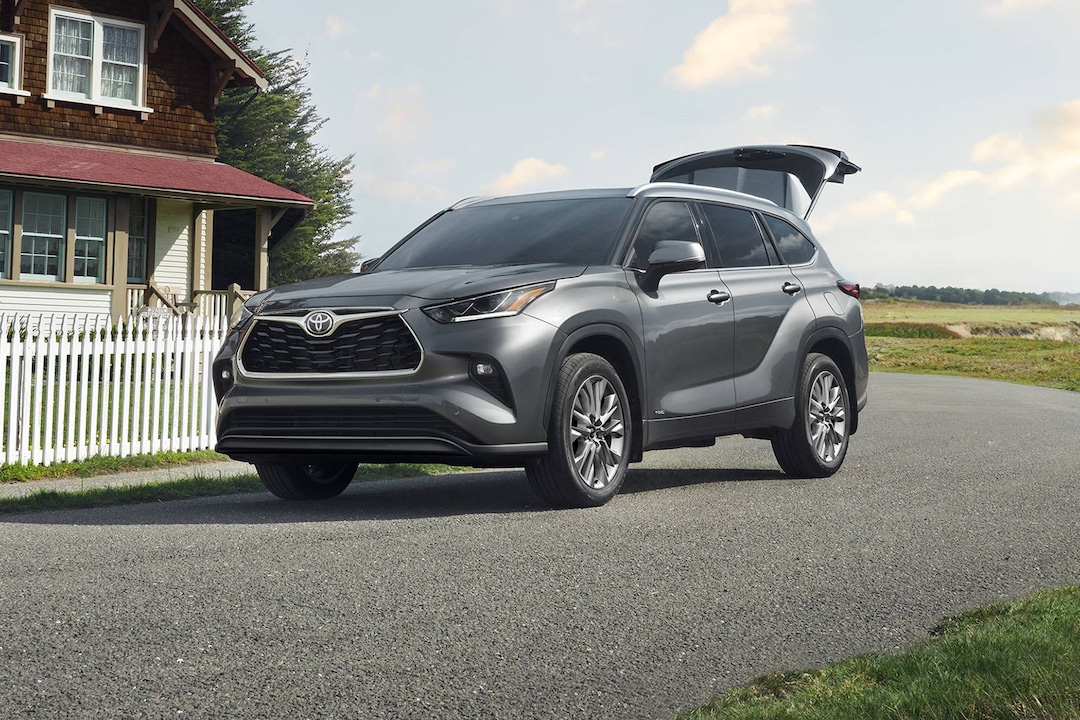
Ground clearance is good for deep snow. Cargo room is large even with the third row up. Roof rails carry gear for ski trips. Ride quality is smooth. Long highway drives feel relaxed. Winter tires make it even steadier.
Towing capacity is modest. It is suited for small trailers rather than heavy loads. Buyers who tow should check limits. Toyota’s driver aids are strong. Adaptive cruise and lane assist are standard on many trims. Use them carefully on slick roads.
The Highlander keeps its resale value well. Cold-climate buyers value that. It is a long-term purchase. Interior space is a real strength. Second-row seats slide, and access to the third row is easy. Children fit comfortably. For big families in snowy states, the Highlander Hybrid is hard to beat. It offers space, grip, and low fuel bills.
4. Honda CR-V Hybrid
The CR-V Hybrid uses a different approach. Honda’s system leans on electric drive for most speeds. The engine mostly acts as a generator. It also connects directly to the wheels at highway speeds. This makes the car smooth and efficient.
Real-Time AWD is available. It sends torque rearward when slip is detected. It handles snow and slush well. Fuel economy is rated in the mid-30s mpg combined. Cold weather trims that number.
Still, the car stays ahead of EVs in range. The two-liter engine warms up fast. Cabin heat arrives without a long wait. Heated seats are available on many trims.
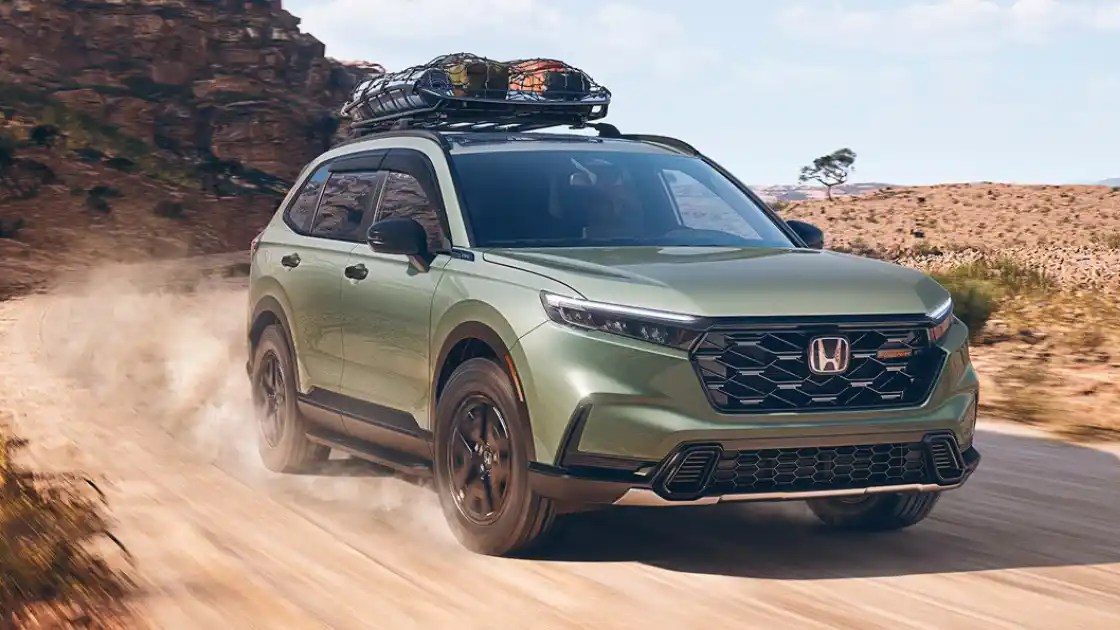
Ground clearance is generous for the class. Deep ruts and unplowed streets are manageable. Snow tires add confidence. The interior is spacious and thoughtful. Rear seat room is excellent. The cargo area is wide and flat.
Honda tunes the steering with care. It feels natural on slippery pavement. Braking feels firm and predictable. Regenerative braking works well in mild cold. On ice, it should be used carefully. Paddles let drivers adjust the strength.
The CR-V Hybrid is quiet at speed. Cabin noise is low even on rough roads. Long winter drives feel relaxed. Reliability is strong, though newer than Toyota’s record. Honda’s hybrid system has matured quickly. This is a great pick for buyers who want a comfortable daily driver. It handles winter with calm competence.
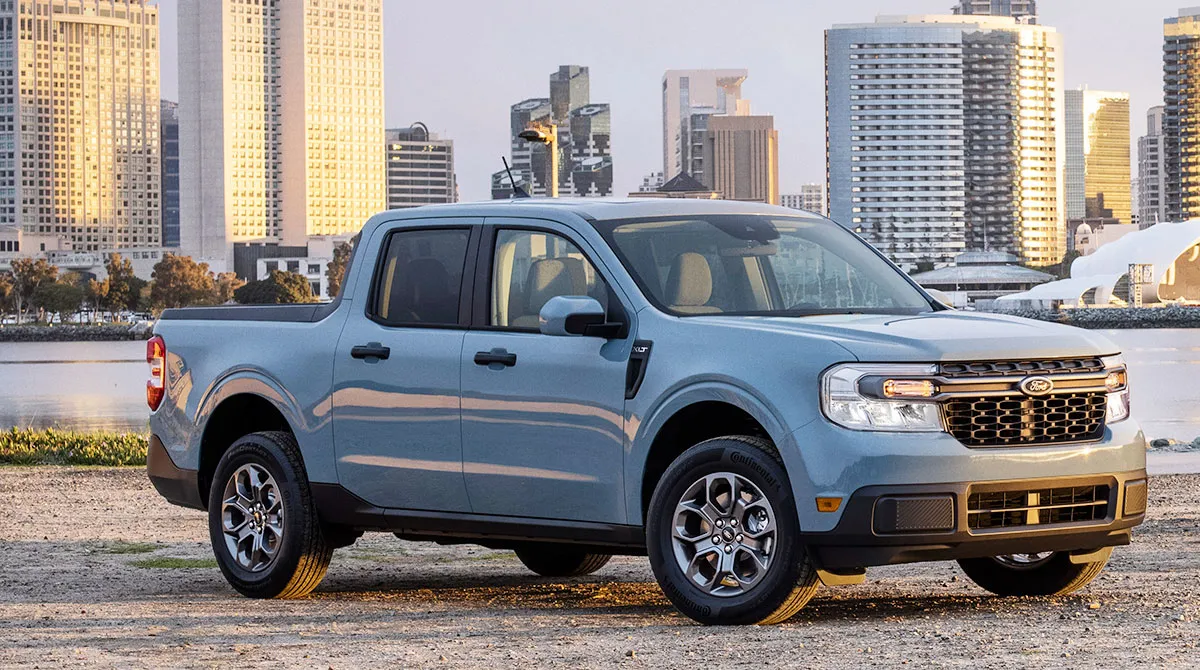
5. Ford Maverick Hybrid
The Maverick is the outlier. It is a small pickup with hybrid power. Standard power comes from a 2.5-liter engine and electric motors. Fuel economy is rated around 42 mpg combined on front-drive models. That is remarkable for a truck.
All-wheel drive has been offered on newer hybrid models. Availability depends on model year and trim. Check before you buy. Cold weather reveals the truck’s strength. The engine supplies cabin heat quickly. Defrost is dependable.
The bed is useful in winter. It carries salt, sandbags, and gear. Sandbags over the rear axle improve traction on ice. Ground clearance is modest. Deep drifts can be a challenge. Winter tires are a must. The interior is simple and durable. Materials are tough, and controls are easy to use with gloves. That is a real cold-weather advantage.
Fuel economy falls in winter like any hybrid. Owners often report the mid-30s during cold months. That still beats most trucks. Towing is limited to light loads. The hybrid tows less than the gas version. Buyers should keep that in mind.
Ford builds the Maverick with practicality in mind. Storage cubbies are everywhere. The under-seat space fits winter boots. The price is low for a new truck.
That makes it attractive to budget buyers. Running costs are small too. The Maverick suits urban and suburban drivers in cold states. It is not a heavy hauler. It is a clever, efficient daily truck.
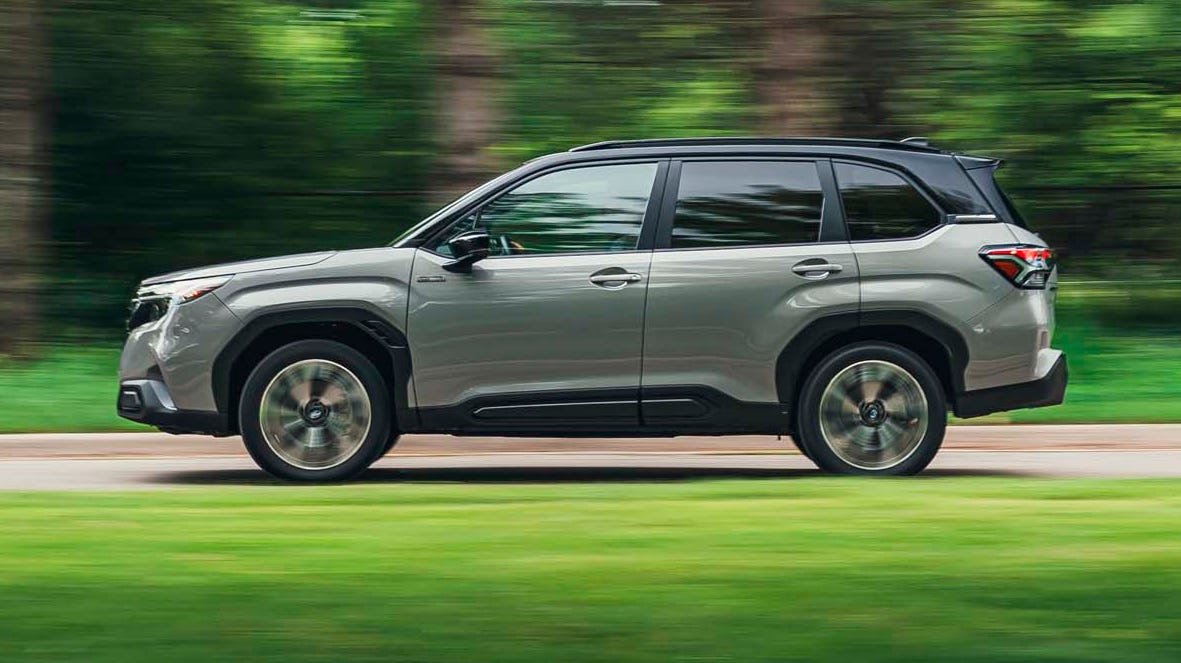
6. Subaru Forester Hybrid
Subaru’s reputation is built on snow. The Forester Hybrid adds efficiency to that legacy. Symmetrical all-wheel drive is standard. It is a mechanical system tuned for slippery roads. Power is sent to all four wheels at all times.
The hybrid setup pairs a 2.5-liter engine with an electric motor. Fuel economy is rated in the mid-30s mpg combined. Strong numbers for a Subaru.
Ground clearance is high. Deep snow and rutted roads are no problem. This is a real cold-country advantage. The cabin is upright and airy. Visibility is excellent, even in snow.
Big windows help. Heated seats and a heated steering wheel are available. Windshield wiper de-icers are offered on some trims. These small features matter on freezing mornings.
X-Mode helps in slippery terrain. It adjusts throttle and traction response. Hill descent control is useful on icy slopes. The engine heats the cabin fast. Owners in cold states appreciate that. Battery use stays low in the freezing months.
Cargo space is generous. The rear hatch opens wide. Ski gear fits easily. Subaru’s EyeSight safety system is helpful. Use it carefully when roads are icy. Cameras can be blocked by snow.
The Forester Hybrid is a fresh option for Subaru buyers. It keeps the brand’s winter strength. It also cuts fuel costs. For drivers who want mechanical AWD and a hybrid engine, this is the top choice. It is rugged, familiar, and efficient.
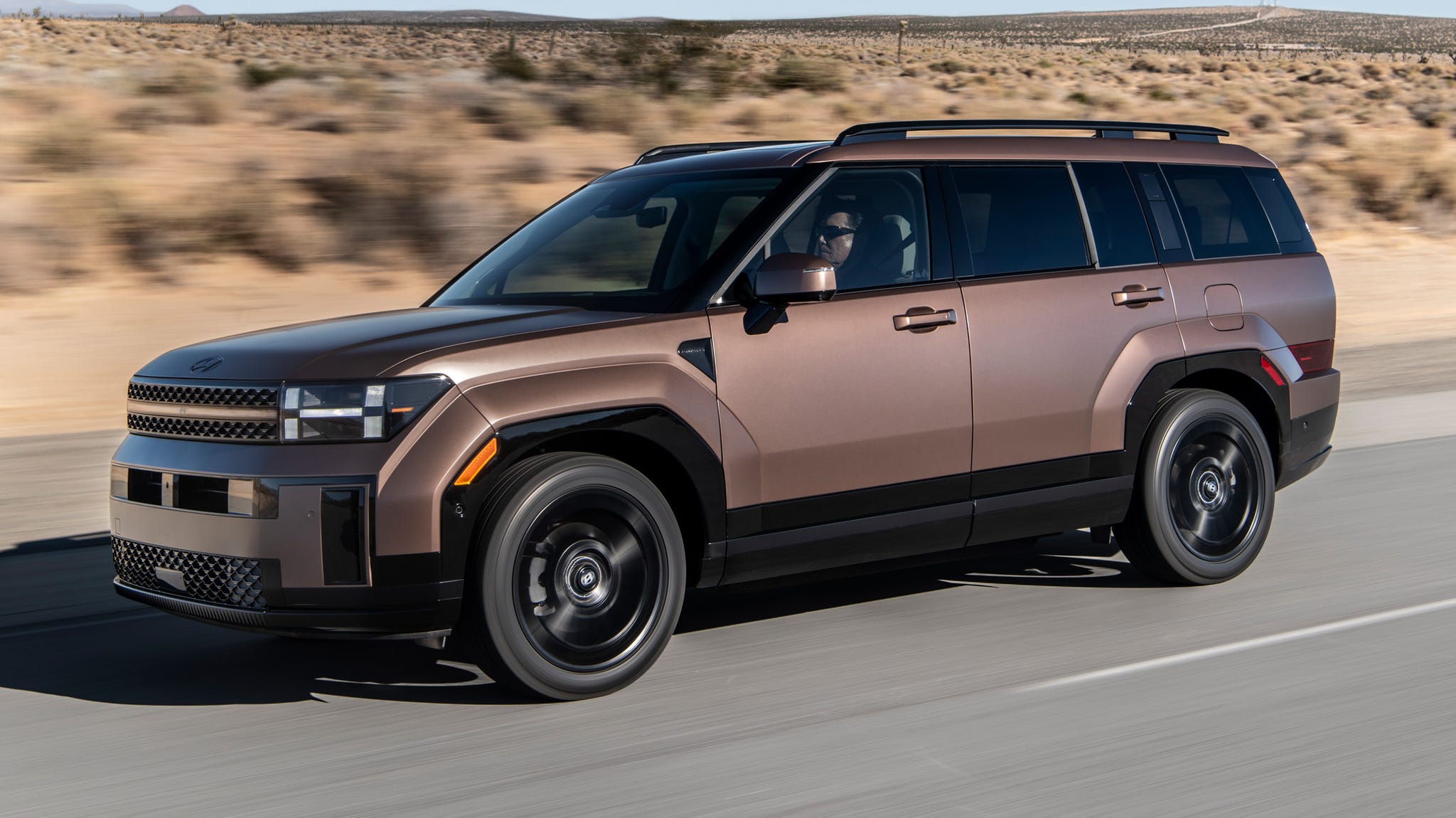
7. Hyundai Santa Fe Hybrid
The Santa Fe Hybrid brings bold design and strong winter tech. It is a newer entry with big ambitions. Hyundai pairs a turbocharged engine with electric motors. Power is strong for an SUV this size. Fuel economy is rated in the mid-30s mpg combined.
HTRAC all-wheel drive is available. It splits power between the axles as needed. It also offers snow and mud drive modes. The cabin warms fast. The hybrid engine supplies heat without draining the battery. Heated seats and a heated steering wheel are common.
Ground clearance is adequate for snow. Wide door openings help with winter clothing. The boxy shape improves cargo room. Hyundai’s warranty is a selling point. Hybrid components are covered for a long period. That eases worries about winter wear.
The battery is lithium-ion. It is managed with thermal controls. Performance stays steady in typical winter cold. Regenerative braking is smooth. On slick roads, it can feel strong. Drivers should adjust it if needed.
The interior is modern and roomy. Rear seats are comfortable for adults. Storage is thoughtfully placed. Ride quality is comfortable. The suspension absorbs frost heaves well. Road noise is low.
The Santa Fe Hybrid is a strong value pick. It offers features usually found in pricier cars. It suits families in snowy regions. Buyers should test drive the AWD version. Compare it directly with the RAV4 and CR-V. It holds its own.
8. Kia Sportage Hybrid
The Sportage Hybrid is a smart compact SUV. It mixes efficiency with everyday practicality. It uses a turbocharged 1.6-liter engine and an electric motor. Fuel economy is rated in the high 30s mpg combined. Cold weather trims that only modestly.
All-wheel drive is available. It is a mechanical setup with an electronic coupling. It shifts torque as traction changes. Snow mode is included. It softens throttle response on slippery roads. That helps prevent wheel spin.
The engine supplies fast cabin heat. Owners notice quick defrost on frosty mornings. Heated seats are available. Ground clearance is moderate. Light to medium snow is manageable. Winter tires are wise for deep drifts.
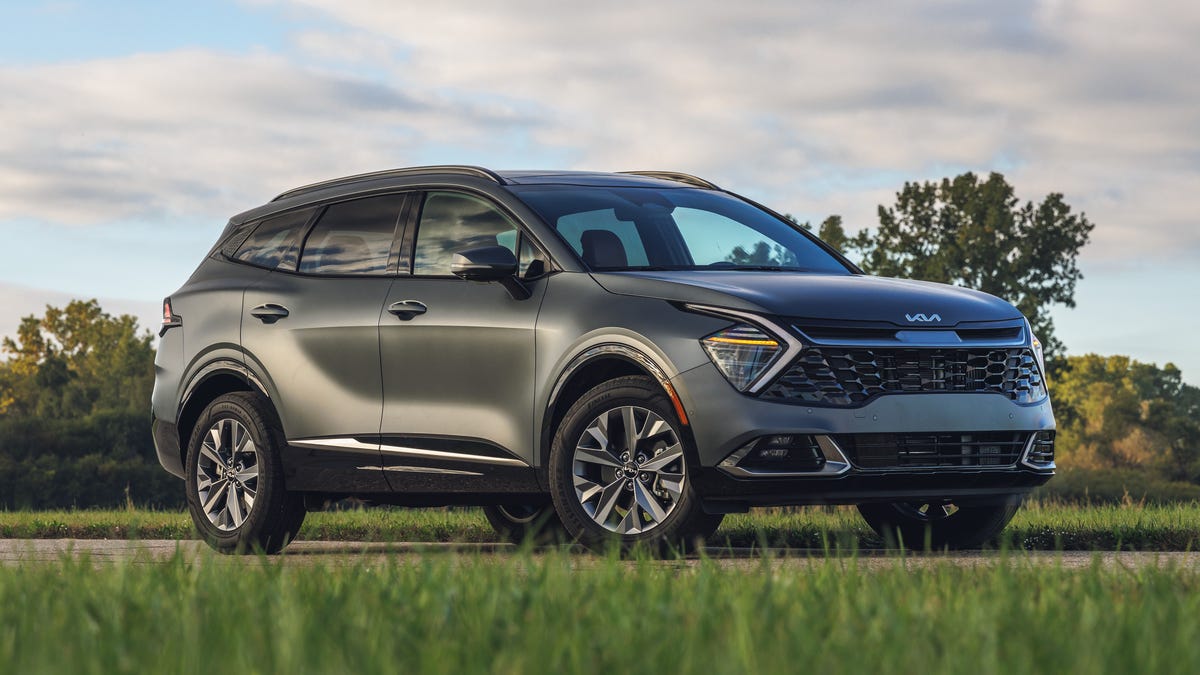
The cabin is stylish and functional. Physical controls remain for key functions. That is helpful with gloves on. Cargo space is competitive. The seats fold nearly flat. Winter gear fits with ease.
Kia’s warranty covers the powertrain for a long period. Hybrid parts also enjoy coverage. That adds peace of mind. The hybrid drivetrain is smooth. Shifts are quiet and seamless. Steering is light but precise.
Real-world efficiency stays impressive in winter. Many owners hold the low 30s mpg. That is still far better than gas-only rivals. The Sportage Hybrid suits city and suburban commuters. It offers style, warranty strength, and strong winter performance. It deserves a test drive.
9. Toyota Camry Hybrid AWD
Sedans still have a place in winter. The Camry Hybrid AWD proves it. Every current Camry is a hybrid. That makes efficiency the default. Fuel economy is rated in the low 40s mpg combined for AWD versions.
All-wheel drive uses a rear electric motor. It engages instantly when the front wheels slip. It works quietly in the background. The engine is a 2.5-liter four-cylinder. Output is strong and smooth. Highway passing feels effortless.
Cold-start behavior is excellent. The engine warms quickly and heats the cabin fast. Defrost is dependable. Ground clearance is low. Deep snow is a real limit. Winter tires help a lot. A sedan has a lower center of gravity. That aids stability on icy highways. Handling feels planted.
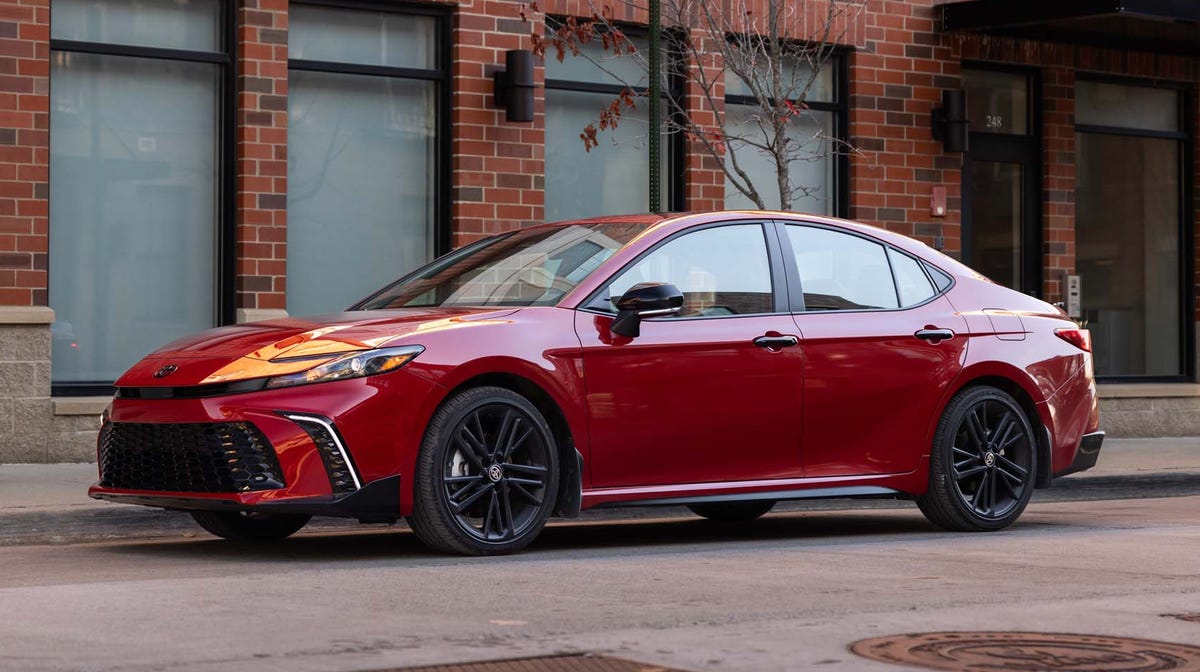
The trunk is secure and large. Winter gear stays out of the cabin. Wet boots and salt stay out of sight. Toyota’s safety suite is standard. Adaptive cruise and lane tracing are included. Drivers should stay alert on slick roads.
The cabin is quiet and comfortable. Seats are supportive for long trips. Heated seats are available. Reliability is a big strength. Camry hybrids have a long track record. Maintenance costs are low. The Camry Hybrid AWD suits drivers who prefer sedans. It gives high mileage and confident winter grip. It also holds its value well.
