Road deaths are not spread evenly across all vehicles. Some models are involved in far more fatal crashes than others. That gap shows up clearly once you count deaths against registrations.
The fairest measure is deaths per million registered vehicle years. Across all makes and models, the average driver death rate was 37 per million registration years. Any model far above that line deserves a closer look.
This ranking uses the latest Insurance Institute for Highway Safety analysis. It covers fatalities from 2021 to 2024 in 2023 models and earlier models with the same design. A model needed at least 100,000 registered vehicle years or at least 20 deaths to be included.
Vehicle type matters a great deal. The highest death rates were among small cars and models with powerful engines. Size, driver behavior, mileage, age, road conditions and crash-avoidance technology all influence the results. So a high rate does not mean a car is simply “bad.” It reflects the car, its buyers and how it is driven. Read each entry with that in mind.
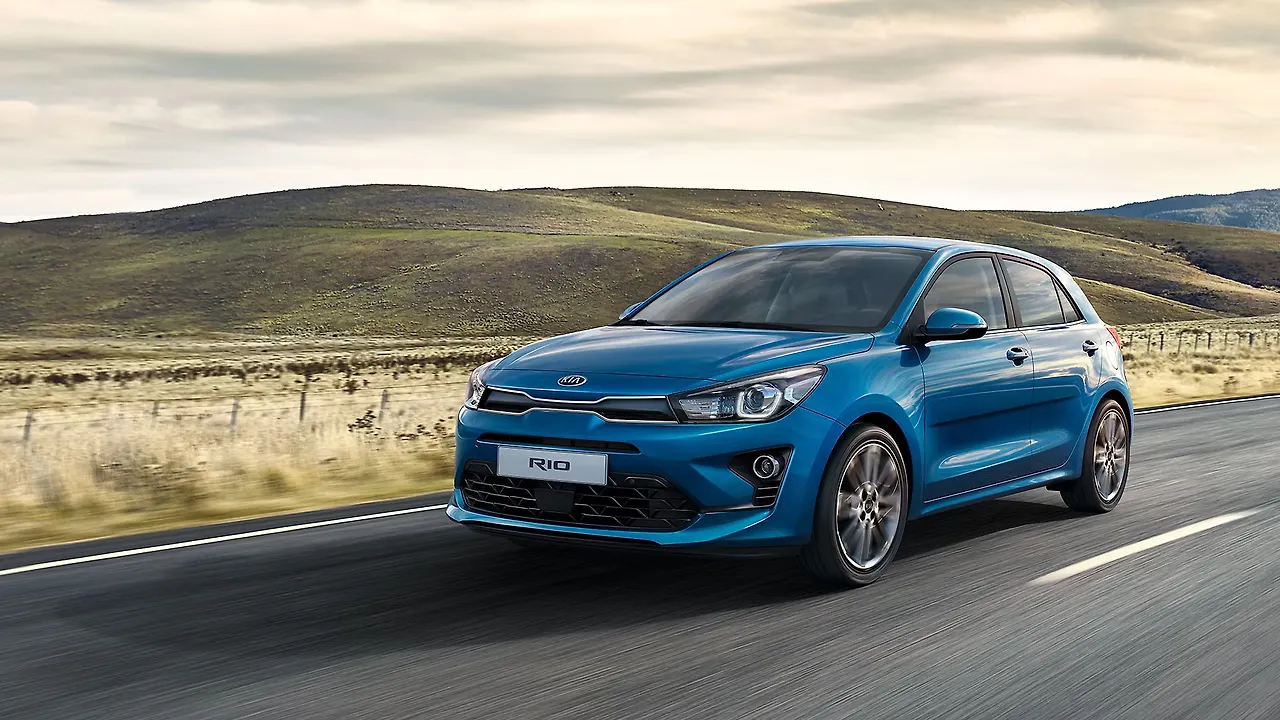
1. Kia Rio
The Kia Rio tops the list. It recorded 170 driver deaths per million registered vehicle years. That is more than four times the national average. The Rio is a minicar. Minicars averaged 158 driver deaths per million registered vehicle years, the highest of any category. Small size is the core problem.
Physics is unkind to light vehicles. IIHS says smaller vehicles protect less, especially in crashes with heavier SUVs and pickups. The Rio often meets much larger vehicles on the road. The Rio’s problems are not new. Among 2011 models, it already had the highest death rate, at 149. Little has changed in over a decade.
The model also hurts other drivers. In the earlier 2020-model study, the Rio sedan appeared among the worst for other-driver deaths as well. That places it on both lists.
Production has since ended. The Rio stopped production after the 2023 model year. Used examples remain common, though. Buyers of cheap used cars should check crash ratings. Cheap cars often lack the newest safety features. That matters most on high-speed roads.
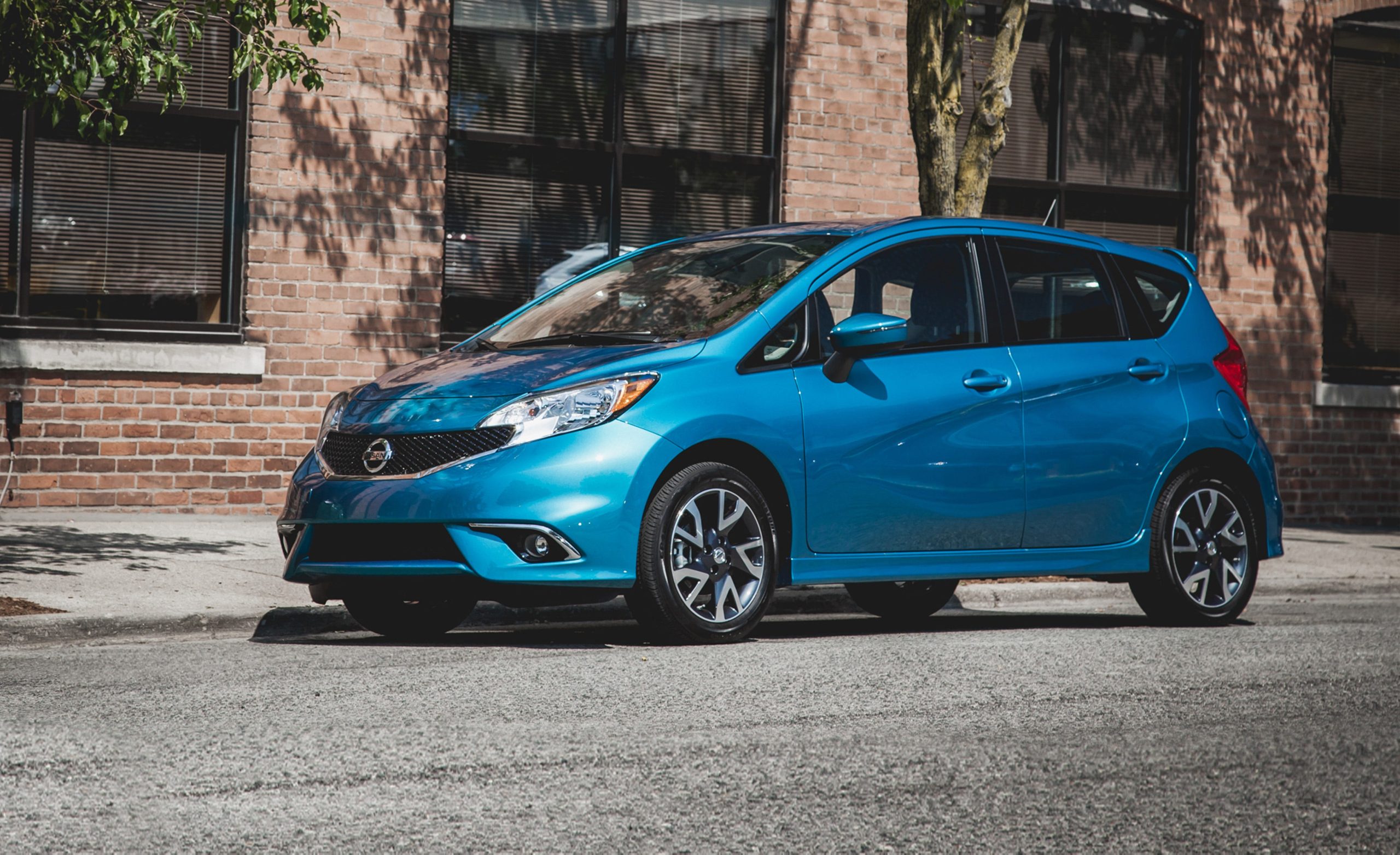
2. Nissan Versa
The Nissan Versa comes second. It recorded 164 driver deaths per million registered vehicle years. Only the Rio scored worse. It is classed as a small car. IIHS lists it as a small car, not a minicar. That shows how risk can stay high beyond the tiniest class.
Price plays a role. The Versa is one of the cheapest new cars in its market. Budget buyers often keep cars for many years. Older cars mean fewer modern safety features.
Buyers also tend to drive them long distances. Both raise exposure to risk. IIHS notes that mileage and vehicle age can influence the results. The Versa’s rate reflects more than design alone. Still, design is a large part of the story.
Crash partners matter too. A small sedan hit by a heavy pickup absorbs enormous force. Occupants have little room to spare. The lesson is simple. Small and cheap can be legal without being forgiving.
Check the safety ratings before buying. Choosing a slightly larger model can cut risk sharply. Midsize SUVs, for instance, averaged 24 deaths, well under the average. Size and mass really do help.
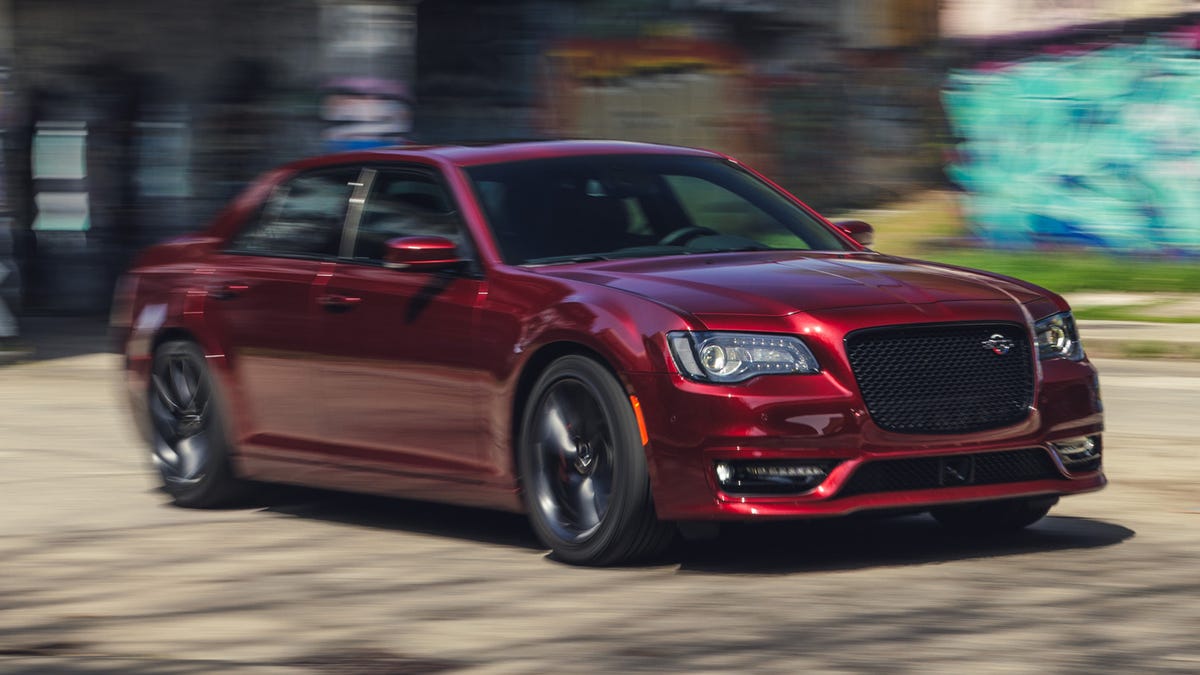
3. Chrysler 300 (Two-Wheel Drive)
The Chrysler 300 ranks third. The two-wheel-drive version recorded 132 driver deaths per million registered vehicle years. It is a large, heavy sedan.
That result surprises many people. Large cars usually protect their occupants well. Yet this one sits far above the average. The 300 belongs to a group of powerful rear-wheel-drive cars. That group also includes the Dodge Charger HEMI and the Dodge Challenger. They share a performance-oriented image.
Power changes how people drive. Strong engines tempt drivers into higher speeds. Higher speeds raise both crash frequency and severity. IIHS has said a vehicle’s image and marketing can add to crash risk. The 300’s bold styling appeals to certain buyers. Those buyers may drive harder.
The 300 also lacks the newest driver-assist systems found in rivals. Its platform is old. Older designs miss recent safety gains. Production of the 300 has ended.
Many remain on the road, though. Used buyers should weigh the risk record honestly. The 300 shows that size alone does not guarantee safety. Behavior and design matter just as much. Fatal crashes follow both.
4. Dodge Charger HEMI (Two-Wheel Drive)
The Charger HEMI is a rare double offender. It recorded 127 driver deaths per million registered vehicle years. That already places it fourth here. Its danger to others is worse. Its other-driver death rate was 161 per million registered vehicle years. That is triple the national average of 53.
The other-driver rate counts people in the other vehicle. It measures people killed in other vehicles involved in crashes with a given model. The Charger HEMI is dangerous to everyone.
IIHS names the two-wheel-drive Charger and Charger HEMI among the models with high rates on both lists. Few vehicles earn that distinction. It signals a serious pattern.
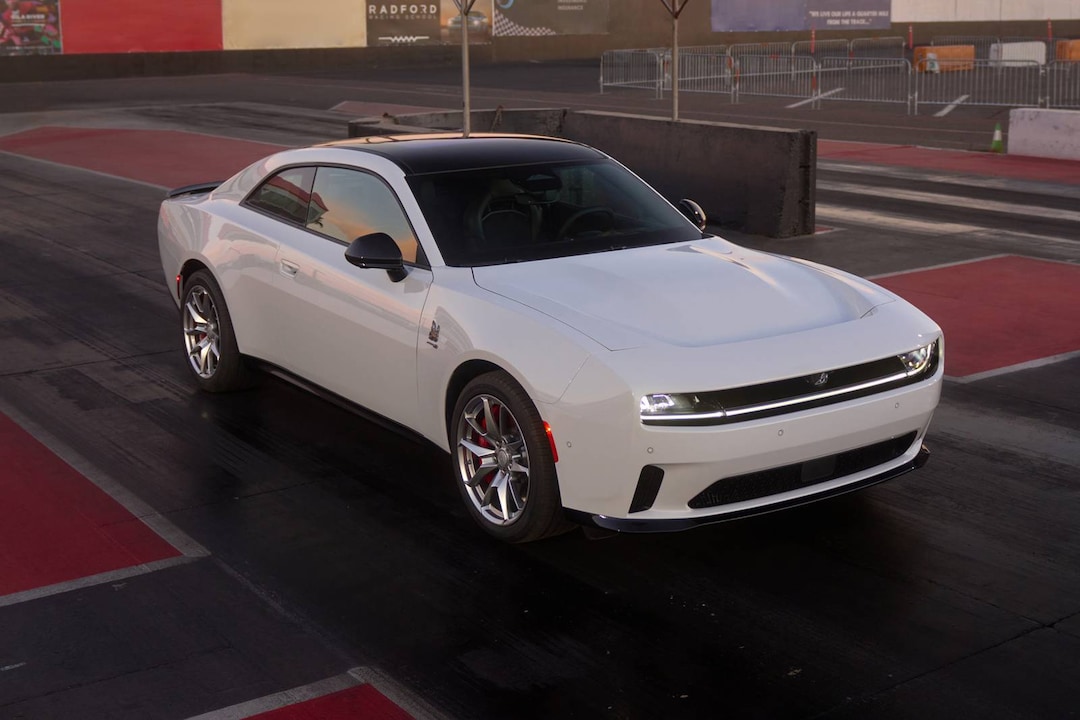
The pattern is not new. In the earlier 2020-model study, the HEMI’s other-driver rate reached 164. Its driver rate was 118 then. Horsepower is the main suspect. A heavy car with a big engine builds speed quickly. It also hits other vehicles hard.
The muscle-car image draws risk-tolerant drivers. IIHS has pointed to marketing as a contributing factor. Culture and machinery combine here. Anyone driving a HEMI should respect its power. Traction control and moderate speeds help. So does keeping distance from other traffic.
5. Dodge Challenger (Two-Wheel Drive)
The Challenger takes fifth place. It posted 125 driver deaths per million registered vehicle years. Its retro-styled coupe shape hides a grim record. It shares the same platform family as its Dodge siblings. That means similar weight and power. It also means similar driver profiles.
In the earlier study, the Challenger was worse. Its 2020-model driver rate was 154. It still ranked well above the average. IIHS also listed the Challenger among vehicles high for both driver deaths and other-driver deaths in that study.
Its risk reaches beyond its own cabin. That is unusual for a coupe. Rear-wheel drive and high power reward skill. They punish mistakes. Wet roads make the difference stark.
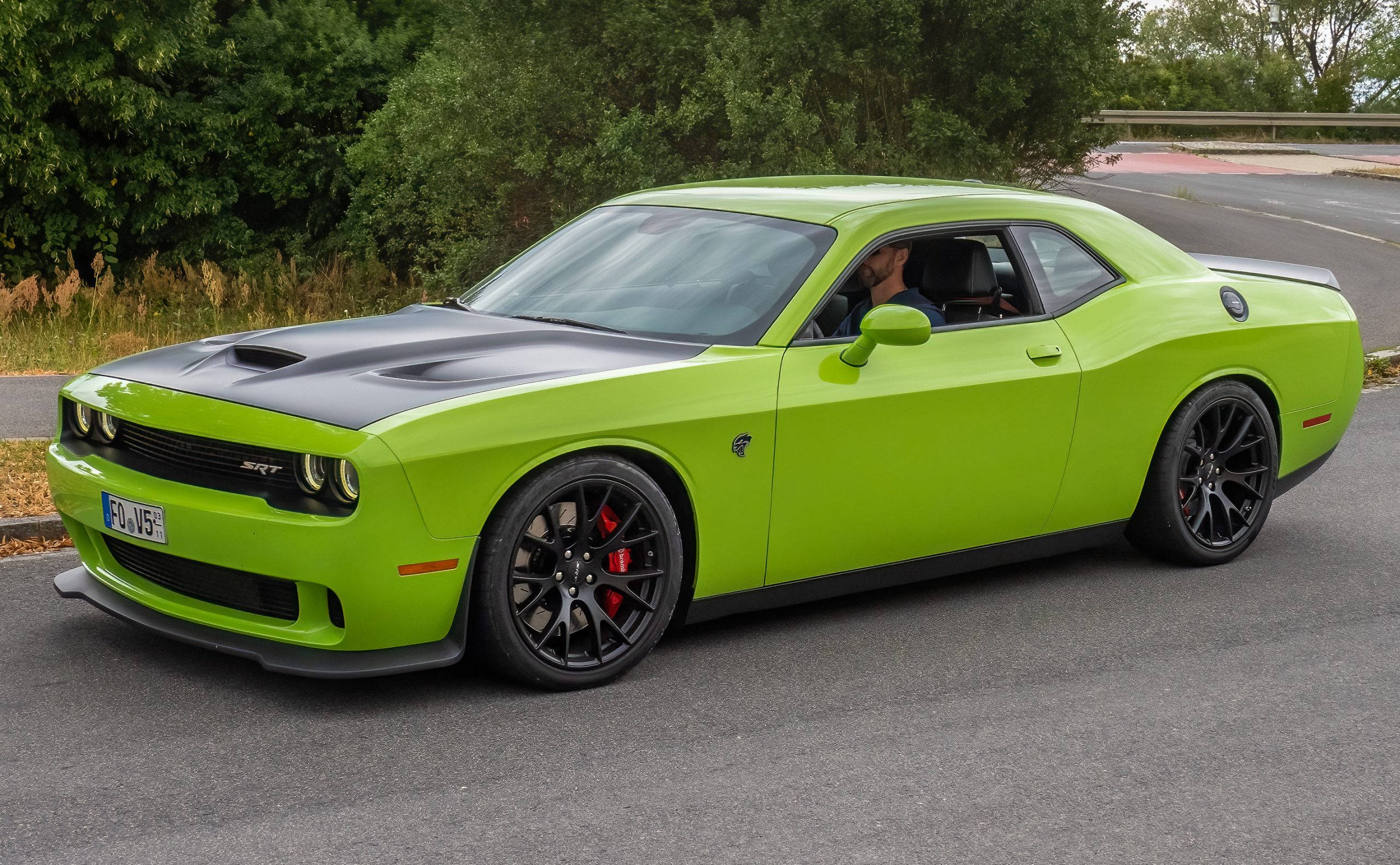
Young and risk-seeking drivers are drawn to muscle cars. They often drive at night and at speed. Those conditions inflate fatality counts. The car’s age also matters.
Its design dates back many years. Newer competitors carry more active safety technology. Production of the Challenger has ended. Collectors now prize the remaining cars. Prized cars still need careful driving.
6. Kia Forte
The Kia Forte lands sixth. It recorded 120 driver deaths per million registered vehicle years. It is a compact car aimed at ordinary commuters. That makes the result striking. The Forte is not a muscle car. It is a plain family and commuter sedan.
Its risk comes mainly from size. Compact cars give occupants less crush space. Crashes with SUVs and trucks hit them hard. In the earlier study, the Forte also ranked among the worst for other-driver deaths.
That suggests more than size is involved. Driving patterns may matter. Affordable cars attract many young and first-time buyers. Less experience raises crash risk. Fatal crashes reflect that mix.
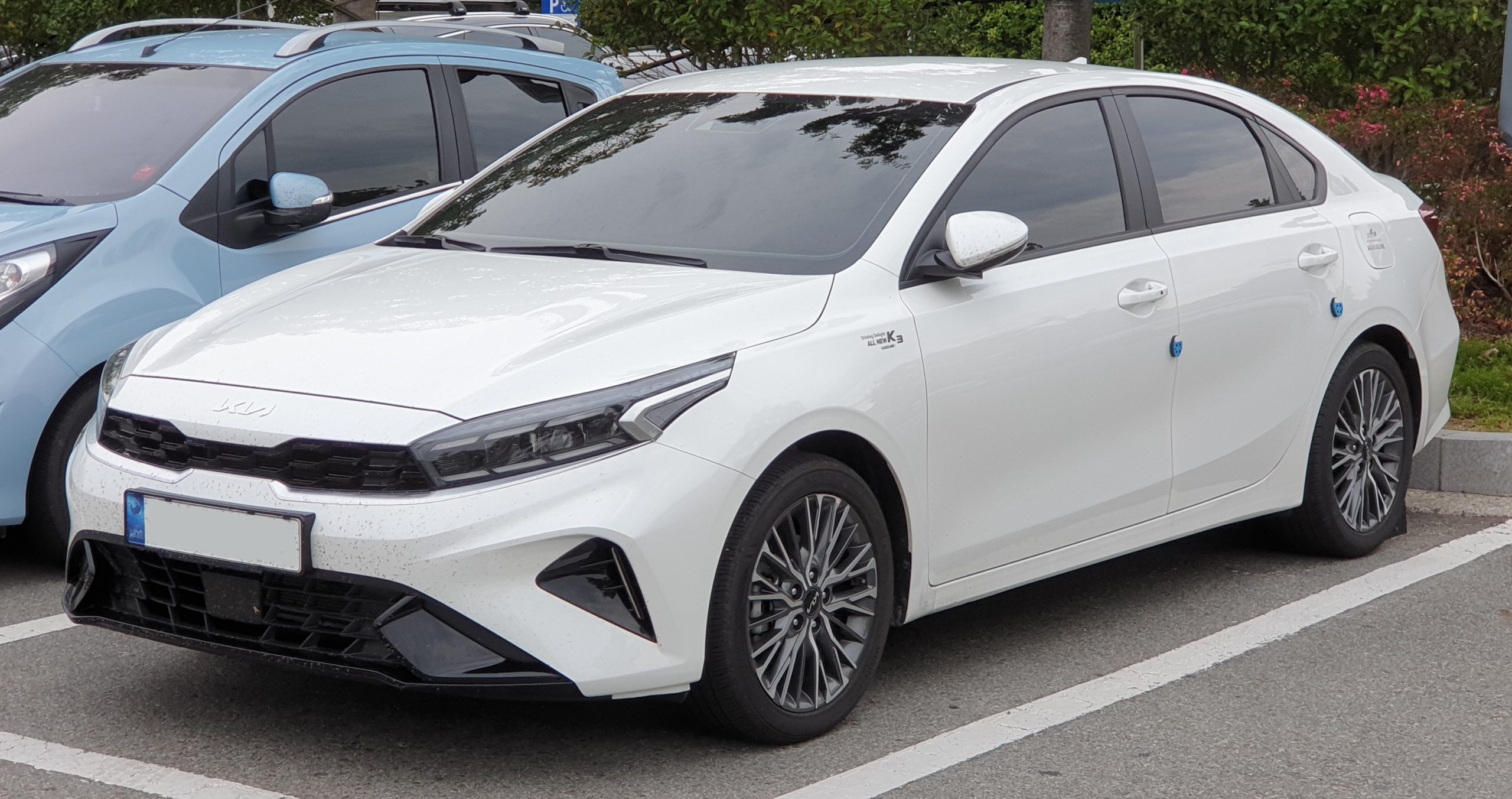
The Forte also sits in a crowded segment. Many buyers choose it for price. Safety features are not always their first concern. IIHS stresses that these numbers reflect many factors, not vehicle design alone.
The Forte is not a death trap. It is a reminder that small cars carry real risk. Families should look at crash-test results before buying. A modest price gap can buy a lot more protection. That trade is often worth making.
7. Chevrolet Malibu
The Malibu ranks seventh. It recorded 116 driver deaths per million registered vehicle years. It is a midsize sedan, a class once seen as safe. Its danger to others is also great. The Malibu posted 91 other-driver deaths per million registered vehicle years. That is well above the average of 53.
It appears on two separate lists in the IIHS report. Few midsize sedans can say that. It shows how the model differs from its class. IIHS lists the Malibu among models high on both the driver and other-driver measures.
The overlap makes it unusual. Most cars score badly on only one. Fleet use may play a part. Malibus have long been popular as rental and company cars. Rental drivers often drive unfamiliar roads.
Sedans also face a shrinking market. Buyers have moved toward SUVs. Remaining sedans skew toward older, cheaper used units. Older cars lack modern crash-avoidance tools.
That raises risk in heavy traffic. It also lowers protection in a collision. The Malibu has now left production. Many remain in service, though. Used buyers should check equipment and ratings.
8. Hyundai Venue (Two-Wheel Drive)
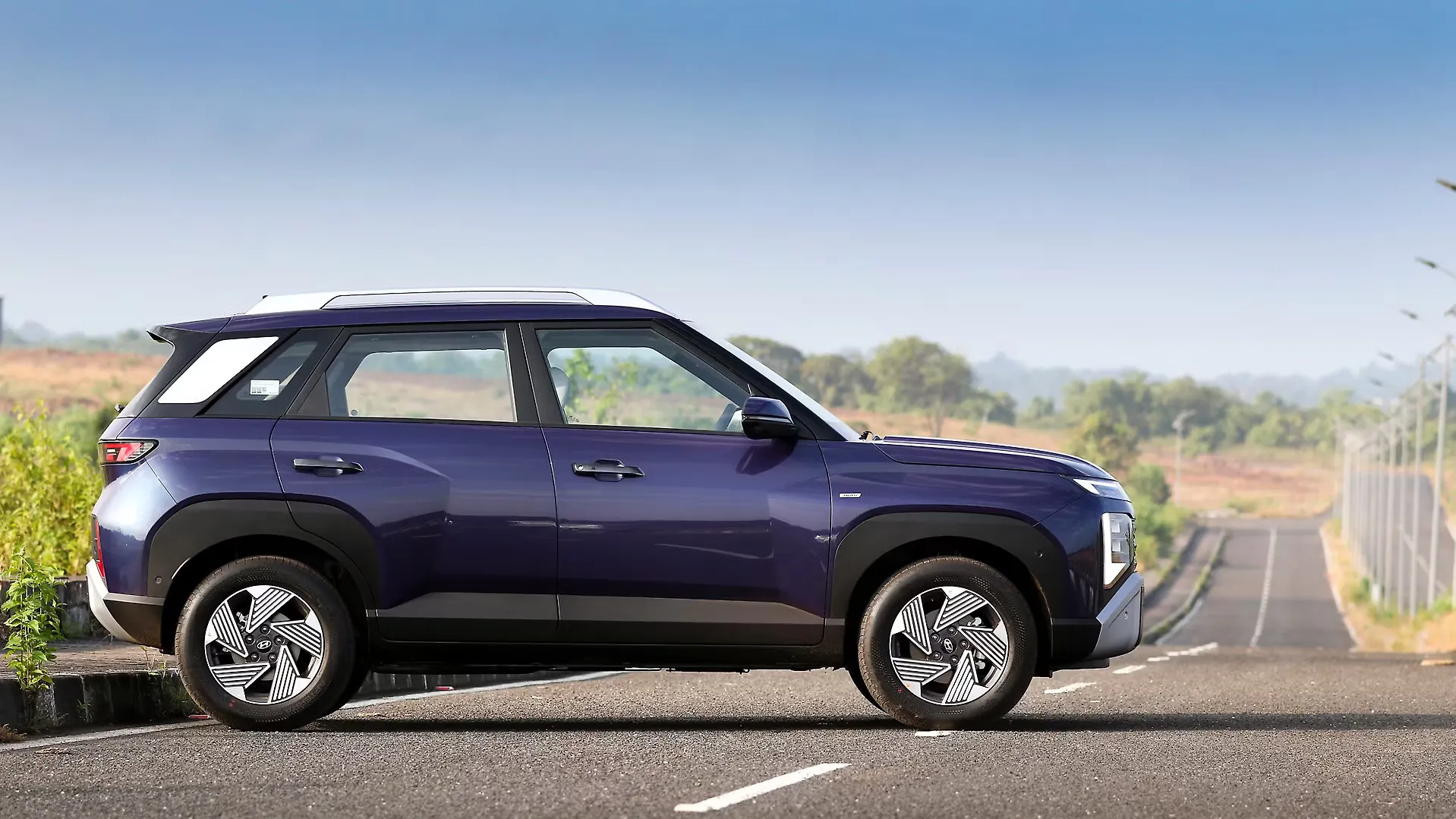
The Venue is the only SUV in the top group. The two-wheel-drive version recorded 113 driver deaths per million registered vehicle years. Its small footprint explains much of this.
The Venue is a subcompact crossover. IIHS classes the Venue as a small SUV. Small SUVs share many traits with small cars. Bigger SUVs do far better. Large SUVs averaged 26 driver deaths, and very large SUVs averaged 20. The Venue’s rate is more than four times higher.
Height can give a false sense of safety. A tall body does not add mass or crush space. It may even raise rollover risk. Two-wheel drive matters in bad weather. Traction is weaker on wet or icy roads. Losing control becomes easier.
Buyers of the Venue are often first-time car owners. Many are young or new to driving. Inexperience feeds the numbers. The Venue also faces many heavy vehicles in city traffic.
Any mismatch in weight raises injury risk. Small vehicles lose those contests. Choosing a larger crossover can reduce this risk noticeably. The price difference is often modest. The safety gain can be large.
9. Dodge Charger (Two-Wheel Drive)
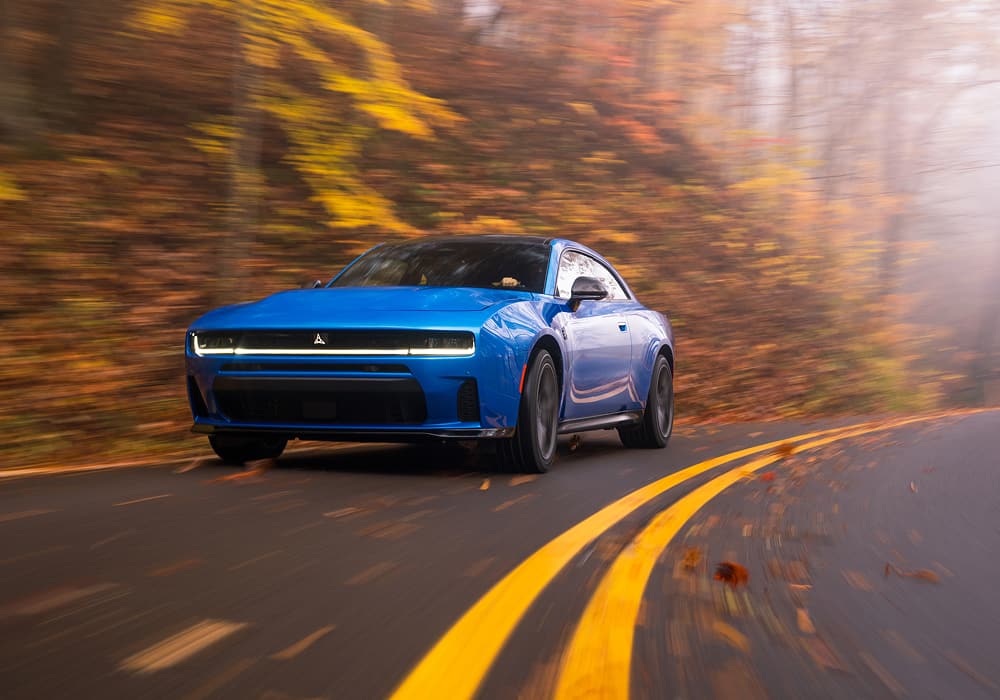
The base Charger completes the Dodge trio. It recorded 90 driver deaths per million registered vehicle years. That is far below the HEMI yet still high.
Its other-driver rate is the bigger concern. It reached 136 deaths per million registered vehicle years. That is more than double the national average.
Read that figure carefully. It means drivers in other vehicles die more often after hitting or being hit by a Charger. The car is heavy and fast. In the earlier study, the rates were 91 and 105. Both moved higher in the newest data. The trend is worsening.
IIHS notes it features on both lists of worst performers. Very few vehicles match that. The Charger’s record is consistent over years. Four-wheel-drive Chargers do far better in older data. One earlier ranking put the four-wheel-drive Charger at 32. Drivetrain and buyer profile both seem to matter.
Rear-drive versions attract drivers who want performance. They accelerate hard and often drive fast. Crashes at those speeds are more lethal. A Charger is not unsafe by nature. It rewards calm handling. Aggressive driving raises the risk sharply.
10. Chevrolet Camaro
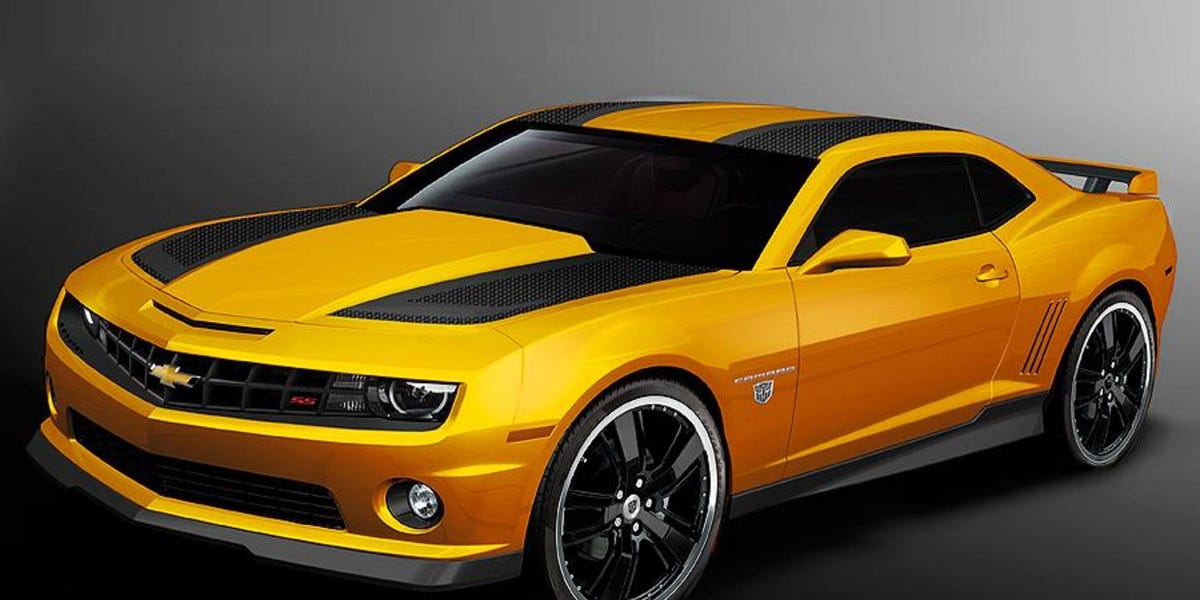
The Camaro ranks tenth. It recorded 88 driver deaths per million registered vehicle years. IIHS classes it as a large sports car. Its other-driver rate is 87. That is well above the 53 average for all vehicles. The Camaro also endangers people around it.
The Camaro appears on both the driver and other-driver death lists. That places it alongside the Charger and Malibu. It is a rare group. The Camaro’s rate has improved slightly. In the earlier study, its coupe scored 110, and its convertible scored 113. The latest figure of 88 is lower.
Design limits play a part. Low seating and long hoods restrict visibility. Tight cabins offer less protection. Sports cars invite spirited driving. Owners often use them for weekend fun. Fun can turn deadly on public roads.
IIHS has warned that marketing and image add to crash risk in muscle cars. The Camaro’s whole identity is built on speed. Buyers respond to that message. Track days offer a safer outlet. Closed circuits remove oncoming traffic. Enthusiasts would do well to use them.
11. Chevrolet Corvette
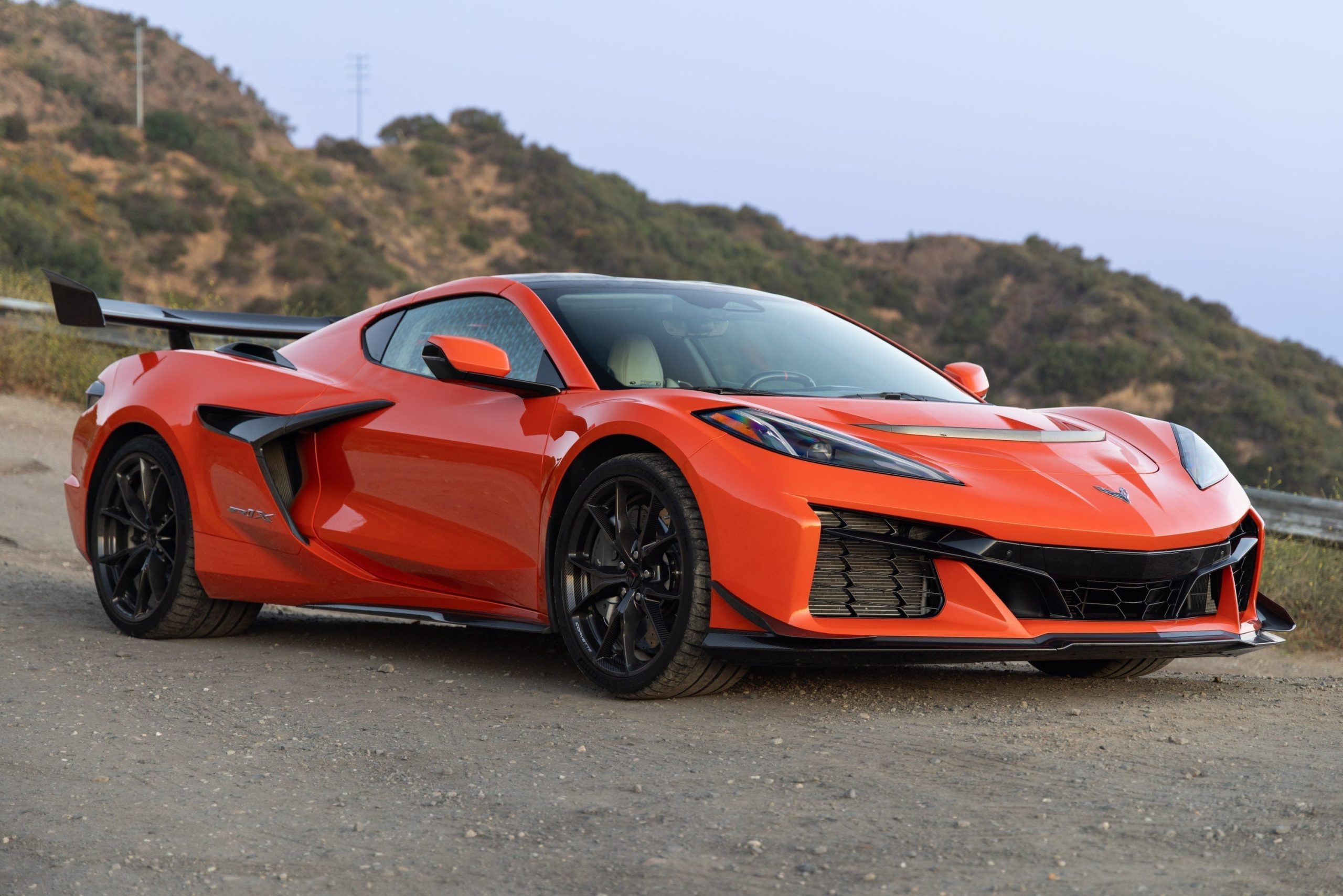
The Corvette rounds out the list. It recorded 82 driver deaths per million registered vehicle years. That is more than double the average. IIHS classifies it as a midsize sports car. Its performance is far beyond that of ordinary cars. It is built for speed.
One enthusiast report notes the Corvette shares the traits of the high-risk category. These include high horsepower and a speed-focused image. The numbers match that description.
The same report adds a fair caution. The result does not condemn the car itself. It reflects who buys and drives it. Corvette owners are often experienced and affluent. Yet experience can breed confidence. Confidence can lead to speed.
A low, light-bodied sports car is also easy to overpower. A small mistake can cause a single-vehicle crash. Those are often deadly. Sports cars also seldom carry passengers. The IIHS driver rate counts only drivers.
That keeps comparisons consistent across models. Modern Corvettes carry advanced safety technology. Yet no system beats good judgment. Speed remains the biggest danger.