It sounds strange that the same car could offer different levels of safety depending on which side of the Atlantic it is sold, but market-specific engineering can make that possible.
The United States and Europe use different safety regulations, crash tests, and equipment requirements, while manufacturers sometimes install different restraint systems or driver-assistance features for each market.
Euro NCAP itself notes that regional NCAP programs use different protocols and calculation methods. The examples below therefore focus on documented differences rather than claiming that every U.S. version is universally safer.
In several cases, the U.S. specification benefits from American requirements or testing that differs substantially from Europe’s approach.
1. Ford Mustang
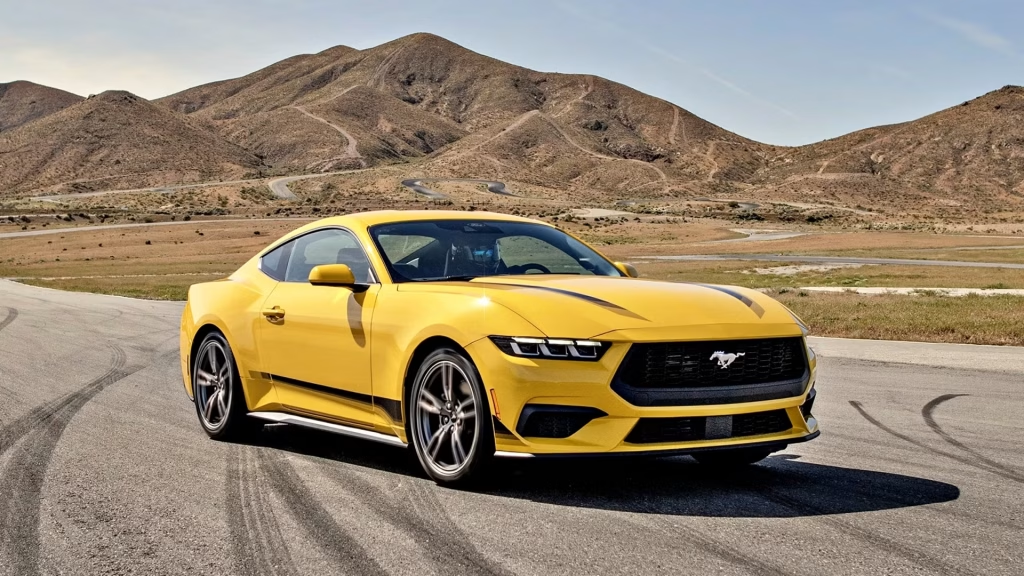
The Ford Mustang provides one of the clearest examples of why U.S. and European safety comparisons need careful interpretation. When Euro NCAP tested the sixth-generation Mustang in 2017, the European-market car received only two stars.
Euro NCAP criticized both occupant protection and the amount of safety equipment available on the European version. The organization specifically noted problems with the frontal airbags, rear-seat belt equipment, and side-impact protection.
The U.S.-market Mustang did not simply receive an equivalent two-star result because Euro NCAP’s test was performed on the European specification.
In the United States, IIHS testing of the 2019 Mustang showed good results in the moderate-overlap frontal test, original side test, roof-strength test, and head-restraint evaluation. The small-overlap frontal test was rated acceptable.
That does not mean the American Mustang can legitimately be called “five-star safe” or that the U.S. version would necessarily achieve a higher Euro NCAP score. The two organizations test different crash scenarios and use different scoring systems.
What makes the Mustang significant is that Euro NCAP itself highlighted the difference in safety equipment between the European specification and what American consumers expected.
The European car was criticized for lacking equipment commonly available in Europe, while the U.S. vehicle had been developed primarily around American regulatory and consumer-testing requirements.
2. Fiat 500
The Fiat 500 is an unusual case because the U.S. version achieved an important American safety accolade while the European version later received a much weaker Euro NCAP result.
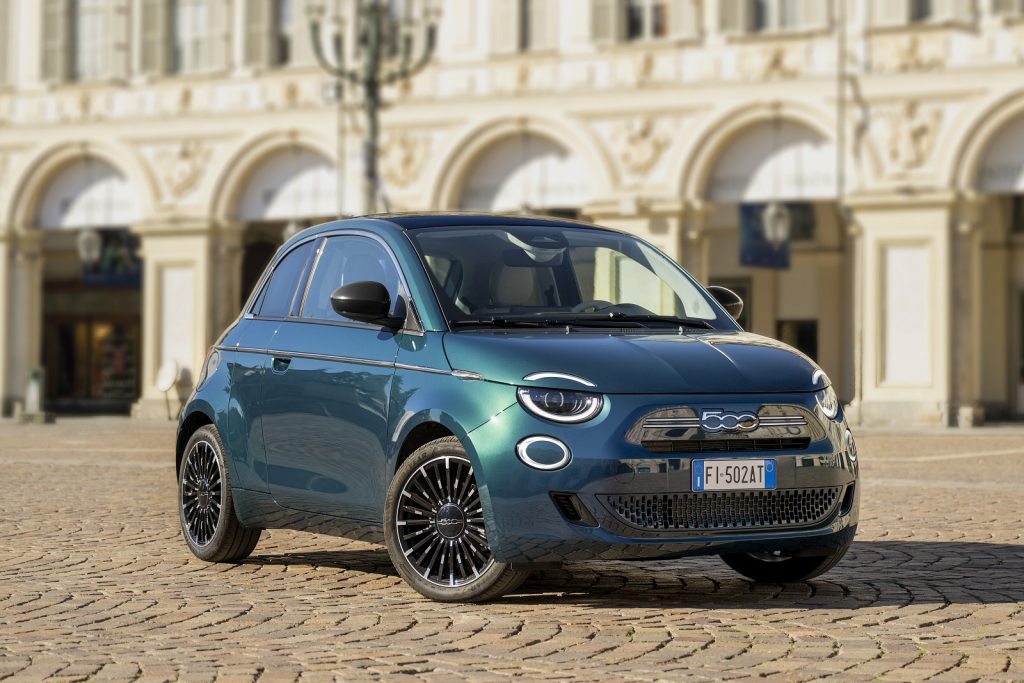
The U.S.-market 500 earned an IIHS Top Safety Pick award for 2012 and 2013 models built after July 2011. The award required good ratings in the moderate-overlap frontal, original side, roof-strength, and head-restraint tests.
However, the comparison becomes much more complicated when the 500 is reassessed by Euro NCAP in 2017. The European-market car received three stars, with Euro NCAP reporting 66 percent adult occupant protection, 49 percent child occupant protection, 53 percent vulnerable-road-user protection, and only 27 percent safety-assistance performance.
There is an important catch. The U.S. Fiat 500 was not perfect. IIHS subsequently gave the car a poor rating in its small-overlap frontal test. That test was introduced after the original Top Safety Pick award criteria, which explains how a vehicle could hold a Top Safety Pick award while later performing badly in a newer evaluation.
Therefore, the Fiat 500 should not be presented as universally safer in America. Instead, it demonstrates how dramatically results can change when different organizations introduce different crash tests.
The U.S. car performed well enough under the IIHS criteria of its period to earn a major award, while the aging European version struggled when reassessed under newer Euro NCAP requirements.
3. Jeep Wrangler
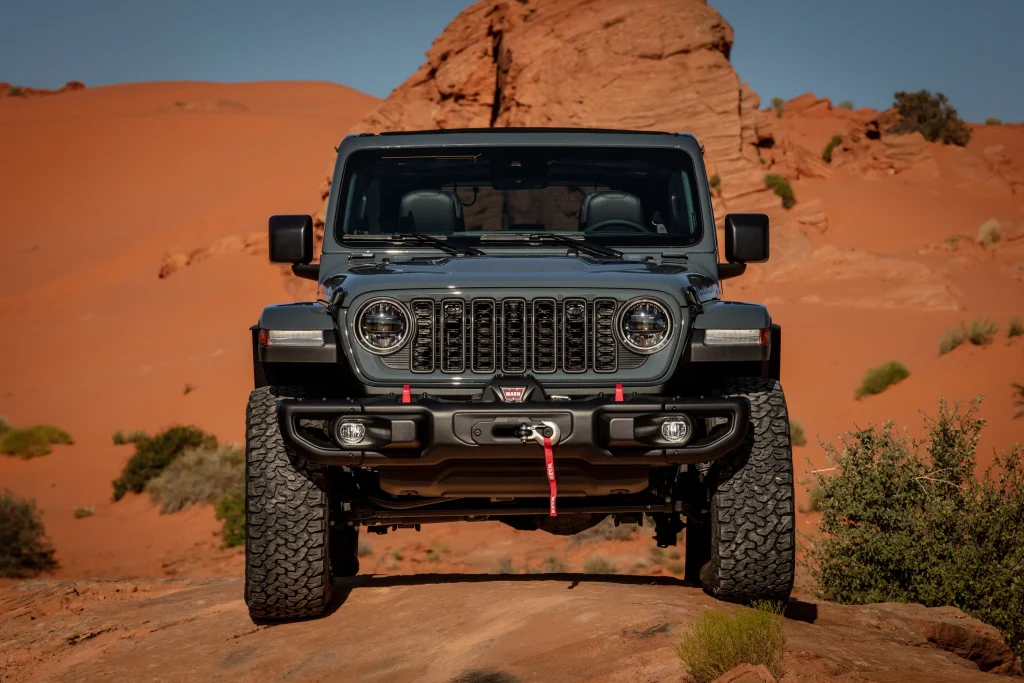
The Jeep Wrangler illustrates another major difference between American and European safety evaluations. Euro NCAP assessed the 2018 Wrangler and gave it only one star, with the organization criticizing its performance and safety-assistance equipment. That result became widely associated with the European version of the iconic American off-roader.
The U.S. specification did not escape criticism. IIHS testing of the 2019 Wrangler found a marginal result in the driver-side small-overlap frontal test and a marginal result in its updated side evaluation. During small-overlap testing, the Wrangler tipped onto its passenger side after hitting the barrier, which IIHS identified as an additional injury risk.
Yet the American vehicle also recorded several good results. Its original moderate-overlap frontal test was good, the original side test was good, roof strength was good, and head restraints and seats were good. Its optional forward-collision warning and automatic braking system also received a Superior rating from IIHS.
This makes the Wrangler a poor candidate for a simplistic “America is safer” claim. The U.S. vehicle had strengths that were visible in American testing, but it also had serious weaknesses that prevented it from being considered a safety leader.
The real lesson is that Euro NCAP and IIHS exposed different weaknesses. Euro NCAP placed greater emphasis on its European safety-assistance framework, while IIHS concentrated on specific crashworthiness and crash-avoidance tests.
The Wrangler’s divergent results show why one country’s star rating cannot automatically be translated into another country’s safety judgment.
4. Ram 1500
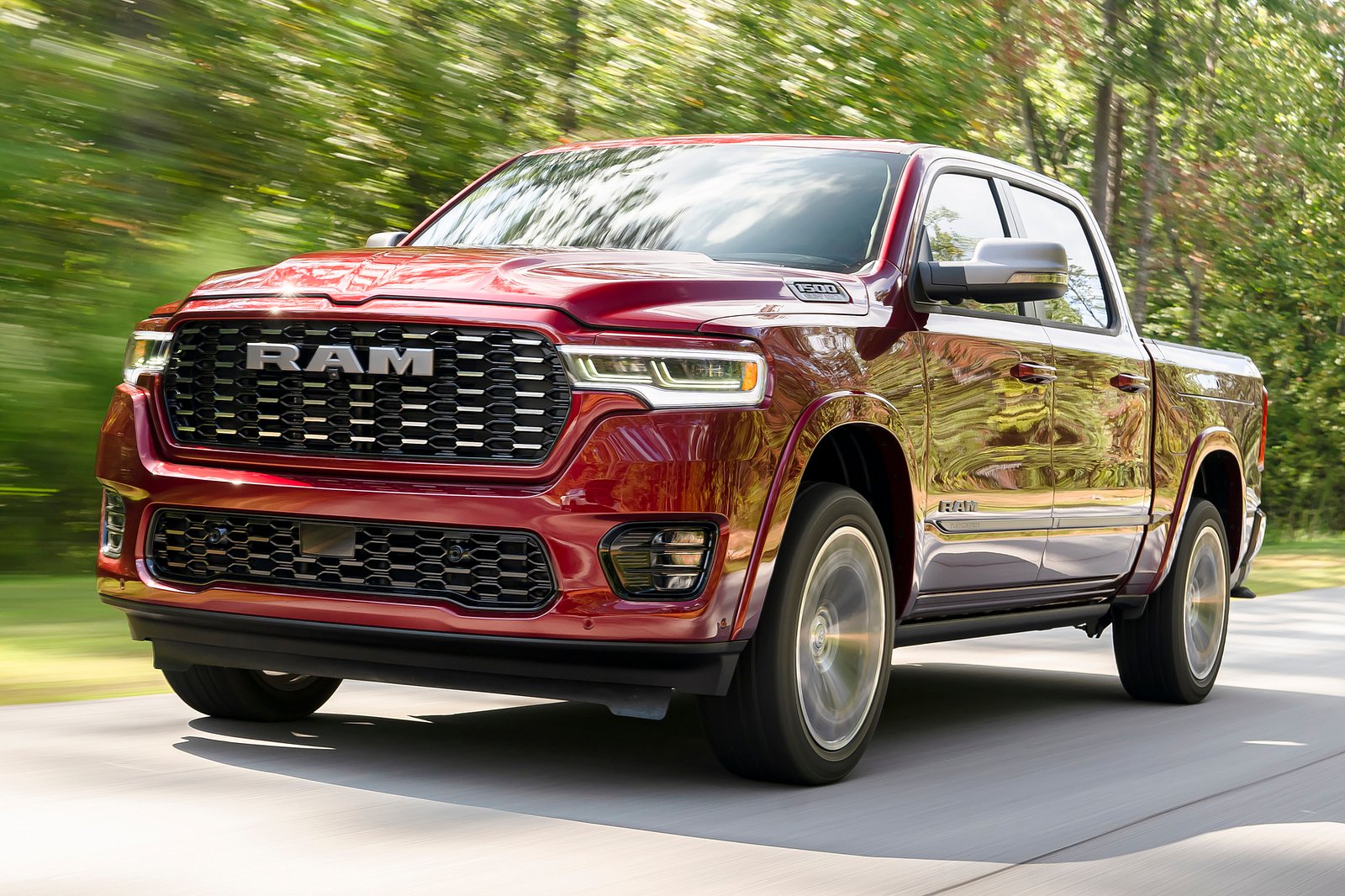
The Ram 1500 is an interesting example because it represents a vehicle category that has a much larger role in the United States than in Europe. Large full-size pickups such as the Ram 1500 are designed primarily around the North American market, and there is no directly comparable Euro NCAP rating for the U.S.-market truck.
That does not automatically make the Ram safer in America. Instead, the difference comes from the way the vehicle is regulated and evaluated. IIHS has tested the Ram 1500 extensively, providing detailed results for American buyers.
For 2023 models, the crew-cab truck earned good ratings in the driver-side and passenger-side small-overlap tests, the original moderate-overlap test, roof strength, and head restraints. It also qualified for a Top Safety Pick award when equipped with specified safety equipment.
More recent testing has exposed weaknesses. The 2025 Ram 1500 received a poor rating in IIHS’s updated moderate-overlap frontal test, despite good results in the small-overlap and updated side evaluations.
That evolution is important. A U.S. pickup can have strong performance under some American crash tests while still falling short under newer criteria.
Europe does not simply give the same truck a competing star rating, because Euro NCAP’s program is structured around vehicles and market conditions relevant to European consumers. Euro NCAP itself says local NCAP protocols differ between regions.
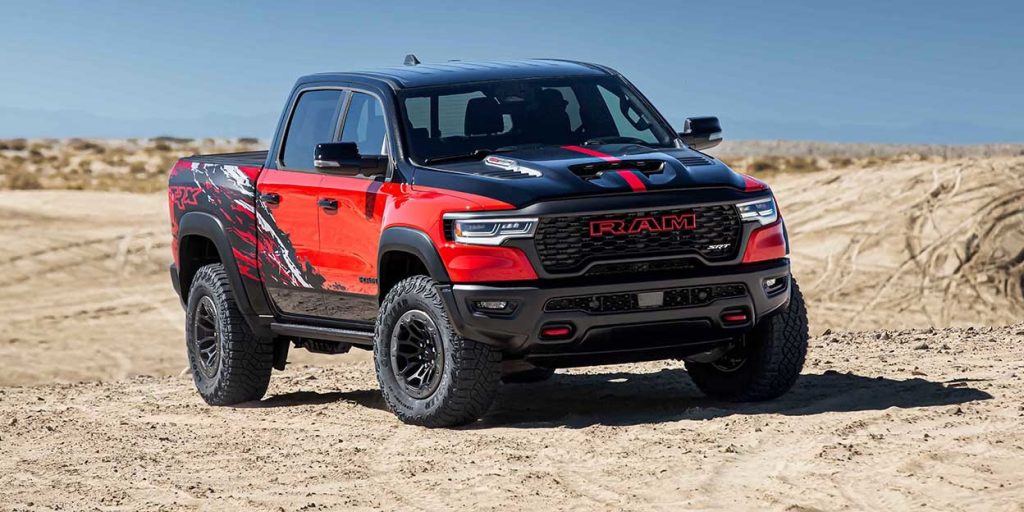
So the Ram belongs here because its U.S. configuration is developed, regulated, and independently tested for an American market that places enormous emphasis on full-size pickups.
5. Ford F-150
The Ford F-150 demonstrates how an American-market vehicle can receive extensive safety scrutiny even without having a directly comparable Euro NCAP rating.
The F-150 is one of the most important vehicles in the U.S. market, and IIHS testing provides American buyers with crashworthiness and crash-avoidance information that European consumers generally do not receive for the same U.S.-specification pickup.
The 2024 F-150 earned an IIHS Top Safety Pick award, although the award applied only to vehicles built after September 2024.
Its crashworthiness results included good ratings in the small-overlap frontal test and original moderate-overlap test, along with a good updated side rating. The standard pedestrian front-crash-prevention system also received a good rating.
The crew-cab version shows why configuration matters. IIHS found good performance in small-overlap testing and the updated side test, but the updated moderate-overlap test was poor.
That mixed record prevents the F-150 from being described as categorically safer than a European vehicle. Instead, its American-market safety profile reflects the tests U.S. organizations use and the equipment Ford supplies for American customers.
There is also a fundamental market difference. The F-150 is a full-size pickup engineered around American usage patterns, towing demands, and regulations. Euro NCAP’s consumer program is not designed to provide an equivalent star score for every U.S.-market pickup.
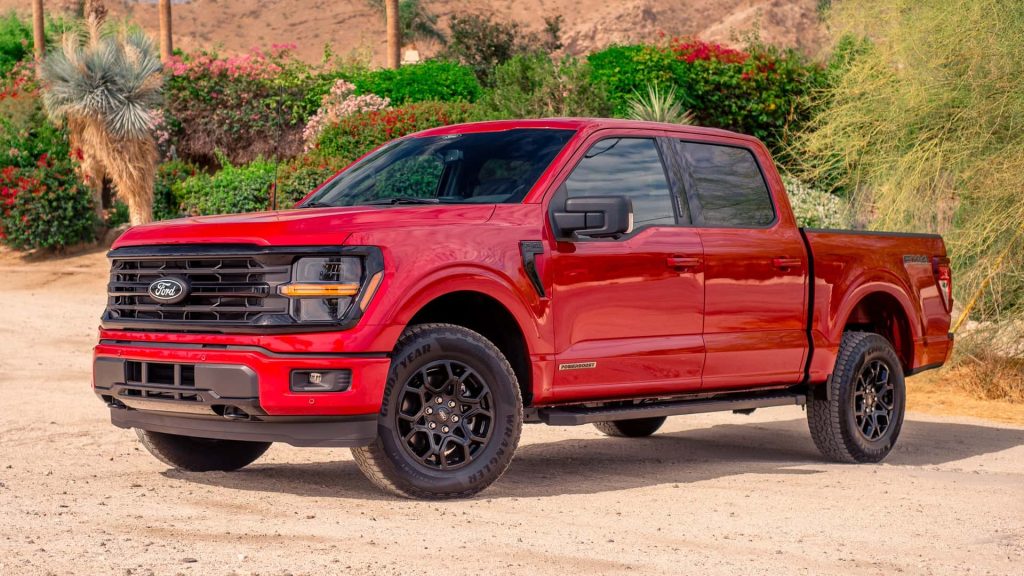
For American buyers, IIHS testing therefore provides a more relevant source of comparative information than attempting to assign a European rating to a truck that was never tested under the same system.
6. Chrysler Pacifica
The Chrysler Pacifica offers a different example because its safety story is heavily tied to the American minivan market. The Pacifica was engineered primarily for North American customers and has been extensively evaluated by IIHS, while there is no directly equivalent Euro NCAP rating for the U.S.-market Pacifica.
The American test record is substantial. The 2020 Pacifica earned an IIHS Top Safety Pick award when equipped with specified front-crash-prevention equipment and headlights. It received good ratings in the driver-side and passenger-side small-overlap frontal tests, the original moderate-overlap test, side testing, roof strength, and head restraints.
IIHS also records an important structural improvement. Pacificas built after August 2020 received strengthened passenger-side structural components to improve protection in small-overlap crashes. The passenger-side test of the updated vehicle earned a Good rating.
This is precisely the kind of evidence that makes the U.S. market different. American safety organizations can identify a weakness through a specific crash test, and manufacturers can subsequently modify vehicles built for the U.S. market.
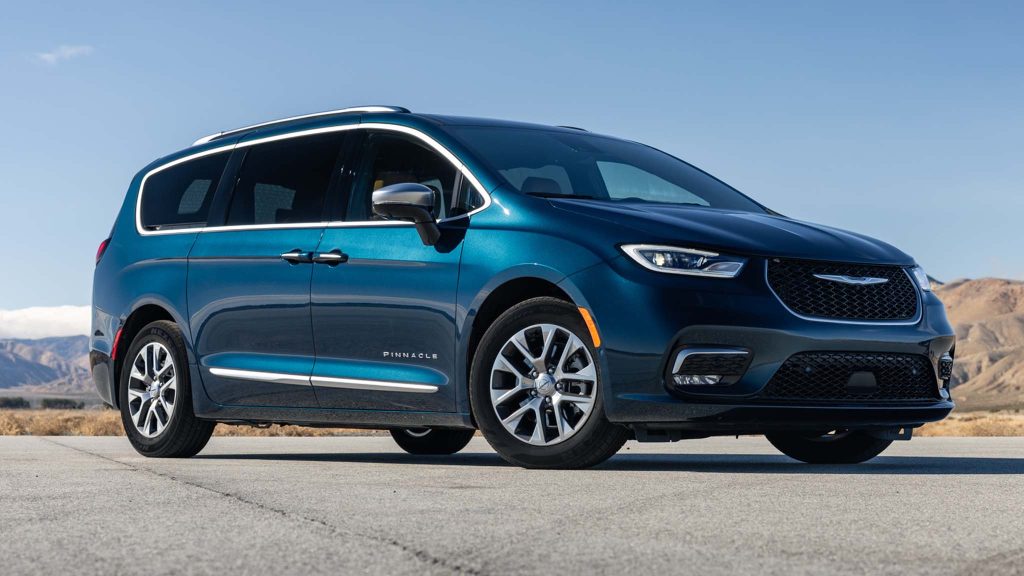
That does not mean the Pacifica is necessarily safer than every European minivan. It means its safety development has been influenced by American crash-testing requirements and consumer expectations.
The vehicle also illustrates why a European star rating would not be an appropriate substitute. Euro NCAP’s scoring methodology includes occupant protection, vulnerable-road-user protection and safety-assistance performance, while IIHS uses its own set of crashworthiness and crash-avoidance evaluations.
7. Cadillac Optiq
The Cadillac Optiq provides a useful modern counterexample because it demonstrates just how difficult it is to claim that American-market vehicles are automatically safer.
Euro NCAP actually tested the Optiq and awarded it five stars, with 83 percent adult occupant protection, 81 percent child occupant protection, 76 percent vulnerable-road-user protection, and 74 percent safety-assistance performance.
That means the Optiq cannot honestly be presented as a vehicle that is proven to be safer in America than in Europe. Instead, it belongs at the end of this list because it shows the limitation of the entire premise.
The U.S. version is subject to American federal requirements and is evaluated through U.S. regulatory and consumer-testing systems. Europe evaluates its own specification through Euro NCAP. Those systems can identify different strengths and weaknesses.
Euro NCAP specifically described the Optiq as evidence that American manufacturers can compete with established European and Asian manufacturers on safety. That is significant because it reverses the assumption behind the headline. A vehicle built by an American manufacturer does not necessarily become safer simply because it is sold in the United States.
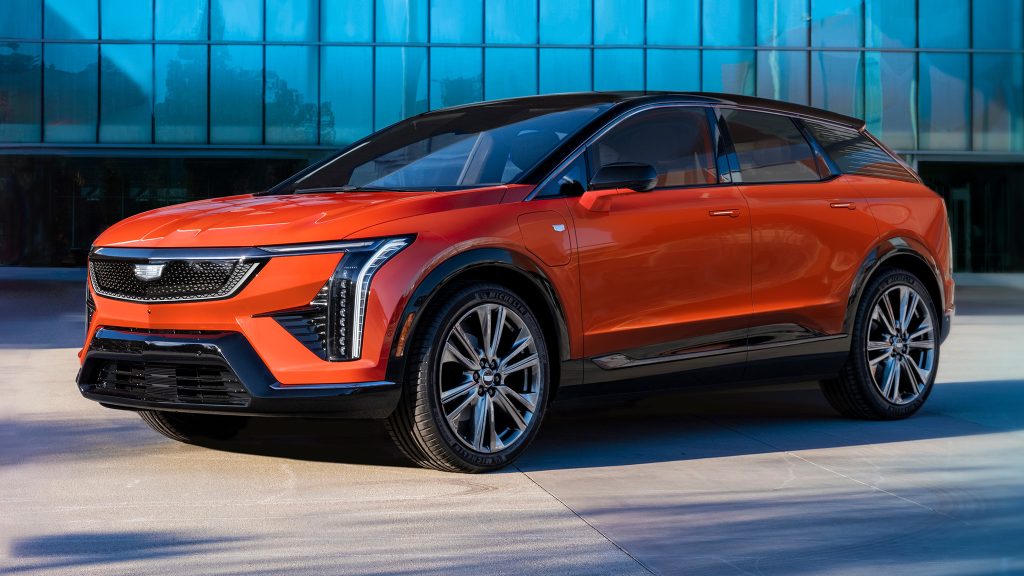
The Optiq also shows why market-specific equipment matters. Euro NCAP’s current system places substantial emphasis on active safety technologies in addition to crash protection. The organization says its ratings consider how well a vehicle protects occupants, helps prevent crashes and facilitates rescue after a collision.
For that reason, the Optiq is best viewed as a warning against simplistic U.S.-versus-Europe comparisons rather than proof that America always wins.