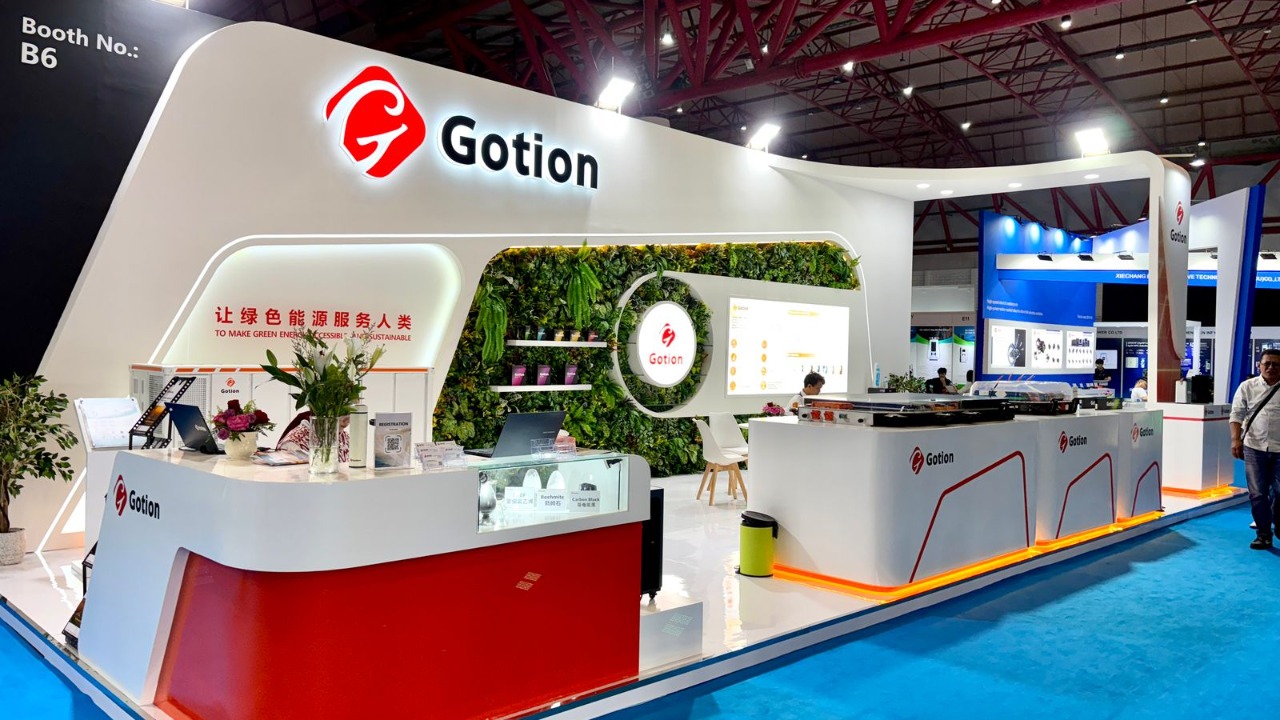
Volkswagen is deepening its relationship with Chinese battery manufacturer Gotion High-Tech as it works to build a stronger and more localized battery supply chain for its European electric vehicles.
The two companies have agreed to establish joint ventures spanning Spain, Slovakia, and Morocco, linking battery-cell production with cathode-material manufacturing across Europe and North Africa.
The agreement marks a major expansion of a partnership that dates back to 2020. It also highlights the challenge Volkswagen faces in balancing supply-chain security with the need to work with Chinese companies that have built substantial expertise and production capacity in battery technology.
Under the new arrangement, Gotion will invest approximately €1.1 billion for a 49% stake in Volkswagen’s battery plant in Valencia, Spain. Volkswagen’s battery subsidiary, PowerCo, will retain a 51% majority stake.
In return, PowerCo plans to invest about €470 million in Gotion’s battery-cell facility in Šurany, Slovakia, and its planned cathode-material operation in Kenitra, Morocco. PowerCo will hold 49% of each of those joint ventures, while Gotion will remain the majority shareholder. The companies will jointly manage the projects.
The three projects are designed to work together rather than operate as completely separate investments. Spain and Slovakia will produce lithium iron phosphate, or LFP, battery cells, while the Moroccan facility will produce cathode material used in LFP batteries.
That creates a regional supply chain connecting North Africa with European battery production.
For Volkswagen, the strategy has two clear goals. The company wants to lower battery costs for its upcoming EVs while reducing its reliance on critical components shipped over long distances.
Valencia Becomes the Center of Volkswagen’s LFP Strategy
The largest part of the agreement involves Volkswagen’s battery facility near Valencia. PowerCo is currently developing the factory, which will now be transferred into a joint venture with Gotion. Volkswagen will maintain majority ownership with its 51% stake, while Gotion will hold 49%.
The facility is intended to become a major European production hub for LFP batteries and Volkswagen’s Unified Cell technology. The planned production capacity is approximately 29.1 gigawatt-hours annually, making Valencia a significant part of Volkswagen’s future European battery network.
The choice of LFP technology is important. Unlike some nickel-rich battery chemistries used for maximum range and high-performance applications, LFP batteries generally offer advantages in cost, durability, and thermal stability.
Those characteristics make them particularly attractive for more affordable electric vehicles where controlling the battery’s contribution to the final vehicle price is critical.
Volkswagen expects LFP batteries to become considerably more important in Europe during the coming decade. The company says LFP’s share of the European battery market could increase from roughly 10% today to between 40% and 60% by 2030.
That forecast explains why Volkswagen wants to establish production capacity now. Affordable EVs represent one of the industry’s biggest challenges. Battery packs remain one of the most expensive components in an electric vehicle, and automakers cannot compete effectively on price if battery costs remain too high.
LFP technology could help Volkswagen lower those costs while giving customers an electric vehicle with sufficient range for mainstream driving.
The Valencia factory also gives Volkswagen greater control over the production process. PowerCo will remain the majority owner, while Gotion contributes battery expertise and investment.
The arrangement effectively combines Volkswagen’s vehicle and manufacturing knowledge with Gotion’s experience in battery development and production.
The companies have already worked together for several years. Volkswagen became a strategic investor in Gotion in 2020 and has remained its largest single shareholder. The German automaker currently owns about 24% of Gotion, although Volkswagen has also agreed to sell a 5.3% stake to an undisclosed buyer.
Despite reducing part of its financial investment, Volkswagen intends to remain a strategic shareholder in Gotion. That combination tells an important story.
Volkswagen is reducing some of its direct financial exposure while simultaneously increasing operational cooperation.
Slovakia and Morocco Complete the Battery Network
The other two projects are equally important because they extend the partnership beyond Spain. In Šurany, Slovakia, Gotion is developing a battery-cell factory that will become a joint venture with PowerCo. Gotion will hold 51%, while PowerCo will own 49%.
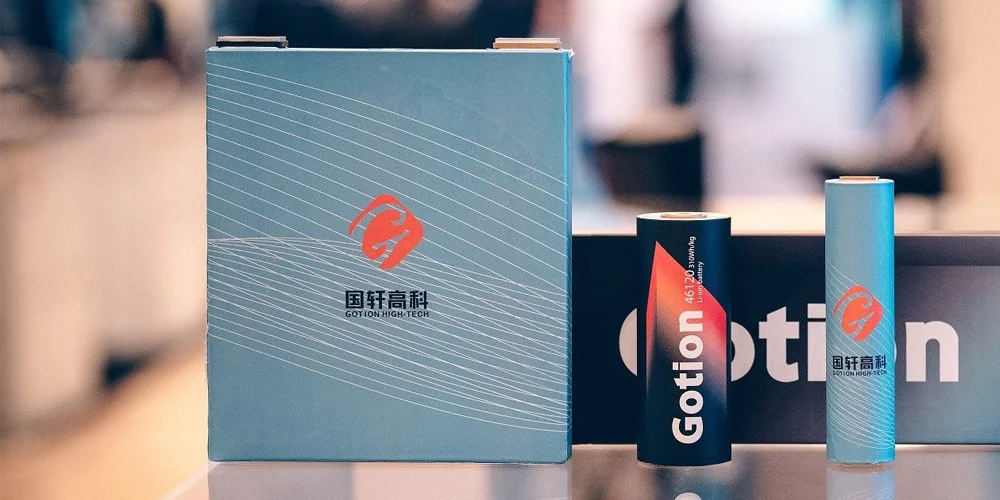
The facility is planned to produce approximately 8.4 GWh of LFP battery cells annually. Unlike the Valencia operation, its output is expected to support both electric vehicles and energy-storage systems.
The Slovakian factory gives Volkswagen another source of LFP battery production within Europe. That geographical diversification matters.
If Volkswagen depended heavily on a single battery factory, a production interruption could affect vehicle assembly at multiple plants. Having production sites in different countries can make the supply chain more resilient and provide additional flexibility.
Morocco plays a different role. The companies plan to establish a joint venture in Kenitra focused on producing LFP cathode materials. Gotion will hold 51%, with PowerCo taking 49%.
The facility is expected to produce up to 100,000 metric tons of cathode material annually, supplying the battery operations in Spain and Slovakia. That makes the Moroccan project more than an isolated investment.
It becomes an upstream part of the wider battery chain. Instead of importing all the necessary battery materials into Europe, Volkswagen and Gotion can create a supply network in which important materials are produced closer to the factories that convert them into battery cells.
Morocco is becoming increasingly important to global automakers because of its proximity to Europe, established automotive manufacturing base, and growing industrial infrastructure.
The country has attracted investment from companies looking to manufacture components and vehicles for European markets while maintaining competitive production costs.
For Volkswagen, adding Morocco to its battery network provides another geographic advantage.
The three projects together are expected to create a combined battery-cell production capacity of approximately 37.5 GWh annually, alongside the Moroccan cathode-material operation. The broader investment across the projects is estimated at €3.22 billion.
Volkswagen’s Chinese Partnership Shows How EV Supply Chains Are Changing
The deeper relationship with Gotion is notable because Volkswagen is simultaneously trying to strengthen its European industrial base.
Europe has been attempting to reduce its dependence on China for critical technologies and materials, particularly batteries. Chinese companies currently hold enormous advantages in battery manufacturing scale, technology, and supply-chain integration.
That creates a dilemma for European automakers. They want greater strategic independence, but completely separating themselves from Chinese battery expertise could increase costs and slow the development of affordable EVs.
Volkswagen’s approach with Gotion appears to be a compromise. Instead of simply importing finished batteries from China, the companies are building production capacity closer to Volkswagen’s European operations. Manufacturing will take place in Spain and Slovakia, while Morocco will provide an important material input.
The arrangement also gives Volkswagen more involvement in the production process while allowing Gotion to bring its battery expertise into Europe’s developing battery industry.
That could become an increasingly common model. European automakers may not eliminate Chinese involvement from their supply chains. Instead, they may attempt to move more production into Europe or nearby countries while maintaining partnerships with experienced Chinese suppliers.
Volkswagen’s strategy also comes at a difficult time for the company. The German automaker is undergoing a major restructuring intended to reduce costs and improve competitiveness. At the same time, it faces increasing competition from Chinese EV manufacturers that have developed lower-cost vehicles and advanced battery technology.
That makes affordable batteries especially important. Volkswagen cannot compete successfully in the growing EV market simply by producing premium electric models. It also needs vehicles that can reach a much broader customer base without sacrificing profitability.
LFP batteries could help provide that balance. The new partnership therefore goes beyond a simple investment agreement. It represents an attempt to establish a complete battery ecosystem that covers materials, cells, and vehicle production.
There are still uncertainties. The agreements require regulatory approvals and other closing conditions before they can be completed. The companies will also have to manage large construction projects, establish reliable production, and ensure that battery costs remain competitive.
Success will ultimately depend on whether these facilities can produce batteries at the required scale and price. For Volkswagen, however, the direction is clear.
The company wants more control over its European battery supply chain, but it also recognizes that Gotion’s experience can accelerate that process.
The partnership links Spain, Slovakia, and Morocco into one industrial strategy and gives Volkswagen access to LFP production at a time when affordable electric vehicles are becoming increasingly important.
Rather than completely separating from China’s battery industry, Volkswagen is choosing to bring part of that expertise into a Europe-centred manufacturing network.
This approach could become a defining element of Europe’s transition to electric vehicles. It combines greater domestic production with carefully structured partnerships involving companies that already hold a strong position in key areas of the global battery industry.