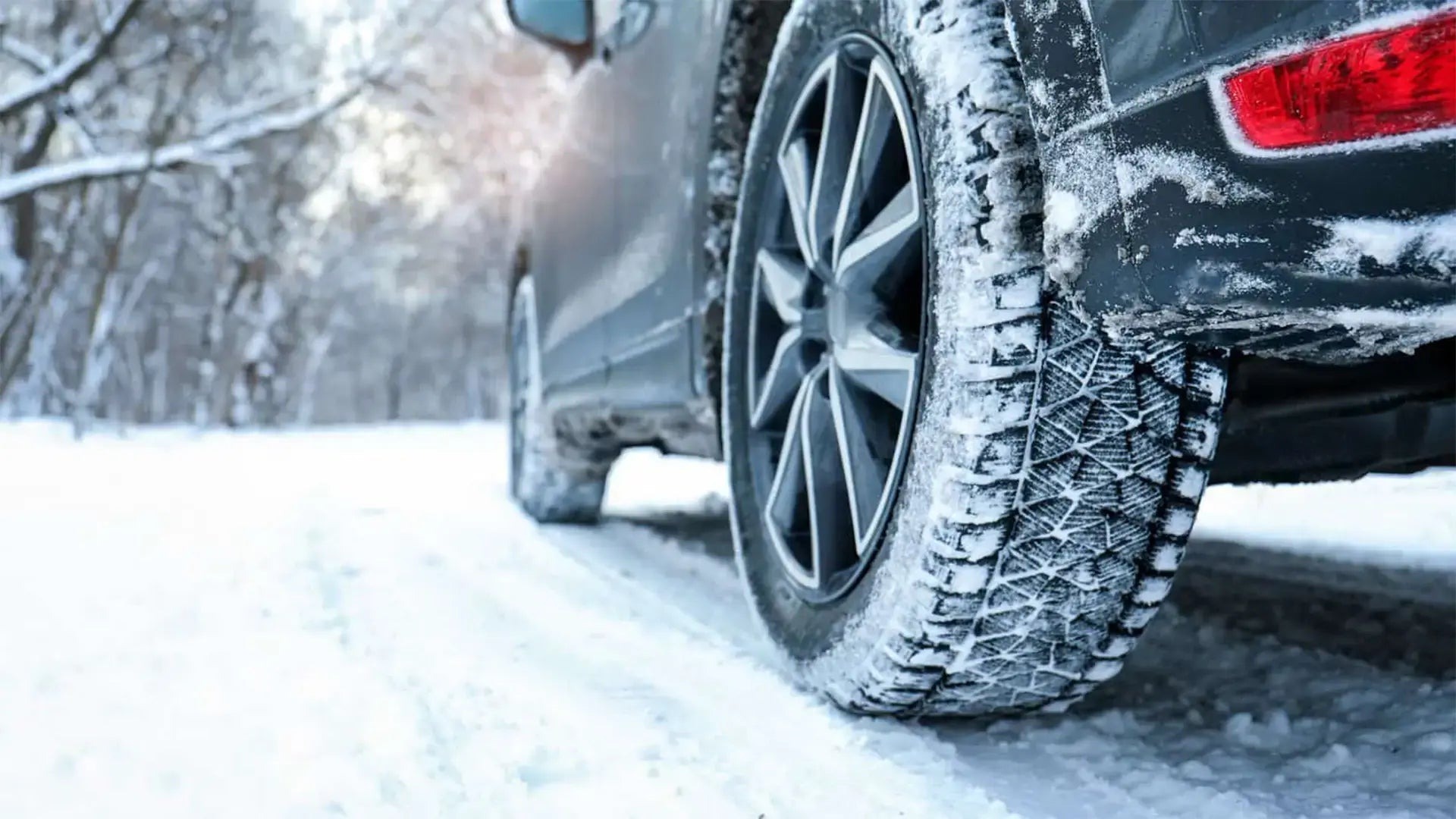
When temperatures fall below freezing, your tires do more than face icy roads. The air inside them contracts, pressure falls, rubber becomes less flexible, and small maintenance mistakes can become more noticeable. A common rule says tire pressure drops about 1 PSI for every 10°F decrease in temperature.
That simple change can affect steering, braking, tire wear, fuel use, and the way your vehicle feels on the road. The good news? Cold-weather tire care is easy once you know what to watch. Here are 10 practical facts every driver should know before the thermometer plunges.
1. PSI Decreases About 1 PSI per 10°F Drop
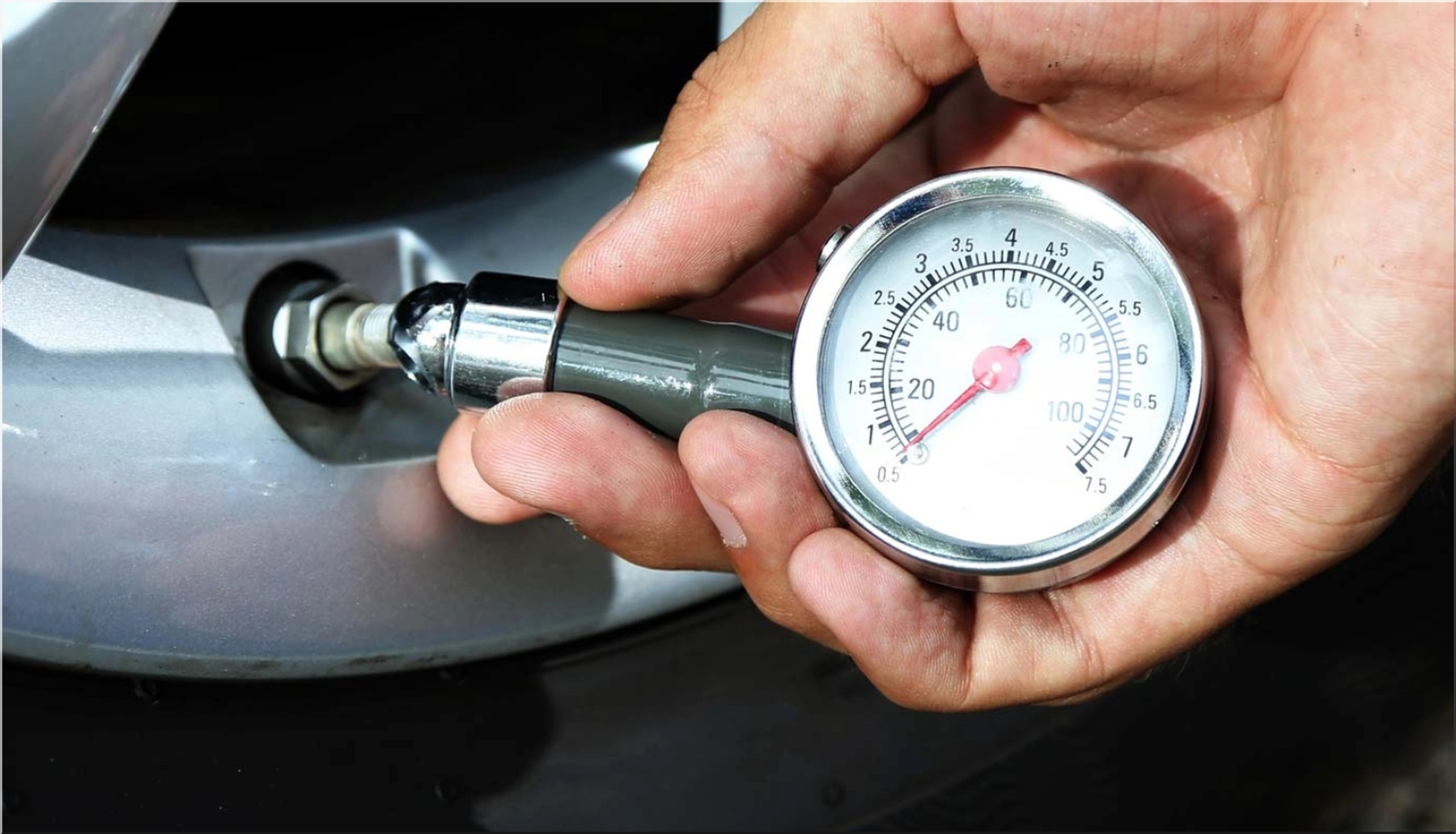
Think back to the last time a cold morning made your tire-pressure warning light appear. The tires may have been perfectly fine the evening before, yet the lower temperature can reduce the pressure inside them.
A widely used rule is that tire pressure changes by about 1 PSI for every 10°F change in temperature. Michelin and NHTSA both cite this approximate relationship.
Here is a simple example. Suppose your tires measure 35 PSI when the outside temperature is 70°F. If the temperature later falls to 30°F, a 40°F drop could mean roughly 4 PSI less pressure. The tires could then read around 31 PSI without having developed a puncture.
That does not mean every tire will lose exactly 4 PSI. Tire construction, starting pressure, temperature, altitude, and measurement conditions can affect the actual reading. Treat the 1 PSI per 10°F figure as a useful estimate, not a laboratory guarantee.
The important part is knowing your vehicle’s recommended cold pressure. You will usually find it on the driver’s door-jamb label or in the owner’s manual.
Do not use the maximum PSI printed on the tire sidewall as your target. NHTSA specifically recommends following the vehicle manufacturer’s cold-inflation specification.
2. Low Pressure Affects Handling and Braking
A few pounds of pressure may not sound like much when you are standing beside the car. Behind the wheel, however, low tire pressure can change the way the vehicle responds.
An underinflated tire has greater sidewall flex, which can make steering feel less precise and alter the tire’s behavior during cornering. Cold pavement adds another concern.
Ice, snow, slush, and wet surfaces already reduce available traction. If the tire is also below its recommended pressure, the vehicle may feel less stable during steering or braking.
Michelin says underinflation can contribute to reduced traction, longer stopping distances, and poorer handling in cold conditions. Imagine approaching a stop sign on a cold morning.
Your brakes, suspension, and electronic safety systems are doing their jobs, but the tires remain the contact points between the vehicle and pavement. Their condition matters greatly.
Low pressure does not automatically mean a driver will lose control. Plenty of vehicles continue moving normally with modest pressure changes. The concern is that the available margin can become smaller when road conditions are already difficult.
Checking pressure before driving is therefore a simple safety habit. If the dashboard TPMS warning appears, do not ignore it simply because the vehicle still feels normal. Check the tires with a reliable gauge and restore them to the manufacturer’s recommended cold pressure.
3. Increased Tire Wear
Tires are expensive, so nobody wants to replace them early. Yet that’s exactly what happens when pressure runs low all winter. An underinflated tire flexes more with every rotation.
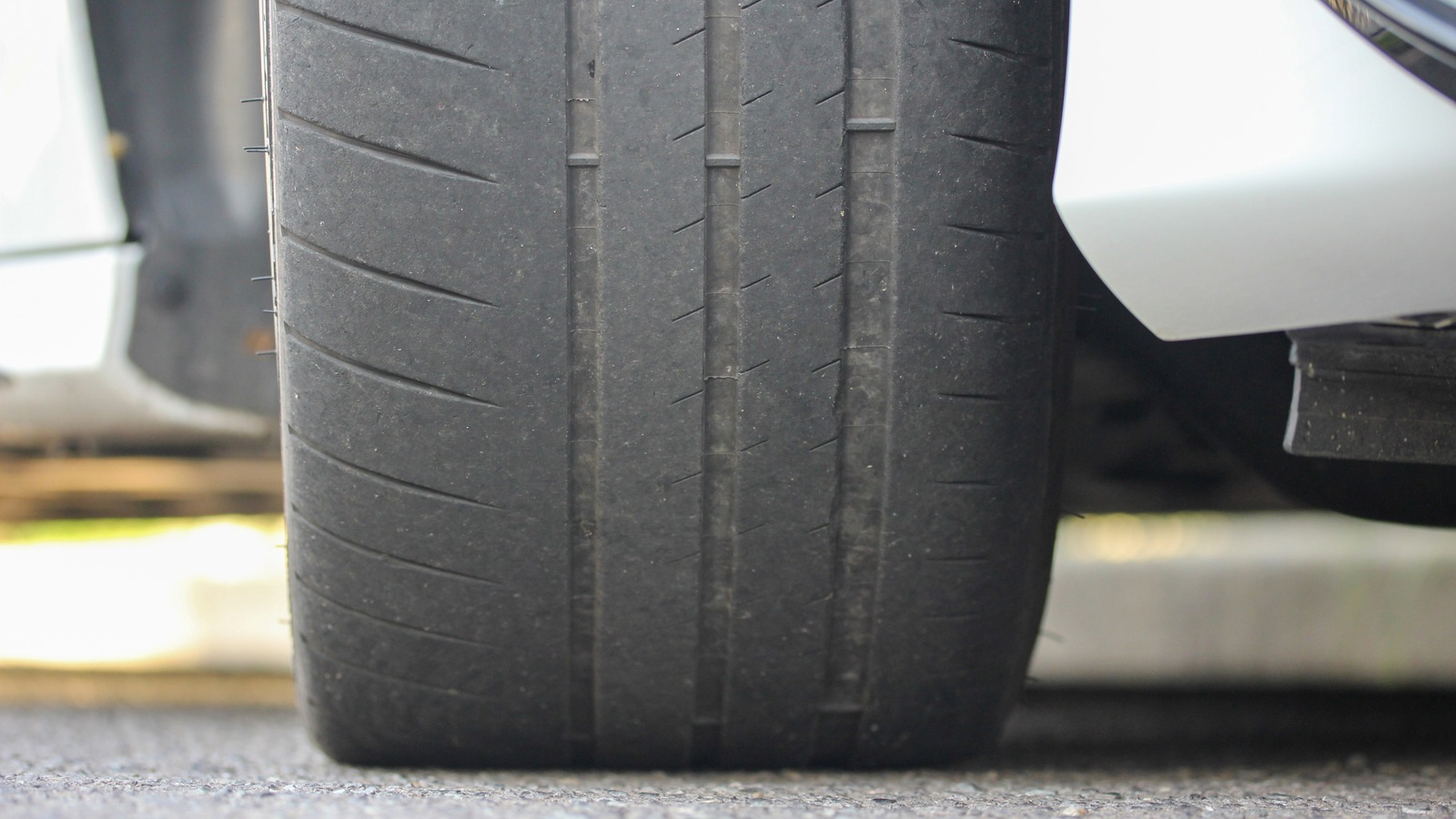
That extra flexing builds heat, and heat speeds up wear, especially along the outer edges of the tread. Let’s picture it. A properly inflated tire sits evenly on the road, so the tread wears across its whole width.
A soft tire sags, which puts extra weight on the shoulders. Over a season or two, those edges grind down faster than the center. You might spot bald patches, uneven ridges, or a strange feathered feel when you run your hand across the tread.
Uneven wear isn’t just an appearance issue. It can cause vibration, noise, and a shorter tire life. Worse, worn edges reduce grip during cornering, right when you need it most.
Want an easy check? Grab a penny and slide it into the tread with Lincoln’s head pointing down. If you can see the top of his head, the tread is getting thin. Do this in several spots across each tire.
Regular pressure checks are the cheapest insurance you can buy. Rotate your tires as your owner’s manual recommends, and keep an eye on the edges. Doing so can add thousands of miles to a set and keep your money where it belongs, in your pocket.
4. Decreased Fuel Efficiency
Nobody enjoys spending more at the pump, and cold weather already makes that happen. Thick winter air, longer warm-ups, and heated seats all add up. Low tire pressure piles on even more cost.
Here’s how. When a tire is soft, more of its surface presses against the road. That creates extra rolling resistance, which is basically friction working against your car.
To keep moving at the same speed, the engine has to work harder, and a harder-working engine burns more fuel. Even a small pressure drop can measurably reduce efficiency.
It may not feel dramatic, but it adds up across a full tank, then a month, then an entire winter. Think of it like walking with a heavy backpack. You can still get where you’re going, but you’ll be more tired and burn more energy.
Consider a commuter who drives fifty miles a day. If low tires cost even a small percentage of fuel economy, that person will spend noticeably more on gas by spring.
Multiply that across a family with two cars, and the waste becomes hard to ignore. The fix costs almost nothing. Fill your tires to the recommended pressure, and you’ll often see your mileage improve within a tank or two.
Saving fuel while staying safe is a rare win-win, and it takes about five minutes at a gas station air pump.
5. Rubber Becomes Less Flexible
Ever left a rubber band in the freezer? It turns stiff and loses its stretch. Tire rubber behaves in a similar way, though far less dramatically.
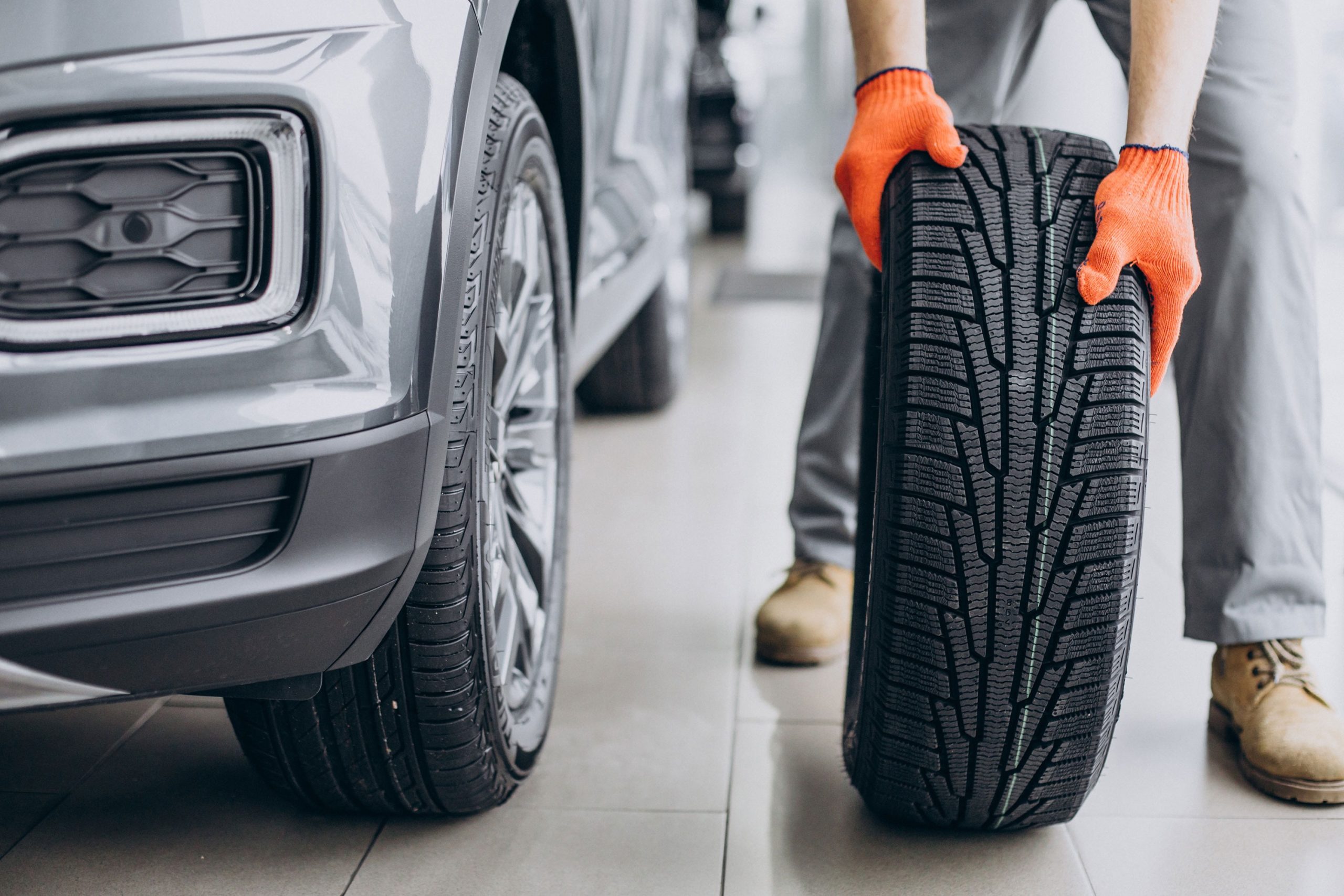
When temperatures dip, the rubber compound becomes less flexible, and that changes how the tire interacts with the road. The effect is easy to overlook because there is no warning sound or obvious visual change.
A warmer, more pliable tire can conform better to tiny imperfections and textures in the pavement. As the rubber gets colder and firmer, that flexibility decreases.
The contact patch can change slightly, which may reduce available grip. This matters most when the road itself is already cold, wet, snowy, or icy.
That’s why a vehicle may feel a little different on the first freezing morning of the season. Steering response can feel less immediate, cornering may require more care, and acceleration can cause the tires to lose traction more easily.
It does not necessarily mean anything is wrong with the tires. Temperature is simply affecting the rubber compound. Drivers can make cold-weather conditions easier to handle by keeping their inputs smooth.
Reduce speed when approaching curves, leave more following distance, and avoid sudden steering, acceleration, or braking. Give the tires a few minutes of normal driving to warm naturally.
There is another reason to pay attention to pressure. Cold temperatures can make the rubber less flexible while also lowering tire pressure.
When those two effects occur together, the vehicle may feel less responsive. Keeping the tires properly inflated and driving smoothly helps preserve traction when temperatures fall.
6. TPMS Lights Can Trigger
The familiar horseshoe-shaped warning symbol on the dashboard often appears during the first major cold snap of the season. That timing can make the warning seem mysterious, especially when the tires looked fine the previous afternoon.
There is a straightforward reason. Tire Pressure Monitoring Systems measure or calculate tire pressure and alert the driver when pressure falls below the vehicle’s specified warning threshold.
Cold temperatures can cause that pressure to fall even when there is no puncture. NHTSA explains that TPMS warnings can result from low-temperature effects as well as normal pressure loss or a leak.
The agency also says drivers should not rely on TPMS alone because the system is designed to warn when pressure is already sufficiently low.
That distinction matters. A TPMS warning is not a convenient substitute for checking tire pressure every month. Think of the system as an additional safety monitor rather than a complete maintenance system.
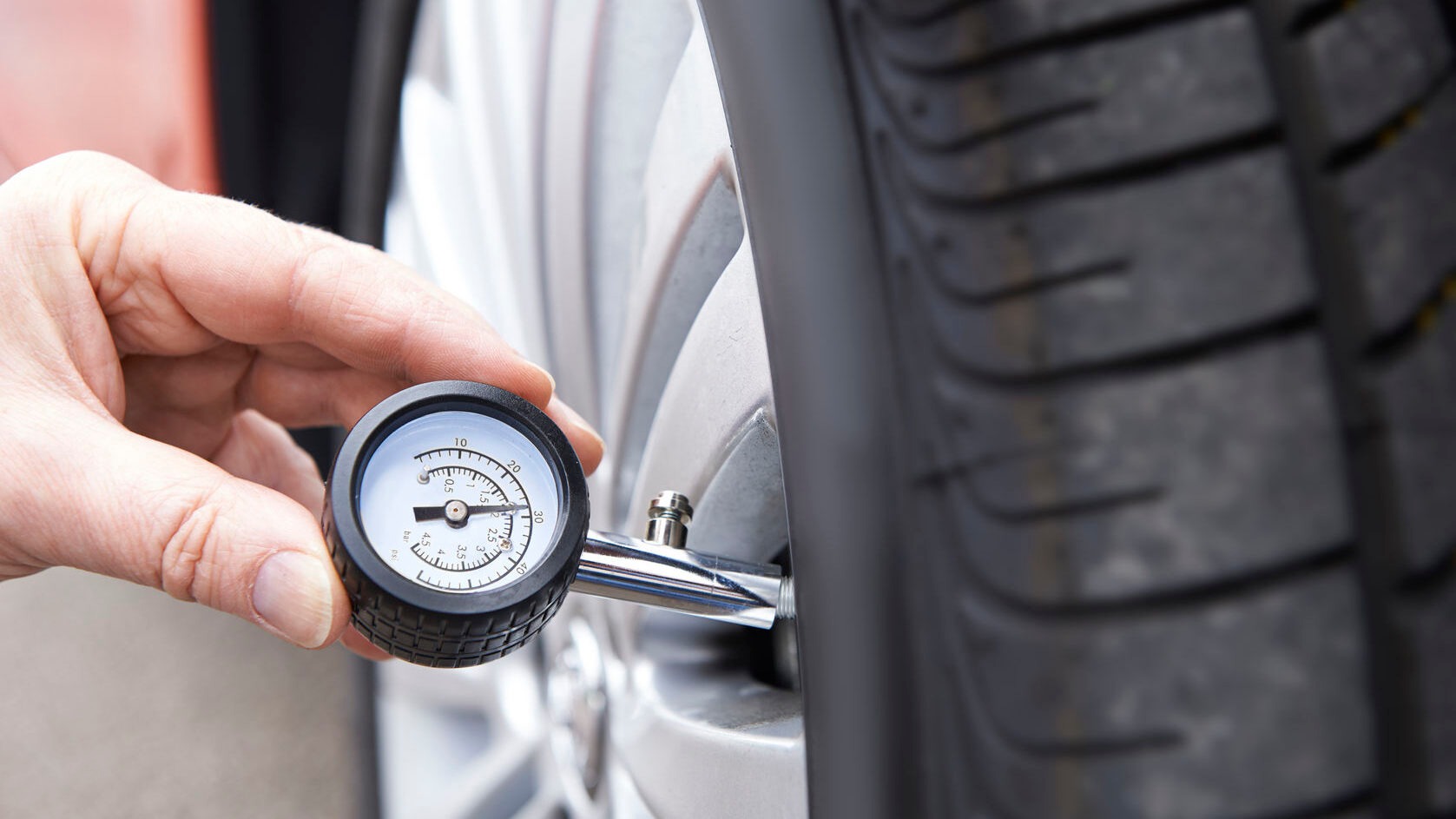
When the light appears, use a quality gauge to check each tire. If one tire is much lower than the others, inspect it for a puncture, valve problem, or other leak. If all four have dropped by a similar amount after a temperature decline, the weather may be the main reason.
After correcting the pressure, some vehicles may require a short drive before the TPMS display updates. Always follow the procedure in your owner’s manual.
7. Pressure Is Temperature-Dependent, Not Leak-Related
Seeing a lower PSI reading after a freezing night does not automatically mean your tire has a hole. Temperature alone can produce a pressure change.
The explanation comes down to how gases respond to temperature changes. When the temperature drops, the air inside a sealed tire produces less pressure. This does not necessarily mean the tire has lost air. Instead, the change in temperature alters the conditions within the tire.
The relationship is described by the ideal gas law, expressed as PV = nRT. For everyday drivers, there is no need to calculate the equation.
The practical point is simple. When the air inside a tire gets colder, the pressure reading will generally drop as long as the amount of air and the tire’s volume remain relatively unchanged.
NHTSA technical material uses approximately 1 PSI for every 10°F as a reference for tire-pressure changes. Now consider a different situation.
If one tire drops several PSI while the other three remain close to their previous readings, temperature alone may not explain the difference. A puncture, leaking valve, damaged wheel, or other issue could be involved.
That is why comparing all four tires is useful. Similar pressure reductions after a broad temperature drop can point toward weather-related pressure change. A single tire that continues losing air deserves inspection.
Cold weather and leaks can also occur together, so never assume that a warning light is harmless simply because temperatures have fallen. Measure the tires, compare the readings, and investigate any abnormal loss.
8. Cold-Tire Measurement Is Key
Here’s a mistake almost everyone makes at least once. You drive to the gas station, check your tire pressure, and get a decent reading. Feeling good, you drive away. The trouble is that you measured warm tires, and warm tires lie.
Driving heats your tires through friction and flexing, which raises the pressure temporarily. That can hide a real drop, leaving you with tires that look fine but are actually low once they cool.
For an accurate reading, check pressure when the tires are cold. That means the car has been parked for at least three hours, or has been driven less than a mile. Early morning before you leave home is usually perfect.
Try this routine. Keep a quality digital gauge in your car. Before your first drive of the day, check each tire and write the numbers on your phone.
Compare them to the recommended pressure printed on the sticker inside the driver’s door, not the number on the tire’s sidewall. That sidewall figure is the maximum, not the target.
If you must fill up at a station after driving, add a couple of extra PSI and recheck at home the next morning. It’s a small habit that produces more reliable results.
Accurate measurement leads to better decisions, and better decisions keep you safer on frozen roads.
9. Winter Tires vs. All-Season Tires
Choosing between winter and all-season tires is not simply a matter of deciding which tire has deeper tread. The rubber compound, tread design, temperature range, road conditions, and type of driving all matter.
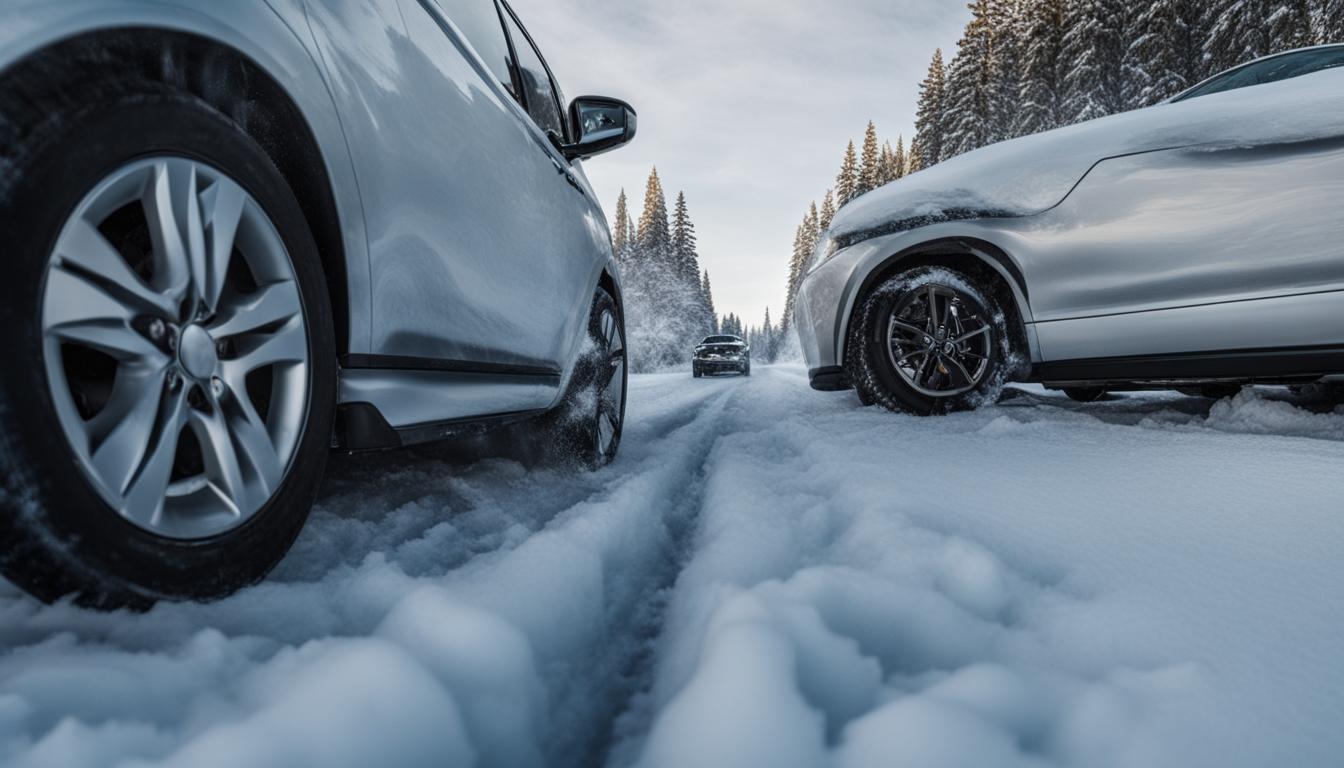
Winter tires are designed to remain more flexible in cold temperatures. That flexibility helps them maintain traction when temperatures fall, and roads become snowy or icy.
All-season tires are designed to cover a broader range of conditions, making them convenient for drivers who experience moderate seasonal changes.
One thing remains true for both types of tires. Cold temperatures can cause tire pressure to drop, so switching to winter tires does not remove the need to check PSI regularly.
Michelin states that tire pressure should still be monitored with winter tires, and its guidance cites about 1 PSI of pressure loss for each 10°F temperature decrease.
The type of tire should also match the climate. Drivers who regularly encounter heavy snow and freezing conditions may benefit from dedicated winter tires. Someone who rarely encounters snow may have different needs.
Do not mix tire types casually. Michelin recommends using a complete set of four winter tires rather than installing them on only one axle because different grip levels can affect vehicle stability.
Regardless of the tire category, inspect tread depth, sidewalls, age, and pressure. The best tire for your conditions still needs proper inflation to perform as designed.
10. Seasonal Tire Pressure Management Is Important
Cold-weather tire care does not require a complicated routine. A reliable gauge, a few minutes of attention, and the correct vehicle specification can handle most of it.
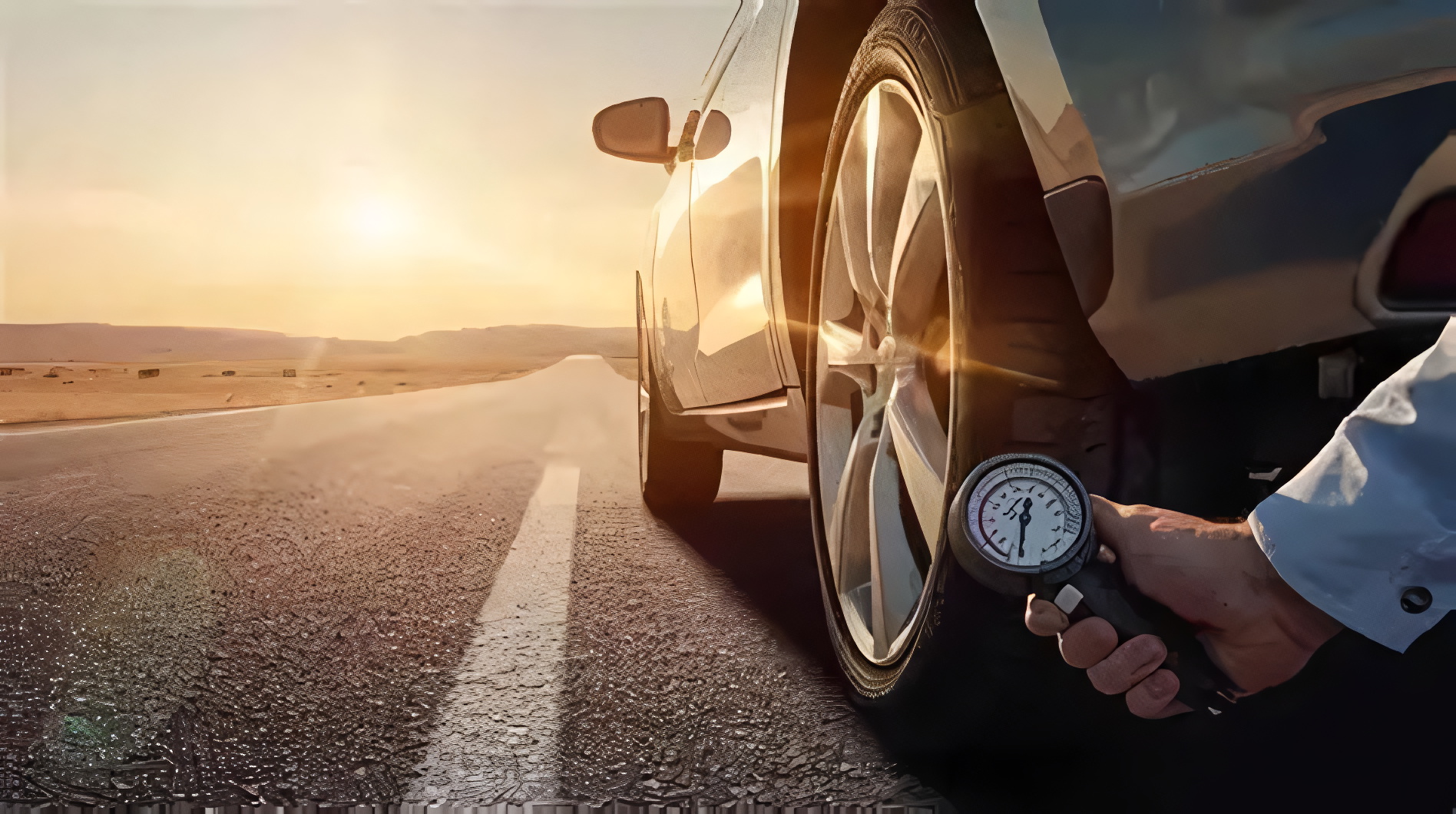
Start with the number printed on your driver’s door-jamb label or listed in the owner’s manual. Check all four tires when they are cold, then add air as needed.
Do the same with the spare if your vehicle has one that requires periodic inflation. NHTSA recommends checking tire pressure at least once a month, while Michelin also recommends monthly checks and additional attention before long trips.
Pay extra attention when the weather changes rapidly. A tire that was correctly inflated during a mild week may read several PSI lower after a major temperature drop.
The 1 PSI per 10°F guideline provides a useful estimate for understanding why this happens, but the vehicle’s specified cold pressure remains the number you should use.
Do not inflate based on the maximum pressure molded into the tire sidewall unless your vehicle manufacturer specifically says so. The sidewall number is not the same thing as the recommended operating pressure for your vehicle.
Finally, treat unusual pressure loss seriously. If one tire repeatedly loses air while the others remain stable, have it inspected for a puncture, valve leak, wheel damage, or another problem.
A few minutes of seasonal maintenance can help preserve tire life, handling, fuel economy, and peace of mind when freezing weather arrives.