
A great V8 can turn an ordinary vehicle into something memorable. The right engine can deliver strong power, satisfying sound, easy servicing, and years of dependable use. The wrong one can do the opposite, leaving you with repeated repairs and a repair bill that keeps growing. That is why the engine itself deserves as much attention as the vehicle carrying it.
Some V8s have earned their reputation through durability and broad parts support, while others have become known for expensive faults or disappointing performance. Here are five V8 engines worth considering when you want power without unnecessary headaches, followed by five that deserve much more caution before you spend your money.
5 V8 Engines Worth Buying
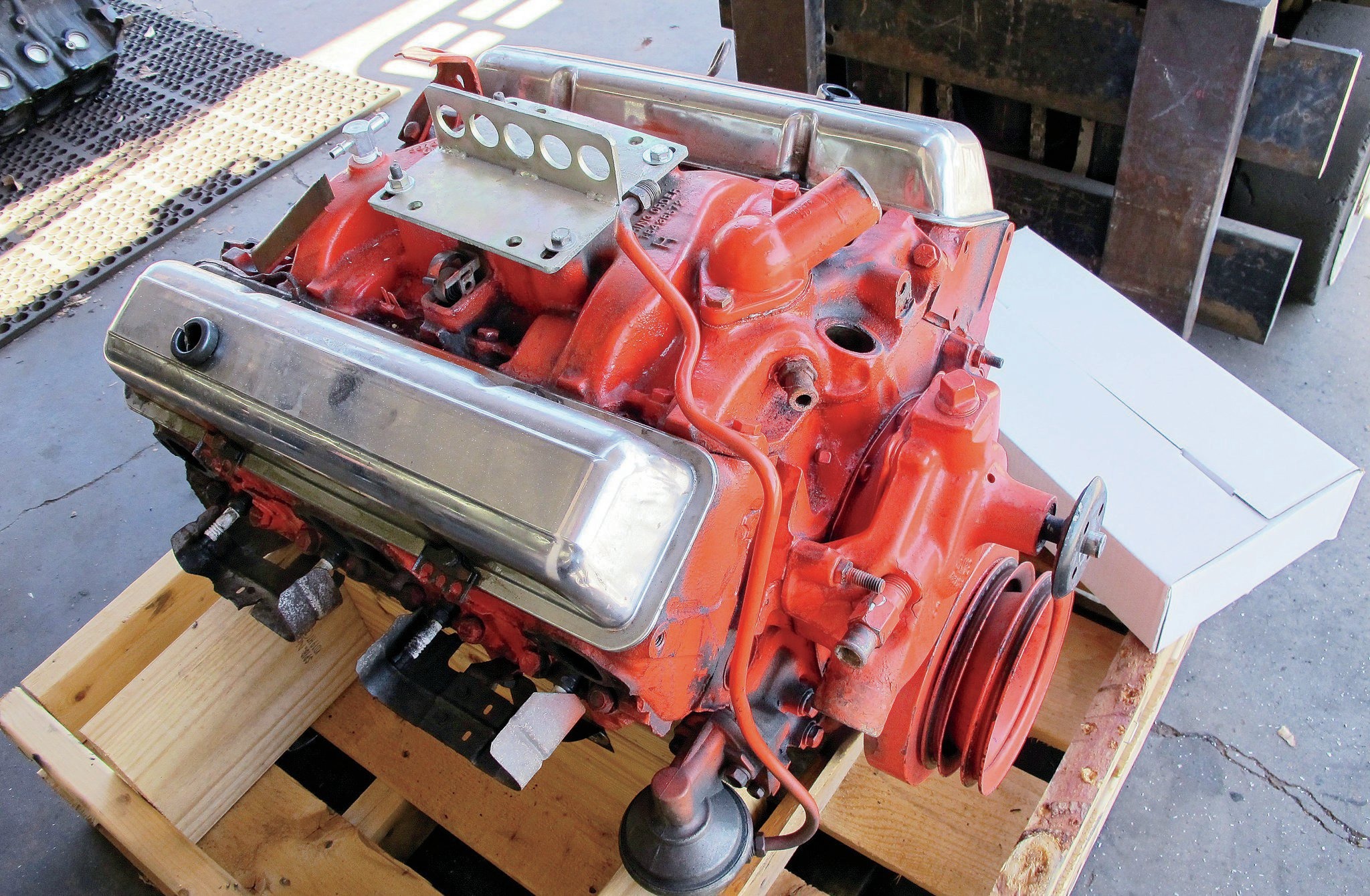
1. Chevy Small Block 350
Few engines have earned as much trust as the Chevy small block 350. It has powered everything from Camaros to Caprices, and you’ll find it in trucks, vans, and boats too. That range alone tells you how adaptable it is.
Durability is the headline. These engines are built simply, and simple things tend to survive. With regular oil changes and a healthy cooling system, a 350 can outlast the vehicle wrapped around it. Plenty of them have moved from one car to the next, still running strong.
Maintenance is refreshingly easy. Parts sit where you can reach them, and the design hasn’t confused mechanics for decades. Even a beginner with a basic socket set can handle tune-ups, gaskets, and water pumps without much stress.
Then there’s the aftermarket. Whether you want a mild upgrade or a full performance build, the catalog is enormous. Camshafts, intakes, heads, carburetors- you name it. Prices stay reasonable because so many companies compete for your business.
Here’s a practical tip. When shopping for one, listen for knocking, check for milky oil, and look at the coolant condition. Those three checks can save you from a rough surprise.
Some buyers chase newer, fancier engines and pay for it later. The 350 offers a calmer path: proven design, easy repairs, and parts on every shelf. If you want a V8 that treats your budget kindly, this is a smart place to begin.
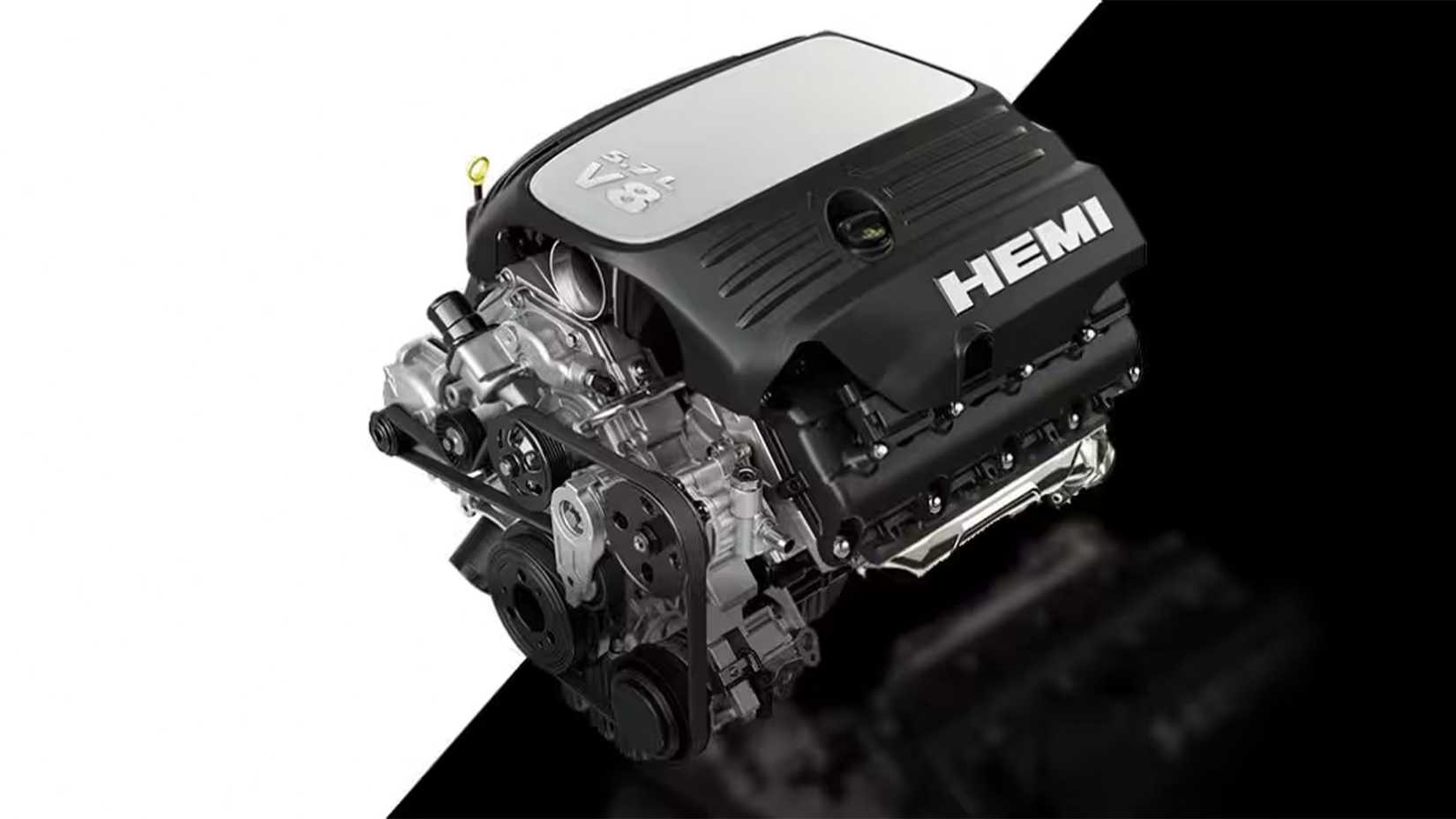
2. Chrysler 5.7L HEMI
Nearly 400 horsepower and a reputation for going the distance? That’s the 5.7L HEMI in a nutshell. It blends real muscle with everyday usability, which is a rare combination.
You’ll find it in trucks and cars alike, so options are plentiful. Whether you need something for towing, commuting, or weekend fun, a HEMI-equipped vehicle can handle the job. Owners often report reaching 200,000 miles without major trouble, provided they keep up with routine service.
Several factors help explain its appeal. The engine is built for durability and delivers power smoothly without demanding attention. It provides strong acceleration when needed while maintaining a relaxed driving feel, which is a major reason many drivers remain loyal to it.
Ownership does require some common sense. Use quality oil, follow the maintenance schedule, and don’t ignore strange noises. A ticking sound, for example, deserves a prompt check. Catching small issues early keeps them from growing into expensive ones.
When buying used, ask for service records. A well-documented HEMI is a much safer bet than a mystery example with no history. Look at how the previous owner used it, too. Heavy towing without proper care can shorten any engine’s life.
Think of this engine as the friend who’s both fun and dependable. You get thrilling acceleration on Friday and a reliable ride on Monday morning. For anyone who wants power without constant worry, the 5.7L HEMI earns its spot on this list.
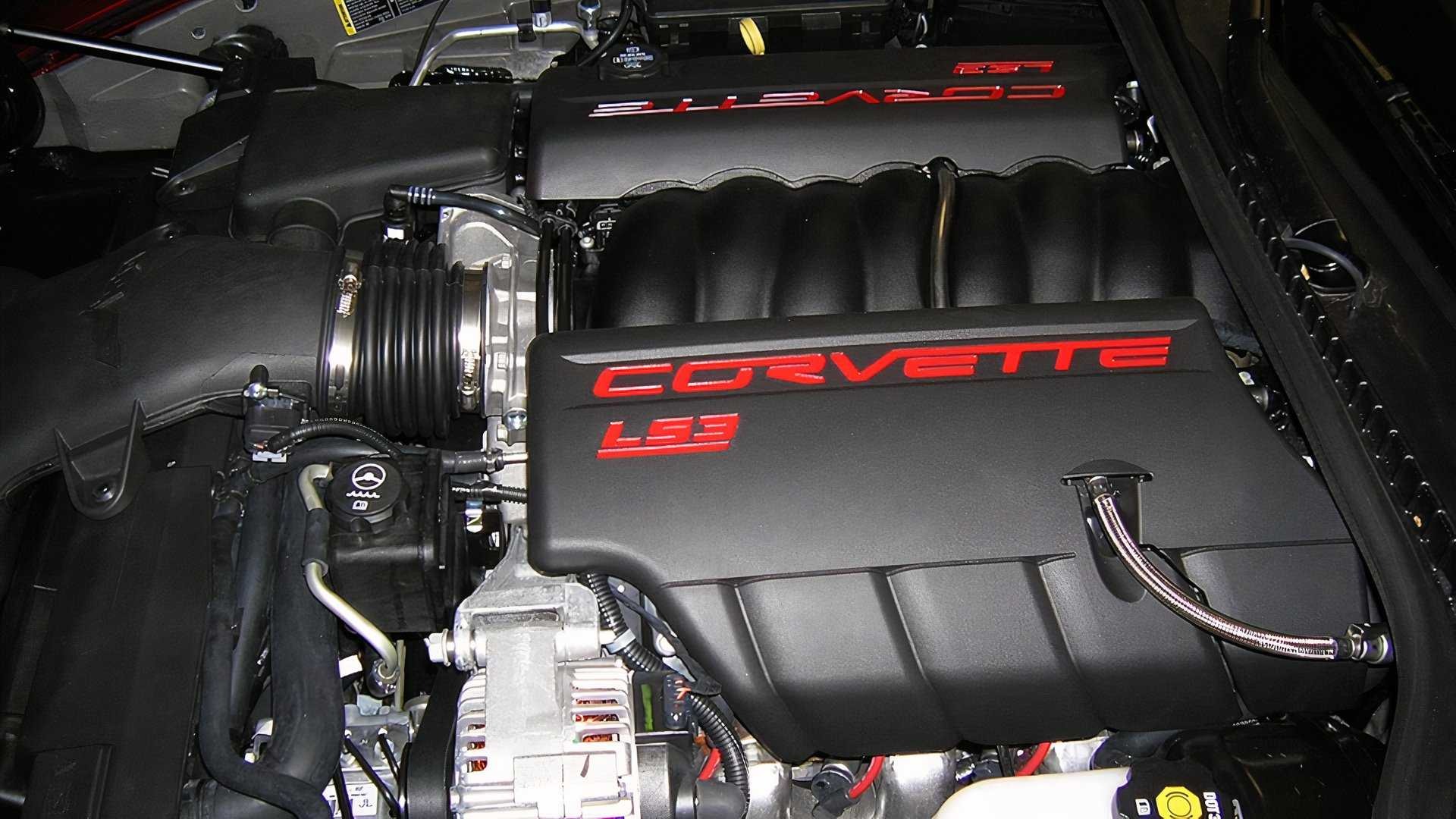
3. Chevrolet LS3 6.2L
The Chevrolet LS3 6.2L has earned a strong reputation among people who want serious V8 performance without choosing an overly complicated engine.
Its aluminum construction, compact dimensions, strong factory output, and broad parts availability make it useful for both factory vehicles and custom projects.
Depending on the application, factory versions can produce about 430 horsepower, giving the LS3 plenty of power for spirited driving. It also leaves room for upgrades.
Intake systems, exhaust components, camshafts, cylinder heads, and tuning options are widely available, allowing owners to build the engine around their specific needs.
Serviceability adds another advantage. The LS3 is well understood by many mechanics, while replacement parts are relatively easy to source. That can make repairs less frustrating than they would be with a rare performance engine.
Used examples still require careful inspection. Check for oil leaks, unusual noises, cooling problems, and evidence of poor maintenance. Modified engines deserve extra attention because questionable tuning or installation can create problems.
A healthy LS3 can work well in sports cars, trucks, classic restorations, and custom builds. Its combination of power, serviceability, and upgrade potential makes it an appealing choice for buyers who want a capable modern V8.
4. Toyota 1UZ-FE (4.0L)
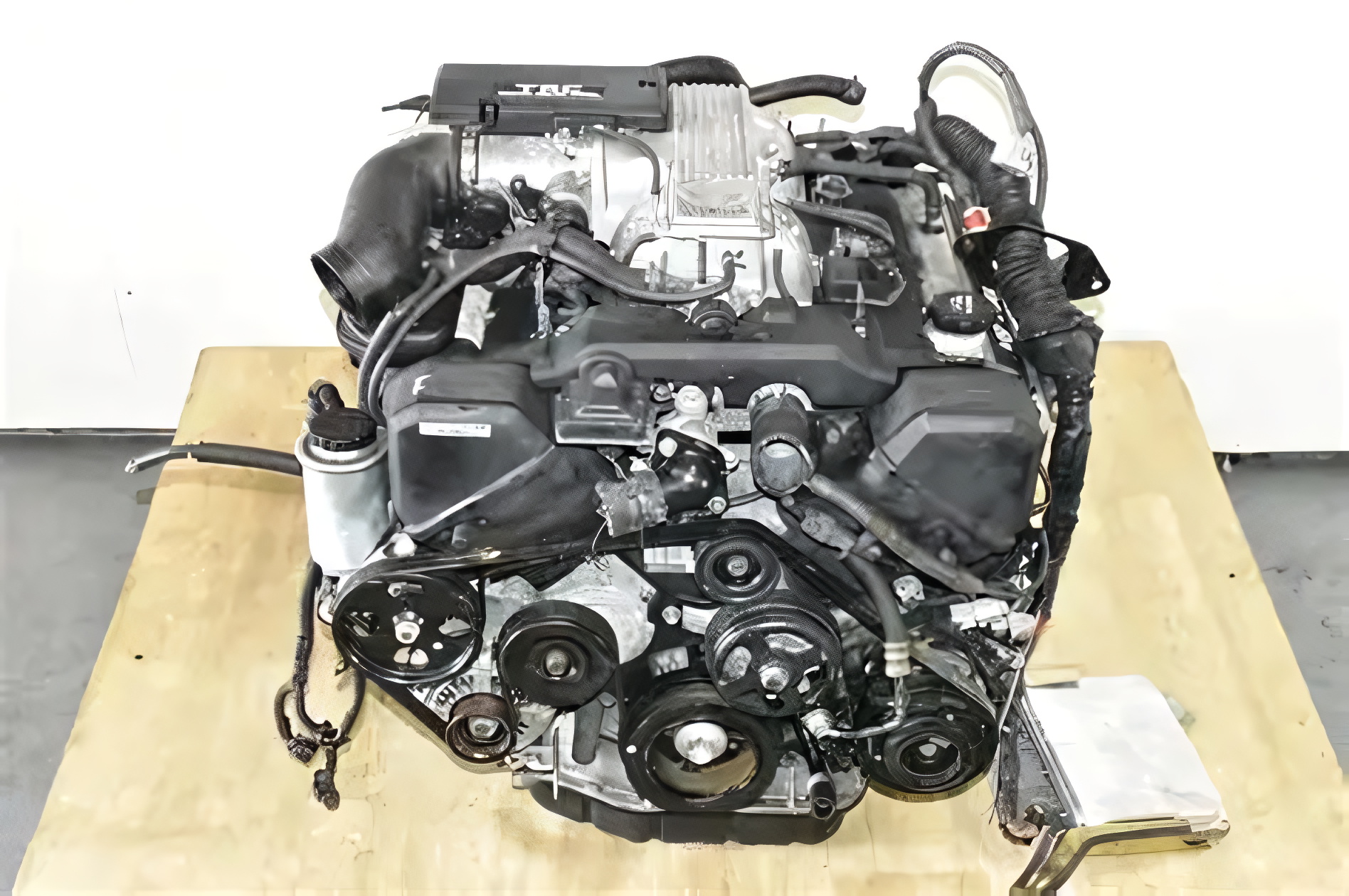
The Toyota 1UZ-FE is best known for smooth operation, sturdy construction, and impressive longevity. This 4.0-liter V8 powered several Toyota and Lexus models, particularly luxury vehicles where quiet performance and refinement were important.
Its aluminum construction helped reduce weight, while the V8 layout delivered smooth power throughout the rev range. The engine was designed with durability in mind, and properly maintained examples have been known to reach very high mileage, with some exceeding 300,000 miles.
Age is now an important consideration. Many 1UZ-FE engines are several decades old, so buyers should inspect more than the engine’s internal condition. Timing-belt service, seals, hoses, belts, cooling components, and other aging parts deserve attention.
Service records can tell you a great deal. A vehicle with consistent maintenance is far more attractive than one with an unknown history, even if both engines appear to run well during a short test drive.
The 1UZ-FE also has considerable versatility. It has been used in luxury cars, custom projects, engine swaps, and performance builds. Its reputation has helped maintain interest among mechanics and enthusiasts.
For someone seeking a smooth, durable V8 rather than maximum factory horsepower, the 1UZ-FE remains an appealing option. Its proven service life and straightforward character make a healthy example worth considering.
5. Chrysler 426 HEMI
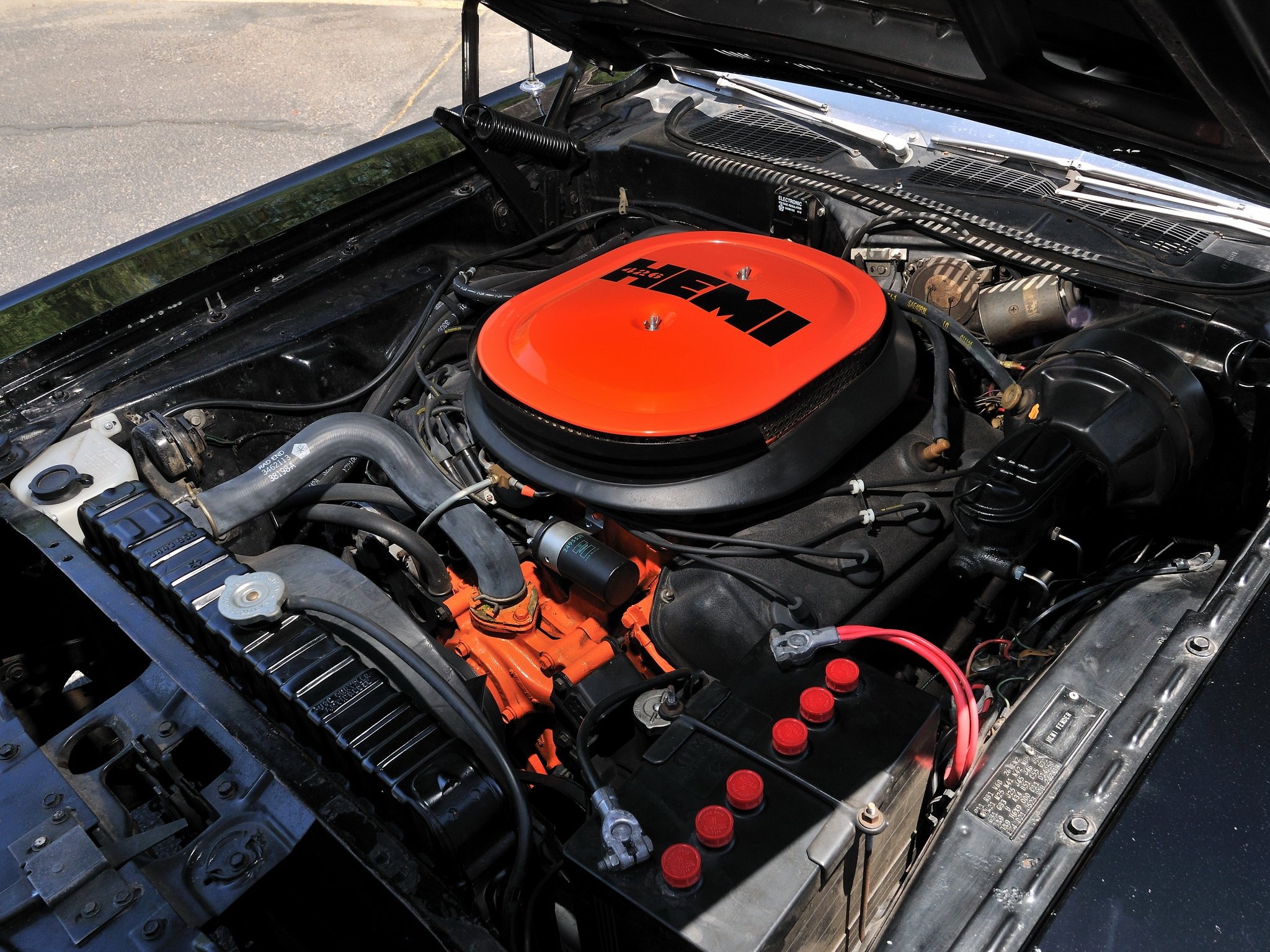
The Chrysler 426 HEMI is one of the most recognized performance V8s from America’s classic muscle-car era. Its reputation was built through powerful road cars and racing applications, giving the engine a special place in automotive history.
Its hemispherical combustion-chamber design helped support strong airflow and impressive performance. Combined with a robust construction, that design allowed the 426 HEMI to produce the kind of power that made it famous during the muscle-car period.
For collectors, originality can matter as much as mechanical condition. A genuine 426 HEMI with correct factory components can have far greater appeal than an engine that has been heavily modified or assembled from unrelated parts.
Parts support remains available because of the engine’s lasting popularity. Rebuild components, reproduction parts, and specialist services can help owners maintain these valuable V8s.
Cost is the major consideration. Genuine 426 HEMI vehicles and engines can command high prices, while restoration work can become expensive when rare components are missing.
Buyers should verify authenticity and inspect any claimed original example carefully. This engine makes the most sense for someone who appreciates classic performance and is prepared for specialist ownership.
It offers impressive power and historical appeal, but it is not an inexpensive route to V8 ownership. A properly documented example can be a rewarding addition to a serious collection.
5 V8 Engines to Avoid
1. GM 267 Small Block
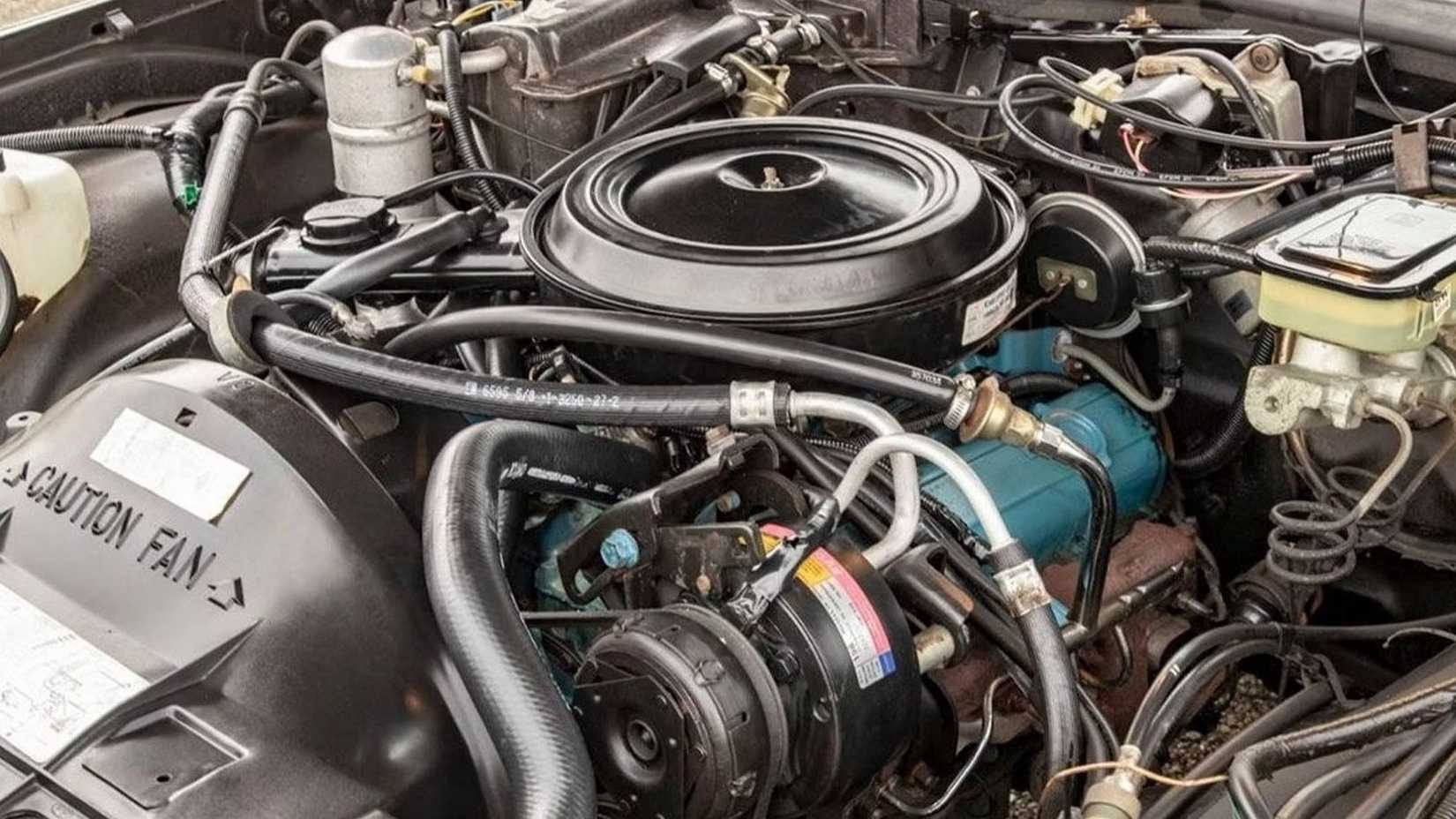
The GM 267 Small Block occupies an unusual place in Chevrolet V8 history. It was created as a smaller-displacement option during an era when manufacturers were responding to changing fuel and emissions requirements.
Unfortunately, its modest displacement did not give it the same appeal as several other GM V8 choices. Power is the main concern. Depending on configuration, output was relatively limited, and the engine can feel underwhelming when installed in a large vehicle.
The V8 badge may suggest strong acceleration, but the 267 does not always deliver the performance buyers expect from a V8. This raises a practical question about why someone would choose it when other Chevrolet small-block engines offer greater performance potential and stronger support from the enthusiast community.
The engine is not necessarily worthless. A clean, original vehicle powered by one can have historical interest, particularly for someone restoring a period-correct car.
The problem comes when a buyer is looking specifically for strong V8 performance or a rewarding engine-building project. Upgrades can improve output, but spending heavily to transform a relatively modest engine may not make financial sense when stronger alternatives are already available.
Condition still matters, of course. A well-maintained 267 can provide basic transportation and serve reliably for its intended purpose. But if the goal is to purchase a V8 for performance, tuning potential, or long-term enthusiast value, there are more attractive choices.
The engine’s biggest drawback is that it delivers the classic V8 feel without the performance many enthusiasts expect from a V8 build.
2. BMW N63
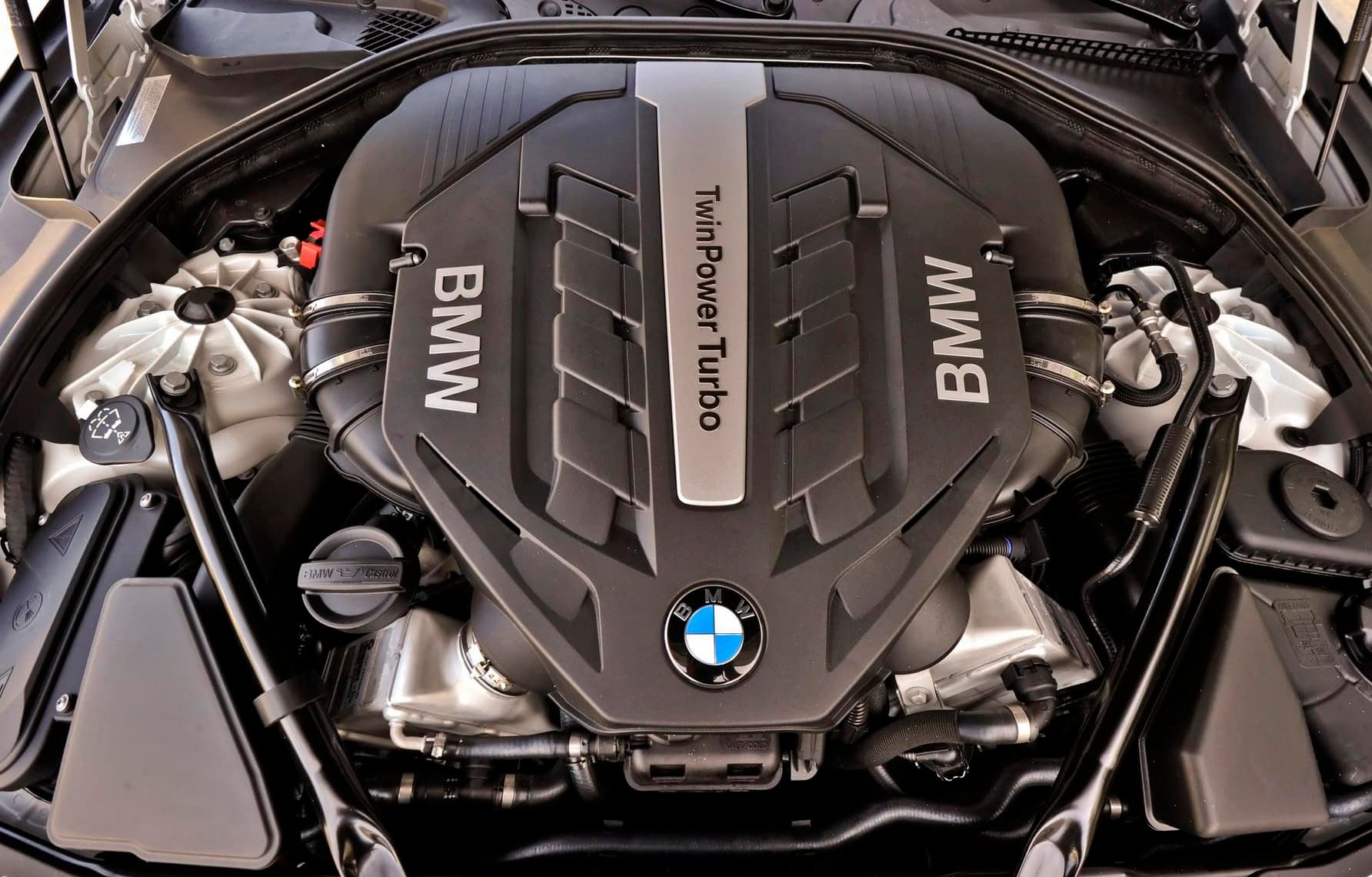
The BMW N63 demonstrates how impressive specifications do not always translate into easy ownership. This twin-turbocharged V8 delivers strong performance and a sophisticated driving experience, but several generations have developed reputations for expensive maintenance and demanding repair requirements.
Oil consumption is one area that deserves attention. Depending on the specific version and vehicle, owners can encounter oil-related issues that require more frequent monitoring and service.
Maintenance can also involve spark plugs, ignition components, injectors, cooling systems, and other related parts. The engine’s design adds complexity, requiring more components to be inspected and maintained than a basic naturally aspirated V8.
Turbochargers, related plumbing, electronic controls, cooling systems, and fuel equipment all contribute to the engine’s impressive output, but each additional component can create another potential repair expense.
That does not make every N63 a bad engine. Later versions received engineering updates, and a well-maintained vehicle with complete service records can provide excellent performance. The important point is that buyers should not confuse a low purchase price with low ownership costs.
A used luxury vehicle equipped with an N63 can be especially tempting when depreciation has made the car affordable. The purchase price, however, tells only part of the story.
Routine maintenance and unexpected repairs can remain expensive even after the vehicle becomes inexpensive to buy. For buyers seeking uncomplicated V8 ownership, the N63 deserves caution.
Its performance is impressive, but its maintenance demands can make ownership considerably more expensive than its initial price suggests.
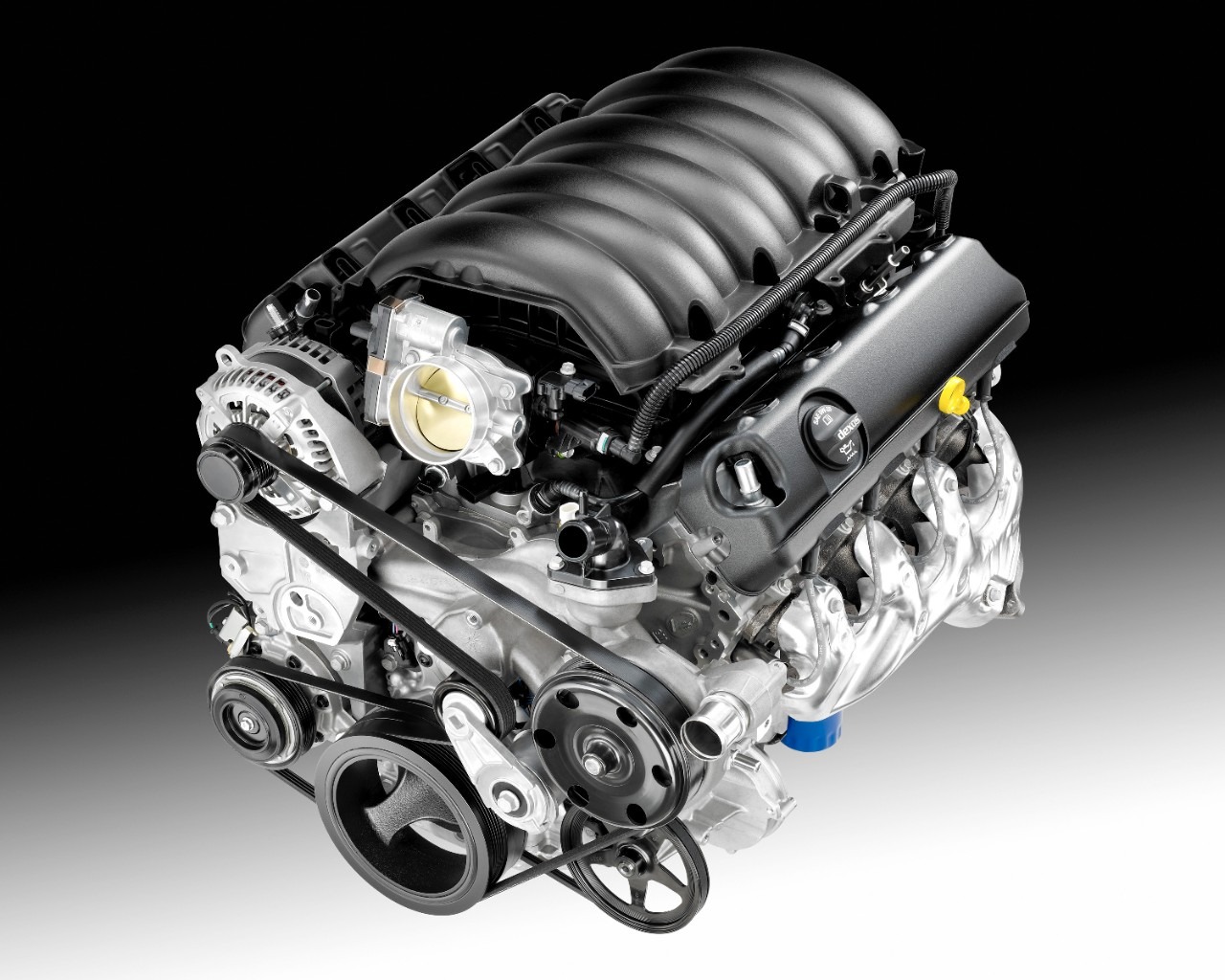
3. Chevrolet 5.3-Liter Ecotec3
The Chevrolet 5.3-liter Ecotec3 can deliver strong performance and useful towing ability, but certain reliability concerns deserve attention before buying a high-mileage vehicle equipped with this V8.
Carbon buildup is one issue owners may encounter. Deposits can affect engine operation, potentially causing rough running, reduced efficiency, or weaker performance. Fuel injectors and various sensors can also develop faults, creating warning lights, hesitation, difficult starting, or uneven idle.
Maintenance history therefore matters greatly. A truck with regular oil changes, documented repairs, and careful previous ownership is a very different purchase from one that has been neglected.
Buyers should request service records and ask whether major fuel-system or electronic components have already been replaced. A test drive can reveal useful clues.
Pay attention to unusual engine sounds, rough idle, hesitation under acceleration, warning lights, and inconsistent throttle response. None of these symptoms should be ignored simply because the vehicle appears inexpensive.
The engine is not guaranteed to fail, and many examples continue to provide useful service when properly maintained. The concern is the possibility of accumulating repair costs as mileage increases.
For buyers who want a low-maintenance V8, careful inspection is essential. A clean example with a strong maintenance record may still be worth considering, while a neglected one can quickly become an expensive project.
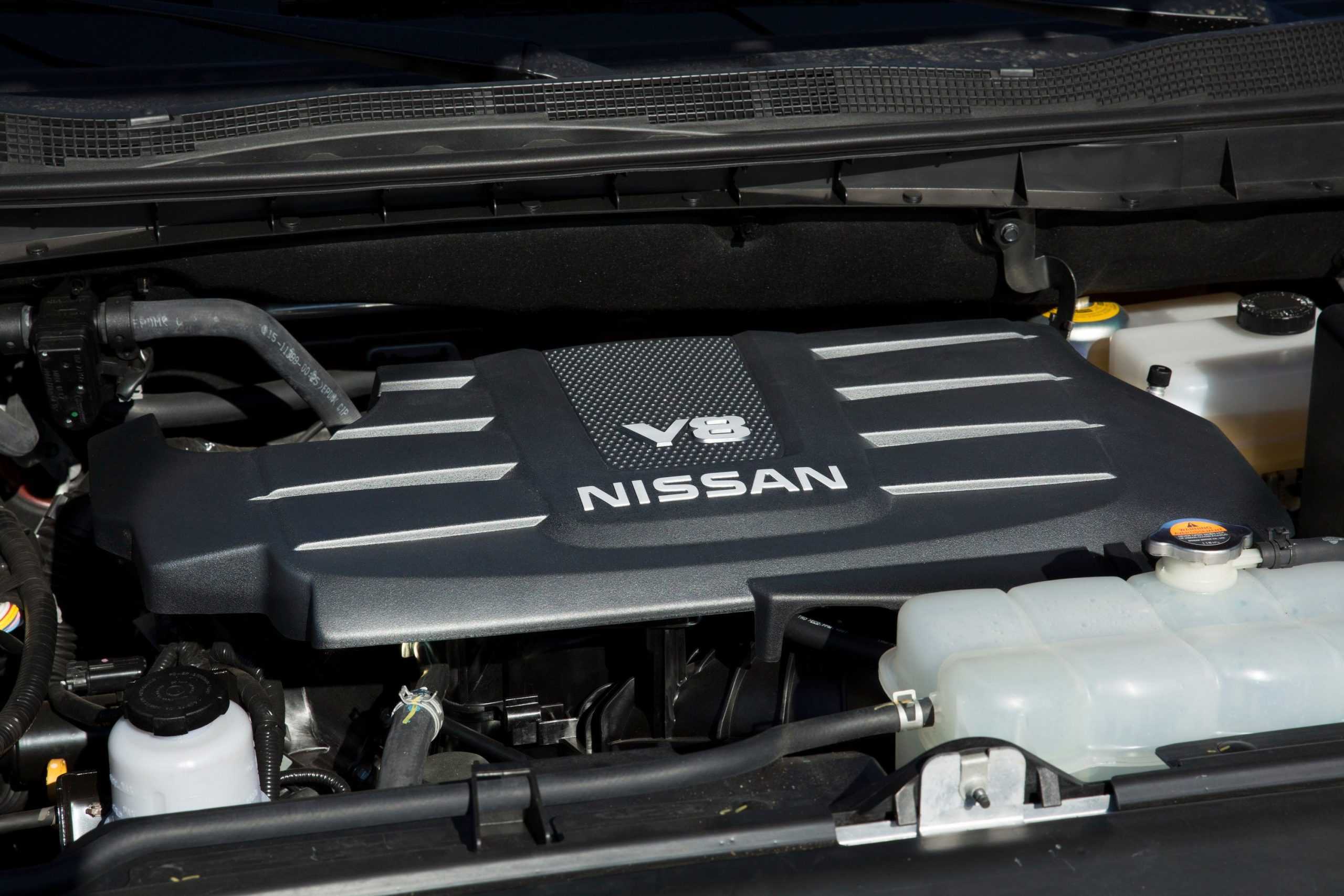
4. Nissan 5.6-Liter Endurance
The Nissan 5.6-liter Endurance V8 was built for vehicles expected to provide substantial power. It appeared in trucks and large SUVs, making it attractive to buyers who needed towing strength, cargo capability, or confident highway performance.
Yet some versions have developed mechanical issues that deserve careful attention. Cooling problems are particularly concerning because excessive heat can damage gaskets and internal components.
A vehicle that has experienced repeated overheating may require much more than a simple cooling-system repair. Timing-system concerns also deserve inspection.
Listen carefully during startup for unusual rattling or mechanical noise, and ask whether timing-related repairs have already been performed.
Fuel-system components can create another source of expense, especially when a failing pump causes hesitation, starting problems, or poor engine operation.
A used example should come with clear maintenance records. Check the cooling system, examine the oil condition, review previous repairs, and pay attention to how the engine behaves during a thorough road test.
The Endurance can still provide strong performance when properly maintained. Its name alone, however, should not convince a buyer that every example will deliver trouble-free service.
If reliability is your priority, condition should determine the purchase. A neglected 5.6-liter V8 can become expensive quickly, while a carefully maintained example may remain useful for years.
Inspect before buying, and never let an attractive price replace a proper mechanical evaluation.
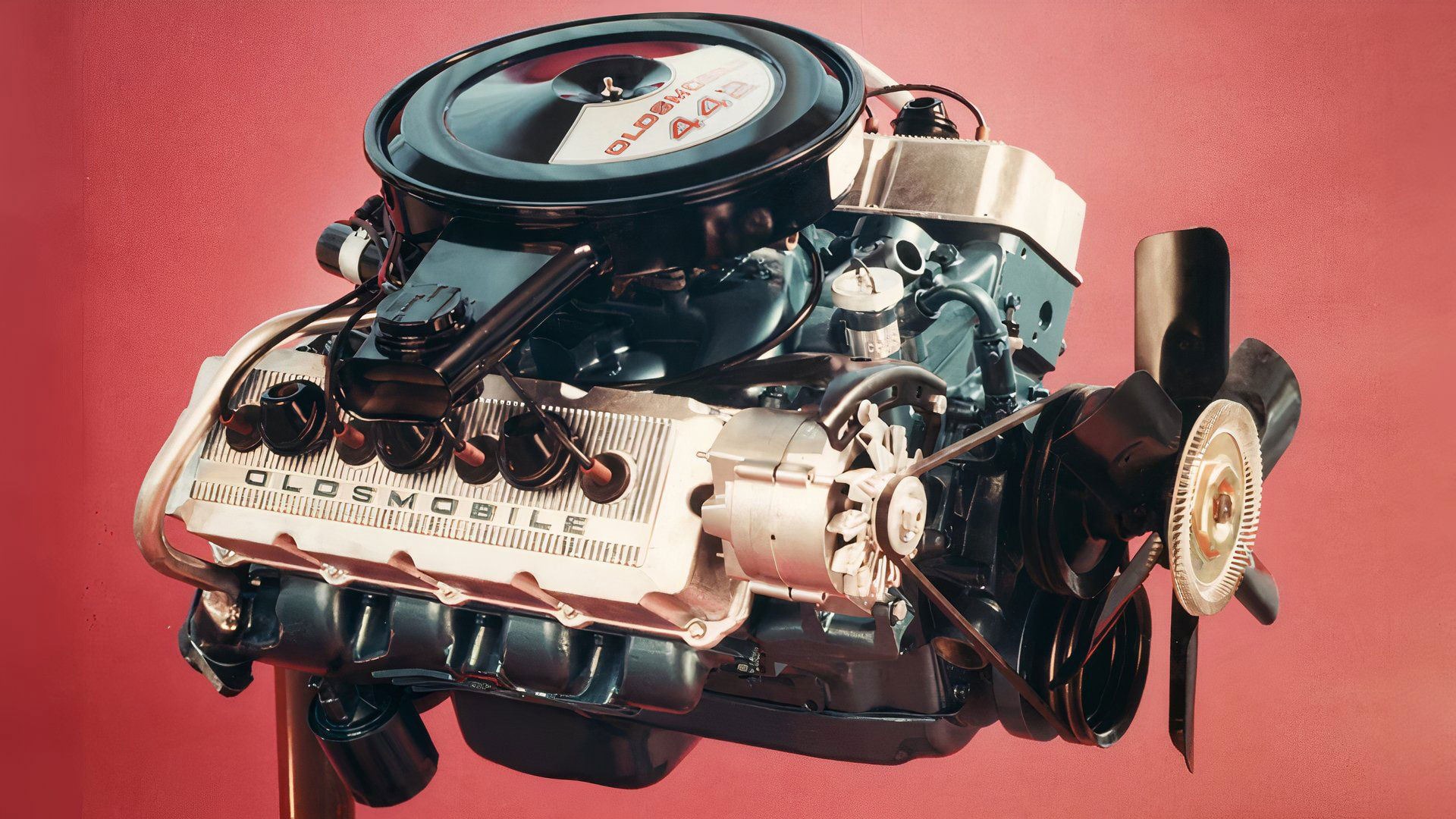
5. Oldsmobile V8 Diesel (late 1970s – early 80s)
The Oldsmobile V8 Diesel remains one of the more unusual chapters in American automotive history. Introduced during the late 1970s, it attempted to bring diesel fuel economy to passenger cars, but its reputation suffered because of durability problems, weak performance, and expensive repairs.
The engine’s design created several challenges. It was based heavily on gasoline-engine architecture, yet diesel combustion produces higher cylinder pressures.
That placed considerable stress on components that were not always suited to the demands of diesel operation. Head-gasket failures became a serious concern.
When those problems occurred, repairs could require substantial labor and expense. Performance was another weakness. Drivers expecting strong diesel torque often found the engine sluggish, especially when paired with large passenger cars.
Transmission problems could add another layer of frustration. Once several major components required attention, the cost of keeping the vehicle running could quickly exceed its practical value.
Today, the engine has historical interest, and some collectors appreciate it precisely because it represents an unusual automotive experiment. That does not make it a sensible choice for everyday transportation.
Anyone considering one should treat it as a specialist project rather than an inexpensive V8. Parts sourcing, mechanical expertise, and repair costs can all present challenges.
For dependable driving, there are many better options. The Oldsmobile diesel is worth remembering for its place in automotive history, but buyers seeking reliable V8 power should look elsewhere.
