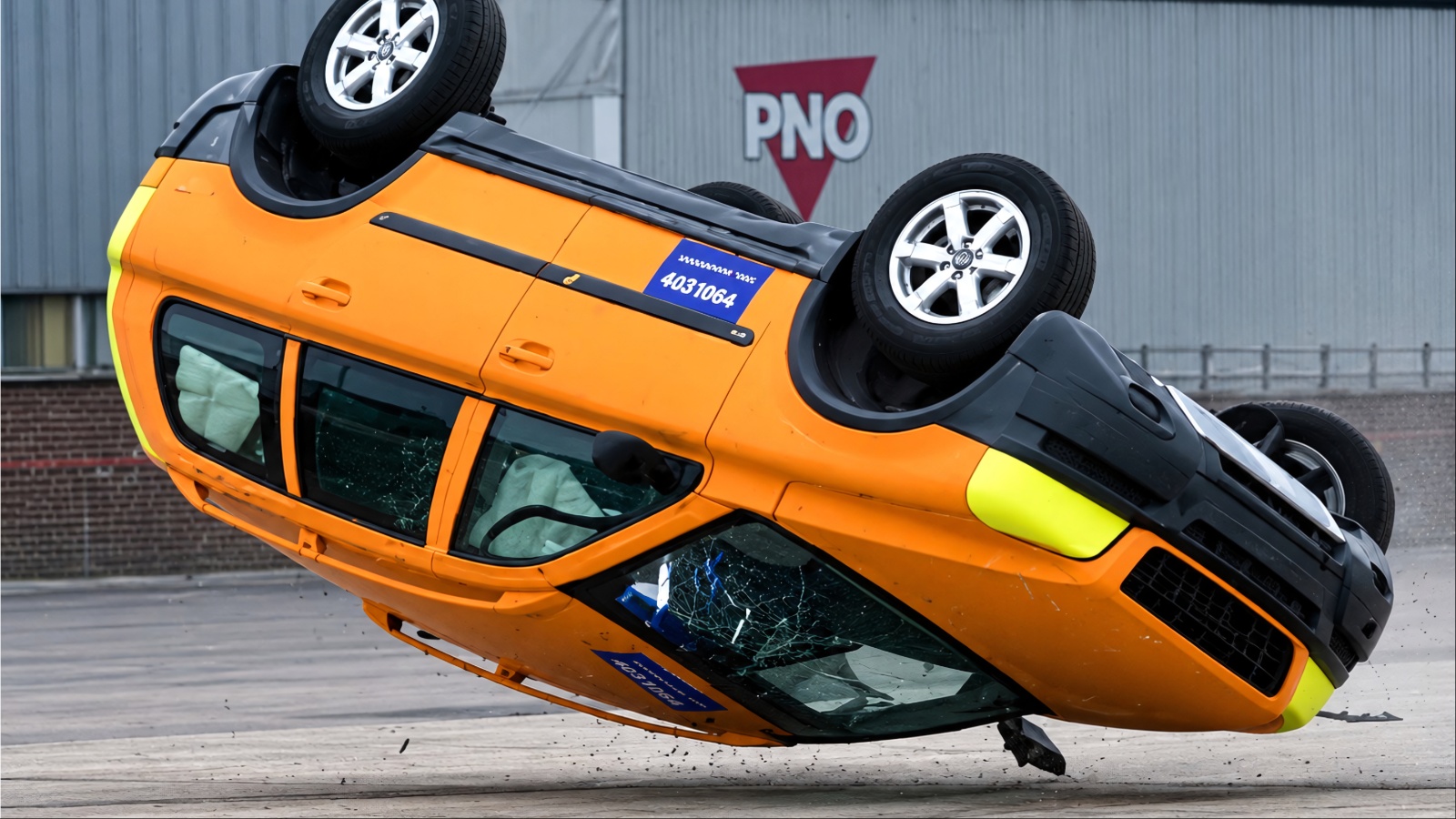
Ever wonder why some vehicles feel planted in a sharp turn while others seem to lean and sway? The answer often comes down to shape. Height, width, and weight placement all decide how easily a vehicle can tip. This guide ranks ten common vehicle types from higher rollover susceptibility to lower, using the same geometry-based thinking behind NHTSA’s static stability factor.
It’s a practical ordering, not an official government list, and individual models can differ a lot. Still, knowing the pattern helps you shop smarter, load your vehicle wisely, and drive with more confidence. Whether you’re picking a family hauler or just curious, stick around. A few simple facts could make your next ride safer for everyone inside.
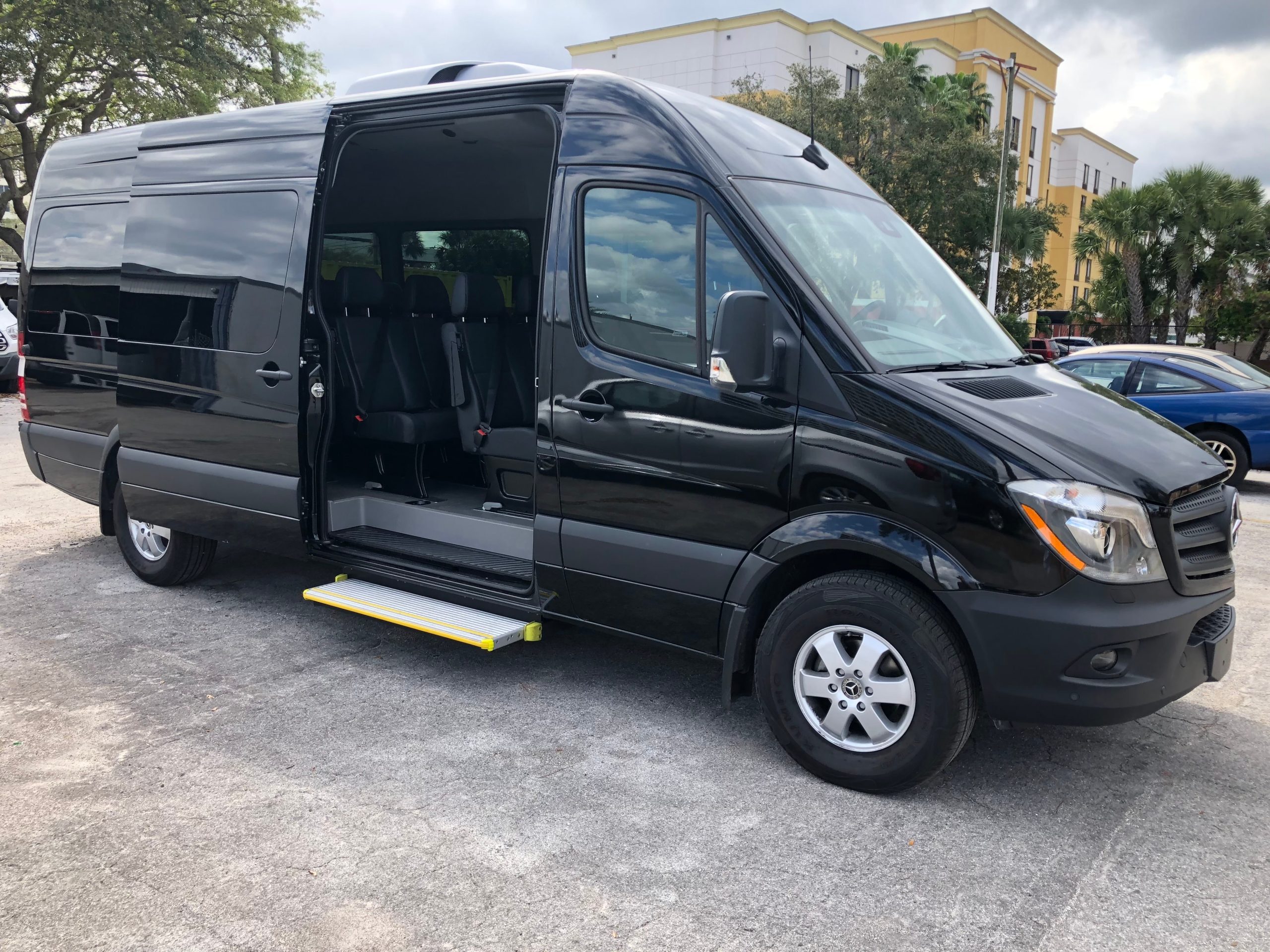
1. 15-Passenger Vans
Few vehicle categories show how much passenger and cargo loading can affect rollover behavior as clearly as 15-passenger vans. Their tall body, large passenger capacity, and substantial size give them useful interior space, but those same characteristics can influence stability during emergency maneuvers.
NHTSA has specifically warned that 15-passenger vans can become more susceptible to rollover as passenger loading increases. Agency research found that vans carrying 10 or more occupants had a single-vehicle rollover rate nearly three times that of lightly loaded vans.
Weight distribution is an important part of the issue. As more passengers enter the vehicle, the combined center of gravity can change.
NHTSA recommends filling seating positions from the front toward the rear and keeping cargo positioned forward of the rear axle. The agency also advises against placing cargo on the roof because weight mounted high can affect handling.
Tires deserve equal attention. The correct inflation pressure should match the manufacturer’s recommendation, and worn or damaged tires should be replaced. Poor tire condition can reduce traction and make emergency handling more difficult.
Electronic stability control provides another layer of protection. The system can help reduce loss of control during certain emergency situations, but it cannot eliminate the physical effects of excessive loading, improper tire pressure, or abrupt steering.
For drivers using a 15-passenger van, following the manufacturer’s loading limits, maintaining the tires, securing cargo, wearing seat belts, and driving at appropriate speeds are important steps toward reducing rollover risk.
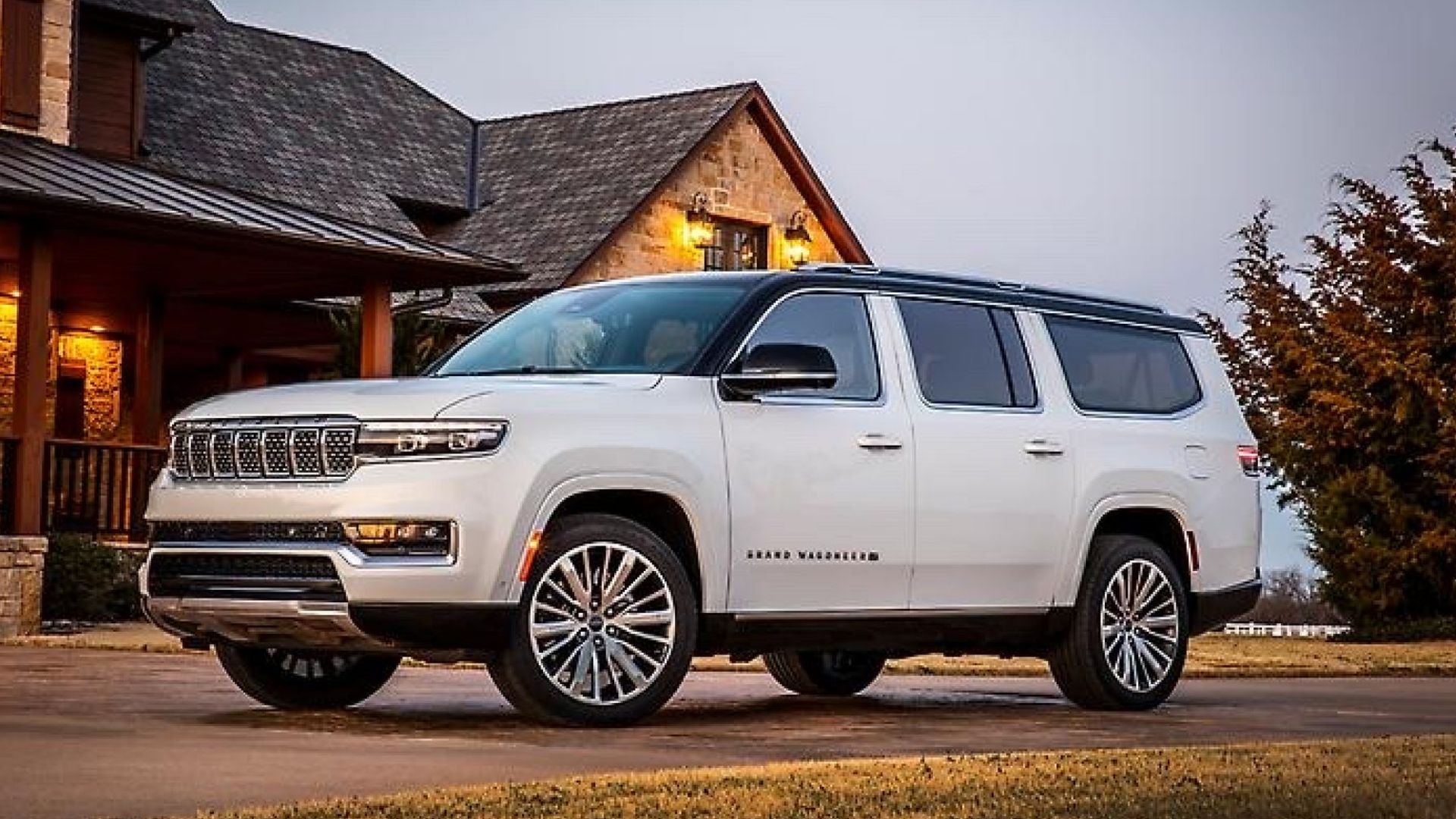
2. Full-Size SUVs
Full-size SUVs combine substantial height, passenger capacity, cargo space, ground clearance, and towing ability. Those characteristics make them useful for families and drivers who need considerable carrying capability, but vehicle height can also influence rollover resistance.
Compared with a lower passenger car, a taller SUV may have a higher center of gravity, which can reduce its Static Stability Factor when other dimensions are similar.
NHTSA uses SSF as part of its rollover-resistance rating. The measurement relates the vehicle’s center-of-gravity height to its track width and provides an indication of how resistant the vehicle is to tipping.
NHTSA also uses a dynamic maneuver as part of its assessment, giving consumers more information than a simple measurement of vehicle height alone.
Not every full-size SUV performs the same way. Track width, wheelbase, suspension design, tire dimensions, curb weight, center-of-gravity height, and electronic stability control can all influence handling.
Two SUVs that appear similar can therefore receive different rollover-resistance ratings. Loading also deserves attention. Heavy cargo placed high inside the vehicle or on a roof rack can alter weight distribution and handling characteristics.
Drivers should follow the manufacturer’s cargo and roof-load limits rather than assuming that a large SUV can safely carry unlimited weight.
Modern stability-control systems can help prevent certain loss-of-control situations, but they do not change the basic relationship between center-of-gravity height and track width.
For that reason, shoppers should check the NHTSA rollover-resistance rating for the exact model and year instead of judging rollover risk solely from the SUV label.
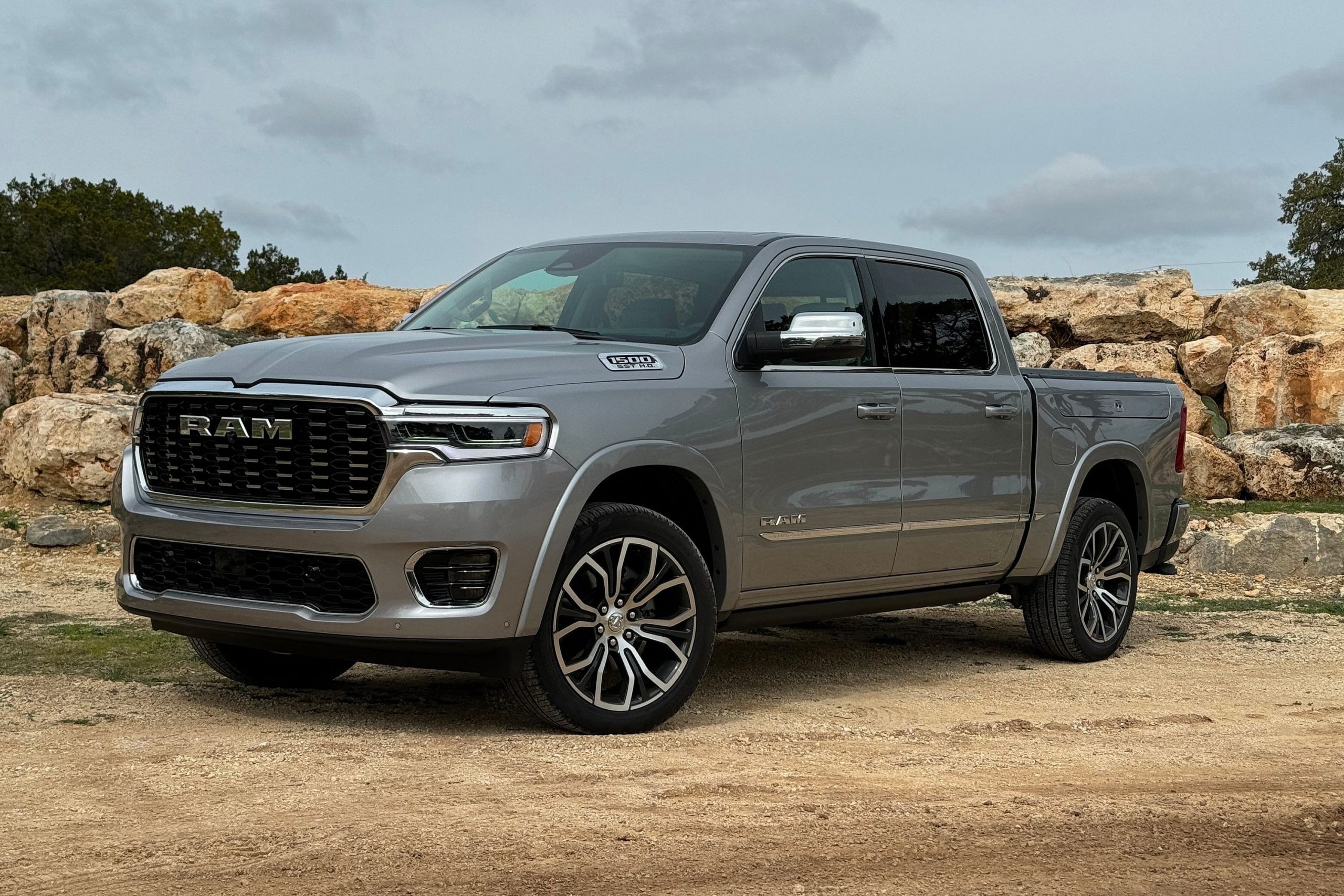
3. Full-Size Pickup Trucks
Full-size pickup trucks sit relatively high above the road, giving them the ground clearance and suspension capability needed for towing, hauling, and demanding work. Those advantages can also affect rollover resistance.
A vehicle with a higher center of gravity generally has less resistance to tipping than a lower vehicle when track width and other characteristics are comparable.
The Static Stability Factor helps explain this relationship. SSF considers the vehicle’s center-of-gravity height in relation to its track width. A lower center of gravity and wider track generally support greater resistance to tipping.
NHTSA’s rollover-resistance information has historically shown differences between passenger cars and light trucks, including pickups, although individual models can vary considerably.
Payload can also influence how a pickup behaves. Heavy equipment placed in the bed changes the vehicle’s weight distribution, while loads positioned too high can affect handling.
Manufacturers provide specific payload limits and loading guidance for each truck, and those limits should be followed carefully. Tire pressure is another important consideration.
A pickup carrying a heavy load may require different recommended tire pressures than it uses under lighter conditions, depending on the manufacturer’s specifications. Suspension condition, tire condition, road surface, speed, and steering input can also affect emergency handling.
Electronic stability control is standard on modern vehicles and can assist when a driver encounters certain loss-of-control situations. It cannot remove the physical effects of a high center of gravity, though.
When comparing full-size pickups, buyers should therefore examine the exact model’s NHTSA rollover rating, stability equipment, tire specifications, and manufacturer loading guidance rather than assuming every truck has the same rollover characteristics.
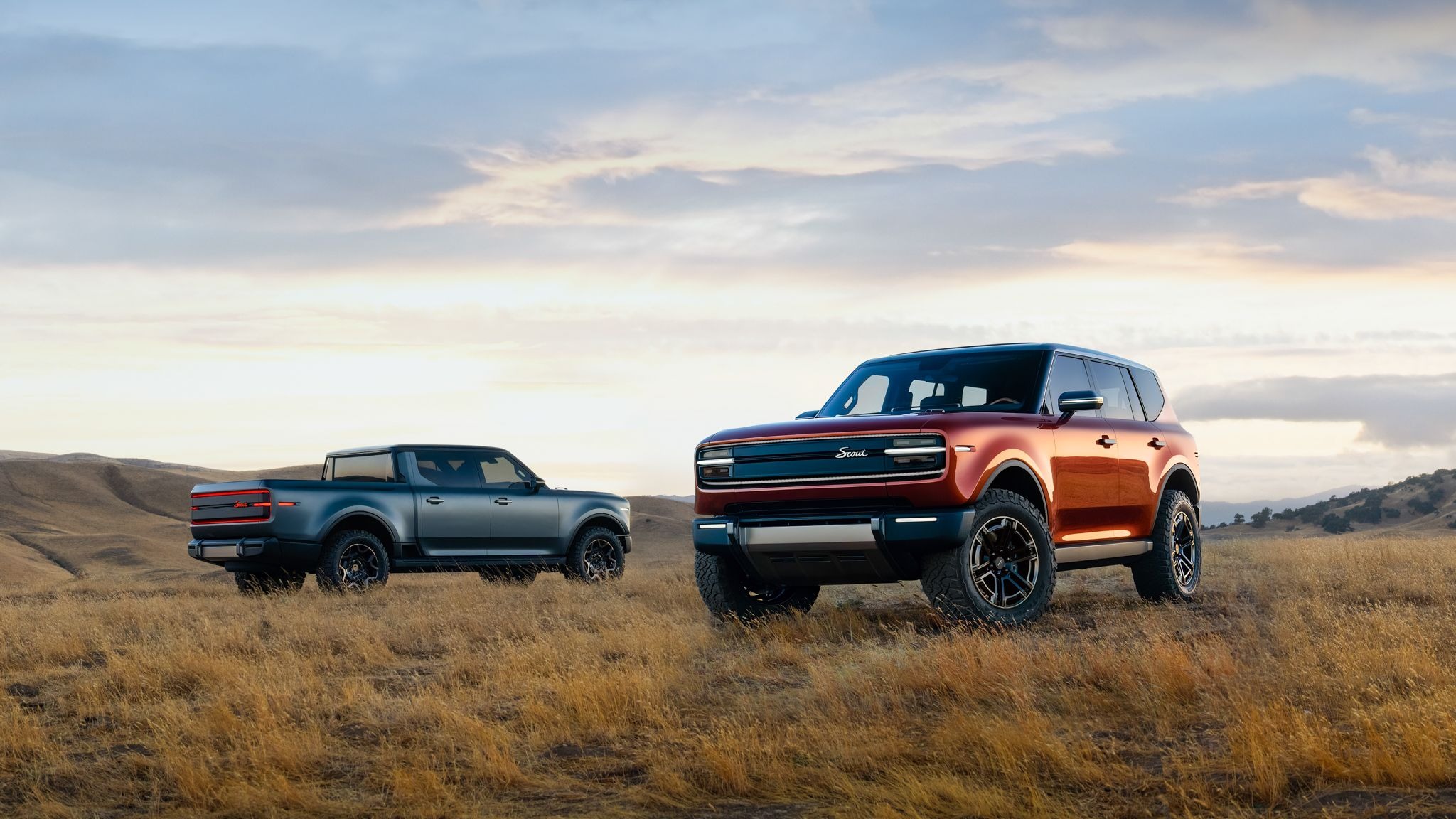
4. Truck-Based / Off-Road SUVs
Truck-based and off-road-oriented SUVs are built with priorities that often differ from those of ordinary road cars. Greater ground clearance, larger tires, suspension travel, and underbody protection can help when driving on rough surfaces.
Those same design choices can place the body higher above the ground. A higher center of gravity can reduce a vehicle’s Static Stability Factor when the track width does not increase by a corresponding amount.
That is why vehicle height alone should never be used as a complete measure of rollover resistance. The relationship between the center of gravity and the vehicle’s track is what matters to SSF.
Off-road driving can introduce additional circumstances. A vehicle traveling across an uneven surface may encounter slopes, ruts, soft shoulders, or sudden changes in traction. Those conditions are different from the controlled measurements used for NHTSA’s rollover ratings.
This category also contains a wide variety of vehicles. Some modern off-road SUVs have sophisticated stability systems, wide stances, carefully tuned suspension systems, and strong rollover-resistance ratings.
Some vehicles may also have a design geometry that provides less inherent stability. The key point is that a rugged appearance does not necessarily indicate weak rollover performance. However, features such as greater ground clearance can affect a vehicle’s rollover characteristics and should be considered when assessing its overall stability.
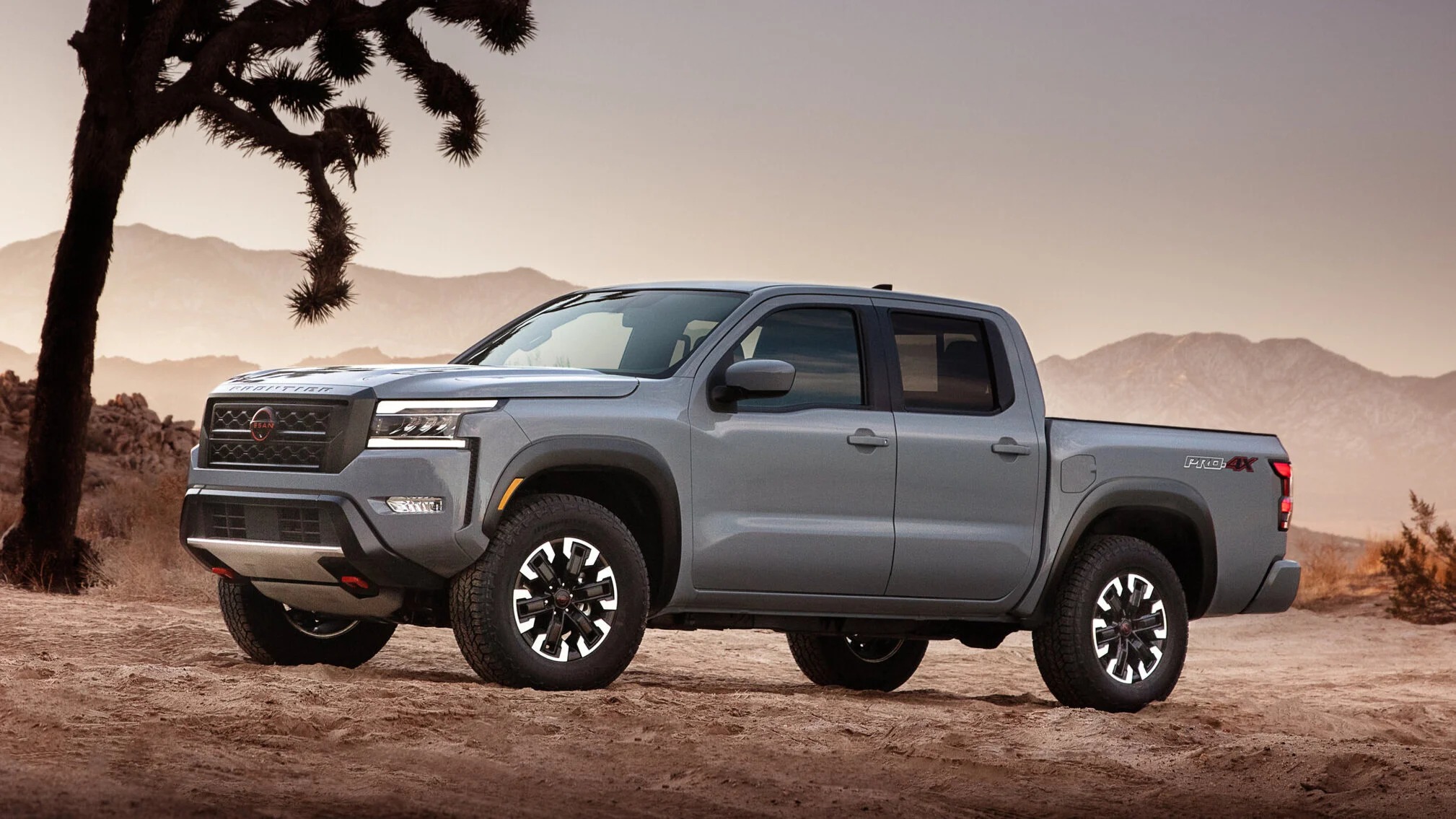
5. Mid-Size Pickup Trucks
Mid-size pickups occupy a middle ground between large trucks and smaller passenger vehicles. They are generally shorter and lighter than full-size pickups, but they retain the elevated seating position, ground clearance, and truck-oriented construction associated with the pickup category.
That combination can make them more rollover-susceptible than many low passenger cars when vehicle geometry is the main consideration. Yet the difference from one model to another can be substantial.
A wider track, lower center of gravity, suitable suspension design, and modern stability-control technology can improve rollover resistance.
NHTSA does not assign one universal SSF value to every pickup. Its current ratings are vehicle-specific, and its vehicle categories include pickups as a class.
Broad assumptions can also be misleading because a pickup’s performance may vary depending on how it is configured. Factors such as cab design, bed length, engine, equipment, tires, suspension setup, and curb weight can all create meaningful differences between versions of the same model.
For buyers comparing mid-size pickups, the useful question is not simply, “Is this a truck?” A better question is, “What rollover-resistance rating does this particular configuration receive?”
That distinction keeps the discussion tied to measurable vehicle characteristics rather than appearance.
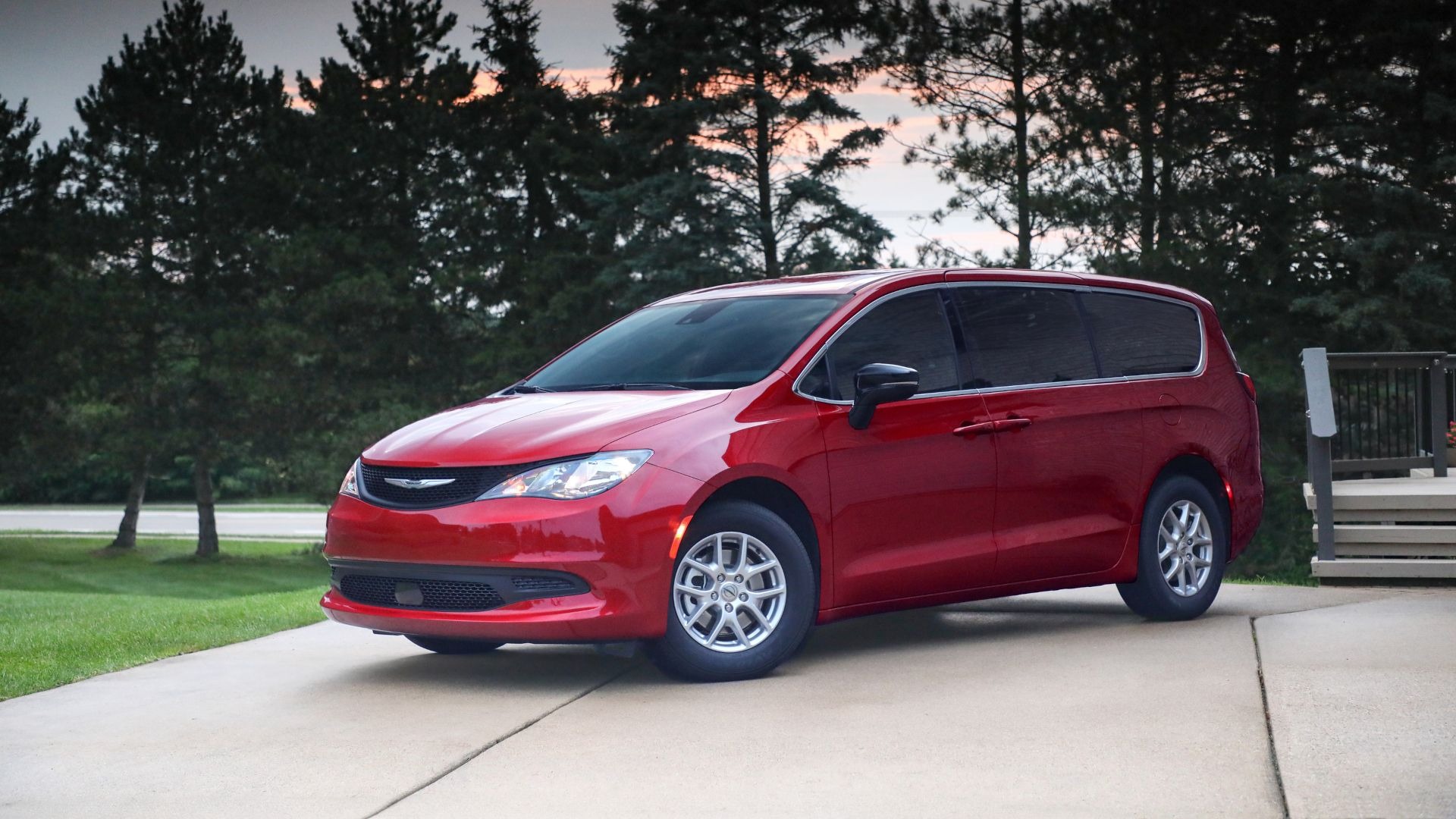
6. Minivans
Minivans often look taller than sedans, but their rollover behavior should not be confused with that of every large SUV or truck. Modern minivans are designed primarily for passenger transportation, with relatively broad bodies, substantial wheelbases, and engineering aimed at stable road manners.
Their greater height can still affect the center of gravity. Since SSF relates center-of-gravity height to track width, a taller vehicle can have less static rollover resistance than a lower car when other dimensions are similar.
There is also a useful distinction between a minivan and a 15-passenger van. NHTSA specifically highlights the special loading and handling concerns associated with 15-passenger vans, including the effect of carrying many occupants. Those warnings should not simply be transferred to every minivan.
A current minivan may also have electronic stability control and other systems designed to help prevent loss of control. NHTSA’s rollover assessment takes more than static geometry into account, using a dynamic maneuver as part of its rating process.
So while minivans generally sit above low passenger cars in this geometry-based ordering, calling them inherently dangerous would be misleading. The individual vehicle’s SSF and dynamic rollover rating provide much more useful information.
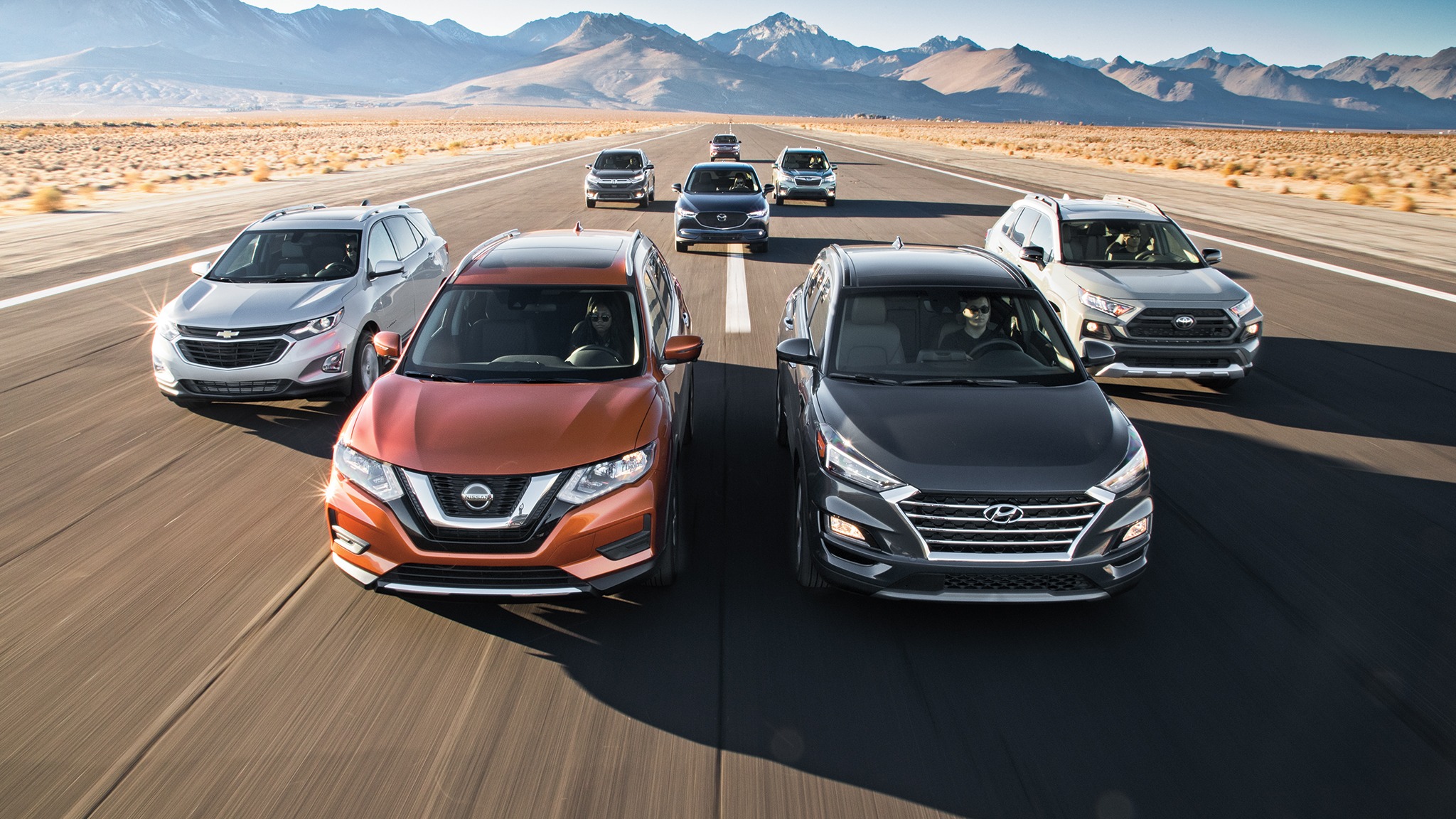
7. Compact SUVs / Crossovers
Compact SUVs and crossovers have become popular because they combine the useful features of a larger SUV with dimensions that are easier to manage in everyday driving.
Their higher seating position can make entry and exit easier, while the additional cargo room is useful for families, commuters, and people who regularly carry equipment.
That extra height, however, can affect static stability. Compared with a similarly sized sedan, a taller crossover may have a higher center of gravity, which can reduce its Static Stability Factor.
Still, it would be misleading to treat every compact SUV as equally susceptible to rollover. Modern crossovers vary considerably in body height, track width, suspension design, curb weight, and center-of-gravity height.
Many use car-based platforms with relatively wide stances and sophisticated stability systems. NHTSA therefore evaluates individual vehicles rather than assigning one universal rollover rating to the entire compact-crossover category.
Electronic stability control also matters. The system can help a driver maintain directional control during sudden steering inputs and certain loss-of-control situations. It does not change the vehicle’s basic geometry, but it can provide an important layer of assistance.
Owners should also remember that accessories can affect handling. A heavily loaded roof box, cargo carrier, or bike rack adds weight above the main body and may raise the vehicle’s center of gravity.
Tire condition is another factor worth considering. Incorrect tire pressure or worn tread can significantly affect traction and grip. For that reason, comparisons are most useful when they focus on the specific model and its equipment.
Check the exact vehicle’s NHTSA rollover rating, then consider its tires, loading limits, safety equipment, and intended use before making a decision.
8. Station Wagons
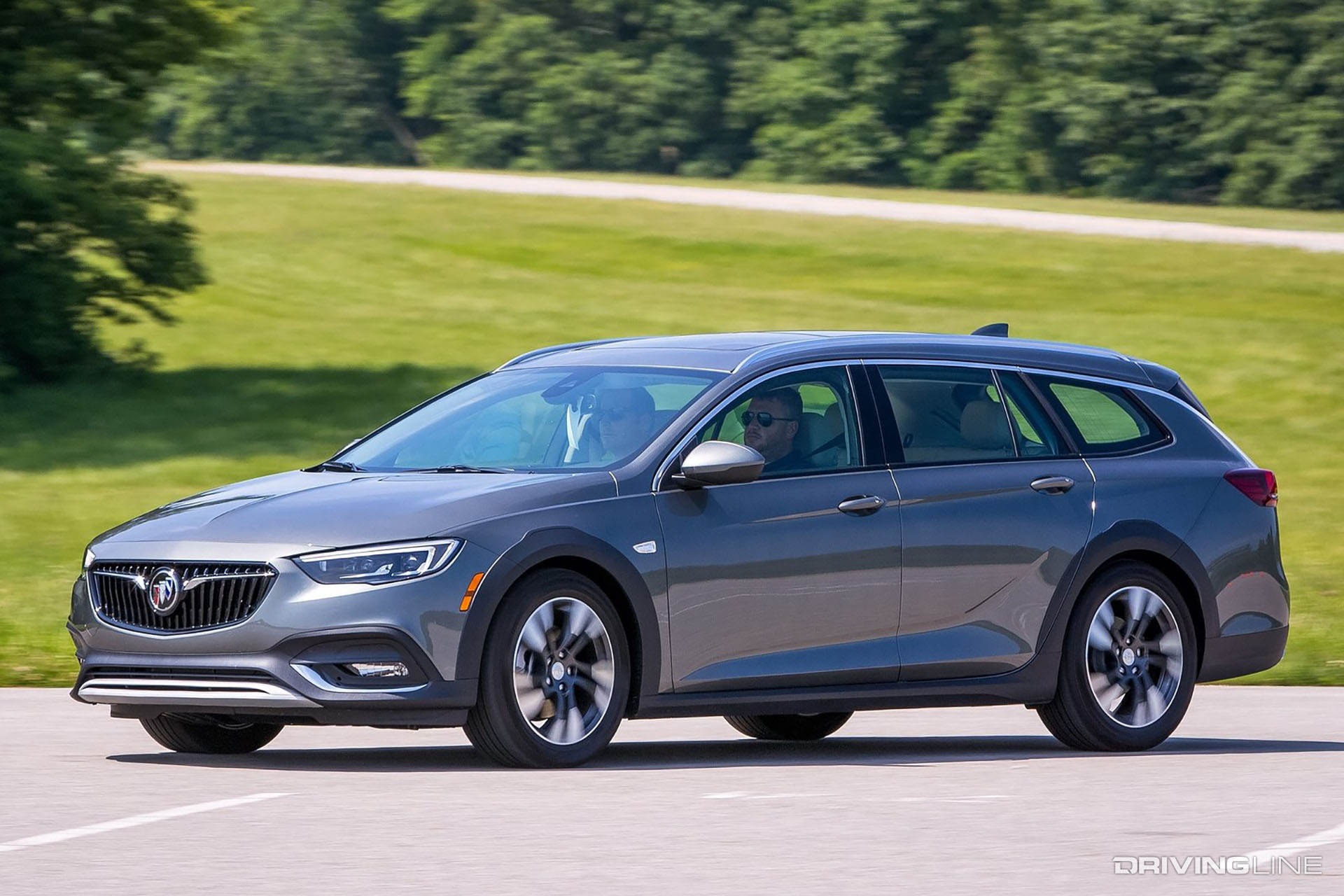
Station wagons occupy an interesting position in rollover discussions because they provide much of the cargo flexibility associated with SUVs while retaining the lower body proportions of a passenger car.
Their longer rooflines create useful interior space without necessarily requiring a dramatically higher seating position. From a static-stability perspective, a lower center of gravity can be helpful because it generally makes a vehicle more resistant to tipping during severe lateral maneuvers.
That does not mean every station wagon has identical characteristics. A conventional low-riding wagon may have very different dimensions from a raised all-wheel-drive wagon designed for poor road conditions.
Wheel width, track width, ride height, suspension design, curb weight, tires, and weight distribution can all affect rollover resistance. NHTSA does not publish a single rollover rating that applies to every station wagon.
Its testing and rating information is provided for individual vehicles, making the specific model and model year much more useful than the body-style label alone. Wagons also offer a practical advantage for drivers who want cargo capacity without moving into a taller vehicle.
A long roof and large rear cargo area can accommodate luggage, groceries, sports equipment, and family gear while preserving a driving position that feels closer to a sedan.
When evaluating one, check its NHTSA rollover-resistance rating and crash-test information. Pay attention to the manufacturer’s roof-load limits if you plan to use a roof rack. Heavy equipment mounted high on the vehicle can alter its handling.
A station wagon is not automatically immune to rollover, but its lower profile generally gives this category physical characteristics that favor static stability compared with many taller SUVs and pickups.
9. Sedans
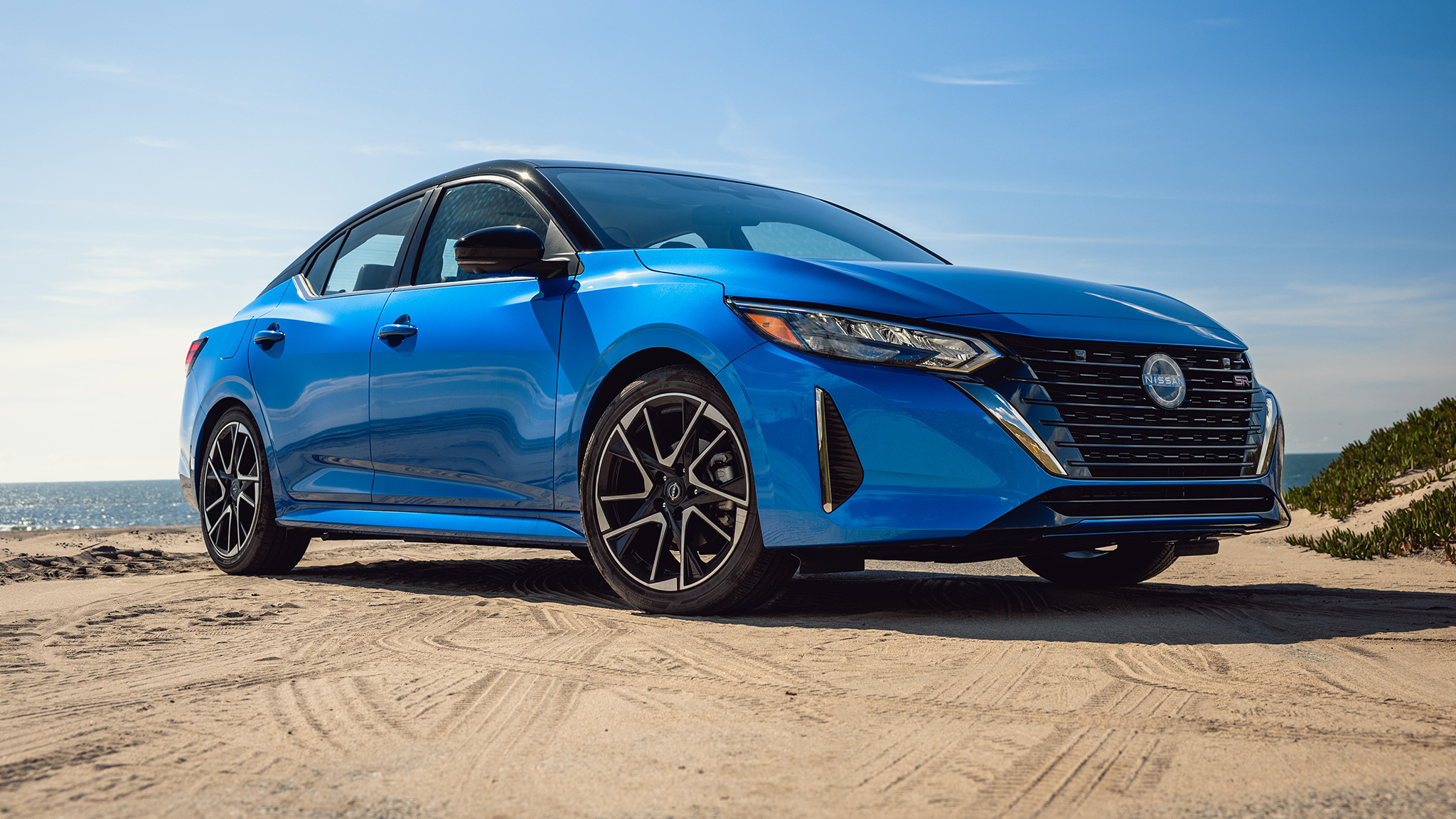
Sedans have a fundamental design advantage when it comes to rollover resistance testing. Their lower ride height generally gives them a lower center of gravity than SUVs and pickup trucks, which can contribute to greater resistance to rollover.
Their bodies are typically wider relative to their height, while the center of gravity is usually closer to the road. Those characteristics can contribute to a higher Static Stability Factor, which indicates greater resistance to tipping.
The principle is easy to visualize. Imagine placing a rectangular box flat on a table and then standing the same box upright. The flat box has a broader, lower stance and requires more force to tip.
Vehicle geometry follows a similar principle. A lower center of gravity and adequate track width generally make tipping more difficult. That does not make sedans rollover-proof.
A vehicle can roll after leaving the roadway, hitting a curb, dropping a wheel onto a soft shoulder, striking an obstacle, or becoming involved in a collision. In some crashes, the vehicle first loses control and then encounters something that causes it to tip.
Driver behavior remains important. If a tire drops off the pavement, a sudden steering correction can create an unstable situation. A smoother response, reduced speed, and controlled steering can help maintain stability.
Proper tire inflation and adequate tread are also important because grip affects how the vehicle responds during emergency maneuvers. Sedans can also provide a practical combination of efficiency, passenger space, and predictable road handling.
When shopping, buyers should look beyond body style and examine the exact vehicle’s NHTSA safety ratings, stability-control equipment, crash-test performance, and tire specifications.
Their lower profile gives sedans a physical advantage in static rollover resistance, but the individual vehicle and driving circumstances still determine what happens in a real crash.
10. Low-Slung Coupes / Sports Cars
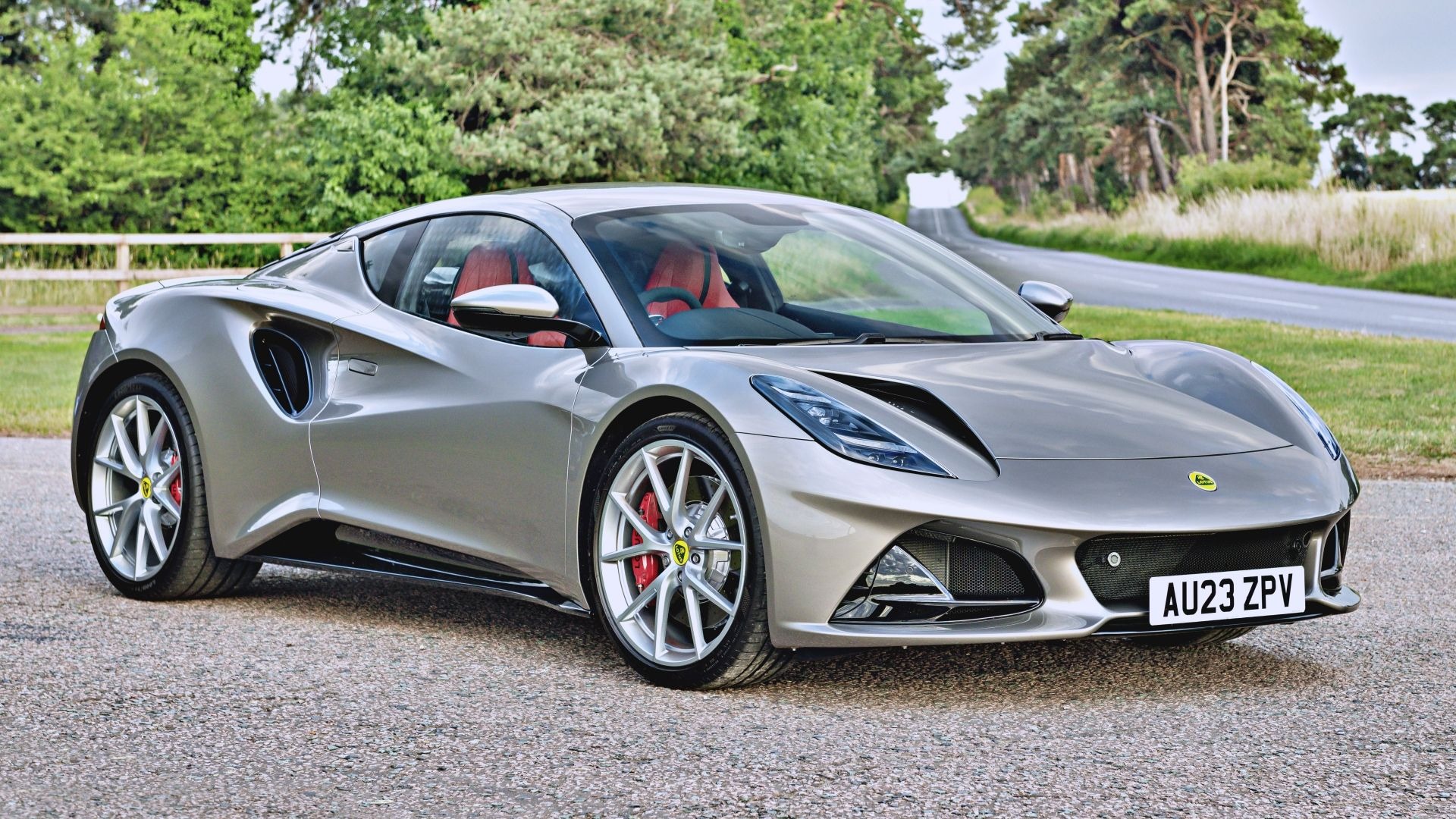
Low-slung coupes and sports cars often benefit from a low center of gravity, which can improve static rollover resistance. Their bodies typically sit close to the ground, while their wider dimensions and suspension setups can create a more stable stance.
That geometry can produce a high SSF. NHTSA’s rating system uses SSF specifically to assess how top-heavy a vehicle is, while its dynamic test examines behavior during a severe steering maneuver.
Still, low height should not be confused with immunity from rollover. Sports cars can travel at higher speeds, and a crash involving a curb, roadside obstacle, soft shoulder, ditch, or another vehicle can create forces that are outside a simple static-stability comparison.
There is also considerable variation among performance vehicles. Some have very wide tracks and extremely low centers of gravity, while others are taller or have different suspension arrangements. Convertible construction can also affect vehicle weight and structure.
For these reasons, this category belongs at the low-risk end of a general geometry-based rollover ranking, not because NHTSA declares every sports car safer than every other vehicle, but because low, wide vehicle proportions generally favor static stability.