
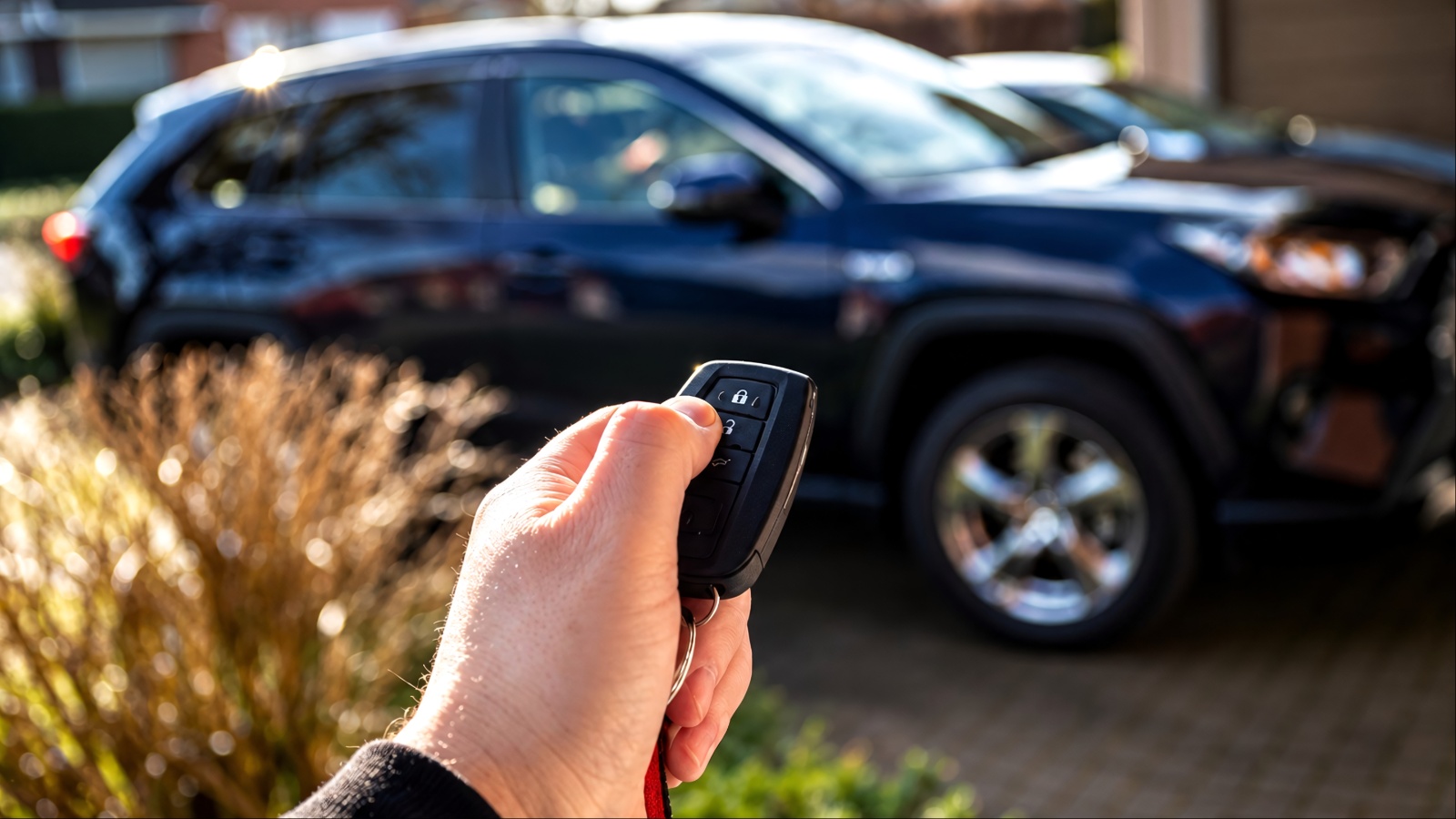
A car that unlocks when its owner approaches sounds wonderfully convenient. The trouble starts when the vehicle cannot reliably tell whether its electronic key is actually nearby. Relay attacks take advantage of that weakness by extending communication between a key fob and the car, allowing a vehicle to respond as though its owner were standing beside it.
ADAC has tested 850 vehicles and reports that about 70% now have better protection against this type of theft, meaning protection still needs improvement on roughly 30% of the tested vehicles. That is not the same as saying only 15% of the European fleet is protected.
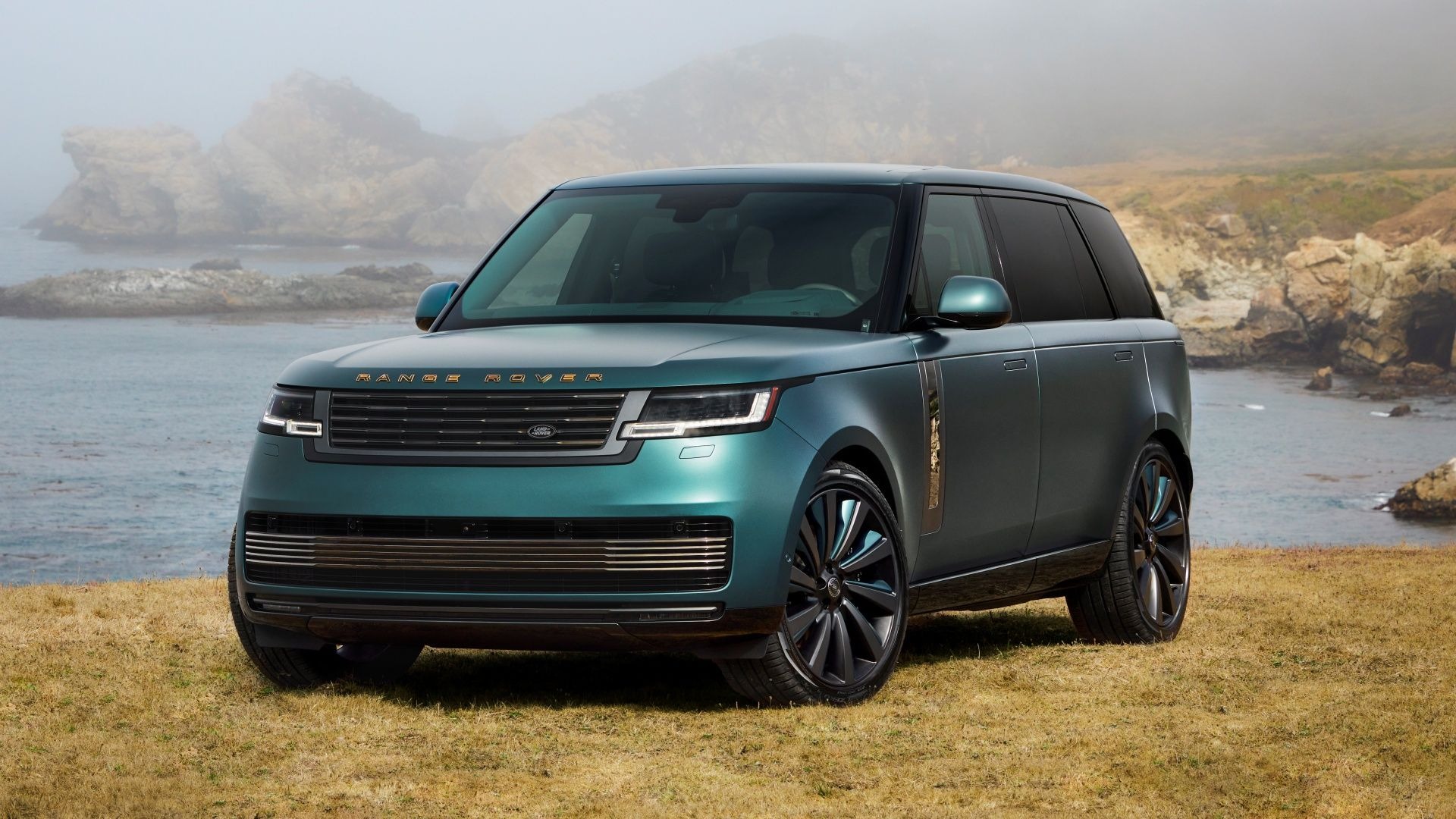
1. Land Rover Range Rover
Older Range Rover models equipped with passive keyless entry have appeared in security testing as vulnerable to relay attacks. The basic problem is that a relay device can extend communication between the vehicle and a genuine fob, making the car believe the owner is nearby when the fob is actually much farther away.
Here’s the catch, though. Not every Range Rover is equally exposed. Jaguar Land Rover introduced improved protection, including UWB-based technology, on newer vehicles.
ADAC reports that JLR was an early manufacturer to bring in stronger defenses against this method. Think about what that means for a buyer. The model year and the exact entry system matter far more than the badge on the grille.
A vehicle with an older passive-entry setup deserves different treatment from a newer model with stronger distance verification. Ask the seller direct questions, and request paperwork showing which system is fitted.
So what’s the lesson? Price and prestige don’t guarantee protection. A luxury SUV packed with screens and driver aids can still carry an older entry system under the surface. Before buying, check the exact specification and security equipment.
If you already own an older example, a signal-blocking pouch, a steering-wheel lock, and a tracking device give you extra layers while you decide whether an upgrade makes sense.
Layers matter, because thieves tend to skip cars that look like more trouble than the next one down the street.
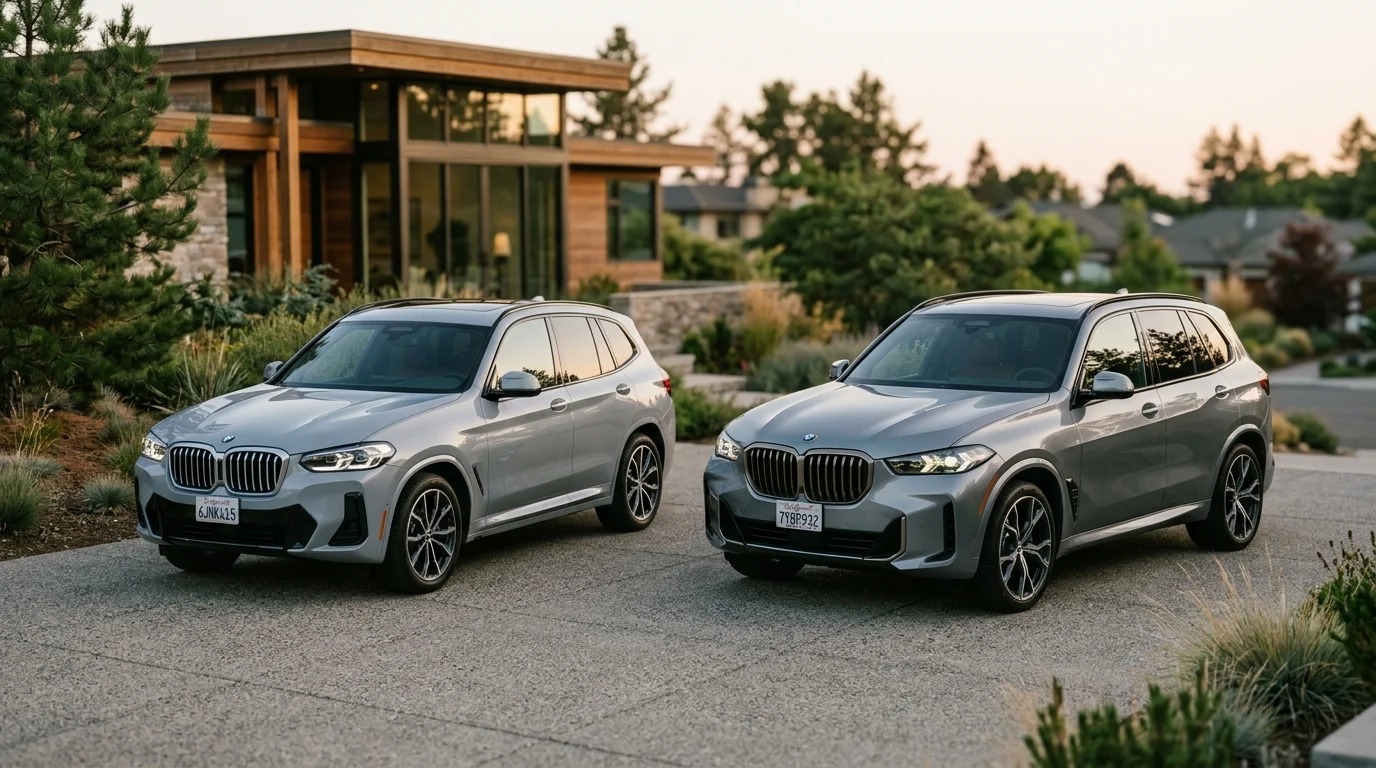
2. BMW X5 / X3
The Golf serves as a good example of how electronic security features can evolve throughout a model’s production run. The model name alone does not tell the whole story. The exact vehicle and its production period determine which security system it actually uses.
Earlier BMW vehicles with passive keyless entry were among those tested by security organizations for relay vulnerability. Thatcham Research has also documented differences between BMW models, depending on the technology inside the fob.
Some use motion-sensing fobs that can reduce risk once the fob has sat still for a period. Why does that matter? If you’re shopping for a used X5 or X3, the model year, equipment level, and fob technology can all change how well the vehicle resists a relay attack.
Two SUVs on the same lot may not offer the same protection, even if they look identical from the curb. Picture your car’s security as a set of locks on a front door rather than a single deadbolt.
Passive entry is only one piece. Immobilizers, alarms, tracking systems, physical deterrents, and software protections all contribute to theft resistance, and a weak link in one area can sometimes be covered by strength in another.
Accuracy helps everyone here. Rather than calling every X5 or X3 vulnerable, it’s fairer to say that some generations and specifications with passive keyless systems have been susceptible to relay attacks.
Verify the details for the specific vehicle in front of you, and don’t rely on rumors from a forum thread.
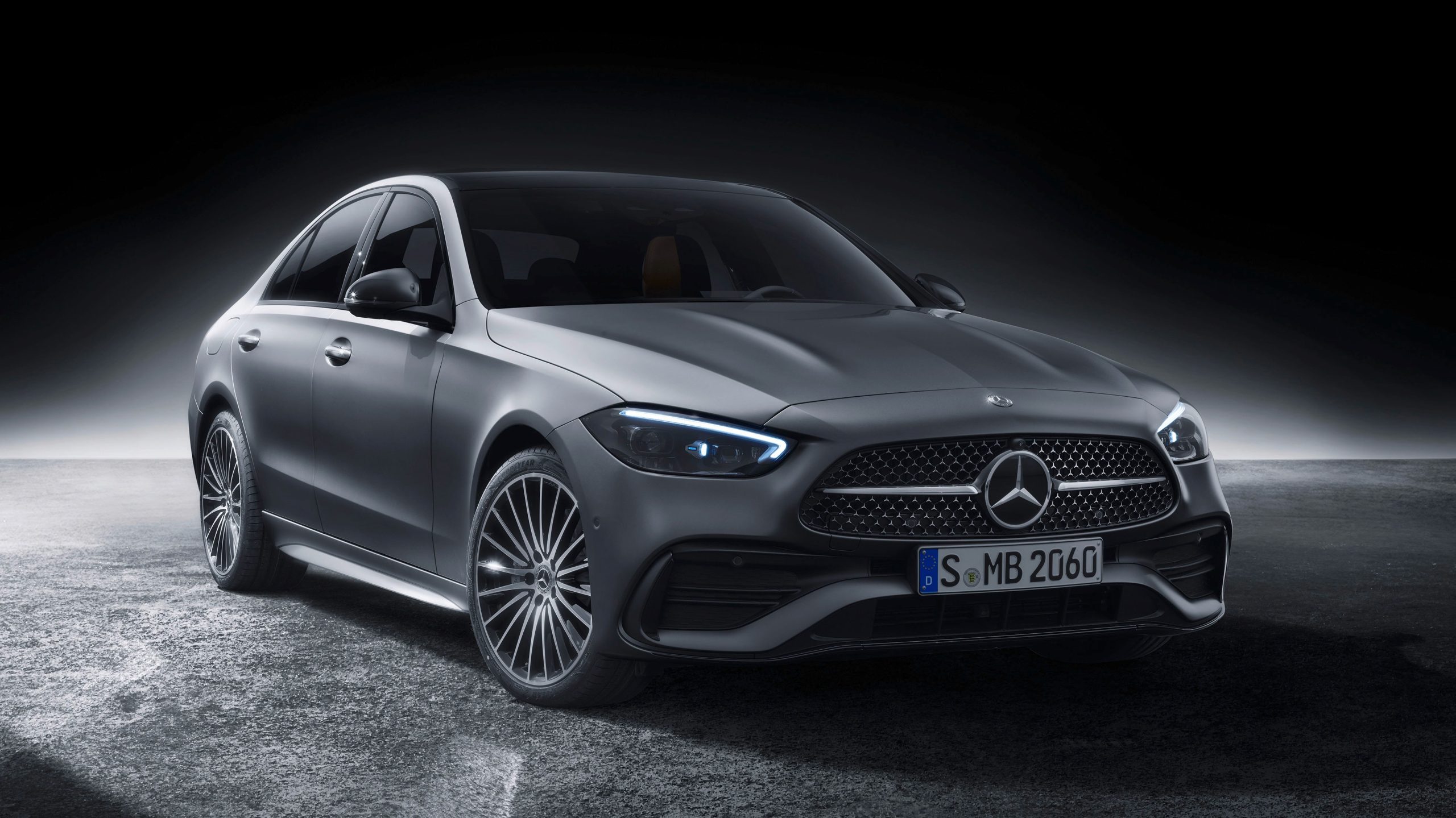
3. Mercedes-Benz C-Class
The Mercedes-Benz C-Class has also appeared in research on passive entry vulnerabilities. One popular claim says the C-Class simply uses a “continuous RFID signal,” but that description is too broad and technically misleading.
Here’s how it actually works. Hands-free systems rely on several wireless technologies and multiple authentication steps. A relay attack doesn’t necessarily involve stealing or decoding anything.
Instead, the equipment extends communication between the legitimate fob and the vehicle, and research on passive systems has documented this general weakness.
Good news arrives from the manufacturer’s side. Mercedes-Benz has introduced improved fob security features on various models, including systems built to reduce risk when the fob is stationary.
For buyers, the key is to look beyond the C-Class name itself. The generation, production year, entry system, and specific security configuration can all affect the vehicle’s level of protection. Treating the entire lineup as “vulnerable” would overlook these important differences.
Own an older C-Class with passive entry? Try this tonight. Drop the fob into a tested signal-blocking pouch, then store it away from doors and windows.
Thatcham Research specifically recommends signal-blocking protection for vehicles equipped with passive keyless entry. It costs very little, takes seconds, and turns a hallway shelf from a risky spot into a safer one.
Pair it with a visible steering lock, and you’ve made the car a far less appealing target.
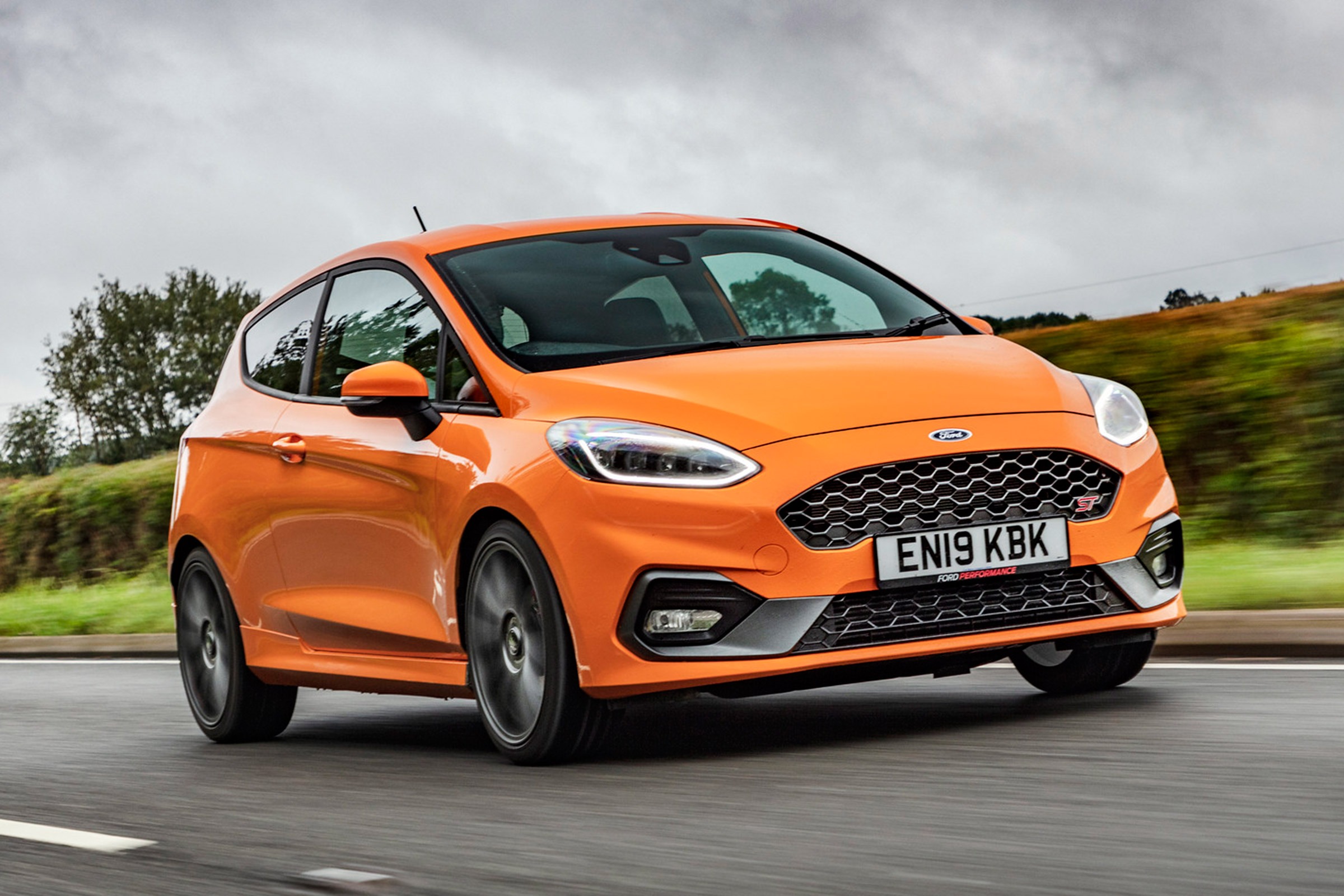
4. Ford Fiesta
The Ford Fiesta illustrates why a model name alone cannot determine electronic theft risk. Some Fiesta versions were equipped with passive keyless entry and start, while others used conventional remote systems.
That difference matters because a relay attack specifically targets passive systems that communicate with a key without requiring the driver to press a button.
Thatcham Research explains that relay equipment can extend communication between the fob and vehicle, allowing criminals to imitate the proximity of the legitimate key.
If you own a Fiesta, first establish exactly what equipment is fitted. Check the owner’s manual, examine the fob, and ask a Ford dealer about the vehicle’s security features. Do not assume that another Fiesta of the same year has identical equipment.
Older passive systems deserve particular care. A tested signal-blocking pouch can prevent the fob from communicating with relay equipment when stored correctly.
Thatcham Research also recommends keeping keys away from doors and windows, including spare keys that may otherwise be forgotten.
A physical deterrent can add another layer. A steering-wheel lock does not solve a wireless vulnerability, but it can make the vehicle harder to drive away after unauthorized entry.
Ford has also introduced newer vehicles with stronger approaches to passive-entry security, showing how technology has changed across different generations.
The more precise conclusion is that certain keyless Ford Fiesta variants have been exposed to relay attacks, while other versions may not use the passive keyless system associated with this specific vulnerability.
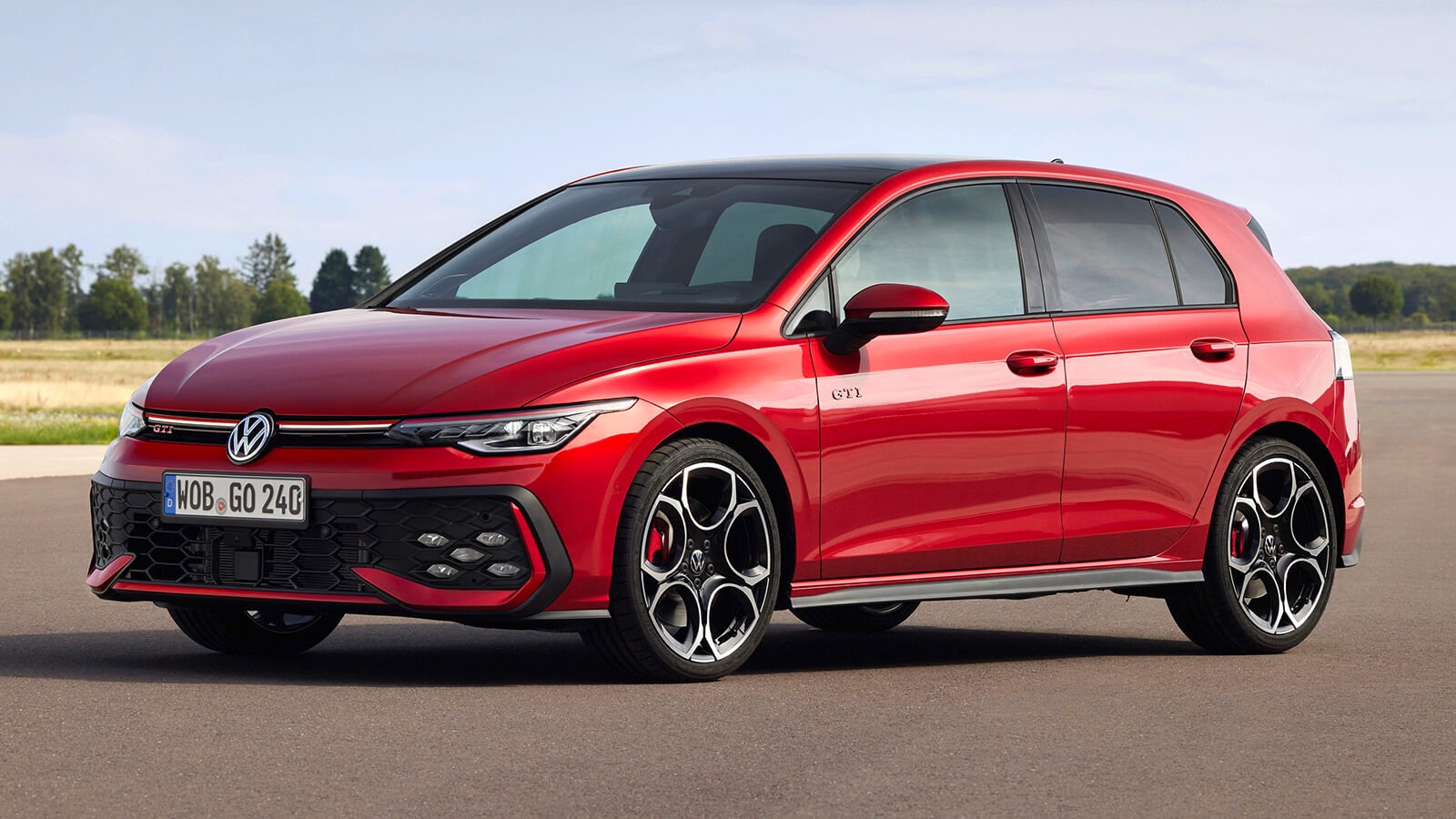
5. Volkswagen Golf
The Volkswagen Golf has existed through many generations, and its electronic security has changed along with the car itself. That makes the production year especially important when discussing relay attacks.
Older Golf versions equipped with passive keyless entry may have weaker protection against relay equipment if the system cannot establish that the authorized key is genuinely close to the vehicle.
A relay attack takes advantage of that communication gap rather than physically breaking the lock or stealing the key. Newer Volkswagen Group vehicles received stronger protection.
ADAC reports that the Volkswagen Group followed Jaguar Land Rover in 2019 with UWB-based protection, including the Audi A3, SEAT Leon, Škoda Octavia, and Volkswagen Golf 8.
That makes it inaccurate to place every Golf in one security category. A late-model Golf with stronger distance verification should not be described in the same way as an older vehicle with a conventional passive-entry system.
For used-car buyers, check the production year, trim, exact fob, and passive-entry equipment. A dealer can also confirm whether relevant software or hardware updates apply.
Owners of susceptible systems have several practical options. A properly tested Faraday pouch can block the fob’s wireless communication while it is stored. Keeping the fob away from exterior doors and windows adds another precaution.
The Golf serves as a good example of how electronic security features can evolve throughout a model’s production run. The model name alone does not tell the whole story. The exact vehicle and its production period determine which security system it actually uses.
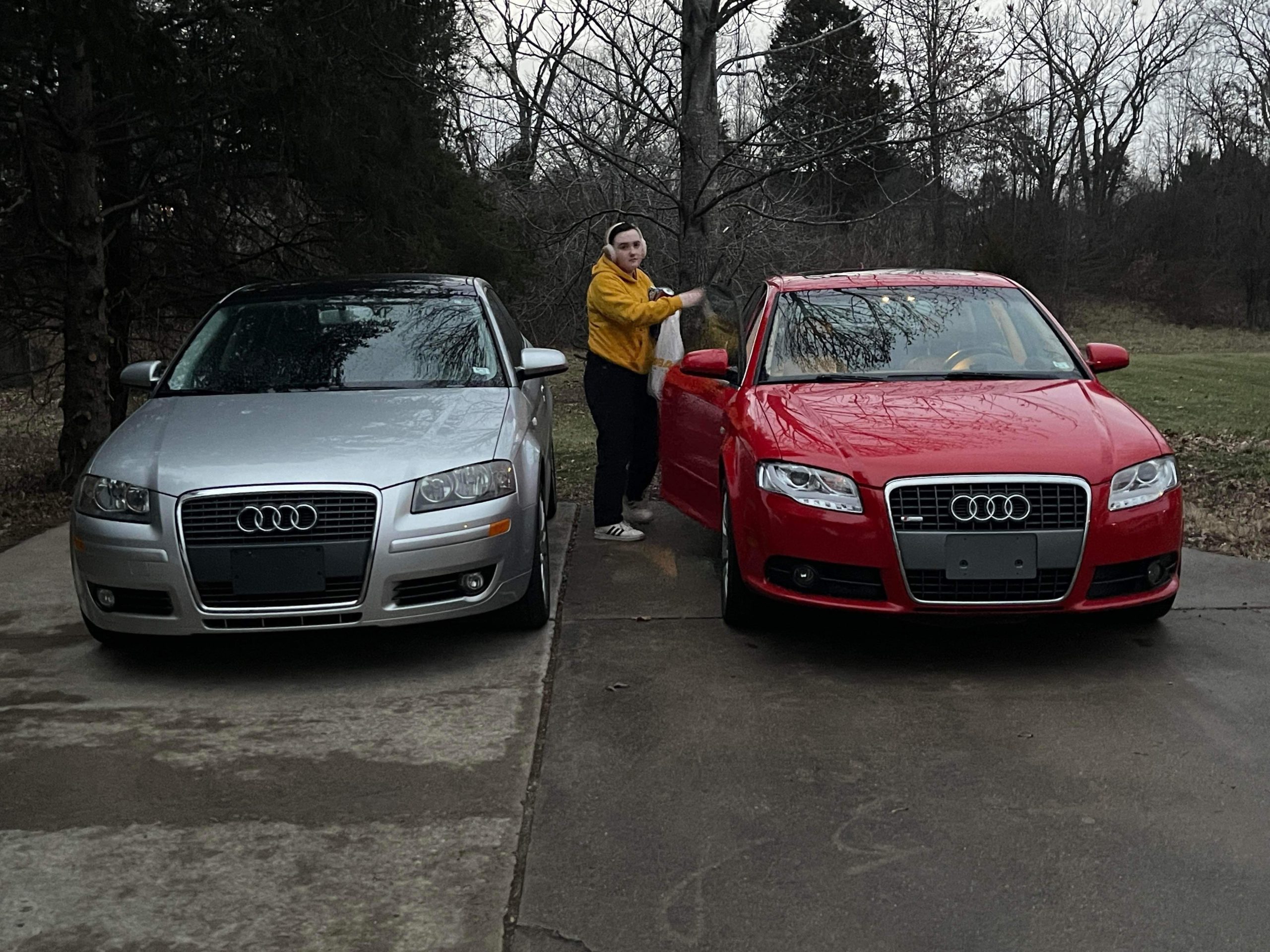
6. Audi A3 / A4
Audi A3 and A4 models have used several generations of passive-entry technology, so the idea that every older A3 or A4 is automatically vulnerable goes too far.
The important question is whether the particular vehicle can establish the true distance between its authorized fob and the car. Traditional passive systems may be exposed when that distance check is insufficient, because relay equipment can extend communication between the two devices.
Audi later introduced stronger protection on newer vehicles. ADAC identifies the Audi A3 among Volkswagen Group models that received UWB protection from 2019.
UWB can provide more accurate distance measurement and is designed to resist the type of relay equipment used in earlier ADAC tests.
That does not make every Audi with UWB immune to every form of electronic theft. Vehicle security involves several systems, and no single technology should be treated as a universal guarantee.
For someone shopping for a used A3 or A4, the sensible approach is to identify the exact production year and keyless equipment. Ask whether passive entry is fitted, whether the fob has a sleep function, and whether the manufacturer has issued relevant updates.
Owners of older systems can reduce exposure by storing their fob in a tested signal-blocking pouch. Keeping both primary and spare fobs away from exterior doors and windows is also recommended by Thatcham Research.
The A3 and A4 should therefore be described as model-specific security cases, not as vehicles that are universally open to relay theft.
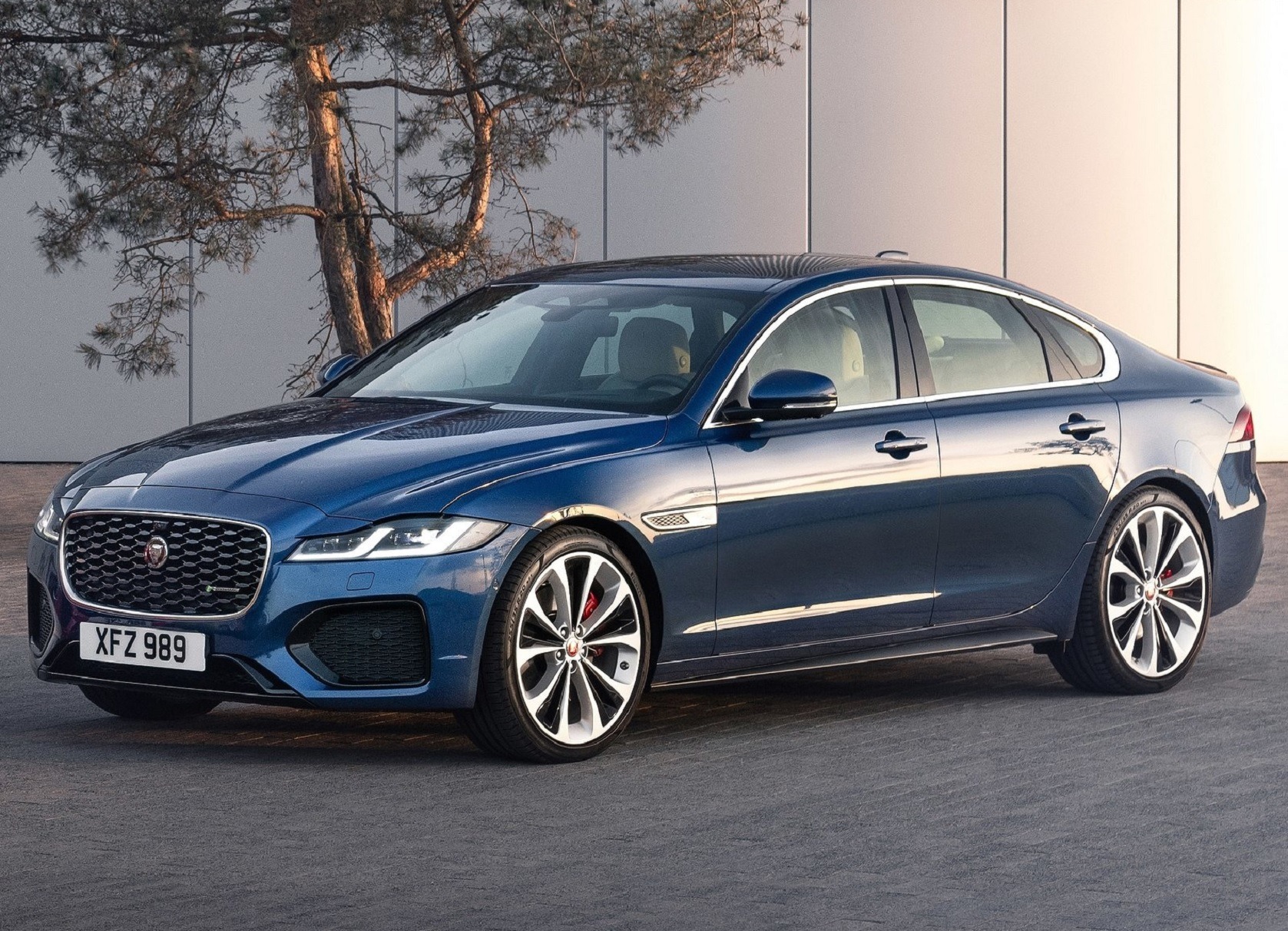
7. Jaguar XF
Model year matters greatly with the Jaguar XF. Earlier passive systems were susceptible to relay attacks, while Jaguar Land Rover later introduced stronger protection.
According to ADAC, JLR was the first manufacturer in its testing program to introduce better-protected vehicles, beginning in 2018. The improved systems used UWB to measure the distance between the vehicle and fob more accurately, which stopped the specific relay equipment in ADAC’s testing from opening and starting the car.
Because of that history, saying XF factory signals are simply amplified is too general. A better description points to older XF versions with passive entry as the concern.
Used-car shoppers, take note. Check the production year and the exact entry system. Two XFs that look almost identical can carry very different electronic security, and only the paperwork or a dealer inspection will tell them apart.
Already own an older one? You still have options. Signal-blocking storage, careful fob placement, physical steering locks, and tracking devices each add a layer of protection.
Thatcham Research recommends combining electronic and physical measures rather than leaning on one feature alone. Think of the XF as a case study.
It shows how vehicle security can change dramatically during a single model’s production life, and it reminds buyers to look beyond the shape of the car.
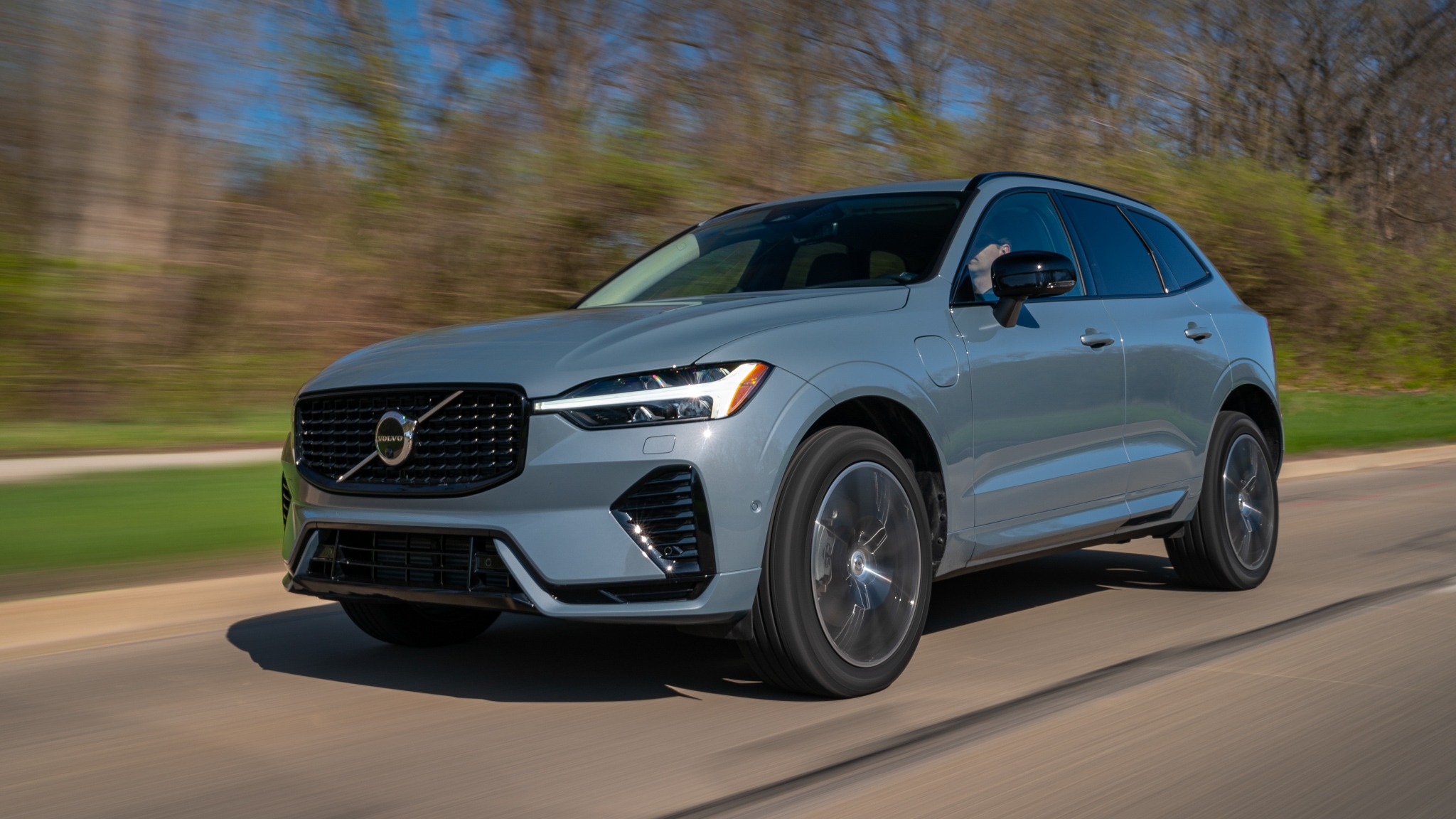
8. Volvo XC60
The Volvo XC60 has also appeared in security testing, yet calling every XC60 vulnerable would be misleading. Volvo has built several generations and configurations of hands-free entry, and their security characteristics aren’t identical.
Older passive systems may be susceptible to relay attacks when the vehicle can’t adequately determine the physical distance between the car and its authorized fob.
Reputation offers no shield here. Thatcham Research has demonstrated that this weakness can affect vehicles from otherwise highly regarded manufacturers.
The testing also found that motion-sensing key fobs can help reduce this risk by entering a sleep mode after being left stationary for a period of time. This makes it important to discuss the XC60 by generation and entry system rather than suggesting that the entire range shares the same vulnerability.
Owners of an older XC60 have a simple defense. A tested Faraday pouch can block the fob’s wireless signal. Another Thatcham Research recommendation is to keep the fob away from windows and exterior doors, since a relay device works best when it can reach the signal.
Newer XC60s may have stronger security technology. Prospective buyers should verify the exact specification before concluding reports about older vehicles.
Ask questions, read the documents, and take your time. A careful buyer today can avoid a stressful morning later, when the driveway is unexpectedly empty.
