
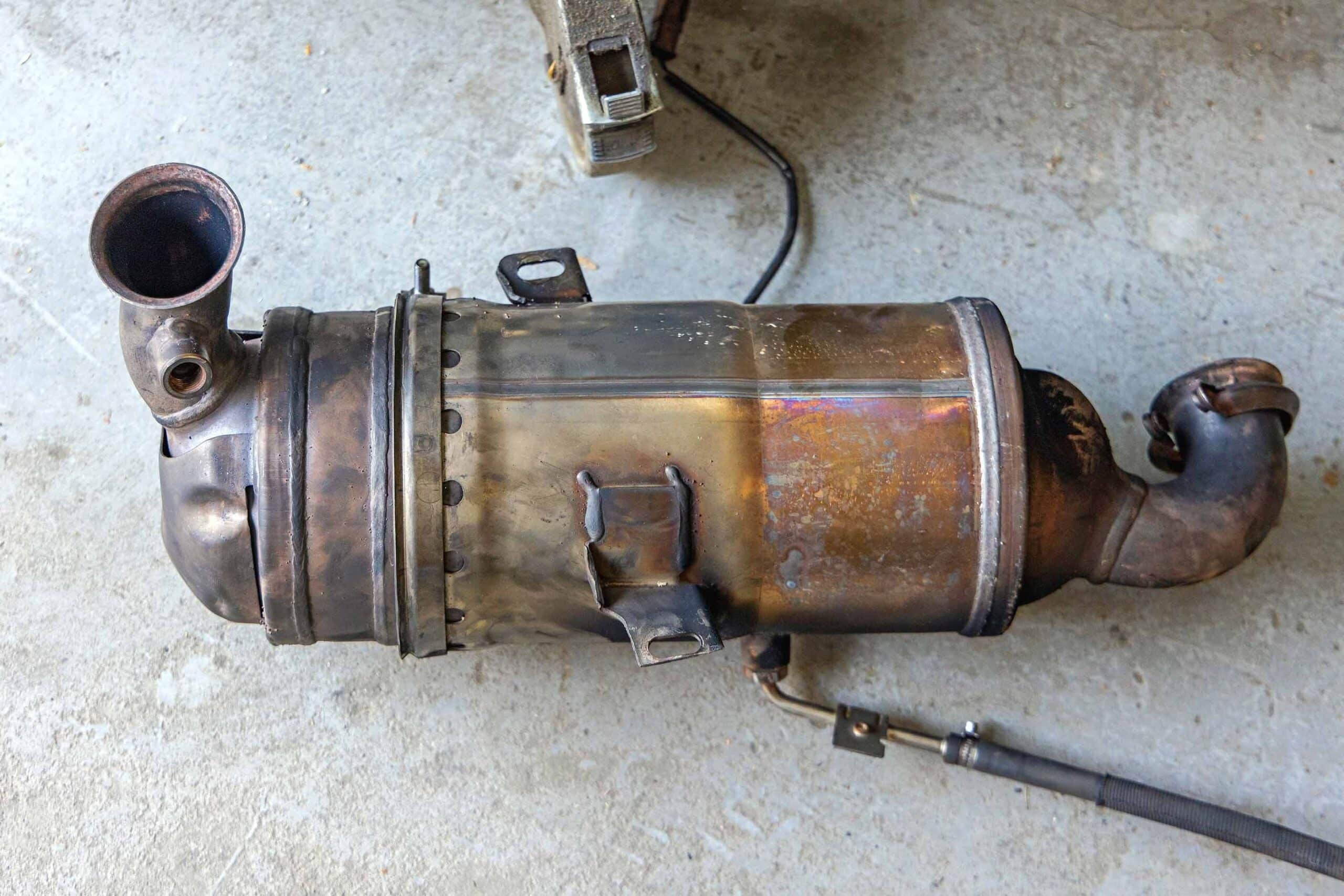
Your diesel runs great, the tank is full, and life is good. Then an orange light blinks on the dash, and suddenly you’re looking at a repair bill that could rival a used car payment. Sound familiar? The culprit is often the diesel particulate filter, a pricey part that traps soot and relies on your driving habits to stay clean.
The habits that most quickly destroy a DPF are those that prevent proper regeneration, especially frequent short trips, long idling, and interrupting regen cycles. The good news is that every habit on this list can be fixed. Below, you’ll find ten of them explained in plain language, along with simple swaps you can start this week. No engineering degree required. Just a few small changes behind the wheel.

1. Constant Short Trips
Imagine starting your diesel vehicle, driving a few minutes to a nearby store, switching it off, and repeating the same routine several times a day. Convenient? Absolutely. Friendly to the DPF? Not always.
A DPF needs sufficient exhaust heat to burn trapped soot during regeneration. A very short journey may end before the exhaust system becomes hot enough for the cleaning process to work properly. When this pattern happens repeatedly, soot can accumulate faster than the vehicle can remove it.
There is another concern with those short trips. The engine may spend much of its operating time below its ideal temperature, which can reduce combustion efficiency and contribute to higher levels of particulate matter entering the exhaust system.
Ford identifies short city journeys among conditions that can contribute to DPF blockage and recommends sustained driving under suitable conditions when regeneration is required.
What should you do? If your vehicle’s manual permits it, combine several short errands into one longer drive. Give the engine and exhaust system enough time to reach normal operating temperature.
When the vehicle indicates that regeneration is taking place, avoid ending the trip immediately unless safety or another urgent concern requires it.
Short trips are not automatically harmful. The problem is making them the dominant pattern of diesel use.

2. Excessive Idling
Picture a diesel engine sitting in a parking lot, running for half an hour while the vehicle barely moves. The fuel gauge is dropping, the engine is operating, yet the DPF may not be getting the heat it needs.
Long periods of idling can keep exhaust temperatures too low for passive soot removal. Cummins specifically warns that prolonged idling does not provide the temperatures required for passive DPF regeneration.
The practical takeaway is simple. Just because the engine is running does not mean the emissions system is actively carrying out its cleaning process.
For drivers who use a vehicle for work, waiting, loading, appointments, or roadside stops, unnecessary idling can become an easy habit.
A few minutes here and there may seem harmless, but repeated idle periods can contribute to an operating pattern that makes DPF regeneration harder.
Try this instead. If you are safely parked and do not need the engine running, shut it down. If your vehicle requires the engine to remain on for a specific work function, follow the manufacturer’s instructions rather than relying on general advice.
Also pay attention to how often regeneration is requested. Frequent regeneration can point to operating conditions that are not allowing the aftertreatment system to function properly.
The DPF does not need constant engine activity. It needs the right operating conditions.
3. Interrupting Active Regeneration
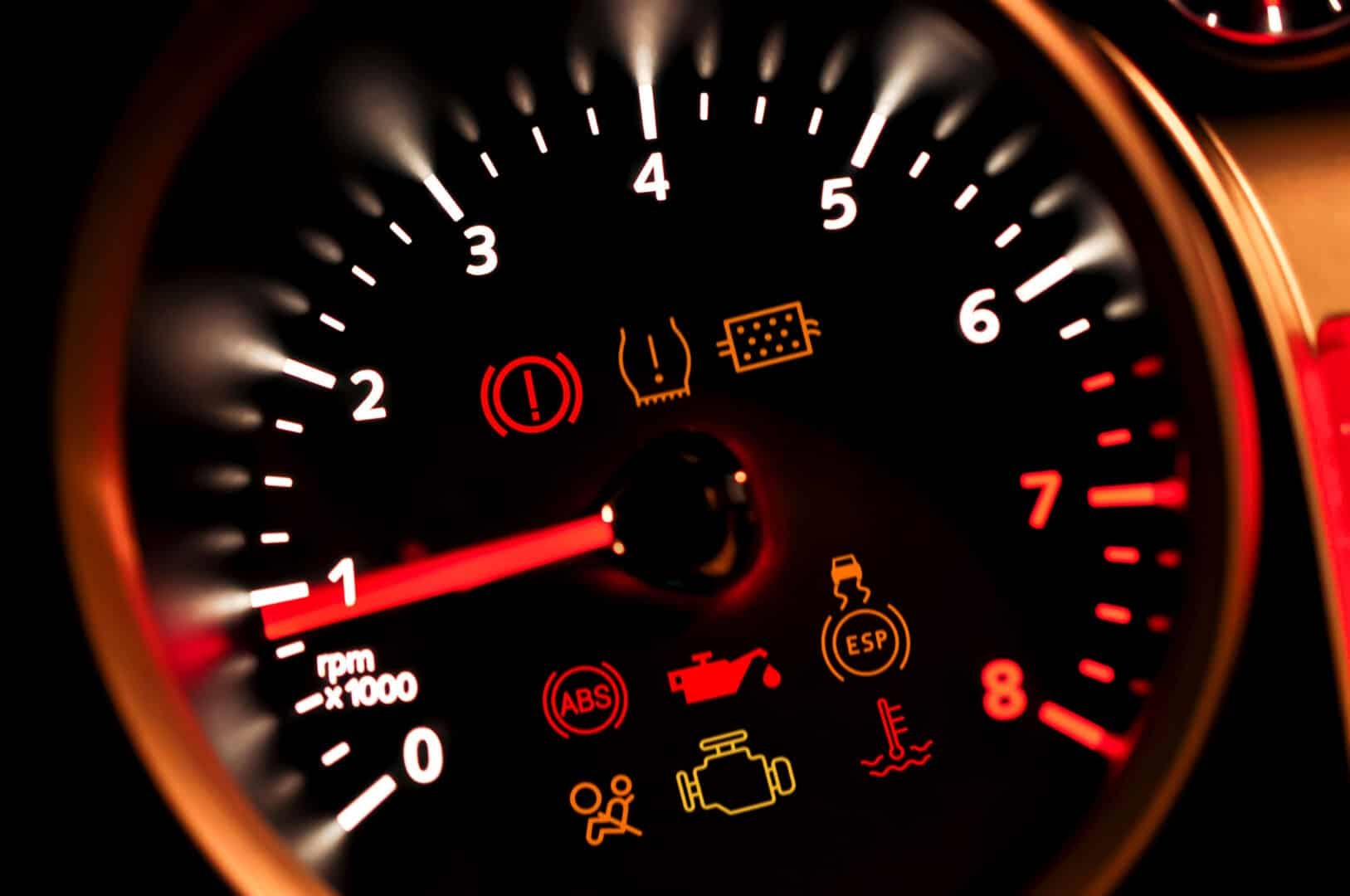
Imagine you’re halfway home when the engine note changes, the idle rises, and you catch a faint burning smell. Your car is in the middle of a regeneration. Then you reach your driveway and turn the engine off.
That single moment causes more harm than most people realize. Switching off the engine during an active regen leaves half-burned soot inside the filter, which hardens and clogs the DPF faster. Do it often enough, and the filter never finishes a full cleaning cycle.
How can you tell a regen is happening? Usually the idle speed rises slightly, the exhaust runs hotter, you notice a mild burning odor, and fuel use ticks up for a short while. Some models also flash a brief dashboard symbol.
Keep driving. Most cycles last ten to twenty minutes, so if you can, stay on the road until those symptoms fade. Can’t avoid stopping? Don’t panic. One interrupted cycle won’t ruin the filter, but a repeated pattern can.
Plan when you’re able. If the car starts a regen near home, take a longer loop or a short highway detour to let it finish. It costs a few extra minutes and a little fuel, while a replacement filter costs far more.
Consider it like pausing a dishwasher halfway through a cycle. You open the door and find a mess. Let the job finish, and everything comes out clean. Patience pays off here.
4. Using the Wrong Engine Oil
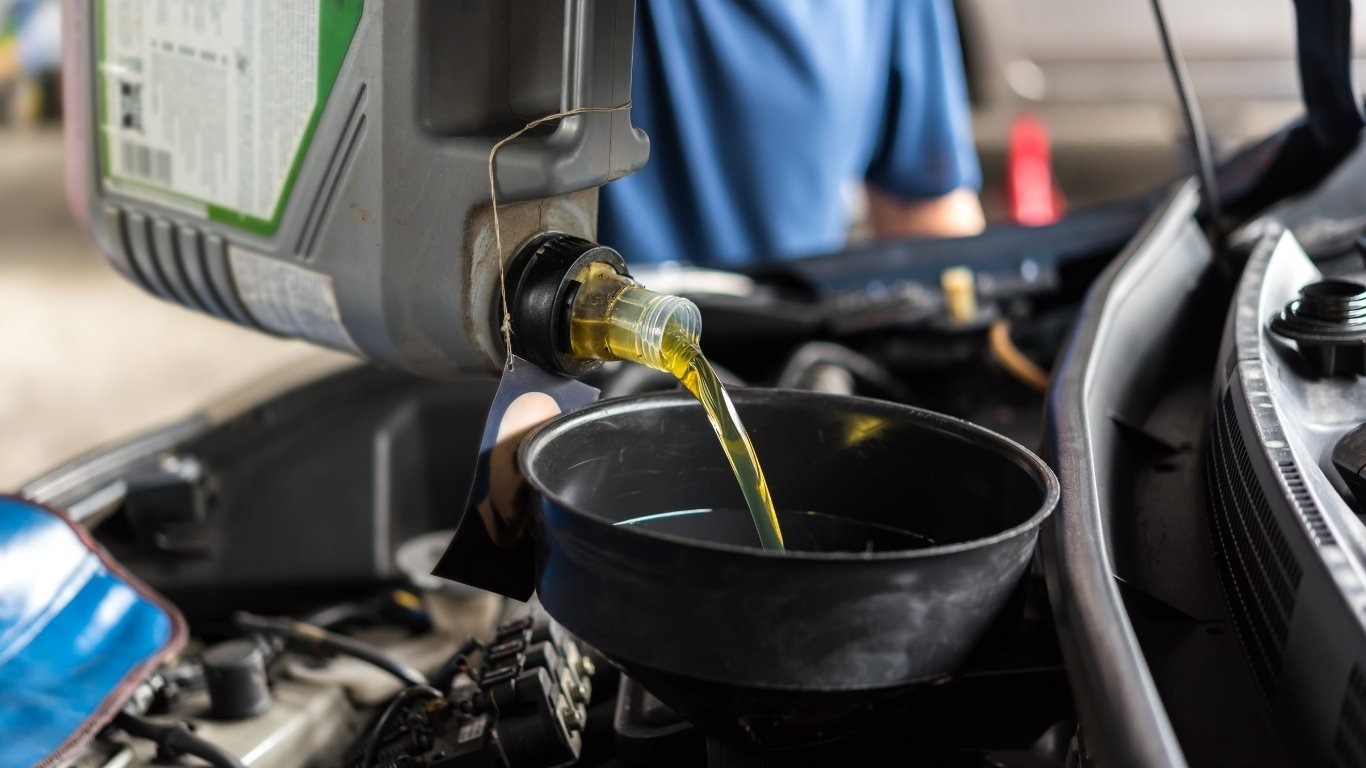
Engine oil does more than lubricate moving parts. The type of oil you put into a diesel engine can also affect the amount of ash that eventually remains inside the DPF.
The key distinction is between soot and ash. Regeneration burns off accumulated soot, but it does not remove the ash that builds up inside the filter. Cummins explains that this ash comes from engine lubricant consumed during operation, while the regeneration process is designed to remove carbon-based soot from the filter.
That makes oil specification worth taking seriously.
Using an oil that does not meet the manufacturer’s required low-ash or low-SAPS specification can increase the material left behind in the DPF. Unlike soot, that ash cannot simply be burned away during a normal regeneration cycle.
As ash accumulates, available filter capacity can decrease, and professional cleaning or replacement may eventually be required.
Do not choose engine oil based only on viscosity or price. A bottle marked with the correct viscosity may still lack the approvals or specifications required by your particular diesel engine.
Check the owner’s manual, service documentation, or manufacturer’s approved oil list before buying oil. Follow the recommended change intervals as well.
Cummins service guidance specifically recommends low-ash engine oil for engines equipped with particulate filters.
One inexpensive bottle of unsuitable oil can create a much larger maintenance bill later. The right oil is therefore part of DPF care, not merely an engine-maintenance detail.
5. Using Poor-Quality Diesel or Skipping Additives When Needed
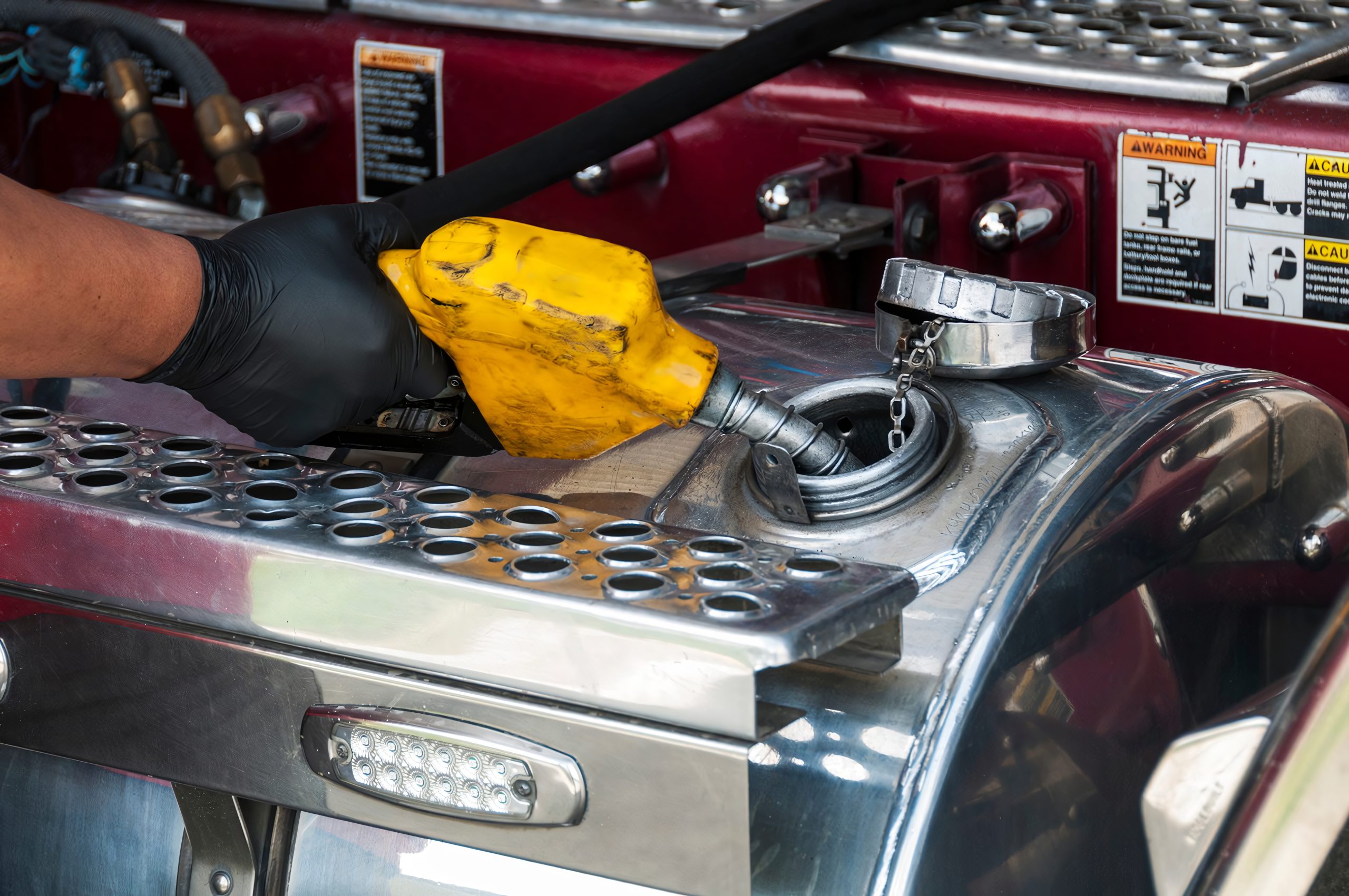
Cheap fuel is tempting, especially when prices climb. But the discount at that off-brand pump may follow you straight to the repair shop.
Low-quality fuel increases soot production, forcing more frequent regens and accelerating clogging. Contaminants can also leave deposits on injectors, which makes combustion even dirtier.
It can become a vicious cycle. Poor-quality fuel can lead to increased soot production, which triggers more frequent regeneration cycles and places additional stress on the filter.
Now for the additive question. Some vehicles use a fuel-borne additive system that needs refilling at set intervals. Skip it, and soot needs more heat to burn, so regens struggle to finish.
Check your manual before buying anything, though, because extra products in the wrong car can cause problems too.
Smart fueling comes down to a few simple choices. Buy from busy, reputable stations with high turnover. Avoid running the tank close to empty, where sediment collects.
Keep your receipts in case you ever need to trace a fuel problem. Follow the additive schedule in your manual.
Picture a driver who filled up at the cheapest pump in town for months. Then came limp mode, a garage visit, and a bill that erased every dollar saved.
Good fuel isn’t a luxury. It’s the easiest way to cut soot before it ever reaches the filter. Spend a few cents more per gallon, and protect a part that can cost well over a thousand dollars to replace.

6. Driving Mostly in Stop-and-Go Urban Traffic
Bumper-to-bumper every morning? You’re not alone, and your diesel isn’t thrilled about it either.
City driving rarely reaches the sustained speeds needed for passive regeneration, causing chronic soot buildup. Passive regeneration is the natural kind of cleaning that happens on the highway, when steady exhaust heat burns soot without any extra fuel injection. In town, you crawl, accelerate briefly, brake, and repeat. The exhaust never stays hot long enough.
The engine computer can trigger active regens, but those need a steady drive too, and stop-and-go traffic interrupts them constantly. The result is a filter that’s always a little fuller than it should be.
Here’s a simple weekly routine for city drivers. Pick one day for a highway run of at least twenty minutes. Hold a steady speed, avoid heavy braking, and check your dashboard for warning lights afterward.
Some commuters ask whether a long weekend trip is enough. Often, yes, as long as the exhaust reaches full temperature and stays there. A twenty-minute steady drive does more good than a full day of crawling through downtown.
Honestly, if your life is almost entirely city driving, a diesel may not be the best fit. Modern petrol and hybrid cars handle that routine far better. If you already own a diesel, though, give it the open road it craves, and your commute won’t cost you a fortune.

7. Frequent Heavy Towing or Overloading
A diesel engine is built to produce strong torque, and many diesel vehicles are chosen specifically for towing. The problem begins when heavy loads become routine without considering the vehicle’s rated capacity and operating conditions.
More weight means the engine has to work harder. Under heavy load, fuel consumption rises, exhaust temperatures can change, and particulate production can increase when combustion conditions are less favorable.
That does not make towing inherently bad for a DPF. In fact, a properly loaded vehicle operating at a suitable engine temperature can create conditions that support regeneration.
The real concern is excessive load, poor maintenance, or operating beyond the manufacturer’s limits. Start with the numbers.
Check the vehicle’s towing capacity, payload limit, axle ratings, and any restrictions in the owner’s manual. Do not treat a strong engine as permission to exceed those limits.
Then watch the vehicle’s behavior. Repeated DPF warnings, unusually frequent regeneration, reduced power, smoke, or changes in engine operation deserve attention.
Heavy work can also expose an existing engine or emissions fault that ordinary commuting never reveals. A clogged air filter, injector issue, boost problem, or sensor fault can affect combustion and soot production.
If towing is part of your routine, maintenance matters even more. Keep the engine properly serviced and respond to warning messages promptly.
A DPF is designed to handle soot produced during normal operation. Asking the vehicle to work harder than it was designed for can make that job much harder.

8. Aggressive Acceleration and Hard Throttle Use
Many drivers know the feeling. The light turns green, you press the accelerator, and the diesel responds with a strong surge of torque. While that burst of power can be satisfying, making a habit of hard acceleration can put unnecessary strain on the vehicle’s emissions system.
Rapid throttle inputs can increase fuel delivery and engine load. Under certain operating conditions, that can increase particulate production and place extra demands on the turbocharger and exhaust aftertreatment system.
Smooth acceleration does not mean driving slowly. It means asking for power progressively and allowing the engine management system to control fuel, boost, and emissions systems as intended.
Think of the accelerator more like a volume knob than an on-off switch. Apply more power when the situation calls for it, but avoid repeated full-throttle bursts when smooth, moderate acceleration is enough. This approach can help reduce unnecessary stress on the engine and emissions system.
Aggressive driving can also raise fuel consumption. That means you may be paying more at the pump while placing greater demands on components that are already designed to operate under controlled conditions.
If you need strong acceleration for safe merging or passing, use the power available to you appropriately. The concern is repeated unnecessary hard throttle use, not normal use of the engine’s performance.
A diesel does not need to be driven timidly to protect its DPF. It benefits from sensible throttle control, proper gear selection, regular maintenance, and operating conditions that allow its emissions system to do its job.
Smooth inputs are easier on more than just fuel economy.
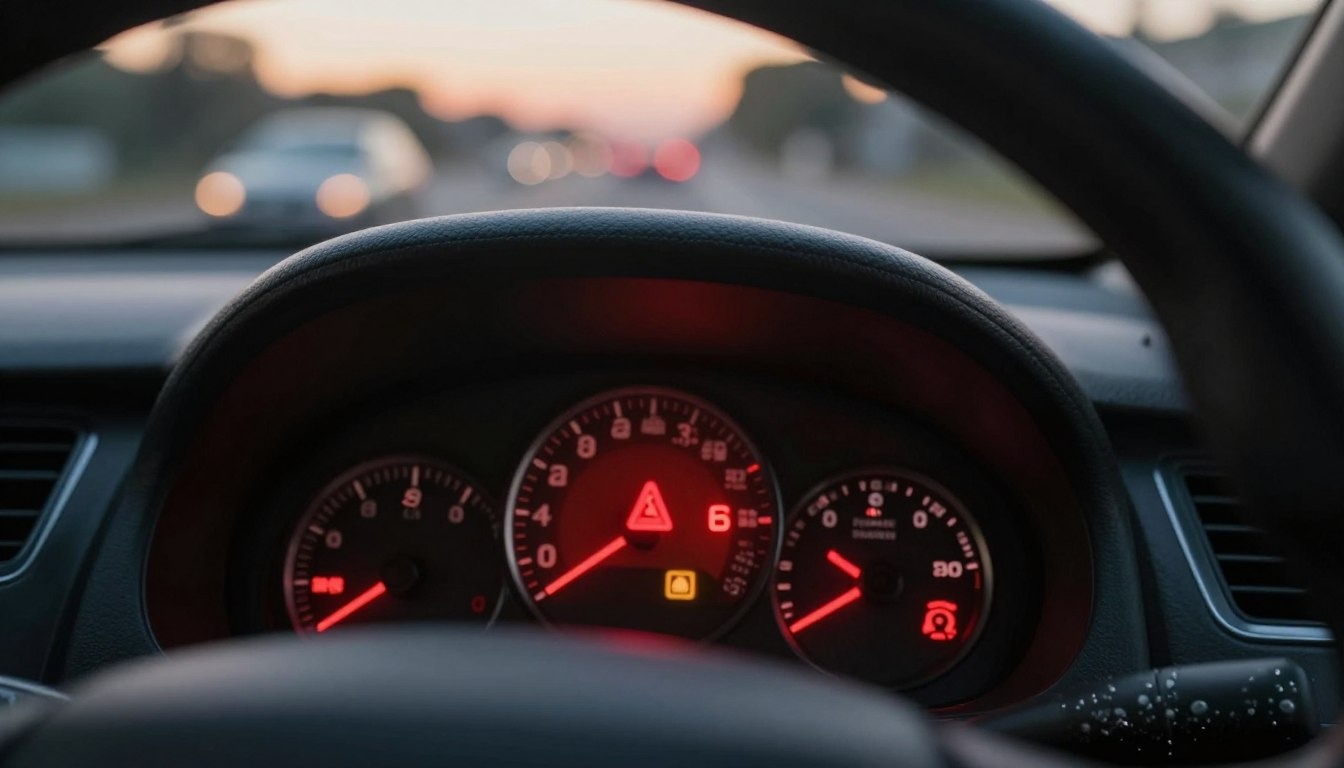
9. Ignoring DPF or Engine Warning Lights
That little light on your dashboard is not a suggestion. It’s a countdown.
Failing to act on early warnings allows soot to reach levels that require forced regen, cleaning, or full DPF replacement. At first, the car may only show a DPF symbol or a gentle reminder to drive at speed.
Ignore it, and the computer may cut power to protect the engine. Ignore that, and the filter can become too blocked to clear itself.
Not every light means disaster, of course. Sometimes a single drive on the highway clears an amber DPF warning. Try a steady twenty-minute run at higher speeds, if it’s safe and legal.
If the light stays on, or turns red, stop putting it off and book a diagnosis. Why do drivers wait? Usually it’s money, time, or hope that the light will vanish on its own.
Sadly, early help is far cheaper. A forced regen or a professional cleaning costs a fraction of a new filter, and mechanics can often catch related problems such as faulty sensors, a stuck EGR valve, or injector trouble before they spread.
Read your owner’s manual so you know what each symbol means. Then act quickly, because waiting rarely makes the bill smaller.
Your car is talking. It’s worth listening.
10. Abrupt Engine Shutdown After High Load
You’ve just finished a long, hard climb. The engine is hot, the turbo is scorching, and you can’t wait to park. So you pull in and kill the ignition right away. Harmless, right?
Stopping a hot engine immediately after hard driving disrupts temperature cycles and can harm turbo and emissions components, indirectly affecting DPF health.
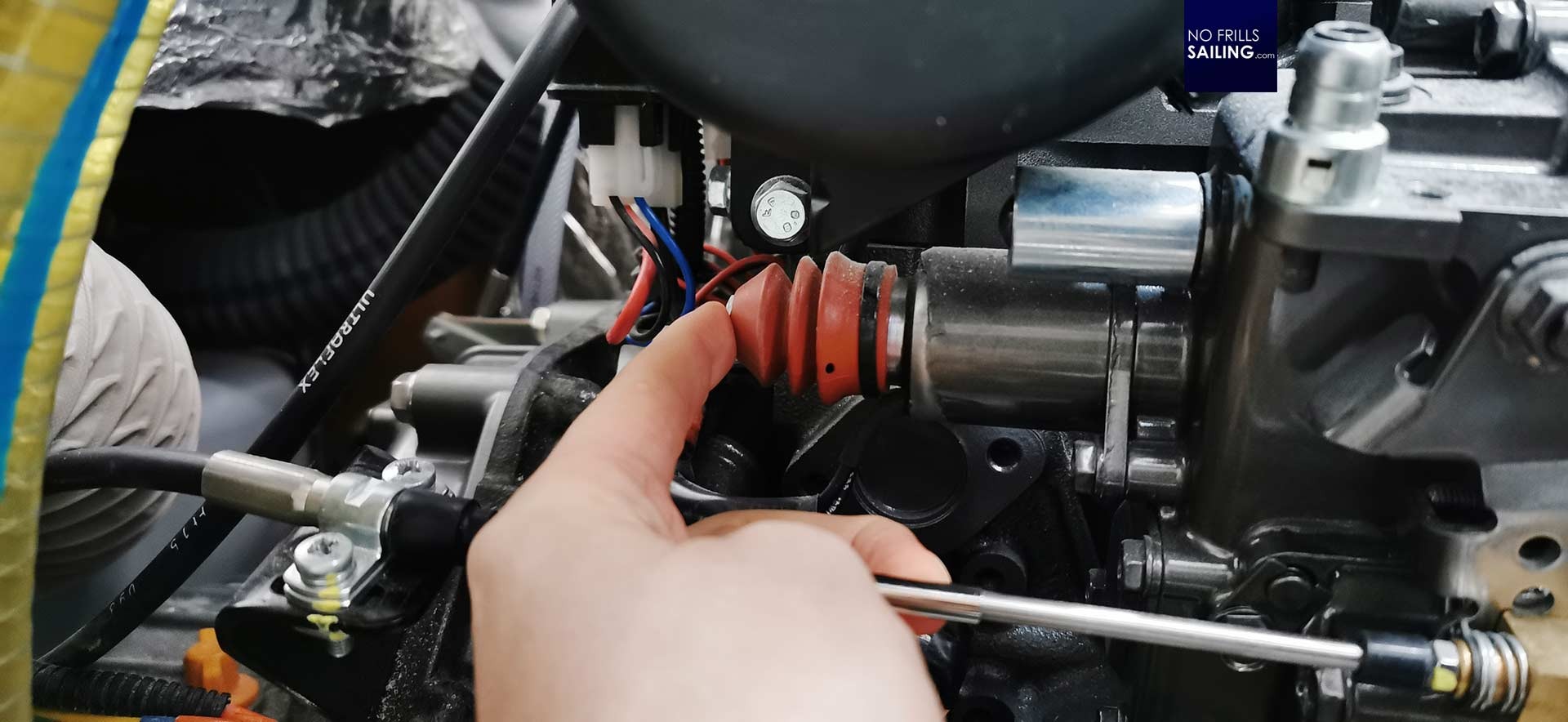
The turbo spins at very high speeds and relies on flowing oil for lubrication and cooling. Cut the engine suddenly, and that oil flow stops while the parts are still extremely hot.
Month after month, that can bake the oil inside the turbo bearings, leaving deposits and wear. A struggling turbo can send extra oil or uneven air into the exhaust, adding to the load on the filter.
The fix takes almost no effort. Drive the last few minutes gently before you arrive, then let the engine idle for thirty to sixty seconds after hard use. Follow your manufacturer’s advice too, since some modern cars manage cooldown on their own.
Treat it like buckling a seat belt. Build it into your arrival routine, and it soon feels natural.
Your diesel particulate filter works hard and does not require much in return. Regular longer drives, quality fuel, the correct engine oil, and a little patience can all help keep it functioning properly. Take care of it, and it may continue doing its job for many years. Choose one habit from this list, put it into practice this week, and make it part of your regular driving routine.
