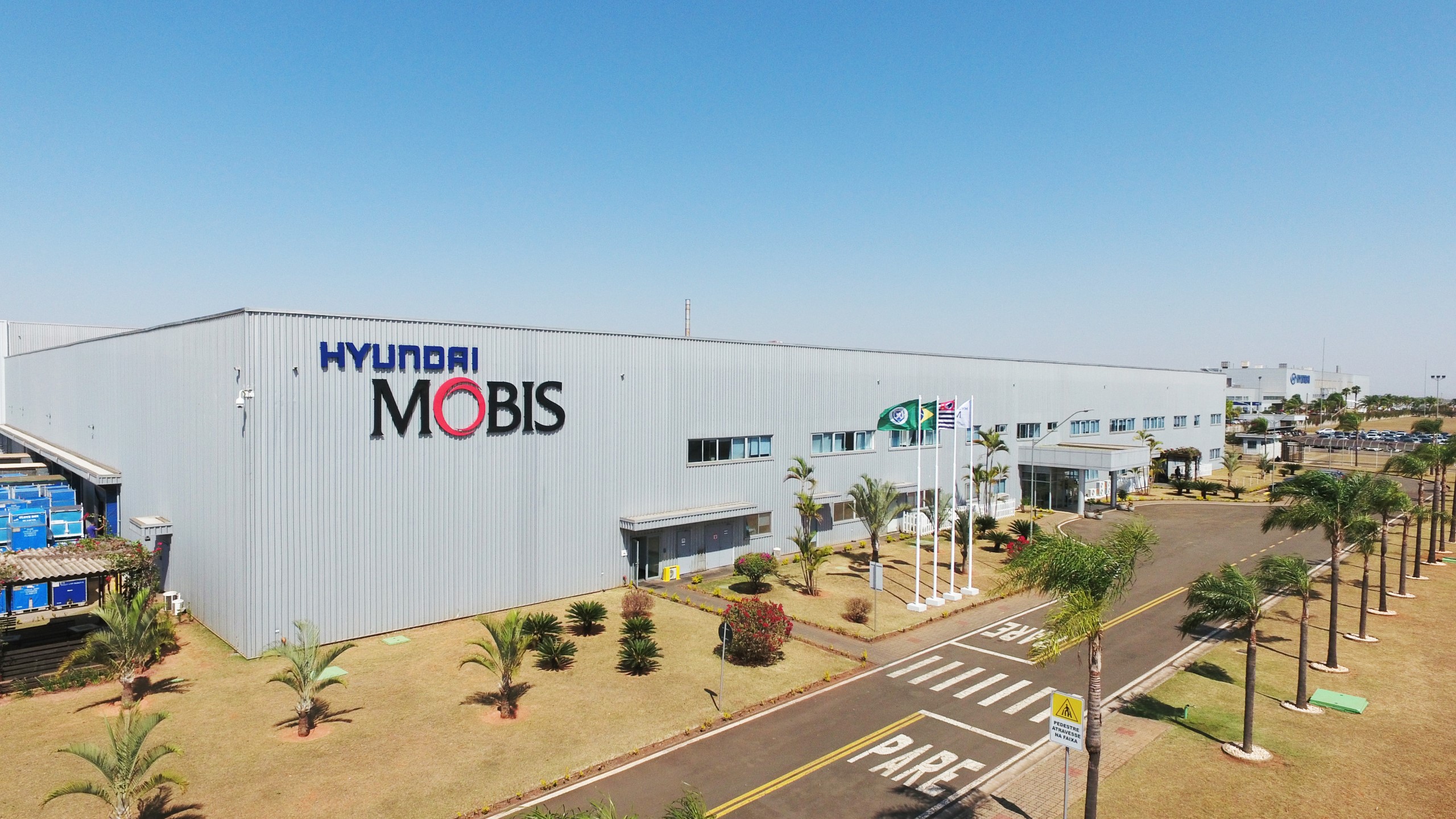
French automotive supplier OPmobility has agreed to acquire Hyundai Mobis’ global lighting business for an enterprise value of 600 billion Korean won, approximately $443 million.
The deal marks a major expansion of OPmobility’s lighting operations and gives the French supplier a larger customer base, broader manufacturing footprint, and stronger position in Asia and North America.
Announced on September 30, the transaction will see OPmobility acquire 100% of Hyundai Mobis’ lighting activity.
The companies first signed a memorandum of understanding in January to explore the deal, and OPmobility later said the acquisition was intended to strengthen its lighting business, expand its geographic reach, and increase scale. explore the deal, and OPmobility later said the acquisition was intended to strengthen its lighting business, expand its geographic
Hyundai Mobis’ lighting operation generated about 2.5 trillion Korean won in revenue in 2025 and recorded a positive operating margin. It operates five plants across South Korea, China, Mexico, and the Czech Republic. OPmobility expects the acquisition to strengthen its lighting technology base and customer reach while creating a larger global supplier.
The transaction is expected to close in the second half of 2027, subject to customary antitrust and regulatory approvals.
Why OPmobility Wants the Lighting Business
OPmobility already operates a lighting business and has been pursuing growth in higher-value automotive lighting solutions. Combining its existing operations with Hyundai Mobis’ activity will give the company more manufacturing capacity, engineering expertise, and access to customers.
The acquisition is also consistent with OPmobility’s broader diversification strategy. The company generated 11.5 billion euros in economic revenue in 2025 and operates 152 plants and 40 research and development centers, with about 38,100 employees worldwide.
Its business includes exterior and lighting systems, complex modules, energy storage, battery and hydrogen electrification solutions, and software.
Hyundai Mobis’ lighting operation also provides OPmobility with an established industrial footprint instead of requiring the French supplier to build comparable capacity from scratch.
That is increasingly valuable as automakers demand suppliers that can support production across multiple regions. A supplier with manufacturing facilities close to vehicle assembly plants can potentially reduce logistics complexity while responding more quickly to production changes.
The transaction also strengthens OPmobility’s presence in Asia, North America, and Europe, which the company identifies as a key benefit of combining the two operations.
Hyundai Mobis Reshapes Its Business
The transaction is equally significant for Hyundai Mobis. The South Korean supplier said the sale followed the spin-off of its lamp unit in April and is intended to help establish a sustainable growth base while allowing the company to respond more effectively to a rapidly changing mobility market.
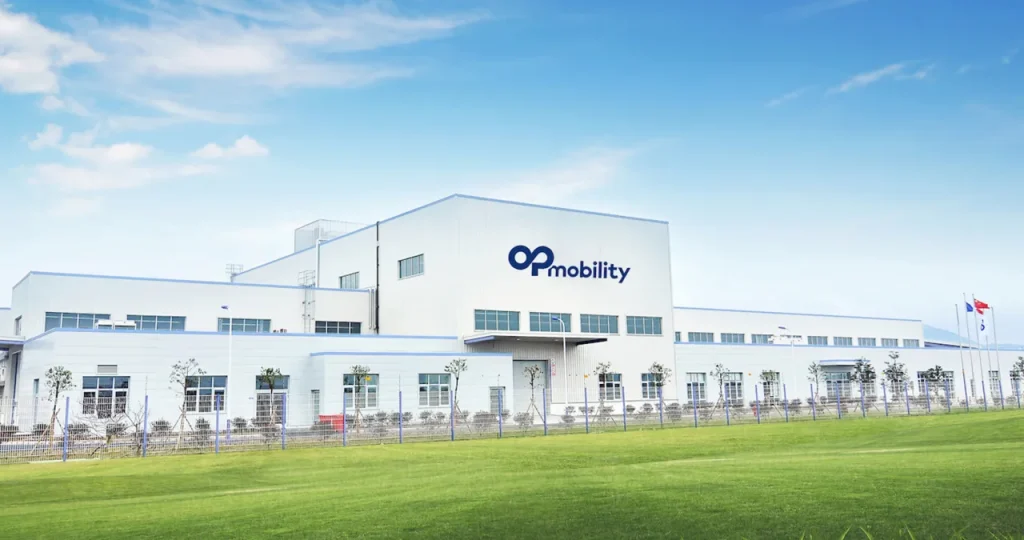
Hyundai Mobis is one of South Korea’s largest automotive suppliers and has a broad portfolio covering vehicle components and advanced technologies. Selling the lighting business allows it to concentrate capital and management attention on other areas while transferring the lighting operation to a company that is specifically looking to expand in that field.
The lighting business itself remains substantial. Its five manufacturing facilities span several important automotive markets, including South Korea, China, Mexico, and the Czech Republic. That geographic footprint is one of the assets OPmobility is acquiring.
It also gives the French company a stronger base from which to serve customers across multiple regions.
Hyundai Mobis described the sale as part of its effort to become a future mobility solutions provider and improve corporate and shareholder value.
The acquisition highlights a wider transformation taking place among automotive suppliers. Automakers are demanding more technology from their suppliers while simultaneously putting pressure on them to control costs.
That combination is difficult for smaller companies because advanced product development requires significant investment in engineering, software, testing, and manufacturing. Larger suppliers can spread those costs across more customers and vehicle programs.
A modern lighting assembly can contain optical components, LEDs, control electronics, and software. Premium systems can use vehicle sensors to change the light pattern automatically, while new designs can communicate information to other road users through controlled lighting signatures.
Lighting has also become an important part of vehicle identity. Distinctive daytime running lights and rear-light designs can help manufacturers differentiate individual models and reinforce their brands.
That makes lighting suppliers increasingly involved in vehicle development from an early stage rather than simply delivering a standardized component. The acquisition gives OPmobility more scale in this increasingly sophisticated market.
In the first half of 2026, OPmobility said its lighting business benefited from several production launches, particularly in North America. The group also said its lighting activity was recovering even as its broader exterior and lighting revenue was affected by postponed exterior-system program launches.
That performance helps explain why OPmobility sees an opportunity to accelerate its investment in the sector.
The Geographic Advantage
One of the strongest arguments for the transaction is geographic reach. OPmobility already has a global footprint, but combining the two lighting businesses will strengthen its presence in regions where Hyundai Mobis has established manufacturing and customer relationships.
The acquired facilities in South Korea, China, Mexico, and the Czech Republic give OPmobility production capabilities across Asia, North America, and Europe. That matters because automakers increasingly want suppliers that can support vehicle programs close to assembly plants.
The geographic expansion could also improve the supplier’s ability to compete for global contracts. Automakers frequently prefer partners capable of producing similar systems in several regions rather than relying on a single manufacturing base.
For OPmobility, the Hyundai Mobis acquisition therefore provides more than additional factories. It expands the company’s ability to compete for global contracts and serve customers in several major automotive markets.
The transaction also strengthens its relationship with Hyundai and Kia. OPmobility has said the combined lighting operation will deepen its partnership with the Hyundai Motor Group, potentially creating opportunities for future vehicle programs.
The financial logic is also important. OPmobility is acquiring a business that already has meaningful revenue rather than building comparable capacity from the ground up.
The acquired lighting activity generated positive operating margin in 2025, giving OPmobility an established platform that can potentially contribute to the group’s growth once integration is completed.
That makes the transaction both a technology investment and a scale-building move in a market where global customer relationships are increasingly valuable.
What the Deal Means for Automotive Lighting
The $443 million transaction illustrates how important automotive lighting has become as vehicle technology evolves.
Lighting is now connected to broader developments in vehicle electronics, driver assistance, and software. Advanced systems can automatically adjust illumination according to road conditions and surrounding traffic, while future systems may provide additional communication between vehicles and pedestrians.
For suppliers, that means the market is becoming more technically demanding. OPmobility’s acquisition is therefore a strategic attempt to gain scale before the lighting market becomes even more technology-intensive.
The transaction will not be completed immediately. Regulatory approval remains necessary, and the companies are targeting closing in the second half of 2027. Integration will then become an important test for OPmobility.
The company will have to combine operations without disrupting existing vehicle programs, retain engineering expertise, and demonstrate that the additional scale can generate meaningful commercial and financial benefits.
For Hyundai Mobis, the sale provides an opportunity to sharpen its portfolio and focus on other areas of automotive technology. For OPmobility, it provides a way to expand rapidly in a segment where the company already has established capabilities.
The acquired business generated 2.5 trillion won in 2025 revenue, giving the transaction substantial operating scale from the beginning. OPmobility expects the combination to strengthen its technology base, customer portfolio, and global footprint.
The automotive supplier industry is increasingly competitive as automakers seek lower costs while demanding more sophisticated components.
Companies need to combine manufacturing efficiency with engineering expertise, global production, and the ability to support increasingly complex vehicle systems. Lighting is a clear example of that change.
A component once treated mainly as a source of illumination has become an important part of vehicle design, safety, and communication. The supplier capable of delivering sophisticated lighting at a global scale can therefore become an important partner to automakers.
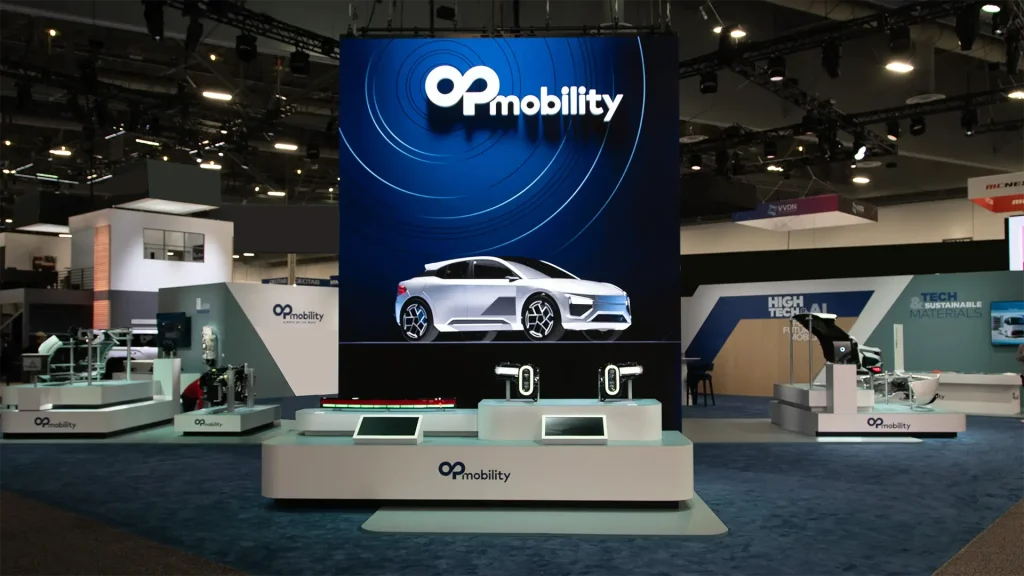
OPmobility’s $443 million acquisition of Hyundai Mobis’ lighting business is a bet on that future.
If the integration proceeds as planned, the French company will emerge with a larger lighting operation, five production sites across key markets, and greater exposure to major automakers. Hyundai Mobis, meanwhile, will have completed another step in reshaping its portfolio around future mobility opportunities.
The transaction ultimately reflects a wider shift across the automotive supply chain. As automakers demand more sophisticated technology while controlling costs, suppliers are increasingly using acquisitions to build scale, expand geographic coverage and strengthen specialized expertise.
For OPmobility, automotive lighting has become important enough to justify a $443 million investment. The next challenge will be turning that larger footprint into stronger technology leadership, customer relationships and financial performance as the industry moves toward increasingly connected and electronically sophisticated vehicles.