
That glowing fuel warning light can feel more like a suggestion than a command. You may tell yourself there is enough gas left for one more trip, especially when the nearest station is only a few miles away. Once in a while, that gamble may end without drama. Making it a habit, though, can put extra strain on parts that quietly keep your car moving.
The fuel pump, filter, injectors, engine, and catalytic converter can all be affected when fuel gets extremely low. There is also the simple problem of being stranded when the remaining fuel disappears sooner than expected. Here is what can happen when running near empty becomes part of your regular driving routine.
Your Fuel Pump Needs More Than Gasoline
Your fuel tank does more than store gasoline. In many gasoline-powered vehicles, the fuel surrounding the in-tank pump helps cool and lubricate that component while it operates.
When the fuel level becomes very low, there is less liquid surrounding the pump, particularly when fuel moves around inside the tank during acceleration, braking, turns, or steep roads.
Progressive explains that repeated low-fuel driving can increase the chance of the pump overheating because it may draw air instead of receiving a steady supply of fuel.
Think about what happens during a long drive with the gauge sitting near empty. The pump continues working while the available fuel becomes increasingly limited. If that situation happens frequently, extra heat and stress may contribute to premature wear.
That does not mean a single trip with a low gauge will automatically destroy the pump. Occasional low fuel is generally less concerning than repeatedly making the same choice.
The problem is the habit. A replacement fuel pump can require considerable labor, especially on vehicles where technicians must access the assembly inside or beneath the tank.
Sediment Can Become a Fuel-System Problem
Picture the bottom of a fuel tank after years of normal use. Small amounts of dirt, rust, residue, or other contaminants can collect there.
Fuel filters are designed to catch unwanted material before it reaches sensitive components, but repeatedly driving with very little fuel can bring the pump closer to the material sitting near the bottom.
That is why low fuel can become a filter problem rather than simply a gasoline problem. DRIVE AutoCare explains that debris can reach the fuel filter and restrict fuel flow, potentially causing poor performance, reduced efficiency, or misfires.
ICartea also reports that restricted filters may be associated with rough idling, hesitation, and other fuel-delivery symptoms.
There is an important point to keep in mind here. Gasoline tanks do not automatically fill with harmful sediment simply because a vehicle has been driven for years.
The condition of the tank and fuel system varies by vehicle and fuel source. Still, regularly operating near empty removes some of the margin that helps keep contaminants away from the pickup system.
Your Engine Can Struggle When Fuel Delivery Drops
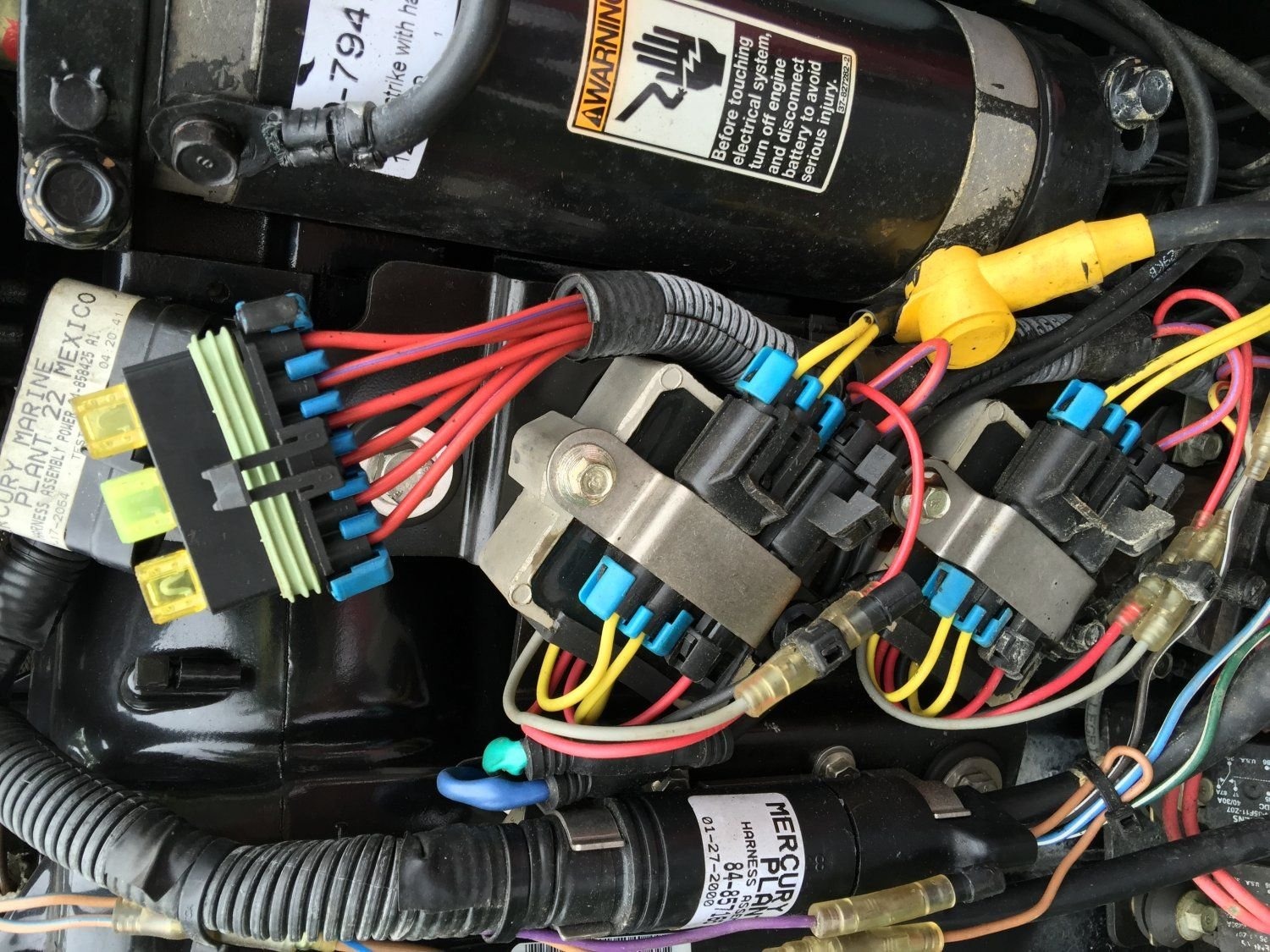
An engine needs a controlled mixture of air and fuel to operate properly. When the fuel system cannot maintain consistent delivery, the engine may hesitate, lose power, run roughly, or misfire.
Running extremely low can contribute to this situation because the pump may briefly draw air when fuel moves away from the pickup point.
Progressive identifies engine misfires and possible engine knock as concerns when fuel delivery becomes inadequate, especially under demanding driving conditions.
Now imagine accelerating hard while climbing a hill with the fuel gauge already near empty. The engine is asking for more fuel at precisely the moment the supply may be less consistent. A vehicle can respond with hesitation or a loss of power.
The warning deserves attention even if the car still feels normal. A smooth drive does not prove that the fuel system is operating without extra strain.
If the vehicle repeatedly develops hesitation, rough running, difficulty starting, or stalling after low-fuel episodes, have the fuel system inspected rather than assuming the issue will disappear after filling the tank.
The Catalytic Converter Can Also Feel the Effects
The catalytic converter sits in the exhaust system and helps reduce harmful pollutants before exhaust gases leave the vehicle. It depends on the engine delivering a properly controlled combustion process. Fuel-system trouble can interfere with that balance.
Here is the part many drivers overlook. Low fuel does not simply make its way into the catalytic converter. The concern begins when insufficient fuel delivery leads to engine misfires. When combustion is incomplete, unburned fuel can pass into the exhaust.
Progressive says that this can raise catalytic converter temperatures, although it also describes the risk from low-fuel driving as relatively limited because the vehicle has little fuel available in the first place.
That distinction matters. It would be inaccurate to say that every trip below a quarter tank will damage the converter. The practical concern is repeated low-fuel operation combined with fuel-delivery problems or misfires.
If the check-engine light appears, the engine begins shaking, or acceleration becomes unusually weak, do not treat the problem as a simple reminder to buy gas.
A diagnostic inspection can determine whether the issue involves fuel delivery, ignition, emissions equipment, or something unrelated.
Running Completely Dry Creates Its Own Trouble
There is a difference between driving with a low fuel level and actually running out of fuel. Once the tank cannot supply enough gasoline, the engine stops.
That can happen at the worst possible time, whether you are stuck in traffic, driving on a highway, taking a long detour, or far from a service station. WYMT recently shared advice from Kentucky mechanic Buddy Turner, who recommends keeping the fuel tank above a quarter full and refueling when the warning light comes on.
He also warned that low fuel can contribute to sediment reaching the fuel system and that gasoline helps cool the fuel pump.
There is also a safety issue that has nothing to do with repair bills. A stalled vehicle can leave you exposed to passing traffic or stranded in an unfamiliar location.
Central Towing notes that losing engine power can also affect systems such as power assistance for steering and braking, depending on the vehicle and circumstances.
Your fuel gauge is not a promise of exact remaining mileage, either. Hills, traffic, driving style, temperature, and vehicle design can change how quickly the remaining fuel disappears.
Why the Warning Light Should Get Your Attention
A low-fuel warning is there to give you time to find fuel, not to announce that the tank has become completely unusable. The exact remaining range varies by vehicle, so there is no universal number of miles you should expect after the light appears.
Unanswered notes that many vehicles may have roughly 30 to 60 miles remaining when the warning activates, but recommends checking the owner’s manual for the specific vehicle.
The safer approach is simple. Treat the warning light as a signal to refuel rather than an invitation to see how far the car can travel. ICartea also recommends keeping roughly one-quarter of a tank as a practical minimum, especially before long trips, traffic delays, or challenging weather.
If you already have the warning light on, ease off aggressive acceleration and head toward a suitable fuel station. Hard acceleration demands more fuel, which is not helpful when the supply is already limited.
A small amount of planning can also prevent the familiar calculation of, “Can I make it another 10 miles?”

A Simple Refueling Habit Can Protect Your Car
You do not need to keep the tank full every day to protect the vehicle. The practical goal is to avoid making extremely low fuel a routine part of your driving.
Refueling around a quarter tank gives you a useful buffer and helps keep the in-tank pump surrounded by more fuel. For drivers who frequently travel long distances, encounter heavy traffic, or face severe winter conditions, having more fuel available can provide extra time and flexibility.
ICartea points out that unexpected delays, road closures, and traffic can turn a low-fuel situation into a safety concern. Pay attention to symptoms, too.
Rough idling, hesitation, poor acceleration, repeated misfires, difficulty starting, or unexpected stalling deserve attention. A mechanic can check the pump, filter, injectors, fuel pressure, and related components before a small problem becomes a larger repair.
A nearly empty tank may seem harmless because the car still moves. The smarter maintenance habit is to give the fuel system enough gasoline to do its job without repeatedly being pushed to its limit.
