
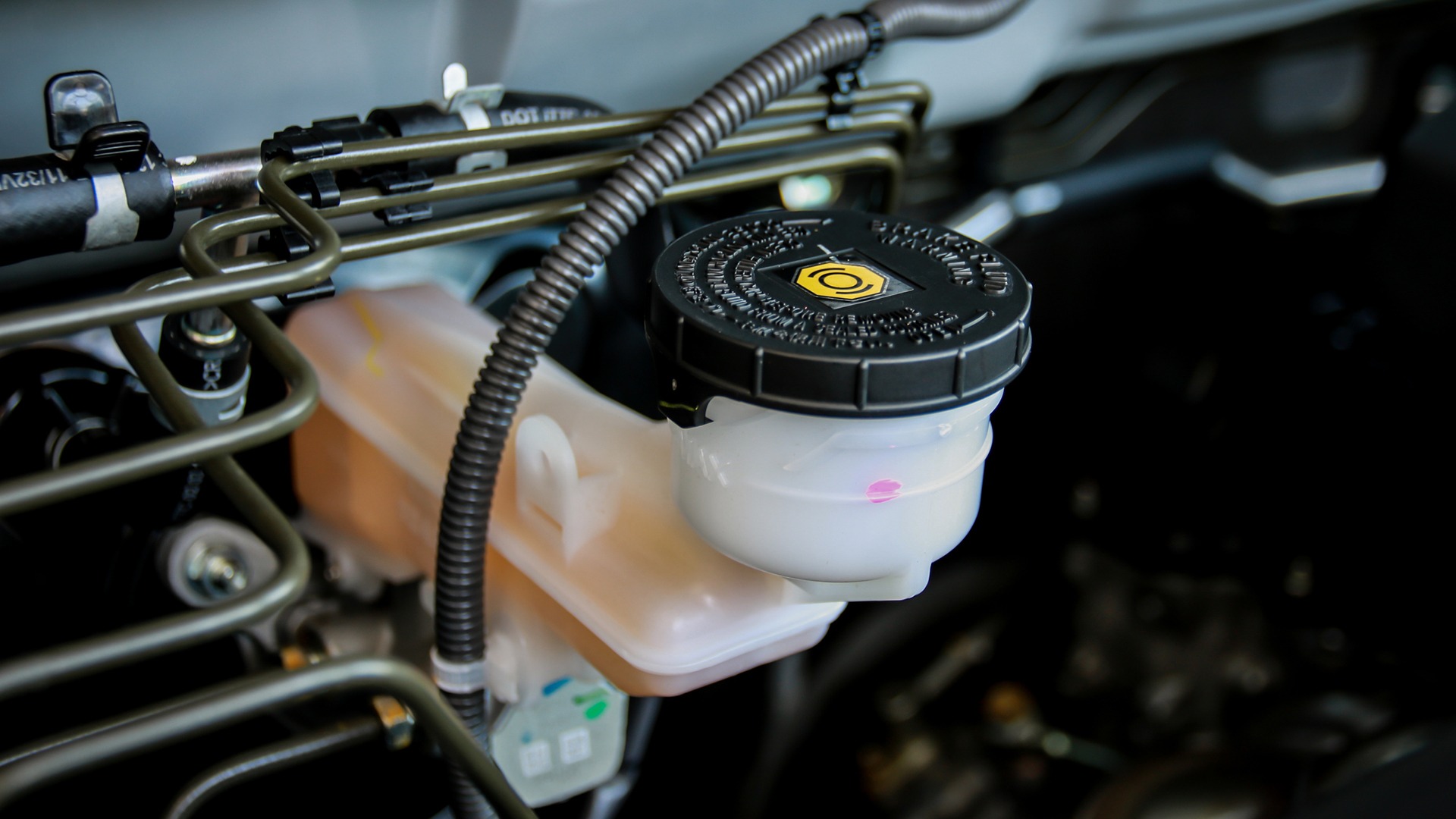
When was the last time you thought about your brake fluid? If you cannot remember, you are far from alone. Most drivers pay attention to tires, oil, and wiper blades, while the fluid responsible for helping your car stop is often overlooked under the hood. The problem is that brake fluid deteriorates over time, and neglected fluid can gradually affect the system you rely on most when you need to stop safely.
The good news is that the fix is simple, affordable, and fast. In the next few minutes, you’ll learn how fluid breaks down, what warning signs to watch for, and how often to change it. Think of this as a friendly nudge from someone who wants you to stop safely, every single time.
What Brake Fluid Actually Does Every Time You Press the Pedal
Press the brake pedal and a quiet chain reaction begins. Your foot pushes a piston in the master cylinder, and that push travels through sealed lines filled with liquid.
The liquid carries the force to each wheel, where calipers squeeze pads against spinning rotors. The car slows. Brake fluid is the messenger in that chain, and a messenger needs to be reliable.
Why a liquid? Because liquids barely compress. When you push on one end, the force arrives at the other end almost instantly and evenly. Air is a different story. It squishes like a sponge, which is why even a small bubble can make a pedal feel strange.
Brake fluid also has to handle punishing conditions. Braking creates intense heat at the wheels, and that heat travels into the calipers and the fluid inside them.
A good fluid keeps its thickness, resists boiling, and protects metal parts from rust. Fresh fluid does all of this without drama. Old fluid struggles, and that’s where trouble starts.
How Moisture Sneaks Into a Sealed System
“But the system is sealed,” you might say. True, yet not perfectly. Most brake fluid is hygroscopic, a fancy way of saying it attracts water.
Moisture slips in through microscopic pores in rubber hoses, around seals, and every time the reservoir cap comes off for a check. Picture a sponge sitting in a closed kitchen cabinet.
Even there, it slowly picks up humidity from the air. Brake fluid behaves similarly, absorbing tiny amounts of water year after year. Climate plays a role, since humid regions bring faster absorption, but no driver escapes it completely.
The numbers surprise people. Fluid can gather a few percent of water within a couple of years, and that small percentage causes outsized trouble.
Fresh fluid in common glycol-based types boils at roughly 400 degrees Fahrenheit. Water-laden fluid can drop to somewhere near 280 degrees, a steep fall for something you can’t see.
The tricky part is that contaminated brake fluid can still look perfectly normal. The pedal may feel fine during a routine commute, and the car may stop without any obvious problems. Meanwhile, the fluid can be deteriorating quietly, leaving you vulnerable when your brakes are pushed harder than usual.
Why Boiling Fluid Means a Pedal That Sinks
Imagine rolling down a long mountain road with a loaded car. You tap the brakes again and again, and heat builds at each wheel. Fresh fluid shrugs it off. Fluid full of water is another matter.
Once the temperature climbs past the lowered boiling point, the water inside the fluid turns to vapor. Bubbles form in the lines, and bubbles compress.
When you press the pedal, your foot squashes vapor rather than pushing fluid, so the pedal feels soft, spongy, or sinks toward the floor. Mechanics call this vapor lock, and it’s as unpleasant as it sounds.
Think about what that means in real life. Heavy towing, steep descents, spirited driving, and even stop-and-go traffic on a hot day can generate enough heat. Brake fade like this tends to strike exactly when you need stopping power most.
Panic is the natural reaction, and it’s the worst one. Pumping the pedal rarely helps when vapor fills the lines. Letting the brakes cool and getting the system serviced is the real answer.
Prevention is far easier. Fluid with little water keeps its high boiling point, so the pedal stays firm even when temperatures soar. That firm pedal is your safety margin.
The Quiet Rust Problem Hiding Inside Your Lines
Heat isn’t the only danger. Water inside the system also feeds corrosion, and corrosion works in silence. Brake components include steel lines, cast-iron caliper bodies, and metal pistons.
Fresh fluid carries additives that shield these parts from rust. Those additives get used up as time passes, and once they’re gone, moisture starts attacking from the inside. Tiny rust particles flake loose and circulate with the fluid.
Where does that debris go? Straight into places that hate it. Seals wear faster, caliper pistons can stick, and the narrow passages inside an anti-lock braking module can clog or corrode.
That module is among the costliest parts of a modern braking system, and a repair bill can run into the thousands. A sticking caliper creates its own symptoms.
The car may pull to one side, the pads may wear unevenly, or a wheel may run hot. Drivers often blame the pads, replace them, and wonder why the problem returns.
Sadly, this kind of damage can’t be reversed with a simple top-off. Rust, once started, stays. Regular fluid changes flush out moisture and old additives before they cause lasting harm, which makes them one of the cheapest forms of insurance in car care.
Warning Signs Your Fluid Is Past Its Prime
Your car usually drops hints before real trouble arrives. You just need to know what to look for. Start with the pedal. A feel that has turned soft, spongy, or slow to respond deserves attention.
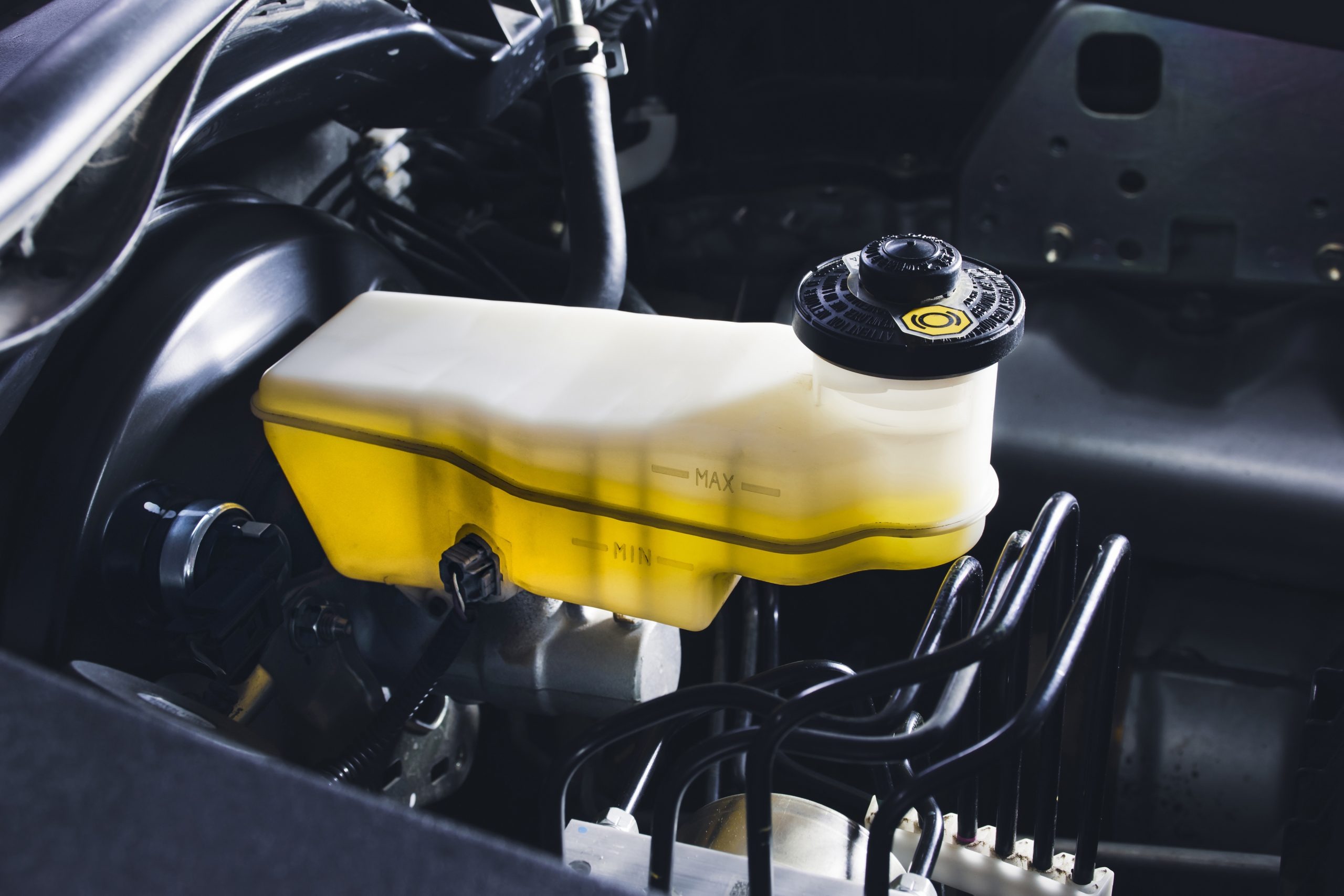
If you have to press farther than usual, don’t wait. Longer stopping distances are another red flag, even if the change seems tiny. Next, check the reservoir under the hood. Fresh fluid looks clear to pale amber.
Aged fluid turns dark brown and sometimes murky, like old tea. Dark color points to contamination and used-up additives, though color alone doesn’t tell the whole story.
Other clues include:
A brake warning light on the dashboard, an unusual grinding or squealing at the wheels, and a pulsing or vibrating pedal. Some of these signs could point to worn pads or rotors instead, so a professional inspection helps sort things out.
Technicians also use inexpensive test strips or moisture testers that read water content directly. That’s the most reliable check, and it takes only a minute at the shop.
Don’t ignore small changes. A pedal that feels slightly different today can feel dramatically different on the day it matters.
How Often You Should Swap It Out
So what’s the schedule? Many manufacturers suggest replacing brake fluid about every two years, and some stretch that to three. Others tie it to mileage. Your owner’s manual holds the exact answer for your vehicle, and it beats any rule of thumb.
Certain habits call for shorter intervals. Frequent towing, mountain driving, track days, and hot, humid climates all push fluid harder. If any of these describe your routine, ask your mechanic about changing it a bit sooner.
Buying a used car? Here’s a smart move. Unless you have proof of a recent change, assume the fluid is old and have it tested or replaced. Previous owners rarely remember when it was last done.
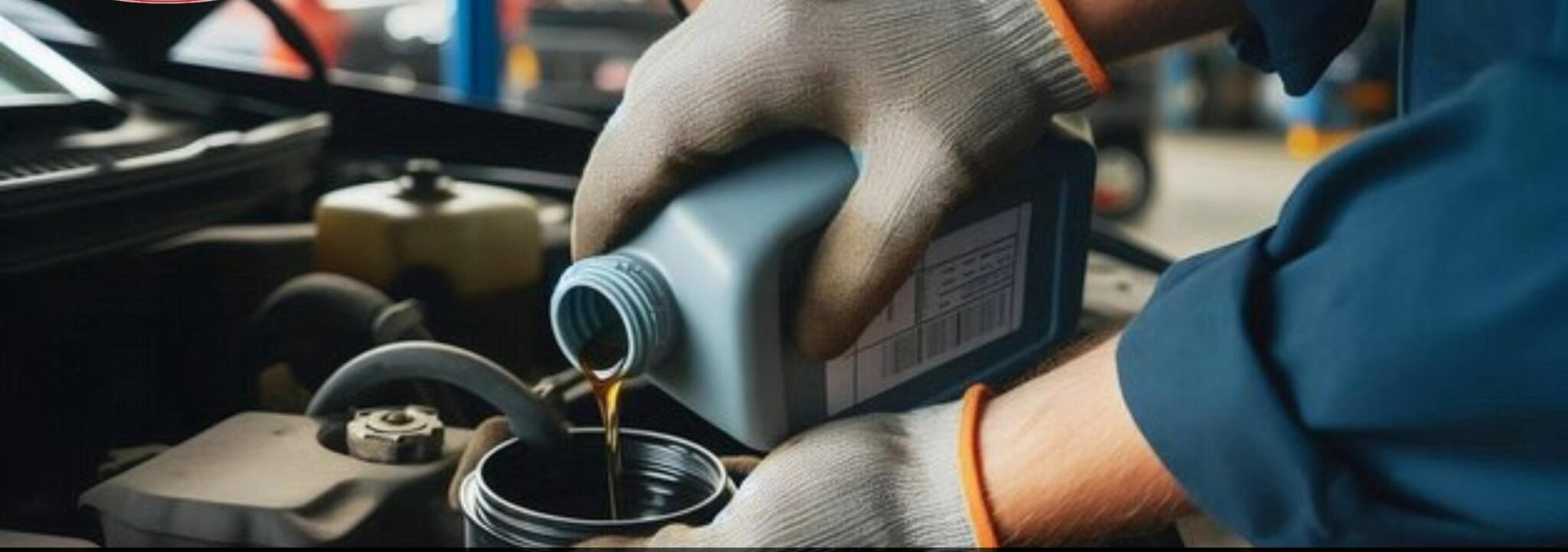
A proper service is also more than a top-off. Technicians flush the old fluid out through the bleed points on each wheel, replacing it with fresh fluid of the right type. They’ll also remove trapped air. Using the wrong grade can harm seals, so stick to the type printed on the reservoir cap or in the manual.
Mark it on your calendar next to your insurance renewal. A small reminder protects a lot.
What a Fluid Change Costs Compared With Repairs
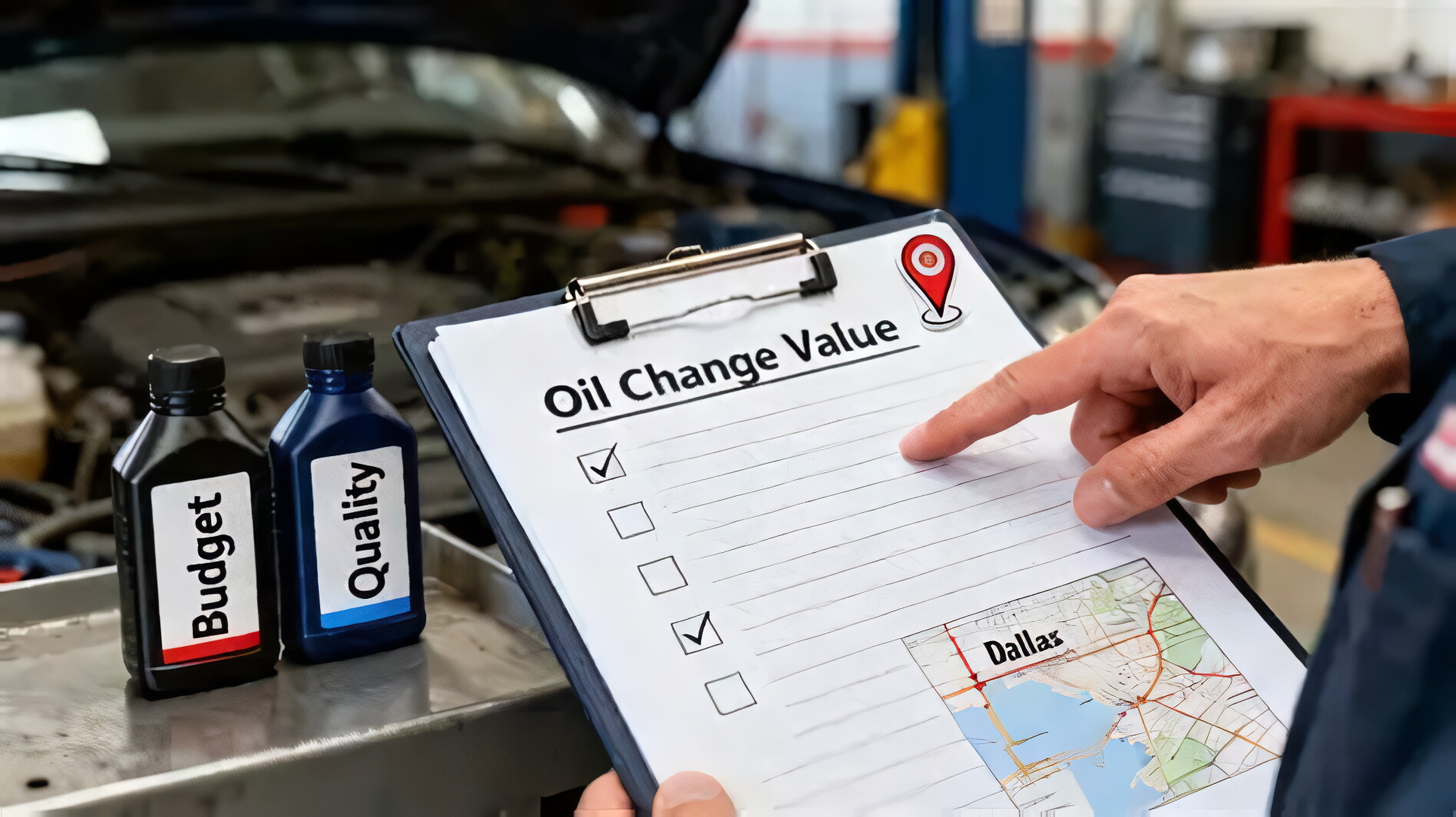
Let’s talk money, because that’s often what holds people back. A brake fluid service is typically one of the more affordable jobs at a repair shop, usually costing a modest amount and taking under an hour.
Now consider the alternative. A seized caliper can cost several hundred dollars per wheel, while replacing corroded brake lines can add significantly to the repair bill. A damaged anti-lock braking system can cost thousands more. Neglect does not save money. It simply delays a much larger expense.
Money isn’t even the biggest factor. Brakes protect you, your passengers, and everyone sharing the road. A soft pedal on a wet highway or a long downhill carries a price no repair invoice can show.
The takeaway is refreshingly simple. Check your owner’s manual, find out when your fluid was last changed, and book a service if it’s overdue. Ask for a moisture test if you’re unsure. Fresh fluid keeps the pedal firm, protects expensive parts, and gives you the confidence to stop when it counts. That’s a bargain by any measure.
