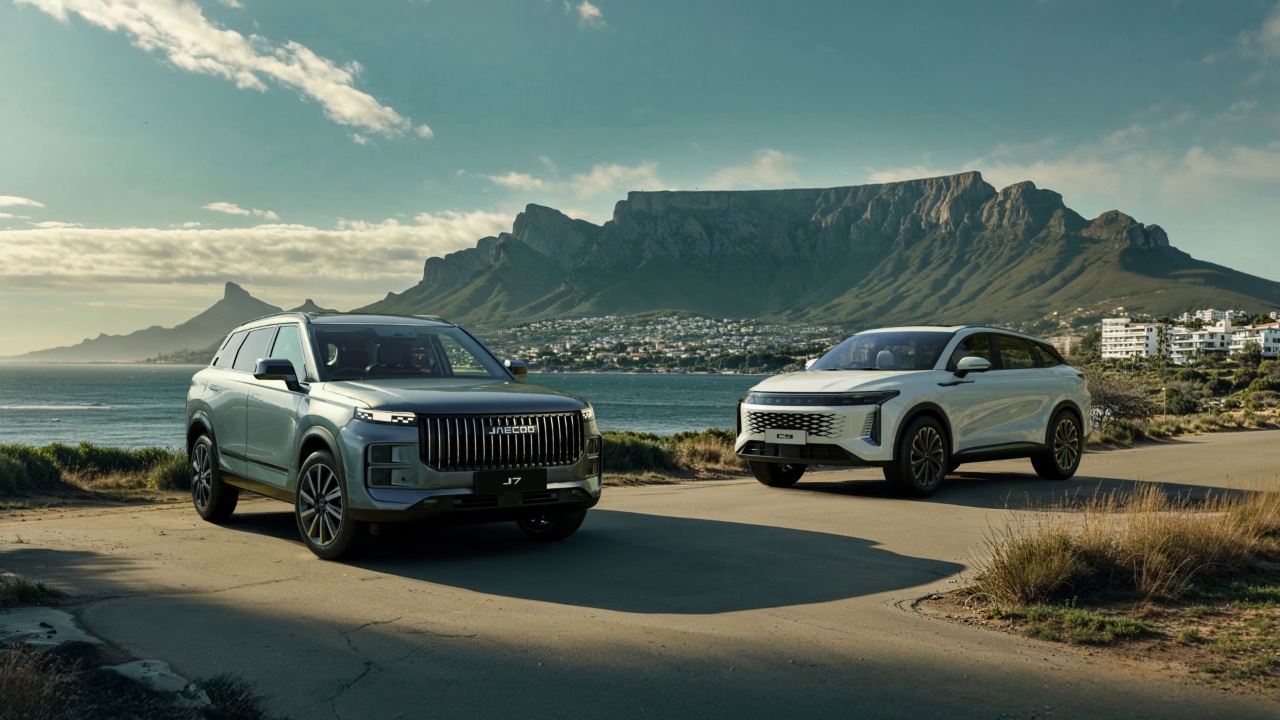
Chinese automakers have become major players in global vehicle markets, but the U.S. remains a major exception. As of September 2026, no Chinese-brand passenger-car manufacturer sells new vehicles directly through a normal U.S. retail network.
That does not mean the door is permanently closed. Several companies have publicly discussed the American market, while others are expanding through Canada, Mexico, and other regions that could provide useful North American experience.
The biggest obstacles are U.S. tariffs, connected-vehicle restrictions, and proposed legislation. The brands below therefore represent potential entrants, not confirmed U.S. launches.
1. Zeekr
Zeekr has perhaps the clearest path to becoming the first major Chinese EV brand to seriously target U.S. consumers, although a launch remains conditional on U.S. policy changing. Zeekr is part of Geely, one of China’s largest automotive groups, and the brand was created specifically around premium electric vehicles.
Geely has repeatedly signaled interest in the American market. In 2026, Geely executives indicated that the group was considering a U.S. entry and had discussed deciding within the next several years.
Reports have pointed specifically toward Zeekr as one of the brands best positioned for such an expansion because of its premium positioning and technology focus.
That does not mean a Zeekr showroom is about to appear in California or Texas. Geely’s executives have emphasized that the company remains cautious because of tariffs and the political environment. A 2026 report from Edmunds said Geely’s decision window could extend to 2029, rather than representing a firm launch commitment.
There is another important complication. The U.S. Commerce Department’s connected-vehicle rule restricts certain transactions involving connected vehicles and hardware or software with a sufficient connection to China or Russia. The rules apply to technologies, including vehicle connectivity systems and certain automated-driving software.
Zeekr therefore needs more than a competitive vehicle lineup. It would need a regulatory structure that allows its technology and ownership arrangements to satisfy U.S. requirements.
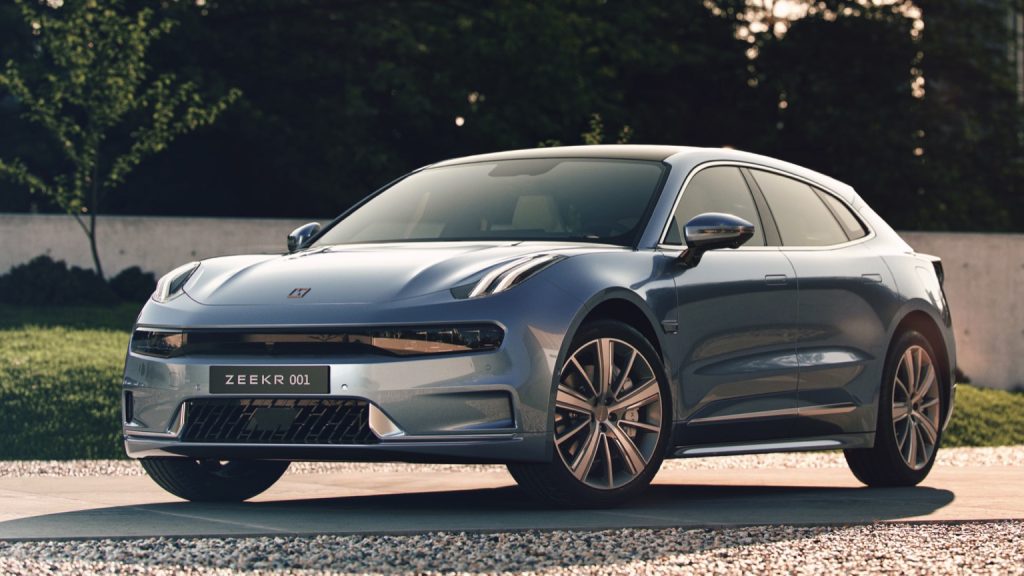
Still, Geely’s global scale makes Zeekr a serious candidate if Washington changes its approach. Geely already has extensive experience with international markets through brands including Volvo, Polestar, and Lotus, while Zeekr itself has established operations beyond China.
The most accurate description today is straightforward. Zeekr could enter the American market, but only if the regulatory and political barriers become manageable.
2. XPeng
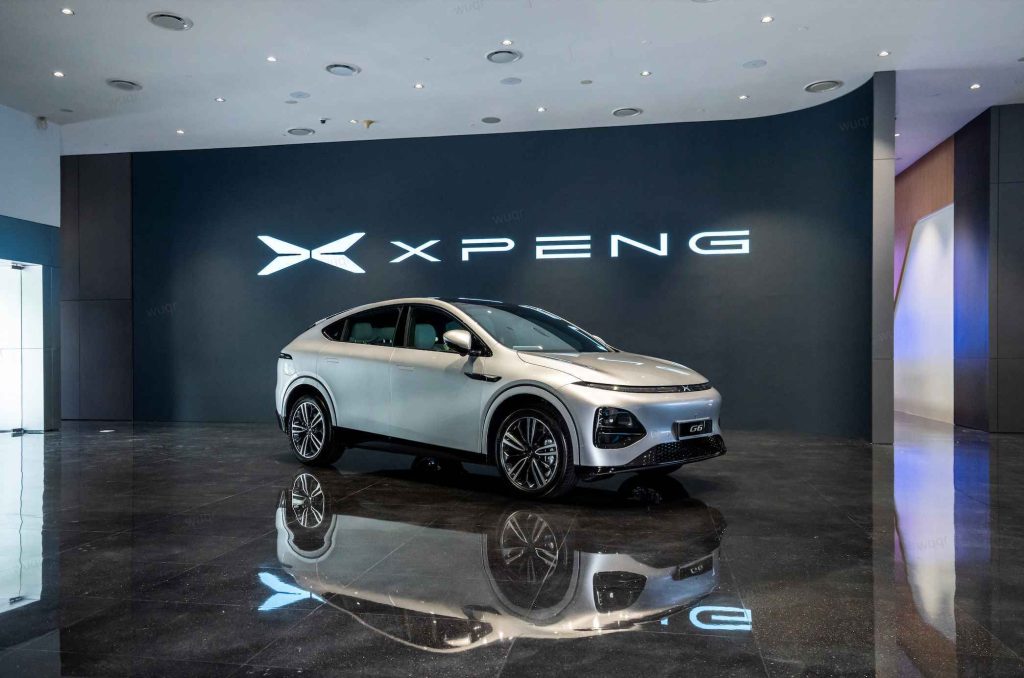
XPeng is another Chinese EV manufacturer with an explicit interest in the American market, but its own leadership has made clear that policy will determine whether that ambition becomes reality.
The company has spent years building a technology-focused identity around electric vehicles, advanced driver-assistance systems, and software. That makes the United States attractive because American consumers have shown strong interest in software-rich vehicles, but those same technologies also create regulatory complications for a Chinese automaker.
XPeng’s international expansion has already moved beyond China. The company has entered multiple European and other overseas markets, giving it experience with homologation, distribution, and customer support outside its home country.
The important U.S. signal came from XPeng leadership in 2026, when CEO He Xiaopeng indicated that the company would consider entering the United States if the policy environment allowed it. That wording is crucial. XPeng did not announce a U.S. launch date, name American dealers, or confirm a specific model for sale.
The distinction matters because Washington’s restrictions are substantial. The Commerce Department’s connected-vehicle rule prohibits certain transactions involving covered vehicle connectivity hardware and software linked to China and also restricts covered connected vehicles from manufacturers with the relevant nexus.
There is also the tariff problem. Chinese-made EVs face a 100% U.S. Section 301 tariff, in addition to other applicable duties, making direct importation commercially difficult. Reuters reported in September that Washington’s existing policies effectively prevent Chinese automakers from entering the U.S. passenger-vehicle market under current conditions.
XPeng could theoretically address some tariff issues through future local manufacturing or a different corporate structure, but that would not automatically solve the connected-technology restrictions.
That leaves XPeng in an interesting position. It has the products, technology, and international ambitions needed for an American launch, but the company needs U.S. policy to change before that ambition can become a normal retail operation.
3. Omoda and Jaecoo
Omoda and Jaecoo, both brands owned by China’s Chery Group, have another advantage that could eventually make them potential U.S. candidates. Both are already expanding their presence in North America through Canada.
The two brands confirmed plans for a late-2026 Canadian launch, according to their Canadian website and reporting in September. Their initial Canadian push is focused on electric SUVs and other electrified products, with the companies building a local retail network ahead of the arrival.
That does not mean a U.S. launch is planned. There is no confirmed American timetable for either Omoda or Jaecoo. Their Canadian expansion should instead be viewed as evidence that Chery is willing to establish its brands in a more developed North American automotive market.
Canada’s 2026 policy change is important here. Ottawa established an annual quota allowing 49,000 Chinese electric vehicles to enter Canada at the most-favored-nation tariff rate of 6.1%, dramatically changing the commercial environment for Chinese EV imports.
The United States operates under a very different system. Chinese-made EVs face a 100% Section 301 tariff, while Commerce Department connected-vehicle rules create another barrier. Consequently, a successful Canadian operation would not automatically provide Omoda or Jaecoo with a route into U.S. dealerships.
Still, Canadian operations could give Chery valuable experience with North American consumer expectations, safety requirements, winter conditions, dealer support, and regional logistics.
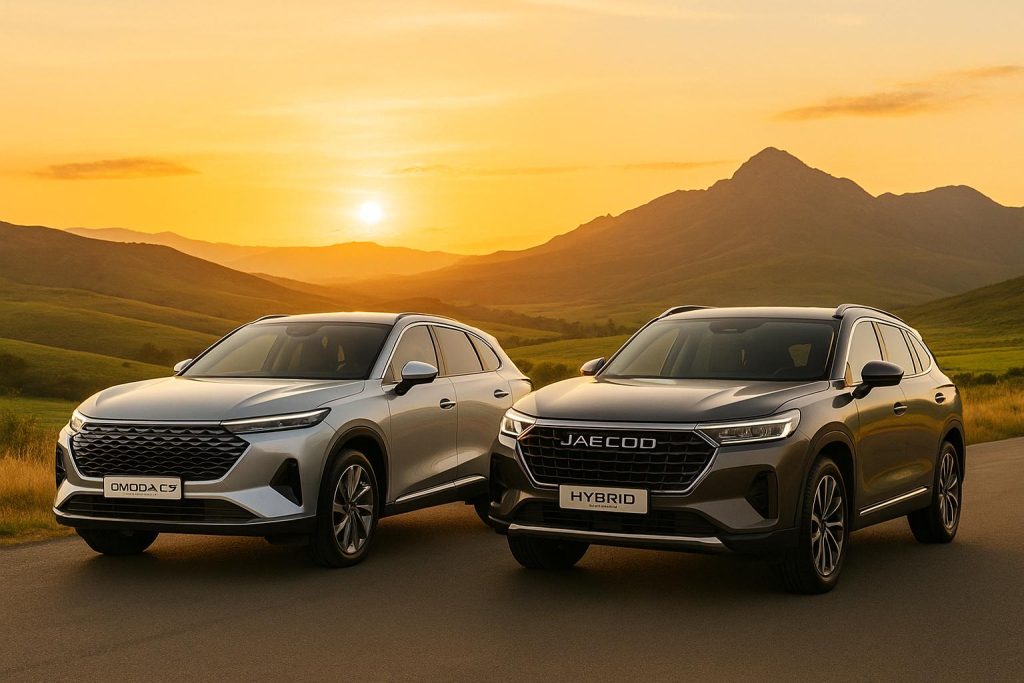
The brands are also interesting because Chery is not hiding its broader American ambition. Chery International president Zhang Guibing said in May 2026 that the company hoped to enter the U.S. market when the timing became suitable, although he provided no timetable.
So Omoda and Jaecoo are best described as potential future U.S. brands rather than confirmed entrants, with their Canadian expansion providing the clearest current North American signal.
4. BYD
BYD would probably attract the most attention if U.S. restrictions were relaxed. It is already one of the world’s largest electric-vehicle manufacturers and has been aggressively expanding outside China.
The company’s global expansion makes the United States an obvious strategic target, but BYD has not announced a conventional U.S. passenger-car launch. Instead, it has been building its international presence in markets where regulatory conditions are more favorable.
Canada is particularly relevant. After the 2026 agreement that created a quota for Chinese EV imports, BYD moved toward establishing a Canadian presence. Reuters reported in June that BYD expected to begin Canadian sales in the future after completing the necessary regulatory steps.
Mexico is another important piece of the puzzle. BYD and Geely were among the companies interested in acquiring a Nissan-Mercedes-Benz plant in Aguascalientes, showing how Chinese automakers are examining manufacturing opportunities close to the U.S. market.
Reuters reported that BYD had previously considered building a factory in Mexico, although regulatory and political complications affected that effort.
That does not mean BYD can simply manufacture in Mexico and send cars into America. U.S. trade rules and connected-vehicle restrictions remain separate barriers, and Washington has specifically focused on preventing Chinese automakers from using North American production as a route around restrictions.
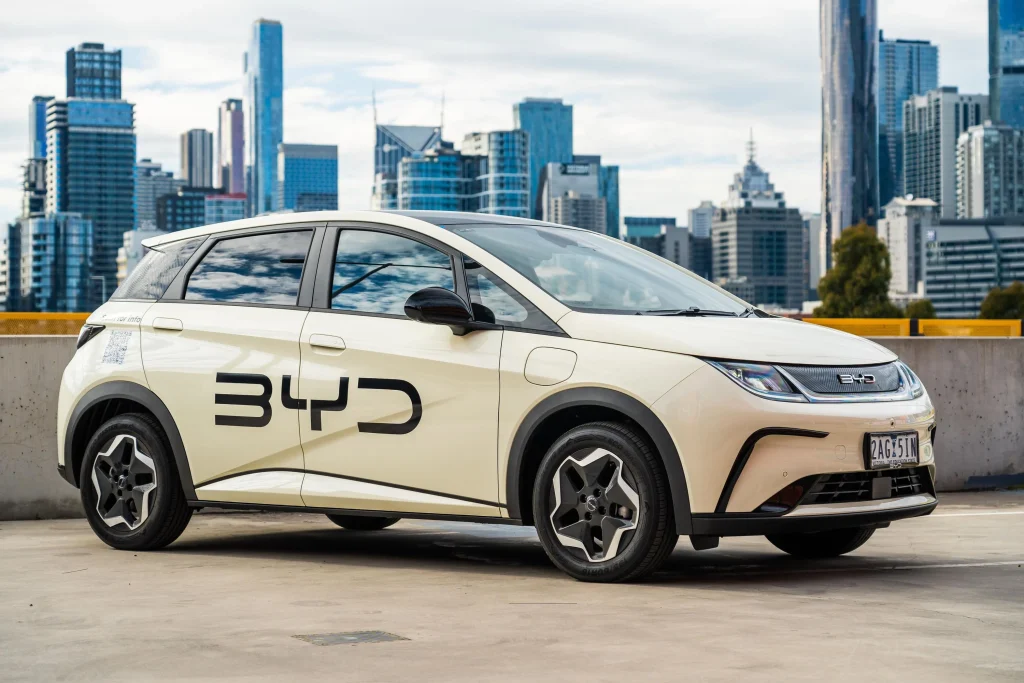
BYD’s scale makes the situation especially significant. In September 2026, BYD reported 463,561 global vehicle sales, while overseas passenger-vehicle and pickup shipments rose sharply. Reuters calculated overseas shipments at 179,877 vehicles, up 153.9% year over year.
That international growth gives BYD strong motivation to keep looking for new markets. If U.S. policy changes, BYD would not be starting from scratch.
It would already have global production experience, rapidly expanding overseas sales and growing North American exposure through Canada and Mexico. For now, however, BYD remains a potential future entrant, not a U.S. retail brand.
5. Chery
Chery itself has one of the strongest pieces of evidence supporting a possible future U.S. entry because a senior executive has explicitly acknowledged that selling vehicles in America is part of the company’s ambitions.
In May 2026, Chery International president Zhang Guibing said the company hoped to enter the U.S. market at a suitable time. He emphasized that the company had an interest in the enormous American market but said the timing would depend on Chery’s readiness and policies in both countries.
That is significantly different from simply saying that a company’s vehicles might someday appear in America. The statement came directly from an executive responsible for Chery’s international operations.
Chery is already a major exporter and has been expanding aggressively outside China. Its international strategy has included Europe, Latin America, the Middle East, and Southeast Asia, while its Omoda and Jaecoo brands are now preparing for Canada.
The company also has a potential North American manufacturing angle. Reuters reported in February that Chery was among the Chinese automakers interested in acquiring the Nissan-Mercedes plant in Aguascalientes, Mexico.
That matters because local production could become increasingly important if Chinese companies ever receive a route into the American market.
There is a major caveat. A Mexican factory would not automatically make Chery vehicles eligible for unrestricted U.S. sales. Washington has increasingly focused on the ownership, technology and origin of connected vehicles rather than simply where final assembly takes place.
The Commerce Department’s rule can apply even when a connected vehicle is manufactured in the United States if the manufacturer has the relevant Chinese or Russian nexus.
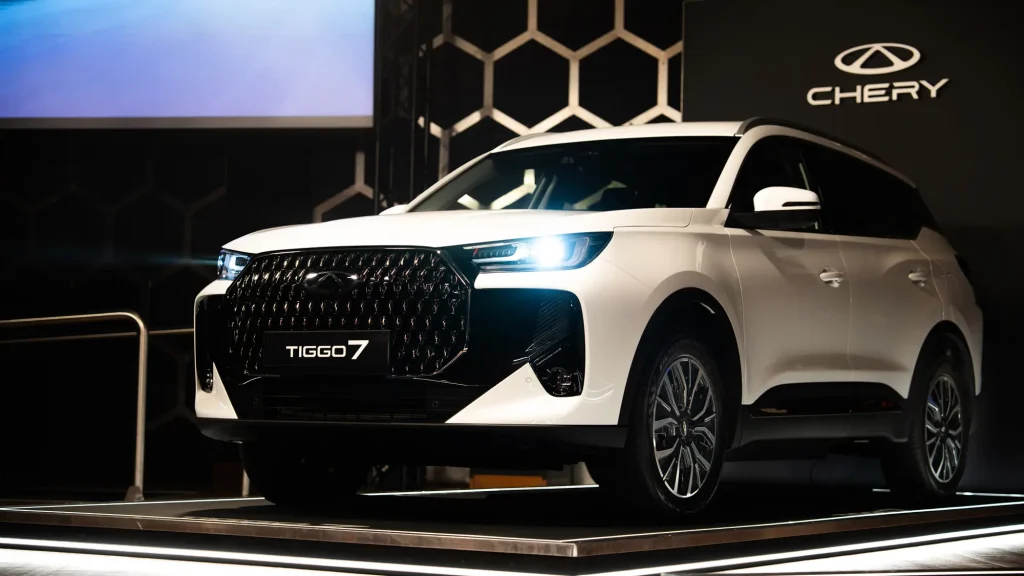
Chery therefore faces several hurdles at the same time, including tariffs, technology restrictions, political opposition, and the possibility of future legislation.
But its executive statement makes the situation unusually clear. Chery wants access to the U.S. market if conditions become favorable.
That makes the company a genuine candidate to watch, rather than a brand being included merely because it happens to be expanding globally.
6. Great Wall Motor
Great Wall Motor, commonly known as GWM, is another Chinese automaker with a significant international footprint that could theoretically target the United States if policy barriers were removed.
GWM is already experienced in exporting SUVs, pickups and electrified vehicles across numerous markets. Its global strategy gives it a different potential U.S. proposition from companies focused almost entirely on battery-electric passenger cars.
The company has also been evaluating opportunities close to the United States. Reuters reported in February 2026 that GWM was among the Chinese manufacturers involved in discussions surrounding the Nissan-Mercedes plant in Aguascalientes, Mexico.
The factory had an annual capacity of approximately 230,000 vehicles, making it potentially attractive to companies seeking an established North American production base.
That does not constitute a U.S. launch plan. GWM has not announced that it will sell its vehicles through American dealers, nor has it confirmed a timetable for doing so.
The reason it belongs on a list of potential entrants is its combination of global experience and North American proximity.
GWM also illustrates why the phrase “if rules change” is essential. The company would still have to deal with U.S. rules governing Chinese-connected vehicle technology.
The Commerce Department’s final rule covers vehicle connectivity systems such as telematics, cellular, Bluetooth, satellite and Wi-Fi modules and places restrictions on covered Chinese-linked technology.
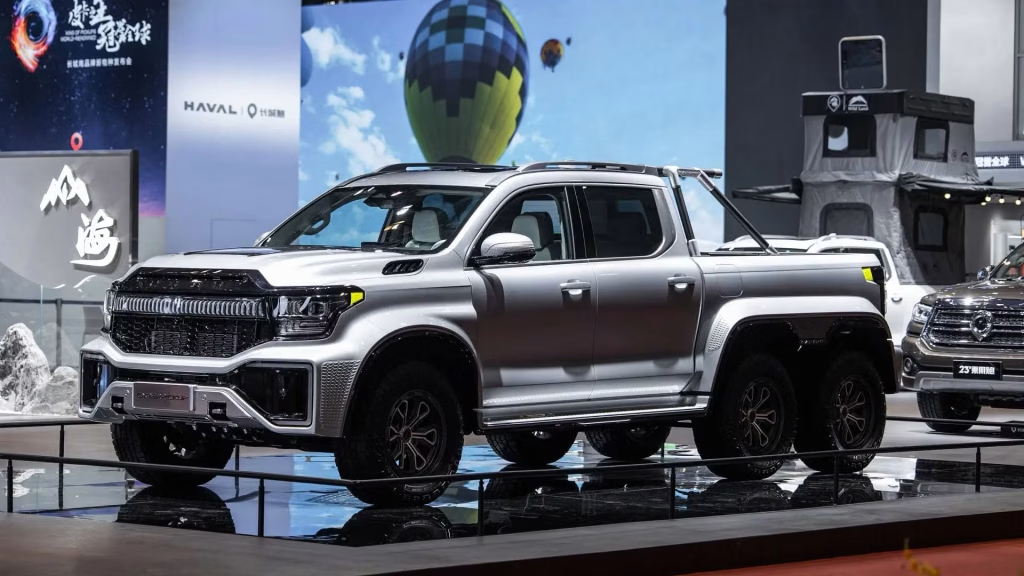
Tariffs present another obstacle. Chinese-made EVs face a 100% additional U.S. tariff, making direct imports especially difficult economically.
GWM’s product mix could theoretically give it flexibility if the U.S. market opened to Chinese automakers. Its experience with gasoline-powered SUVs and pickups means it is not dependent solely on EV demand.
For now, though, there is no confirmed GWM U.S. launch. Its appearance here is based on strategic potential, international expansion and North American manufacturing interest, not a claim that the company has announced an American retail debut.
7. Changan
Changan Automobile is one of China’s major automakers and another company that could become a U.S. candidate if Washington substantially changes its treatment of Chinese vehicle manufacturers.
Changan’s international ambitions have become much more aggressive. In April 2026, the company announced a global strategy targeting 1.5 million overseas vehicle sales by 2030, alongside a broader plan to become a globally competitive automotive group.
That does not specifically promise American sales, but it demonstrates the scale of Changan’s international ambitions.
The company has been expanding its manufacturing and distribution footprint outside China, particularly in regions that can provide access to growing automotive markets. Changan’s global strategy increasingly includes electrified vehicles, intelligent driving technologies and connected-car systems.
Those strengths could theoretically appeal to U.S. consumers, but they also create the exact regulatory issues that currently make America difficult for Chinese automakers.
The Commerce Department’s connected-vehicle rule is particularly important because it does not simply impose a traditional import tariff. It restricts certain Chinese-linked vehicle connectivity hardware and software and covered connected vehicles.
Congress is also considering legislation that could make the restrictions even broader. A Senate bill approved by the Commerce Committee would codify and strengthen restrictions on Chinese connected vehicles, although the legislation remains subject to the legislative process and has not become law in the form proposed.
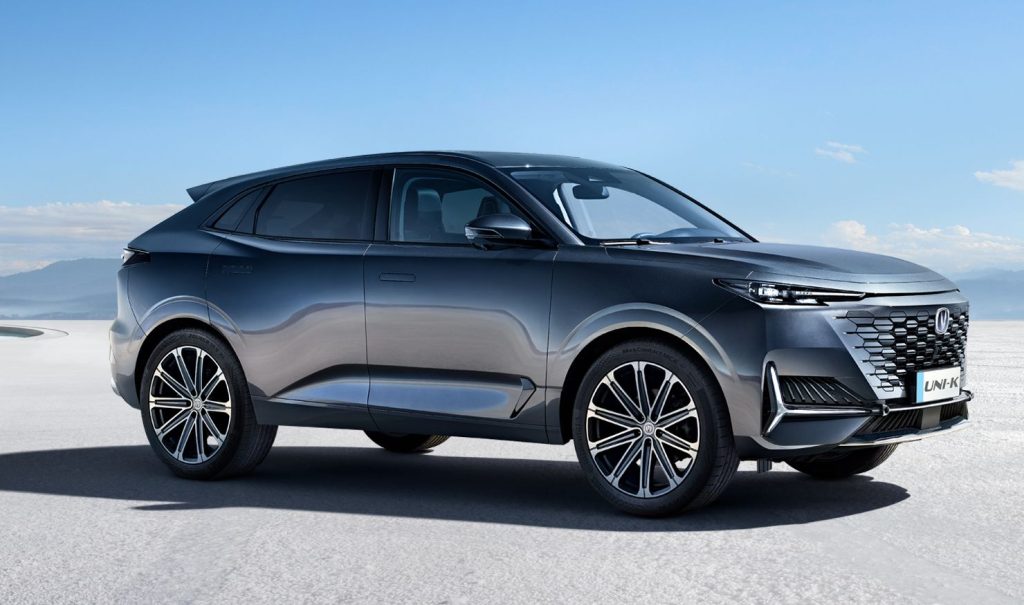
That uncertainty makes a Changan U.S. launch difficult to predict. There is nevertheless a logical reason to keep the brand on the radar. Changan is pursuing a much larger overseas footprint, and companies with that kind of ambition eventually have to consider the world’s second-largest light-vehicle market.
The key word is eventually. As of October 2026, Changan has no confirmed U.S. passenger-car launch. Its inclusion reflects the possibility that a future change in tariffs, connected-vehicle rules or broader trade policy could make the American market commercially accessible.
For now, American buyers can watch Changan’s international expansion from a distance, because the regulatory door remains firmly closed.