
EPA range figures give shoppers a useful benchmark, but real-world testing can sometimes produce a surprising result. Edmunds’ EV Range Test has found several electric vehicles traveling substantially farther than their official EPA estimates under controlled road conditions.
The results do not mean every owner will achieve the same numbers, because temperature, traffic, driving style, terrain, tires, and climate control use can all affect range.
Still, these tests provide valuable evidence of what certain EVs can accomplish outside a laboratory. Here are 10 models that exceeded their EPA range estimates in Edmunds’ September 2026 testing data, ranked by the distance they achieved.
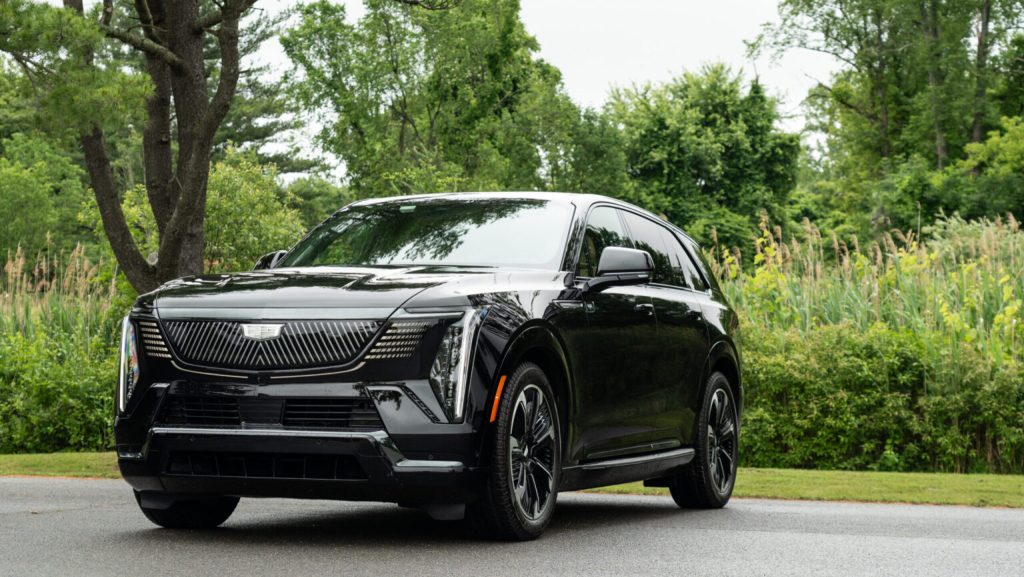
1. Cadillac Escalade IQ
The Cadillac Escalade IQ produced the biggest range surprise in Edmunds’ testing, traveling 558 miles before its battery was depleted. Its EPA-rated range is 465 miles, meaning the electric luxury SUV exceeded its official figure by 93 miles, or roughly 20 percent.
Edmunds identified it as the highest-range EV it has tested, an especially notable result because the Escalade IQ is a very large vehicle rather than a lightweight efficiency-focused sedan.
That result changes the way its enormous battery pack can be viewed. The Escalade IQ does not achieve its distance through exceptional energy efficiency alone.
Edmunds recorded consumption of 43.1 kWh per 100 miles, showing that the vehicle uses considerable electricity while traveling. Its advantage comes from having enough battery capacity to sustain that consumption over an unusually long distance.
The testing conditions also matter. Edmunds’ standardized range test uses a route consisting of 60 percent city driving and 40 percent highway driving, with an average speed of about 40 mph.
The climate control is maintained at 72 degrees, while testers stay close to posted speed limits. That makes the result a controlled road-test figure rather than a prediction for every driver.
Still, covering 558 miles on one charge gives the Escalade IQ an extraordinary real-world range advantage and places it at the top of Edmunds’ tested EV leaderboard.
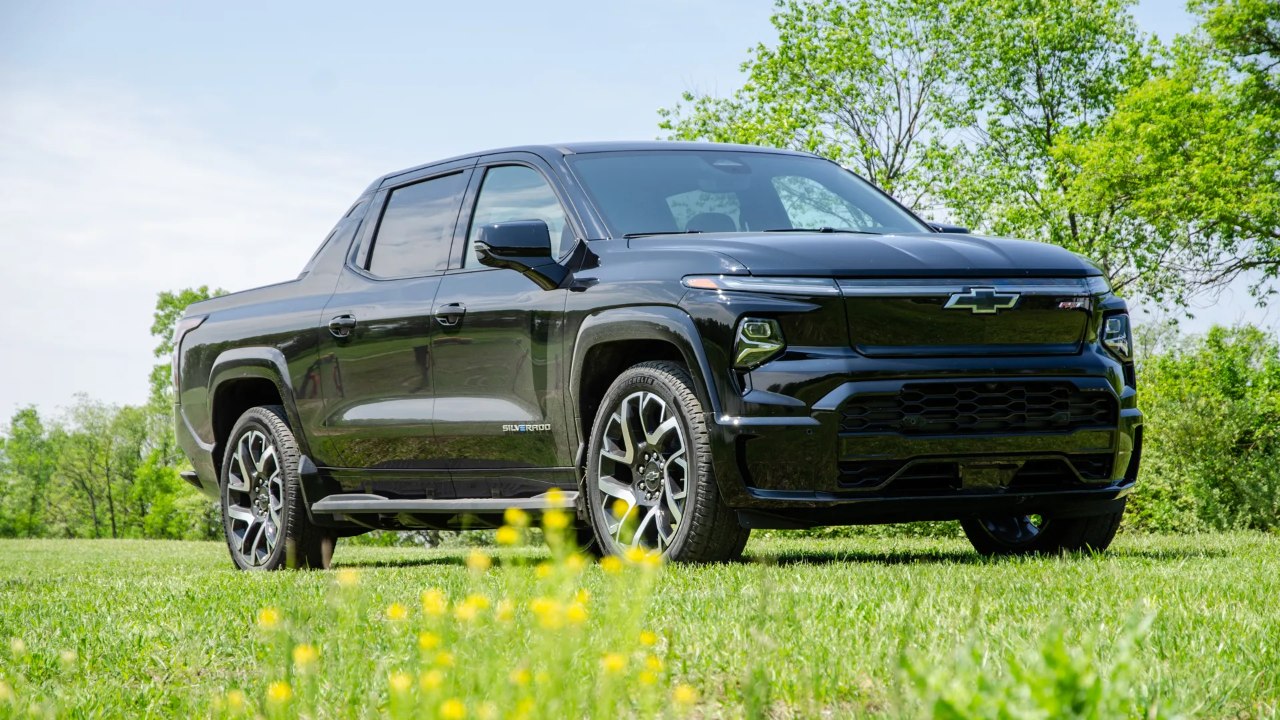
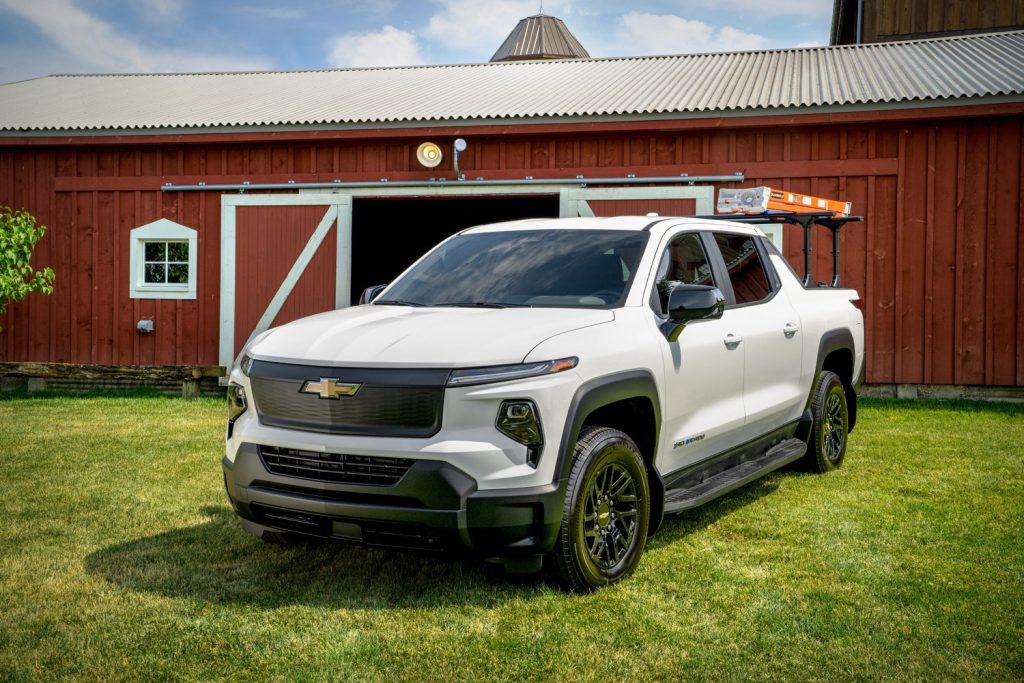
2. Chevrolet Silverado EV Work Truck
The Chevrolet Silverado EV Work Truck demonstrated that an electric pickup can also outperform its official range figure by a meaningful margin. Edmunds recorded 539 miles during its range test, compared with an EPA estimate of 492 miles. The difference was 47 miles, representing approximately a 9.1 percent improvement over the official rating.
What makes this result particularly interesting is the vehicle’s intended role. This is not a lightweight commuter designed primarily around efficiency.
The Silverado EV Work Truck is built as a full-size electric pickup, yet it still managed to approach the 540-mile mark in Edmunds’ controlled road testing. Its tested energy consumption was 45.3 kWh per 100 miles, compared with the EPA figure of 50 kWh per 100 miles.
The Silverado EV’s broader capabilities make the result more significant for buyers who need an electric truck rather than simply wanting maximum range.
Edmunds notes that the Silverado EV can deliver substantial towing capability, while the model also offers a large battery and fast charging capability. Depending on configuration, Chevrolet quotes up to 478 miles of range for certain Max Range versions.
The 539-mile road-test result should not be treated as a guarantee. Carrying a heavy payload, towing a trailer, driving aggressively, or operating in extreme temperatures can reduce range substantially. Even with those caveats, the work truck’s result shows that its EPA number can be conservative under Edmunds’ testing conditions.
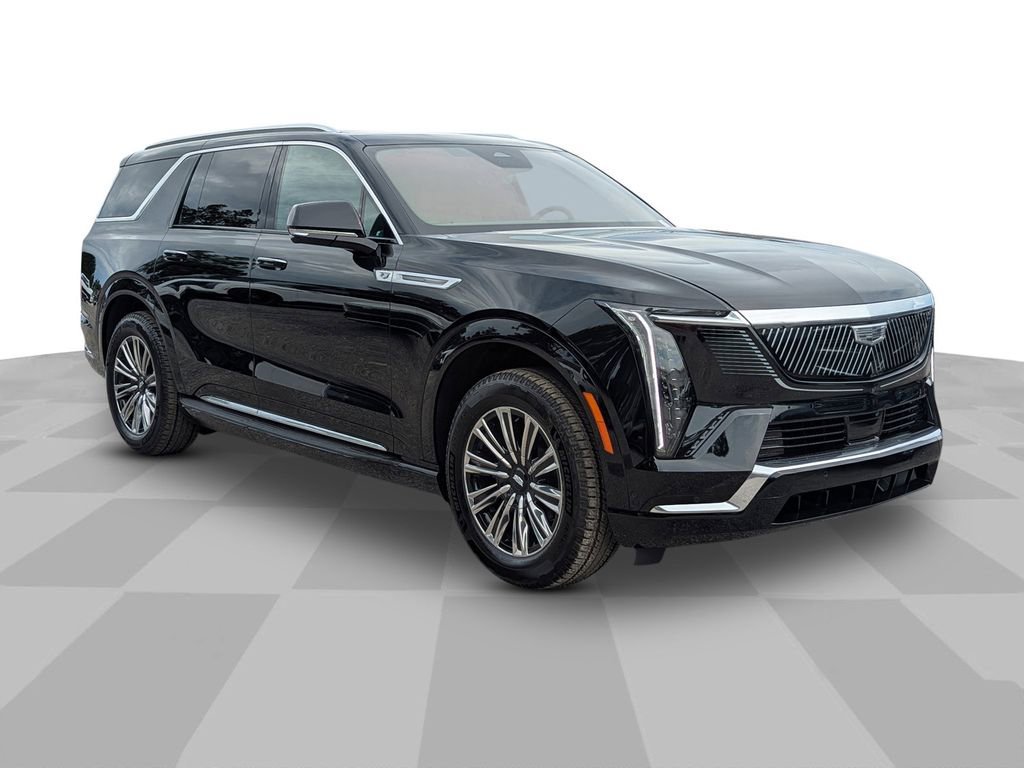
3. Cadillac Escalade IQL
The long-wheelbase Cadillac Escalade IQL delivered another striking result in Edmunds’ September 2026 EV range testing. It traveled 532 miles, compared with an EPA-estimated 460 miles.
That gives it a 72-mile advantage, equivalent to about 15.7 percent more range than its official rating. Edmunds placed it third on its current EV Range Test leaderboard, behind the Escalade IQ and Chevrolet Silverado EV Work Truck.
The result is notable because the IQL is not designed as a minimalist efficiency vehicle. It is a large luxury SUV built around the same general electric architecture as the shorter Escalade IQ, with a substantial battery providing the capacity needed for long-distance travel.
Edmunds measured electricity consumption at 45.7 kWh per 100 miles during its test. That figure shows that the IQL’s impressive distance comes from a combination of substantial battery capacity and reasonable energy use for such a large vehicle.
Testing conditions help explain why its result differs from the EPA number. Edmunds uses a controlled route designed around approximately 60 percent city driving and 40 percent highway driving, with an average speed near 40 mph.
Temperature can also influence an EV’s performance, and the IQL test was conducted at 78 degrees Fahrenheit, according to Edmunds’ leaderboard.
For buyers, the 532-mile result is significant because it suggests that the IQL can provide an unusually large buffer beyond its EPA figure under favorable road-test conditions.
It should not be interpreted as a guaranteed range for every trip, but the test demonstrates that Cadillac’s extended electric SUV can travel substantially farther than its window-sticker estimate.
4. GMC Sierra EV Denali
The GMC Sierra EV Denali becomes the fourth vehicle on Edmunds’ September 2026 list after covering 507 miles in the independent EV Range Test.
Its EPA-rated range is 460 miles, leaving a difference of 47 miles, or approximately 10.1 percent above the official estimate. That puts the full-size electric pickup comfortably beyond the 500-mile mark in Edmunds’ controlled testing.
The result is particularly interesting because the Sierra EV Denali is a large, heavy luxury pickup rather than a vehicle shaped primarily around aerodynamic efficiency.
Edmunds measured its electricity consumption at 48.1 kWh per 100 miles, which is considerably higher than what some highly efficient electric sedans require. Its long-distance capability therefore comes largely from having a very large battery rather than exceptionally low energy consumption.
Edmunds’ testing procedure provides important context. The route combines roughly 60 percent city driving with 40 percent highway driving, while the average speed is approximately 40 mph.
Test drivers stay within 5 mph of posted speed limits, creating a repeatable road environment rather than simply driving until the displayed range reaches zero. The Sierra EV completed the test on a day with temperatures around 58 degrees Fahrenheit.
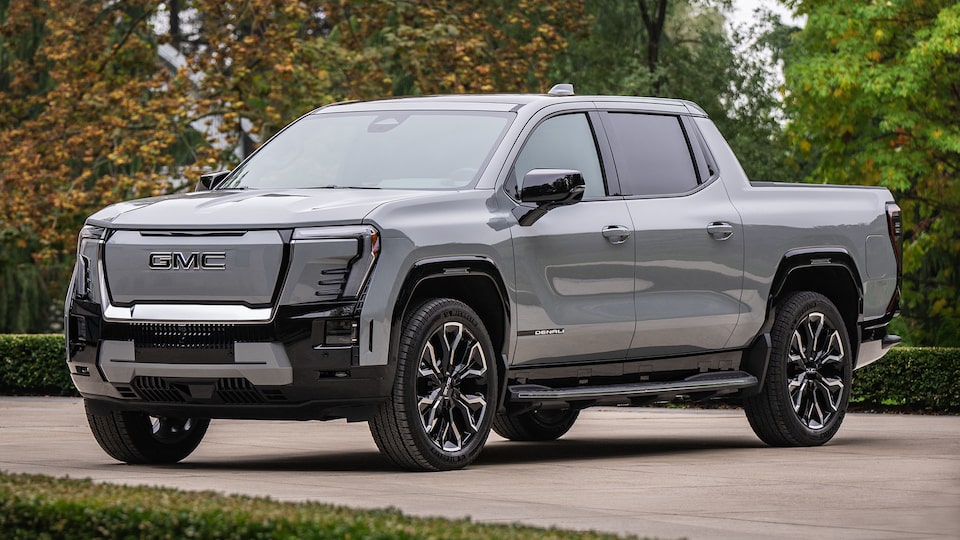
The pickup’s result also fits a pattern seen across GM’s large electric trucks. The Chevrolet Silverado EV RST previously reached 484 miles under the same testing program, while the Sierra EV went farther.
That makes the Denali’s 507-mile result more than an isolated number. It shows how GM’s large battery strategy can produce substantial real-world range, although towing, heavy payloads, cold weather, and higher highway speeds can reduce the distance considerably.
5. Chevrolet Silverado EV RST
The Chevrolet Silverado EV RST is another large electric pickup that managed to beat its EPA estimate in Edmunds’ testing. It traveled 484 miles, compared with an EPA-rated 450 miles. That is a 34-mile gain, or about 7.6 percent beyond the official figure.
Edmunds’ September 2026 leaderboard places it fifth among the vehicles in this group that exceeded their EPA range.
The interesting part is that the RST achieved the result while consuming more electricity than some smaller and more efficient EVs. Edmunds measured consumption at 49.2 kWh per 100 miles, compared with an EPA estimate of 53 kWh per 100 miles.
The lower real-world consumption helped the pickup stretch its available battery farther than the EPA figure suggested.
There is also a useful comparison within Chevrolet’s own lineup. The RST shares the enormous 205-kWh battery used by the Silverado EV Work Truck, but the Work Truck is lighter and has fewer features.
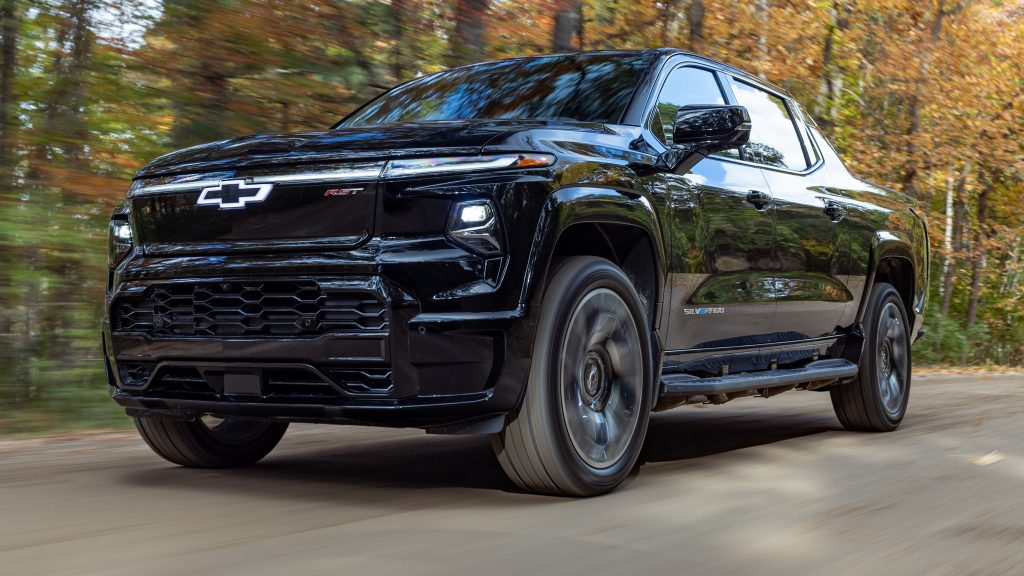
Edmunds found the work truck reached 539 miles, while the RST managed 484 miles. The difference illustrates how equipment, weight, and tires can influence EV range even when two vehicles share major battery hardware.
Edmunds’ test uses approximately 60 percent city driving and 40 percent highway driving, with an average speed around 40 mph. That is different from the EPA’s testing mix, which helps explain why the two figures can diverge.
6. Mercedes-Benz EQS 450+
The Mercedes-Benz EQS 450+ provides one of the strongest examples of a luxury EV outperforming its official range estimate. Edmunds recorded 464 miles in its range testing, while the EPA figure for the tested vehicle was 390 miles.
That represents a substantial 74-mile difference, meaning the Mercedes traveled approximately 19 percent farther than its EPA estimate under Edmunds’ conditions. Edmunds has repeatedly highlighted the EQS as one of the electric vehicles capable of exceeding its official rating by a meaningful margin.
The result is particularly impressive because the EQS achieves its range without relying on an enormous pickup-style battery. Its strength comes from the vehicle’s efficiency-focused engineering and aerodynamic design.
Edmunds’ testing data shows why energy consumption matters just as much as the headline range number when comparing EVs. A vehicle that needs less electricity to cover each mile can make better use of its available battery capacity.
The test itself is also important when interpreting the 464-mile figure. Edmunds uses a standardized Southern California route consisting of roughly 60 percent city roads and 40 percent highway driving, with an average speed of about 40 mph. Climate control is set to 72 degrees, and the vehicle remains in its default drive mode.
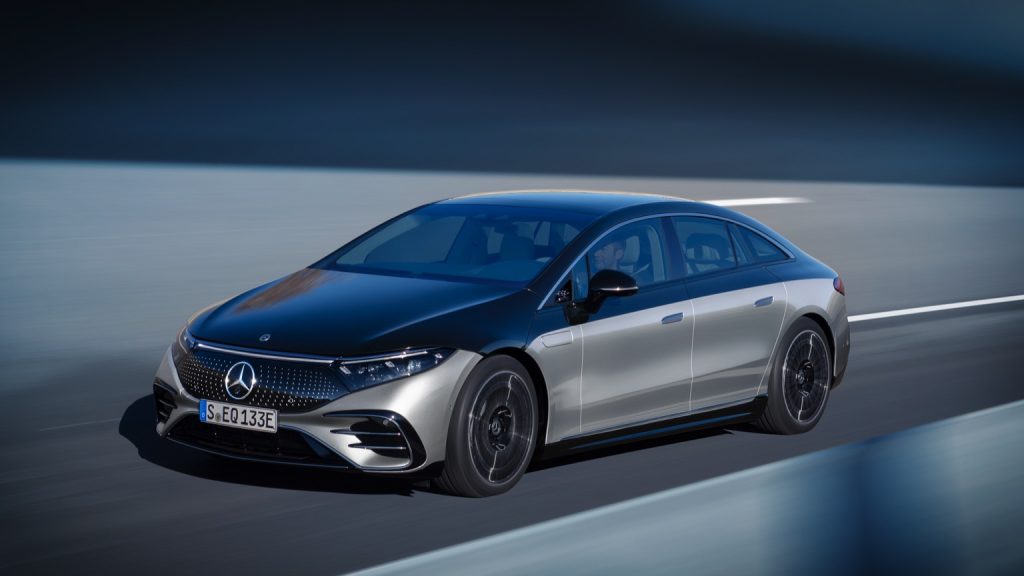
That means the EQS result should not be treated as a promise that every driver will see 464 miles. High-speed freeway travel, cold weather, aggressive acceleration, and heavy climate-control use can produce a different result.
What the test does establish is that the EQS 450+ has demonstrated a considerable real-world range advantage over its EPA estimate, making its 390-mile rating appear conservative under Edmunds’ testing conditions.
7. Mercedes-Benz CLA 250+
The Mercedes-Benz CLA 250+ delivered one of the biggest percentage improvements in Edmunds’ EV range testing. It traveled 434 miles, while its EPA estimate is 374 miles.
That is a gain of 60 miles, or approximately 16 percent beyond the official rating. Edmunds also recorded energy consumption of just 23.2 kWh per 100 miles, compared with the EPA figure of 27 kWh per 100 miles.
The result is especially notable because the CLA is much smaller than the huge electric SUVs and pickups occupying the top positions. Its advantage comes from efficiency rather than simply carrying an enormous battery.
Edmunds tested the rear-wheel-drive CLA 250+ with an 85-kWh usable battery, and the car became the least expensive EV the publication had tested to cross the 400-mile threshold.
Testing conditions provide useful context. Edmunds uses a standardized route consisting of approximately 60 percent city driving and 40 percent highway driving, with an average speed around 40 mph. The testers keep the climate control at 72 degrees and stay within 5 mph of posted speed limits.
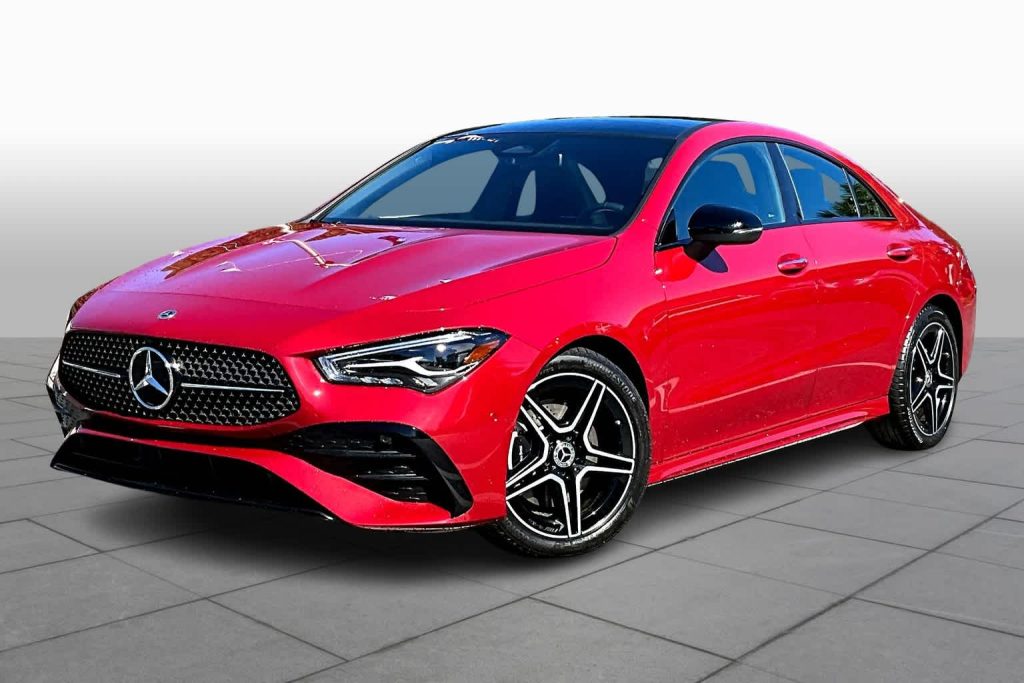
That means the 434-mile result is not a promise that every CLA owner will achieve the same number. Higher speeds, cold temperatures, aggressive driving, and heavy climate-control use can all reduce range.
Nevertheless, the test demonstrates that Mercedes’ EPA figure leaves a substantial margin under Edmunds’ conditions. For drivers prioritizing long-distance efficiency, the CLA 250+ stands out because it achieved more than 400 miles without relying on the enormous battery packs found in some larger EVs.
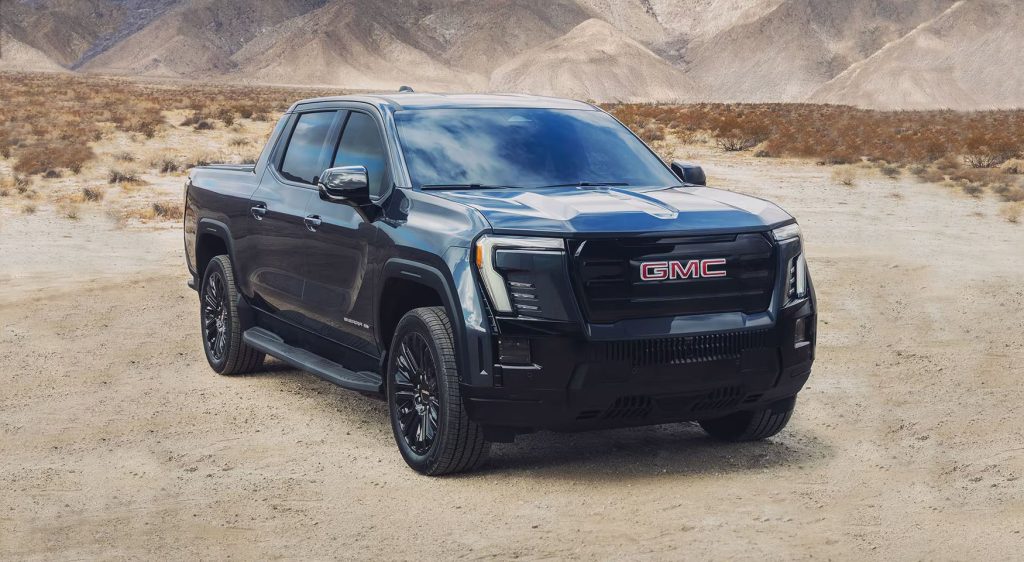
8. GMC Sierra EV Elevation
The GMC Sierra EV Elevation Extended Range produced a smaller but still meaningful improvement over its EPA figure. Edmunds recorded 428 miles, compared with an EPA estimate of 410 miles.
That means the electric pickup exceeded its official rating by 18 miles, or approximately 4.3 percent. Edmunds measured energy consumption at 47.4 kWh per 100 miles, better than the EPA’s 50 kWh per 100 miles figure.
Its result is particularly interesting when compared with the Sierra EV Denali. Both are large electric pickups, yet the Elevation’s test result shows how trim level, equipment and driving conditions can influence real-world efficiency.
The Denali reached 507 miles in Edmunds testing, while the Elevation achieved 428 miles. These figures should not be treated as direct apples-to-apples comparisons because vehicle configuration and test conditions can differ.
The relatively modest 4.3 percent improvement also makes this vehicle different from several other entries on the list. Some EVs exceeded their EPA figures by more than 15 percent, whereas the Sierra EV Elevation stayed much closer to its official rating.
That is useful information for shoppers because it demonstrates that beating the EPA estimate does not always mean gaining dozens of extra miles.
Edmunds’ standardized procedure uses a route made up of roughly 60 percent city and 40 percent highway driving, while climate control is maintained at 72 degrees. The controlled environment helps make comparisons between vehicles more meaningful.
For a full-size electric pickup, however, crossing the 400-mile threshold and reaching 428 miles in independent road testing remains a strong result.
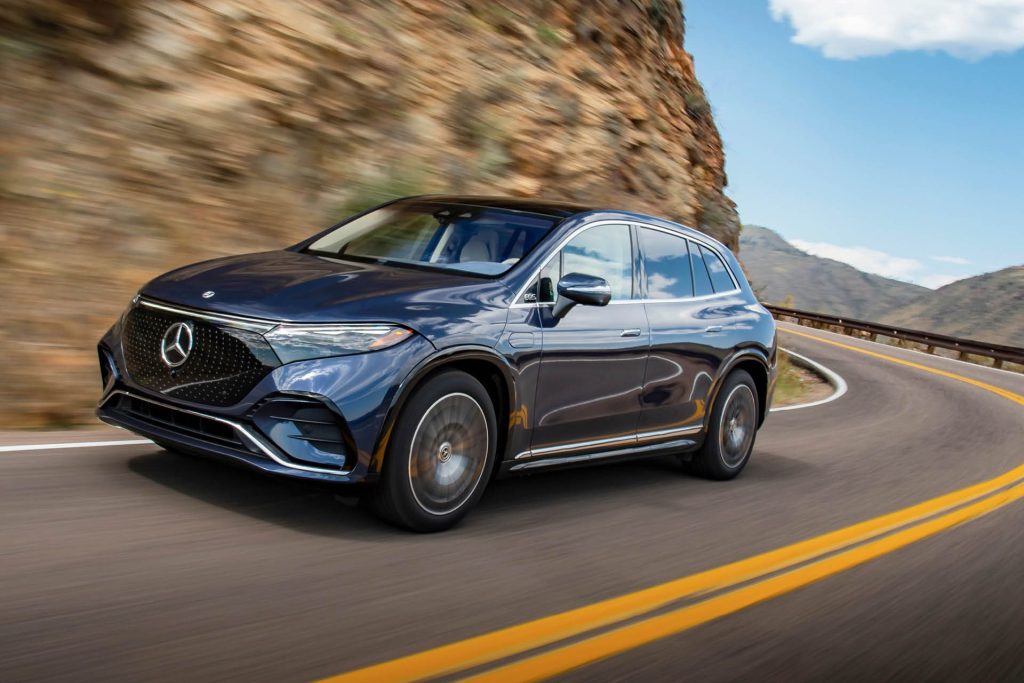
9. Mercedes-Benz EQS SUV 450+
The Mercedes-Benz EQS SUV 450+ produced the largest percentage improvement among the final entries in this group. Edmunds recorded 407 miles in its EV Range Test, compared with an EPA estimate of 339 miles.
The difference is 68 miles, meaning the electric SUV traveled approximately 20.1 percent farther than its official rating. Edmunds’ September 2026 leaderboard places it ahead of the Audi A6 e-tron despite the Mercedes being a substantially larger vehicle.
The number is particularly interesting because large SUVs generally face greater aerodynamic and weight-related demands than streamlined sedans.
Yet the EQS SUV’s road-test consumption came in at 32.7 kWh per 100 miles, versus an EPA figure of 39 kWh per 100 miles. That lower energy use helped turn a 339-mile EPA estimate into a test result exceeding 400 miles.
Edmunds uses a consistent procedure for its range testing. Vehicles are driven on a Southern California route consisting of approximately 60 percent city roads and 40 percent highway roads, with an average speed near 40 mph.
The climate control is set to 72 degrees and the vehicle remains in its default drive mode. The test continues until the vehicle indicates approximately 10 miles of remaining range, after which that distance is added to the miles already driven.
The 407-mile result therefore should not be treated as a guaranteed figure for every owner. Highway speeds, winter temperatures, passengers, cargo and climate-control demands can all change an EV’s range.
Still, Edmunds’ result demonstrates that the EQS SUV 450+ had a particularly large cushion beyond its EPA estimate under standardized road conditions.
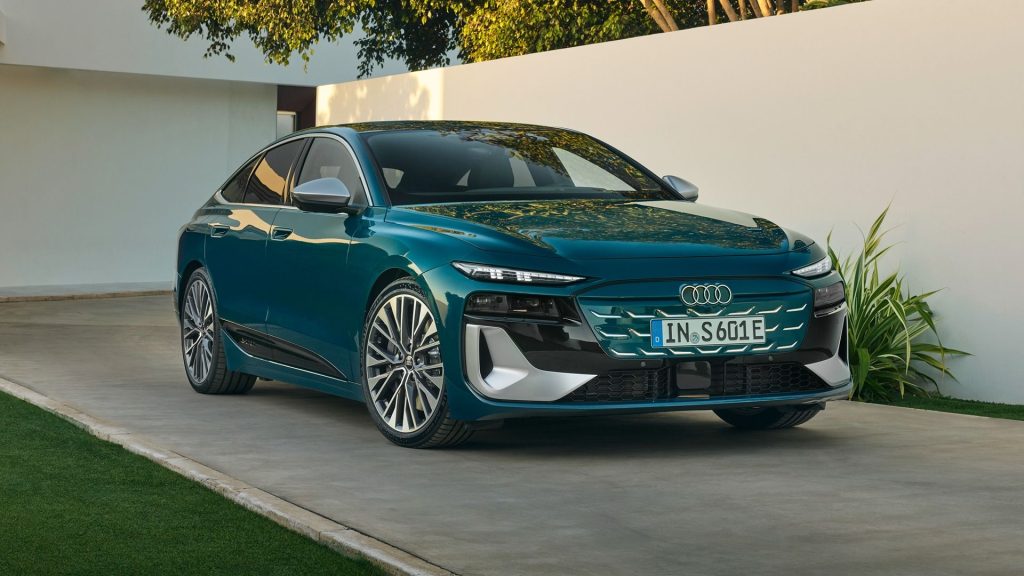
10. Audi A6 e-tron
The Audi A6 e-tron closes this list with the smallest range advantage among the 10 vehicles. Edmunds recorded 402 miles, compared with an EPA estimate of 392 miles. The difference is just 10 miles, representing a 2.5 percent improvement.
While that margin is modest compared with the 93-mile gain achieved by the Cadillac Escalade IQ, it still means the Audi exceeded its official U.S. range rating in Edmunds’ standardized road test.
Its efficiency figures help explain the result. Edmunds recorded consumption of 25.5 kWh per 100 miles, while the EPA figure was 27 kWh per 100 miles. The 5.5 percent improvement in energy consumption was enough to push the vehicle beyond the 400-mile threshold, despite its EPA rating remaining below that mark.
The A6 e-tron’s position is also notable because the vehicle did not need an enormous range buffer to reach 400 miles.
Edmunds’ testing method uses roughly 60 percent city driving and 40 percent highway driving, with an average speed of approximately 40 mph. Climate control is maintained at 72 degrees, helping create repeatable conditions between different vehicles.
Edmunds describes the A6 e-tron as a particularly efficient long-distance EV, while also noting its ability to charge rapidly. Its 402-mile test result places it among a relatively small group of EVs that have crossed the 400-mile mark in the publication’s real-world testing program.
For buyers, the small difference between the EPA estimate and road-test result is arguably just as useful as a huge gain. It shows that the EPA figure for this Audi was already relatively close to what Edmunds achieved in controlled real-world driving, making the 402-mile result a strong confirmation of its long-distance capability.
