
A poor rating in a crash test does not automatically mean an SUV is unsafe in every type of collision. The Insurance Institute for Highway Safety’s updated moderate overlap front test is designed to examine occupant protection in a more demanding way, with particular attention to the rear-seat passenger.
The nine SUVs below all received a poor overall rating in this updated test. Several still performed well in other IIHS evaluations, including small-overlap or side crashes.
The distinction matters because the results often identify a specific weakness in rear passenger protection rather than a failure of the entire vehicle’s crash structure.
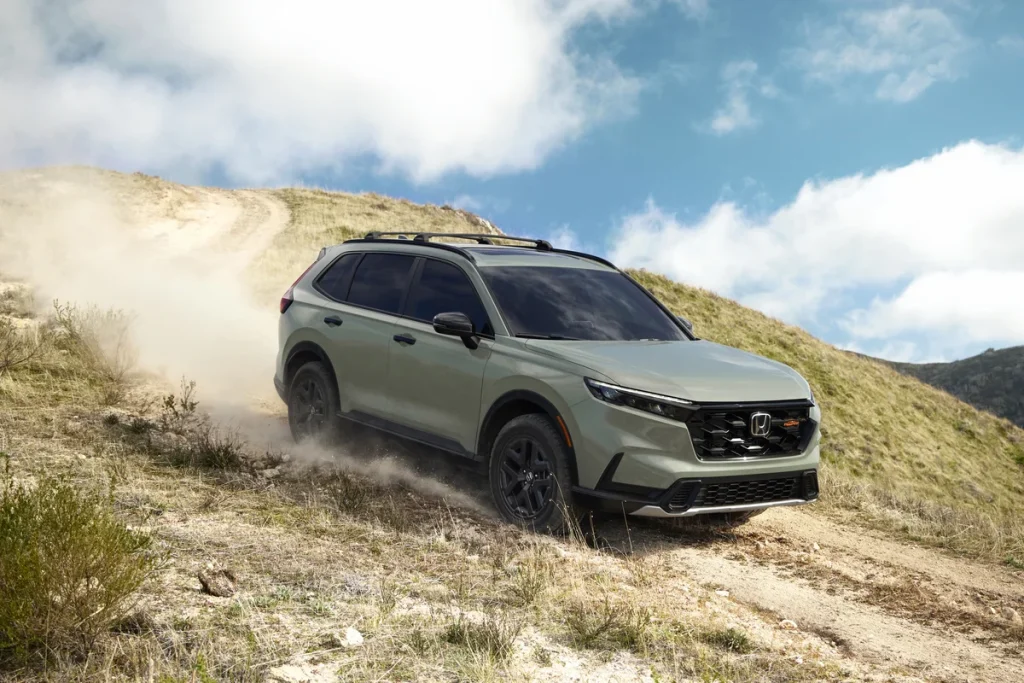
1. 2027 Honda CR-V
The 2027 Honda CR-V is one of the most surprising names on this list because its poor rating in the updated moderate overlap front test does not reflect a broad failure across IIHS testing.
The CR-V earns a Good rating in the small overlap front evaluation and a Good rating in the updated side test. Its weakness is concentrated in the newer moderate overlap assessment.
IIHS rated the CR-V’s structure and safety cage. Good, while the driver’s head, neck, chest, thigh, and lower-leg injury measures were also rated Good. The problem appeared farther back in the cabin.
The rear passenger received a Good rating for head and neck protection and a Marginal rating for chest protection, but the rear passenger restraints and dummy kinematics were rated Poor. That combination pulled the complete moderate overlap result down to poor.
The finding is particularly relevant because the updated test puts greater emphasis on what happens to a second-row occupant during the crash. In the CR-V test, the rear passenger dummy’s shoulder belt tension was measured at 4.3 kN, while the chest index was 42. IIHS also recorded 1.7 kN of neck tension.
That does not mean the CR-V suddenly became a dangerous SUV. Its strong structural performance and solid results in other crash evaluations remain important. Instead, the test highlights a specific area Honda needs to address, ensuring the rear occupant and restraint system work together more effectively during a frontal crash.
For buyers, the lesson is that a strong reputation and good performance in older crash tests do not guarantee a good result under newly strengthened criteria.
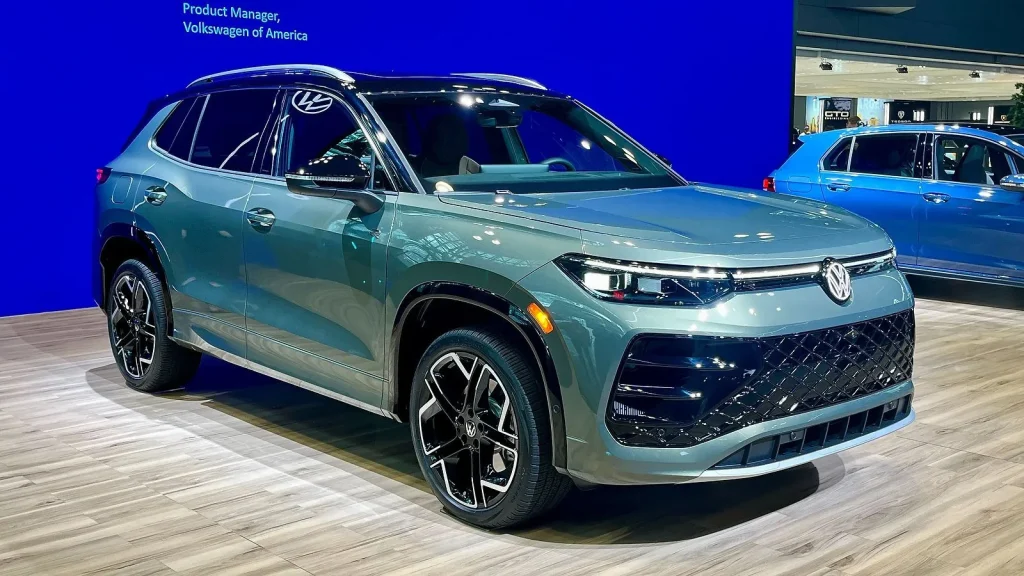
2. 2026 Volkswagen Tiguan
The 2026 Volkswagen Tiguan delivers a similarly unusual result. Its updated moderate overlap front rating is poor even though IIHS gives the SUV good ratings for both the small overlap front test and the updated side crash test. The difference shows exactly why individual crash-test categories should not be treated as interchangeable.
The Tiguan’s occupant compartment structure received a good rating during the moderate overlap test, and the driver also performed strongly. Driver head and neck, chest, thigh, and leg measurements were all rated good, as were the driver’s restraints and dummy kinematics. The weak point was the second row.
IIHS rated rear passenger head and neck protection as acceptable. Chest protection was also acceptable, while the rear passenger restraints and dummy kinematics received marginal ratings. The overall rating was poor.
The technical measurements help explain why the result matters. The rear passenger dummy recorded a chest index of 43, while shoulder belt tension reached 4.1 kN. The neck experienced 2.3 kN of tension. These figures were part of the measurements that contributed to the Institute’s assessment of the rear occupant’s protection.
The front occupant compartment itself held up well, with the structure and safety cage earning Good. That makes this less a story about the Tiguan’s entire crash structure and more about occupant movement and restraint performance.
Volkswagen also has strong crash-avoidance results here. IIHS gave the standard front crash prevention system a Good rating for vehicle-to-vehicle performance, while pedestrian prevention was also rated Good.
The surprising part is therefore the contrast. The Tiguan can perform well in crash avoidance, small-overlap protection, and side protection while still receiving a poor score in this specific frontal evaluation. For families, the rear-seat result is the detail that deserves the most attention.
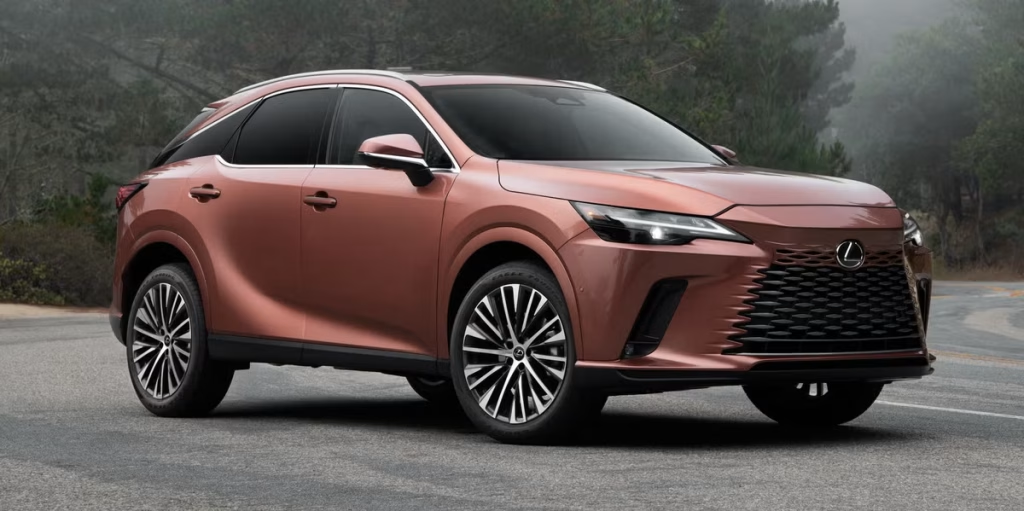
3. 2026 Lexus RX
The 2026 Lexus RX combines a strong safety structure with a poor result in the updated moderate overlap front test. IIHS gives the luxury SUV good ratings for both the small overlap front test and updated side test, making its poor frontal rating particularly specific rather than representative of every crash scenario.
The RX’s structure and safety cage were rated good, and the driver received good marks across head and neck, chest, thigh, and leg measurements. Driver restraints and dummy kinematics also earned good ratings. The problem shifted to the rear seat, where the chest rating was poor, and rear passenger restraints and dummy kinematics were also poor.
IIHS recorded a rear passenger chest index of 47 and shoulder belt tension of 4.3 kN. The rear dummy’s neck tension reached 1.8 kN. The Institute noted that the rear passenger’s head did not make contact during forward excursion, which is an important positive detail.
This distinction is important for interpreting the test correctly. A poor rating does not mean every occupant in every crash faces the same level of danger.
The RX’s driver protection remained strong, and the occupant compartment showed limited intrusion in the tested crash. Instead, the updated evaluation uncovered shortcomings in how the rear passenger was restrained.
The Lexus result also demonstrates how newer IIHS requirements can separate modern vehicles from their previous reputations. The RX was redesigned for the 2023 model year, and the current rating applies to 2023 through 2026 models.
For buyers considering an RX for family use, the rear-seat finding is the key information. Its poor score deserves attention, but it should be read alongside the good results from the small overlap and side tests rather than treated as a verdict on the entire SUV.
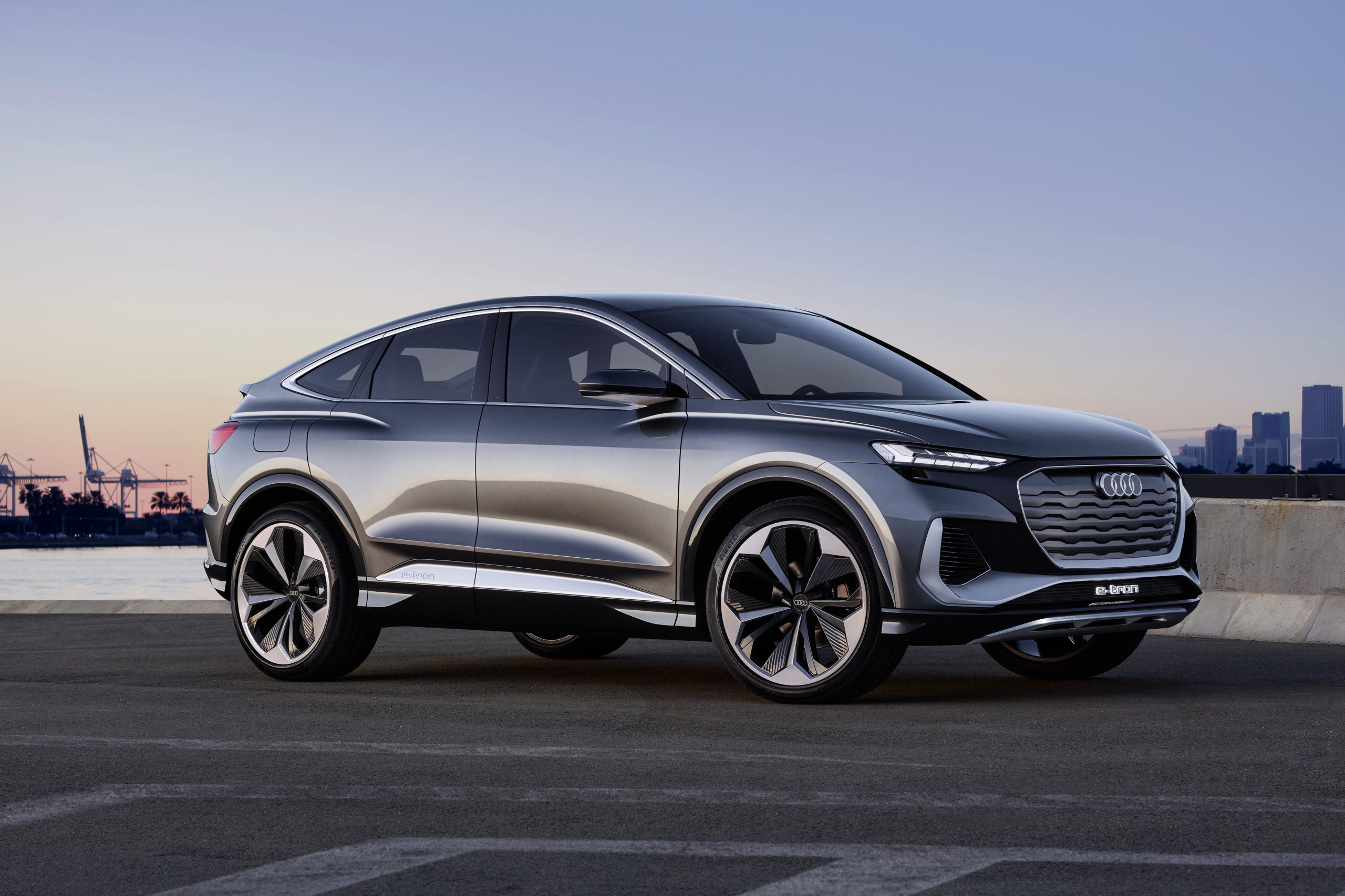
4. 2026 Audi Q4 e-tron
The 2026 Audi Q4 e-tron is another vehicle where the poor rating is concentrated in the updated moderate overlap front test. IIHS rates its small overlap front and updated side performance as good, showing that the electric SUV’s weakness is not universal across crash configurations.
Audi’s structure and safety cage earned a good rating, as did the driver’s head and neck, chest, thigh, and leg injury measures. The driver’s restraints and dummy kinematics also received good marks.
The rear occupant produced the result that changed the final score. Rear passenger head and neck protection was good, but chest protection was poor, while rear passenger restraints and dummy kinematics were marginal.
IIHS says the rear passenger dummy’s head remained a safe distance from the front seatback. That is an important positive result because it indicates that the poor rating is not simply the consequence of uncontrolled head movement. Instead, the chest response and restraint behavior were central concerns.
The Q4 e-tron’s result also carries a useful technical detail for shoppers. IIHS notes that rear passenger seatbelt changes were introduced beginning with 2025 models, and the current ratings apply to both the Q4 e-tron and Q4 Sportback e-tron.
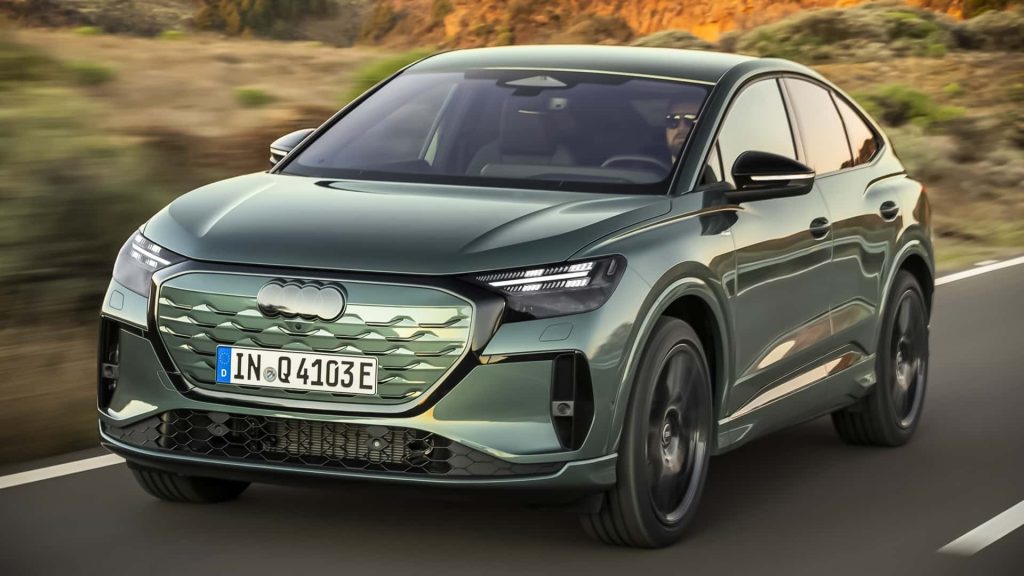
That means the updated test is evaluating a vehicle that Audi had already modified in response to rear-seat restraint considerations, yet the result remained poor.
For an electric SUV positioned as a premium family vehicle, that finding deserves attention. The Q4 e-tron still provides strong structural protection and good performance in other major crash categories, but the updated frontal test shows that rear occupant protection remains an area where the design has room for improvement.
5. 2026 Audi Q4 Sportback e-tron
The 2026 Audi Q4 Sportback e-tron shares the same fundamental result as its more upright sibling, receiving a poor rating in the updated moderate overlap front evaluation. IIHS applies the test results to both the Q4 e-tron and Q4 Sportback e-tron because the two models share the relevant safety characteristics for this evaluation.
The Sportback’s structure and safety cage earned Good ratings, and the driver received good ratings for head and neck, chest, thigh, and leg protection. Driver restraints and dummy kinematics were also rated Good.
Once again, the second-row occupant determined the final result. Rear passenger head and neck protection was good, but chest protection was poor, while rear passenger restraints and dummy kinematics received a marginal rating.
IIHS’s findings make the result more nuanced than the single poor symbol suggests. The rear dummy’s head remained a safe distance from the front seatback, reducing concern about direct head contact. The Institute instead identified a likelihood of injury to the chest based on the measured response.
The model’s history is also worth noting. The Q4 family entered the market for the 2022 model year, and Audi introduced rear passenger seatbelt changes beginning with 2025 models. Despite those changes, the updated test still produced a poor overall rating.
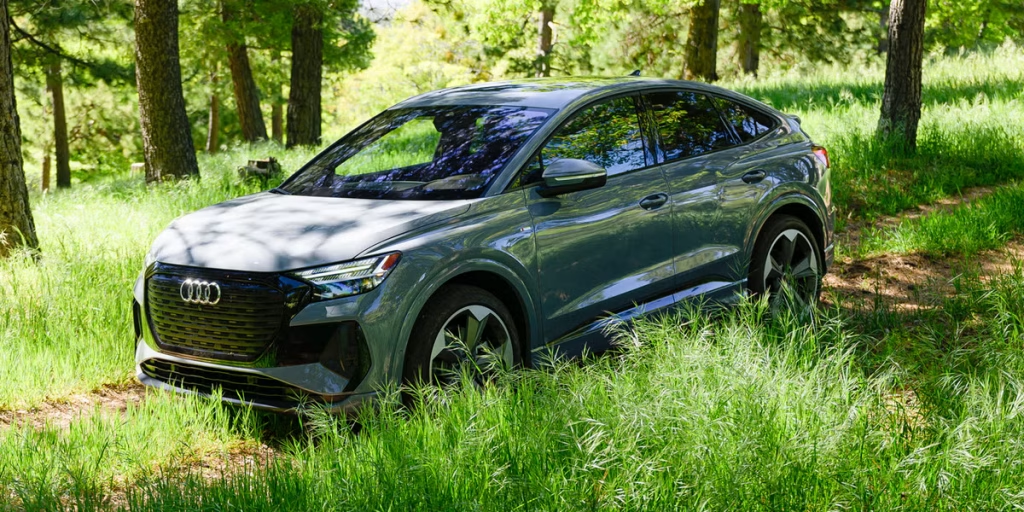
For shoppers, this is an important example of why body style alone does not tell the complete safety story. The Sportback’s sloping roofline gives it a distinct appearance, but the crash-test concern is tied to the rear occupant’s restraint and chest protection rather than its exterior shape.
Its good results in other crash evaluations remain meaningful, yet families who regularly carry adults or older children in the second row should pay particular attention to the updated frontal-test findings.
6. 2026 Buick Envista
The 2026 Buick Envista received a poor rating in the updated moderate overlap front test despite earning good ratings in both the small overlap front and updated side evaluations. IIHS says the Envista’s moderate overlap result applies to 2024 through 2026 models.
The structure and safety cage performed well, receiving a Good rating. Driver protection was also strong across the tested body regions, with Good ratings for head and neck, chest, thigh and leg protection. The driver’s restraints and dummy kinematics were Good as well.
The second row again became the decisive factor. IIHS rated rear passenger head and neck protection Poor, chest protection Marginal and rear passenger restraints and dummy kinematics Good.
The rear dummy recorded a chest index of 37 and shoulder belt tension of 7.0 kN. Neck tension measured 3.7 kN. Those measurements show why the rating cannot simply be dismissed as a cosmetic difference between test categories.
The updated test is looking closely at how the rear occupant moves and how the restraint system manages that movement.
There is an interesting contrast elsewhere in the Envista’s safety record. Beginning with 2026 models, GM made changes to the side structure and side airbags, and IIHS subsequently gave the vehicle a Good updated side rating.
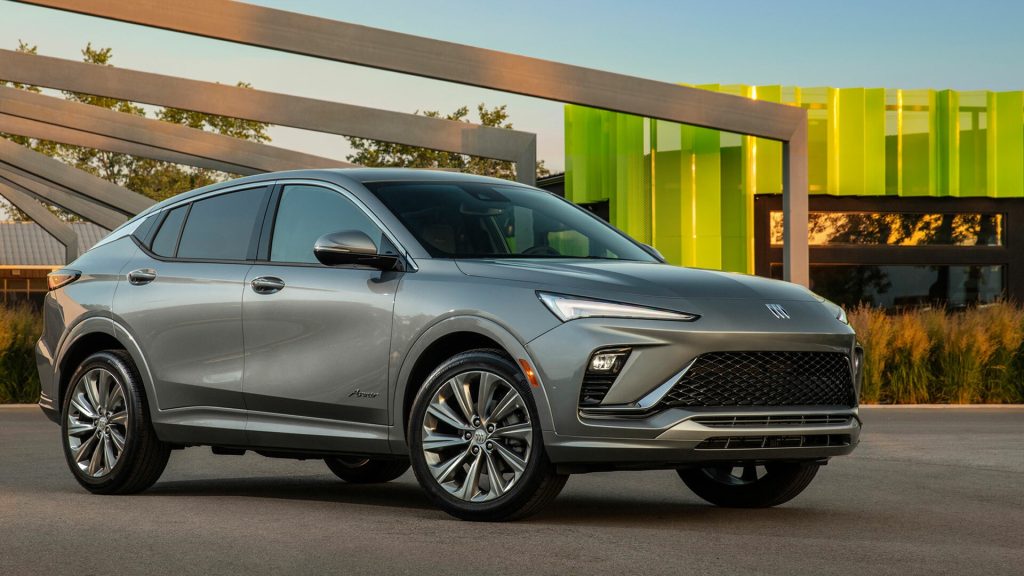
That improvement makes the Poor moderate-overlap result stand out even more. The vehicle demonstrates that manufacturers can address one crash scenario successfully while still having another area exposed by a newer evaluation method.
The Envista therefore should not be characterised as simply “unsafe.” Its crashworthiness profile contains both strong and weak areas. The important concern identified by this particular IIHS test is rear passenger protection during a moderate overlap frontal crash.
7. 2026 Chevrolet Trax
The 2026 Chevrolet Trax also earned a Poor rating in the updated moderate overlap front test, although its performance in other crash categories is considerably stronger. IIHS gives the Trax Good ratings for both small overlap front and updated side crashworthiness.
The occupant compartment and safety cage were rated Good, and every driver injury category listed by IIHS also received a Good rating. That includes head and neck, chest, thigh and leg protection, as well as driver restraints and dummy kinematics.
The rear passenger results tell a different story. Head and neck protection was Poor, chest protection was Marginal, while rear passenger restraints and dummy kinematics were Good. That combination was enough to produce the Poor overall rating for the updated moderate overlap evaluation.
The technical data show a rear passenger chest index of 39 and shoulder belt tension of 7.5 kN. Neck tension reached 3.4 kN. The head did not contact anything during the dummy’s forward excursion, according to IIHS.
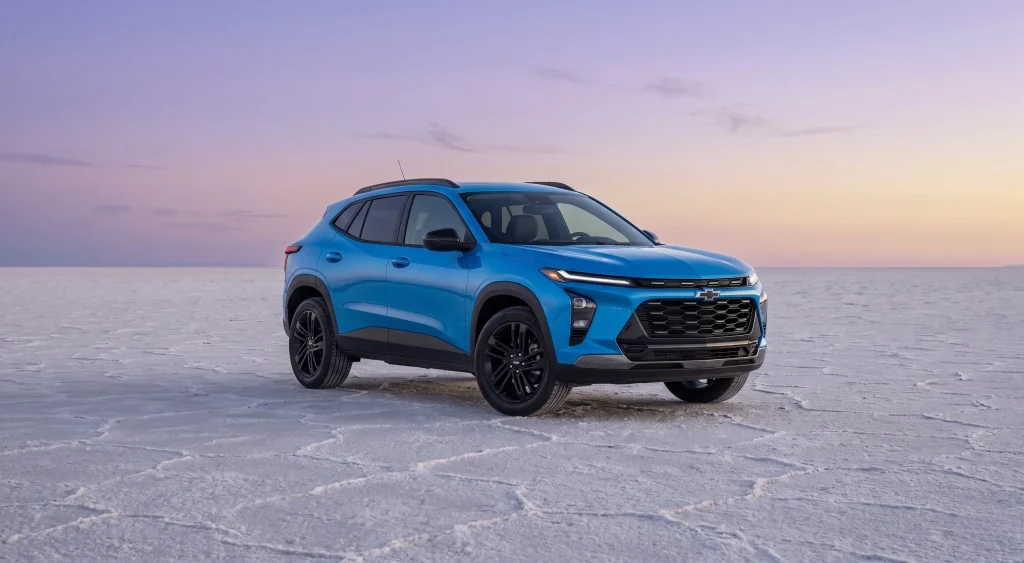
There is another noteworthy distinction. IIHS says the Trax was redesigned for the 2024 model year, and the moderate overlap rating applies to 2024 through 2026 models. The Institute also specifically states that these Trax ratings do not apply to the Buick Envista, even though the two vehicles are closely related.
That matters because similar platforms do not necessarily produce identical safety results. For shoppers, the Trax presents a mixed picture.
Its structure performs well, its driver protection is Good, and its side rating is Good. The updated frontal test instead identifies a specific weakness involving the rear passenger’s head, chest and restraint performance.
8. 2026 Mitsubishi Eclipse Cross
The 2026 Mitsubishi Eclipse Cross received a Poor rating in the updated moderate overlap front test, and unlike several SUVs on this list, it also has a Poor rating in the updated side crash test. Its small overlap front performance is Good.
The moderate overlap result is again driven by the rear occupant rather than a failure of the main safety cage. IIHS rated the structure and safety cage Good, and the driver’s head and neck, chest, thigh and leg measurements all received Good ratings. Driver restraints and dummy kinematics were also Good.
The rear passenger evaluation was more complicated. Head and neck protection was Poor, chest protection was Marginal, thigh protection was Good and rear passenger restraints and dummy kinematics were Acceptable. Those results combined to produce the Poor overall rating.
The measured rear chest index was 45, while shoulder belt tension reached 8.0 kN. Rear neck tension measured 3.3 kN. The rear dummy’s head did not make contact during forward excursion, according to IIHS.
The Eclipse Cross’s age is relevant to interpreting these results. IIHS says the current vehicle was introduced for the 2018 model year and is derived from the Mitsubishi Outlander. The updated moderate overlap rating applies to 2022 through 2026 models.
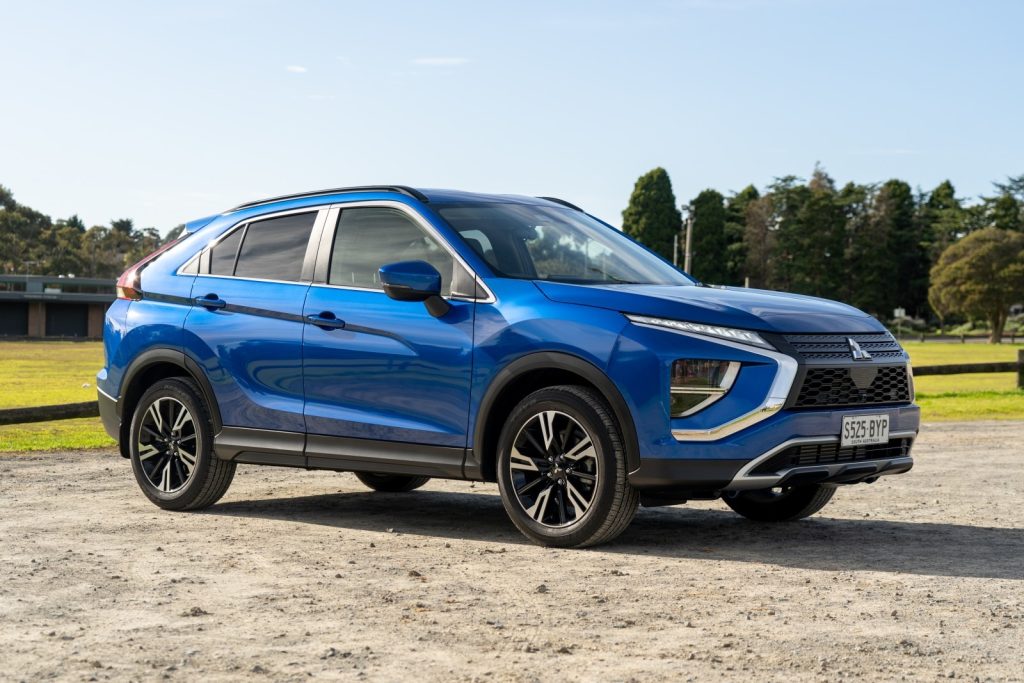
Its record illustrates how newer crash-test requirements can expose limitations in an older design. The Eclipse Cross can still provide Good protection for the driver in this frontal test, but its rear occupant results are less reassuring.
For buyers, the combination of Poor moderate-overlap and Poor side ratings makes this SUV stand apart from several other vehicles on this list that have a Poor score in only the updated frontal test.
9. 2026 Jeep Compass
The 2026 Jeep Compass rounds out the list with a Poor rating in the updated moderate overlap front test. Its results are particularly notable because the driver-side small overlap evaluation is Good, while the updated side test is Marginal.
In the moderate overlap test, IIHS rated the structure and safety cage Good. The driver’s head and neck, chest, thigh and leg protection were also Good, along with driver restraints and dummy kinematics. The weakness again appeared with the rear occupant.
Rear passenger head and neck protection was Poor, and chest protection was also Poor. Thigh protection remained Good, while rear passenger restraints and dummy kinematics were Good.
The measurements show why the rear-seat result is significant. The rear dummy recorded a chest index of 47 and shoulder belt tension of 8.0 kN. Neck tension reached 3.5 kN. The head did not contact anything during forward excursion.
The Compass is also an older design compared with some vehicles in this group. IIHS says the redesigned generation dates back to the 2017 model year, with the current crash-test ratings applying to later versions of that generation.
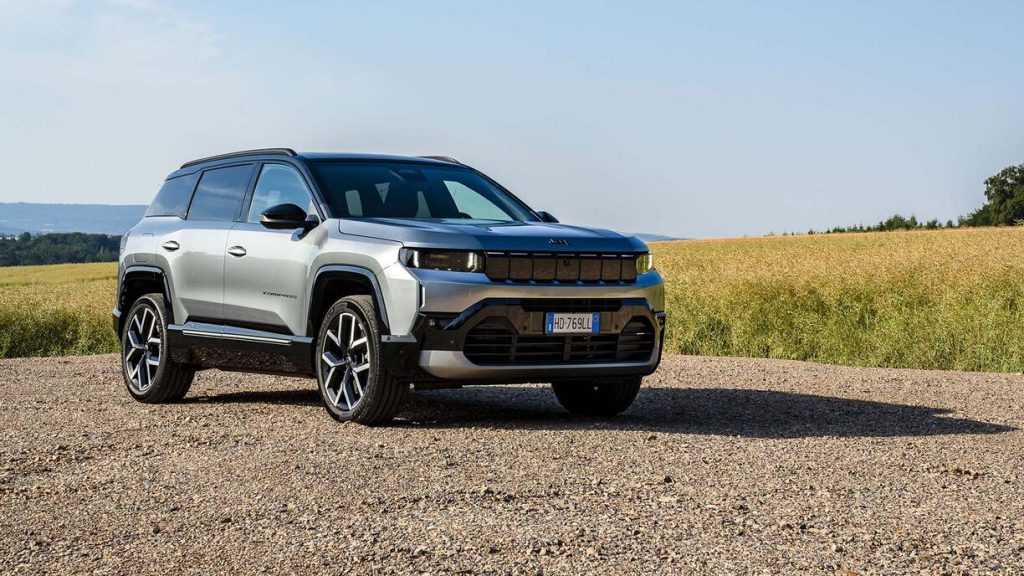
Its updated side rating is another consideration. IIHS rates the side structure and protection Marginal for the 2026 model, while whiplash prevention earns an Acceptable rating.
The result leaves the Compass with a more mixed safety profile than some of the other SUVs listed here. Its driver protection in the moderate overlap crash is strong, but rear occupant protection is substantially weaker. For families, that rear-seat performance is the most important issue revealed by the updated IIHS test.
