
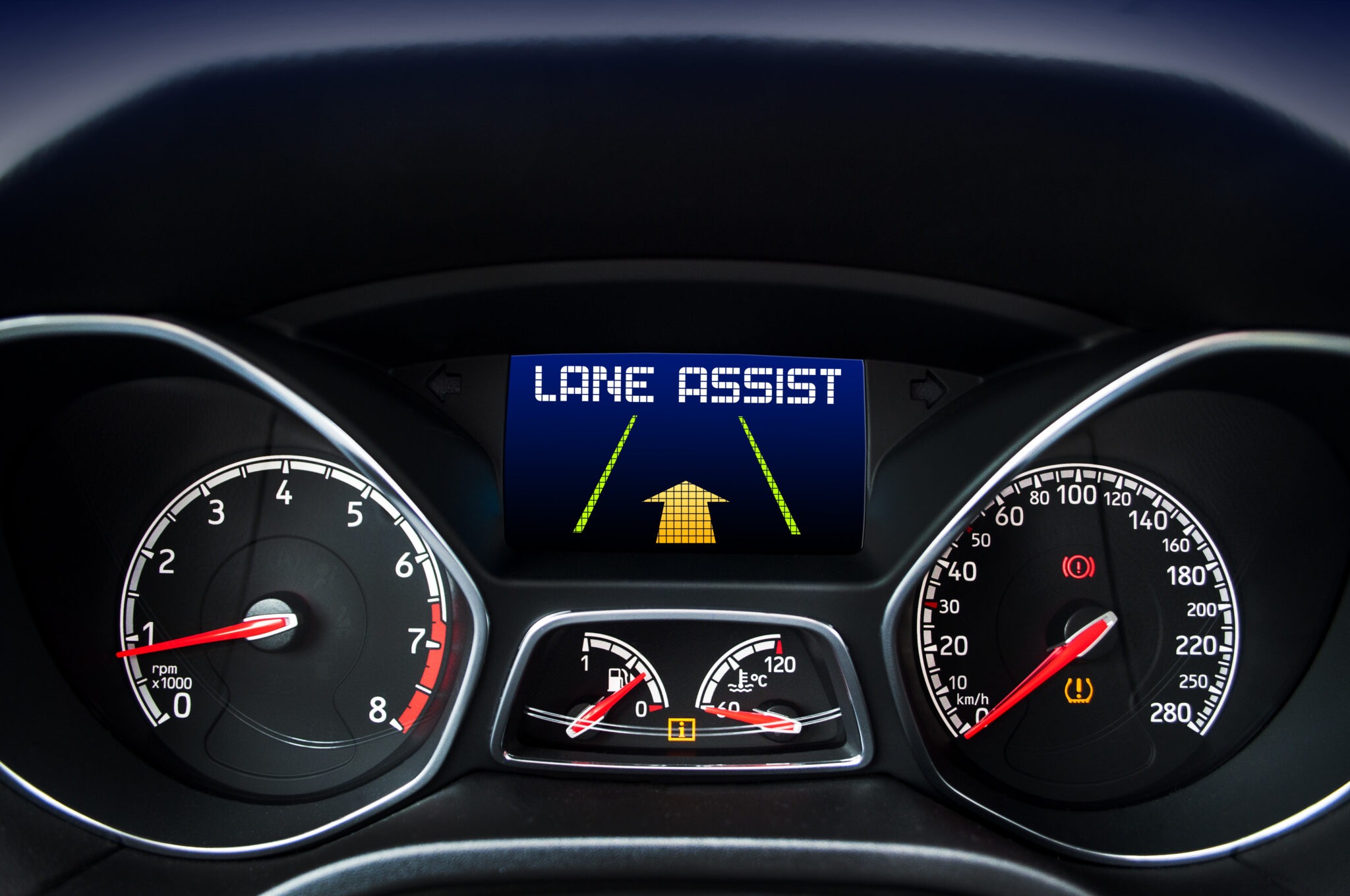
Modern vehicles offer many driver-assistance features, yet technology designed to make driving safer can become frustrating when it speaks up too often. J.D. Power found a sharp difference between owners who considered lane-keeping and lane-centering alerts bothersome and those who did not.
Among bothered owners, 61% said they sometimes disabled the system, compared with 21% of owners who were not bothered. A feature may be advanced, but if its warnings feel intrusive, some owners will turn it off during normal daily driving conditions.

What J.D. Power Found About Lane Alerts
J.D. Power’s 2019 U.S. Tech Experience Index Study examined how owners experienced newer vehicle technologies as lane-keeping and lane-centering systems became more common.
Among those owners, 61% said they sometimes disabled the technology. That difference shows how strongly user experience can affect technology use.
The findings do not mean bothered drivers rejected lane assistance. Their behavior suggests that the way the system communicated with them mattered. A feature loses practical value when owners regularly switch it off.
J.D. Power reported annoyance rates ranging from 8% at one domestic brand to more than 30% at some import brands, pointing to differences in calibration and warning behavior. For drivers, the figures show why usability matters.
Why Lane-Keeping Alerts Can Become Irritating
Imagine driving along a familiar road and making a small steering correction. The vehicle detects the movement and responds with an audible chime, steering-wheel vibration, dashboard warning, or steering input. Repeated alerts can become tiresome, especially when the driver feels fully in control.
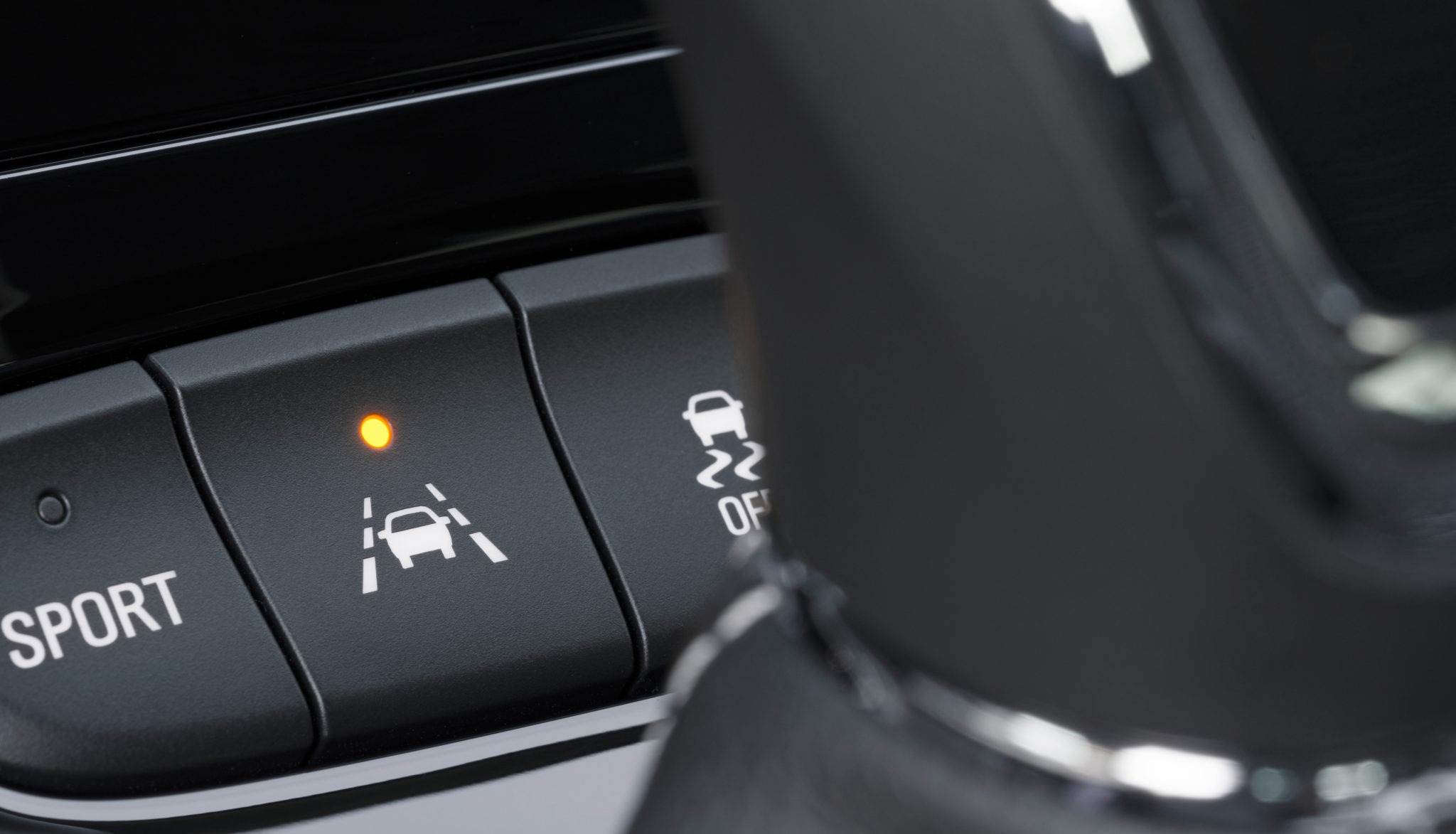
Lane-departure warning, lane-keeping assistance, and lane-centering assistance perform different jobs. A lane-departure warning generally alerts a driver when the vehicle begins leaving its lane.
Lane-keeping assistance can provide steering or braking input to guide the vehicle back. Lane-centering assistance makes more frequent steering adjustments to help keep the vehicle near the lane center.
A brief warning may be easy to accept, while repeated sounds can become distracting. Steering intervention can feel reassuring in one situation but intrusive in another.
Road conditions can add frustration. Faded markings, construction zones, narrow lanes, and poor weather can affect how sensors identify lane boundaries.
When the system reacts differently from what the driver expects, confidence can decline. Timing can matter almost as much as accuracy.
Annoyance Can Change How Owners Use Safety Technology
The difference between 61% and 21% deserves attention because both groups had access to similar driver-assistance features. Their reported behavior changed according to how they experienced the alerts.
For automakers, that creates a usability concern. A lane-assistance system cannot provide its intended help when an owner regularly disables it.
Drivers expect to remain responsible for steering and vehicle control. Repeated correction warnings may frustrate owners who believe the vehicle is already positioned safely.
The figures do not explain why every individual owner switched the system off. The research establishes a relationship between annoyance and disabling the feature, but it does not identify the reason for each decision. Some owners may dislike the sound, vibration, frequency, timing, or steering input.
That makes driver experience part of the safety equation. If assistance feels disruptive, repeated use can decline even when the underlying purpose remains appealing.
Most Bothered Owners Still Want the Feature
The most revealing part of the findings may be what happened after the annoyance. Even among owners who found lane-keeping and lane-centering alerts bothersome, 63% still wanted the feature in their next vehicle. Among owners who were not bothered, the figure reached 91%.
Those figures show that frustration and demand can exist together. A driver may recognize the usefulness of lane assistance while wishing the system were less intrusive.
Consider someone who appreciates lane assistance during a long highway trip but dislikes frequent warnings during short local drives. That owner might prefer easier controls, adjustable alert intensity, or different operating settings.
The 63% figure also gives manufacturers an important message. Drivers who disable a system are not automatically saying they never want it again. Many may be willing to use it if warnings and interventions become more comfortable.
Many owners want the benefit without the irritation. Adoption depends not only on availability, but also on whether owners find the technology pleasant enough to keep active.
Better Calibration Could Keep Drivers Engaged
A lane-assistance system needs a workable balance. It should respond when help is useful without creating a stream of warnings that makes the driver want to silence it.
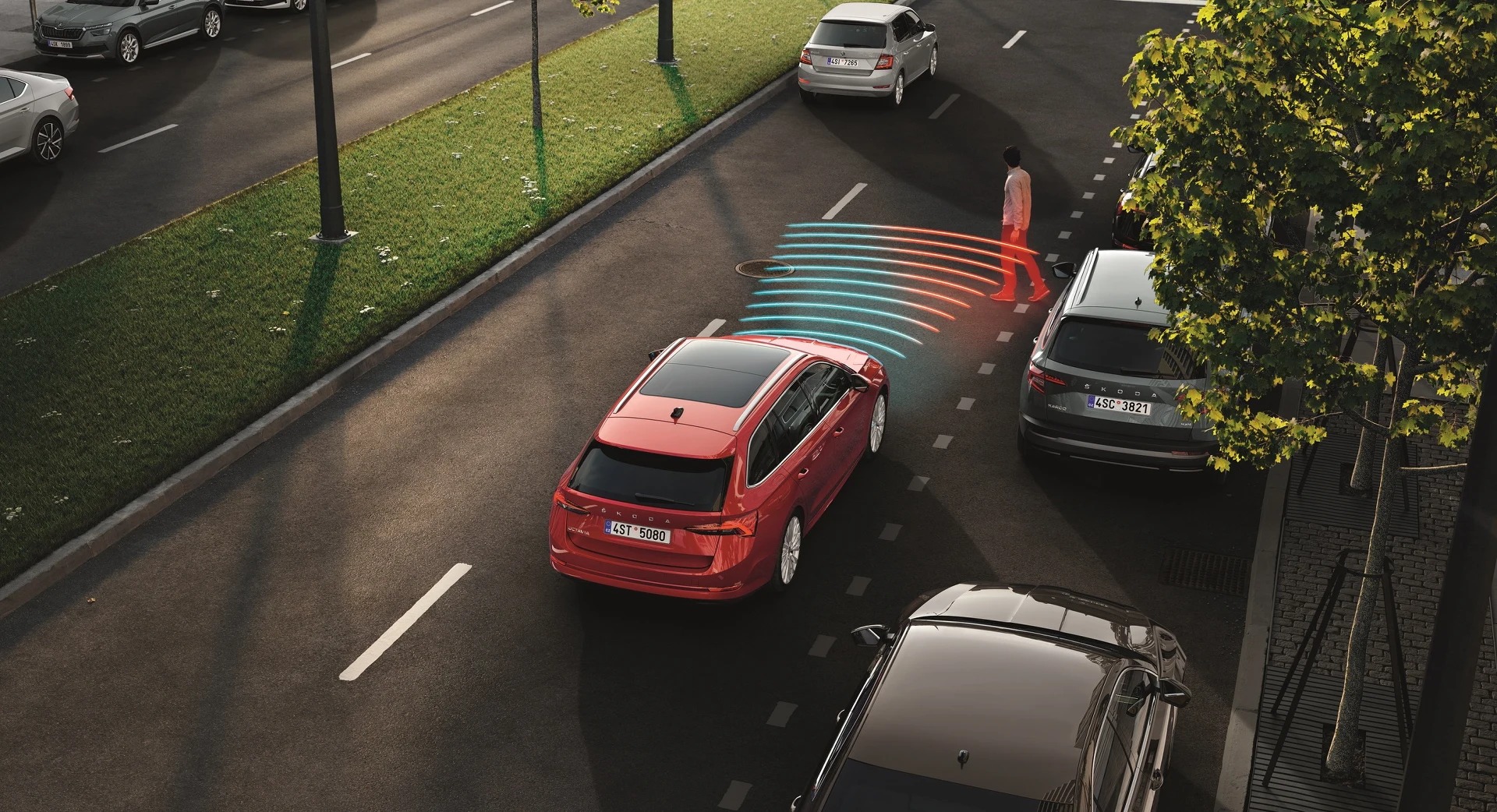
Manufacturers can address this through calibration. Warning timing can be adjusted so minor steering movements do not trigger unnecessary alerts.
Steering assistance can be tuned to feel smoother. Audible, visual, and tactile warnings can be coordinated so drivers receive useful information without feeling overwhelmed.
Controls deserve attention, too. If a vehicle allows owners to adjust warning or assistance settings, they may have less reason to disable the entire system. Clear menus can make those choices easier.
Construction areas and worn lane markings can challenge sensors. A system that communicates its limitations clearly may feel more trustworthy than one that delivers a strong warning without explaining what it detected.
J.D. Power’s technology research emphasizes owner experience rather than simply counting available features. Smoother responses may encourage continued use.
The Numbers Reveal a Bigger Design Challenge
The 61% versus 21% gap is striking because owners who found the warnings bothersome were much more likely to report disabling the feature.
At the same time, 63% of bothered owners still wanted lane assistance in their next vehicle. The goal should not simply be to persuade owners to leave a system switched on.
Two vehicles may advertise lane-centering assistance while delivering different steering feel, warning frequency, vibration, and controls.
A test drive can provide information that a feature list cannot. For many buyers, the quality of that interaction may matter just as much as having the feature.
Controls deserve attention alongside sensors and software. A capable system still needs feedback that makes sense during normal driving.
What Drivers Should Know Before Turning It Off
Drivers who find lane assistance annoying should first understand what their vehicle’s system does. Depending on the model, it may provide warnings, steering assistance, or both.
Some vehicles allow drivers to adjust warning volume, intervention levels, or operating modes. Checking those options may be preferable to disabling the entire system.
Lane assistance is not a substitute for attentive driving. Performance can vary with road conditions, and the driver remains responsible for monitoring traffic and controlling the vehicle. The J.D. Power findings show that drivers can appreciate safety technology while disliking the way it communicates.
The 61% disable rate among bothered owners shows how annoyance can affect usage, while 91% future demand among unbothered owners shows the appeal when the feature works comfortably.
For automakers, better alerts may matter as much as better hardware. For buyers, the real test is how naturally the system behaves behind the wheel.
