
Remember when a supercar cost about the same as a nice house? Those days are long gone. Automakers keep launching new generations with price tags that make the old ones look like bargains. Sometimes the jump is a modest step. Other times the new car costs double, triple, or more than the one it replaced.
This guide looks at seven cars with some of the biggest price jumps between generations, from a Ford GT that nearly tripled in price to hypercars that now sell for millions. You’ll see the numbers, why prices climbed so sharply, and what those increases mean for the used market. One quick note. The prices listed here are launch or list prices and are not adjusted for inflation unless stated otherwise. Grab a calculator and a strong coffee.
1. Ford GT – About $150,000 to around $400,000
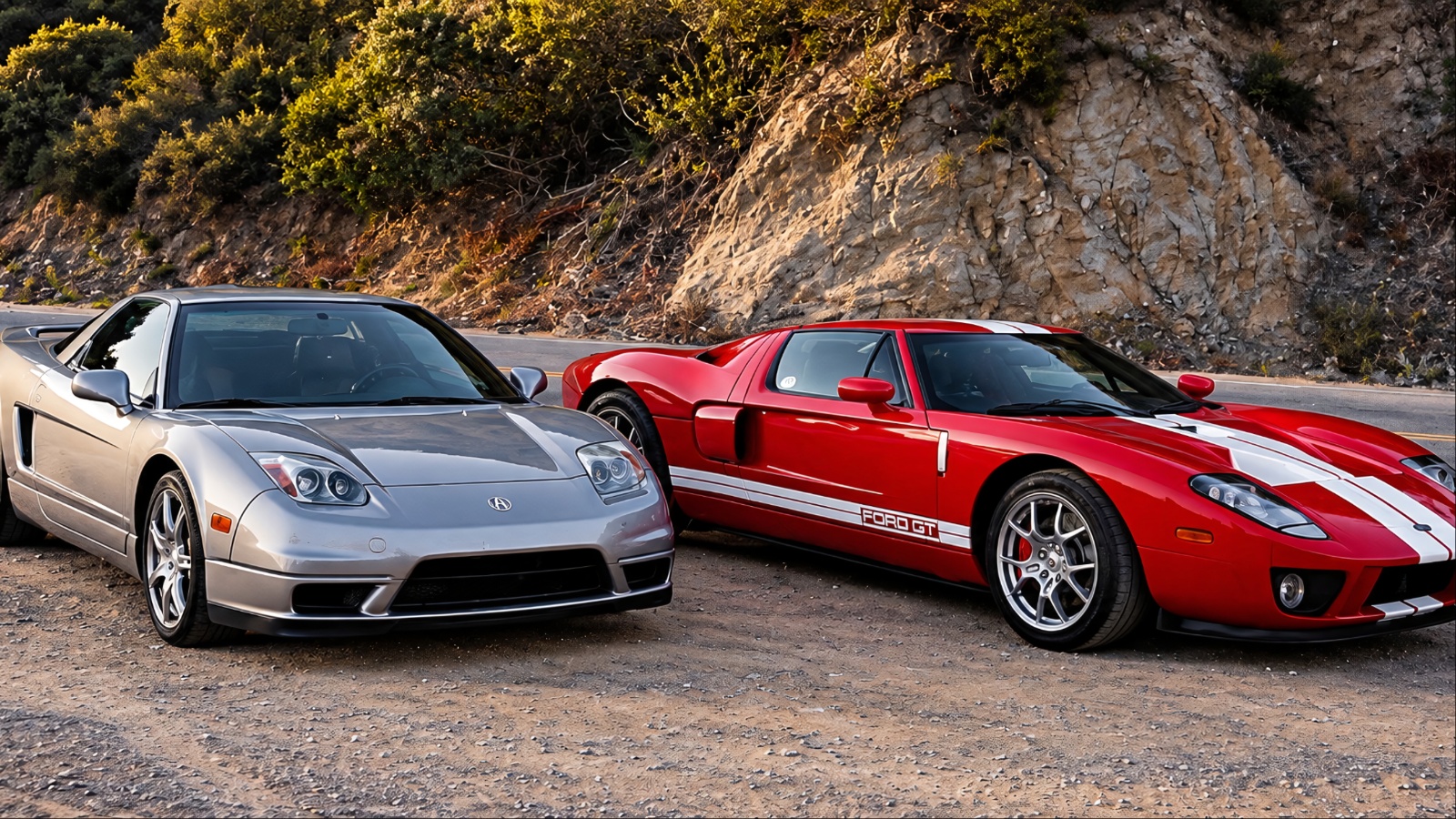
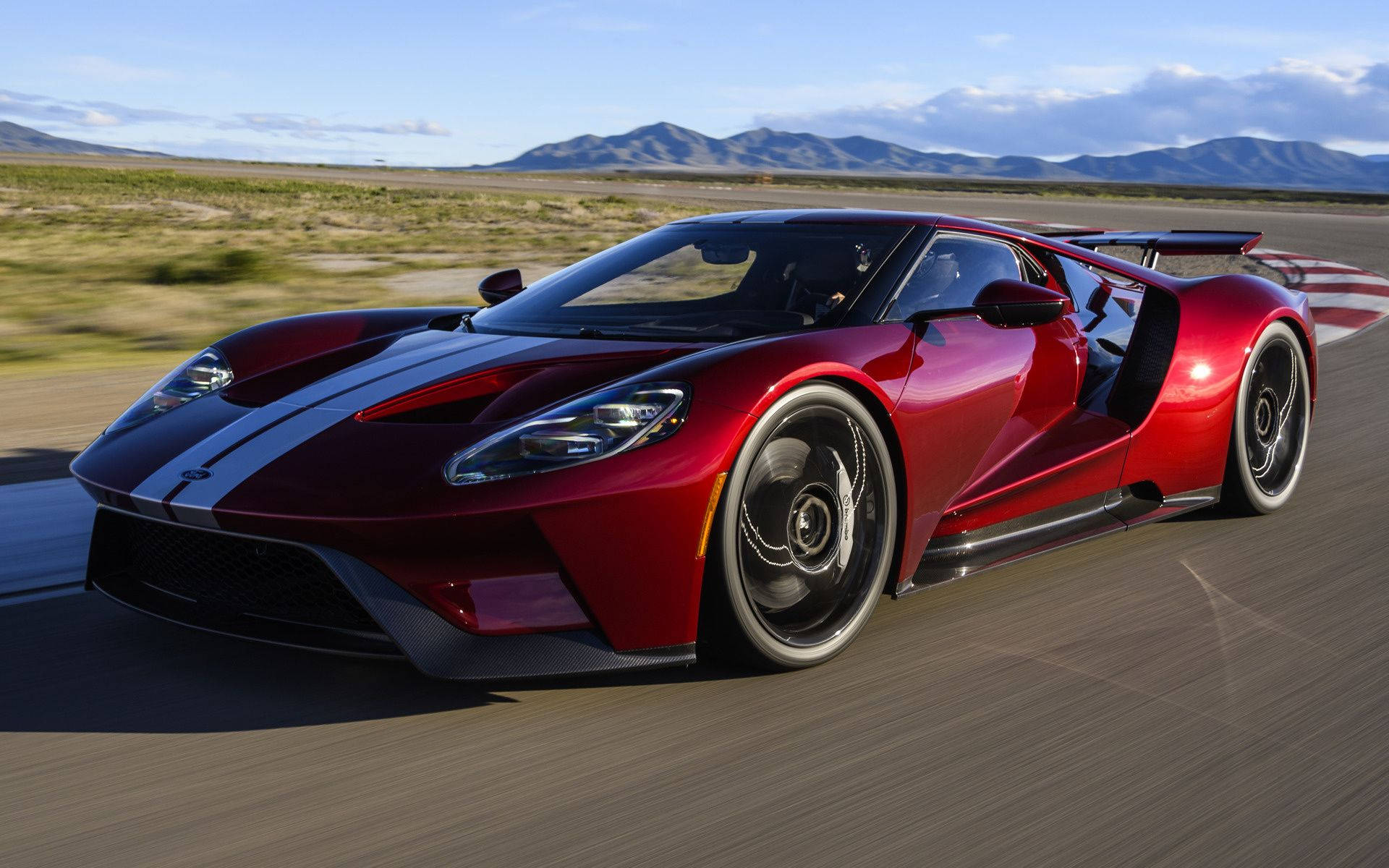
The Ford GT is a textbook case of a price that outran its nameplate. The 2005 GT cost about $150,000. When its successor arrived for 2016, it was expected to land around $400,000. That’s nearly triple.
Let’s break down why. The 2005 car was a retro-inspired tribute built around traditional supercar ideas, with a large supercharged V8 mounted behind the seats and styling influenced by the 1960s racer. It was exotic, yet it still looked unmistakably like a Ford.
The 2016 car took a very different road. It used a carbon fiber tub, a twin-turbo V6, and racing-inspired aerodynamics, and it was developed with a clear eye on competition. Ford also chose to build it in small numbers, which gave the company room to charge a lot more.
Is nearly triple fair? It depends on what you value. If you compare raw speed per dollar, the older car looks like a bargain. If you compare materials, technology, and exclusivity, the newer car shows where the money went.
Here’s the practical lesson for buyers. A big price jump at launch often drags the older model’s used prices upward too. People who can’t afford the new car start shopping for the one that came before it. Keep that in mind if you’re eyeing a first-generation example.
Remember, the $400,000 figure was an expected price at the time, not a final sticker.
2. Acura NSX – $60,600 in 1991 to $156,000 in 2017
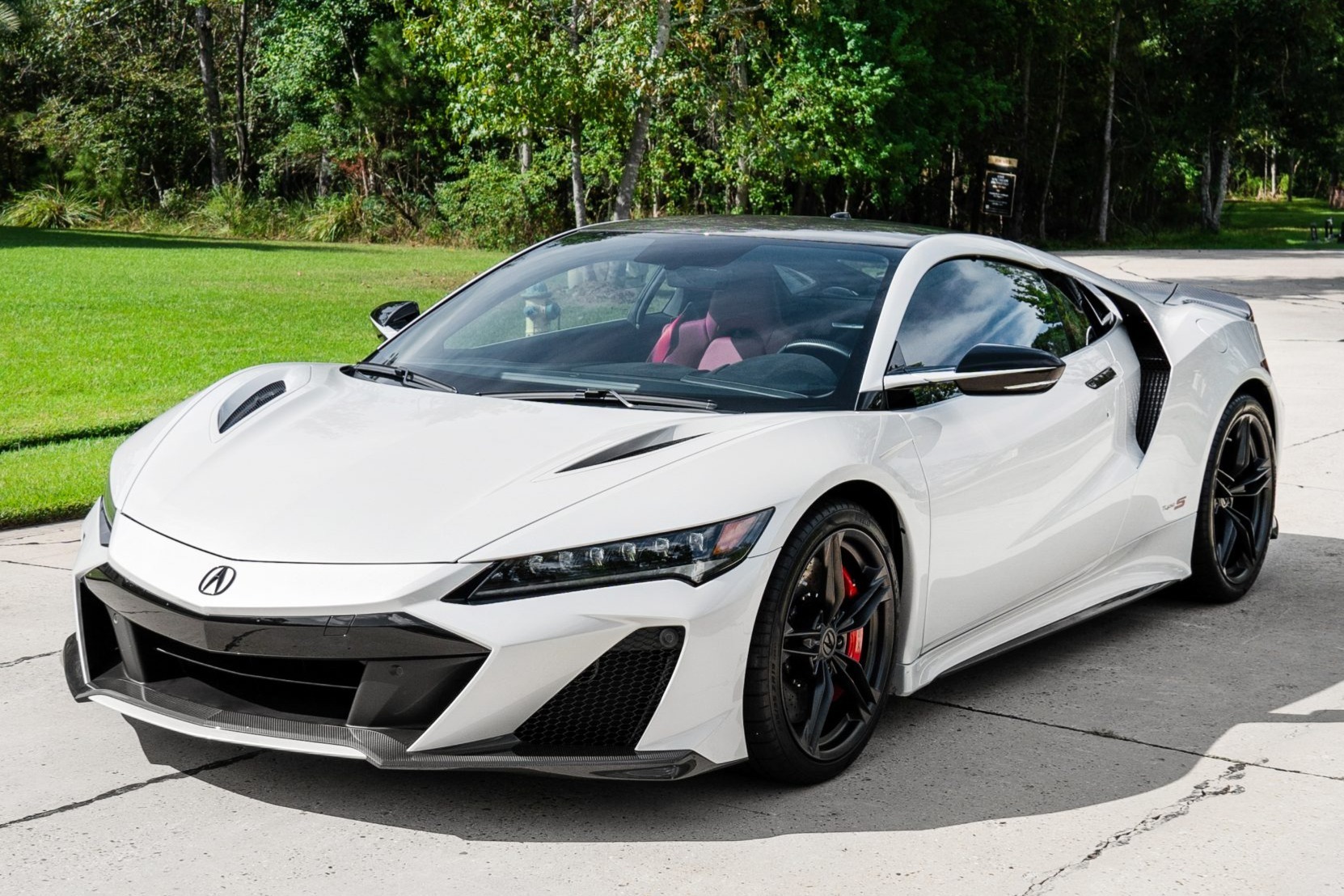
Look at the Acura NSX, and the sticker numbers tell a tidy story. The first one cost $60,600 in 1991. The 2017 version started at $156,000. On paper, that’s more than two and a half times as much.
Now for an honest caveat about the math. A dollar in 1991 bought much more than a dollar in 2017, so the real jump is smaller than it looks.
Once you adjust for inflation, the first NSX would cost far more today than its original price suggests, and the gap between the two cars narrows. That’s why it matters to say whether prices are adjusted. A raw comparison can make a jump sound bigger than it was.
Even so, the newer car clearly cost more in real terms, and the reasons are easy to spot. The original was a light, aluminum-bodied sports car that aimed to beat Ferrari on everyday usability. The 2017 version was a hybrid with a twin-turbo V6 and electric motors.
A system built around batteries, electric motors, and software costs significantly more to produce than a traditional engine and gearbox. Buyers also expect more from modern vehicles, including higher-quality interiors, advanced safety features, and large digital displays.
The key takeaway is simple. When you see a dramatic price comparison, ask one question first. Has the figure been adjusted for inflation?
3. Bugatti Veyron to Chiron – More than twice the price
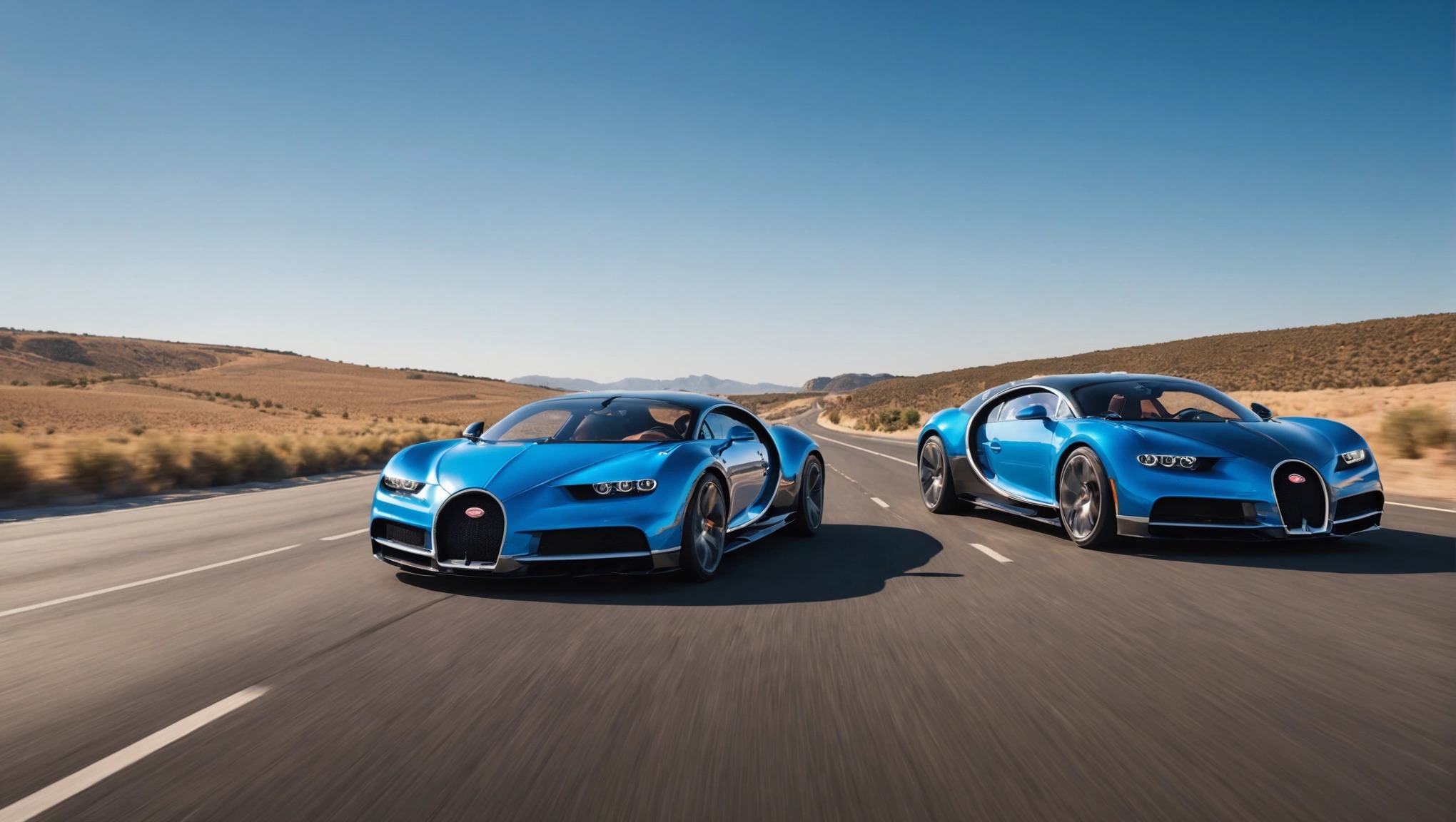
Meet the car that made seven figures look normal. The Bugatti Chiron cost about $2.4 million, which is more than twice the price of the Veyron it replaced.
Think about what the Veyron already did. It arrived in the mid 2000s with around 1,000 horsepower and a top speed above 250 mph, and it shocked everyone.
So how do you top that? Bugatti’s answer was more power, more speed, and more of everything. The Chiron pushed output to about 1,500 horsepower.
Then add craftsmanship. Bugatti sells these cars as rolling art, with hand-finished details, huge amounts of exposed carbon fiber, and endless personalization. The more one-of-a-kind a car feels, the more a buyer will pay.
Doubling the price sounds shocking until you consider who is shopping. Buyers at this level compare a Bugatti with other hypercars, yachts, and private aircraft, not with family sedans. Price sensitivity isn’t part of the equation, and demand for ultra-exclusive cars rarely follows ordinary rules.
What can the rest of us learn? The jump isn’t always about the car becoming twice as good. Sometimes it’s about moving a whole brand into a higher tier, then letting scarcity do the rest.
The Veyron once seemed impossibly expensive. The Chiron made it look like a warm-up.
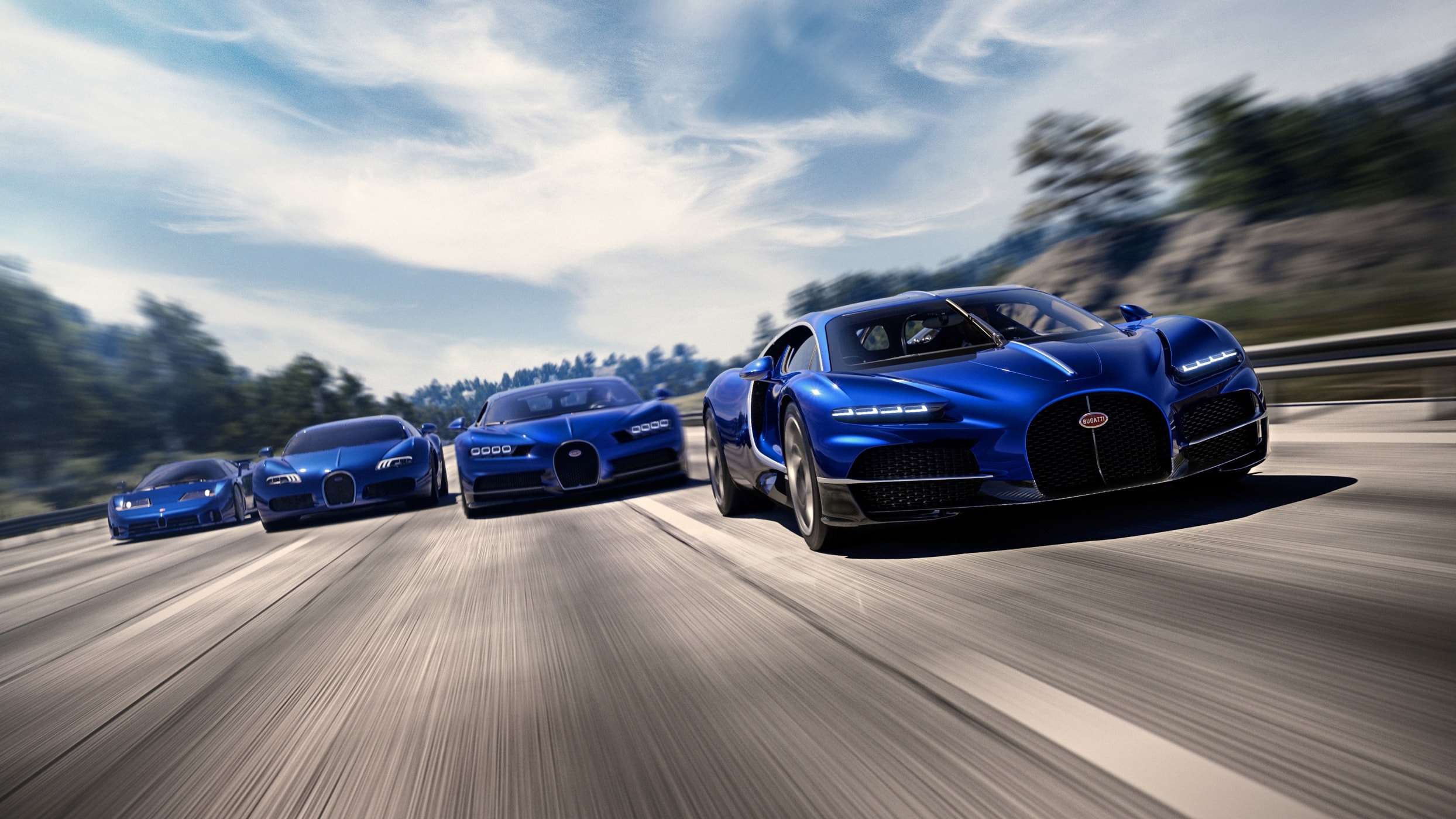
4. Bugatti Chiron to Tourbillon – About €1.4 million more
Just when you thought Bugatti had run out of room, along came the Tourbillon. It costs €3.8 million, about €1.4 million more than the Chiron. That’s roughly a 58 percent increase, and it follows a price that had already doubled once.
Let’s run through it as a quick Q&A.
What changed? The Tourbillon replaces the old turbocharged W16 with a new V16 engine paired with electric power. That’s a bold change for a brand known for one famous engine layout.
Is it only about performance? No. Bugatti leans hard on design and craftsmanship, including an instrument cluster inspired by fine watchmaking. The name itself nods to a watch complication. Buyers aren’t just purchasing speed. They’re buying a piece of mechanical art.
Who actually buys it? Many are collectors who already own a Chiron or other rare cars, and they treat a new Bugatti as another chapter in a collection.
Will the price hold? Limited-production cars often keep their value, but nothing is guaranteed, and the market can cool.
Here’s a sobering comparison. The €1.4 million gap alone costs more than most people will ever spend on a house, and it’s only the difference between two generations of one car. At this level, increases come in steps that dwarf ordinary budgets.
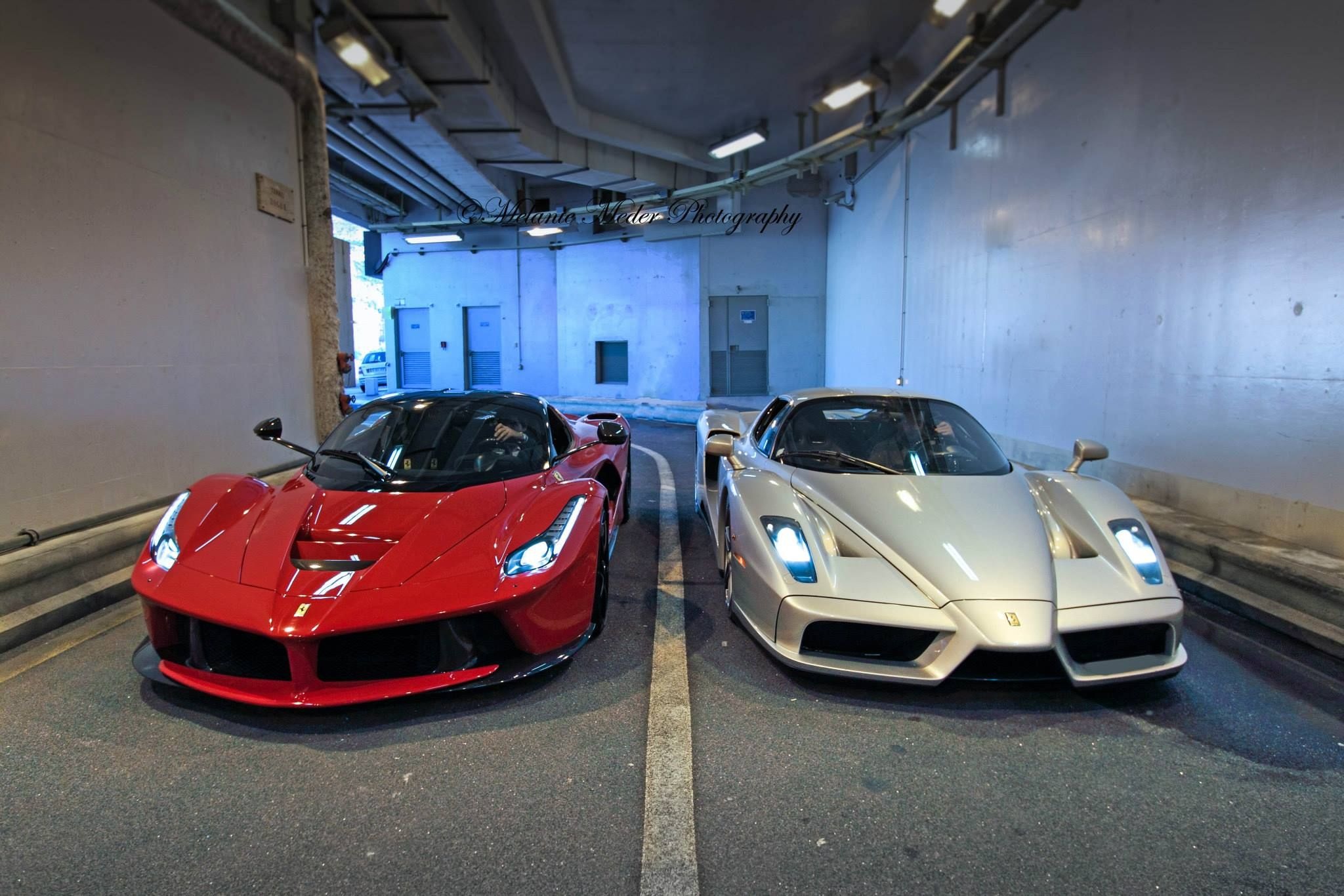
5. Ferrari Enzo to LaFerrari – Roughly $650,000 to $1.4 million
Picture a Ferrari dealer in 2013 telling a customer that the new flagship costs $1.4 million. The customer doesn’t blink. That’s how the LaFerrari arrived. Its predecessor, the Enzo, had carried a sticker of roughly $650,000 to $660,000. The successor cost more than double.
Buyers didn’t flinch, either. All 499 LaFerraris were spoken for by the end of 2013, with 120 of them earmarked for North America.
What did the extra money buy? The LaFerrari was Ferrari’s first hybrid, pairing a V12 with an electric motor for roughly 960 horsepower combined, compared with about 660 for the Enzo.
There’s another reason, and it’s about the used market. By late 2013, Enzos were trading at prices approaching $2 million, around three times their original sticker. Ferrari could see that buyers valued rarity and heritage, and it priced the next car with that in mind.
Exclusivity played a part as well. Reports said buyers had to show they already owned a collection of prestigious Ferraris just to be considered.
The lesson is simple. When a predecessor climbs far above its launch price, the maker notices, and the next generation often starts high to capture some of that value.
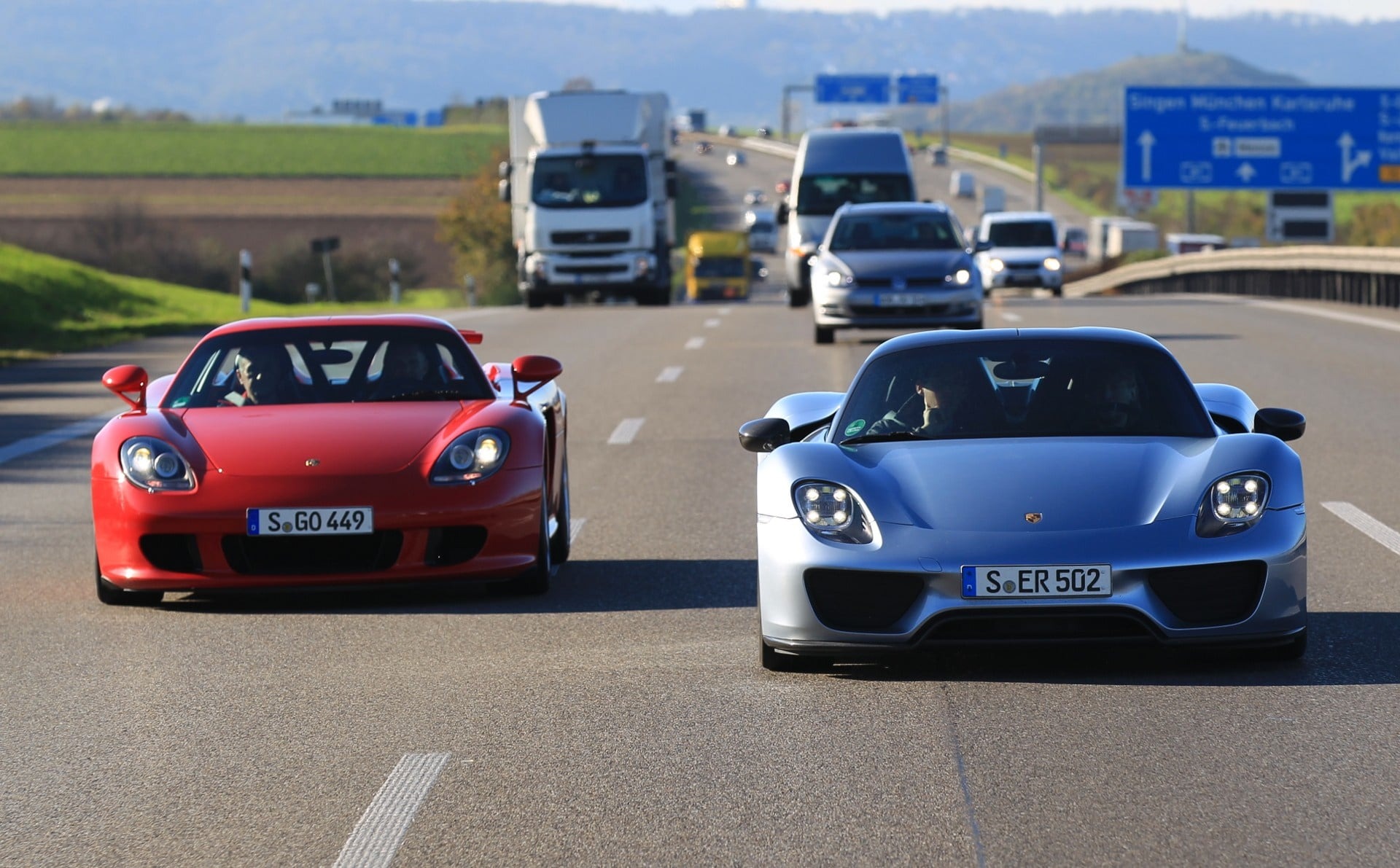
6. Porsche Carrera GT to 918 Spyder – $440,000 to $845,000
Porsche offers a clean example of a price nearly doubling. The Carrera GT carried a $440,000 sticker. Its successor, the 918 Spyder, started at $845,000, and the Weissach package pushed the total to $929,000. That’s about 92 percent more for the base car.
Compare the personalities. The Carrera GT was a raw, naturally aspirated V10 machine with a six-speed manual and a reputation for demanding respect.
The 918 was a plug-in hybrid that paired a V8 with electric motors, and it drove all four wheels in most situations. It was quicker, more efficient, and packed with technology.
Production numbers helped, too. Porsche planned to build exactly 918 of them, and a limited run keeps prices firm. Did buyers regret paying so much? History suggests many didn’t.
The 918 has since sold for well over its original price, and one dealer listing for a 2005 Carrera GT showed more than $3 million. Both cars have climbed far past their launch prices.
Here’s a small caution for shoppers. Rising values are not a promise. They depend on rarity, condition, mileage, and the mood of the collector market.
Still, the pattern is worth keeping in mind. When a manufacturer combines a significant price increase with limited production, the vehicle can hold its value well over time.
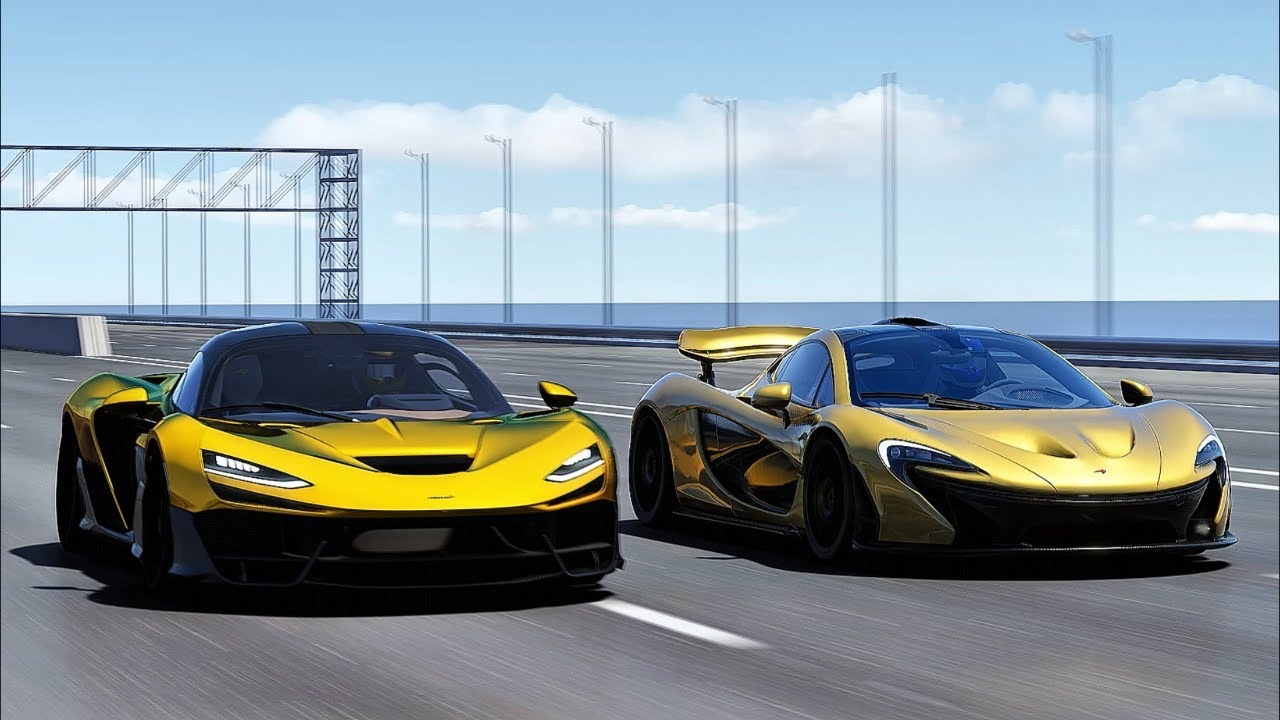
7. McLaren P1 to W1 – About $1.15 million to $2.1 million
We’ll finish with McLaren, a brand that keeps its flagship cars on a steady, pricey path. The P1 cost about $1.15 million in the United States, or £866,000 in the United Kingdom.
Its successor, the W1, starts at $2.1 million in the United States, with a UK price of about £2 million. That’s close to double. The earlier jump was steep as well.
According to one British magazine, the F1 cost £540,000 when new, and the P1 that followed cost £866,000. What explains the climb? Power is one reason.
The W1 makes about 1,258 horsepower, compared with 903 for the P1. Technology moved forward too, with a lighter hybrid system and fresh aerodynamics. Production stayed tiny, with 399 W1s planned and every one already spoken for, compared with 375 P1s.
Let’s close with a reminder about reading these numbers. Launch prices are one thing, and inflation adjustments are another. A price that doubles in raw dollars may rise less in real terms, as the NSX example showed.
So when you see a headline claiming that a car costs twice as much as its predecessor, ask three questions. What year are the prices from, which currency is being used, and have the figures been adjusted for inflation? Those answers can turn a shocking number into a fair comparison.
