Reliability can matter more than horsepower, technology, or styling when a vehicle is expected to serve for years. Consumer Reports’ 2026 predicted reliability rankings highlight a group of vehicles that fall far below the strongest performers in its survey.
The scores are based on owner experiences across 20 potential trouble areas, covering everything from powertrain and electrical problems to climate systems, brakes, and in-car electronics.
The gap is substantial. The GMC Acadia scores just 14 out of 100, while the Subaru Impreza leads the same reliability scale with a score of 80. Here are the first two vehicles at the bottom of the 2026 rankings.
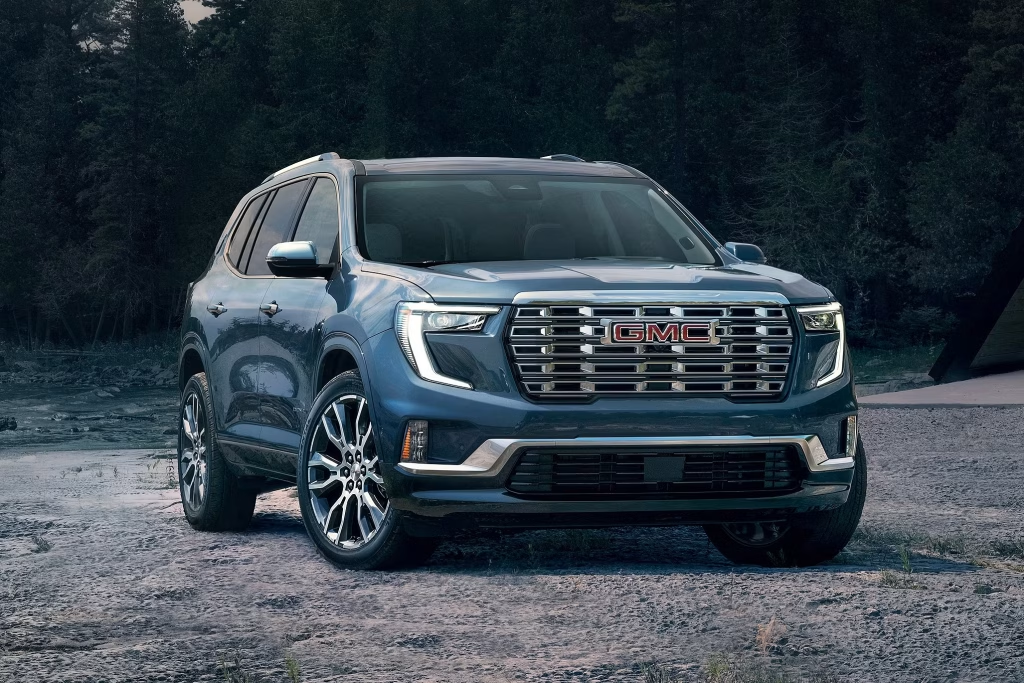
1. GMC Acadia
The 2026 GMC Acadia has the lowest predicted reliability score in Consumer Reports’ 2026 rankings, with just 14 points out of 100. That puts the three-row SUV dramatically behind the Subaru Impreza, which leads the same list with 80.
Consumer Reports classifies the Acadia as much less reliable than the average new car, basing its prediction on data from the 2024 and 2025 models as well as GMC’s brand-level reliability performance.
The result is particularly notable because the Acadia was redesigned for the 2025 model year. Consumer Reports specifically warns that newly redesigned vehicles can experience early reliability problems because manufacturers are still working through the first production cycles.
The publication says the Acadia is among the redesigned 2025 models that received a well-below-average reliability prediction for 2026.
That does not mean every Acadia will suffer a major mechanical breakdown. A predicted reliability score is a statistical forecast based on previous model-year information, not a guarantee that a particular vehicle will fail.
Consumer Reports gathers information across 20 trouble areas, including the engine, transmission, brakes, suspension, electrical accessories, body hardware, climate system, and in-car electronics.
The Acadia’s position therefore reflects a broad concern about expected trouble frequency rather than one isolated defect. For shoppers considering a recently redesigned SUV, its 14-point score is a strong reason to compare reliability data before committing to a purchase.
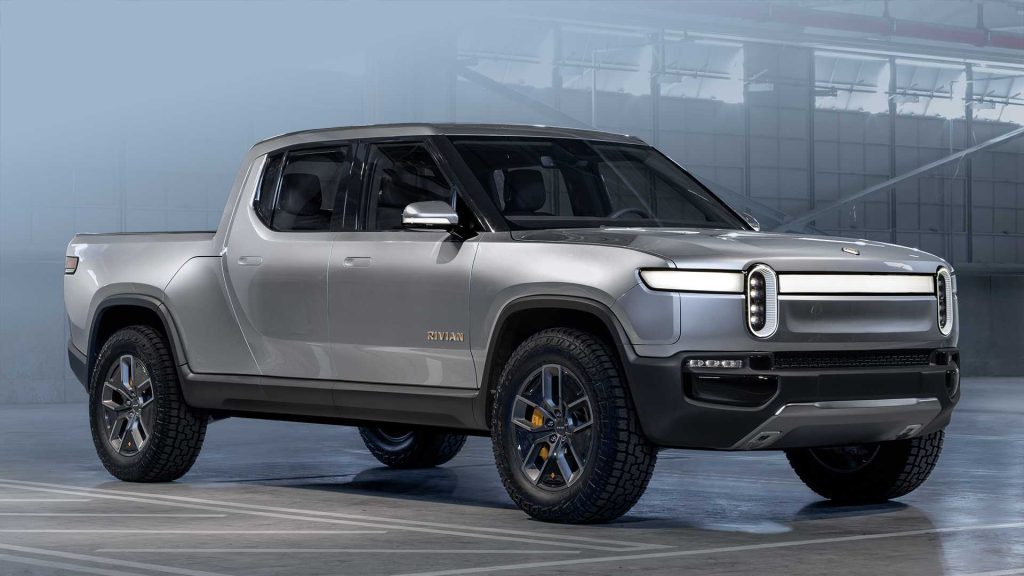
2. Rivian R1T
The Rivian R1T records an 18 out of 100 predicted reliability score for 2026, making it the second-lowest vehicle on Consumer Reports’ list. That places the electric pickup only four points above the GMC Acadia and far below the Subaru Impreza’s class-leading 80.
Consumer Reports expects the 2026 R1T to be much less reliable than the average new vehicle. Its prediction is based on information from the 2023 and 2024 R1T models along with Rivian’s brand-level scores.
The R1T’s position is interesting because reliability is not the same thing as owner satisfaction. Consumer Reports identifies Rivian as its highest-ranked brand for owner satisfaction in the 2026 survey, even though Rivian sits last among brands in new-car reliability.
That contrast shows why a vehicle can be highly appealing to owners while still generating concerns about long-term dependability.
Consumer Reports has also noted that the R1T delivers strong performance, comfort, and off-road capability, but its technology-heavy interior can create compromises.
The organization points to screen-based controls for functions such as air-vent adjustment and describes the regenerative braking as aggressive enough to make smooth driving more difficult.
The reliability score should therefore be interpreted carefully. It does not say that every R1T will develop a serious fault, nor does it erase the pickup’s strengths.
Instead, the 18-point prediction indicates that owners of recent R1T models have provided enough reliability data for Consumer Reports to expect substantially more problems than with the average new vehicle.
That makes the R1T one of the most striking examples of the difference between satisfaction and dependability in the 2026 rankings.
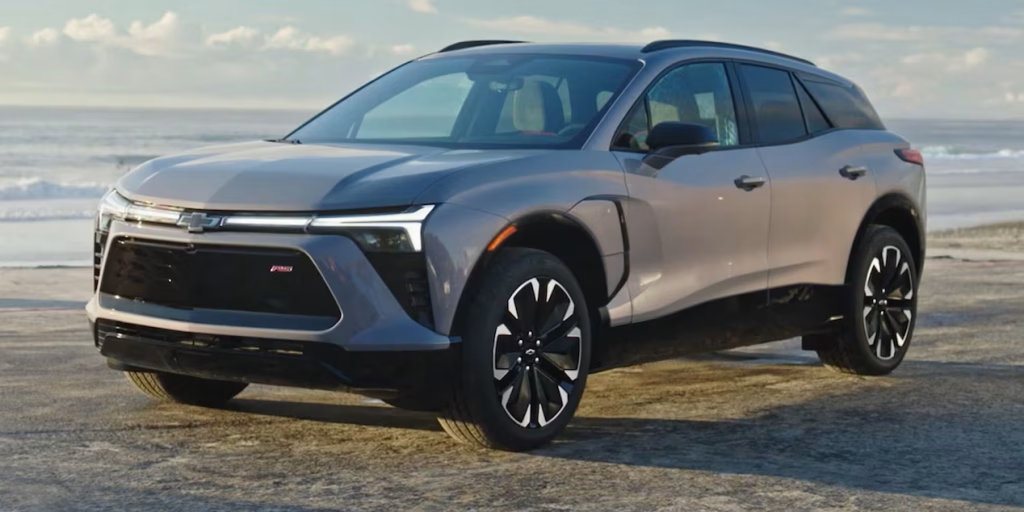
3. Chevrolet Blazer EV
The Chevrolet Blazer EV scores just 19 out of 100 for predicted reliability, placing it third from the bottom of Consumer Reports’ 2026 ranking.
That score is especially notable because the Blazer EV is part of GM’s newer electric-vehicle lineup, where software, charging hardware, and battery-management systems add different potential failure points than those found in conventional gasoline vehicles.
Consumer Reports’ survey identifies problems involving the EV battery, climate system, electrical accessories, in-car electronics, and other areas.
The publication’s reliability methodology looks at 20 potential trouble areas and weighs problems according to their severity. That means a vehicle does not receive a low score simply because owners report a large number of minor annoyances. More serious issues involving expensive or important systems can have a greater influence on the prediction.
The Blazer EV’s reliability concerns include battery malfunctions and cooling issues, while the climate system has been associated with problems involving the electric heating system and air-conditioning compressor.
Owners have also reported 12-volt battery failures and problems with display screens freezing or going blank. These complaints are important because they involve systems that affect everyday usability rather than just convenience features.
Consumer Reports has also pointed to a broader pattern among several newer GM electric vehicles. Its 2026 analysis says many EVs using GM’s Ultium platform have below-average or well-below-average reliability, with the Blazer EV among the lower-scoring models.
A 19-point prediction does not mean every Blazer EV will experience these problems. It indicates that the available owner data gives Consumer Reports reason to expect substantially more trouble than in a typical new vehicle.
4. Mazda CX-90 Plug-in Hybrid
The Mazda CX-90 Plug-in Hybrid receives a predicted reliability score of 20 out of 100, putting it fourth from the bottom of Consumer Reports’ 2026 rankings.
Its position is striking because the CX-90 represents Mazda’s move into a more complicated segment, combining a gasoline engine, electric motor, battery pack, and plug-in charging system. Consumer Reports’ data indicates that several of those systems have contributed to reliability concerns.
The reported trouble areas extend well beyond the battery. Consumer Reports data identifies potential problems involving the EV battery and its cooling system, electric motors, transmission, drive system, fuel system, climate controls, steering and suspension, brakes, electrical accessories, body hardware, and in-car electronics.
Noise, leaks, and paint or trim problems are also included among the reported areas. That broad spread is important when interpreting the 20-point score. The result is not tied to a single component that could easily explain the vehicle’s position.
Instead, owners have reported difficulties across multiple systems, including both the conventional mechanical components and the electrified hardware.
Consumer Reports has separately warned shoppers that new or heavily redesigned vehicles can experience early reliability problems while manufacturers address issues discovered after launch.
The CX-90 was introduced as an all-new model for the 2024 model year, making it part of the generation of newer vehicles for which longer-term reliability data remains particularly important.
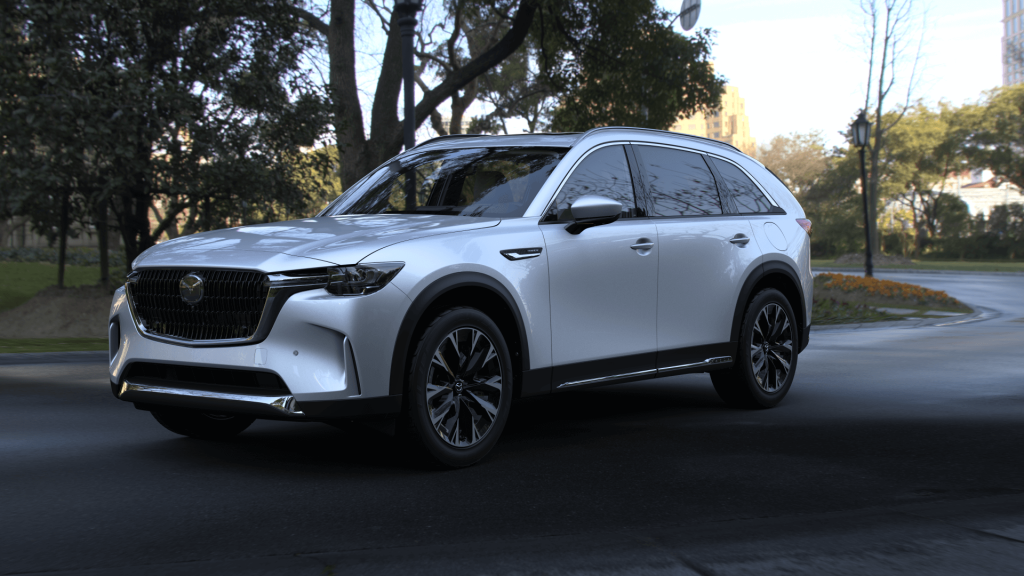
For buyers considering the plug-in hybrid, the 20-point score is therefore worth treating as a warning rather than an automatic rejection.
Consumer Reports’ prediction reflects owner-reported experience and statistical analysis, not a guarantee that an individual CX-90 PHEV will develop a fault. Still, the number places this Mazda far below the 80-point Subaru Impreza at the top of the same 2026 reliability scale.
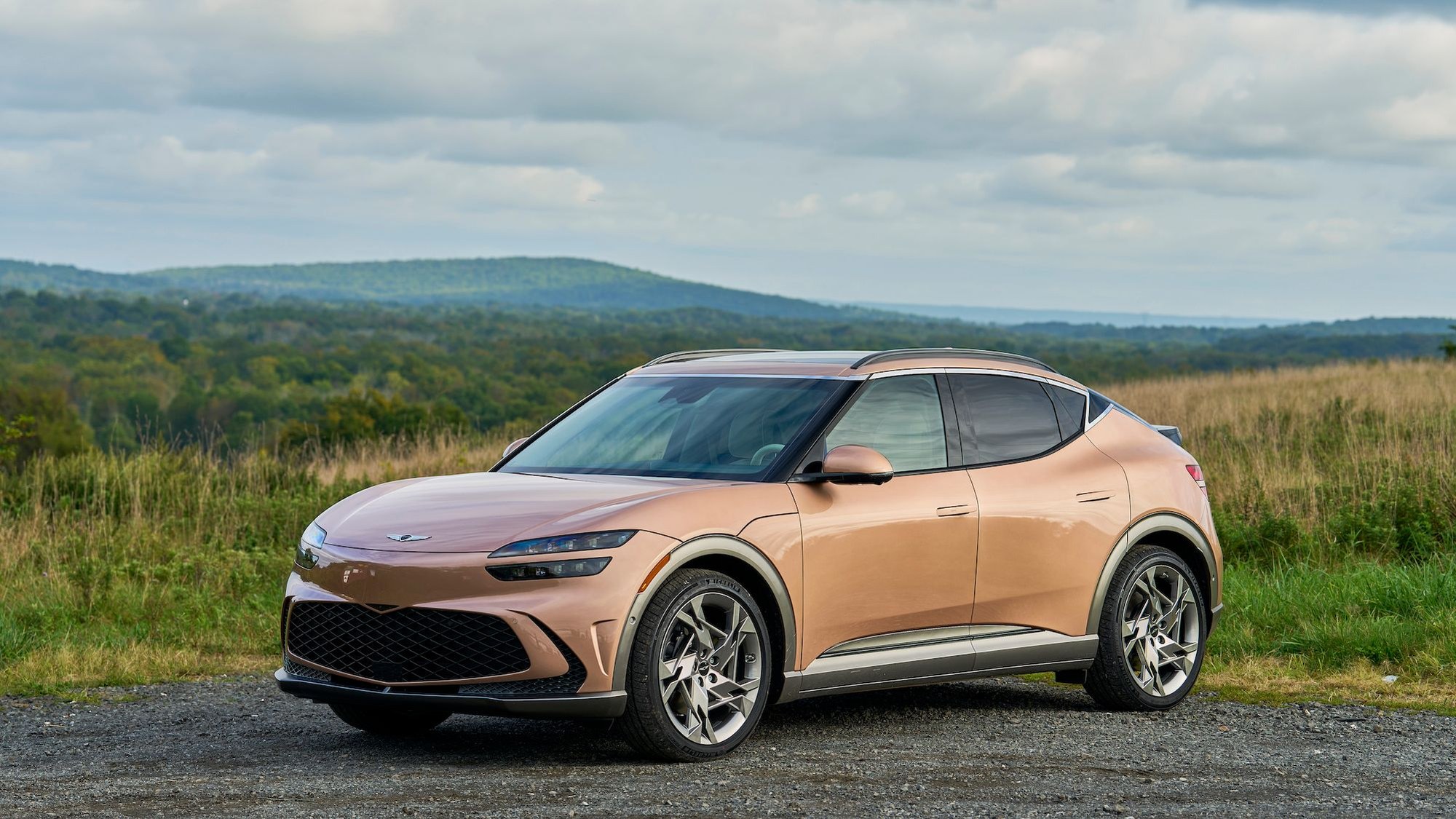
5. Genesis GV60
The Genesis GV60 ranks fifth from the bottom of Consumer Reports’ 2026 predicted reliability list, scoring 21 out of 100. That places this luxury electric SUV well below the average new vehicle and only slightly ahead of the Mazda CX-90 Plug-in Hybrid at 20.
Consumer Reports bases the prediction on owner survey data from roughly 380,000 vehicles and information covering 20 potential trouble areas.
The GV60’s low position is part of a wider reliability issue affecting several electric vehicles from Hyundai Motor Group. Consumer Reports specifically points to the integrated charging control unit, or ICCU, as a component that has created problems in several Hyundai, Kia, and Genesis EVs.
Survey data has identified ICCU-related issues in the Genesis GV60, alongside problems reported with other electrical and charging components.
The vehicle has also faced a 2026 recall involving its instrument-panel display. According to Consumer Reports’ NHTSA information, a software error could cause the display to fail to show important information such as the speedometer or other critical data. Genesis issued an over-the-air or dealer software remedy for affected vehicles.
That distinction matters because Consumer Reports’ reliability rating is not simply a count of recalls. Its methodology considers problems ranging from relatively minor software issues to major failures involving electric motors, batteries, and charging systems, while weighting them according to severity and impact on the owner.
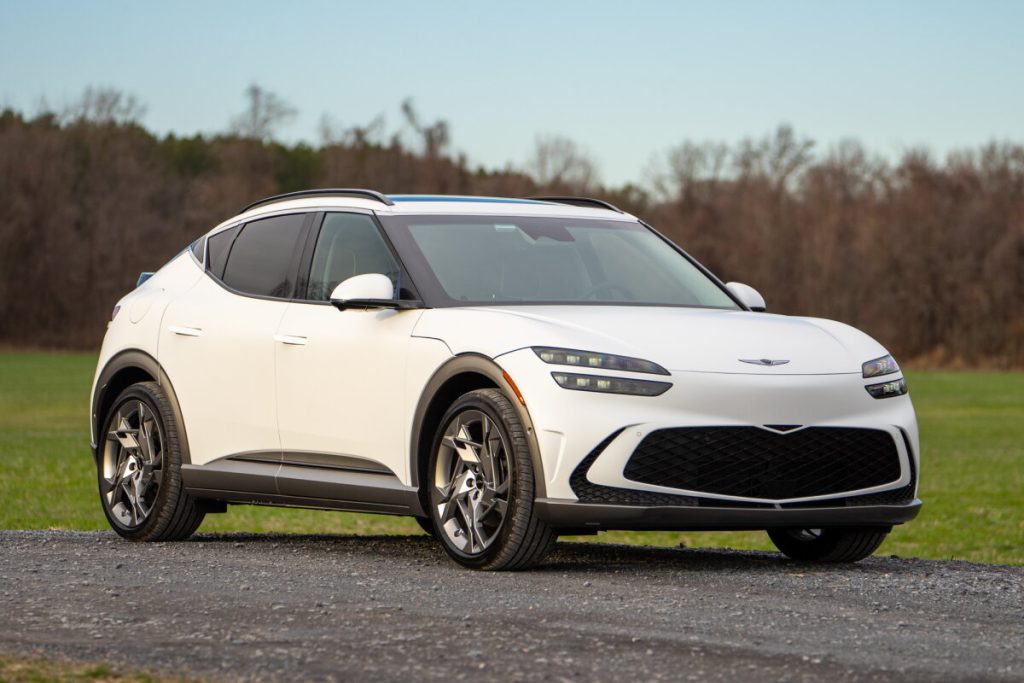
A 21-point score does not mean every GV60 will encounter these faults. It indicates that the available owner data gives Consumer Reports reason to expect considerably more problems than with a typical new vehicle.
For buyers attracted to the GV60’s luxury features and electric performance, its reliability prediction is therefore an important part of the purchasing decision.
6. Mazda CX-90
The gasoline-powered Mazda CX-90 receives a predicted reliability score of 23 out of 100, making it the sixth-lowest vehicle in Consumer Reports’ 2026 rankings. Unlike several models on this list, the CX-90’s concerns are not primarily tied to an electric powertrain.
Instead, Consumer Reports reports problems involving several conventional mechanical and electrical systems.
The CX-90 represents a major engineering change for Mazda. It uses a new rear-wheel-drive-based platform, a new engine family and a new transmission.
Consumer Reports notes that Mazda took a less conservative approach than manufacturers such as Toyota and Subaru when developing these SUVs. The CX-70 and CX-90 also introduced Mazda’s first plug-in hybrid powertrains.
Owner reports have identified trouble involving the major engine and transmission, while steering, brakes, and electrical accessories have also appeared among the problem areas. Some owners have reported failures involving convenience equipment such as keyless-entry systems.
The timing is significant. Consumer Reports warns that all-new or heavily redesigned vehicles frequently experience early reliability problems as manufacturers identify and correct issues that were not apparent during development. The CX-90 remains an example of that challenge because its platform and powertrain combination was new when it entered the market.
Mazda’s wider reliability standing has consequently taken a hit. Consumer Reports says the brand fell eight positions in its 2026 reliability ranking, with the CX-70 and CX-90 contributing heavily to the decline while older Mazda models continued to perform much better.
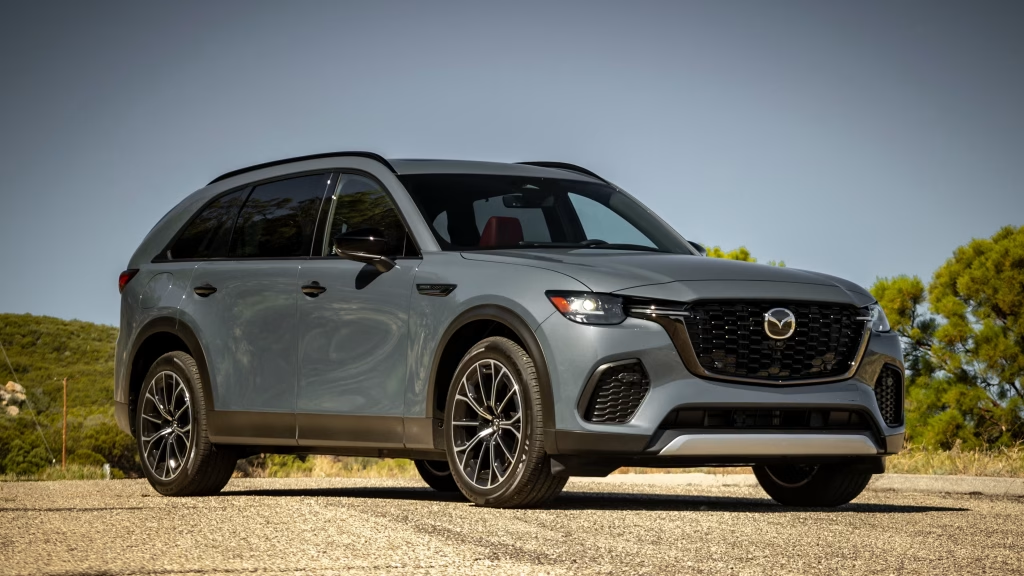
The 23-point score should not be treated as proof that every CX-90 will be troublesome. It is a statistical prediction based on reported owner experiences and available model data.
Still, the contrast with high-scoring Mazda models shows why buyers should pay close attention to model-specific reliability rather than assuming an automaker’s reputation applies equally to every vehicle in its lineup.
7. Kia EV9
The Kia EV9 earns a predicted reliability score of 24 out of 100, putting the three-row electric SUV seventh from the bottom of Consumer Reports’ 2026 rankings. The result is notable because the EV9 is one of Kia’s most ambitious recent products, combining a large family-friendly interior with a dedicated electric platform and modern charging technology.
Consumer Reports identifies several areas that have affected the EV9’s reliability record. Owner reports include problems involving the EV battery, charging system, electrical accessories, body hardware, and in-car electronics.
Some battery-related complaints involved individual cells that required replacement, while charging problems have also appeared in survey data.
The EV9’s position also illustrates a broader pattern in Consumer Reports’ 2026 research. Kia’s most reliable model is the new Carnival Hybrid, while the EV9 is the brand’s least reliable model. Consumer Reports says this contrast demonstrates how reliability can differ sharply between powertrains, even within the same automaker.
Electric vehicles have fewer traditional mechanical components than gasoline vehicles, but they introduce their own specialized trouble areas. Consumer Reports specifically tracks the electric motor, EV battery, and charging systems when evaluating EV reliability. Software and electronic systems can also become significant sources of owner complaints.
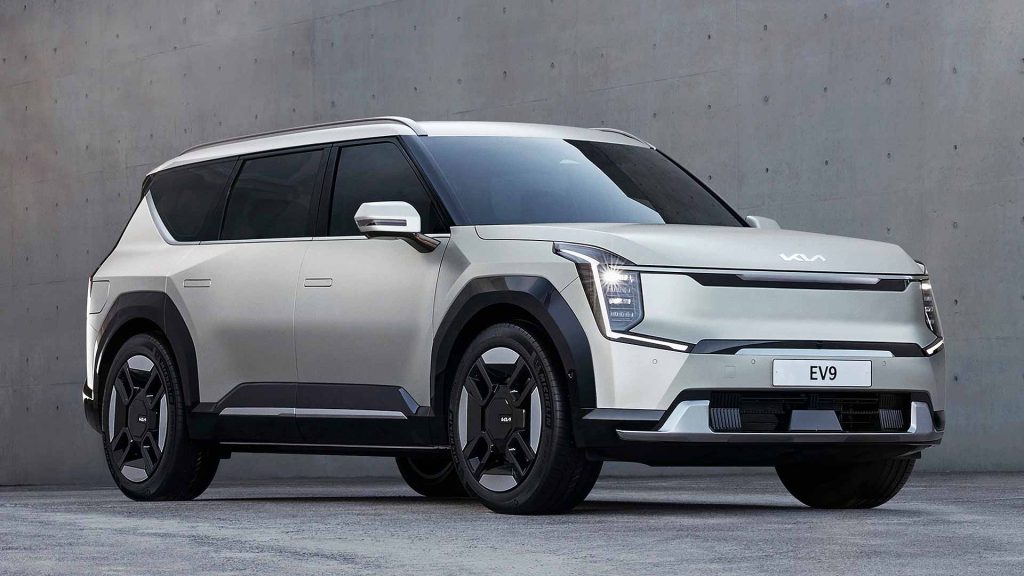
The EV9’s 24-point score should therefore be understood as a prediction of expected trouble frequency, not a statement that the vehicle is guaranteed to fail. The survey covers real owner experiences, but individual results can vary considerably.
For shoppers considering a three-row electric SUV, the EV9 remains a vehicle with considerable appeal, but its reliability data deserves attention.
The fact that Consumer Reports places it only 10 points above the bottom-ranked GMC Acadia shows how far its predicted dependability trails the strongest vehicles in the 2026 survey.
8. Kia EV6
The Kia EV6 scores 25 out of 100 for predicted reliability, placing it eighth on Consumer Reports’ list of the least reliable vehicles for 2026. Unlike the larger EV9, the EV6 has been on the market longer, giving Consumer Reports more accumulated owner information to use when evaluating its dependability.
Several of the EV6’s reported problems are tied directly to its electric powertrain. Consumer Reports identifies concerns involving the EV battery, electric motor, and charging system.
The integrated charging control unit has been a particularly important issue across Hyundai Motor Group EVs, with ICCU problems appearing in owner reports for the EV6 as well as the Hyundai Ioniq 5.
The consequences can go beyond inconvenience. Charging-system failures can affect an EV’s ability to replenish its battery, while electric-motor or battery problems can become considerably more expensive than ordinary minor repairs.
Consumer Reports therefore treats major EV powertrain concerns as significant reliability issues in its scoring system.
The EV6 has also generated complaints in areas outside its main propulsion system. Consumer Reports’ analysis identifies the climate system, brakes, and body hardware among other trouble spots. In-car electronics and electrical accessories can add another layer of potential problems for owners.
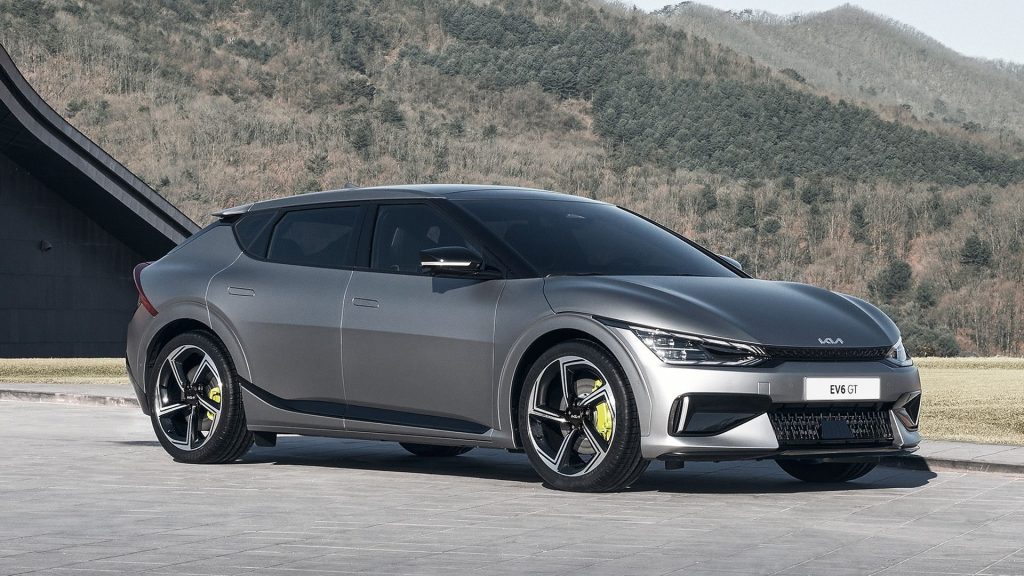
Its low ranking also fits the broader reliability pattern seen across some newer electric vehicles. Consumer Reports says EVs and plug-in hybrids continue to produce more mixed reliability results than conventional hybrids, although that does not mean all EVs perform poorly.
A 25-point rating is not a prediction that every EV6 owner will face a major repair. It reflects the frequency and seriousness of problems reported by owners in Consumer Reports’ survey.
For buyers considering a used or new EV6, the rating makes service history, recall completion, and charging-system condition particularly important factors to investigate before purchase.
9. Honda Prologue
The Honda Prologue records a predicted reliability score of 25 out of 100, tying the Kia EV6 and placing it ninth among Consumer Reports’ least reliable vehicles for 2026.
The result is particularly interesting because Honda has historically built a reputation around dependable conventional vehicles, while the Prologue represents the company’s newer electric direction in the United States.
One major reason for the Prologue’s position is its relationship with General Motors. Consumer Reports identifies the Prologue as a product of the Honda-GM partnership and notes that it uses GM’s Ultium-based electric architecture.
Several GM vehicles using this platform have recorded below-average or well-below-average reliability results.
Owner-reported trouble areas include the EV battery, charging system, climate system, drive system, and electrical accessories. In-car electronics have also generated complaints, including reports of screens freezing. Battery problems are particularly significant because Consumer Reports notes instances in which the battery required replacement.
The Prologue therefore demonstrates how an established automaker can introduce a vehicle whose reliability profile differs substantially from its broader brand reputation.
Consumer Reports specifically warns that new models and major redesigns can experience early reliability problems, making first-generation vehicles a greater risk for buyers who prioritize dependability.
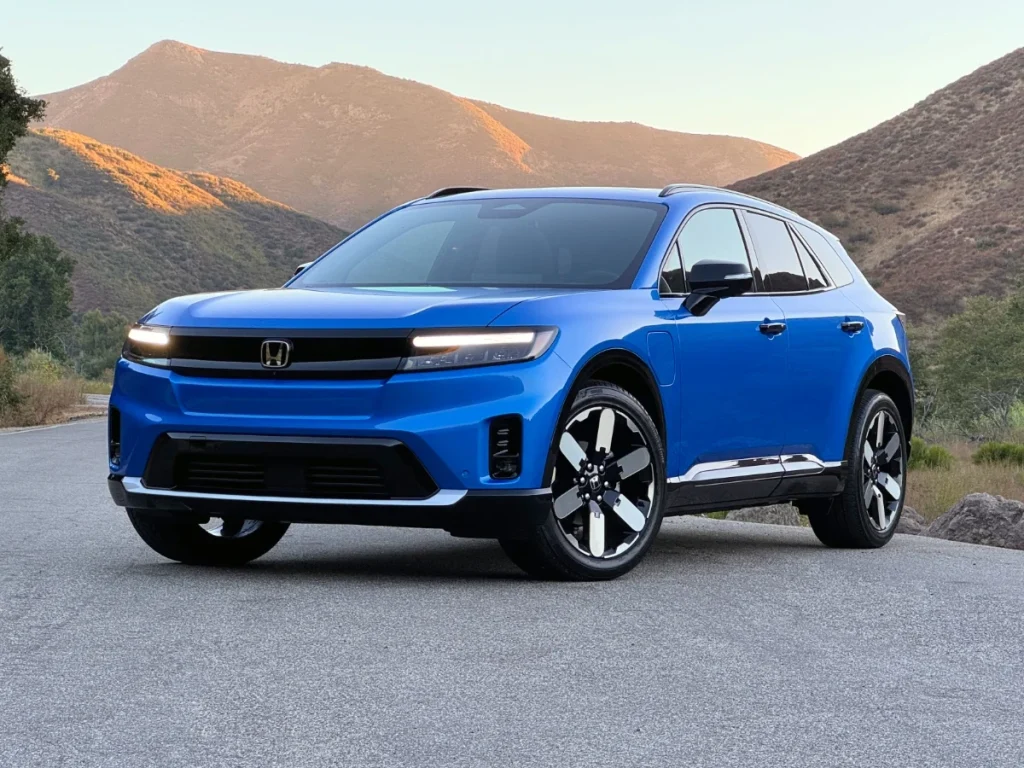
That does not make the Prologue a poor vehicle in every respect. Reliability is only one element of a vehicle’s ownership experience, and the Consumer Reports 2026 buying data lists positives such as acceleration, interior room, cabin access, and competitive driving range. Its reliability performance, however, remains a clear weakness in the survey.
For shoppers, the 25-point score provides a useful warning. Anyone considering a Prologue should pay particular attention to software updates, charging behavior, battery-related service records, and recall completion rather than assuming Honda’s traditional reputation automatically guarantees the same level of dependability.
10. Chrysler Pacifica Hybrid
The Chrysler Pacifica Hybrid completes Consumer Reports’ 2026 list with a predicted reliability score of 26 out of 100. Although that is the highest score among the ten vehicles covered here, it still places the plug-in hybrid minivan well below average and dramatically behind the Subaru Impreza’s class-leading 80.
The Pacifica Hybrid’s problems span both conventional and electrified components. Consumer Reports data identifies trouble involving major transmission and engine components, while the plug-in hybrid system introduces additional potential issues involving the EV battery and its cooling system.
In-car electronics have also been a source of complaints, including screens that can freeze or go blank. This is an important example of why plug-in hybrids can have a different reliability profile from conventional hybrids.
Consumer Reports tracks up to 20 potential trouble areas for PHEVs because they combine the systems found in gasoline vehicles with additional electric components. Those include the electric motor, EV battery and charging system.
Consumer Reports’ broader 2026 findings show that conventional hybrids generally continue to perform better for reliability than EVs and PHEVs. The organization says many long-established hybrid systems have become highly dependable because manufacturers have had years to refine them.
Plug-in hybrids can face more complexity because they retain the gasoline powertrain while adding larger battery and charging hardware.
The Pacifica Hybrid’s 26-point rating therefore reflects more than one troublesome component. It represents the accumulated effect of reported issues across multiple systems.
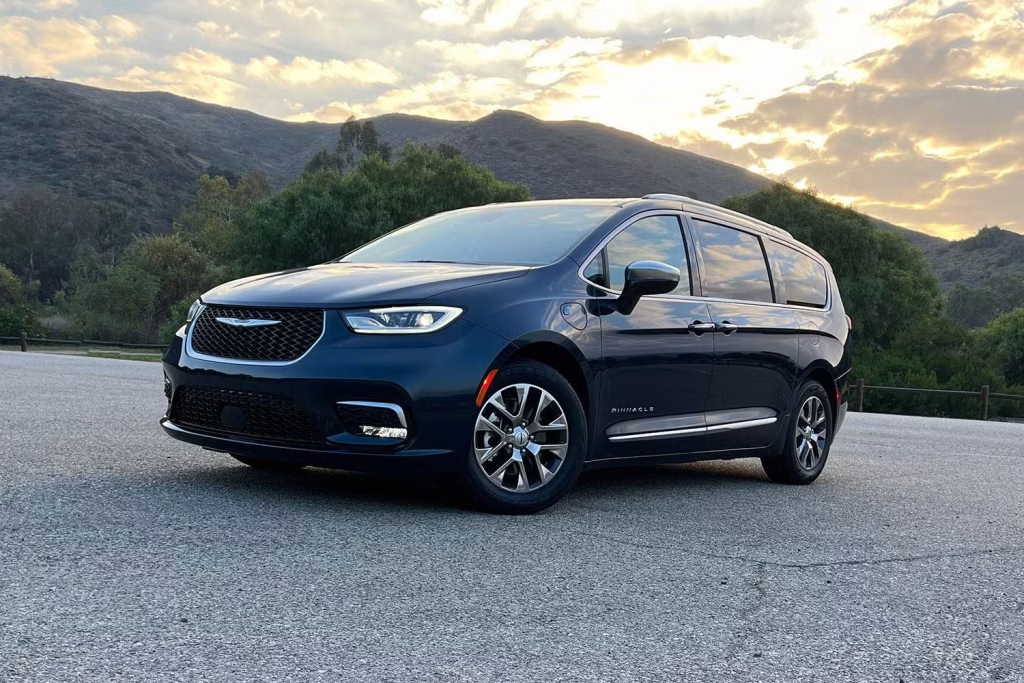
For families choosing a minivan specifically for long-term practicality, that distinction matters because reliability problems can become especially disruptive when the vehicle is used heavily for commuting, school runs and road trips.
The rating is not a guarantee that a Pacifica Hybrid will be unreliable for every owner. It is Consumer Reports’ statistical prediction based on available owner data. Still, its position near the bottom of the 2026 list makes reliability a factor that prospective buyers should investigate carefully before choosing this plug-in hybrid.